On this page
- Key takeaways
- Why are cinnamon and chromium sold together?
- What does NIH say about the benefits of each ingredient?
- What does the capsule label reveal about its cinnamon?
- Which Betterly panel tells you more about the pairing?
- Cinnamon and chromium picolinate: does the chromium form matter?
- What side effects can cinnamon, chromium and biotin cause?
- How do you take the capsules, per the label?
- When don't you need this pairing at all?
- Who should check with a healthcare provider first?
- FAQ: cinnamon and chromium
- Sources
The short answer: Cinnamon and chromium likely share a bottle because both are promoted around how your body handles the carbohydrates you eat. The NIH Office of Dietary Supplements (ODS) gives chromium a possible role in using carbohydrates, fats and proteins, while NIH's NCCIH finds no clear research support for cinnamon in any health condition. On our own pairing capsule, blend order caps the cassia at 310 mg per 2-capsule serving, and nothing sets a minimum.
Key takeaways
- ODS lists 2001-era recommended chromium amounts of 20 to 35 mcg daily for most adults (45 mcg while breastfeeding), but one 2-capsule serving of our Chromium, Gymnema & Cinnamon Capsules holds 148 mcg.
- ODS's weight-loss supplement sheet calls 20 to 45 mcg of chromium a day safe for adults, a range one serving of Chromium, Gymnema & Cinnamon Capsules already passes.
- Chromium, Gymnema & Cinnamon Capsules list cassia second in a 620 mg blend, which caps it at 310 mg per 2-capsule serving with no minimum.
- Our Cinnamon & Licorice Root Drops give cassia its own amount, 500 mg of 1:5 extract in each 2 ml (40 drops) serving, but contain no chromium.
- Chromium, Gymnema & Cinnamon Capsules also hold 600 mcg of biotin per 2-capsule serving, and ODS warns that biotin beyond recommended amounts can cause false lab results.
Full disclosure: the pairing capsule is ours, listed on our weight goal page, and so is every other product we name. So the label gaps below include our own, starting with a cinnamon amount we can't give you.
Why are cinnamon and chromium sold together?
Cinnamon and chromium are most likely sold together because both are promoted around carbohydrate handling: chromium has a possible nutrient role, and cinnamon has a long culinary and traditional history.
The two reached the label by different routes. Chromium is a trace mineral found in many foods, and ODS's consumer fact sheet on chromium says researchers still don't fully understand what it does in your body.
Cinnamon's case rests on history instead. The National Center for Complementary and Integrative Health (NCCIH) notes on its cinnamon page that cinnamon's bark, leaves, flowers, fruits and roots have a long record in traditional medicine and cooking, in places including China, India and Persia.
Neither NIH page we read covers the pair. The ODS chromium sheet never mentions cinnamon, and the NCCIH page never mentions chromium.
What does NIH say about the benefits of each ingredient?
ODS says chromium might help your body use the food you eat, and NCCIH finds that research doesn't clearly support using cinnamon for any health condition.
That's a thinner case than many cinnamon and chromium benefits lists suggest. ODS goes further on chromium: scientists no longer regard it as necessary for good health, and healthy people aren't known to run low on it.
The recommended amounts ODS prints are tiny and dated. Scientists set them in 2001, when the mineral was still considered essential: 35 mcg a day for men 19 to 50, 25 mcg for women that age, then 30 mcg and 20 mcg past age 50.
On cinnamon, NCCIH adds a label warning. Products don't always state which species or plant part they use, and those choices change a product's chemistry and how it affects people. Every label in this guide that lists cinnamon names both: Cinnamomum cassia, bark. What four of the five leave out is the amount.
What does the capsule label reveal about its cinnamon?
The Chromium, Gymnema & Cinnamon Capsules label names cassia bark but gives no amount, so blend order sets a 310 mg ceiling per 2-capsule serving and no floor.
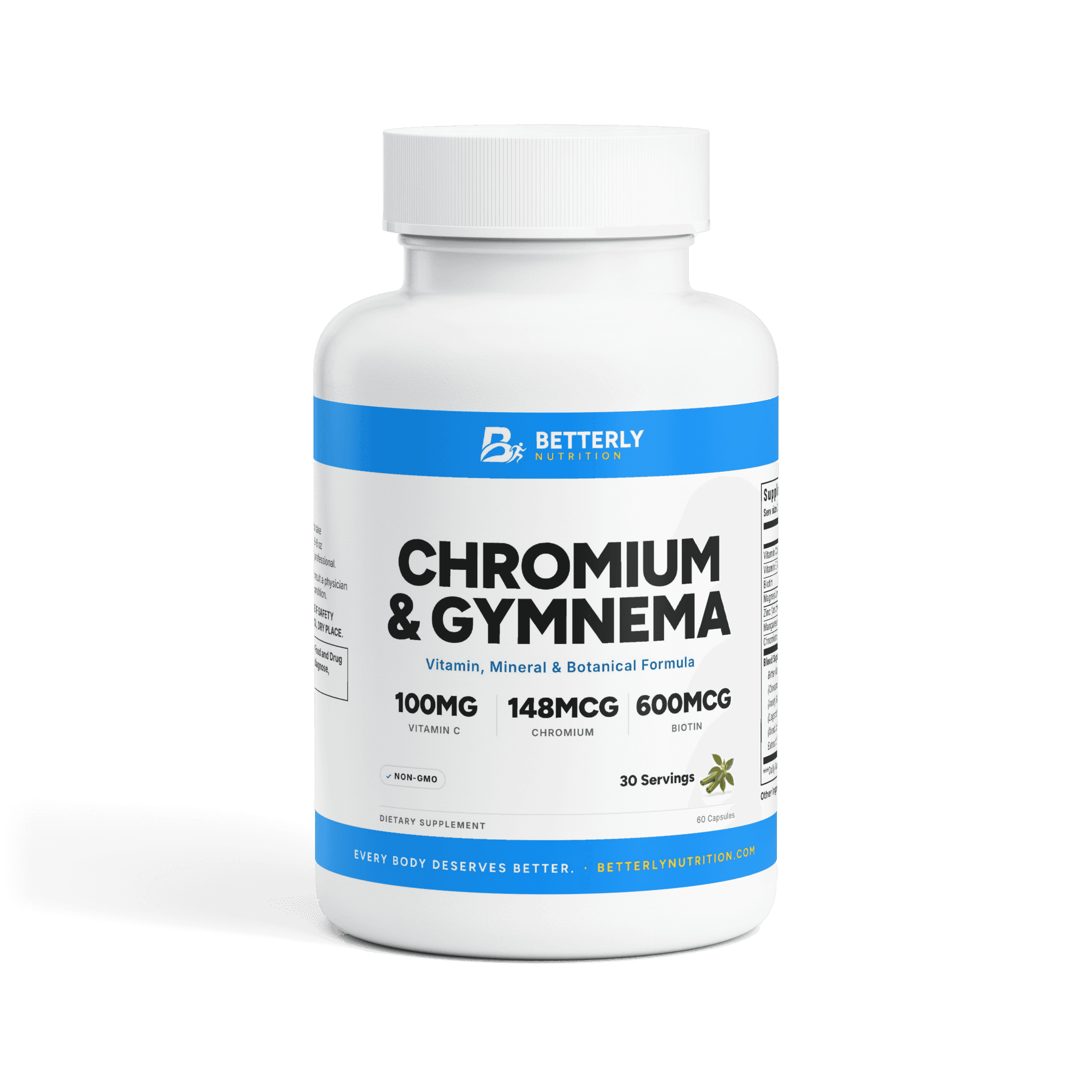
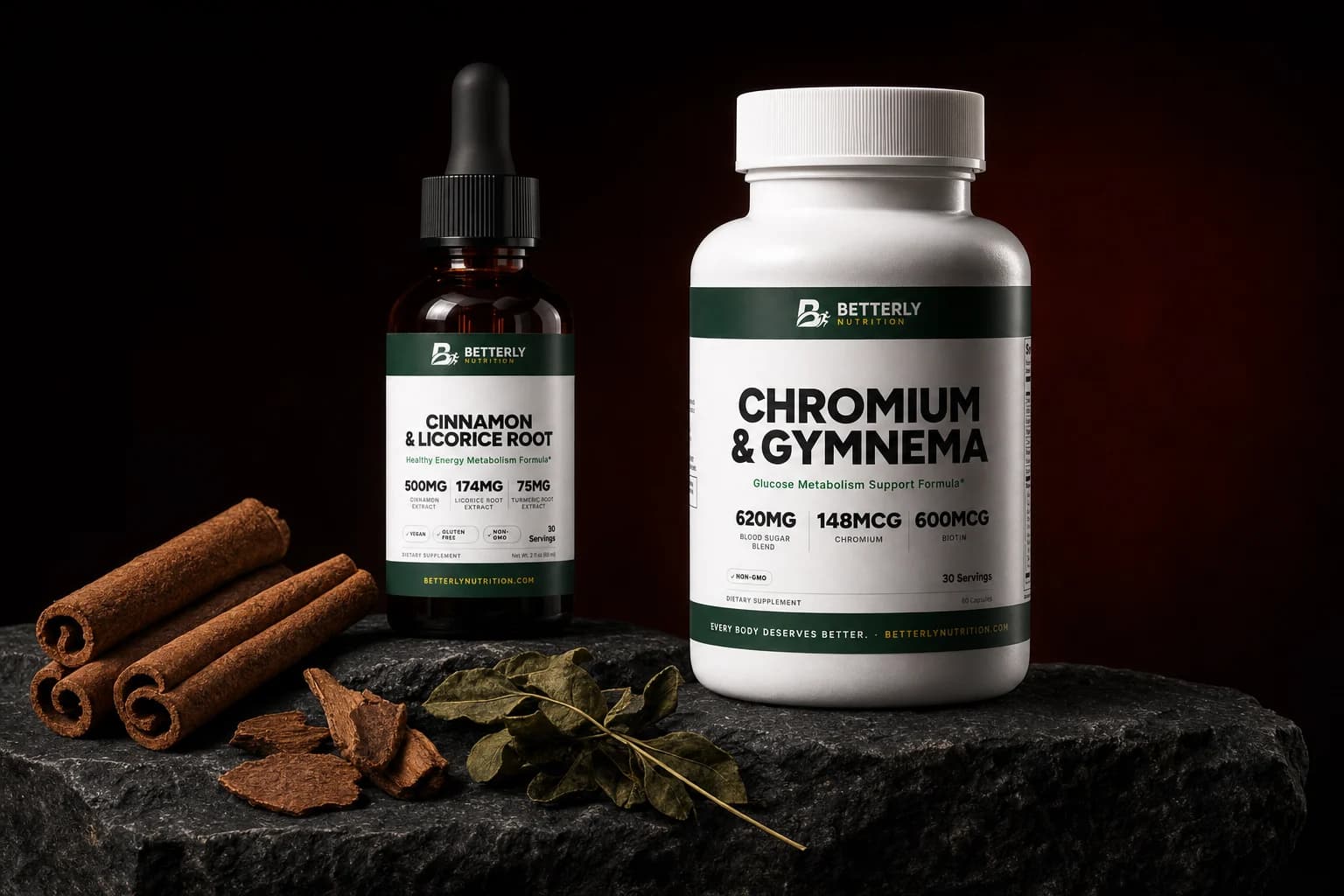
The bottle's front reads "Chromium & Gymnema," so turn to the back panel. Per 2-capsule serving, its rows run: 100 mg of vitamin C, 10 mg of vitamin E, 600 mcg of biotin, 23 mg of magnesium, 7.5 mg of zinc, 1 mg of manganese and 148 mcg of chromium. Then comes a 620 mg blend holding 11 ingredients, gymnema leaf fourth.
Cinnamon sits in that blend as "Cinnamon (Cinnamomum cassia)(bark)," the second name, right behind bitter melon extract. Every other botanical in the blend says "Extract" or "Powder," but the cinnamon line says neither, so you can't tell what form of bark is inside.
Because a blend lists its heaviest ingredient first, the bitter melon extract can't weigh less than the cinnamon. Two shares of that size can't top 620 mg, so cinnamon can't pass half. Our guide to reading proprietary blends works the same division on other labels.
There's no floor, though: bitter melon could take most of the 620 mg and leave cinnamon a pinch.
Chromium is the opposite story, with its own row, its form and a percentage (420% DV). The ODS consumer sheet lists no upper limit. Still, ODS's fact sheet on weight-loss supplements calls 20 to 45 mcg daily safe for adults, and this 148 mcg serving is more than 3 times the top of that range.
Which Betterly panel tells you more about the pairing?
No Betterly panel prints amounts for both chromium and cinnamon: four labels blend cassia beside a chromium row, and the drops print cassia without chromium.
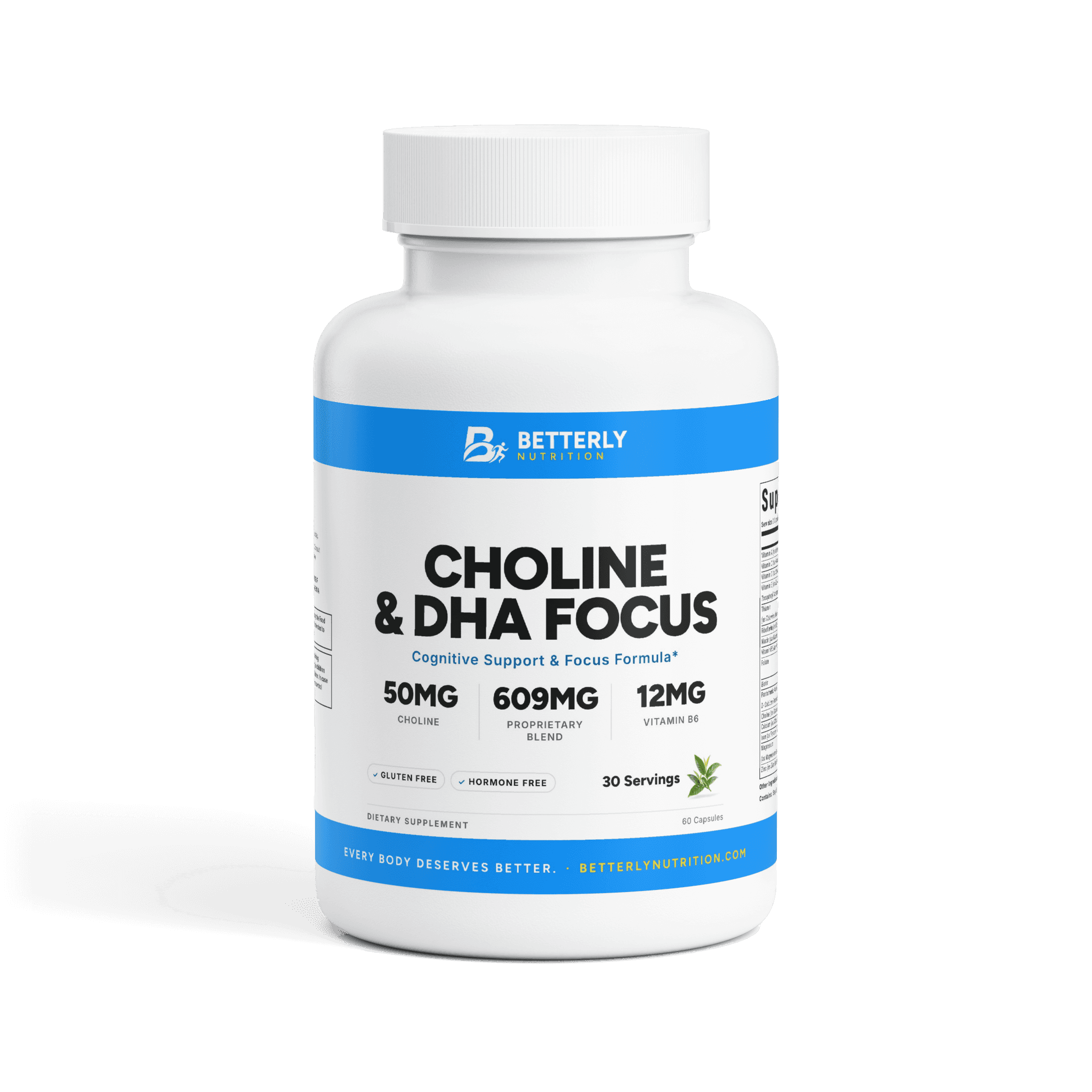
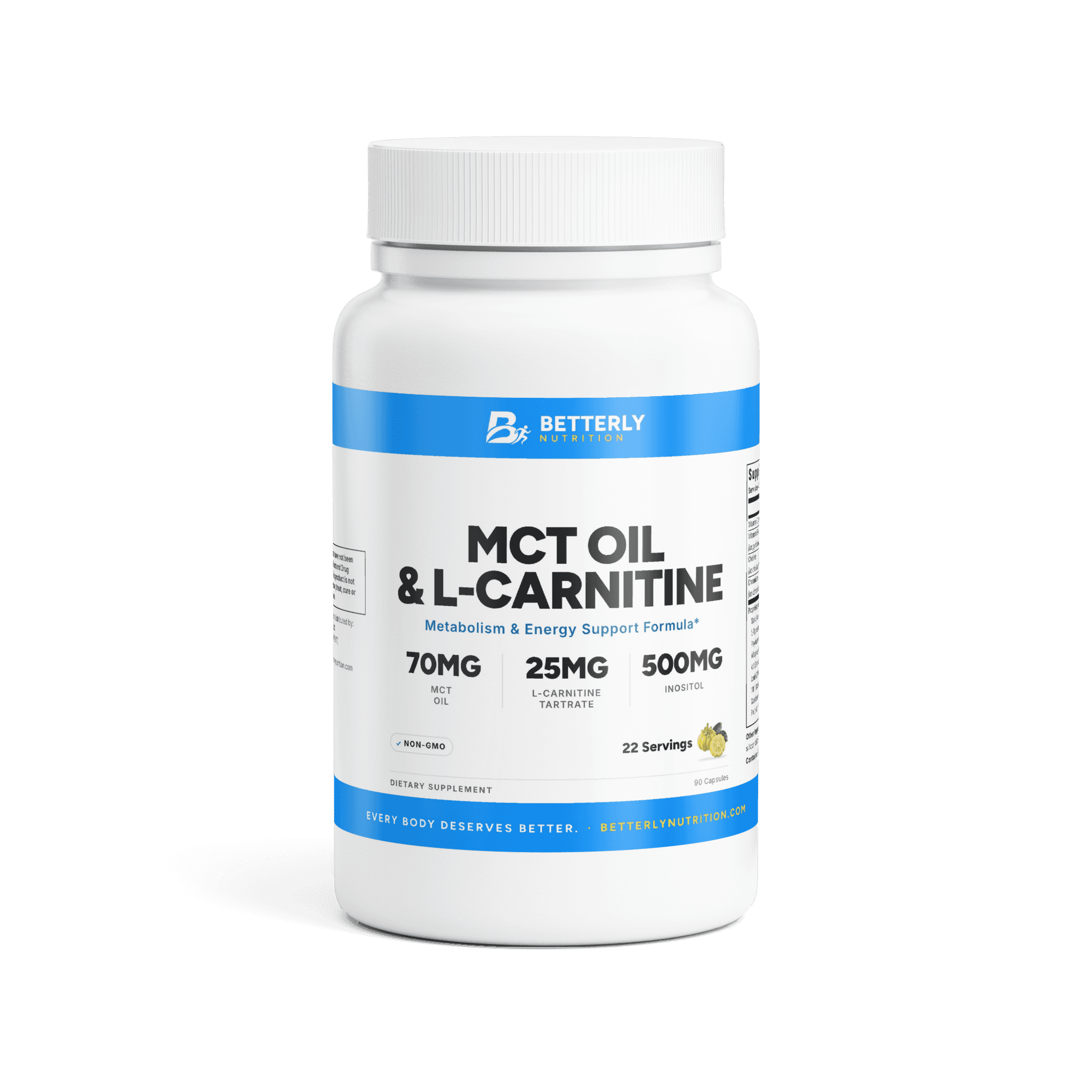
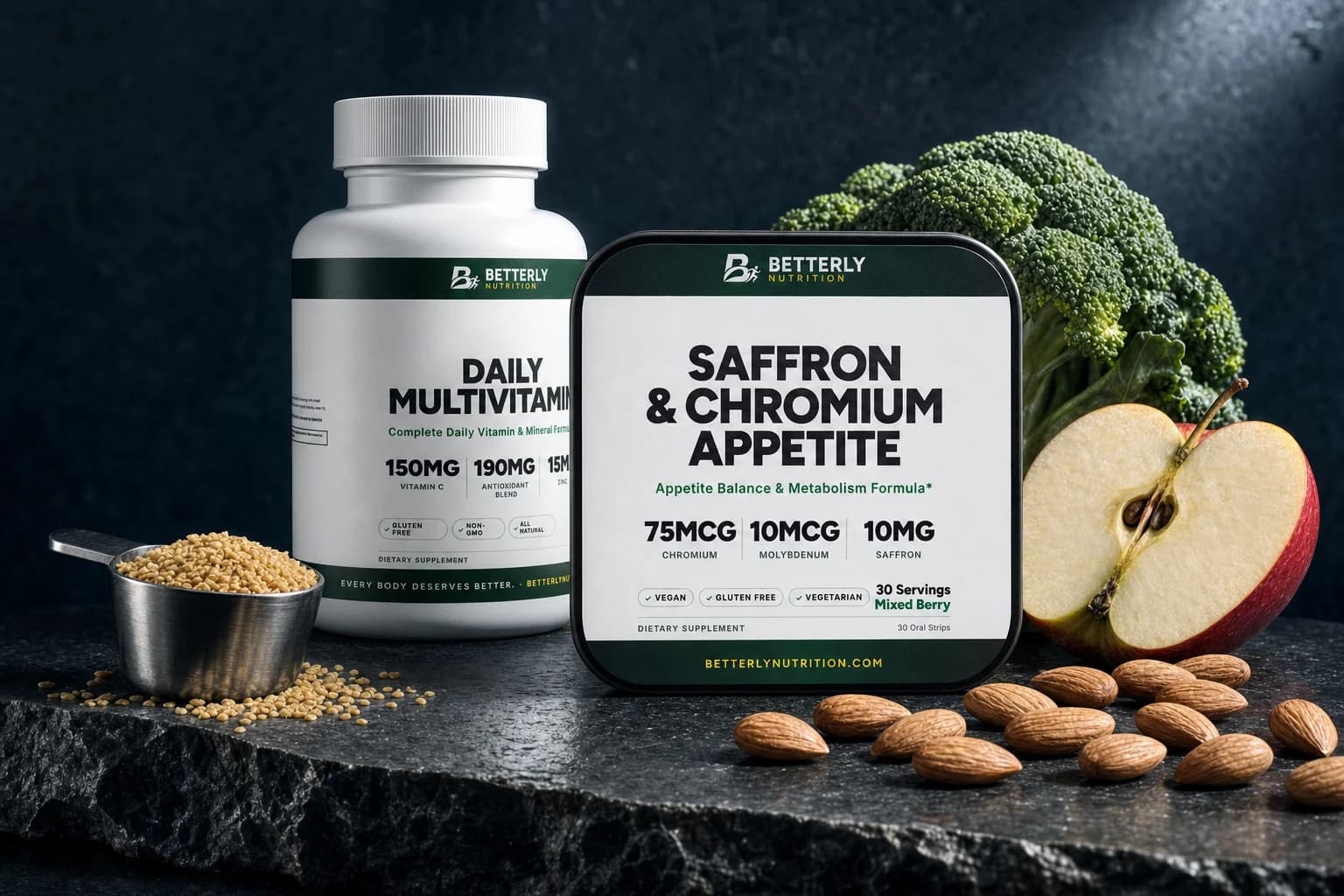
Shopping for cinnamon capsules with chromium? Our Daily Multivitamin Capsules, MCT Oil & L-Carnitine Capsules and Choline & DHA Focus Capsules also pair a chromium row with cassia in a blend. Our Saffron & Chromium Appetite Strips hold chromium but no cinnamon.
| Product | Chromium per serving (form) | Where cassia sits | Cassia you can pin down |
|---|---|---|---|
| Chromium, Gymnema & Cinnamon Capsules | 148 mcg per 2 capsules (amino acid chelate) | 2nd of 11 in a 620 mg blend | Up to 310 mg |
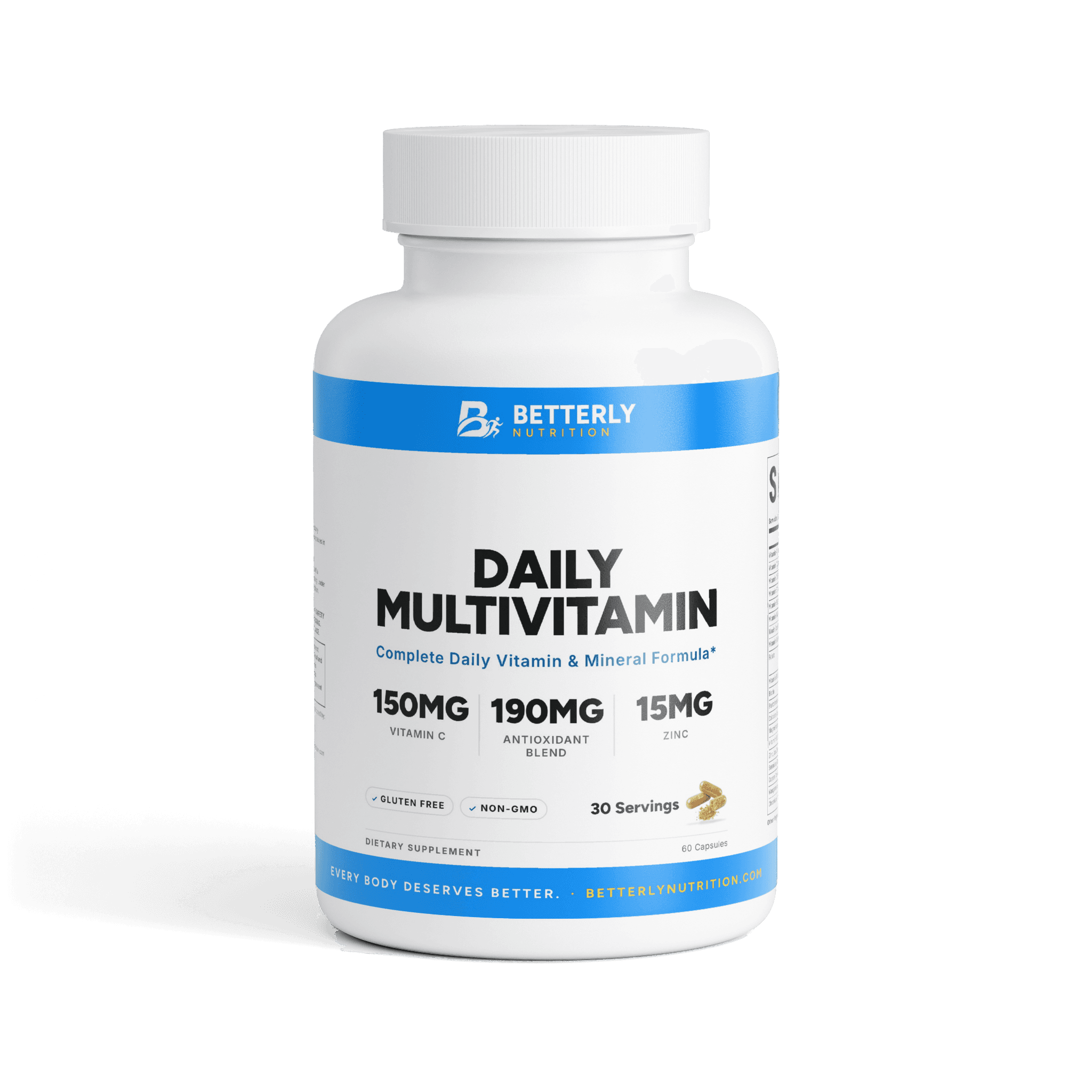
| Daily Multivitamin Capsules | 120 mcg per 2 capsules (picolinate) | 3rd of 7 in a 190 mg blend | Under 64 mg |
| MCT Oil & L-Carnitine Capsules | 200 mcg per 4 capsules (polynicotinate) | 13th of 15 in a 631 mg blend | Under 49 mg of 10:1 extract |
| Choline & DHA Focus Capsules | 12 mcg per 2 capsules (picolinate) | 12th of 18 in a 609 mg blend | Under 51 mg of extract |
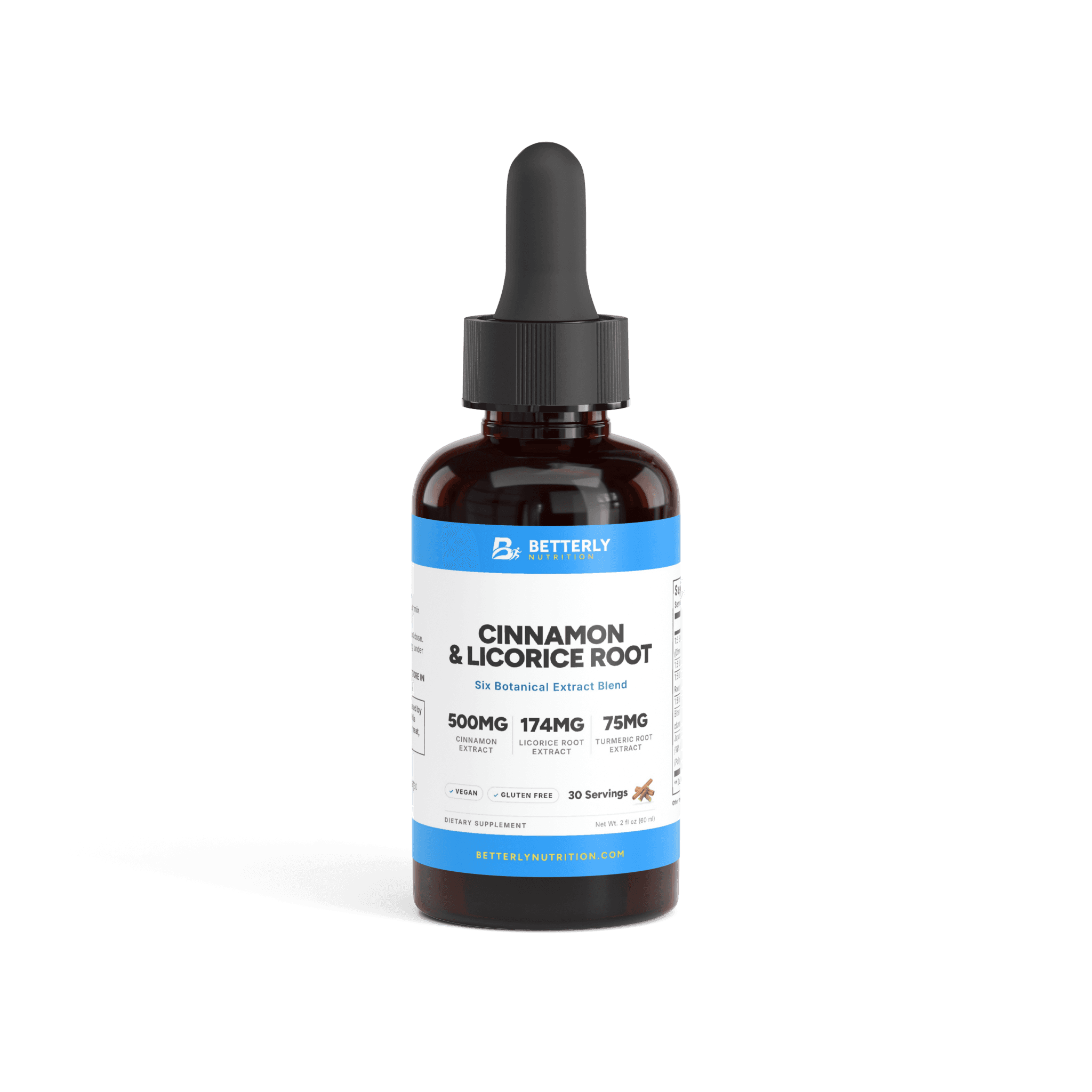
| Cinnamon & Licorice Root Drops | None | Its own row | 500 mg of 1:5 extract per 2 ml (40 drops) |
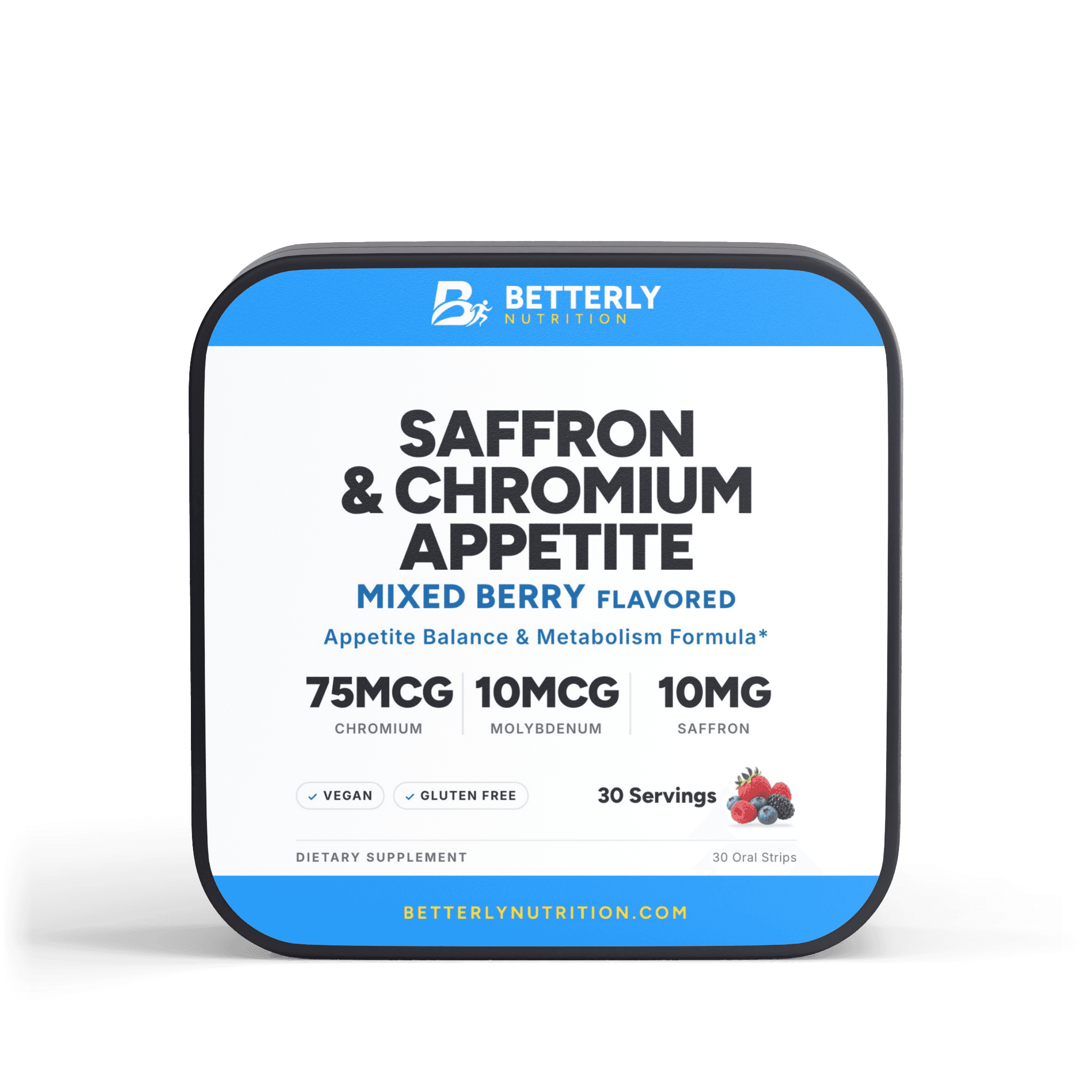
| Saffron & Chromium Appetite Strips | 75 mcg per 1 strip (picolinate) | Not on the label | None |
In the right-hand column, wherever a label pairs a chromium amount with cassia, the cassia gets only a ceiling, and the one real cassia number comes in a bottle with no chromium. Ratios like 10:1 and 1:5 describe how an extract was made, so none of these figures converts neatly into teaspoons of ground cinnamon.
From our shop: Chromium, Gymnema & Cinnamon Capsules — cassia bark sits second in the 620 mg blend, and the chromium row prints 148 mcg, in amino acid chelate form, per 2-capsule serving.
Cinnamon and chromium picolinate: does the chromium form matter?
For cinnamon and chromium picolinate products, the form matters less than the microgram count, since ODS says your body absorbs the supplement forms of chromium similarly.
ODS names picolinate among the chromium forms in supplements, but our main pairing capsule uses amino acid chelate. Three of our labels use picolinate: the multivitamin (120 mcg per 2-capsule serving), the Focus capsules (12 mcg per 2-capsule serving) and the strip (75 mcg per 1-strip serving). Only the first two also list cassia.
Comparing any picolinate pairing with ours? Check the chromium mcg per serving, whether cinnamon gets its own row, and the serving size. A chromium form tells you nothing about the cinnamon beside it.
What side effects can cinnamon, chromium and biotin cause?
Larger cinnamon amounts are sometimes tied to stomach upset or allergies, ODS links chromium beyond its adult safe range to nausea and headache, and biotin can skew lab tests.
Cinnamon. NCCIH considers food amounts likely safe. Its cautions cover larger amounts and long stretches of use, and a capsule taken daily for months fits the second.
Species adds a wrinkle. Cassia carries coumarin, and our Ceylon vs cassia breakdown covers what NCCIH reports about it. For this capsule, the gap is arithmetic. No panel of ours prints coumarin, and a blend that hides the cassia amount leaves nothing to estimate from.
Chromium. Here the two ODS sheets part ways. The chromium sheet says chromium from food or supplements doesn't seem to be harmful, with the caveat that research is limited. The weight-loss sheet is stricter: beyond 20 to 45 mcg a day for adults, it says, chromium can bring on watery stools, constipation, nausea, vomiting, headache, weakness, dizziness and hives.
At 148 mcg per 2-capsule serving, our capsule sits well above that range on its own. People with kidney or liver conditions are the group ODS singles out for extra care with high chromium intakes.
Biotin. The capsule's 600 mcg per 2-capsule serving prints as 2000% DV, easy to miss on a label sold for chromium and cinnamon. ODS's consumer sheet on biotin says the vitamin hasn't been shown to cause harm. Its warning concerns blood work: amounts above the recommended level may produce false readings on some lab tests, including certain hormone tests like thyroid hormone.
How do you take the capsules, per the label?
Per the Chromium, Gymnema & Cinnamon Capsules label, adults take 2 capsules a day, ideally with 6 to 8 oz (177 to 237 ml) of water.
The label is silent on timing and meals, so pick a slot that fits your routine. At 30 servings of 2 capsules, a bottle lasts a month.
One serving already carries more chromium than the ODS weight-loss sheet calls safe. So clear this capsule with a healthcare provider first, and never take more than the label's 2 capsules a day.
The bigger risk is doubling up by accident. Here's what a second product adds to one daily serving:
- Plus our drops: 500 mg of 1:5 cassia extract on top of an unknown capsule share, so your daily cassia total can't be worked out.
- Plus our multivitamin: 268 mcg of chromium and 900 mcg of biotin a day.
- Plus our MCT capsules: 348 mcg of chromium a day, with cassia from two blends.
- Plus our Focus capsules: 160 mcg of chromium a day, and again two blends with cassia.
Even the lowest total, 160 mcg, is more than 3 times the upper end of that 20 to 45 mcg range, so choose one product. Our chromium-per-day guide runs the totals for other pairs of our labels. The drops' panel lists vegan and gluten-free, while the capsule shell is gelatin.
When don't you need this pairing at all?
You likely don't need a cinnamon and chromium supplement if your meals are varied, you want a measured cinnamon dose, or something you already take lists chromium.
- Your plate already supplies chromium. According to ODS, eating a mix of foods covers the recommended amounts.
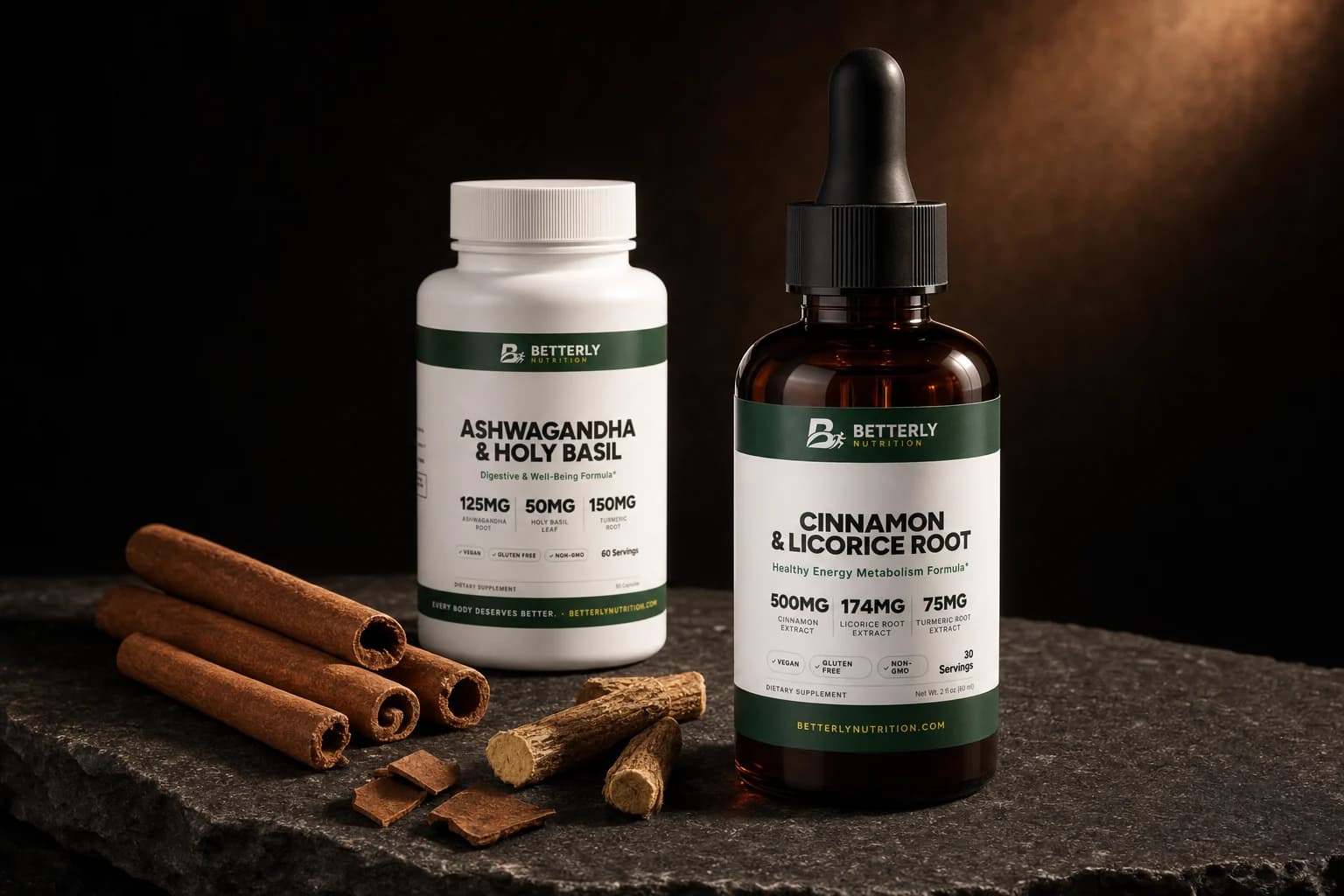
- You want a cassia number you can read. The drops print one. Their licorice row reads simply "1:5 Extract of Licorice Root," 174 mg per 2 ml serving, while the capsule names the deglycyrrhizinated kind.
- A label you already take pairs chromium with cassia. Our multivitamin, MCT capsules and Focus capsules each do, so this capsule would double up on both.
- You picked it for the cinnamon. The printed front says "Chromium & Gymnema," and the blend could hold only a sliver of cassia.
From our shop: Cinnamon & Licorice Root Drops — a 1:5 cassia bark extract listed at 500 mg for each 2 ml (40 drops) morning serving, with no chromium anywhere on the panel.
Who should check with a healthcare provider first?
Get a provider's okay before starting cinnamon with chromium if you take medicine, have blood work coming, are under 18, pregnant or nursing, or have a kidney or liver condition.
- Pregnant or nursing. The capsule's caution names both. NCCIH has little safety information on larger amounts of cinnamon while breastfeeding.
- Taking any medicine. ODS cautions that chromium supplements can get in the way of certain medicines. Levothyroxine, a thyroid medicine, is one it names: when it's taken with chromium, your body may absorb less of it. NCCIH's advice for anyone on any medicine is to check with a provider before trying cinnamon.
- Blood work on the calendar. Let whoever orders the test know about the capsule's 600 mcg of biotin.
- A kidney or liver condition. ODS flags high chromium intakes here, and NCCIH names liver sensitivity as a reason for care with long stretches of cassia.
Beyond those, the capsule's printed caution asks anyone with a medical condition to consult a physician first, and it tells everyone not to exceed the recommended dose.
FAQ: cinnamon and chromium
Can you take cinnamon and chromium together?
Yes, cinnamon and chromium can be combined, since no NIH page we cite warns against the pair, and four of our capsules already do it. The part to watch is the chromium dose. Our Chromium, Gymnema & Cinnamon Capsules hold 148 mcg per 2-capsule serving, more than triple the highest daily amount (45 mcg) that ODS's weight-loss sheet counts as safe for adults. So don't add another chromium product, and if you take any medicine, run it by your provider first.
Why does a cinnamon and chromium capsule include biotin?
Biotin probably appears in a cinnamon and chromium capsule because it fits the same theme. ODS calls it a B vitamin that your body relies on to get energy from carbohydrates, fats and proteins. That's our reading; the label doesn't say. The amount is the part worth knowing: 600 mcg per 2-capsule serving, 20 times the 30 mcg ODS lists for adults, which matters if lab work is coming up.
Is the cinnamon in these supplements Ceylon or cassia?
In the Betterly products that pair it with chromium, it's cassia. Chromium, Gymnema & Cinnamon Capsules list Cinnamomum cassia bark, and so do our Daily Multivitamin Capsules, MCT Oil & L-Carnitine Capsules and Choline & DHA Focus Capsules. According to NCCIH, cassia is the type North American stores sell most. A label with no species name leaves you guessing which tree the bark came from.
When should you take chromium and cinnamon?
Chromium, Gymnema & Cinnamon Capsules don't name a time of day, so any time you'll remember works, with water as the label suggests. The Cinnamon & Licorice Root Drops label is the one that picks a slot: 2 ml (40 drops) in the morning. Whichever you choose, stick to its single daily serving, and don't use the two together, since your cassia total would be impossible to add up.
Sources
- Chromium: Fact Sheet for Consumers, NIH Office of Dietary Supplements
- Dietary Supplements for Weight Loss: Fact Sheet for Consumers, NIH Office of Dietary Supplements
- Biotin: Fact Sheet for Consumers, NIH Office of Dietary Supplements
- Cinnamon: Usefulness and Safety, National Center for Complementary and Integrative Health
If this left you looking for somewhere to start, read chromium and cinnamon capsules — its amounts per serving are listed on the page. For the practical questions this raises, how dosing, sourcing and subscriptions work is answered in one place.