On this page
- Key takeaways
- Ceylon vs cassia cinnamon: what's the difference?
- Is cassia cinnamon real cinnamon, and where does Saigon fit?
- Is cassia cinnamon bad for you? What NCCIH says about coumarin
- Ceylon vs cassia health benefits: does the species matter?
- How much cinnamon per day is safe?
- How can you tell whether cinnamon is Ceylon or cassia?
- How do you take Cinnamon & Licorice Root Drops, per the label?
- When don't you need a cinnamon supplement?
- Who should check with a healthcare provider first?
- FAQ: Ceylon vs cassia cinnamon
- Sources
The short answer: Ceylon vs cassia cinnamon is a question of two different trees. Ceylon (Cinnamomum verum) is the "true" cinnamon, grown mainly in Sri Lanka. Cassia (Cinnamomum aromaticum, often printed as Cinnamomum cassia) is the most common kind sold in North America. The gap that matters most is coumarin: NCCIH says some cassia products contain high levels, while Ceylon may hold only a trace.
Key takeaways
- Ceylon and cassia come from separate species in the genus Cinnamomum, and the FDA's spice list gives cassia a cinnamon name too: "Cinnamon, Chinese."
- NCCIH says some cassia products are high in coumarin, a natural compound with reported liver interactions, while Ceylon may contain a trace.
- Neither species has clear research support for any health condition, according to NCCIH.
- The most dependable way to know which cinnamon a supplement holds is a Latin species name on its panel.
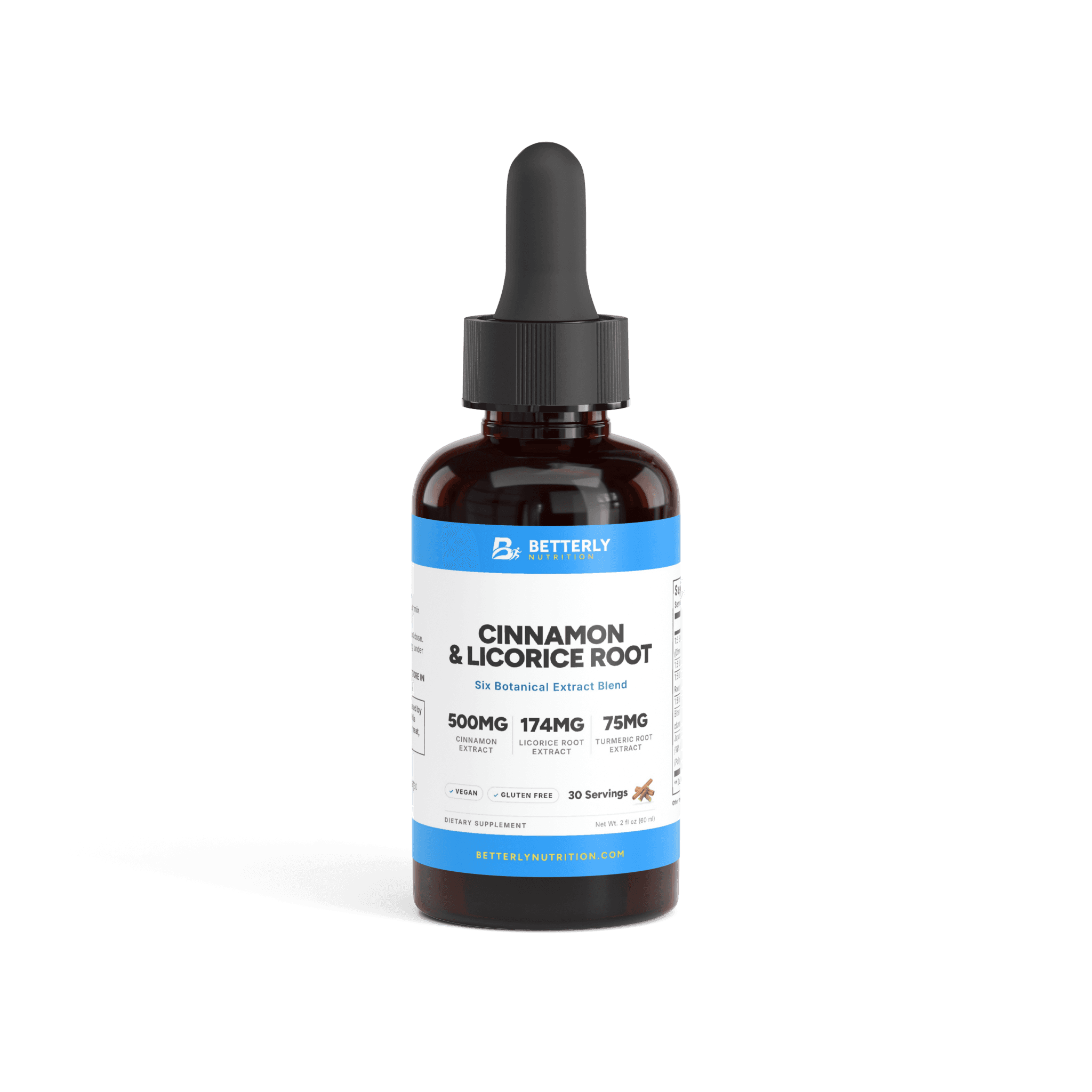
- Our Cinnamon & Licorice Root Drops list cassia bark: 500 mg of a 1:5 extract per 2 ml (40 drops) serving.
Eight of our labels list cinnamon, from drops in our adaptogens and herbal formulas to several blends, and each sale pays us. Not one of those labels uses Ceylon. Below, each panel's printed species sits next to what federal sources say.
Ceylon vs cassia cinnamon: what's the difference?
Ceylon cinnamon and cassia cinnamon come from different Cinnamomum trees, grow in different regions and differ most in coumarin, which NCCIH ties to cassia.
Both spices are dried tree bark. The National Center for Complementary and Integrative Health (NCCIH) cinnamon page notes that each tree answers to more than one Latin name. Ceylon can be printed as Cinnamomum verum or Cinnamomum zeylanicum, and cassia as Cinnamomum aromaticum or Cinnamomum cassia.
Here's how the two main species line up, with Saigon added:
| Trait | Ceylon | Cassia | Saigon |
|---|---|---|---|
| Latin names you'll see | C. verum, C. zeylanicum | C. aromaticum, C. cassia | C. loureirii |
| Names on the FDA spice list | Cinnamon, Ceylon | Cassia, Chinese; Cinnamon, Chinese | Cassia, Saigon; Cinnamon, Saigon |
| Where it grows, per NCCIH | Mainly Sri Lanka | Parts of southeastern Asia | Not covered |
| Coumarin, per NCCIH | May contain a trace | Some products are high | Not covered |
The bottom row is the practical difference. NCCIH doesn't rank either main species ahead for benefits.
Is cassia cinnamon real cinnamon, and where does Saigon fit?
Cassia is sold as cinnamon, and the FDA's spice list names the cassia tree "Cinnamon, Chinese," while Saigon cinnamon gets both a cassia and a cinnamon name there.
That list is the FDA regulation for spices generally recognized as safe, 21 CFR 182.10. Ceylon gets one entry, "Cinnamon, Ceylon," under Cinnamomum zeylanicum. The cassia tree, Cinnamomum cassia, gets two: "Cassia, Chinese" and "Cinnamon, Chinese." So on the FDA's own list, the word cinnamon isn't reserved for the Ceylon tree. "True cinnamon" is a traditional nickname, and the Latin verum simply means "true."
Saigon cinnamon, named for the Vietnamese city, is Cinnamomum loureirii on the same list, entered as both "Cassia, Saigon" and "Cinnamon, Saigon." A fourth tree, Cinnamomum burmanni, appears only as "Cassia, Padang or Batavia," after two places in Indonesia.
So which is healthier, Saigon or Ceylon? There's no federal answer. NCCIH's page covers Ceylon and cassia only, so it's silent on coumarin in Saigon or Indonesian cinnamon. Ask the seller about coumarin before you use Saigon or Indonesian cinnamon heavily.
Is cassia cinnamon bad for you? What NCCIH says about coumarin
NCCIH calls cinnamon likely safe in food amounts, but some cassia products carry high levels of coumarin, and prolonged use could matter for sensitive people.
Coumarin is a natural chemical in cassia bark, and NCCIH says interactions between coumarin and the liver have been reported. Eating cassia usually doesn't supply enough coumarin to cause significant problems, it adds. The concern is prolonged use, which NCCIH says could be an issue for sensitive people, such as those with a liver condition.
Ceylon isn't coumarin-free, either. NCCIH says it may contain a trace.
NCCIH also says larger amounts or long use of cinnamon are sometimes linked to side effects, most often digestive upset or allergic reactions. And it warns never to swallow cinnamon powder for the "cinnamon challenge," an internet dare that can cause serious harm.
One gap to know about: coumarin isn't a row on our Supplement Facts panels. We can't hand you a coumarin figure for our drops, and we won't guess one.
Ceylon vs cassia health benefits: does the species matter?
Ceylon and cassia have no proven benefit gap, because NCCIH says research doesn't clearly support cinnamon of any species for any health condition.
NCCIH also explains why online "benefits" lists disagree. Many cinnamon studies are hard to interpret, it says, because it's often unclear which species or plant part was tested. A study that never names its cinnamon can't tell you whether Ceylon or cassia did anything.
How much cinnamon per day is safe?
NCCIH gives no daily milligram limit for cinnamon; it calls food amounts likely safe and says larger amounts or long use sometimes bring side effects.
We won't repeat online teaspoon or milligram figures we can't check. Here's what you can act on:
- Prolonged, regular use of cassia is the pattern NCCIH flags for sensitive people.
- Ceylon isn't limit-free. NCCIH calls larger amounts of Ceylon unsafe during pregnancy.
- In a supplement, the label sets your ceiling. Our drops' label says adults take 2 ml (40 drops) daily, and its caution opens with "Do not exceed recommended dose."
- Count your kitchen and your supplements together, and raise a daily cassia extract plus a heavy cinnamon habit with your provider.
How can you tell whether cinnamon is Ceylon or cassia?
The surest way to tell Ceylon from cassia is a Latin species name on the label, since NCCIH warns that cinnamon products may not say which species they use.
NCCIH's concern is that products may not clearly show the species or the plant part, such as bark, leaves or roots. Those types and parts differ in chemical makeup, it adds, which can change a product's effect on people.
Use this five-point check on any cinnamon product:
- Species: verum or zeylanicum means Ceylon, and aromaticum or cassia means cassia. No Latin name or "Ceylon" on the label, no way to be sure.
- Plant part: look for "(bark)." Leaf or root is a different ingredient.
- Form: powder is ground bark, while a liquid extract shows a strength ratio such as 1:5. The NIH Office of Dietary Supplements' botanical background fact sheet says that ratio compares the dried plant's weight with the finished product's volume or weight.
- Own amount or blend: inside a blend, you only get the blend's total. Our guide to proprietary blends shows how to read one.
- Serving size: match the amount to the serving, whether that's 40 drops, 1 capsule or 2.
Here's how that check reads across all eight of our labels that list cinnamon:
| Species on the panel | Our labels that print it | Own amount shown? |
|---|---|---|
| Ceylon (C. verum or C. zeylanicum) | None | No product |
| Cassia (C. cassia) | Cinnamon & Licorice Root Drops | Yes: 500 mg of a 1:5 bark extract per 2 ml (40 drops) |
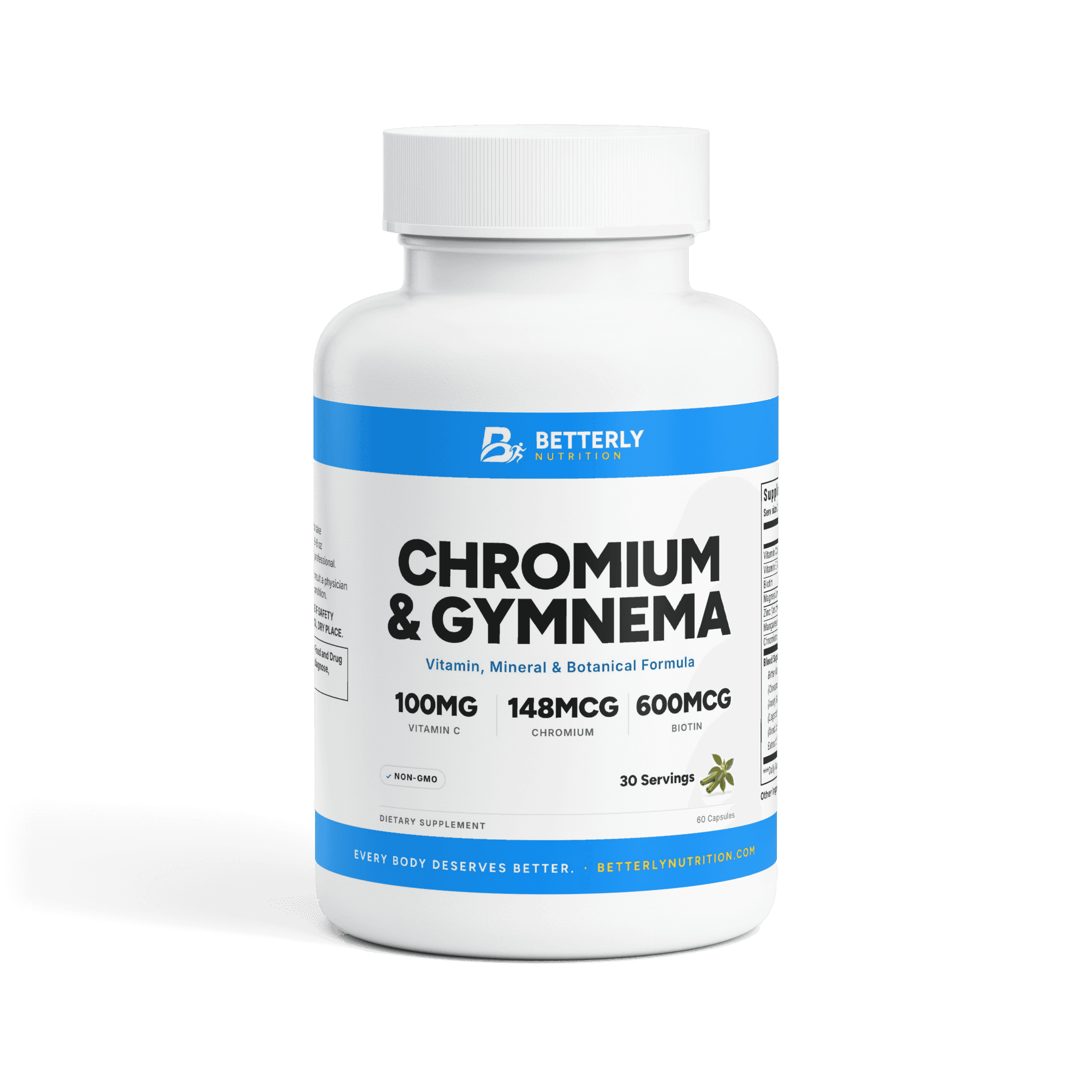
| Cassia (C. cassia) | Chromium, Gymnema & Cinnamon Capsules; Daily Multivitamin Capsules; Choline & DHA Focus Capsules; MCT Oil & L-Carnitine Capsules | No: inside a capsule blend |
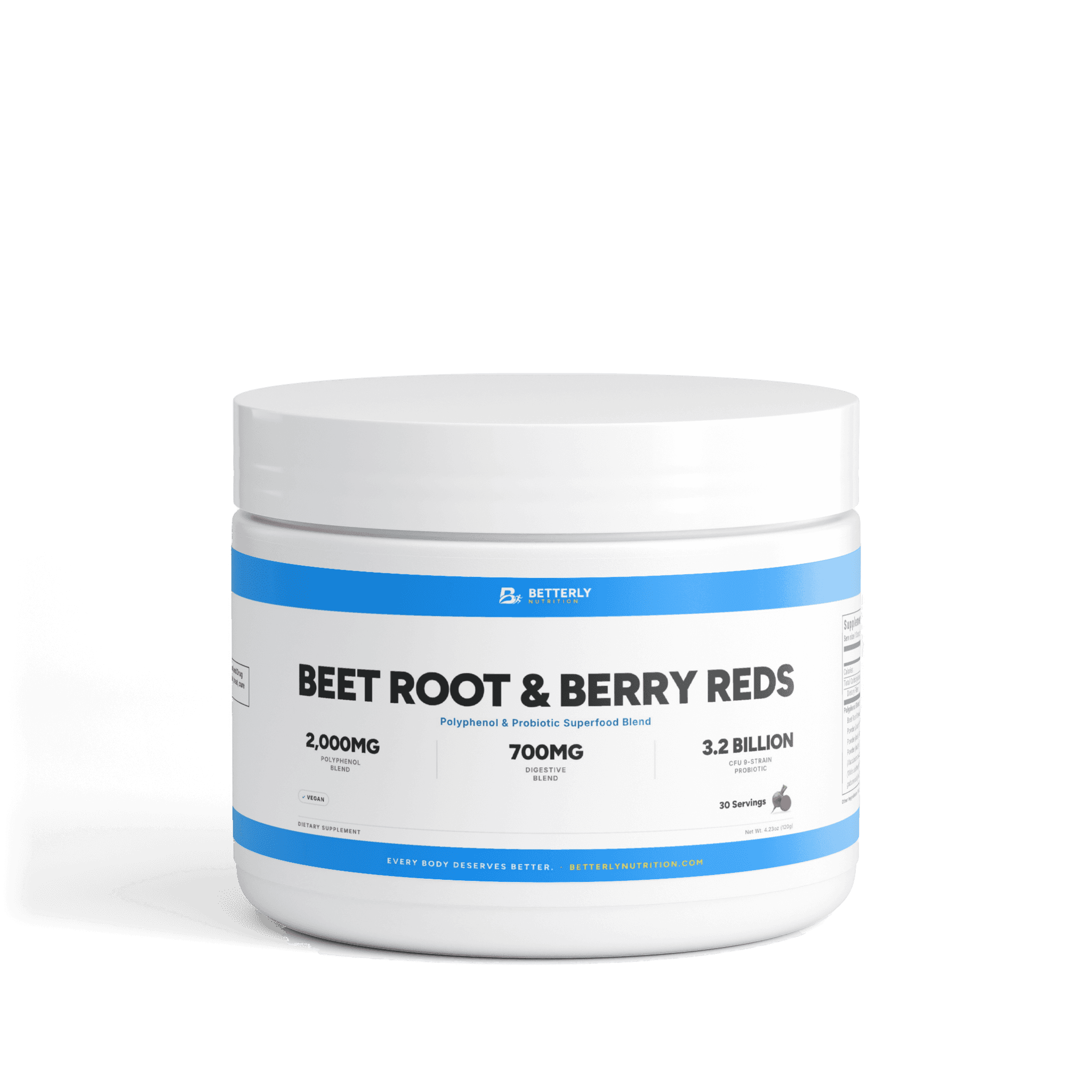
| Cassia (C. cassia) | Barley Grass & Spirulina Greens Powder; Beet Root & Berry Reds Powder | No: inside a powder blend |
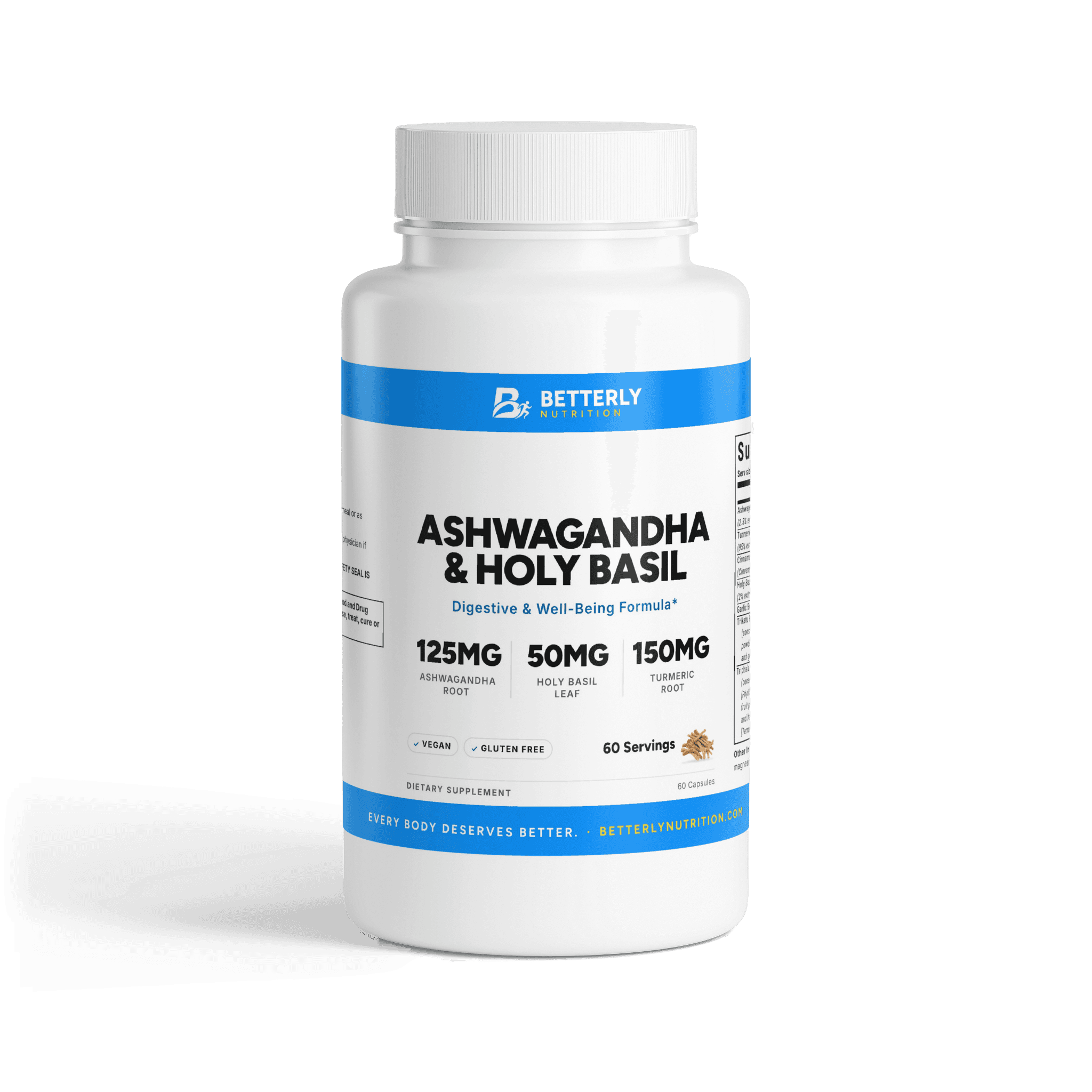
| Cinnamomum wilsonii | Ashwagandha & Holy Basil Ayurvedic Capsules | Yes: 75 mg of bark powder per 1 capsule |
The honest summary: we don't sell a Ceylon product. Cassia appears on seven of our eight cinnamon labels, and only the drops give it an amount of its own.
The odd one out is Cinnamomum wilsonii, the bark powder in our Ashwagandha & Holy Basil Ayurvedic Capsules. It's neither Ceylon nor cassia. It isn't on the FDA spice list we cite, and NCCIH's page doesn't mention it, so we have no federal coumarin information for it. Our holy basil and ashwagandha comparison walks through the rest of that capsule's panel.
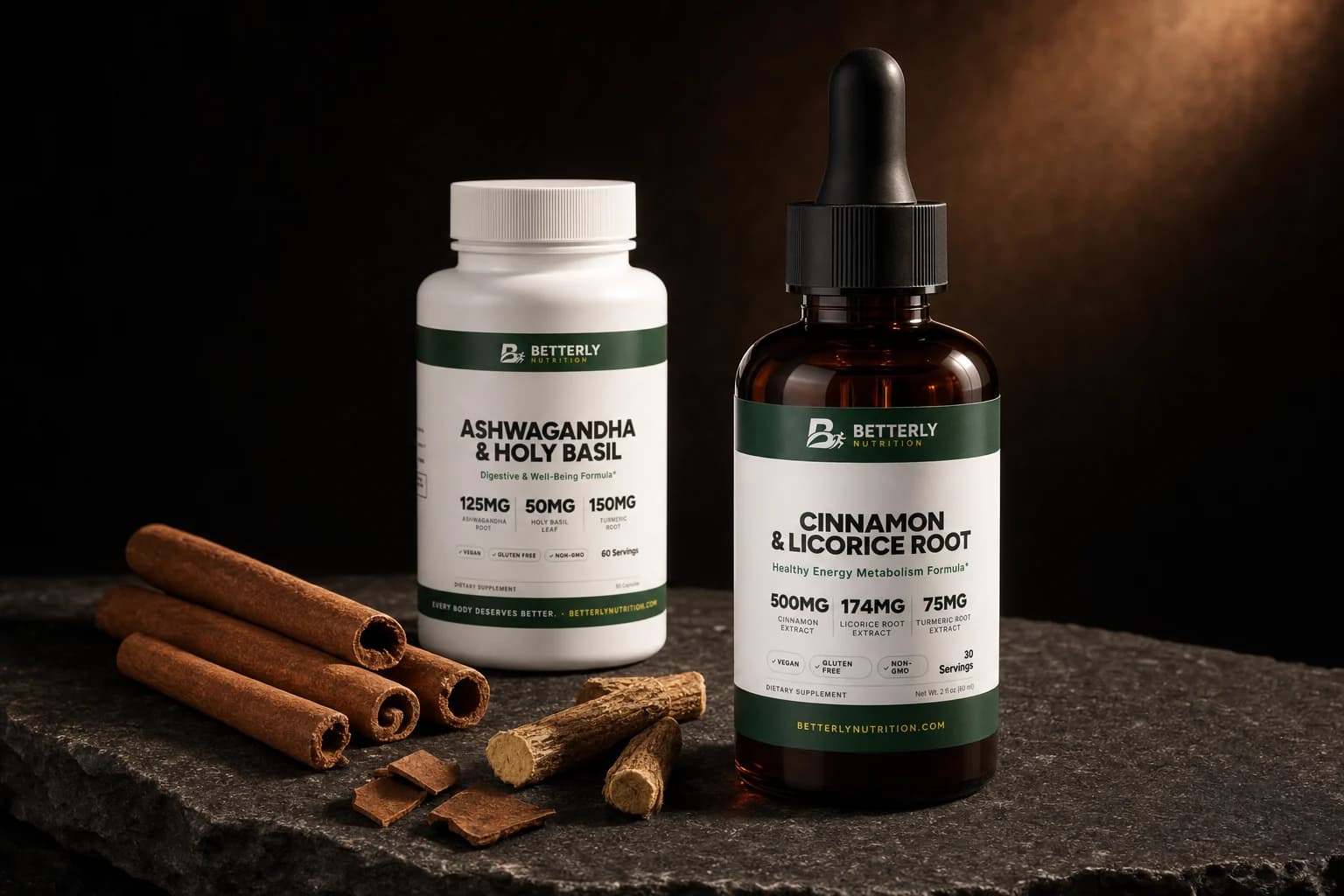
From our shop: Cinnamon & Licorice Root Drops — 500 mg of a 1:5 cassia bark extract per 2 ml (40 drops) serving, with the species printed on the panel; the label also lists it as vegan and gluten-free.
How do you take Cinnamon & Licorice Root Drops, per the label?
The Cinnamon & Licorice Root Drops label says adults take 2 ml (40 drops) daily in the morning, placed straight in the mouth or mixed with a beverage.
Shake the bottle first, as the directions say. Here's the panel per 2 ml (40 drops) serving, as printed:
- 1:5 Extract of Cinnamon (Cinnamomum cassia) (bark): 500 mg
- 1:5 Extract of Licorice Root: 174 mg
- 1:5 Extract of Turmeric Root (Curcuma longa): 75 mg
- 1:5 Extract of Coriander Seed: 50 mg
- Bitter Melon Extract (Momordica charantia Linn.) (fruit) (4:1): 0.8 mg
- Japanese Knotweed Extract (98% Resveratrol) (Polygonum cuspidatum) (root): 0.1 mg
The other ingredients are water, glycerin and potassium sorbate. The label never turns that 500 mg into grams of raw bark, so we won't estimate it. Nothing on the label calls for a second serving, and we don't suggest one.
Licorice deserves a close read too. The panel lists a 1:5 licorice root extract and doesn't say the glycyrrhizin was removed. The NCCIH licorice root page warns that glycyrrhizin, a licorice compound, can cause serious adverse effects, most of all at large intakes or with long-term use. The provider section below names who should be most careful.
Our chromium capsule, by contrast, names deglycyrrhizinated licorice (DGL), the form with glycyrrhizin taken out. Our guide to DGL vs licorice root covers that difference. The drops also carry 75 mg of turmeric root extract, so read our turmeric safety rundown before you start.
From our shop: Chromium, Gymnema & Cinnamon Capsules — a 2-capsule serving whose 620 mg blend names Cinnamomum cassia bark next to deglycyrrhizinated licorice, with 148 mcg of chromium listed on its own row.
When don't you need a cinnamon supplement?
You probably don't need a cinnamon supplement if you already enjoy cinnamon in food, since NCCIH's research summary gives no clear reason to take more.
- You cook with cinnamon often. Food amounts are what NCCIH calls likely safe, and they taste better.
- You're hoping for a specific result. No cinnamon label can honestly promise one, ours included.
- You want Ceylon. We don't sell it, so our drops aren't your bottle.
- You'd rather skip licorice. The drops include 174 mg of licorice root extract per serving. Our Ashwagandha & Holy Basil Ayurvedic Capsules list 25 mg of licorice root powder per 1-capsule serving, and our Choline & DHA Focus Capsules list licorice root extract inside a 609 mg blend with no separate amount.
- You already take one of our blends that lists cassia. Adding the drops stacks cinnamon you can't total.
Who should check with a healthcare provider first?
Talk to a healthcare provider before a cinnamon supplement if you're expecting or breastfeeding, younger than 18, on any medicine, or managing a heart, kidney or liver condition.
- Expecting or breastfeeding. Per NCCIH, some studies suggest food amounts of either species are safe in pregnancy, while larger amounts of Ceylon are considered unsafe. Little is known about the safety of larger amounts while breastfeeding. NCCIH's licorice page adds that large amounts of licorice extract are unsafe in pregnancy.
- Any medicine. NCCIH asks anyone on medicine to raise cinnamon with a provider first, since some herbs and medicines don't mix safely. Reported interactions between licorice and corticosteroids appear on its licorice page too.
- Liver questions. NCCIH names people with a liver condition as an example of who could be sensitive to prolonged cassia use.
- Licorice and your heart or kidneys. NCCIH lists several groups for whom even small amounts of glycyrrhizin have been linked to severe reactions, including people who eat a lot of salt and people with heart or kidney conditions; see its licorice page for the full list. None of our drops, Ashwagandha & Holy Basil capsules or Choline & DHA Focus capsules list DGL.
The drops' label caution reads: "Do not exceed recommended dose. Consult a physician if pregnant, nursing, under 18, or have a medical condition."
FAQ: Ceylon vs cassia cinnamon
Are cinnamon sticks Ceylon or cassia?
Cinnamon sticks can be either Ceylon or cassia, and the package may not say which. Ceylon quills are commonly described as many thin, papery layers rolled together that snap easily, and cassia sticks as one thick, hard layer of bark curled inward. Those clues only work on whole sticks, so for powder or supplements, look for the Latin name instead.
Is Ceylon cinnamon safer than cassia?
On coumarin alone, yes: NCCIH says Ceylon cinnamon may contain a trace, while some cassia products contain high levels. That doesn't make Ceylon risk-free. NCCIH calls larger amounts of Ceylon unsafe during pregnancy, and it links large or long-term use of any cinnamon to digestive upset or allergic reactions. If you take any medicine, NCCIH says to talk with your provider before using cinnamon, since some herbs and medicines interact in harmful ways.
Is regular grocery-store cinnamon Ceylon or cassia?
Regular grocery-store cinnamon is more likely cassia than Ceylon, because NCCIH says cassia is the most common type sold in North America. A jar that just says "cinnamon" could hold either tree, since the FDA spice list files cassia under cinnamon names too. Look for "Ceylon," verum or zeylanicum on the jar. If none of them appear, don't assume it's Ceylon.
Can you mix Cinnamon & Licorice Root Drops into coffee or tea?
Yes, the Cinnamon & Licorice Root Drops label allows mixing with a beverage, though it doesn't name a specific drink. The directions are to shake well and take 2 ml (40 drops) daily in the morning. Keep it to one serving a day, and if you stir it into a mug, finish the whole cup so you get the full serving.
How long does a bottle of Cinnamon & Licorice Root Drops last?
One bottle of Cinnamon & Licorice Root Drops lasts 30 days. The label lists 30 servings in 2 fl oz (60 ml), and its directions call for 2 ml (40 drops) each morning. Each of those servings carries 500 mg of a 1:5 cassia bark extract and 174 mg of a 1:5 licorice root extract.
Sources
- Cinnamon: Usefulness and Safety, National Center for Complementary and Integrative Health
- Licorice Root: Usefulness and Safety, National Center for Complementary and Integrative Health
- 21 CFR 182.10: Spices and other natural seasonings and flavorings, eCFR, FDA regulation
- Botanical Dietary Supplements: Background Information for Consumers, NIH Office of Dietary Supplements
If this left you looking for somewhere to start, read cassia cinnamon extract drops — its amounts per serving are listed on the page. For the practical questions this raises, how dosing, sourcing and subscriptions work is answered in one place.