On this page
- Key takeaways
- Who should not take turmeric supplements at all?
- What are the most common turmeric side effects?
- Can turmeric cause liver damage?
- Who should not take turmeric and black pepper together?
- Who should not take turmeric and ginger?
- What else in a turmeric formula could rule it out?
- How do you take a turmeric supplement by the label?
- Do you need a turmeric supplement at all?
- Who should check with a healthcare provider before taking turmeric?
- FAQ: turmeric safety
- Sources
The short answer: Who should not take turmeric? Skip turmeric supplements if you're pregnant, because the NIH's NCCIH says they may be unsafe then. Stop right away if you notice liver warning signs like dark urine or yellowing skin. Ask a provider first if you're nursing, under 18, on any medicine, facing surgery or managing a health condition. Our turmeric capsule's label adds one more: people allergic to shellfish shouldn't take it.
Key takeaways
- Pregnancy is the clearest "no," because NCCIH describes turmeric supplement use in pregnancy as possibly unsafe.
- NCCIH says liver damage has been reported with curcumin formulas made to absorb better, and it names adding piperine, from black pepper, as one way to do that.
- The side effects NCCIH lists for turmeric by mouth are digestive, from nausea and acid reflux to diarrhea or constipation.
- A turmeric formula is more than turmeric, so a shellfish Contains line or rows like ginger and bromelain can settle the question on their own.
- NCCIH's "likely safe" note covers plain turmeric or curcumin for up to 2 or 3 months, not formulas altered to absorb better.
A word on where we stand: we sell turmeric in more than one formula, and parts of this page tell some readers not to buy them. We'd rather you hear that from us than find it out later.
Who should not take turmeric supplements at all?
Turmeric supplements are a firm skip for three groups: people who are pregnant, anyone showing liver warning signs, and anyone with a shellfish allergy whose label declares shellfish.
The National Center for Complementary and Integrative Health (NCCIH) states, "The use of turmeric supplements during pregnancy may be unsafe." That's about supplements, not the spice in a curry.
The second group is anyone who notices the signs NCCIH lists after taking turmeric or curcumin: fatigue, nausea, poor appetite, dark urine, or a yellow tint to the skin or eyes. NCCIH's advice is to stop the product immediately and talk with your healthcare provider.
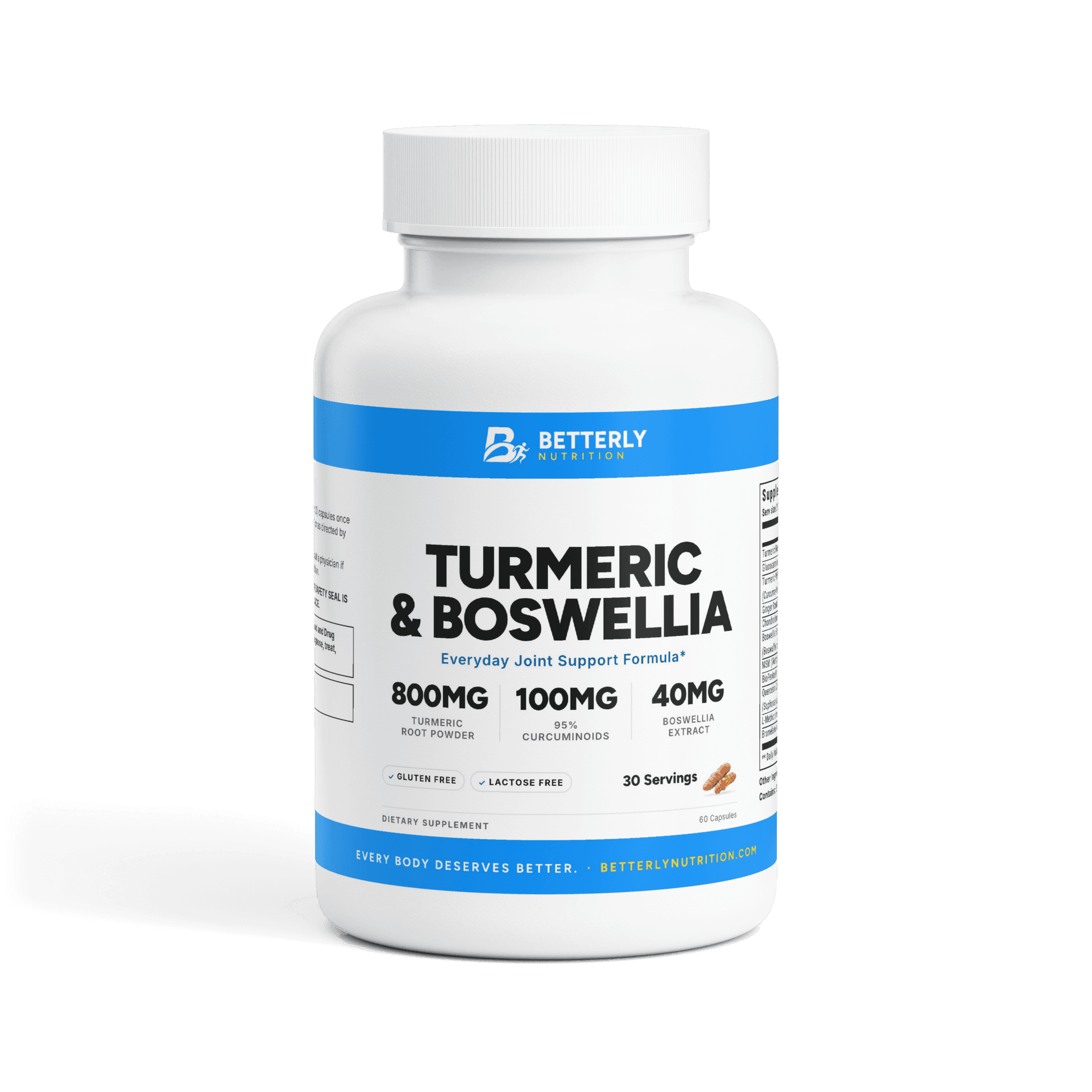
The third group depends on the bottle. Our Turmeric Curcumin & Boswellia Capsules print "Contains: Shellfish (Crab, Lobster and Crawfish)" and this warning: "WARNING: People allergic to shellfish should not consume this product."
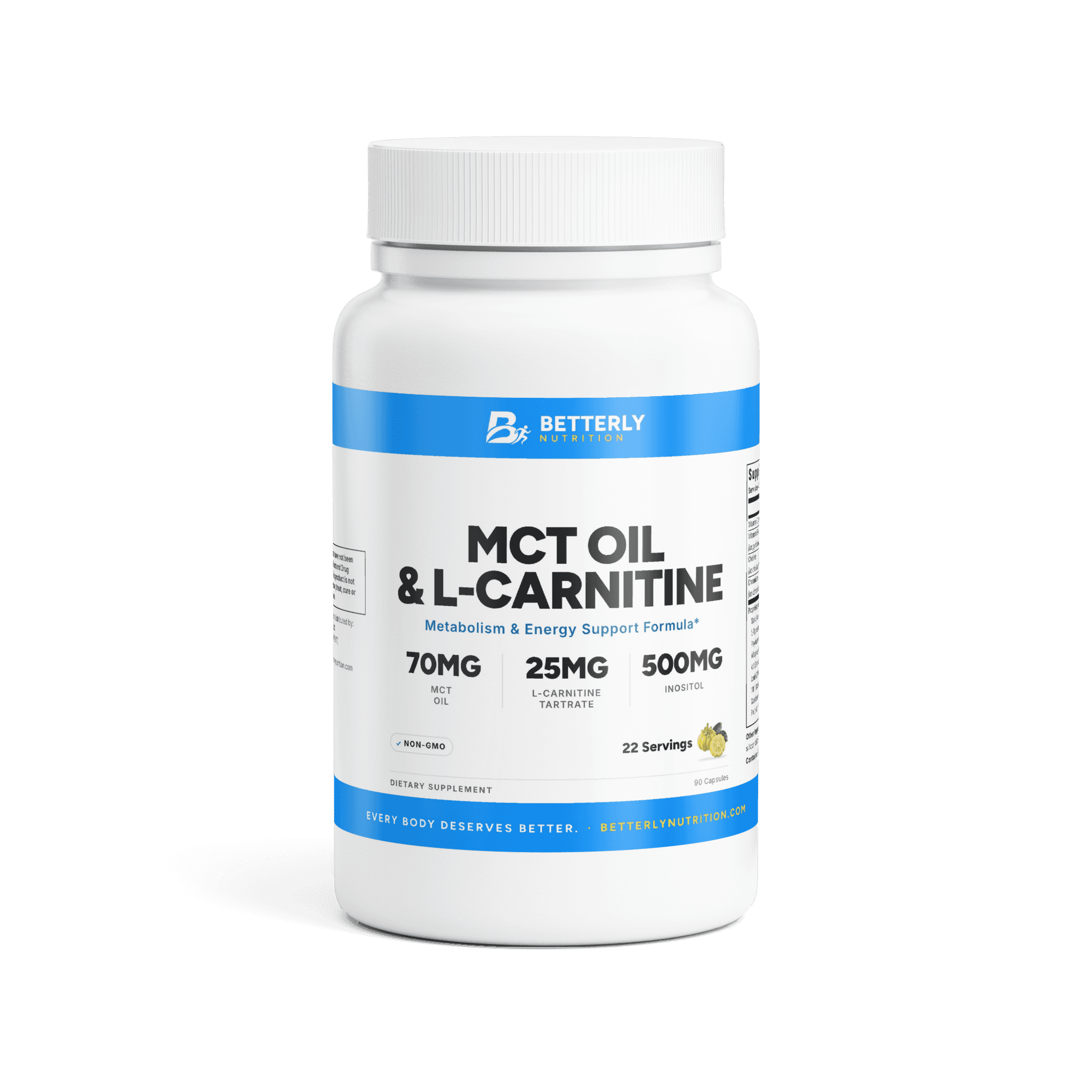
It isn't our only turmeric label that declares shellfish. Our MCT Oil & L-Carnitine Capsules list 25 mg of turmeric root (95% extract) per 4-capsule serving, and their Contains line reads "fish and shellfish." So check the Contains line on every bottle you own.
Everyone else sits in a middle zone. Here are the turmeric triggers, sorted by what each one asks of you:
| Trigger | Who flags it | Your move |
|---|---|---|
| You're pregnant | NCCIH: supplements "may be unsafe" | Skip |
| Dark urine, yellowing, fatigue, poor appetite | NCCIH's liver warning | Stop now; call your provider |
| "Shellfish" on the Contains line | The label | Skip that bottle if you're allergic |
| BioPerine®, piperine or pepper extract on the panel | NCCIH: raises curcumin absorption | Ask first; learn the liver signs |
| Nursing or under 18 | Our label caution | Ask first |
| Any medicine | NCCIH: herbs and medicines can interact | Ask first |
| Surgery on the calendar | NIH Office of Dietary Supplements | Tell your surgical team |
Three of the seven triggers settle it on their own. The other four mean talking with your provider before the first capsule.
What are the most common turmeric side effects?
The side effects NCCIH lists for turmeric taken by mouth are digestive: nausea, vomiting, acid reflux, stomach upset, diarrhea and constipation.
NCCIH doesn't say how often these happen, and we won't invent a percentage. If your stomach feels off after starting turmeric, mention it to your provider.
Skin is a separate story. NCCIH notes that curcumin applied to the skin can cause hives or itching, which matters if you use turmeric masks or creams. Any rash after any turmeric product is a reason to stop and check in.
Can turmeric cause liver damage?
Liver damage has been reported in some people who took curcumin formulas made to absorb better, according to NCCIH.
In plain terms, bioavailability is about absorption: of the curcumin in a capsule, what fraction your gut actually takes in. NCCIH puts the concern bluntly: "Highly bioavailable formulations of curcumin, which enhance the body's ability to absorb the curcumin, may harm your liver."
So who should not take turmeric curcumin extracts? Per NCCIH, anyone showing liver warning signs should stop all turmeric and curcumin products, and absorption-enhanced extracts are the ones it says may harm your liver.
NCCIH also names combining curcumin with piperine, from black pepper, as one way to improve bioavailability. So if a panel lists BioPerine®, piperine or black pepper extract, read the liver sentence as written for that bottle. That includes our turmeric capsule, which lists 10 mg of BioPerine®, a trademarked black pepper extract, per 2-capsule serving.
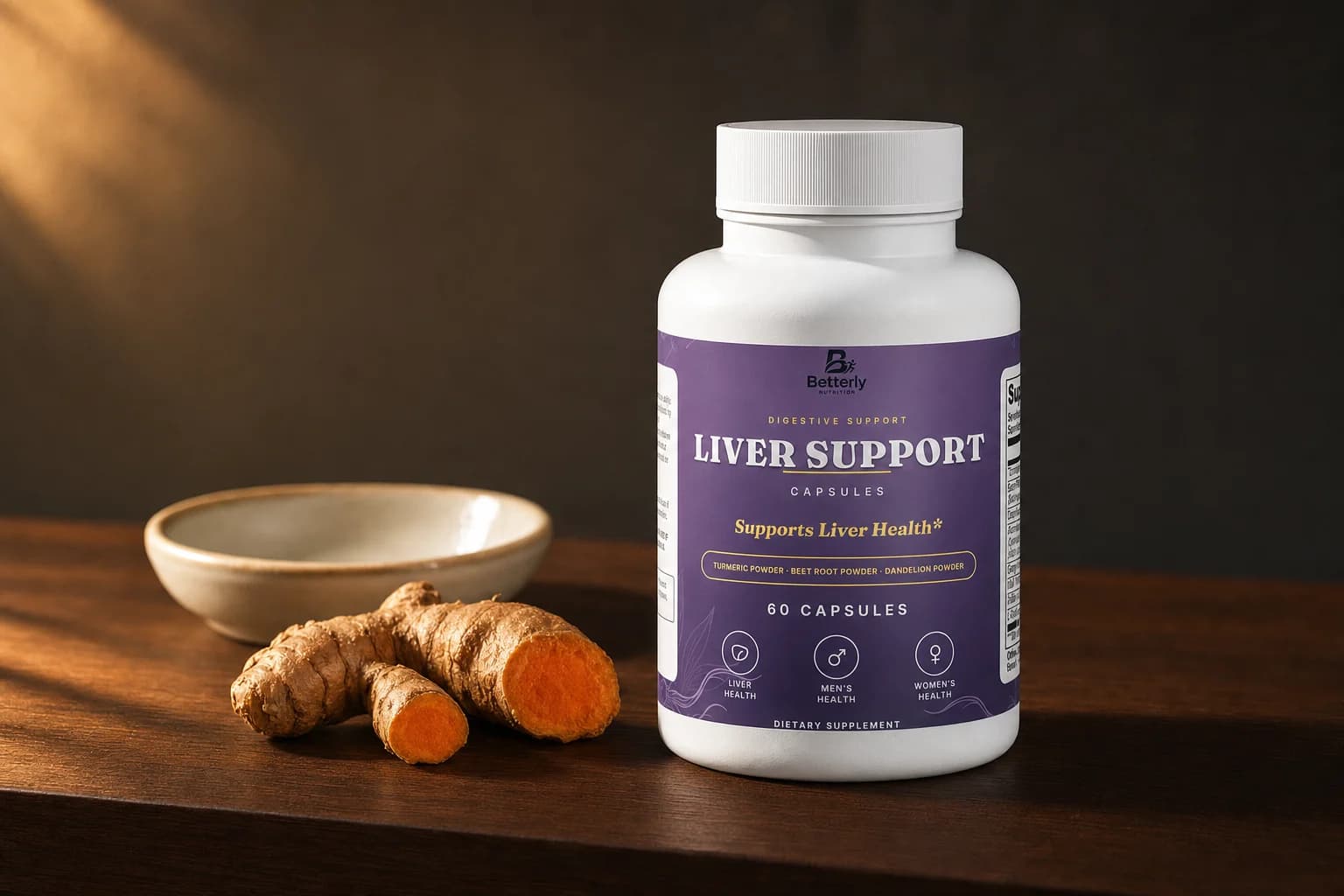
If liver support is what drew you to turmeric, start with our line-by-line read of a liver formula's label instead.
Who should not take turmeric and black pepper together?
Turmeric with black pepper extract is a skip in pregnancy and a stop at any liver warning sign, and people taking medicine should ask first, since piperine raises curcumin absorption.
Keep NCCIH's two steps in view: liver damage has been reported with curcumin made to absorb better, and piperine is one way to make it absorb better. The liver warning itself doesn't name pepper products.
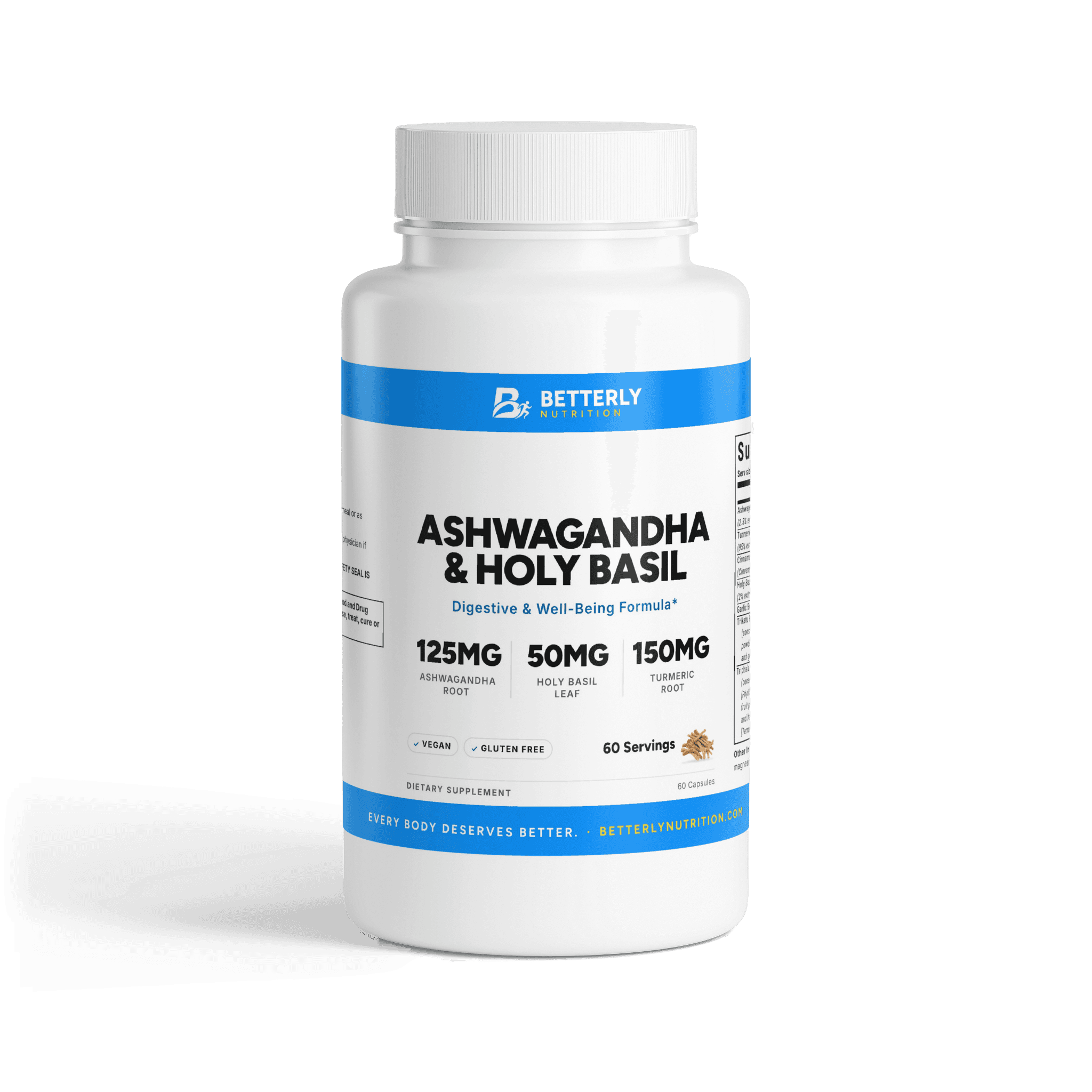
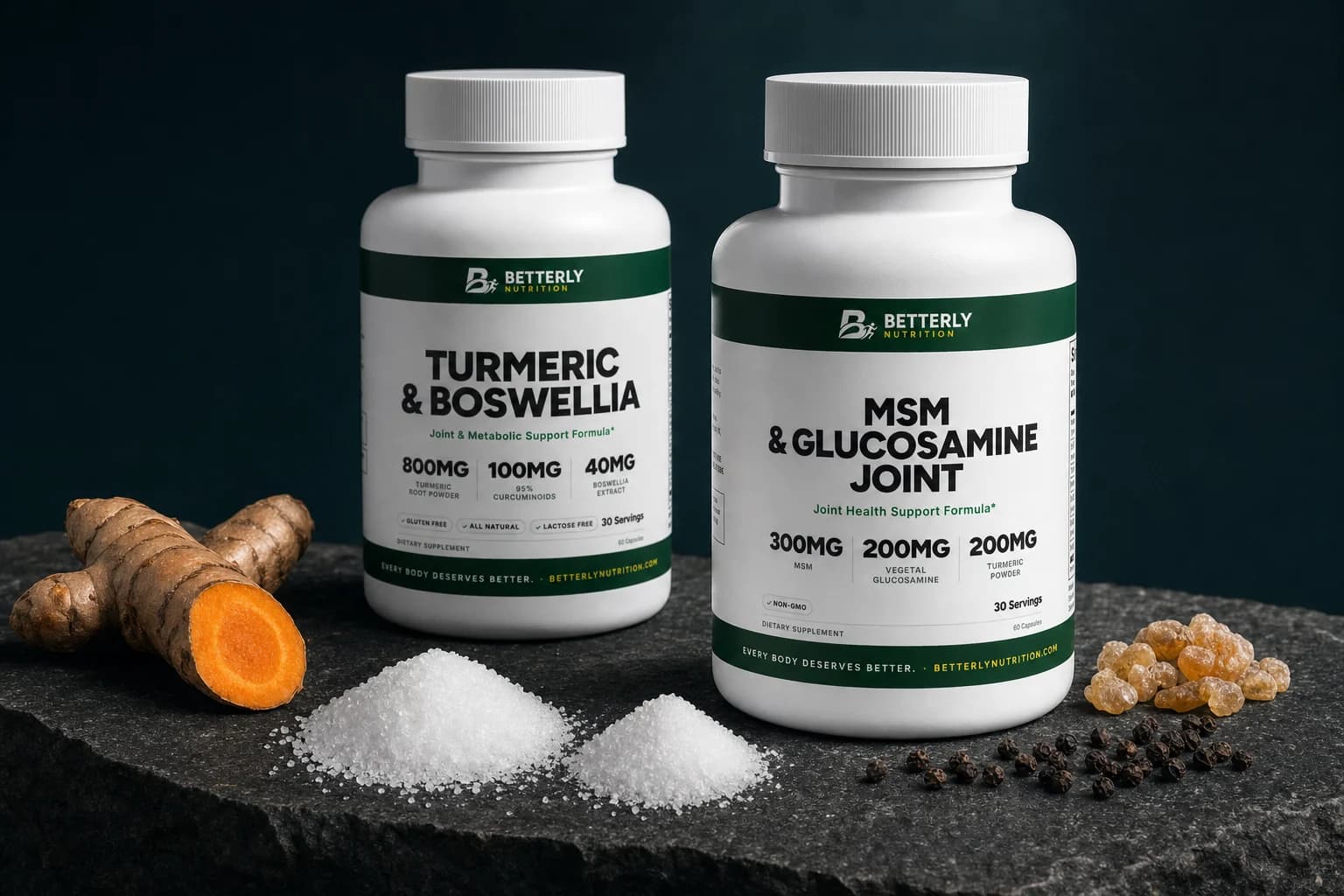
Pepper also goes by more than one name on a panel. On our labels it appears as BioPerine®, as "Black Pepper Extract (fruit) (std. to 95% piperine)" on the MSM & Glucosamine Joint Capsules, and inside Trikatu Powder on the Ashwagandha & Holy Basil Ayurvedic Capsules. Our turmeric vs curcumin comparison has a table showing which of our formulas print it, and our guide to pairing turmeric with black pepper explains why the combination exists.
Who should not take turmeric and ginger?
Skip turmeric and ginger formulas while pregnant, and ask a provider first if you're nursing, on medicine or have a sensitive stomach, since NCCIH lists stomach effects for both.
The two are relatives: NCCIH describes turmeric as a plant in the ginger family. Its ginger page lists abdominal discomfort, heartburn, diarrhea, and mouth and throat irritation as possible side effects of ginger taken by mouth.
On pregnancy, NCCIH says ginger supplements may be safe, with your provider's input, while turmeric supplements may be unsafe. A formula combining them takes the stricter answer.
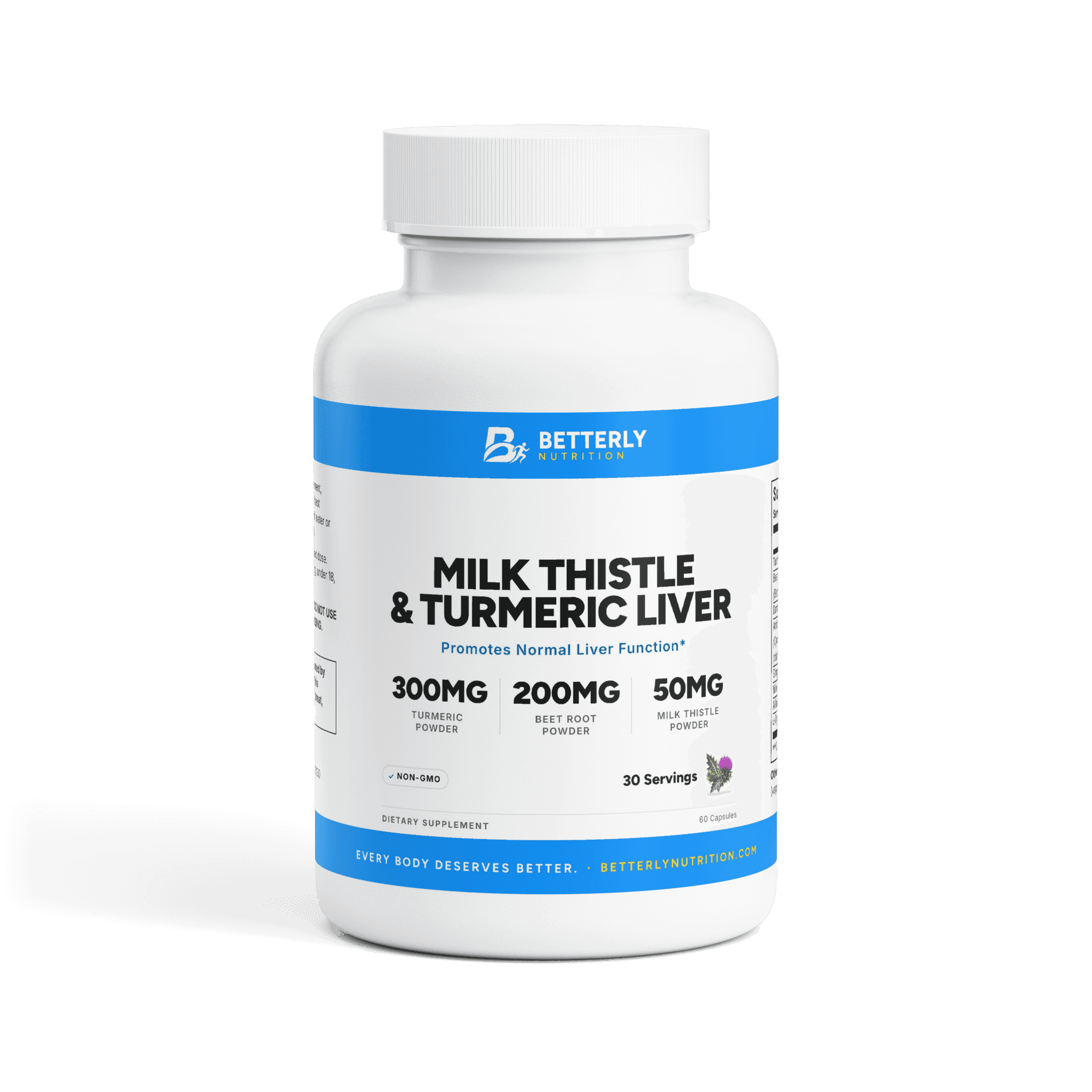
Five of our labels put turmeric and ginger in the same serving, and only two print a ginger amount. The turmeric capsule lists 100 mg of ginger root extract per 2-capsule serving. Our Milk Thistle & Turmeric Liver Capsules list 300 mg of turmeric powder and 50 mg of ginger powder per 2-capsule serving, and no black pepper appears on that panel.
The other three list ginger only inside a blend total:
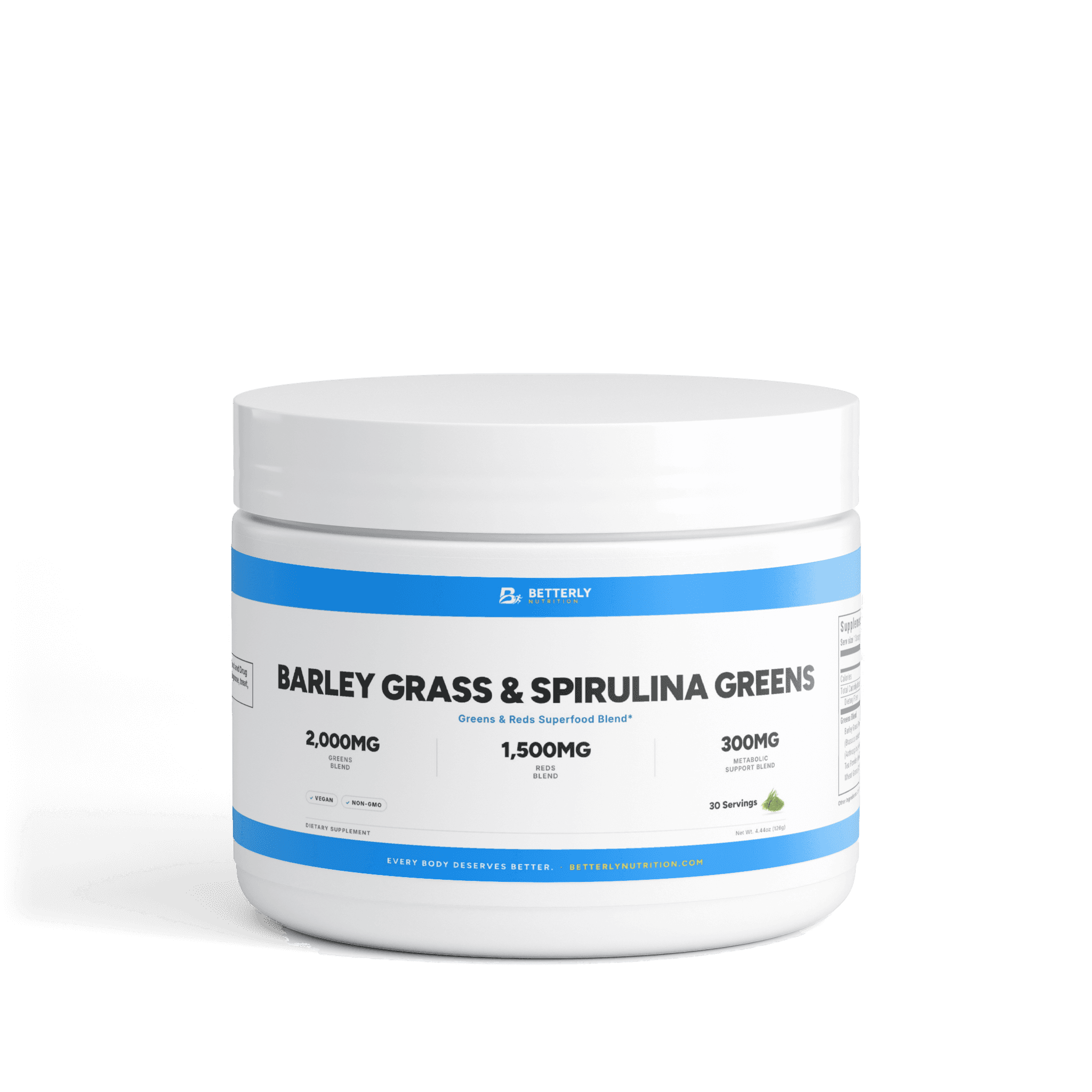
- Barley Grass & Spirulina Greens Powder: turmeric extract in a 300 mg Metabolic Support Blend and ginger powder in a 200 mg Digestive Support blend, per 1 scoop (4.2 g) serving.
- Beet Root & Berry Reds Powder: turmeric and ginger powders together in a 400 mg Metabolic Blend, per 1 scoop (4 g) serving.
- The Ayurvedic capsules: 150 mg of turmeric root (95% extract), plus ginger root powder inside 25 mg of Trikatu Powder, per 1-capsule serving.
A blend total tells you the ginger is there, not how much.
What else in a turmeric formula could rule it out?
The other lines on a turmeric label can rule a bottle out before the turmeric does, and on our capsule the shellfish Contains line is the biggest one.
Our turmeric capsule's panel has 11 rows per 2-capsule serving. Here are the ones with a caution attached, plus the allergen line:
| Line on our label | Per 2-capsule serving | What the source says | Who should pause |
|---|---|---|---|
| Turmeric root powder + 95% curcuminoids | 800 mg + 100 mg | NCCIH: stomach effects; pregnancy may be unsafe | Pregnant; sensitive stomach |
| BioPerine® | 10 mg | NCCIH: piperine raises absorption | On medicine; know the liver signs |
| Ginger root extract | 100 mg | NCCIH: heartburn, diarrhea | On medicine; nursing |
| Bromelain (pineapple stem) | 8 mg | NCCIH: stomach upset, diarrhea | On medicine; pregnant or nursing |
| Quercetin dihydrate | 8 mg | No federal consumer page found | Ask your provider |
| Contains line | n/a | Label: shellfish (crab, lobster, crawfish) | Shellfish allergy: skip |
The Contains line declares shellfish without saying which ingredient it comes from.
The NCCIH bromelain page says bromelain seems well tolerated by mouth. We found no federal consumer fact sheet on quercetin, so show your provider the label. The five rows not in the table are glucosamine sulfate 2KCl, chondroitin sulfate, boswellia extract, MSM and L-methionine.
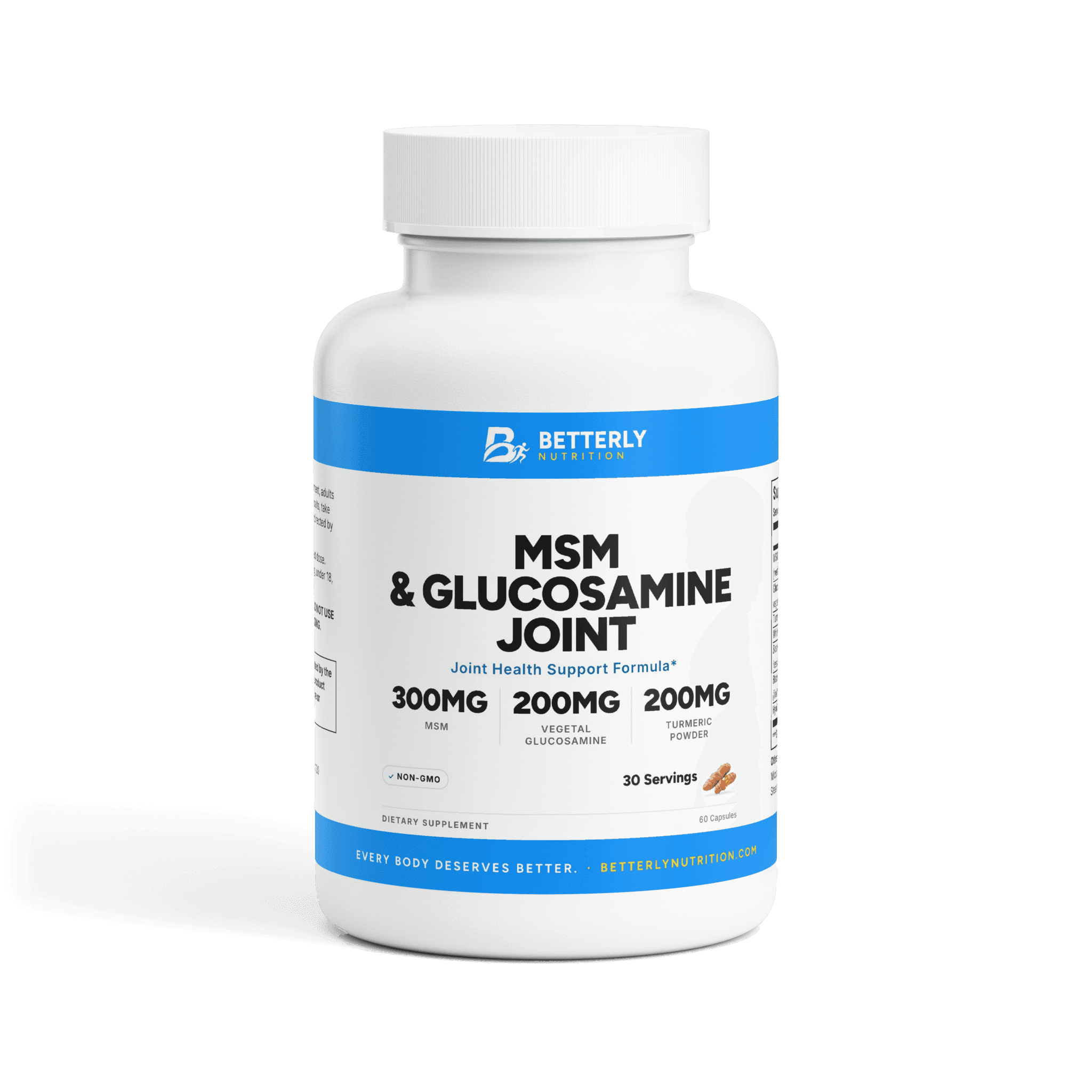
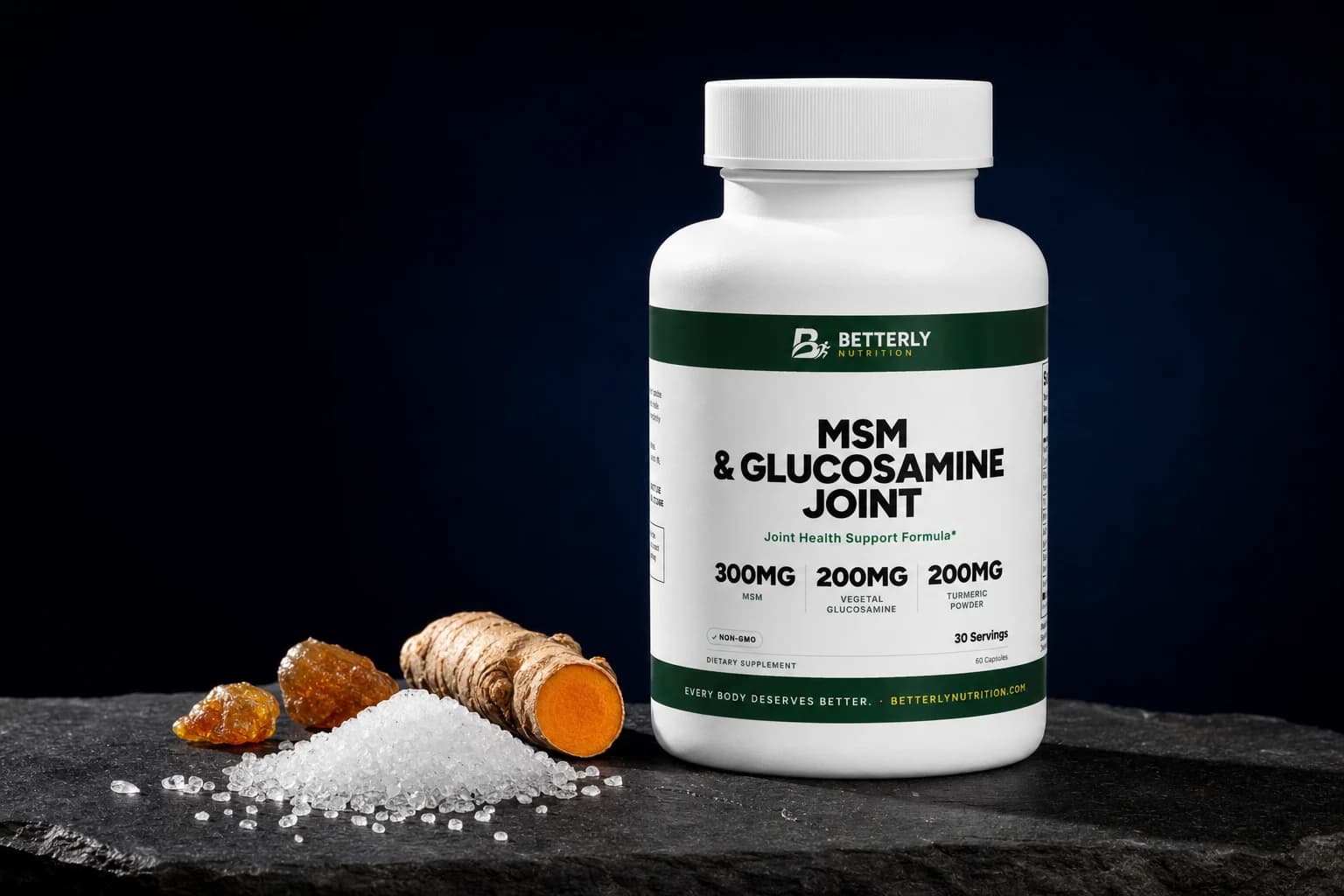
If shellfish rules this capsule out, the joint capsules print no shellfish Contains line and use GlucosaGreen® vegetal glucosamine HCl. They still carry a piperine extract, plus 150 mg of white willow bark extract per 2-capsule serving. Our glucosamine HCl vs sulfate guide sets the two capsules side by side.
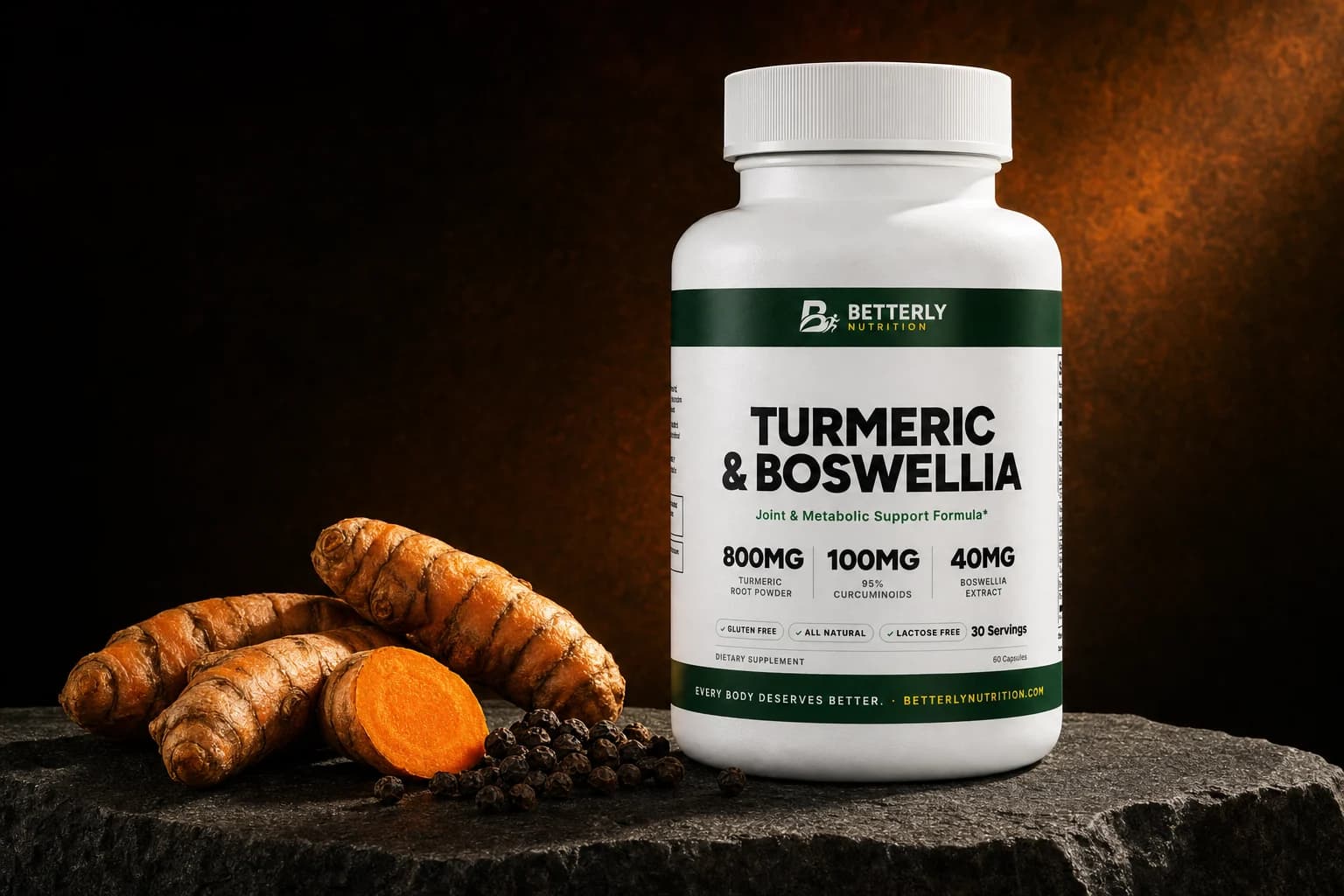
From our shop: Turmeric Curcumin & Boswellia Capsules — an 11-row panel per 2-capsule serving, led by 800 mg of turmeric root powder, with a label warning that people allergic to shellfish should not take it.
How do you take a turmeric supplement by the label?
Follow the printed serving exactly: for our Turmeric Curcumin & Boswellia Capsules, that means two capsules once a day, best taken 20-30 minutes before a meal. If that timing doesn't agree with your stomach, ask your provider or pharmacist before changing it. The label's caution opens with "Do not exceed recommended dose," and the bottle's 60 capsules make 30 servings.
A safety-first routine for any turmeric product:
- Turn the bottle around first: the Contains line, any WARNING, then the caution.
- List every product in your cabinet whose panel names turmeric, curcumin, ginger or a pepper extract.
- Take the label's serving and no more, even if you missed yesterday's.
- Note your start date and anything you notice.
- Stop and call your provider if fatigue, poor appetite, dark urine or yellowing shows up.
That note matters. Dietary Supplements: What You Need to Know, from the NIH Office of Dietary Supplements, recommends a complete log of your supplements and medicines, down to the dose and how often you take each, that you can hand to any provider.
From our shop: MSM & Glucosamine Joint Capsules — a gelatin capsule with no shellfish Contains line, listing 200 mg of turmeric powder, 200 mg of GlucosaGreen® glucosamine and 300 mg of MSM per 2-capsule serving.
Do you need a turmeric supplement at all?
You don't need a turmeric supplement: NCCIH says there isn't yet enough evidence to show that turmeric or curcumin helps with any health purpose.
That bottom line changes how the trigger table reads. If a stop trigger applies to you, skipping gives up nothing NCCIH has been able to confirm.
The ask-first rows deserve the same honesty. A capsule that sets off three of them, say nursing, a daily medicine and an operation next month, is a lot of homework for an optional product. Waiting until those clear is a fine answer, and so is never starting. The same goes if the five-step routine sounds like more tracking than you'll keep up.
Who should check with a healthcare provider before taking turmeric?
Check with a healthcare provider before taking turmeric if you're nursing or under 18, take any medicine, have an operation booked or live with a health condition.
Every turmeric-containing label quoted on this page prints the same caution: "Do not exceed recommended dose. Consult a physician if pregnant, nursing, under 18, or have a medical condition."
Three rows on our capsule's panel (turmeric, ginger and bromelain) have NCCIH pages that each say that if you take any type of medicine, you should talk with your provider before using the herb, because some herbs and medicines interact in harmful ways.
Nursing gets a similarly consistent answer. For turmeric above food amounts, for ginger and for bromelain, NCCIH says little is known about safety while breastfeeding.
Before an operation, the concern ODS describes is broader than turmeric: certain supplements may affect bleeding, or how you respond to anesthesia. For anyone under 18, it says many supplements haven't been well tested in children, and our joint and liver labels address their directions to adults.
"Have a medical condition" is the widest phrase on the label, and only your provider can narrow it. Hand them the per-row table above, not just the word turmeric. The same habit works across our targeted support shelf.
FAQ: turmeric safety
Can turmeric cause heartburn?
Yes, turmeric can cause heartburn-type discomfort, since NCCIH lists acid reflux and stomach upset among the possible side effects of turmeric taken by mouth. Ginger, often paired with turmeric, has heartburn on its own NCCIH list. If a turmeric product leaves you with a burning feeling, stop it and tell your provider or pharmacist.
How long can you take turmeric supplements?
Turmeric supplements have a federal "likely safe" window of up to 2 or 3 months, and only for conventional formulas. NCCIH gives it for turmeric or curcumin not modified to enhance absorption, in recommended amounts. We found no federal duration for formulas with black pepper extract, and our turmeric capsule includes BioPerine®. Ask your provider how long makes sense for you.
Should you stop taking turmeric before surgery?
Tell your surgical team about any turmeric product you take, and follow their instructions on whether and when to stop it. According to the NIH Office of Dietary Supplements, some supplements can increase bleeding risk, and some taken before surgery can alter your response to anesthesia. That guidance covers supplements in general, not turmeric by name, so the timing should come from your care team.
Who should not drink turmeric tea?
Turmeric tea is closer to food than to a concentrated extract, but pregnant or nursing people and anyone on medicine should still check with a provider before drinking it daily. NCCIH's pregnancy warning names turmeric supplements, and its breastfeeding note is about more turmeric than food usually supplies. A strong daily tea made from an extract can edge toward supplement territory.
Can you be allergic to turmeric?
Yes, turmeric can trigger a skin reaction: NCCIH lists hives or itching with curcumin applied to the skin, though it doesn't call that an allergy. On our shelf, the bigger allergy question is shellfish, which two of our turmeric-containing labels declare. If you get a rash, swelling or itching after any turmeric product, stop it and contact a provider.
Sources
- Turmeric: Usefulness and Safety (NCCIH)
- Ginger: Usefulness and Safety (NCCIH)
- Bromelain: Usefulness and Safety (NCCIH)
- Dietary Supplements: What You Need to Know (NIH Office of Dietary Supplements)
If this left you looking for somewhere to start, read turmeric curcumin capsules with black pepper extract — its amounts per serving are listed on the page. For the practical questions this raises, how dosing, sourcing and subscriptions work is answered in one place.