On this page
- Key takeaways
- Why take turmeric with black pepper?
- What is BioPerine, and why is it on turmeric labels?
- How much black pepper extract is in a turmeric supplement?
- What does ginger add to turmeric and black pepper?
- Can you get the same pairing from turmeric and black pepper in food?
- What are the side effects of turmeric with black pepper?
- How do you take turmeric capsules with pepper extract?
- When don't you need a turmeric and black pepper supplement?
- Who should check with a healthcare provider first?
- FAQ: turmeric and black pepper
- Sources
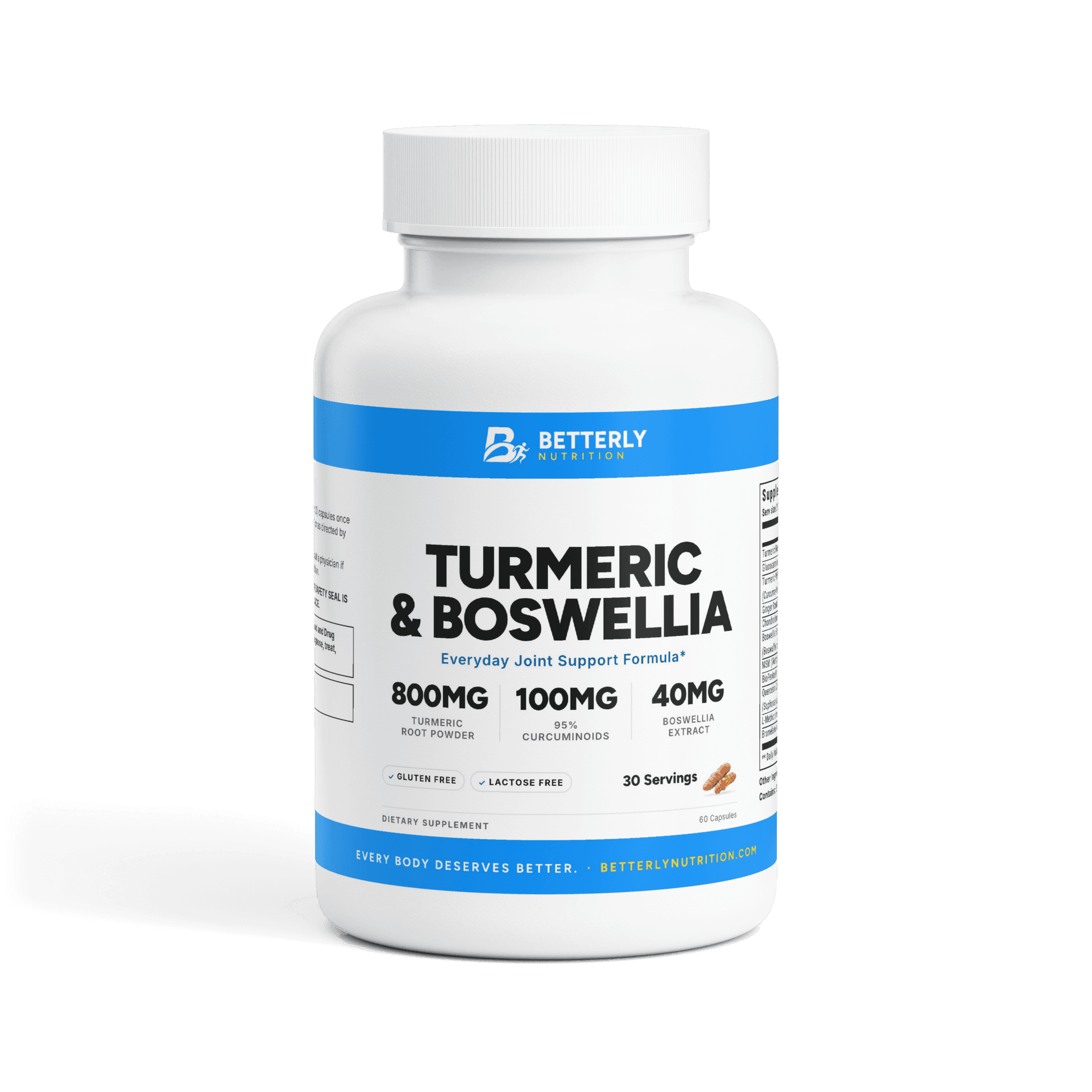
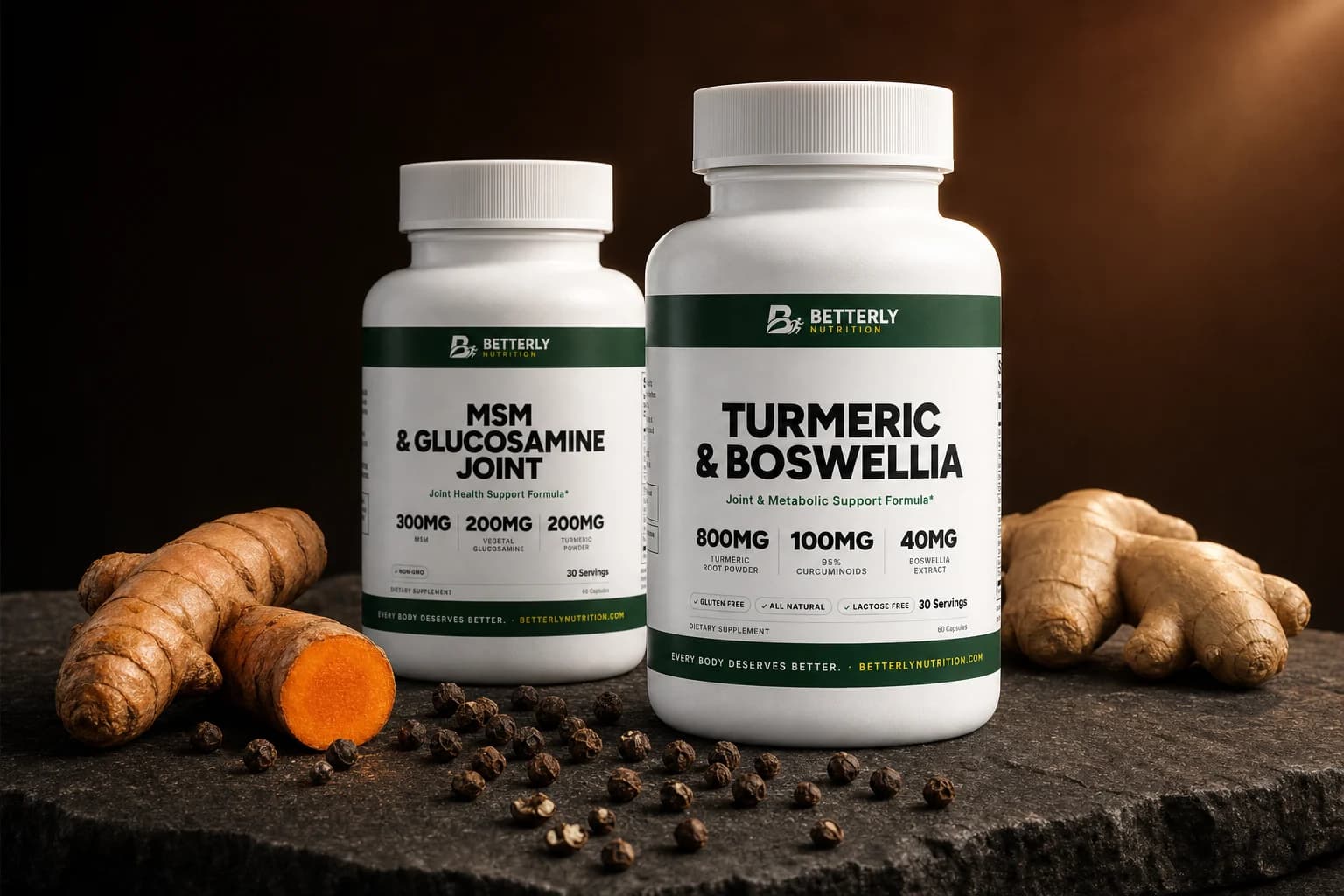
The short answer: Turmeric with black pepper is a pairing built around absorption. The NIH's National Center for Complementary and Integrative Health (NCCIH) says pairing curcumin, turmeric's best-known compound, with piperine from black pepper is one route to better curcumin bioavailability. That's why so many turmeric capsules add a pepper extract. Our turmeric capsule lists 10mg of BioPerine®, a branded black pepper extract, per 2-capsule serving.
Full disclosure: we'd like you to buy our Turmeric Curcumin & Boswellia Capsules, which add a pepper extract. To keep that honest, we line up the pepper rows from four of our labels below and flag when the combination isn't worth buying.
Key takeaways
- Piperine is the compound in black pepper that turmeric formulas are after, and NCCIH names it as one way to raise how much curcumin your body absorbs.
- BioPerine® is a trademarked black pepper extract, so a label that lists it is giving you a concentrate, not ground kitchen pepper.
- On the four capsule labels we compare below, the pepper comes to 5 to 10 mg per serving, and only one prints a piperine percentage.
- NCCIH warns that curcumin products made to absorb better may harm the liver in some people.
- Some of our labels with no turmeric at all also list black pepper, so two bottles can double your daily pepper without you noticing.
Why take turmeric with black pepper?
People take turmeric with black pepper because piperine, a compound in the pepper, can raise curcumin's bioavailability, according to NCCIH. Put simply, bioavailability is about absorption: the more bioavailable a compound is, the more of it your body takes in from each capsule.
Turmeric comes from the underground stem of Curcuma longa, a plant in the ginger family, and curcumin gives it its yellow color. NCCIH's turmeric fact page notes that oral curcumin products often carry ingredients from other plants, naming piperine from black pepper as the example. It says combining the two "is one way to improve the bioavailability of curcumin."
NCCIH's overall verdict matters too: there isn't enough evidence yet to say turmeric or curcumin helps with any health purpose. So piperine speaks to how much curcumin gets absorbed, not to what that curcumin does once it's there.
What is BioPerine, and why is it on turmeric labels?
BioPerine® is a trademarked black pepper fruit extract that supplement makers use as an ingredient. On a turmeric label, it usually signals the curcumin-plus-piperine pairing NCCIH describes.
Our panels spell it out in different ways. The calcium capsule we compare below prints "BioPerine®" above the words "Black Pepper Fruit Extract." Our turmeric capsule's row reads only "BioPerine®" at 10mg per 2-capsule serving, with no percentage beside it.
BioPerine vs piperine vs ground pepper
- Piperine is a single compound. It's what gives black pepper its sharp bite.
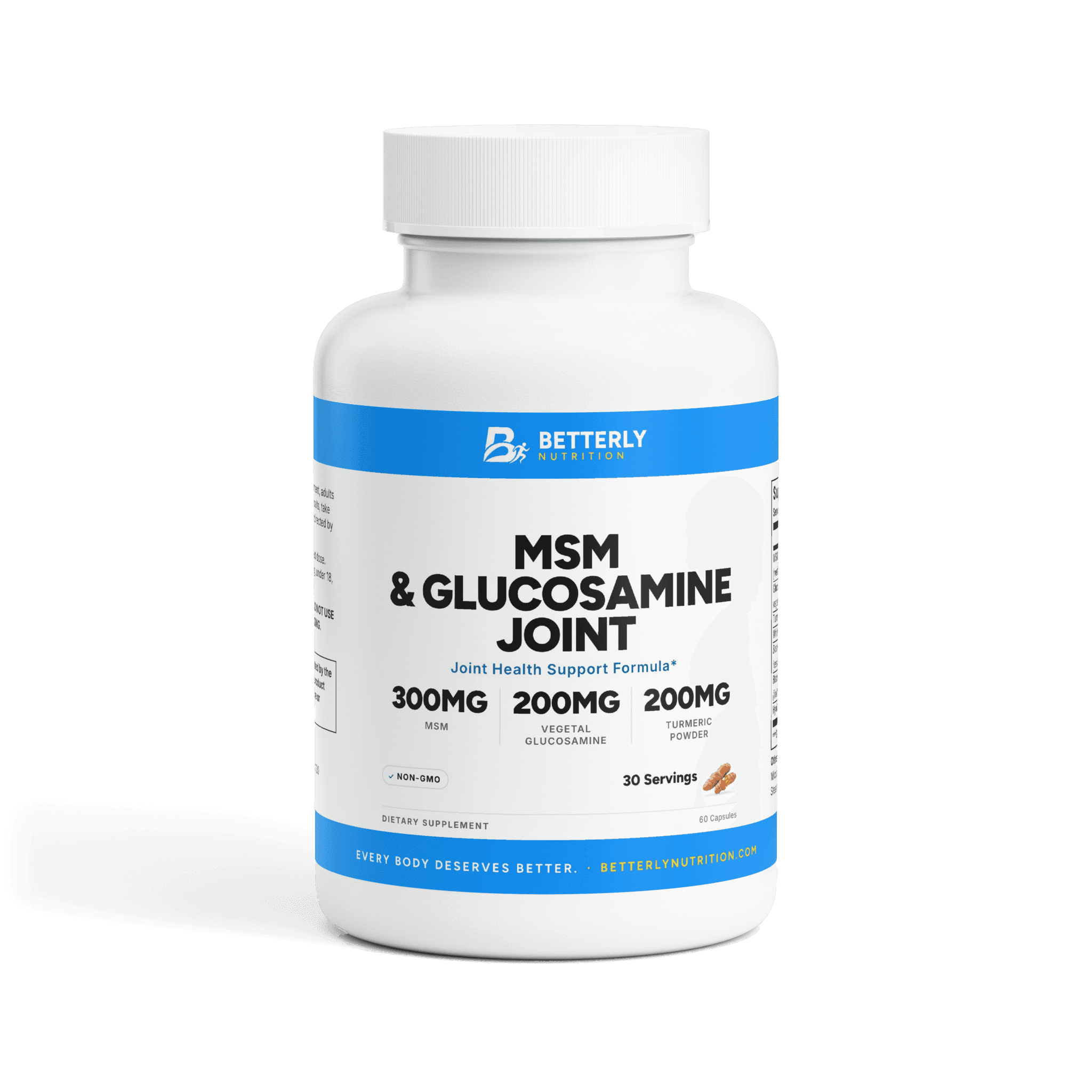
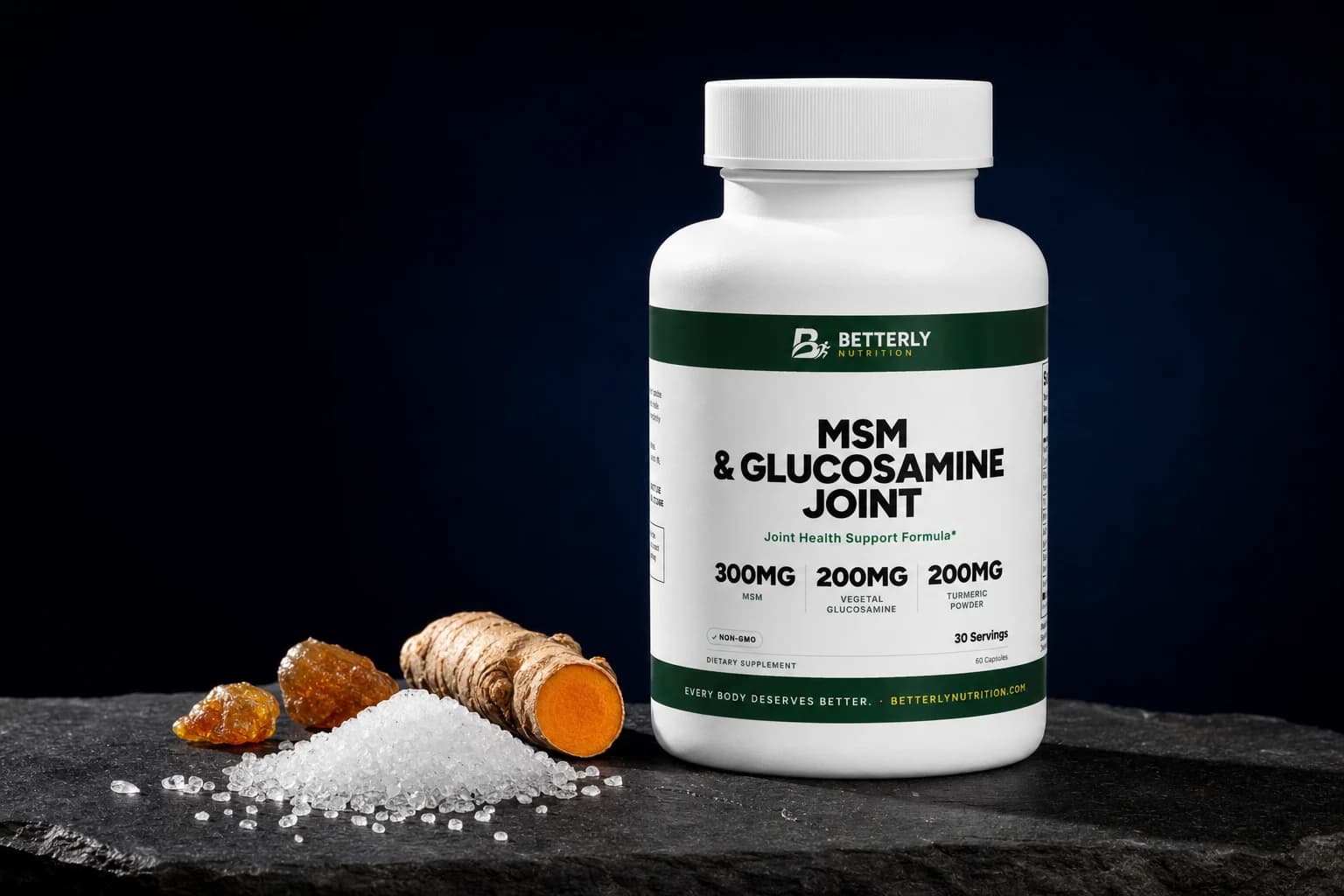
- Black pepper extract is a concentrate made from the fruit. Our MSM & Glucosamine Joint Capsules print "std. to 95% piperine" beside their 10 mg of pepper extract per 2-capsule serving. By our arithmetic, that's about 9.5 mg of piperine.
- BioPerine® is one brand of black pepper extract. Our turmeric capsule's panel prints no piperine share for it, and we won't borrow a figure from marketing copy.
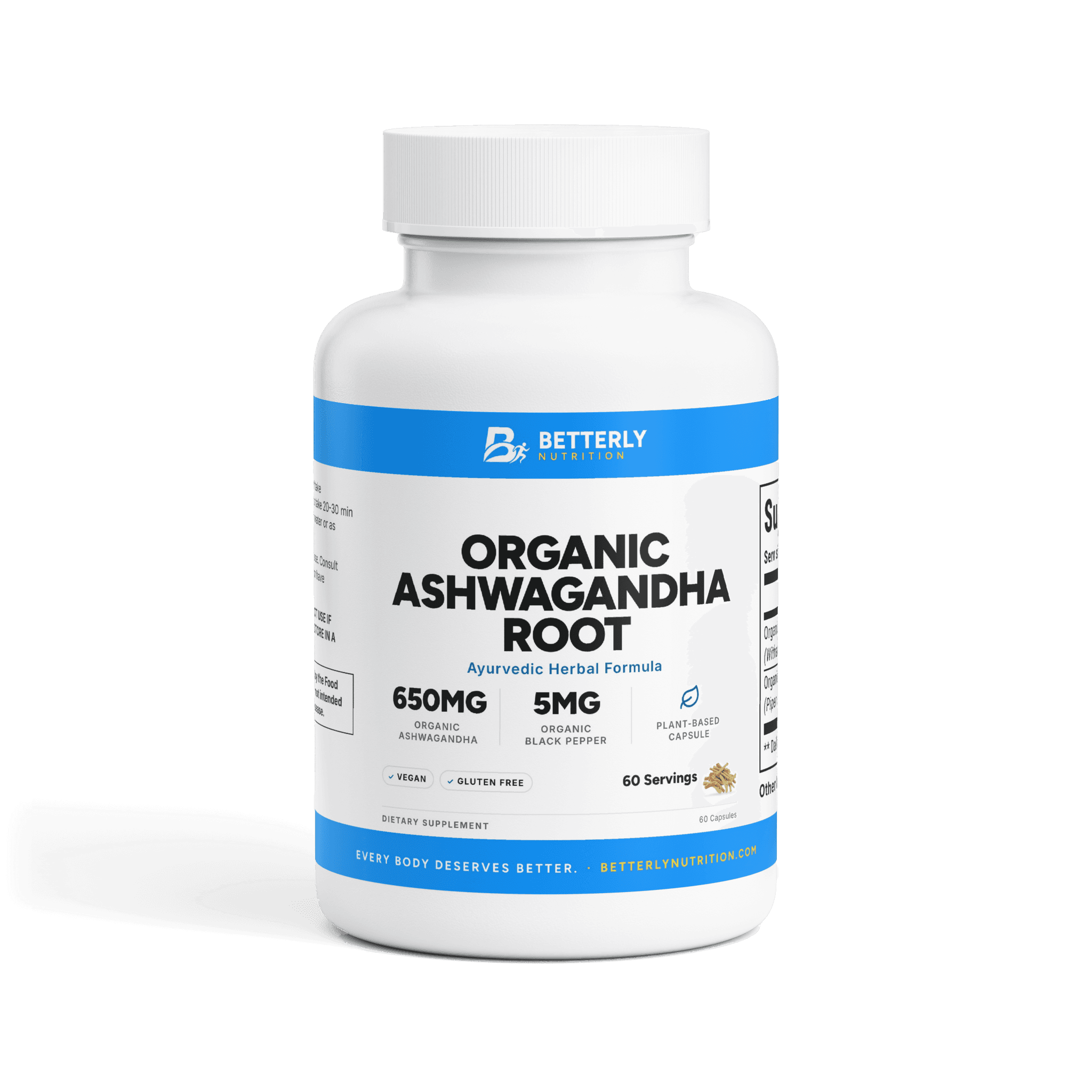
- Black pepper fruit, with no "extract" in the name, is the spice itself rather than a concentrate. The ashwagandha capsule in our table lists it at 5 mg per 1-capsule serving, with no piperine figure.
In any pepper row, look for the form, the milligrams and a piperine percentage. A row that says only "black pepper" gives you the least to go on.
How much black pepper extract is in a turmeric supplement?
Our Turmeric Curcumin & Boswellia Capsules list 10mg of BioPerine® per 2-capsule serving, a small amount next to 800mg of turmeric root powder and 100mg of 95% curcuminoids.
None of the federal sources we cite sets an amount of piperine to pair with turmeric, so the label is the only number you can check. Pepper also appears on two of our labels with no turmeric: the Calcium, Vitamin D3 & K2 Capsules and the Organic Ashwagandha Root Capsules. Here's how all four compare at each label's suggested use.
| Product (serving) | Pepper as printed | Per serving | Per day by label |
|---|---|---|---|
| Turmeric Curcumin & Boswellia Capsules (2 capsules) | BioPerine® | 10mg | 10mg |
| MSM & Glucosamine Joint Capsules (2 capsules) | Black pepper extract, std. to 95% piperine | 10 mg | 10 mg |
| Calcium, Vitamin D3 & K2 Capsules (1 capsule) | BioPerine® (black pepper fruit extract) | 5 mg | 10 mg |
| Organic Ashwagandha Root Capsules (1 capsule) | Organic black pepper fruit | 5 mg | 10 mg |
Each label comes to 10 mg of pepper ingredients a day at its suggested use, but only the joint capsules say how much of that is piperine. Take any two together and your daily pepper doubles.
Why do labels without turmeric list black pepper?
Our calcium and ashwagandha labels list black pepper without saying why. NCCIH's piperine statement is about curcumin, and none of our sources covers pepper next to calcium or ashwagandha, so we won't claim a job for it.
One unrelated note on the calcium capsules: they list 125 mcg (5,000 IU) of vitamin D3 per 1 Veggie Capsule serving, and the label's suggested use is one capsule twice a day, or 250 mcg (10,000 IU) daily. The NIH Office of Dietary Supplements (ODS) lists 100 mcg (4,000 IU) a day as the adult upper limit from all sources. One capsule alone is already over that limit, and the label's directions come to 2.5 times it, so we don't recommend this capsule at any dose. Talk with your provider before taking it. Our vitamin D IU to mcg conversion chart shows the math.
From our shop: Turmeric Curcumin & Boswellia Capsules — 800mg of turmeric root powder, 100mg of 95% curcuminoids, 100mg of ginger root extract and 10mg of BioPerine® per 2-capsule serving, with a shellfish warning on the label.
What does ginger add to turmeric and black pepper?
Ginger is turmeric's botanical cousin, and on a label it adds its own ingredient row, not a proven absorption boost. None of our sources says ginger changes how curcumin is absorbed.
NCCIH's ginger fact page says ginger is native to the warm parts of Asia, and its rhizome, or underground stem, is used in food and for health purposes. NCCIH also cautions that some of the research on ginger hasn't been of high quality.
Two of our capsules put turmeric, black pepper and ginger in one serving, and a third drops the pepper:
- Turmeric Curcumin & Boswellia Capsules list 100mg of ginger root extract and 10mg of BioPerine® per 2-capsule serving.
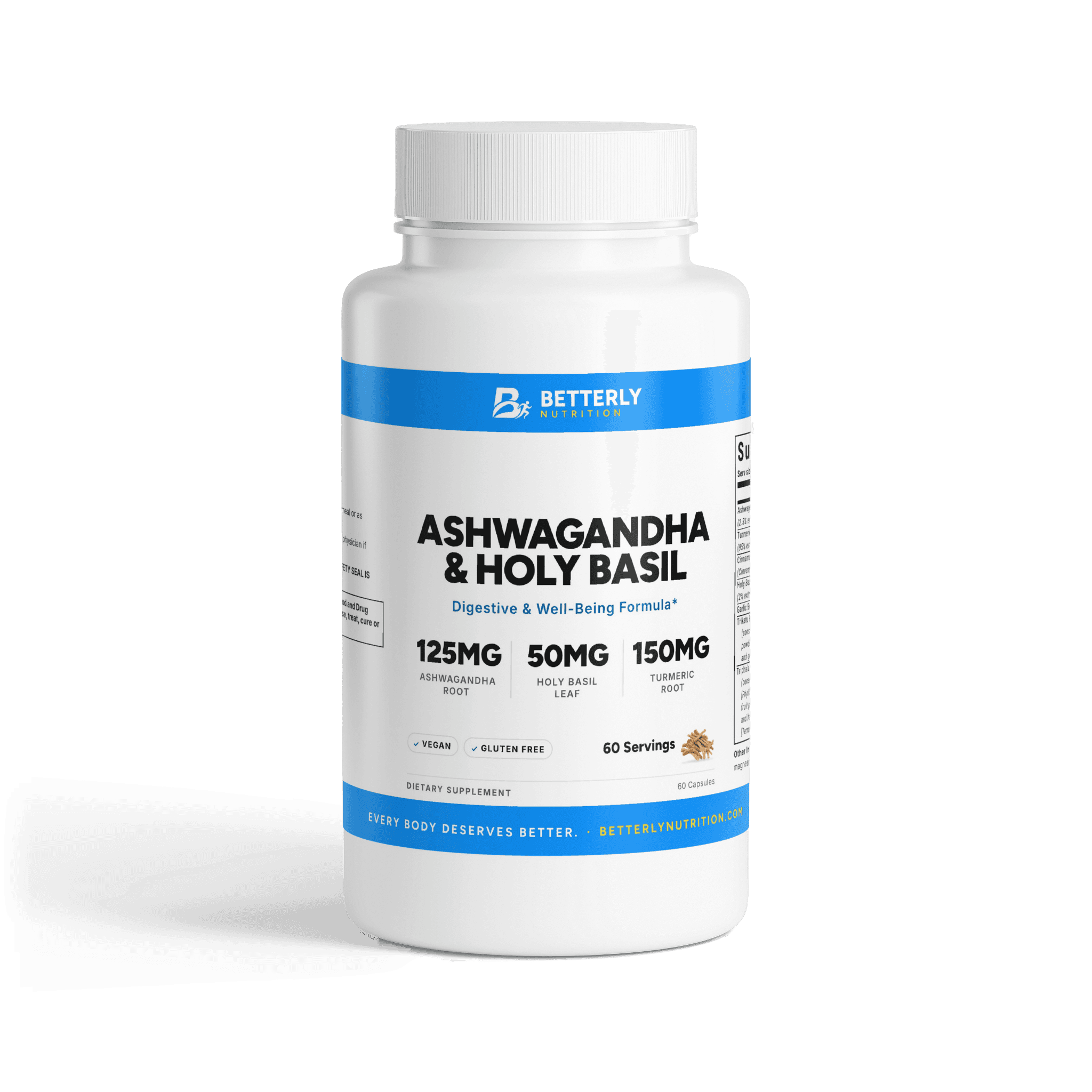
- Ashwagandha & Holy Basil Ayurvedic Capsules list 150 mg of turmeric root (95% extract) per 1-capsule serving, plus 25 mg of Trikatu Powder. The panel says Trikatu is black pepper, long pepper and ginger root powders, but it doesn't split the 25 mg.
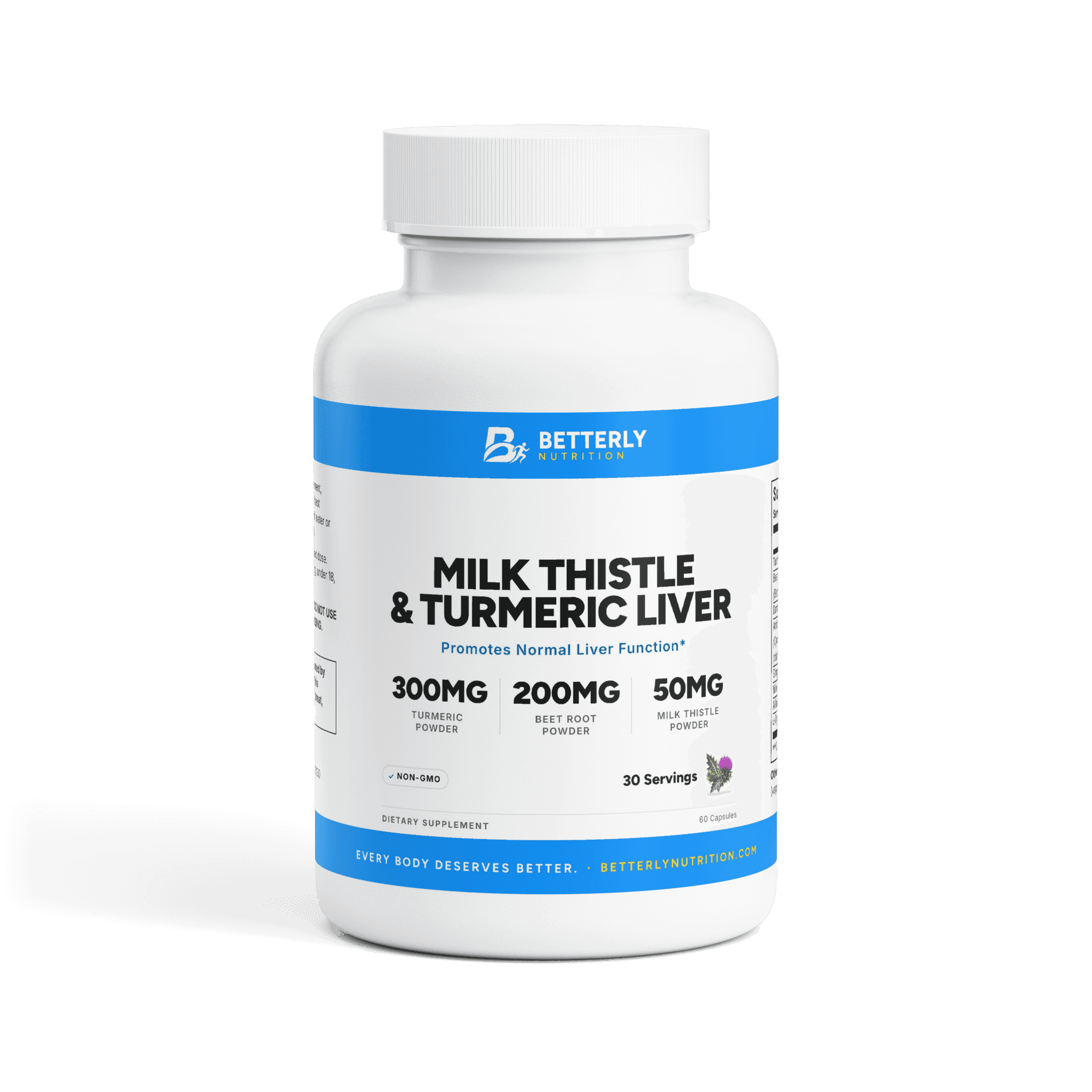
- Milk Thistle & Turmeric Liver Capsules pair 300 mg of turmeric powder with 50 mg of ginger powder per 2-capsule serving and list no black pepper.
Ginger has side effects of its own. By mouth, NCCIH says it can cause heartburn, diarrhea, belly discomfort, and an irritated mouth or throat.
What about turmeric with black pepper and boswellia?
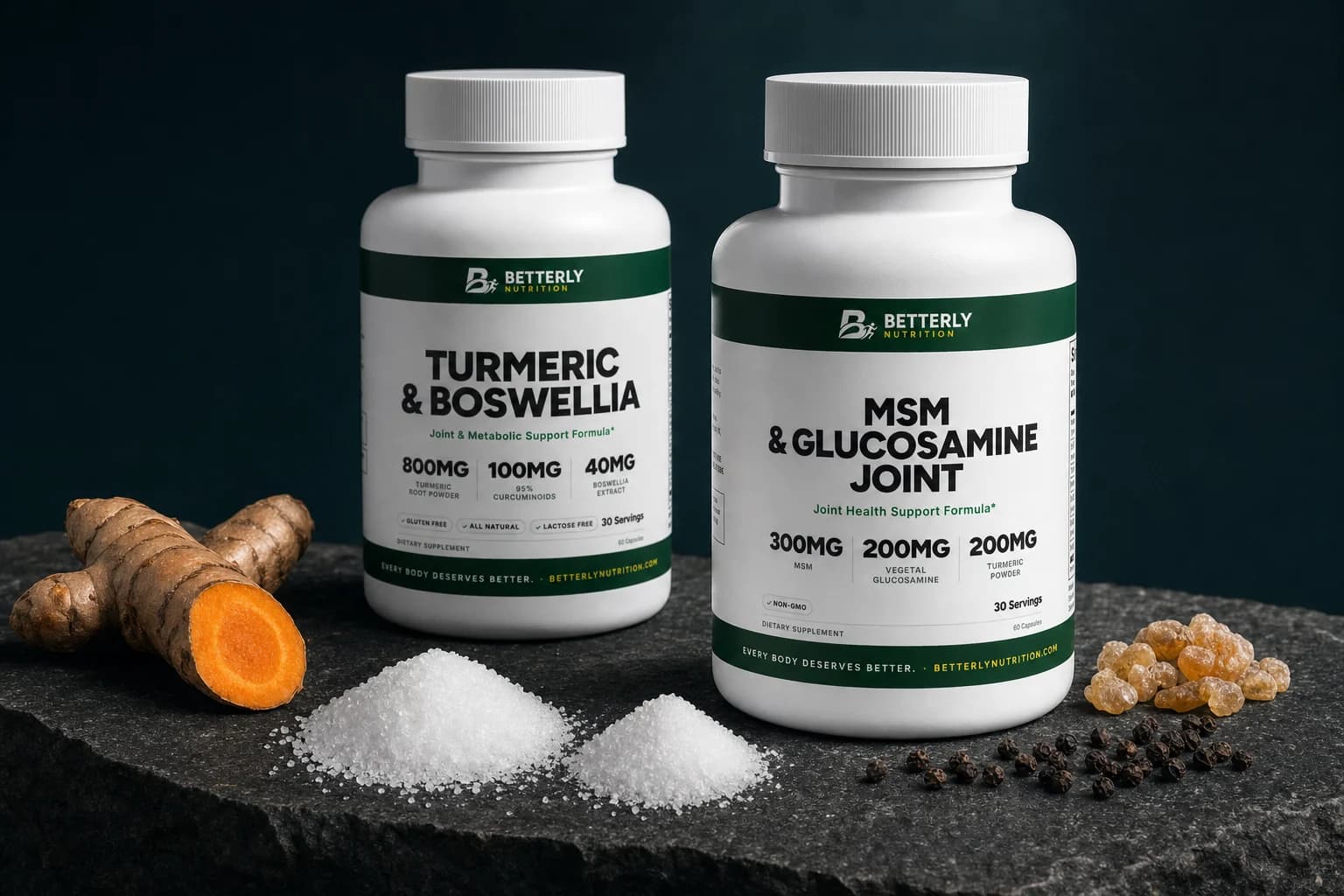
Our turmeric capsule and our joint capsules both list boswellia, but from different species: 40mg of Boswellia carteri extract per 2-capsule serving in the turmeric capsule, with no standardization named, and 100 mg of Boswellia serrata extract standardized to 65% boswellic acids per 2-capsule serving in the joint capsules.
Can you get the same pairing from turmeric and black pepper in food?
Cooking with turmeric and black pepper puts both spices on your plate, but none of our sources says how much curcumin or piperine a pinch delivers. A supplement panel gives measured amounts. Your spice rack doesn't.
NCCIH doesn't offer a kitchen ratio. It does keep food and supplements apart, though: its breastfeeding note is worded around turmeric "in amounts greater than those commonly found in food." If you like the two together in food, you don't need to turn that habit into a capsule.
What are the side effects of turmeric with black pepper?
NCCIH lists nausea and vomiting, acid reflux, an upset stomach, diarrhea or constipation among the possible effects of turmeric taken by mouth. With a pepper extract added, its liver caution for absorption-enhanced curcumin applies too.
NCCIH separates two kinds of product. It says plain, conventionally made turmeric or curcumin that hasn't been altered for absorption is likely safe in recommended amounts for up to 2 or 3 months. For curcumin made to absorb better, it says liver damage has been reported in some people. Piperine is exactly the kind of absorption helper NCCIH describes, so our BioPerine® capsule belongs with the enhanced products, not the plain ones.
NCCIH's advice is to quit any turmeric or curcumin product at once, and call your provider, if these signs appear:
- fatigue or poor appetite
- nausea
- dark urine
- yellowing of your skin or the whites of your eyes
We couldn't find a federal fact sheet on black pepper extract alone, so we can't list its side effects. That's one more reason to stay at what a single label directs.
How do you take turmeric capsules with pepper extract?
Take turmeric capsules with pepper extract by the label of the one product you choose, and nothing more. On our Turmeric Curcumin & Boswellia Capsules, the suggested use is two capsules once a day, and the label says that for best results you take them 20-30 min before a meal.
The joint capsules' directions differ: the label says adults take two daily, with 6-8 oz (177-237ml) of water. Both labels print "Do not exceed recommended dose." Before choosing either, check three details:
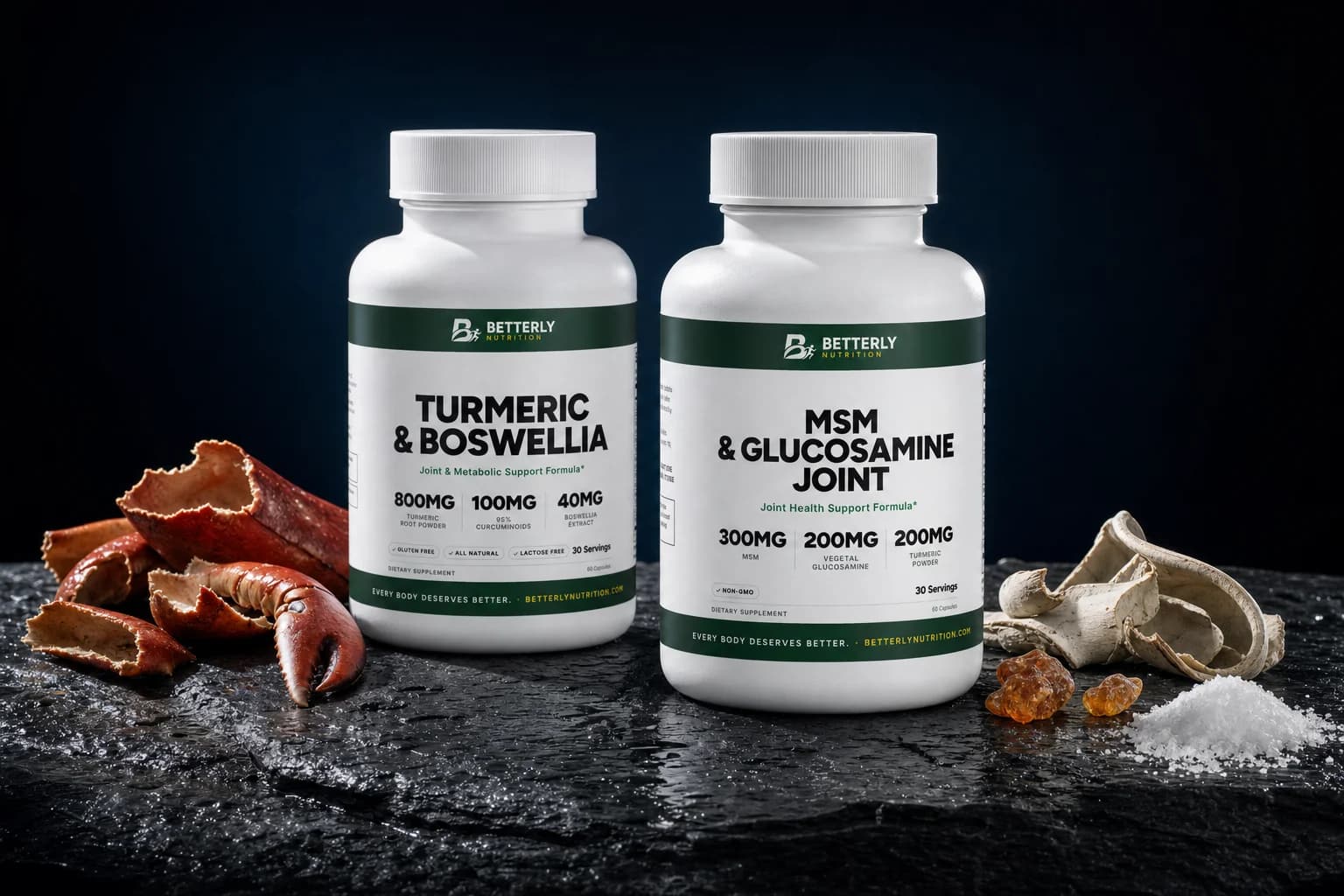
- Allergens. The turmeric capsule's allergen line lists shellfish (crab, lobster and crawfish), and its warning tells anyone with a shellfish allergy not to take it.
- Capsule shell. The turmeric capsule uses a hypromellose (vegetable) capsule, and the joint capsules use gelatin.
- Overlap. Both panels list turmeric, boswellia, MSM and a pepper extract. Taking both puts 20 mg of pepper extract in your day, and neither label suggests combining them, so ask your provider first.
Our glucosamine HCl vs sulfate breakdown compares the two bottles' glucosamine rows. Both capsules sit in our targeted support collection.
From our shop: MSM & Glucosamine Joint Capsules — the one label on our shelf that prints its piperine share, with 10 mg of pepper extract (95% piperine) beside 200 mg of turmeric powder per 2-capsule serving.
When don't you need a turmeric and black pepper supplement?
You don't need a turmeric and black pepper supplement to eat well, and NCCIH's evidence summary gives no proven reason to add one. It's a poor fit in these cases:
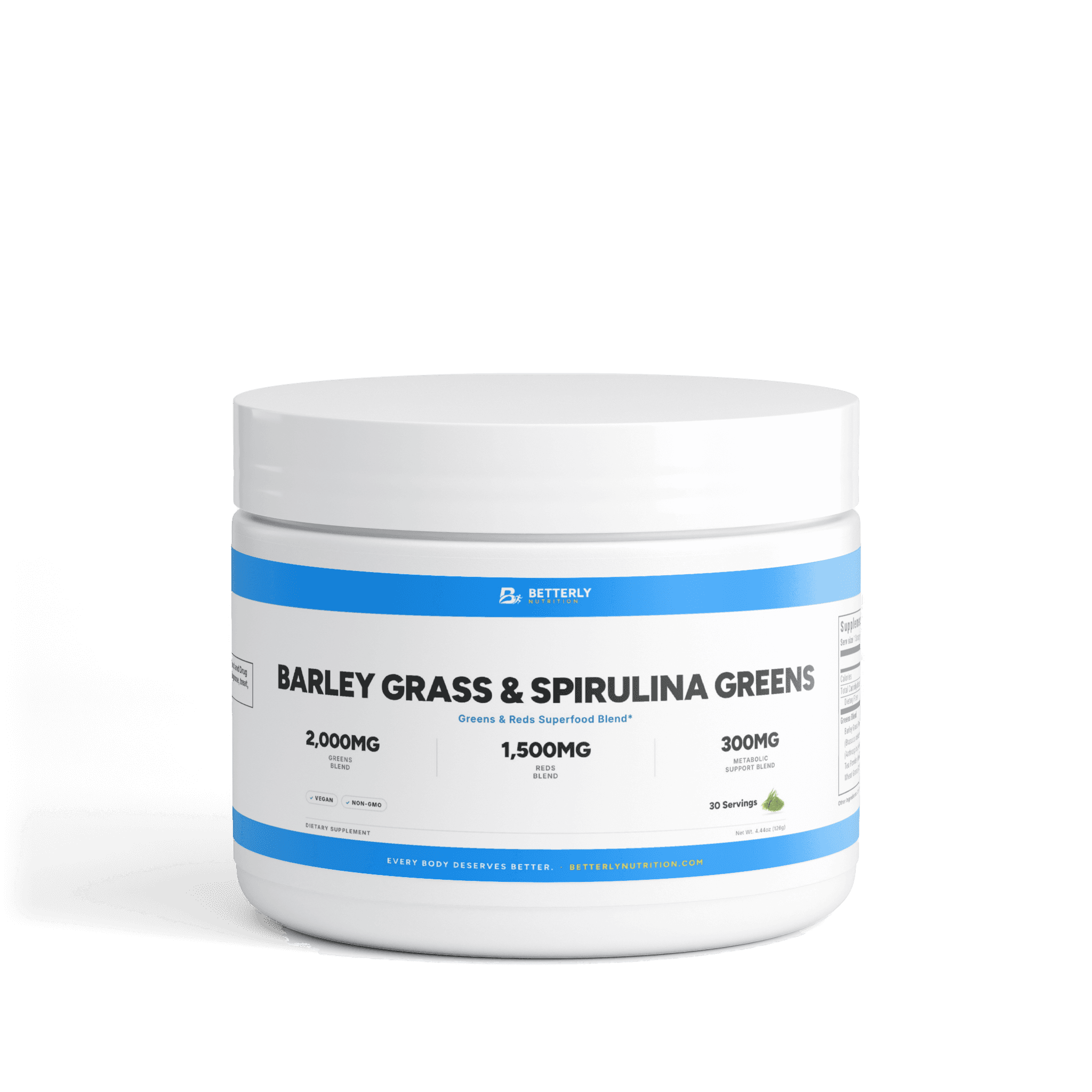
- You already take a product with pepper in it. The table above shows how fast it adds up, and blends hide it too: our Barley Grass & Spirulina Greens Powder and Beet Root & Berry Reds Powder list turmeric and black pepper extract with no amount for either.
- You're allergic to shellfish. Our turmeric capsule isn't for you.
- You're pregnant. NCCIH flags turmeric supplements as possibly unsafe during pregnancy.
- NCCIH's liver caution worries you. Skip turmeric products that add a pepper extract, and talk with your provider before trying any turmeric supplement.
Still choosing between root powder and a concentrated extract? Our turmeric vs curcumin label guide covers what each one gives you.
Who should check with a healthcare provider first?
Check with a healthcare provider before taking turmeric with black pepper if you're pregnant or nursing, under 18, take any medicine, have surgery coming up, or manage a health condition. Most of those come straight from our turmeric label's caution.
- Anyone taking medicine. If you're on any type of medicine, NCCIH wants you to run herbal products past your provider first, since certain herbs and medicines can interact harmfully.
- Anyone with surgery scheduled. The ODS guide Dietary Supplements: What You Need to Know says that before an operation, some supplements can raise bleeding risk or alter how you respond to anesthesia.
- Anyone taking several supplements. ODS says side effects are most likely at high doses or when you take many different supplements.
- Anyone with a liver concern, given NCCIH's caution above.
- Nursing parents. NCCIH says little is known about the safety of turmeric above food amounts, or of ginger, while breastfeeding.
FAQ: turmeric and black pepper
Does black pepper make turmeric work better?
Not as far as our sources show: black pepper can help more curcumin get absorbed, but NCCIH says there isn't enough evidence yet to know whether turmeric or curcumin helps any health purpose. More absorption also puts a product under NCCIH's liver caution, so it's a trade-off, not a free upgrade. Weigh it with your provider before choosing a pepper-paired formula.
How much black pepper should you take with turmeric?
The federal sources we cite give no official amount of black pepper to take with turmeric, so follow one product's label. Our Turmeric Curcumin & Boswellia Capsules list 10mg of BioPerine® per 2-capsule serving, taken once a day. Don't add a separate pepper extract or extra capsules on top to chase a bigger number.
Is piperine the same as black pepper?
No, piperine is one compound in black pepper, not the whole spice. Ground pepper contains piperine along with the rest of the dried fruit, while a black pepper extract concentrates it. The 10 mg of pepper extract in each 2-capsule serving of our MSM & Glucosamine Joint Capsules is standardized to 95% piperine, so nearly all of it is piperine.
Does black pepper extract interact with medicines?
Black pepper extract is an herbal ingredient, so NCCIH's general advice applies to it. NCCIH tells anyone on medicine to check with a healthcare provider before using herbal products, because some herbs and medicines interact in harmful ways. Bring your turmeric label to that visit, along with any other bottle that lists pepper.
Can you take two supplements that both list black pepper?
Yes, you can take two supplements that list black pepper, but add up the pepper rows and clear the total with your provider first. Our turmeric capsules and our Organic Ashwagandha Root Capsules each come to 10 mg of pepper ingredients a day at their labels' suggested use, so together that's 20 mg. None of the sources we cite sets a limit for piperine, and a missing limit isn't the same as a safe one.
Sources
- Turmeric: Usefulness and Safety (NCCIH)
- Ginger: Usefulness and Safety (NCCIH)
- Vitamin D Fact Sheet for Consumers (NIH Office of Dietary Supplements)
- Dietary Supplements: What You Need to Know (NIH Office of Dietary Supplements)
If this left you looking for somewhere to start, read turmeric capsules with BioPerine black pepper extract — its amounts per serving are listed on the page. For the practical questions this raises, how dosing, sourcing and subscriptions work is answered in one place.