On this page
- Key takeaways
- What are the most common gymnema sylvestre side effects?
- Is gymnema sylvestre dangerous for your liver?
- Side effects of gymnema sylvestre capsules: what else is inside?
- Does gymnema interact with any medications?
- Are the biotin and chromium amounts a problem?
- How many capsules a day does the gymnema label allow?
- When is a gymnema capsule not worth the trade-offs?
- Who should skip gymnema or check with a healthcare provider first?
- FAQ: gymnema sylvestre safety
- Sources
The short answer: Gymnema sylvestre side effects are uncommon at usual doses, says the NIH's LiverTox database, and can include nausea, stomach discomfort, diarrhea, headache and rash. Rare liver reports exist, but the link to gymnema was usually weak. In a blended capsule, the bigger warning can come from a different ingredient: bitter melon, listed first in our 620 mg blend, shouldn't be used during pregnancy.
Key takeaways
- LiverTox, an NIH liver-safety database, calls gymnema's side effects uncommon at conventional doses and rates it a possible but rare cause of liver injury, though its long-term safety is poorly documented.
- Our Chromium, Gymnema & Cinnamon Capsules list gymnema 4th of 11 blend ingredients, so it can't top 155 mg per 2-capsule serving.
- Bitter melon comes first in that blend, and LiverTox says it shouldn't be used in pregnancy, so skip this formula if you're pregnant or trying to conceive.
- Each 2-capsule serving also packs 600 mcg of biotin (2000% DV), which can skew some lab tests, and 148 mcg of chromium, above the daily range ODS calls safe for adults.
A note on bias: we sell this capsule, part of our Weight Support collection, so this is a seller auditing all 18 active ingredients in its own bottle, using the printed panel and federal pages we opened.
What are the most common gymnema sylvestre side effects?
The most common gymnema sylvestre side effects listed by LiverTox are headaches, nausea, abdominal discomfort, diarrhea and rash, and it calls them uncommon at conventional doses.
The LiverTox entry on gymnema draws on small, fairly short studies where side effects were usually minimal and often judged unrelated to the herb.
It flags two unknowns: long-term use and higher doses haven't been studied in people, and gymnema products aren't standardized for purity or concentration, with some directing several grams a day.
Is gymnema sylvestre dangerous for your liver?
Serious liver trouble from gymnema sylvestre is rare: LiverTox rates the herb a possible but rare cause of liver injury, and most case reports tied it to gymnema only weakly.
On LiverTox's letter scale, that's a D. Bitter melon and alpha lipoic acid, both also in our capsule, get an E, meaning unlikely.
The case LiverTox features involved a woman in her 60s drinking an herbal tea with gymnema three times a day. About a week in, she felt weak and tired, had lost her appetite, and her skin and eyes had turned yellow. She was hospitalized, and her liver tests were normal 6 months later.
A second report LiverTox cites shows why product quality matters. A man taking 4 g of gymnema a day with two homeopathic remedies developed itching and yellowing a month later. He stopped the product, but LiverTox's note records that he died about 4 months later of a bone-marrow problem, not liver failure. Testing found industrial solvents and heavy metals, including arsenic and mercury, in the product. His dose was more than 25 times the most gymnema our blend could hold.
In most gymnema cases, LiverTox says, contaminants, other drugs taken alongside or an existing liver problem have been in question. It adds that cases may come more often, and hit harder, at higher doses or when the liver is already under strain. Watch for these signs from the two reports:
- unusual tiredness or weakness
- loss of appetite
- itching
- skin or eyes turning yellow
If you notice any of them, set the supplement aside and contact a healthcare provider that day.
Side effects of gymnema sylvestre capsules: what else is inside?
A gymnema capsule's side effects depend on its whole formula, and in our Chromium, Gymnema & Cinnamon Capsules, gymnema is one of 11 blend ingredients and not the heaviest.
The panel prints a 620 mg blend per 2-capsule serving, with no amounts for its parts. Blend ingredients must still be listed by weight, largest first, as our proprietary blend explainer shows. So 620 mg divided by an ingredient's position gives its ceiling: the 4th can't weigh more than a quarter of the blend.
| Blend spot and ingredient | Most it can weigh per 2 capsules | Federal caution we could verify |
|---|---|---|
| 1. Bitter melon extract | At least 56 mg, under 620 mg | LiverTox: not for use in pregnancy |
| 2. Cassia cinnamon bark | Up to 310 mg | NCCIH: coumarin, long-term use |
| 3. DGL licorice extract | Up to 206 mg | NCCIH: DGL may be safe up to 4 months |
| 4. Gymnema leaf powder | Up to 155 mg | LiverTox: uncommon stomach upset, rash |
| 5. Banaba leaf extract | Up to 124 mg | None found |
| 6. L-taurine | Up to 103 mg | None found |
| 7. Mulberry fruit powder | Up to 88 mg | None found |
| 8. Yarrow herb powder | Up to 77 mg | None found |
| 9. Cayenne pepper extract | Up to 68 mg | ODS: capsaicin can cause stomach pain |
| 10. Alpha lipoic acid | Up to 62 mg | LiverTox: stomach upset at higher doses |
| 11. Juniper berry powder | Up to 56 mg | None found |
The takeaway: the ingredient with the strongest federal warning tops the blend, yet the front of the bottle never names it.
Bitter melon: the pregnancy warning
LiverTox's bitter melon entry calls it a potential abortifacient, meaning a substance that could end a pregnancy. It says bitter melon "should not be used in pregnancy," or by women who could conceive and aren't using effective contraception. Its listed side effects echo gymnema's: stomach discomfort, heartburn, constipation or diarrhea, nausea, vomiting, dizziness and headache. LiverTox also notes rare but potentially severe reactions, one more reason to clear this blend with your prescriber if you take prescription medicine.
Cassia cinnamon and DGL licorice
The National Center for Complementary and Integrative Health (NCCIH) says on its cinnamon page that larger amounts or long use are sometimes linked to stomach problems or allergic reactions. Cassia also contains coumarin, and NCCIH says sensitive people, such as those with liver problems, may run into trouble with prolonged cassia use.
The licorice in our blend is deglycyrrhizinated (DGL), meaning glycyrrhizin, the compound behind licorice's most serious warnings, has been removed. NCCIH's licorice root page says oral DGL products "might be safe for up to 4 months," and it doesn't address longer use.
Cayenne and alpha lipoic acid
Cayenne gets its heat from capsaicin. The NIH Office of Dietary Supplements (ODS) sheet on weight-loss ingredients says capsaicin can bring stomach pain, a burning feeling, nausea and bloating, and it gives safe intakes of up to 33 mg daily for 4 weeks or 4 mg daily for 12 weeks. Our label doesn't state the extract's capsaicin content.
LiverTox's alpha lipoic acid entry ties higher doses to stomach discomfort, heartburn, nausea, dizziness and headache. Its listed doses run 100 to 600 mg once or twice a day, and our blend holds 62 mg at most.
The five with no federal page
No federal fact sheet or LiverTox entry turned up for banaba, taurine, mulberry, yarrow or juniper, all 5th or lower in the blend. We won't repeat side-effect lists we can't check.
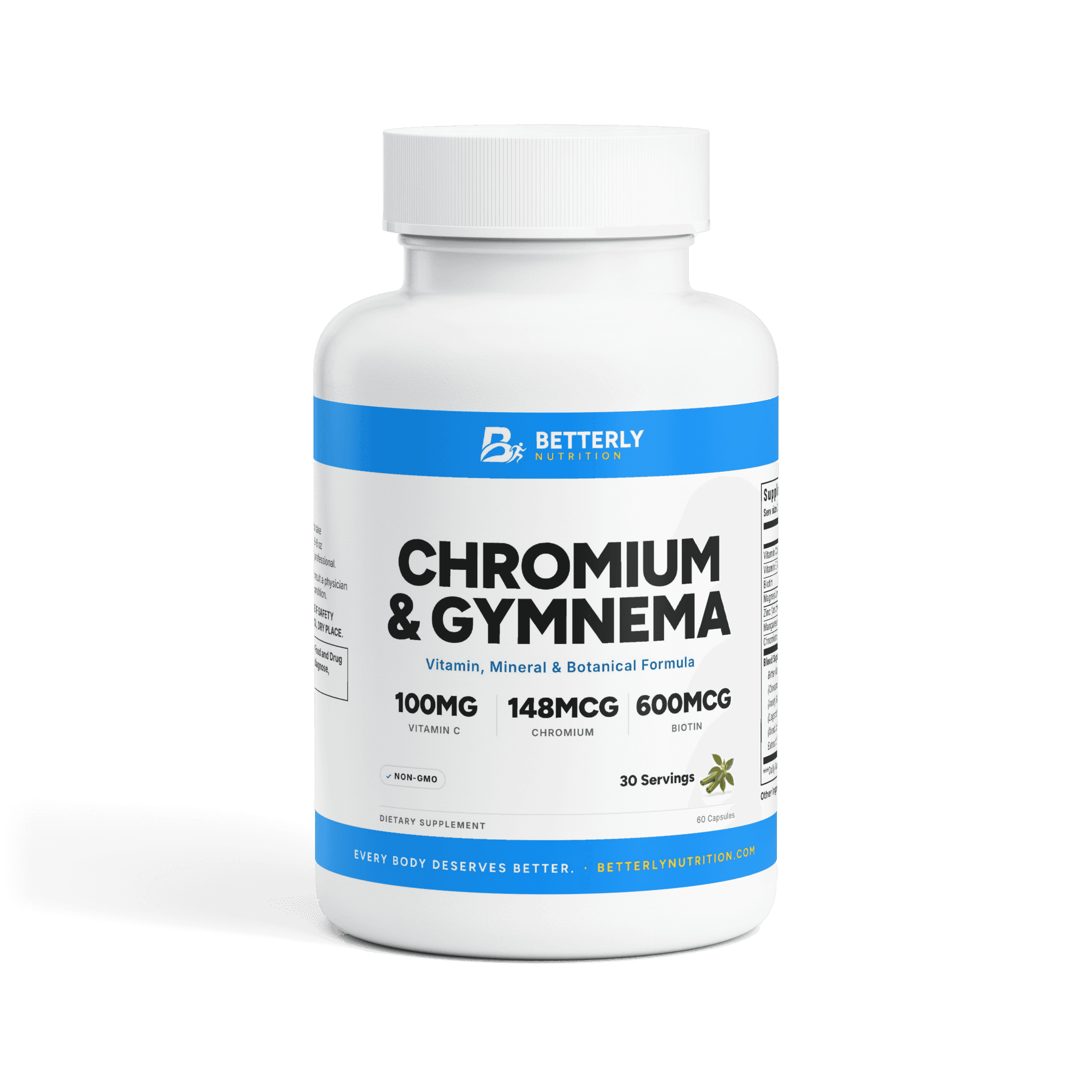
From our shop: Chromium, Gymnema & Cinnamon Capsules — a 30-serving bottle whose panel names all 11 blend ingredients in weight order, with bitter melon first and gymnema fourth.
Does gymnema interact with any medications?
Gymnema has no interaction list of its own on the federal pages we checked, but ODS says two nutrients in this capsule, chromium and biotin, might interact with some medicines.
The ODS chromium fact sheet says chromium supplements might interact with some medicines, such as a thyroid-hormone medicine whose absorption chromium might reduce. The ODS biotin fact sheet says the same of biotin and certain medications.
NCCIH's cinnamon and licorice pages advise checking with a provider before trying the herb, since some herbs and medicines can clash in harmful ways. ODS's sheet on weight-loss supplements adds that many combine ingredients never tested as a set, leaving their joint effects unknown. The same gap applies to any 11-ingredient blend.
If you take any prescription medication, check with your provider first. The ODS chromium sheet adds that your pharmacist can check a supplement against your medicines.
Are the biotin and chromium amounts a problem?
Chromium, Gymnema & Cinnamon Capsules' 600 mcg of biotin may skew some lab tests, and their 148 mcg of chromium tops the daily range ODS calls safe for adults.
Biotin itself hasn't been shown to do harm, per the ODS biotin sheet. The catch shows up on lab reports: above recommended amounts, biotin can produce false readings on some tests, certain hormone levels included. This capsule's 600 mcg per 2-capsule serving (2000% DV) is 20 times the sheet's 30 mcg adult amount. Our look at biotin's side effects has more.
Chromium comes in at 148 mcg per 2-capsule serving (420% DV). For adults, ODS's weight-loss sheet counts 20 to 45 mcg daily as safe and recommended, so a single serving runs about 100 mcg past its top end. Above that range, the sheet lists nausea, vomiting, watery stools, constipation, headache, dizziness, weakness and hives.
The ODS chromium sheet calls chromium from food and supplements apparently harmless, though research is limited. It also advises caution with high amounts of chromium for people whose provider is managing their kidney or liver health. ODS lists no upper limit either, a gap our chromium intake guide walks through. Still, don't add a second chromium product, and check any multivitamin for a chromium line.
The other five nutrients are modest, from 6% DV (magnesium) to 110% DV (vitamin C).
How many capsules a day does the gymnema label allow?
The label's suggested use for Chromium, Gymnema & Cinnamon Capsules is 2 capsules daily for adults, with 6 to 8 oz (177 to 237 ml) of water, and no more.
The directions leave out timing and food. With 148 mcg of chromium in every serving, the label amount is a hard ceiling. If that figure gives you pause, ask your provider first.
A few habits make side effects easier to spot:
- Give it a solo start. Begin when nothing else in your routine is new, so a stomachache or rash points to one bottle.
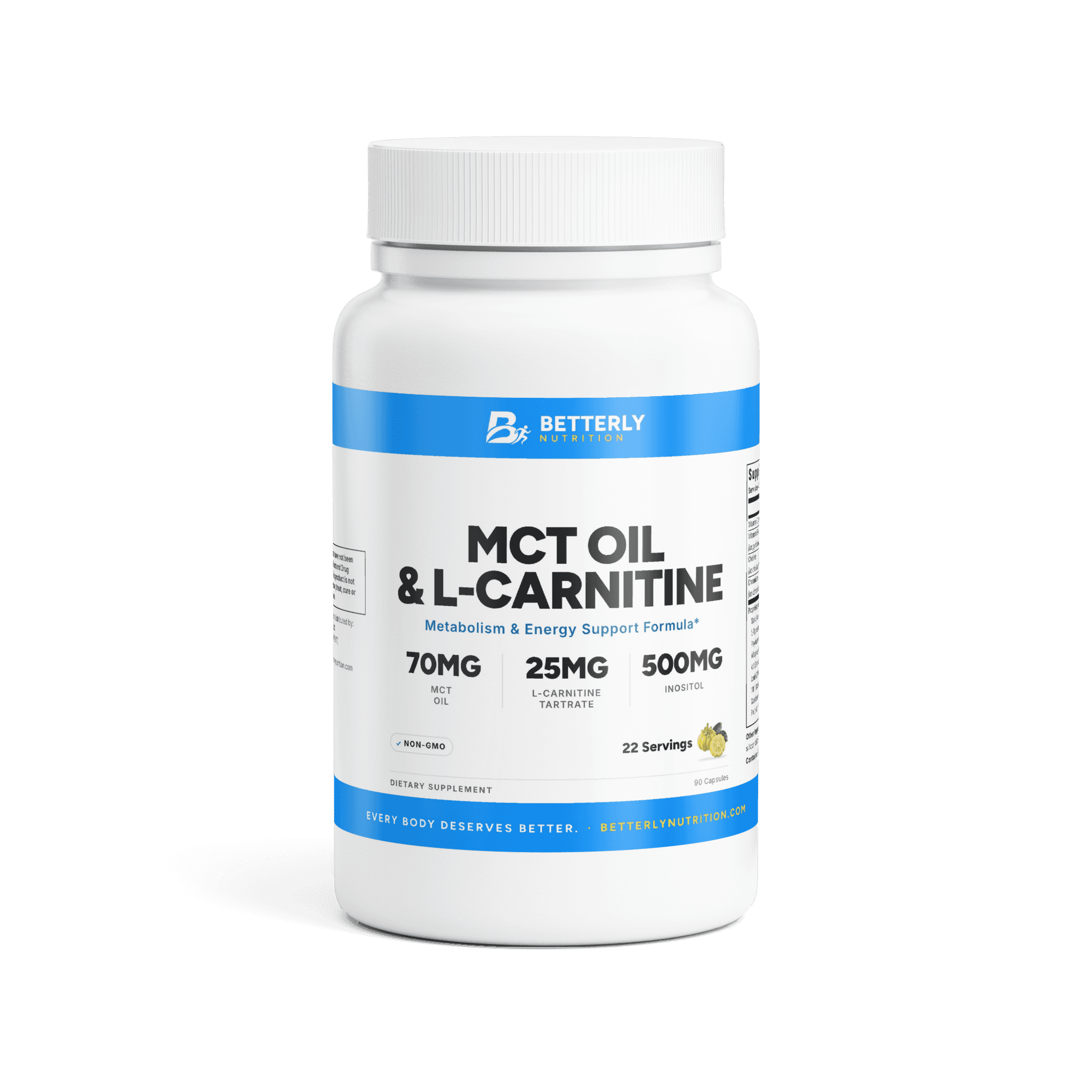
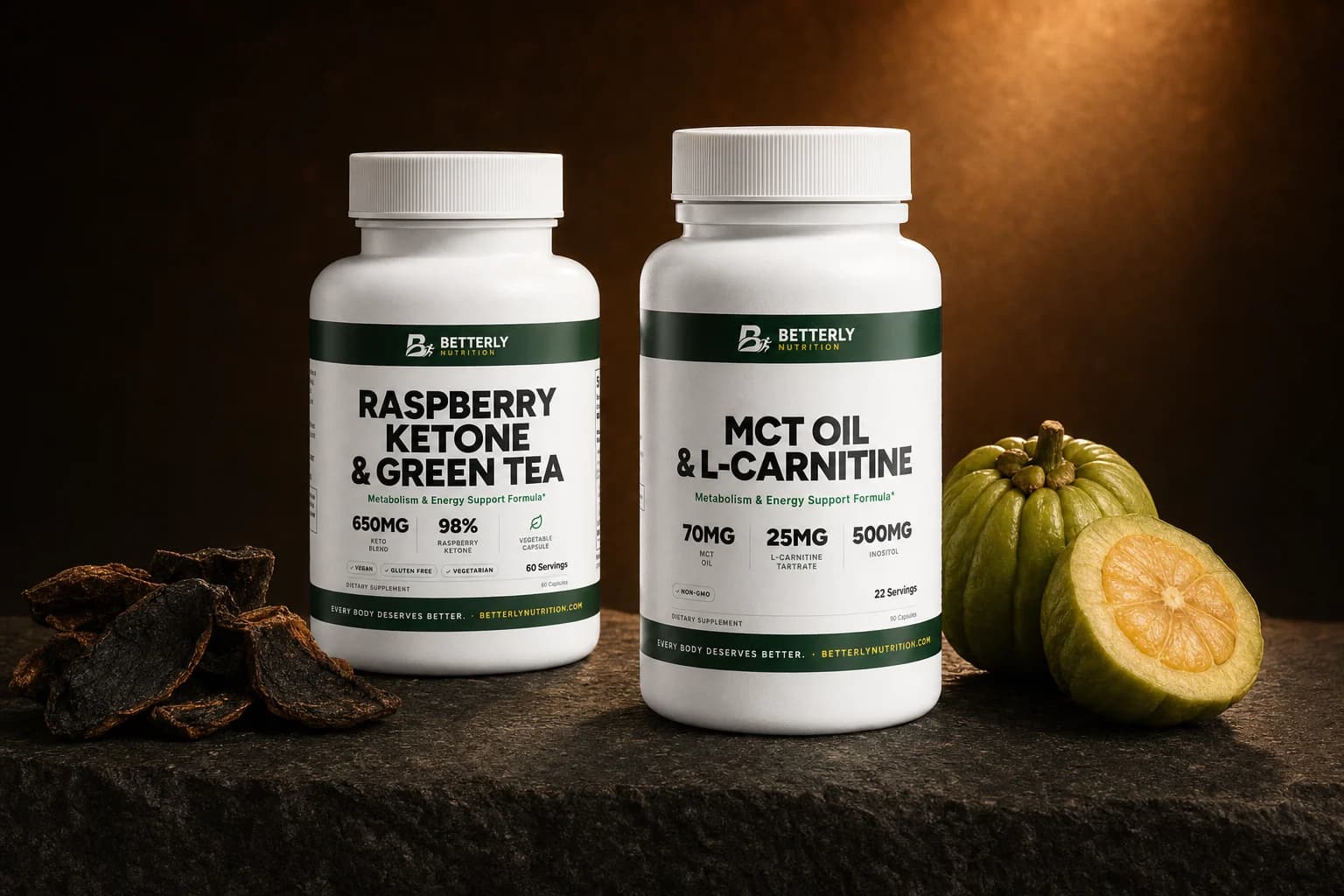
- Keep to one gymnema bottle. Our MCT Oil & L-Carnitine Capsules list gymnema too, with 200 mcg of chromium per 4-capsule serving. Running both would stack two chromium doses that each top the ODS range, and you couldn't tell which bottle upset your stomach.
- Stop if something feels off. Stomach upset, a rash or any liver warning sign above means pausing and checking in with your provider.
From our shop: MCT Oil & L-Carnitine Capsules — a 22-serving bottle whose label directs 4 capsules daily with meals and lists 200 mcg of chromium (571% DV) per serving, with fish and shellfish under "Contains."
When is a gymnema capsule not worth the trade-offs?
Chromium, Gymnema & Cinnamon Capsules aren't worth the trade-offs if you need to trace a reaction to one ingredient, react to cinnamon or spice, or have lab work soon.
- You want to pin a reaction on one ingredient. With 18 active ingredients per serving, a rash or an unsettled stomach has too many suspects.
- Cinnamon or hot peppers already disagree with you. Cassia sits second in the blend and cayenne ninth, and the federal notes above tie both to stomach trouble.
- Blood work is on your calendar. Starting 600 mcg of biotin a day before a blood draw adds a variable your lab should know about, so mention the capsule.
Who should skip gymnema or check with a healthcare provider first?
Anyone pregnant or trying to conceive should pass on our gymnema capsule, while nursing parents, under-18s, people on medicine and anyone managing a health condition need a provider's go-ahead first.
The label's caution says: "Do not exceed recommended dose. Consult a physician if pregnant, nursing, under 18, or have a medical condition." The federal sources fill in why:
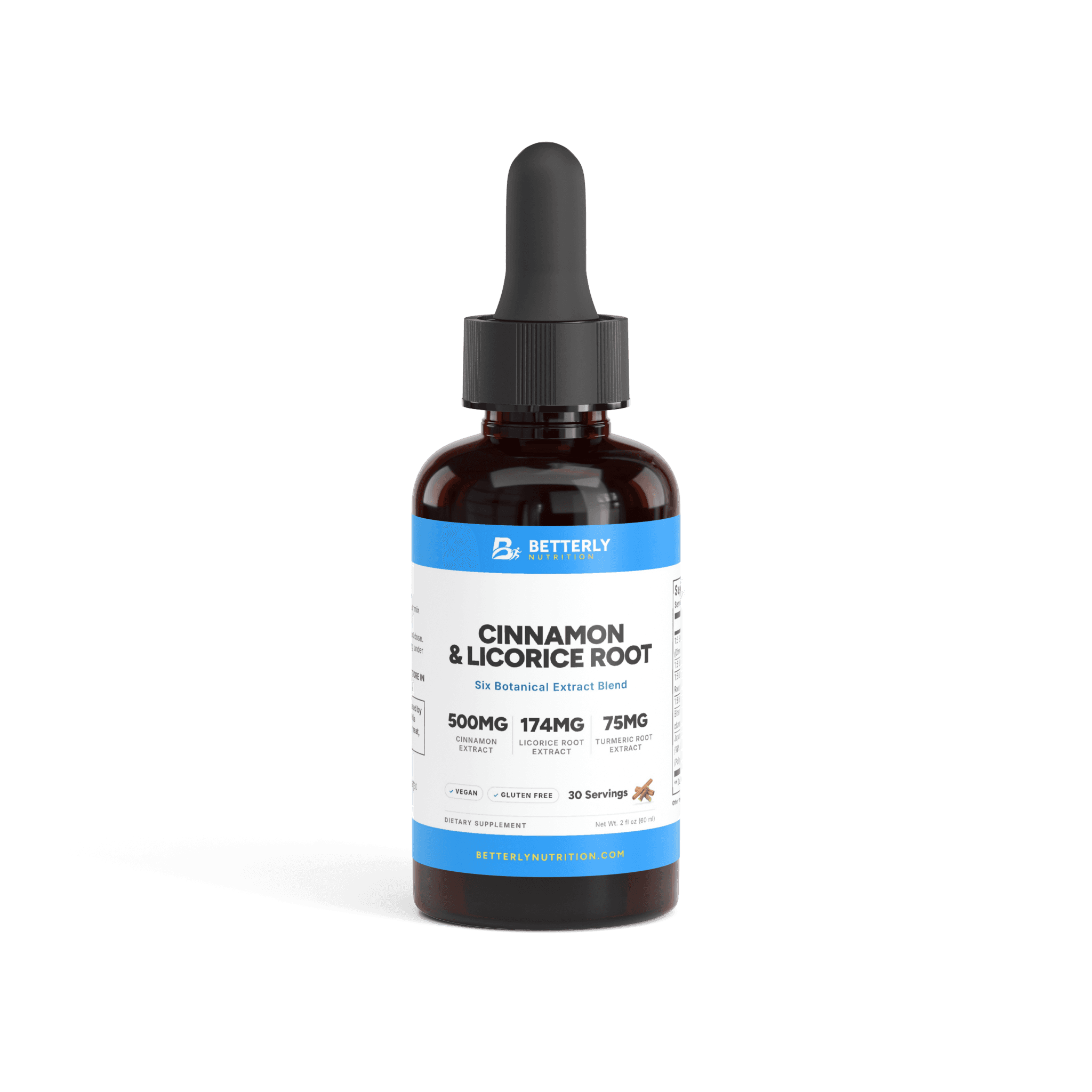
- Pregnant, trying to conceive, or able to become pregnant without effective contraception: LiverTox's bitter melon warning covers you. Our Cinnamon & Licorice Root Drops list bitter melon too, at 0.8 mg of a 4:1 extract per 2 ml serving.
- Breastfeeding: licorice's safety during nursing is largely unknown, per NCCIH.
- Taking any prescription medication: check with your provider first, since ODS flags possible interactions for this capsule's chromium and biotin.
- Your provider is managing your kidney or liver health: ODS advises caution with high amounts of chromium, and this capsule has 148 mcg per serving.
- Scheduled for surgery: your surgeon's team should hear about this capsule and every other supplement.
FAQ: gymnema sylvestre safety
Is gymnema good for you?
Gymnema can fit some adults' routines, and LiverTox calls its negative effects at conventional doses uncommon, though long-term safety data in people is missing. For what the leaf is known for, see our look at gymnema's benefits and forms. If you take medicine or could become pregnant, talk with a provider first.
Are gymnema tea side effects different from capsule side effects?
LiverTox doesn't split its side-effect list by form: it describes gymnema sold as powders and capsules, and its featured liver case involved a tea. What differs is dose, and that tea was taken three times a day at an unknown strength. A capsule prints a serving size, though a blend may still hide the gymnema amount.
How long can you take gymnema safely?
None of our federal sources puts a time limit on gymnema, and LiverTox says its long-term safety in people hasn't been well documented. NCCIH's note that DGL licorice, also in our capsule, might be safe for up to 4 months gives one marker. Past that, review it with your provider.
What should you do if gymnema upsets your stomach?
If gymnema upsets your stomach, put the capsules aside and phone your healthcare provider, especially if the trouble lingers after you stop. Stomach upset appears on LiverTox's lists for gymnema, bitter melon and alpha lipoic acid alike, so no home test can name the culprit.
Can you take gymnema while trying to get pregnant?
Our gymnema capsule isn't a fit while you're trying to get pregnant. Our sources don't address gymnema and pregnancy directly, but bitter melon, first in the capsule's blend, carries a LiverTox warning against use in pregnancy and by women who could conceive without effective contraception. Ask your provider to review your supplement list.
Sources
- Gymnema, LiverTox (NCBI Bookshelf), National Institutes of Health
- Bitter Melon, LiverTox (NCBI Bookshelf), National Institutes of Health
- Alpha Lipoic Acid, LiverTox (NCBI Bookshelf), National Institutes of Health
- Cinnamon: Usefulness and Safety, National Center for Complementary and Integrative Health
- Licorice Root: Usefulness and Safety, National Center for Complementary and Integrative Health
- Dietary Supplements for Weight Loss: Fact Sheet for Consumers, NIH Office of Dietary Supplements
- Chromium: Fact Sheet for Consumers, NIH Office of Dietary Supplements
- Biotin: Fact Sheet for Consumers, NIH Office of Dietary Supplements
If this left you looking for somewhere to start, read chromium and gymnema capsules with bitter melon — its amounts per serving are listed on the page. For the practical questions this raises, how dosing, sourcing and subscriptions work is answered in one place.