On this page
- Key takeaways
- Why do people look for AG1 alternatives?
- What should a greens powder actually promise?
- What are your real options?
- How do you read a greens powder label like you mean it?
- What does the per-serving math actually look like?
- When should you just eat vegetables instead?
- How do you take a greens powder — and who should check first?
- Frequently asked questions
The short answer: Most people searching for AG1 alternatives want one of three things: a lower monthly bill, a shorter and clearer label, or reassurance that they're not overpaying for something vegetables already do. Your realistic options are a premium all-in-one, a budget single-focus greens powder, a mid-priced broad blend like our own Barley Grass & Spirulina Greens Powder, or simply eating more vegetables. Honestly, that last one is sometimes the right answer.
One thing before we start: we sell Barley Grass & Spirulina Greens Powder under our own label, one of the options below. So this isn't a neutral review; it's an informed seller's take on a category we know from the inside, and we'll tell you plainly when our product is the right pick and when it isn't.
Key takeaways
- Most "AG1 alternatives" searches come down to two frustrations: the monthly price and a label that's hard to evaluate. Solve for those and the decision gets much easier.
- A greens powder is a convenience, not a vegetable replacement. Any brand implying otherwise is telling you about its marketing, not its scoop.
- Judge every option on four criteria: a fully public ingredient list, claims language that sounds boring, per-serving price math you did yourself, and a format you'll actually stick with.
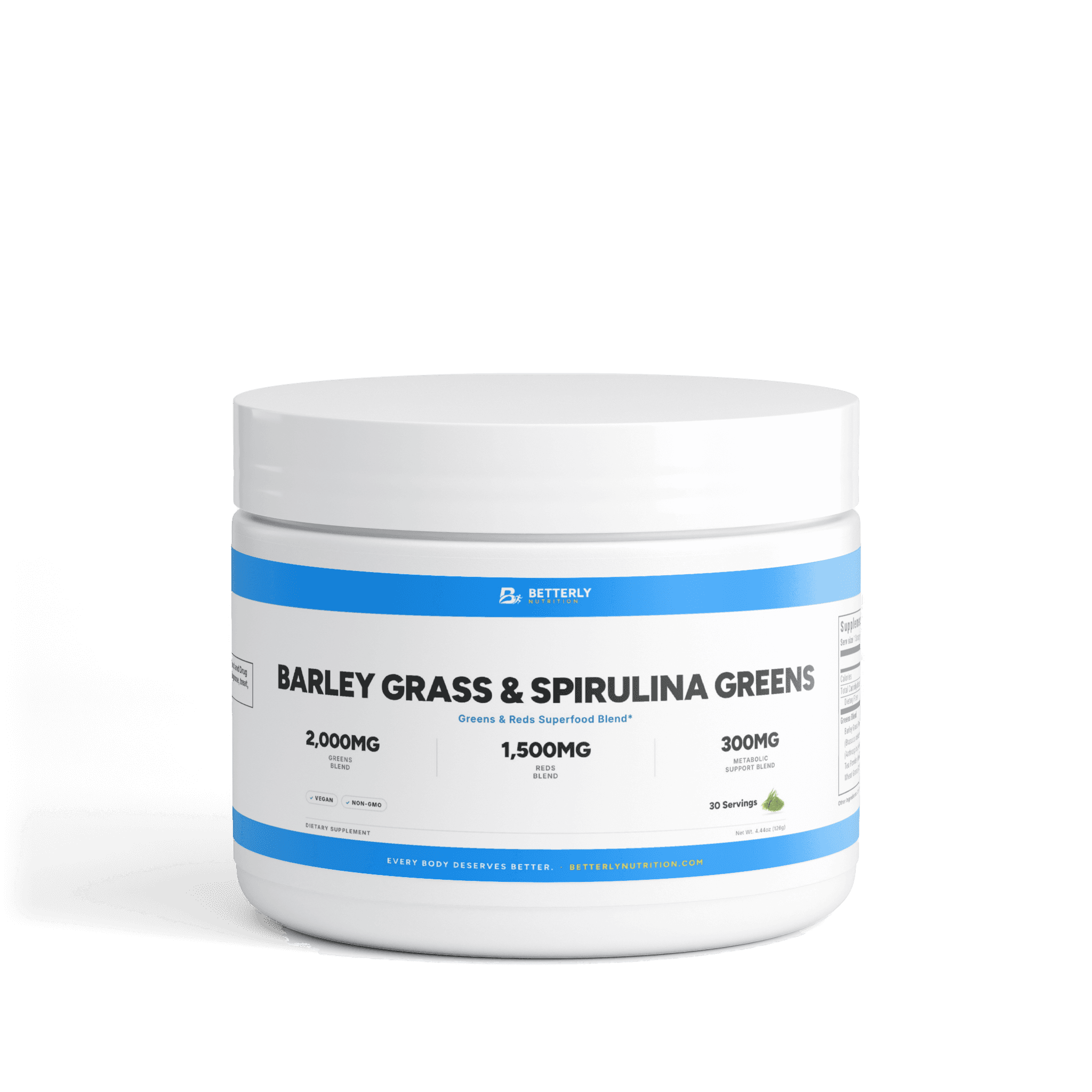
- Betterly's Barley Grass & Spirulina Greens Powder is the mid-priced route: 20+ greens, fruits, roots and botanicals in one daily scoop.
- Sometimes the best AG1 alternative is the produce aisle. We'd rather say that out loud than pretend otherwise.
Why do people look for AG1 alternatives?
AG1 more or less built the premium all-in-one greens category, and credit where it's due: it made a daily scoop of green powder feel like a normal thing to do. Still, three doubts send people searching for alternatives, and all three are reasonable.
The first is price. Premium all-in-ones sit at the top of the greens category — they're typically sold as a monthly subscription at a price that reads as a real line item on a household budget, and the current number is right there on any brand's own site. It doesn't make them bad products. It does mean the purchase deserves more scrutiny than an impulse click.
The second is the label. All-in-one products bundle a very long ingredient list into a single scoop — that's the whole pitch — but long lists are genuinely hard to evaluate. It's difficult to know which parts you're paying for, which parts you'd notice, and which parts you're already getting elsewhere. If you take a daily multivitamin, some overlap is almost guaranteed, which is worth reading about in our guide to whether you actually need a multivitamin.
The third is the quiet suspicion that the whole category might be replaceable with, well, vegetables. That suspicion deserves a straight answer instead of a deflection, and we'll get to it below.
What should a greens powder actually promise?
Less than most marketing does.
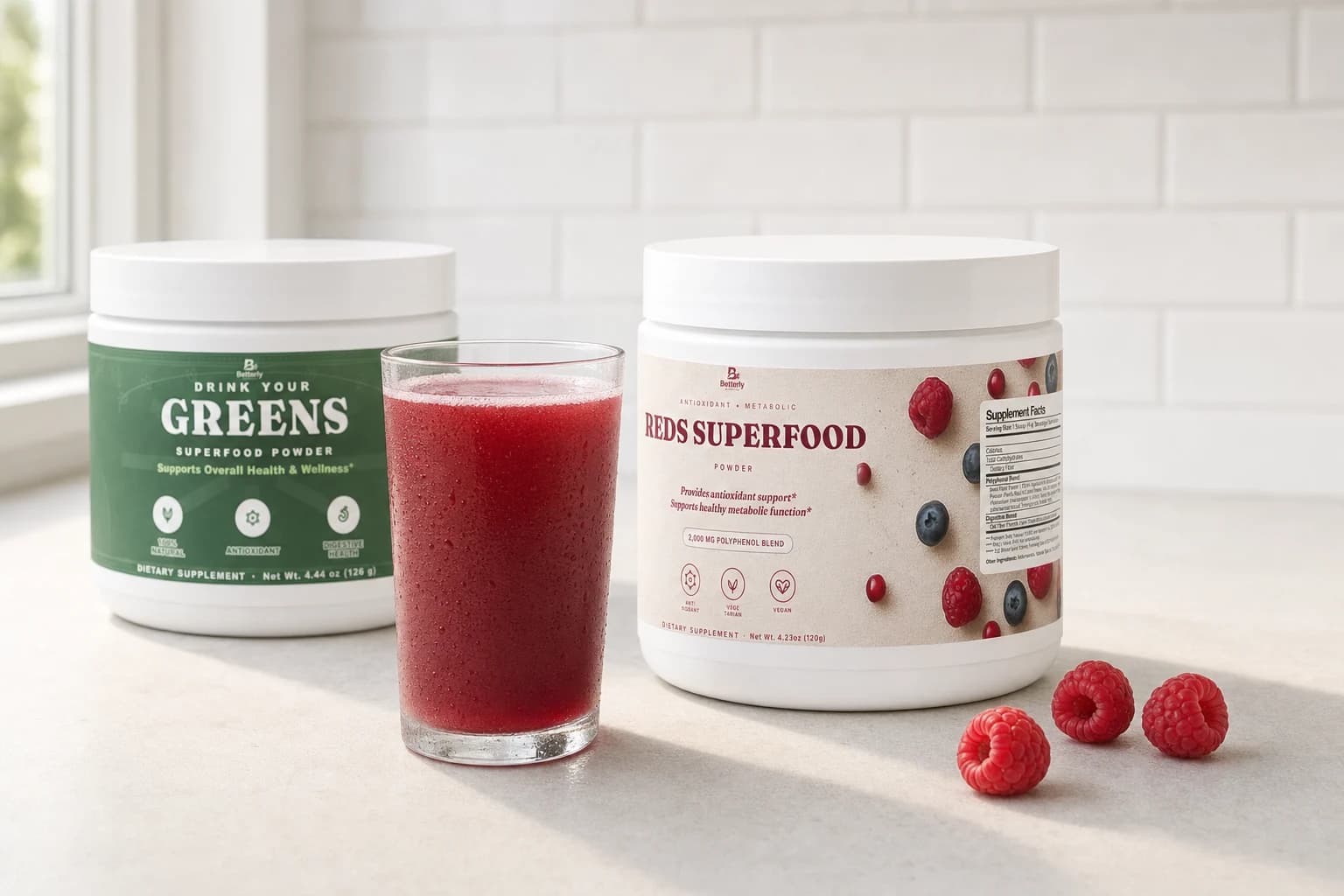
Here's the honest framing: a greens powder is a convenient way to fold concentrated plant ingredients into your routine. Ours, for example, packs things like spirulina, barley grass, beet root, acai and turmeric into one scoop — plant ingredients that help support everyday nutrition, with inulin (a prebiotic fiber) and ginger in there to help support healthy digestion. That's a genuinely useful thing on the days when your plate doesn't cooperate.
What a greens powder can't do is stand in for food. The NIH Office of Dietary Supplements says this plainly about multivitamins — they cannot take the place of eating a variety of foods that are important to a healthy diet — and the same logic applies at least as strongly to a spoonful of dried greens. Vegetables bring fiber, water, volume and variety that no powder fully matches.
So the real job of a greens powder is narrower and more honest: it covers the gap between the vegetables you intend to eat and the ones that actually happen. Travel weeks. Chaotic seasons. The stretch of winter when the crisper drawer goes ignored. Judged by that standard, a good greens powder earns its place. Judged as a vegetable replacement, every product in this category fails, including ours.
What are your real options?
There are four routes, and they suit different people. Here's the honest map:
| Route | What you're buying | Rough cost | Best fit |
|---|---|---|---|
| Premium all-in-one (AG1-style) | One product positioned to replace several — greens plus broad vitamin-and-botanical coverage in a single daily scoop | Typically the priciest route in the category; current subscription pricing is on the brand's own site | You'll genuinely use everything it bundles, and you value one-scoop simplicity over price |
| Budget single-focus greens | One or two plant ingredients — spirulina, wheatgrass, chlorella — and little else | Typically the least expensive packaged option | You know exactly which green you want and don't need a blend |
| Betterly Barley Grass & Spirulina Greens Powder | 20+ greens, fruits, roots and botanicals in one scoop | Mid-priced; current price is on the product page | You want a broad daily blend without premium-subscription math |
| The produce aisle | Fiber, variety and actual food — things no powder fully matches | A few dollars a day, depending on season | Everyone. The only question is whether you'll consistently do it |
The verdict, split by use case: if you truly use everything an all-in-one bundles and the cost doesn't sting, AG1-style products make sense — that's the fair case for them. If you want one specific ingredient, buy the single-focus product and skip blends entirely. If you want the broad-blend habit at a mid price, that's the slot ours fills. And if you cook most nights and your plate already has color on it, you may not need a greens powder at all — it earns its place in the weeks when the vegetables don't happen.
Premium all-in-ones, fairly described
AG1 is a well-executed product: powder format, a long ingredient list, strong branding, sold subscription-first at a premium price. We're not going to quote its ingredient amounts or pick at its formula — you can read its label on its own website, which is exactly what you should do with any supplement, ours included.
The two questions worth asking before you pay premium all-in-one prices are simple. One: how much of that long list are you already covering with a multivitamin or your diet? Two: would you actually notice the difference between the premium product and a simpler blend at a lower monthly price? Part of what you're paying for is convenience and brand confidence — those are real things; just make sure they're the things you want.
Budget single-focus greens
At the other end of the market are simple spirulina, chlorella or wheatgrass powders — typically the least expensive packaged option in the category. If you already know you want one specific green, this is the frugal, sensible route, and we have no quarrel with it.
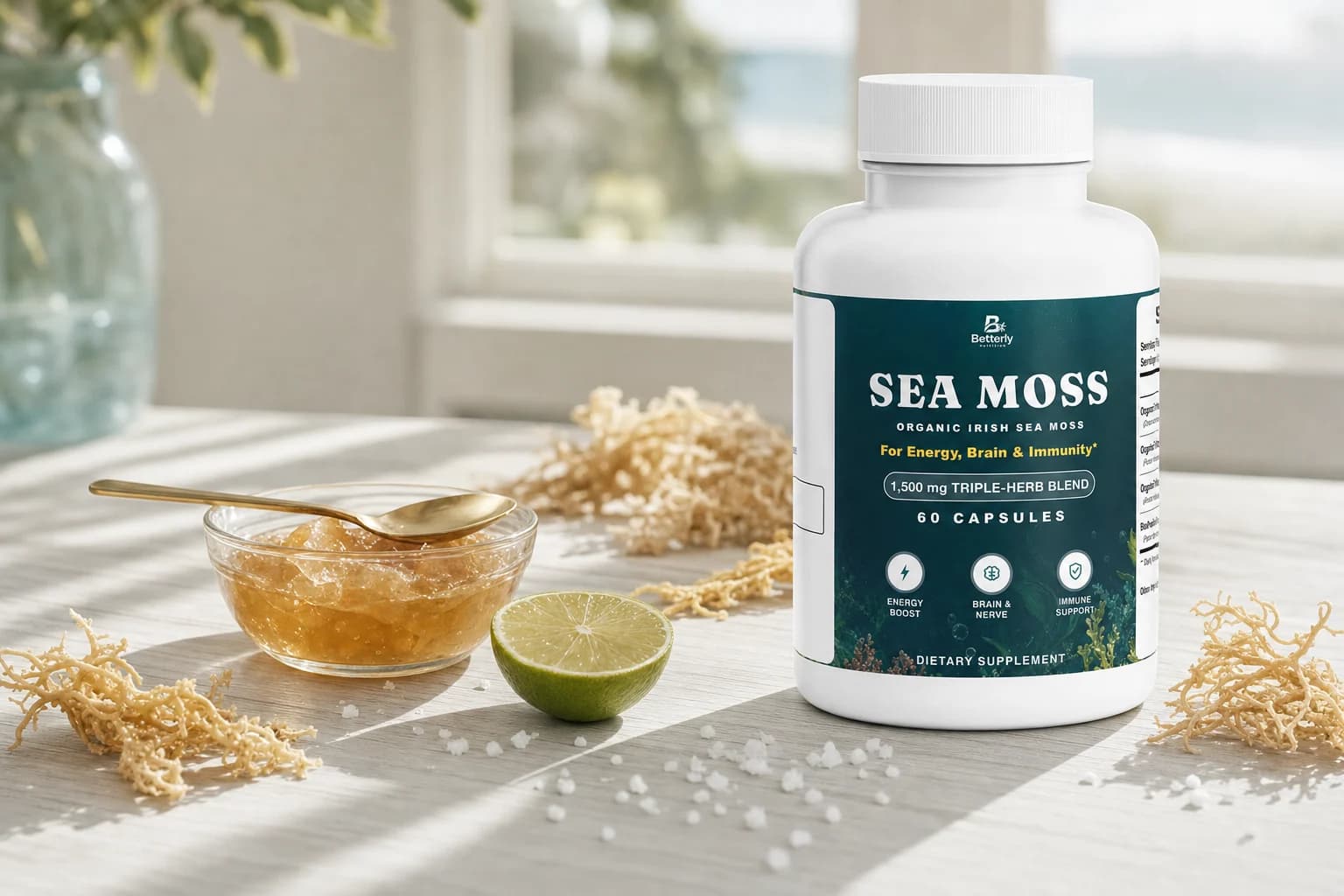
The trade-offs are breadth and palatability: you get one or two ingredients rather than a blend, and single greens taken straight can be an acquired taste. The single-ingredient path also covers more traditional picks like sea moss — we've written an honest guide to sea moss benefits and dosage if that's the direction you're leaning.
The whole-food route (yes, really)
The cheapest and most credible "greens product" remains the vegetable. A bag of spinach, frozen broccoli, some carrots and whatever's in season deliver fiber and variety no scoop can, usually for a few dollars a day. Nobody advertises this route because nobody profits from it, which is exactly why an honest roundup has to include it: if you reliably eat vegetables most days, a greens powder is optional for you. Full stop.
Where our Barley Grass & Spirulina Greens Powder fits
Now the disclosed part. Betterly is a small curation and branding company — our products come from an established U.S. supplier's contract manufacturers, and our job is choosing formulas we'd take ourselves and describing them honestly.
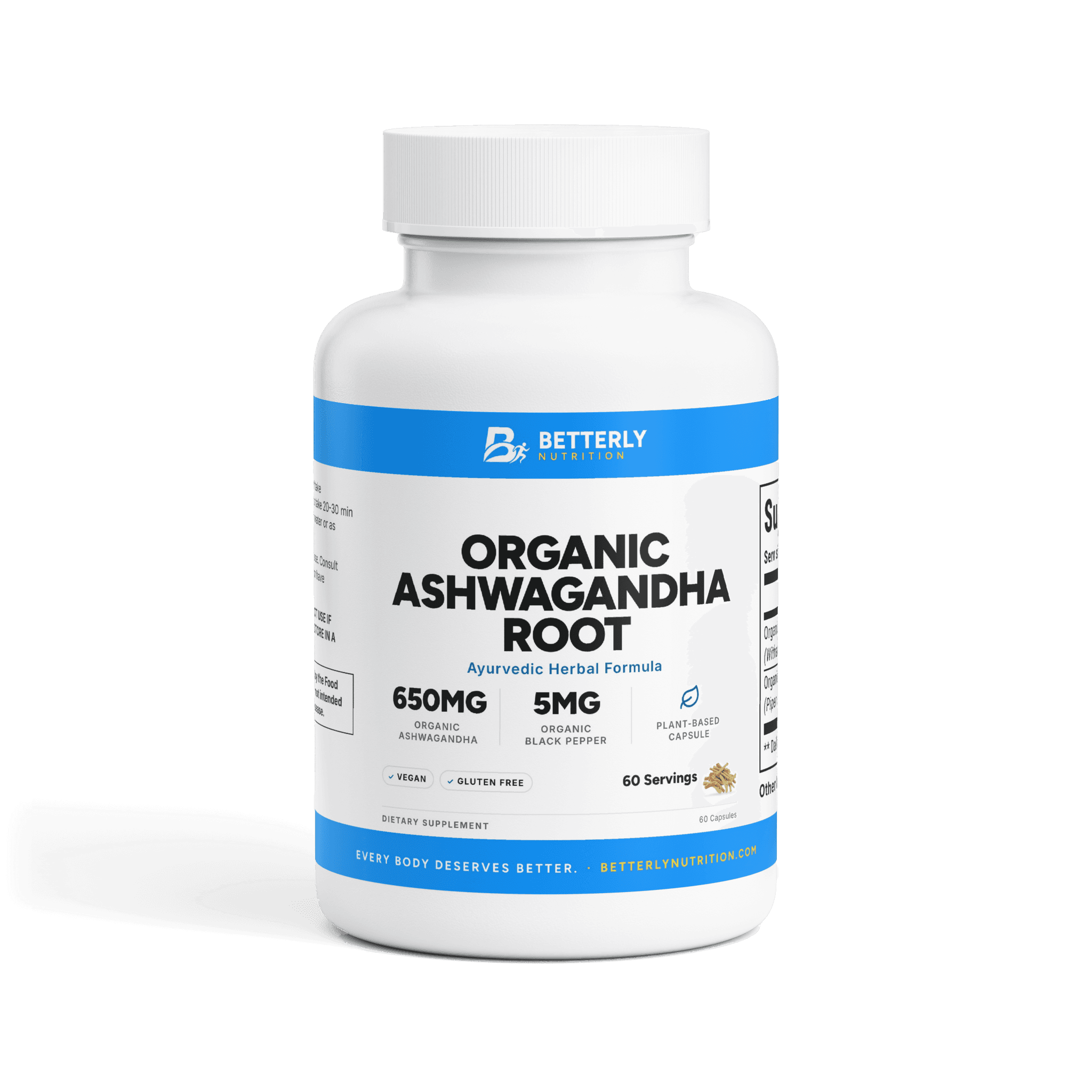
Barley Grass & Spirulina Greens Powder packs 20+ greens, fruits, roots and botanicals into one daily scoop: spirulina, barley grass, beet root, acai juice powder, green tea, turmeric, Panax ginseng, ashwagandha, inulin and ginger among them. We like that it covers a few bases at once — beet root and Panax ginseng help support everyday energy and vitality, ashwagandha helps support the body's response to everyday stress (it's the same adaptogen we sell on its own as Organic Ashwagandha Root Capsules), and the inulin-plus-ginger pairing helps support healthy digestion.
Two honest notes. First, the blend includes barley grass and wheat grass, and the manufacturer's spec doesn't carry a gluten-free claim — the kind of detail we'd rather tell you now than have you discover later. Second, it's a supplement, not a shortcut: it works best alongside a balanced diet, not instead of one.
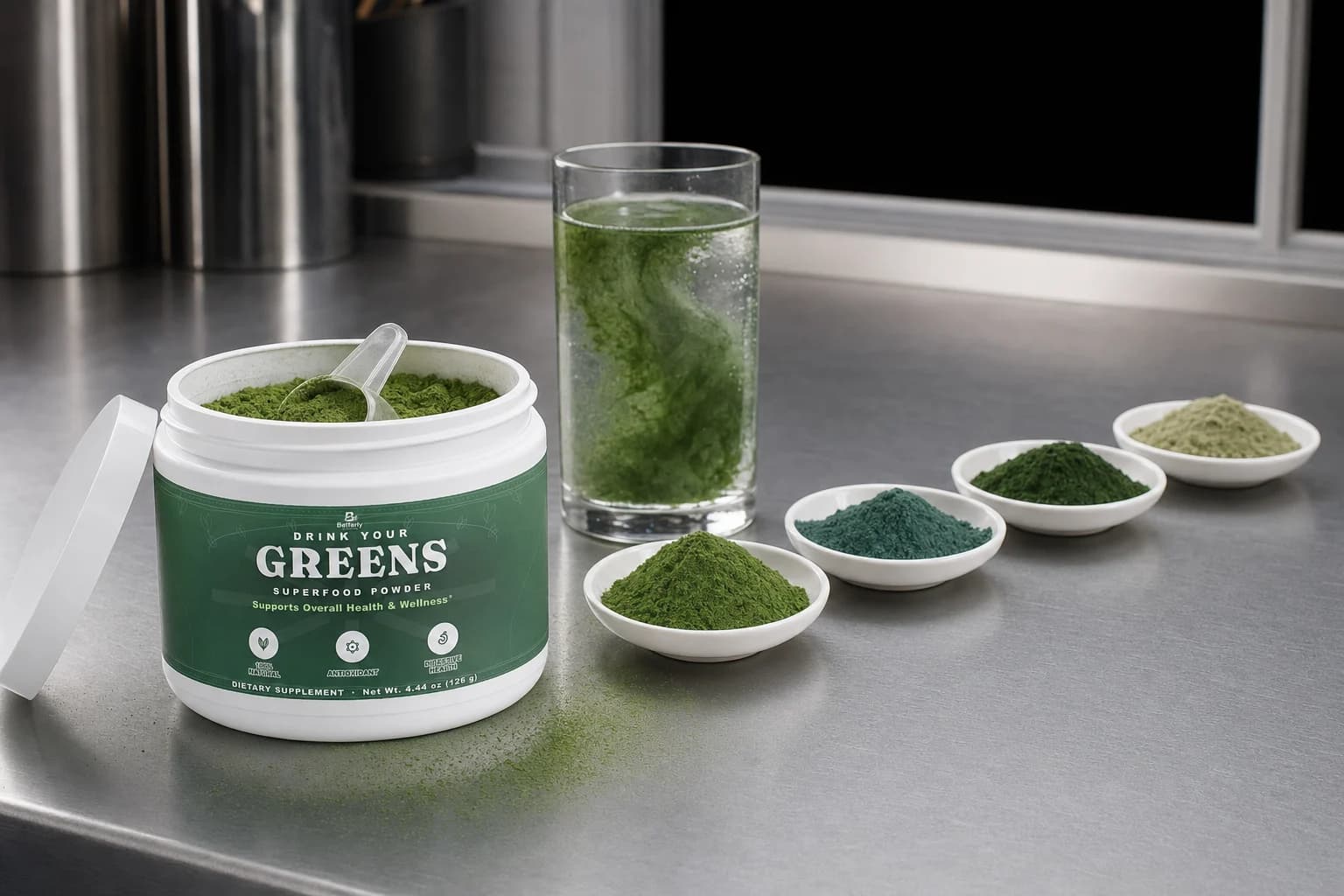
From our shop: Barley Grass & Spirulina Greens Powder — one 4.2 g scoop a day of 20+ greens, fruits, roots and botanicals, with spirulina, beet root, acai and turmeric among them.
How do you read a greens powder label like you mean it?
Whatever route you pick — including ours — run it through the same four filters.
- The full ingredient list should be public before you pay. If you can't find the complete label on the product page, that's your answer about the brand's confidence in it.
- The claims should sound boring. "Supports," "helps maintain," "promotes" — that's the language honest supplements are allowed to use, and it's the language they should use. If a scoop promises transformation, dramatic results, or hints it can replace what your doctor does, walk away. Boring claims are a feature.
- Do the per-serving math yourself. Take the price, divide by the servings, and compare across your shortlist. Marketing frames prices per day precisely because the monthly number is bigger — so calculate both.
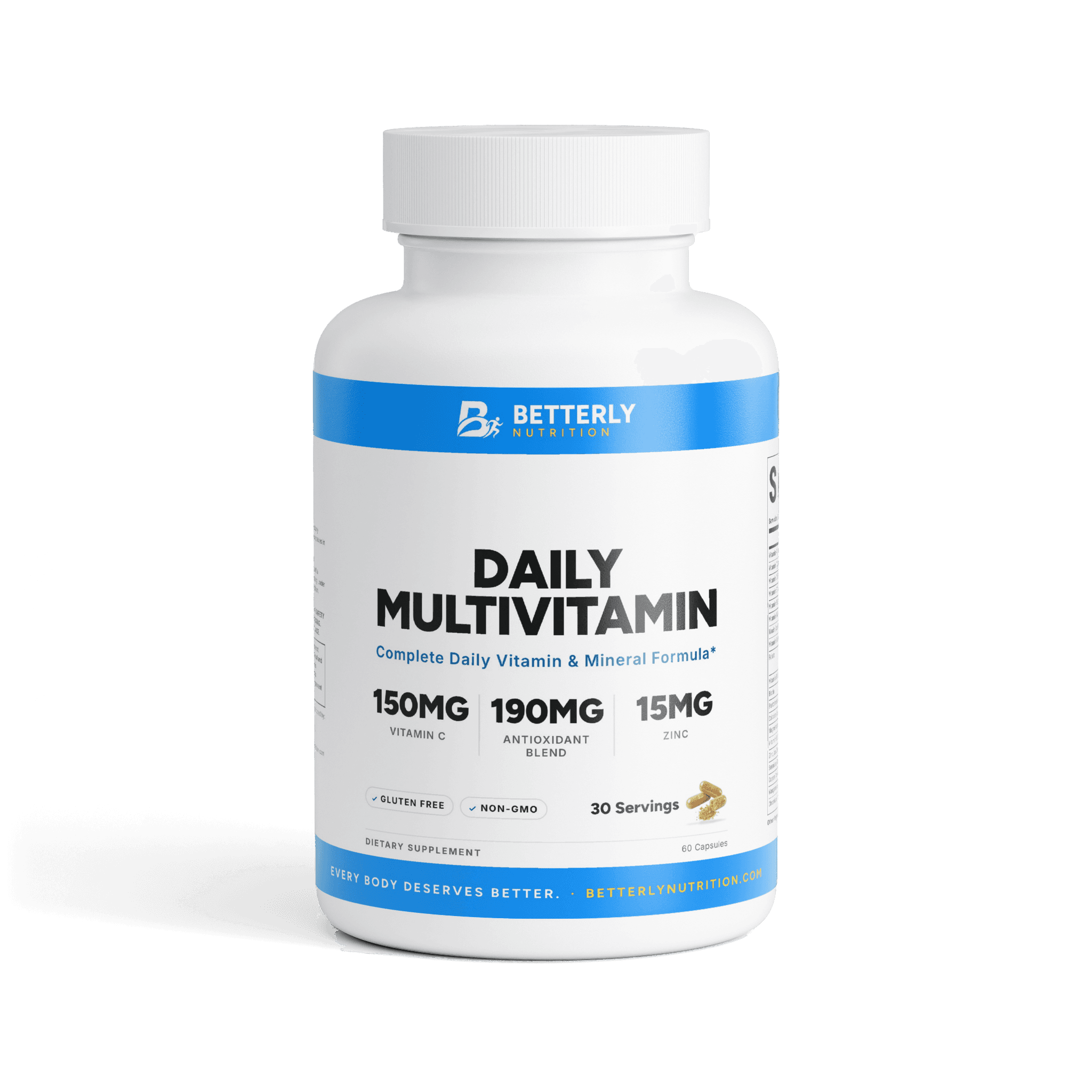
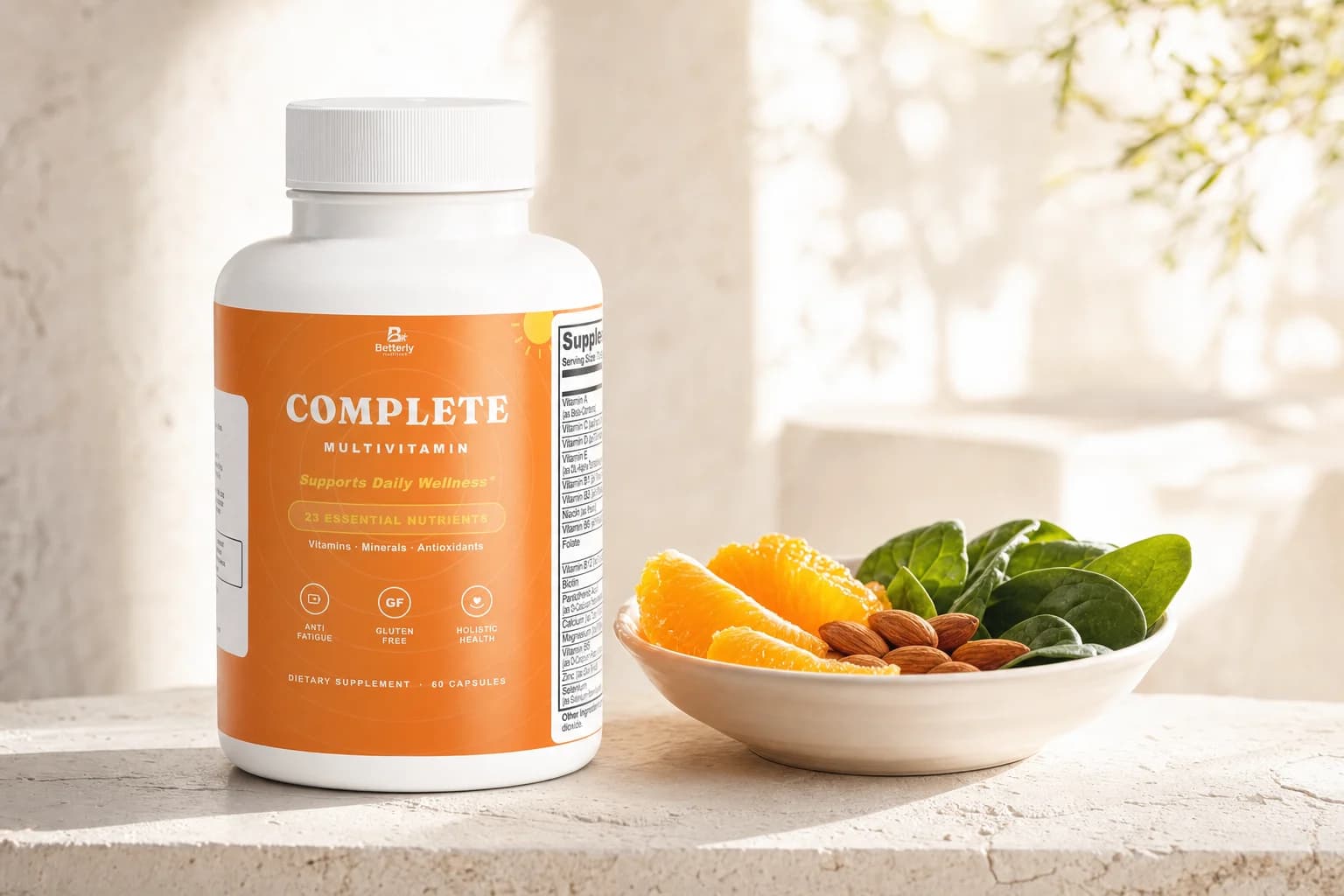
- Check the overlap. Greens blends often include botanicals you may already take — ours has turmeric and ashwagandha, for instance. And if what you actually want is basic nutrient coverage in capsule form, a straightforward option like our Daily Multivitamin Capsules — part of our daily essentials lineup — may fit better than any powder.
What does the per-serving math actually look like?
Here's where we'll be honest about a limitation: we're not going to quote other brands' prices. They change, they differ between one-time and subscription orders, and you deserve the current number from the brand's own site rather than our paraphrase of it. What we can give you is the method.
The method: take the price you'd actually pay — subscription or one-time — divide it by the servings in the container, and line the results up across your shortlist. It takes two minutes with a calculator and cuts through more marketing than any review roundup.
For ours, the math is simple: Barley Grass & Spirulina Greens Powder holds 30 one-scoop servings, so one container covers about a month of the once-daily routine, and the current price is on the product page.
And the produce aisle? A generous day of vegetables can cost a few dollars — often more than a scoop of anything. The difference is what you get for it: real food, fiber and variety. That's why the fair framing isn't "powder versus vegetables" but "vegetables first, powder for the gap." Priced as a gap-filler, a daily scoop is easy to justify. Priced as a food substitute, no powder is.
When should you just eat vegetables instead?
If you cook most nights, eat something green most days, and your grocery cart usually has produce in it — you're already doing the thing greens powders imitate. Save the money or put it toward better groceries. We mean that.
A greens powder earns its place in three honest situations: travel and hotel weeks, seasons of life when cooking collapses (new baby, brutal work stretch), and the plain reality that some people will drink a scoop mixed in ten seconds but won't steam broccoli on a Tuesday. A supplement you take consistently beats a vegetable plan you abandon — as part of a consistent routine, that's the whole case. If you're thinking about where a scoop fits among everything else you take, our guide to building a simple daily supplement routine is the logical next read.
How do you take a greens powder — and who should check first?
For ours, the routine is deliberately simple: adults mix one scoop into 6–8 ounces of cold water or your favorite beverage once daily, and drink it within 10 minutes of mixing, as the label directs. There's no magic hour — most people anchor it to a morning habit they already have, because consistency matters more than timing. Don't exceed the recommended dose.
Who should check first: if you're under 18, pregnant or nursing, take any medication, or have a medical condition, talk with your physician before using this or any dietary supplement. That's not fine print to us; it's the actual advice.
Frequently asked questions
Is a greens powder a meal replacement?
No. A scoop of any greens powder — ours included — is a few grams of concentrated plant ingredients, not food. It works best alongside a balanced diet as a convenient way to support everyday nutrition, not as a stand-in for meals or vegetables.
Is AG1 worth the price?
It can be, honestly, for the right person: if you'll genuinely use everything a premium all-in-one bundles and you value one-scoop simplicity enough to pay its subscription price — check the current figure on the brand's own site — that's a rational trade. If you mostly want the greens habit, a simpler blend at a lower monthly price — or the produce aisle — gets you there with less money on the table.
When is the best time to take a greens powder?
Whenever you'll actually remember it. For Barley Grass & Spirulina Greens Powder, the suggested use is one scoop in 6–8 ounces of cold water or your favorite beverage once daily, and the label says to drink it within 10 minutes of mixing. Most people tie it to breakfast or their morning water; the consistent habit matters more than the clock.
Can I take a greens powder alongside a multivitamin?
Many people do, but read both labels side by side first, since greens blends often include botanicals and plant ingredients you may already be covering. If you take medication or manage a medical condition, run the combination past your physician — that's the right move with any supplement stack.
Who shouldn't use greens powders?
Anyone under 18, pregnant or nursing, on medication, or managing a medical condition should talk with a physician before using a greens powder, ours included. And one more honest exclusion: people who already eat plenty of vegetables may simply not need one.
From our shop: Barley Grass & Spirulina Greens Powder — a broad daily blend of 20+ greens, fruits, roots and botanicals: one scoop in 6–8 ounces of cold water or your favorite beverage, once a day.
That's the whole picture as we see it: vegetables first, honest math second, and a scoop that fits your actual life — whichever brand's label it wears.
If this left you looking for somewhere to start, read daily greens superfood powder — its amounts per serving are listed on the page. For the practical questions this raises, how dosing, sourcing and subscriptions work is answered in one place.