On this page
- Why consistency beats perfect timing
- The foundation: four daily habits that matter most
- Morning: a multivitamin and a scoop of greens with breakfast
- Around meals: mushrooms, minerals, and why food helps
- Evening: sleep is your immune system's night shift
- A sample day: building an immune support habit
- What to skip: mega-doses and kitchen-sink formulas
- Key takeaways
- Who should check with a healthcare provider first
- FAQ
- Sources
If you've ever stood in the kitchen wondering whether your multivitamin goes with breakfast or before bed, here's the honest answer up front: it matters far less than whether you take it at all. A daily immune support routine earns its name from the word daily — consistency does the work, not clock-perfect timing. This guide walks through a realistic morning-to-evening schedule: what to take, what to take it with, and the everyday habits that matter more than anything in a capsule.
The whole schedule hangs on three slots: with breakfast, around one main meal, and an evening wind-down — and the last one involves no capsules at all. This is also the when guide rather than the which guide: if you're still deciding which products deserve a spot, our companion guide to the best supplements for everyday immune support handles the choosing; this page handles the clock.
One more thing before we start: no supplement runs your immune system. Sleep, food, movement, and how you handle stress do most of the work. What a routine can do is help fill nutritional gaps and add a few well-chosen extras on top of habits that are already pulling in the right direction.
Why consistency beats perfect timing
Search "when to take immune support supplements" and you'll find a pile of confident, contradictory answers. Morning on an empty stomach. Evening with dinner. Mid-morning with protein.
Here's what the details boil down to — and notice that every rule that survives scrutiny is a food rule, not a clock rule:
- Water-soluble nutrients (vitamin C, the B vitamins) mostly aren't stored in large amounts, so steady daily intake is what counts. Vitamin B12 is the exception: the NIH Office of Dietary Supplements notes that your body stores 1,000 to 2,000 times as much vitamin B12 as you'd typically eat in a day.
- Fat-soluble vitamins (A, D, E, K) are absorbed better alongside a meal that contains some fat. According to the NIH Office of Dietary Supplements, vitamin D, for example, is best absorbed when taken with a meal or snack that includes some fat. That's the strongest genuine "timing" rule there is, and you satisfy it with eggs, buttered toast, or full-fat yogurt, not with a stopwatch.
- Minerals like zinc and iron can feel harsh on an empty stomach. Taking them with food is mostly about comfort — and comfort is what keeps a routine alive past week two.
So the practical rules are short: take it every day, take most things with food, done. The bigger lever is habit design — attaching your supplements to an anchor you already have, like morning coffee, breakfast, or brushing your teeth. A routine tied to an existing cue tends to survive busy weeks; a routine tied to willpower usually doesn't. If you want the full method, our guide to building a simple daily supplement routine walks through it step by step.
The foundation: four daily habits that matter most
Before any capsule, this is how to support your immune system daily — and none of it comes in a bottle:
- Sleep 7–9 hours, on a roughly consistent schedule. Sleep and immune function are closely connected, which is the whole reason the evening slot below exists.
- Eat plants and fiber. A large share of your immune system lives in and around your gut, and the microbes there respond to what you feed them. Vegetables, fruit, whole grains, and fermented foods are the boring, effective answer. Our gut health basics guide covers why this connection matters so much.
- Move most days. Moderate, regular activity is part of the foundation too. A brisk walk counts. More isn't always better, though: overtraining can work against you.
- Give stress somewhere to go. Long-running everyday stress is worth managing, not just enduring. A wind-down ritual, breathing, journaling, time outside — whatever reliably takes you out of "on" mode.
If those four are in rough shape, fix them first. Supplements stack on top of a foundation; they don't replace one.
Morning: a multivitamin and a scoop of greens with breakfast
Morning-with-breakfast is the best anchor for most people, for two plain reasons: breakfast usually contains some fat, which helps those fat-soluble vitamins along, and it's a cue you hit every single day without thinking.
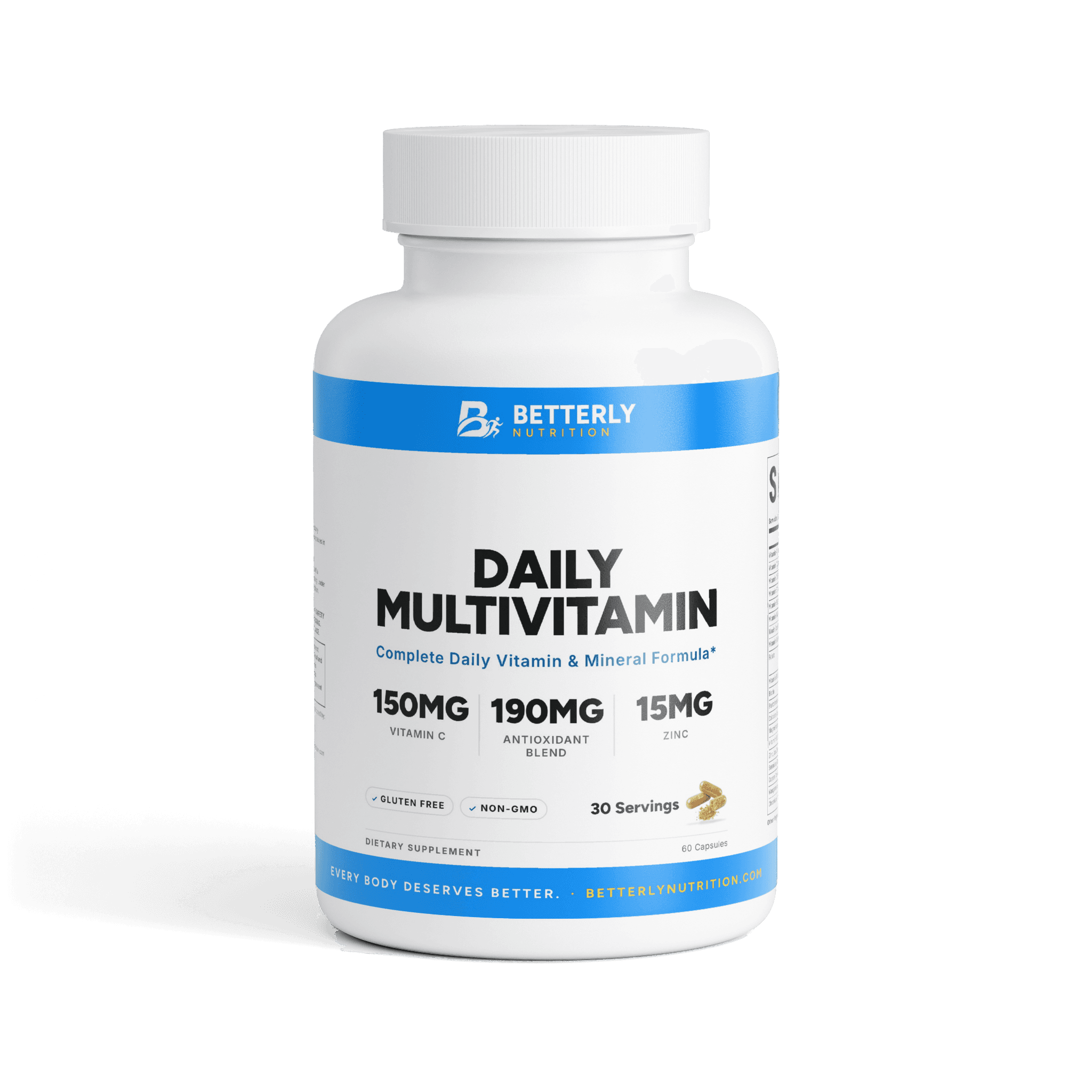
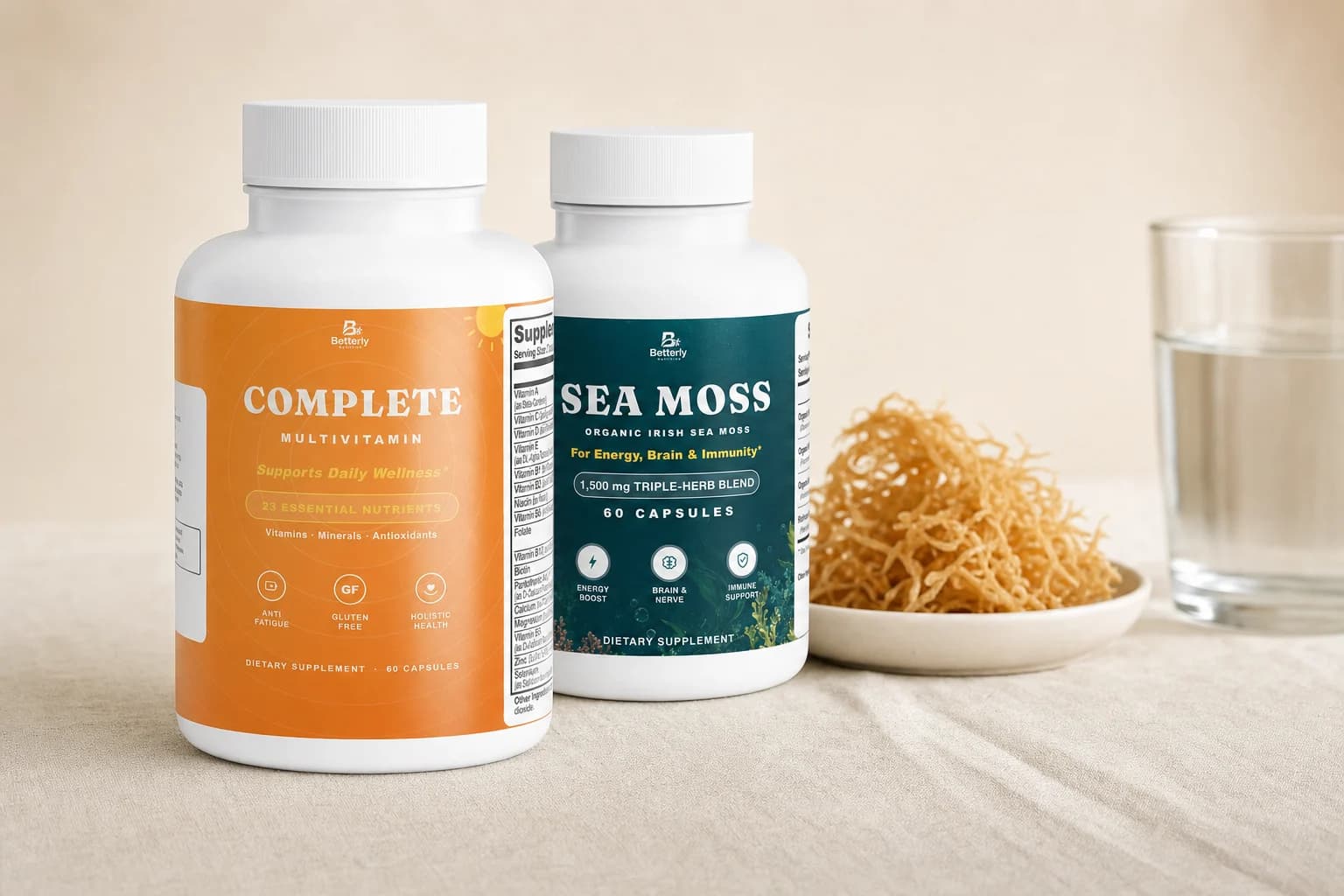
A multivitamin is the base layer of this slot — built to support immune function as part of everyday nutrition, not to be exciting; base layers shouldn't be. Instead of guessing at a dozen separate bottles, one serving covers the common gaps, and our Daily Multivitamin Capsules cover them with real amounts of the key vitamins and minerals. Each two-capsule serving carries 20 of them, including 150 mg of vitamin C and 15 mg of zinc — each past a full day's value on its own — plus 10 mcg of vitamin D (half the daily value, leaving room for sun and food), selenium, and a dedicated 110 mg immune blend of echinacea, beta glucan, spirulina, and garlic. The vitamin D is why this bottle belongs next to the toaster, not on your nightstand: it's fat-soluble, and breakfast does more for it than midnight water ever will. The zinc is the comfort argument — 15 mg lands far easier on a stomach with food in it.
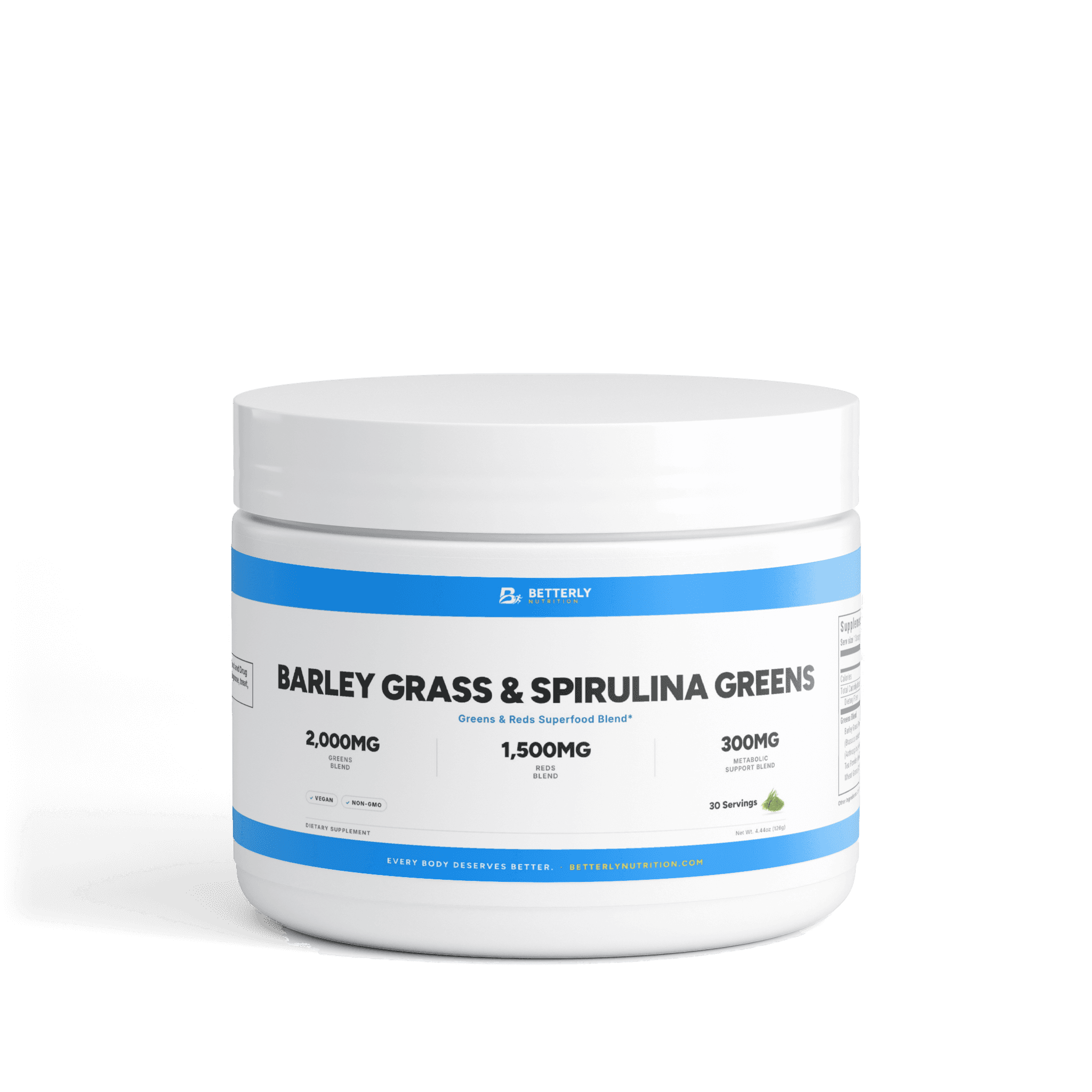
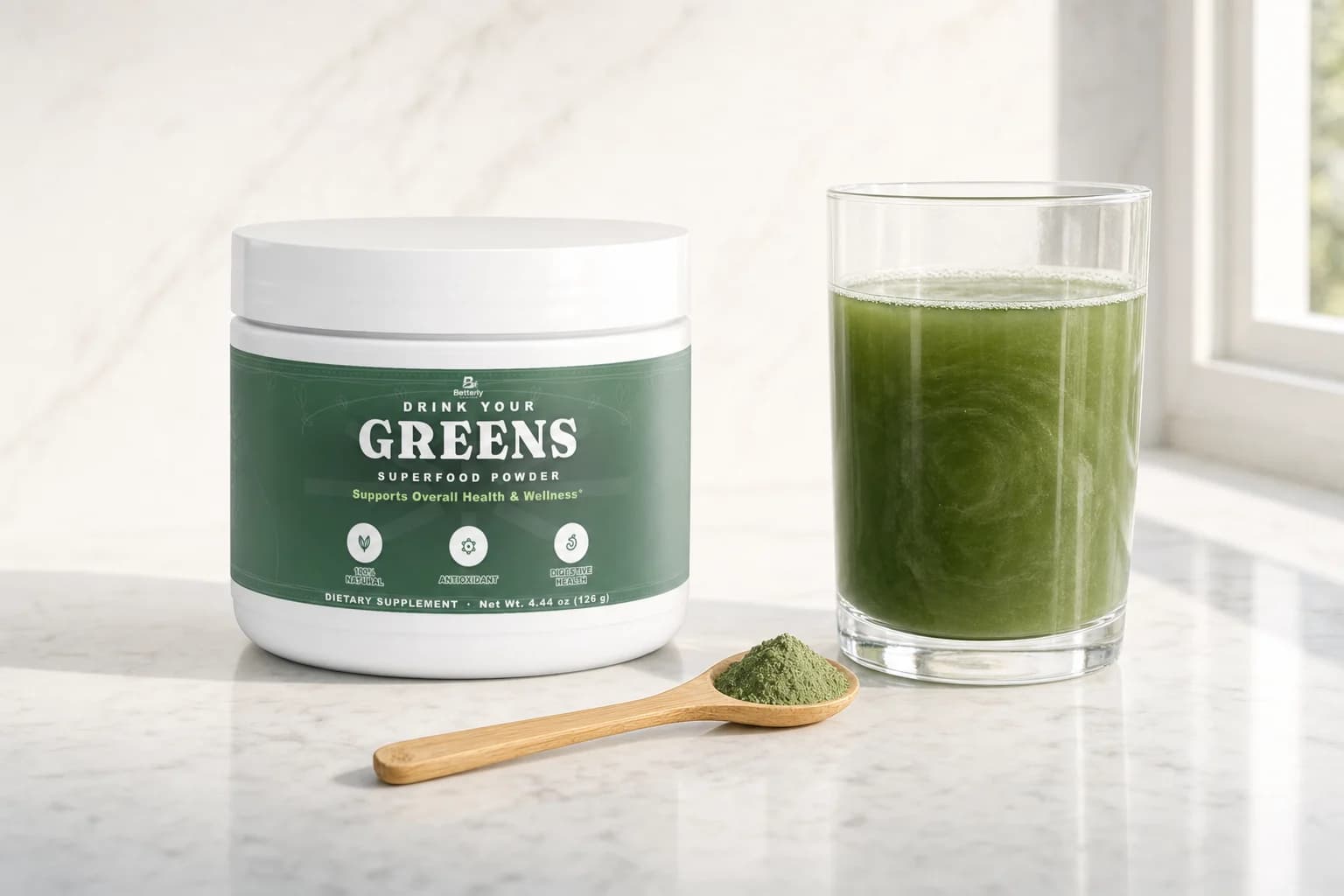
A greens powder is the second morning habit worth considering, mostly as insurance for the days your plate is less colorful than you planned. Our Barley Grass & Spirulina Greens Powder mixes into 6–8 oz of cold water (the label says to drink it within 10 minutes of mixing). Each 4.2 g, 10-calorie scoop holds a 2,000 mg greens blend, a 1,500 mg reds blend and two smaller support blends (300 mg and 200 mg), with 22 ingredients across the four blends and 2 g of fiber. To be clear about the limits: a scoop of green powder is not a substitute for actual vegetables, and anyone who tells you otherwise is selling too hard. It's a nudge in the right direction on imperfect days.
Both pair easily with breakfast. The Daily Multivitamin Capsules label says to take two capsules in the morning with a meal. The Barley Grass & Spirulina Greens Powder label just says one scoop once daily, so breakfast is a convenient anchor for the greens rather than an absorption rule.
Around meals: mushrooms, minerals, and why food helps
Lunch or dinner is the natural slot for the second tier of an immune routine — the extras you add once the base is steady. One rule makes this slot work: pick one meal and make it permanent. The meal you never skip is the right one; a floating dose is a dose that quietly stops happening.
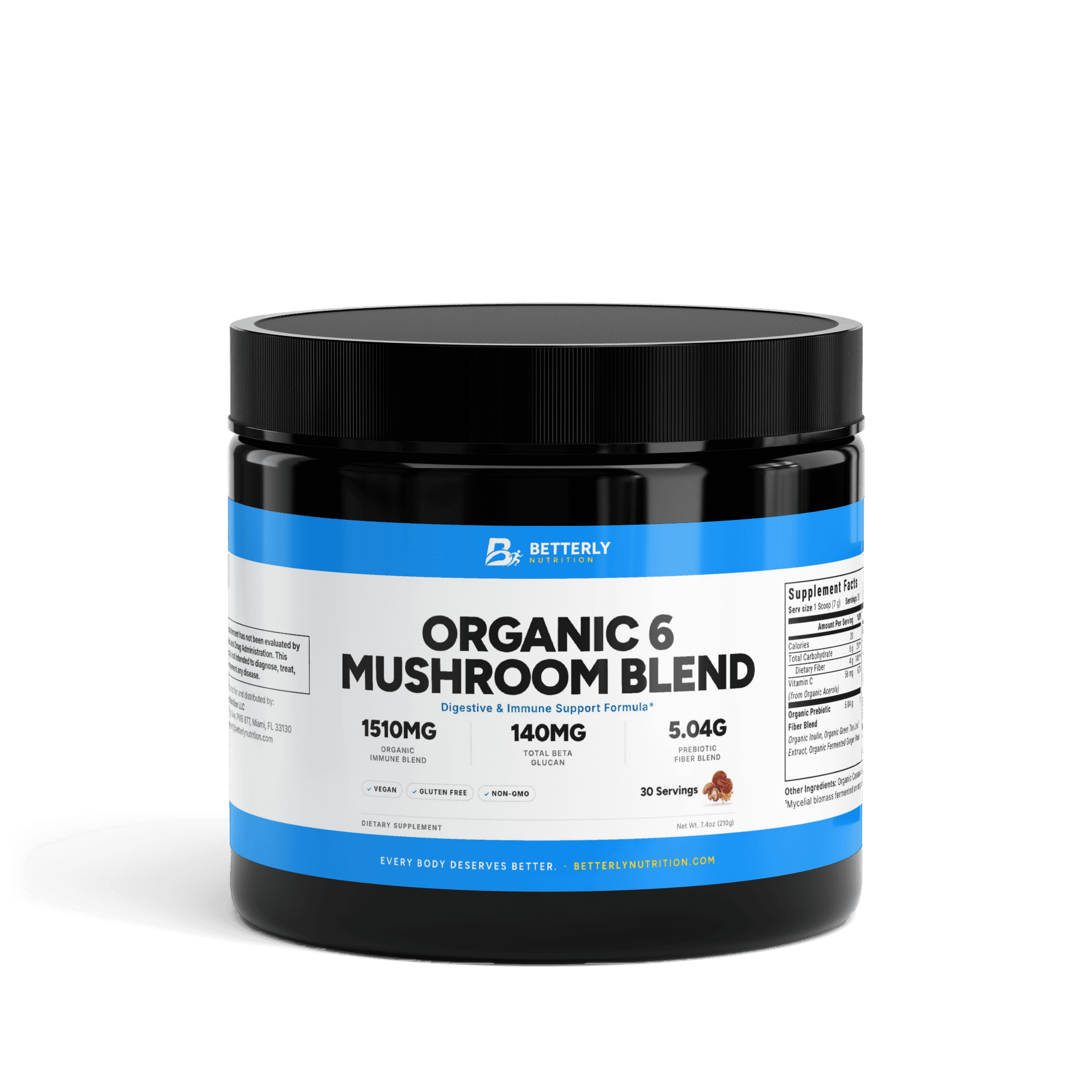
Functional mushrooms are the most interesting of these extras. Mushrooms like chaga, reishi, and turkey tail contain compounds called beta-glucans, which are the main reason mushroom extracts come up so often in conversations about immune support. The honest caveats: think of them as a modest extra rather than a dramatic one, and nobody serious claims a capsule of mushroom powder transforms anything overnight.
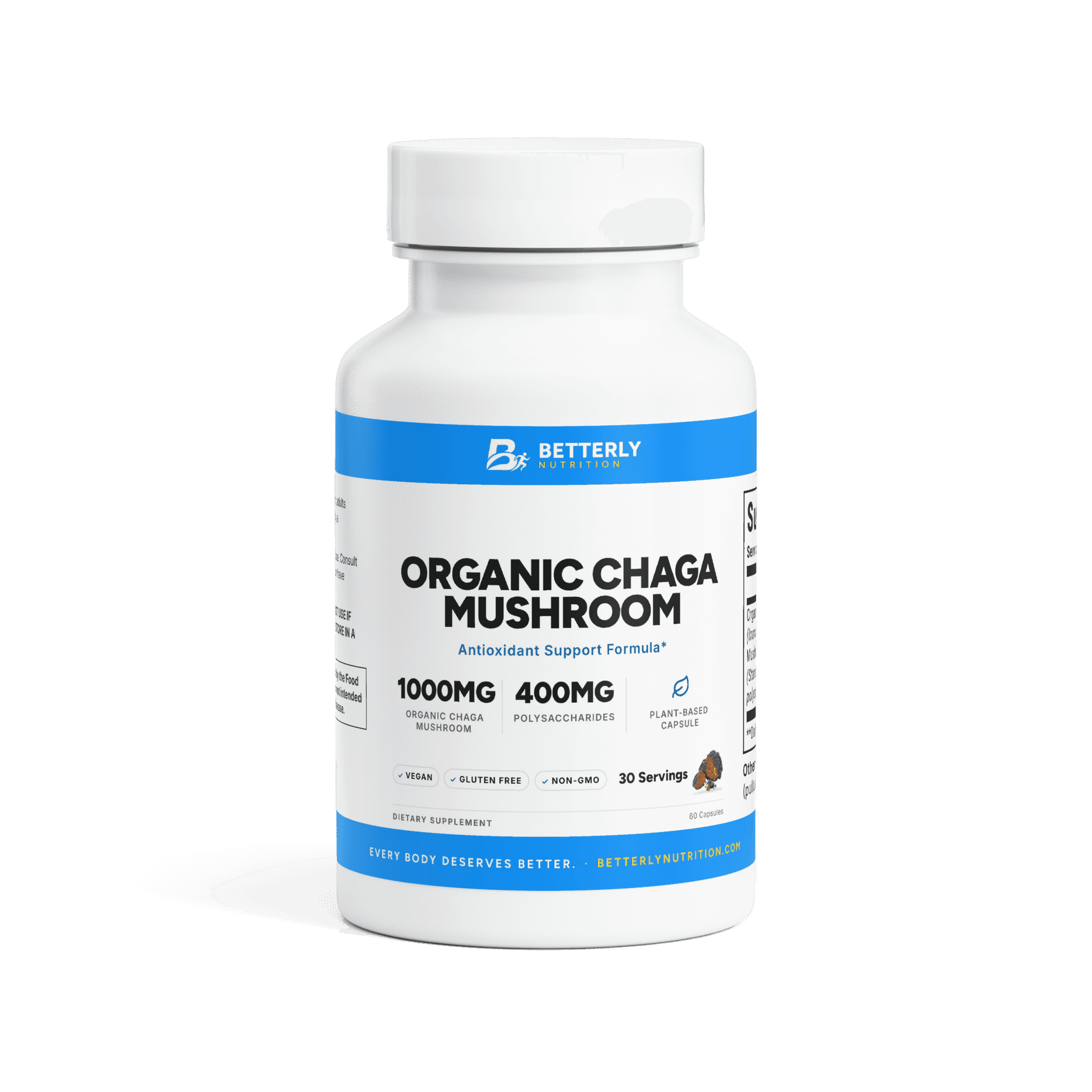
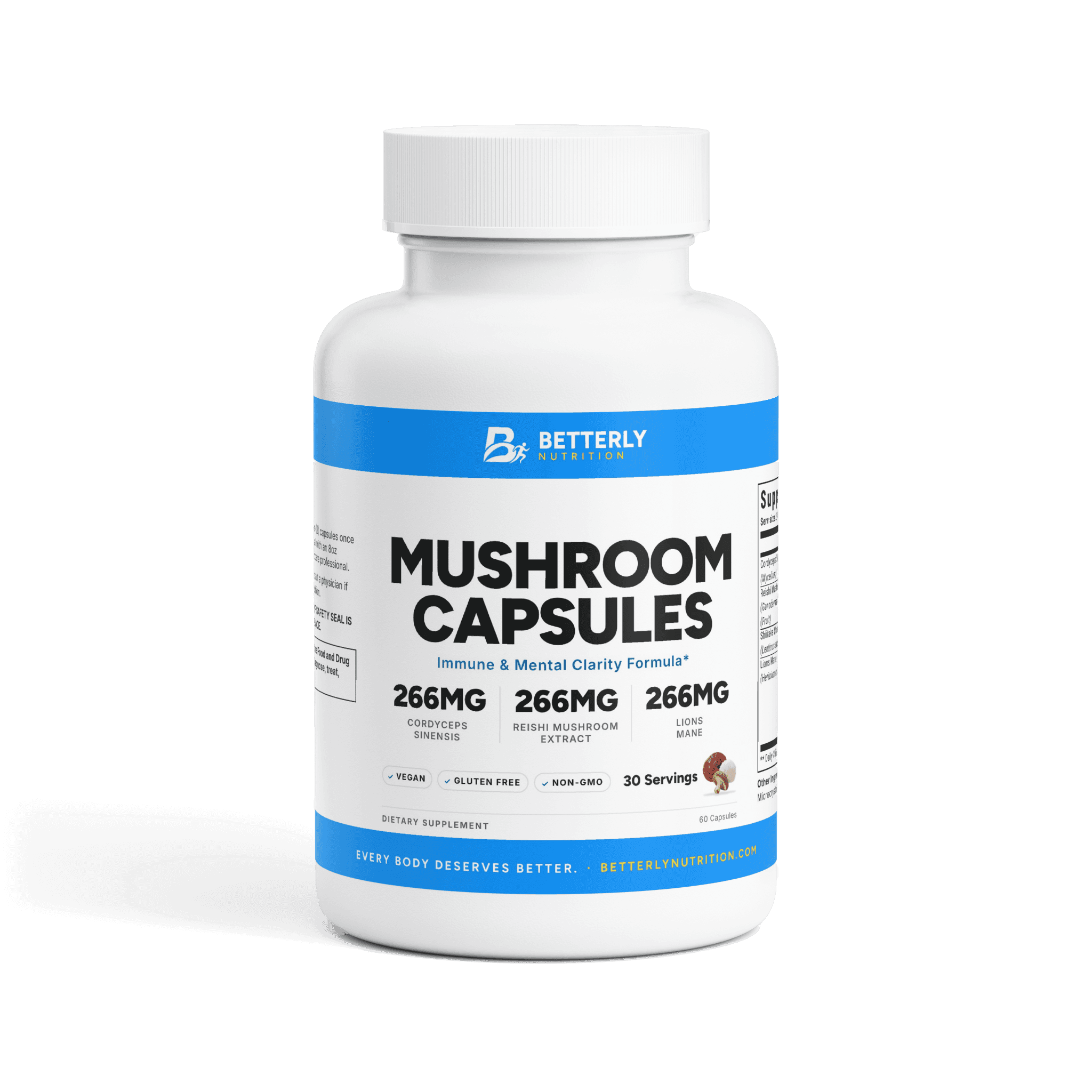
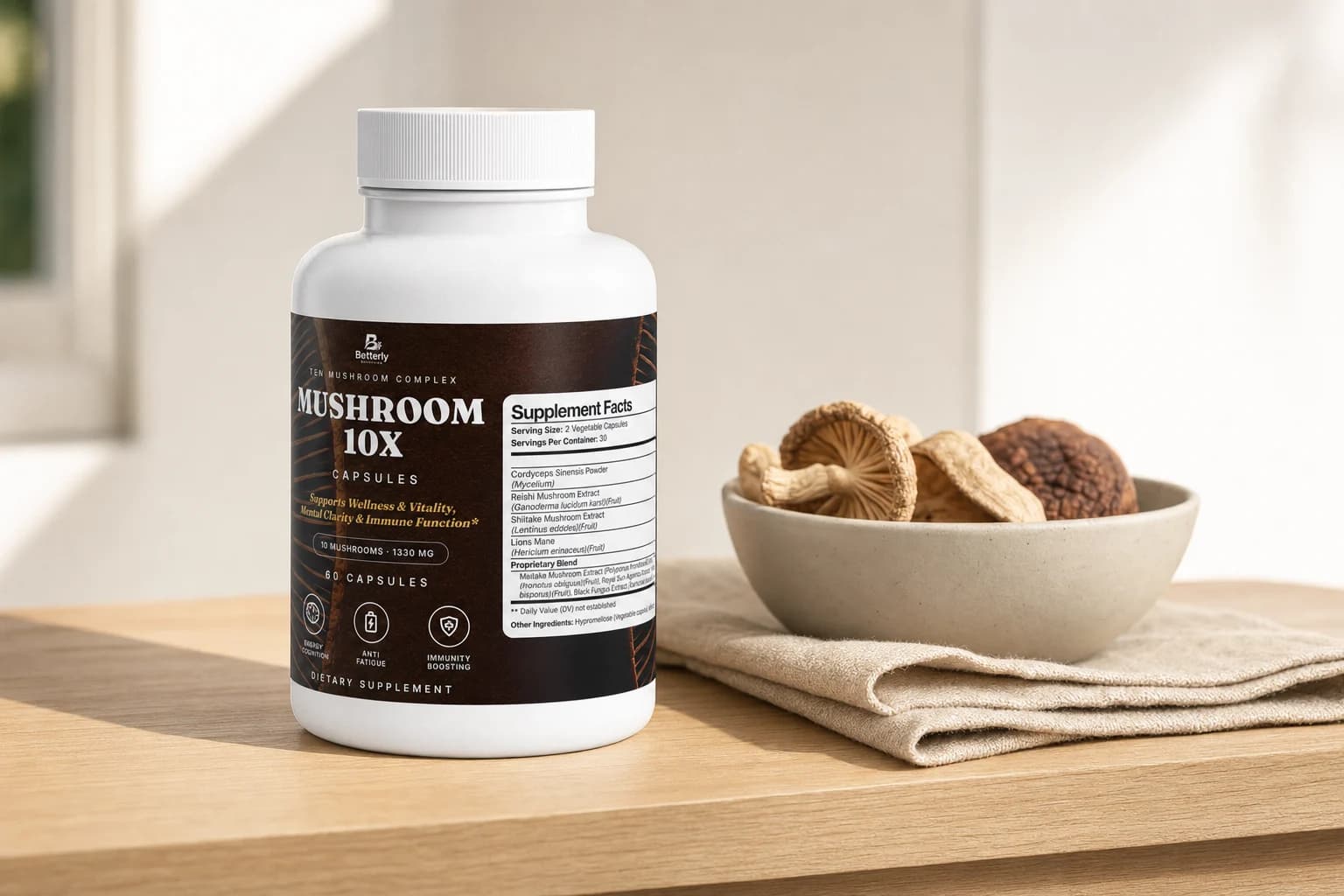
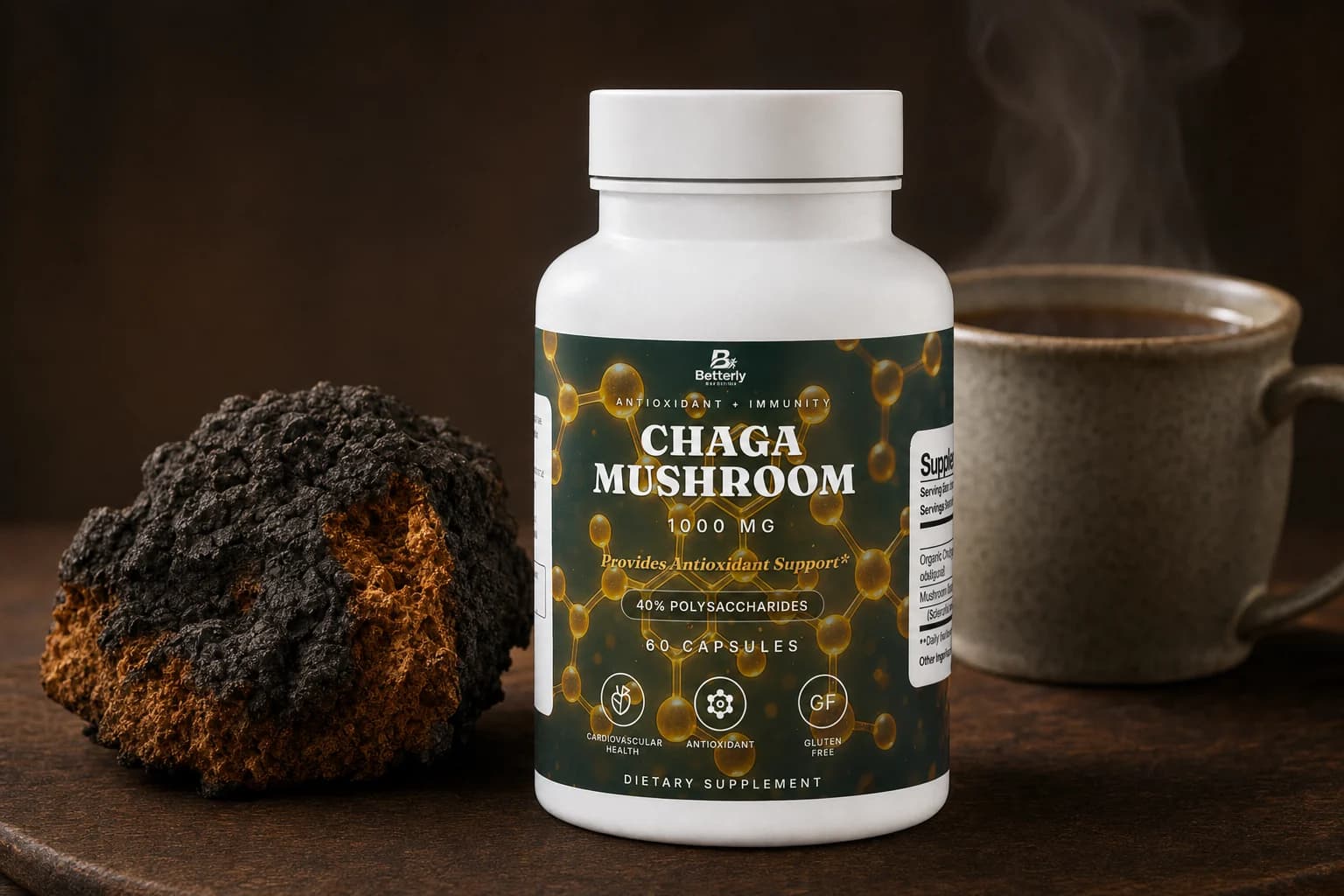
If you want to try them, you have two sensible paths. Our Organic Chaga Mushroom Capsules deliver a full 1,000 mg of chaga per two-capsule serving to support normal immune function — standardized to 40% polysaccharides (400 mg per two-capsule serving, as the label prints it), the compound family beta-glucans belong to. And because chaga is the only active ingredient (the only other ingredients are the pullulan capsule and silica), the whole panel fits on a few lines. If you'd rather cover several species at once, our Mushroom Capsules pack 1,330 mg of mushroom into each two-capsule serving — their four headliners, cordyceps, reishi, shiitake, and lion's mane, individually listed at 266 mg apiece, with six more species in a supporting blend. We compare forms, extraction, and what to look for on a label in our companion piece on chaga mushroom benefits and how to choose.
Minerals ride along here too. If you take anything with zinc or iron in it, a meal is your friend — these are the classic "why do I feel queasy" culprits on an empty stomach. This is also the plain answer to "what should I take immune supplements with": a normal meal that includes some fat and protein.
Evening: sleep is your immune system's night shift
Here's the part most supplement schedules skip: the evening block of a daily immune support routine mostly isn't about supplements.
Sleep is one of the four foundation habits above, and no capsule can stand in for it. Which means the most valuable "immune supplement" you take after dinner is a consistent bedtime, dimmer screens, and an actual wind-down.
So build the evening slot around protecting sleep, not adding capsules — it's the one slot where doing nothing is doing it right. If winding down is the hard part for you — racing mind, trouble switching off — that's a solvable problem, and our guide to the best supplements for better sleep covers gentle options like magnesium and L-theanine in plain language.
A sample day: building an immune support habit
Here's the whole routine, laid over an ordinary day. Notice how little deciding is involved:
- 7:30 a.m. — with breakfast: multivitamin, plus greens stirred into a glass of cold water. A breakfast with some fat answers the fat-soluble question. Same anchor, every day.
- 12:30 p.m. or 6:30 p.m. — anchored to your steadiest meal: mushroom capsules, if you've added them. The Mushroom Capsules label's suggested use is two capsules once a day, 20–30 minutes before a meal with an 8 oz glass of water. For the Organic Chaga Mushroom Capsules, it's two capsules daily. Lunch or dinner both work; permanence matters, the choice doesn't.
- 9:30 p.m. — wind-down: nothing to swallow. Dim the lights, put the phone down earlier than feels natural, keep your bedtime boring and consistent.
The clock times are placeholders — a night-shift worker just slides the slots along. The anchors are the routine; the numbers aren't.
And a few tricks for making it stick past the two-week mark:
- Keep the bottles where the anchor happens. Next to the coffee maker beats inside a cabinet, every time.
- Judge yourself by the week, not the day. Five or six days out of seven is a working routine. Miss a day? Take the next dose at the next anchor. Don't double up.
- Restock before you run out. An empty bottle is how routines quietly die. A subscription or a calendar reminder solves it.
- Change one thing at a time. If you add the multivitamin this month and mushrooms next month, you'll know what you're taking and why.
A daily immune support routine survives on forgiveness and good anchors, not discipline.
What to skip: mega-doses and kitchen-sink formulas
Two habits are worth actively avoiding, because they're where most immune-supplement money gets wasted.
Mega-doses. More is not better. With water-soluble nutrients, much of the excess is simply lost, but some still have upper limits: the NIH Office of Dietary Supplements lists adult limits of 2,000 mg a day for vitamin C, 100 mg a day for vitamin B6 and 35 mg a day for niacin from supplements. Fat-soluble vitamins and minerals can also build up, and stacking overlapping products is how people overshoot any of these by accident. If you take a multivitamin and an immune gummy and a separate zinc product, add up what you're actually getting across all three labels. Many people are surprised.
Kitchen-sink formulas. Be skeptical of products listing thirty ingredients, most at token amounts, with no way to tell what's doing the work. For the record, our own Daily Multivitamin Capsules carry three small blends per two-capsule serving (170 mg, 110 mg and 190 mg) on top of their vitamin and mineral rows. The individual amounts inside those blends aren't listed, but the blend totals are, so you can weigh them yourself.
The test isn't whether a product uses a blend — a greens scoop is one by nature — it's whether you can read the whole label before you buy and judge for yourself. Every Betterly product page lists the amounts per serving from its label for exactly that reason — a fair standard to hold any brand to.
If you'd rather work from a short list than a long one, our everyday immunity lineup is deliberately small, and our guide to the best supplements for everyday immune support walks through how to choose between the individual options.
Key takeaways
- Consistency beats timing. Daily-with-food answers almost every scheduling question; the clock is a detail.
- Habits first. Sleep, plants and fiber, regular movement, and managed stress do the heavy lifting. Supplements are the supporting cast.
- Morning slot: a multivitamin and a scoop of greens with breakfast — one anchor, two habits, no decisions.
- Meal slot: mushroom capsules, anchored to your steadiest meal and taken the way each label directs, if you want the extra layer. They're a modest add-on, not the centerpiece.
- Evening slot: protect your sleep instead of adding capsules. Nothing in a bottle replaces it.
- Skip mega-doses and thirty-ingredient labels you can't read before buying. Fewer things, honest amounts, taken daily.
Who should check with a healthcare provider first
Every product in this routine carries the same label caution: don't exceed the recommended dose, and consult a physician if you're pregnant, nursing, under 18, or have a medical condition. Also check with your healthcare provider or pharmacist first if you're scheduled for surgery or take any prescription medication.
The immune blend in our Daily Multivitamin Capsules includes echinacea and garlic. According to the NIH Office of Dietary Supplements, echinacea might reduce the effectiveness of some medications, including ones that suppress the immune system, and garlic might interact with blood thinners.
FAQ
Should I take immune support supplements in the morning or at night?
Whichever anchor you'll actually hit every day, within each label's directions. For most people that's breakfast, and for our Daily Multivitamin Capsules it's the label's own instruction: two capsules in the morning with a meal. Morning-with-food has a mild practical edge because fat-soluble vitamins absorb better with a meal, but the difference between morning and night is small compared to the difference between daily and sporadic. Pick the anchor each label allows, and stay there.
Do immune supplements need to be taken with food?
Most are better with it. Food improves absorption of fat-soluble vitamins and makes minerals like zinc and iron far gentler on the stomach. A normal meal with some fat and protein is all it takes — no special pairing required.
Can I take all my immune supplements at once?
For the routine on this page, mostly yes. A multivitamin and a greens scoop are happiest together at breakfast, and mushroom capsules can ride the same breakfast anchor, following each label's directions (for the Mushroom Capsules, 20–30 minutes before the meal). Putting them at a later meal is about habit strength, not chemistry. The main exceptions live outside immune routines; iron, for example, has its own timing rulebook. When in doubt, read the label's directions and ask your pharmacist.
Can I take a multivitamin and a mushroom complex on the same day?
Generally, yes — they cover different ground. A multivitamin supplies essential nutrients; mushroom supplements bring beta-glucans, which aren't in a standard multi. Same anchor or different anchors both work, as long as each product is taken the way its label directs. The thing to watch is overlap when you add a third product: check labels so the same mineral isn't stacking up across bottles. If you take medications or have an ongoing health concern, run the combination past your healthcare provider first.
Do I need to keep the routine going year-round, or just in winter?
Your immune system doesn't take summers off, and neither does the logic of consistency. The foundation habits — sleep, food, movement, stress — are year-round by nature, and a daily supplement habit is easier to maintain than to restart every autumn. Plenty of people pay closer attention in the colder months, which is fine; just don't confuse a seasonal sprint with a routine.
Sources
- Vitamin D Fact Sheet for Consumers (NIH Office of Dietary Supplements)
- Vitamin B12 Fact Sheet for Consumers (NIH Office of Dietary Supplements)
- Vitamin C Fact Sheet for Consumers (NIH Office of Dietary Supplements)
- Vitamin B6 Fact Sheet for Consumers (NIH Office of Dietary Supplements)
- Niacin Fact Sheet for Consumers (NIH Office of Dietary Supplements)
- Dietary Supplements for Immune Function, Consumer Fact Sheet (NIH Office of Dietary Supplements)
If this left you looking for somewhere to start, read greens powder with spirulina and barley grass — its amounts per serving are listed on the page. For the practical questions this raises, how dosing, sourcing and subscriptions work is answered in one place.