On this page
- Key takeaways
- Can you take ashwagandha and ginseng together?
- How is ashwagandha different from Panax ginseng?
- Do the two roots balance each other out?
- Korean, American or Siberian: which ginseng goes with ashwagandha?
- What's inside the combo capsule, row by row?
- How do the totals change when you stack separate bottles?
- How should you take this pair, going by each label?
- When is the combo capsule the wrong buy?
- Who needs a provider's okay before trying this pair?
- FAQ: ashwagandha and ginseng together
- Sources
The short answer: Yes, you can take ashwagandha and ginseng together, and plenty of capsules, ours included, already combine them. They're unrelated plants: ashwagandha (Withania somnifera) comes from an Ayurvedic shrub, while Panax ginseng is the true ginseng of East Asia. The NIH pages we cite cover each herb alone, never the pair. Their safety windows differ too, and ashwagandha's is the shorter one, at up to 3 months.
Key takeaways
- Ashwagandha is sometimes called "Indian ginseng," but the NIH Office of Dietary Supplements says it doesn't belong to the ginseng family.
- The "one calms, one lifts" pitch is marketing shorthand; NCCIH records that traditional Chinese medicine used Asian ginseng as a calming agent.
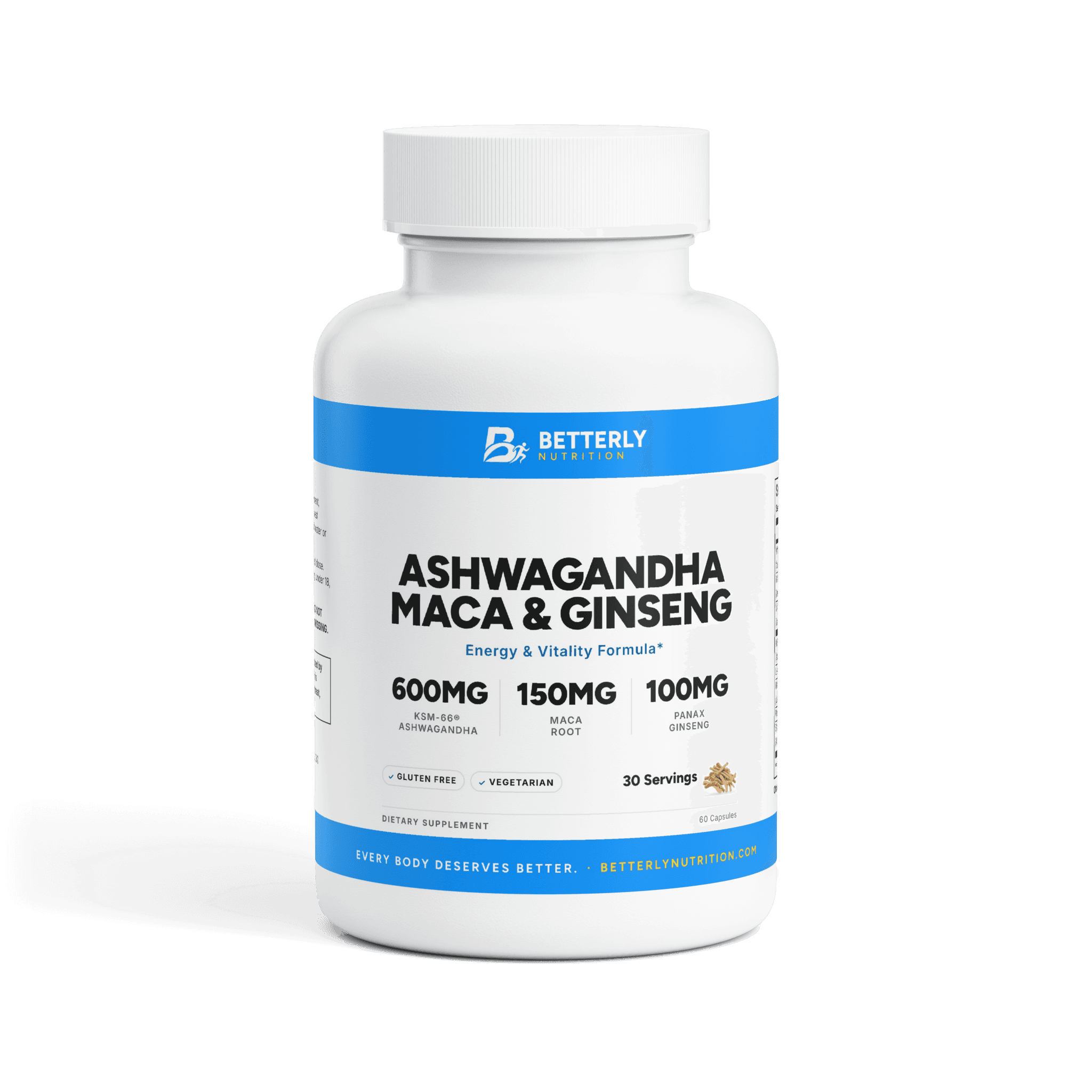
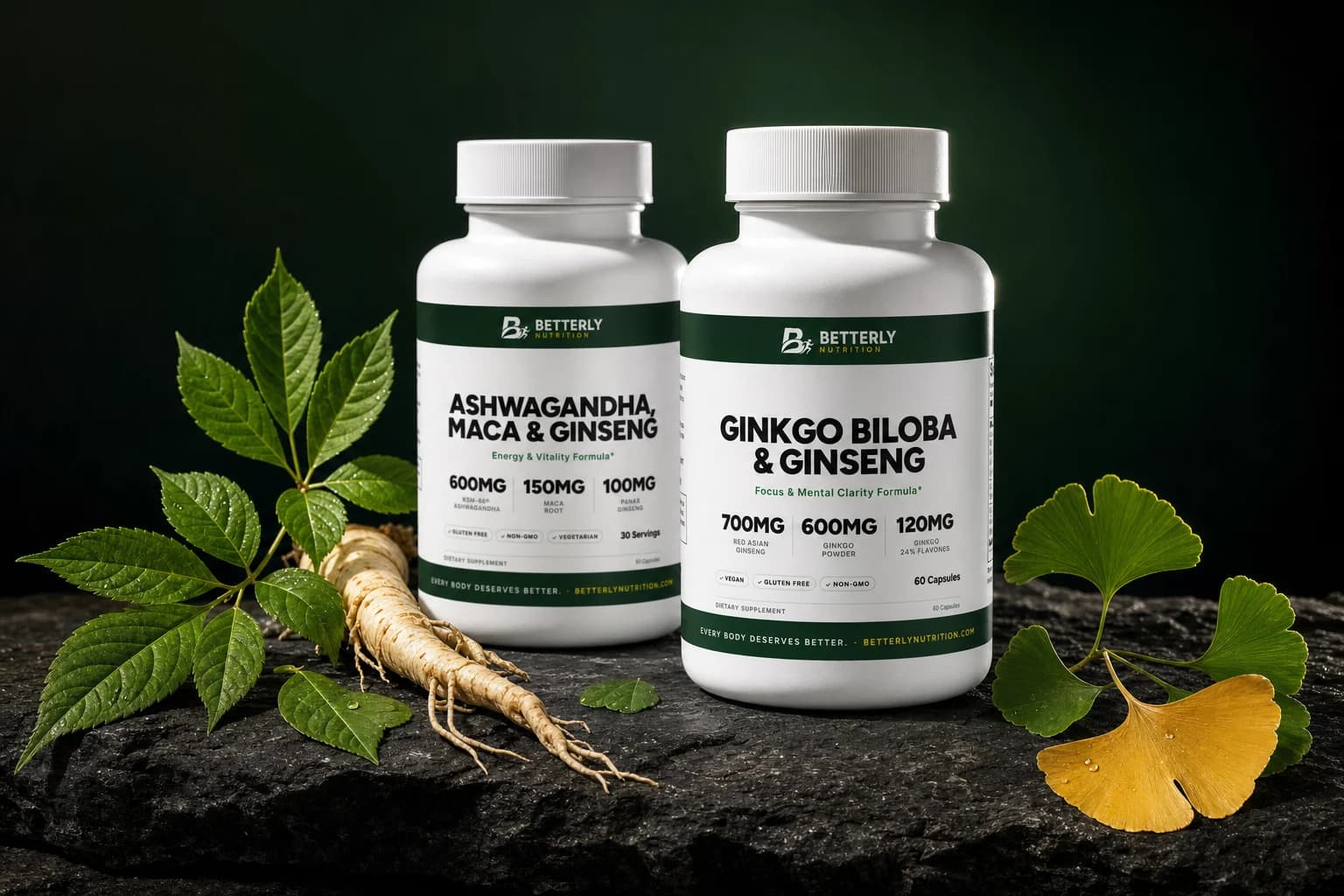
- Per 2-capsule serving, Betterly's Ashwagandha, Maca & Ginseng Capsules pair 600 mg of KSM-66® ashwagandha extract with just 100 mg of Panax ginseng root powder.
- Taking two ashwagandha labels at once is the one stacking route we'd rule out.
Ashwagandha or ginseng shows up in at least a dozen of our products, so we're not neutral here. Only one, Ashwagandha, Maca & Ginseng Capsules, puts both herbs in its name. We compare it with two bottles that each lead with one herb. The product figures below come straight from the bottles' Supplement Facts panels, and one of them makes our combo look light on ginseng.
Can you take ashwagandha and ginseng together?
You can take ashwagandha and ginseng together, but plan around ashwagandha's shorter safety window: NCCIH's short-term notes run 3 months for it and 6 months for Asian ginseng.
According to the National Center for Complementary and Integrative Health (NCCIH), ashwagandha may be safe when used for up to 3 months. There isn't enough information yet, the page adds, to reach conclusions about longer use.
Asian ginseng gets a longer runway on NCCIH's Asian ginseng page, which says that at recommended amounts, oral use for up to 6 months appears to be safe for most people. Even so, it flags open questions about long-term safety.
Put both roots in one capsule and the shorter limit wins. If a daily ashwagandha and ginseng routine is heading past 3 months, raise it with your provider first.
How is ashwagandha different from Panax ginseng?
Ashwagandha is an evergreen shrub found in parts of India, Africa and the Middle East, while Panax ginseng is an East Asian herb from an entirely separate plant family.
The NIH Office of Dietary Supplements (ODS) ashwagandha fact sheet for health professionals notes that it's sometimes known as winter cherry or Indian ginseng, "although it does not belong to the ginseng family."
| Ashwagandha | Panax ginseng | |
|---|---|---|
| Latin name | Withania somnifera | Panax ginseng |
| Where NCCIH places it | Parts of India, Africa, Middle East | Korea, northeastern China, far-eastern Siberia |
| Part used most | Root (some products add leaf) | Root |
| Compounds labels measure | Withanolides | Ginsenosides |
| First side effect NCCIH lists | Drowsiness | Trouble sleeping |
| NCCIH short-term window | Up to 3 months | Up to 6 months |
The two roots share almost nothing, and the side-effect row, leaning opposite ways, supplies most of the pairing's marketing appeal.
Do the two roots balance each other out?
The idea that ashwagandha and ginseng balance each other is shorthand drawn from their reputations and side-effect lists, not a finding from studies of the two together.
The pitch: ginseng lifts, ashwagandha settles. There's a grain of truth in it, since drowsiness is on NCCIH's ashwagandha list while trouble sleeping tops its list for Asian ginseng.
But NCCIH also says traditional Chinese medicine used Asian ginseng as a calming agent, so the neat split doesn't hold.
What NCCIH says each herb's research covers:
- Ashwagandha: some preparations may help with occasional stress and occasional sleeplessness, though many trials were small and used a variety of preparations.
- Asian ginseng: a 2023 review pooling 19 studies found a possible small benefit for general tiredness from ginseng on its own, though not all research agrees.
None of those findings came from a product that paired the herbs, so think of "balance" as a hope, not a promise.
Korean, American or Siberian: which ginseng goes with ashwagandha?
Korean ginseng is Panax ginseng, the kind in our combo; American ginseng is a sister Panax species; Siberian ginseng is a different plant. None of our labels pairs ashwagandha with Siberian ginseng.
NCCIH lists Korean, red and white ginseng among the common names for Panax ginseng. In the ODS immune function fact sheet, the word ginseng covers two species, Panax ginseng and Panax quinquefolius. That second one is better known as American ginseng.
The same ODS sheet says eleuthero, sometimes called Siberian ginseng, isn't related to true ginseng. So "ashwagandha and Siberian ginseng" pairs two plants that aren't true ginseng, and the Panax cautions in this guide don't describe eleuthero. Our breakdown of Korean red ginseng vs Panax ginseng sorts out every ginseng name on the shelf.
What's inside the combo capsule, row by row?
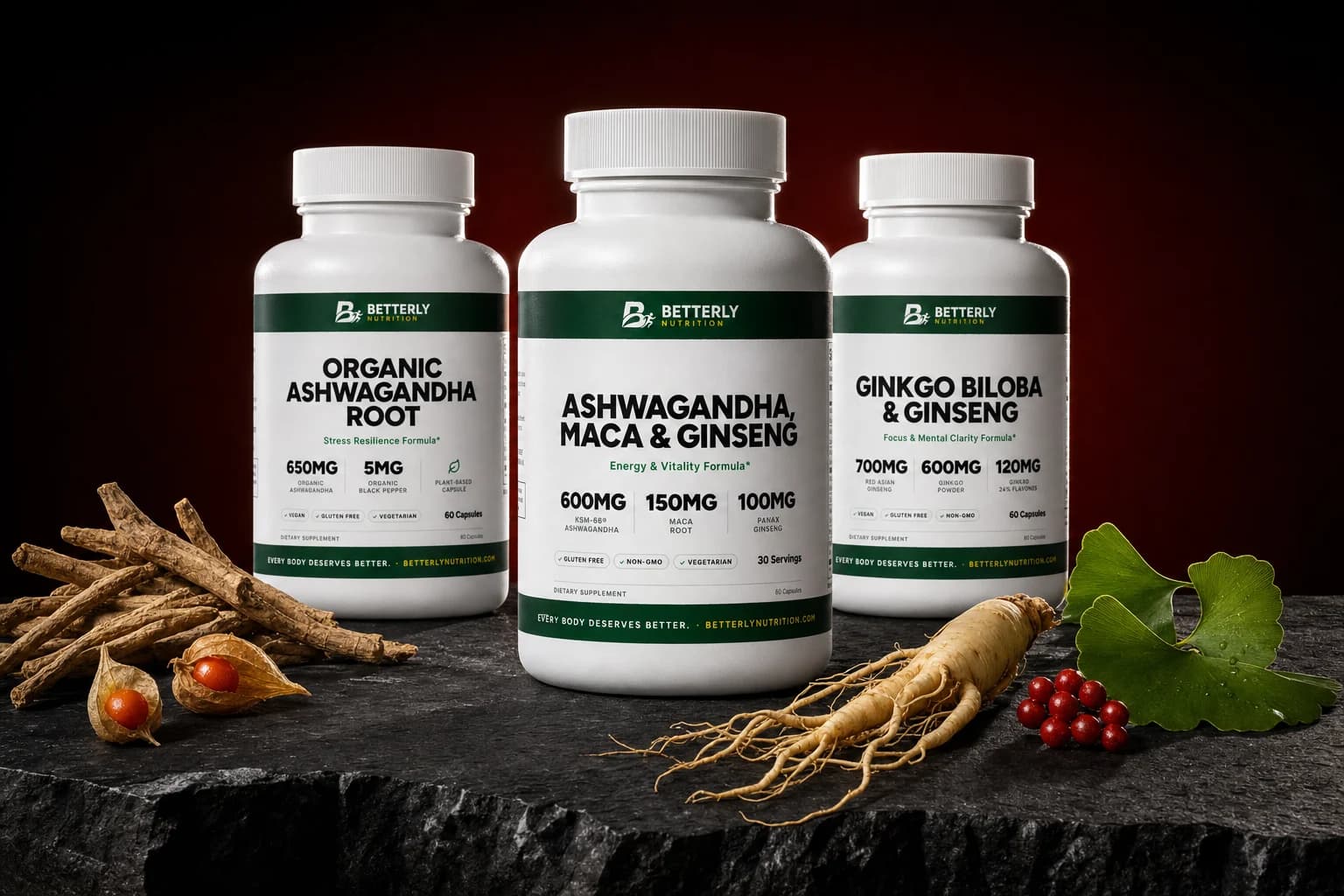
Betterly's Ashwagandha, Maca & Ginseng Capsules list eight rows per 2-capsule serving, with KSM-66® ashwagandha extract on top at 600 mg and Panax ginseng root powder at 100 mg.
- KSM-66® Ashwagandha Extract, 600 mg, standardized to 5% withanolides, which works out to 30 mg.
- L-Arginine, 300 mg, an amino acid.
- Maca Root Powder (Lepidium meyenii), 150 mg.
- Panax Ginseng Powder (root), 100 mg, with no ginsenoside percentage listed.
- Shatavari Powder (Asparagus racemosus), 50 mg.
- Three vitamins: D3 at 20 mcg (100% DV), B6 at 2.5 mg (147% DV) and B12 at 25 mcg (1042% DV).
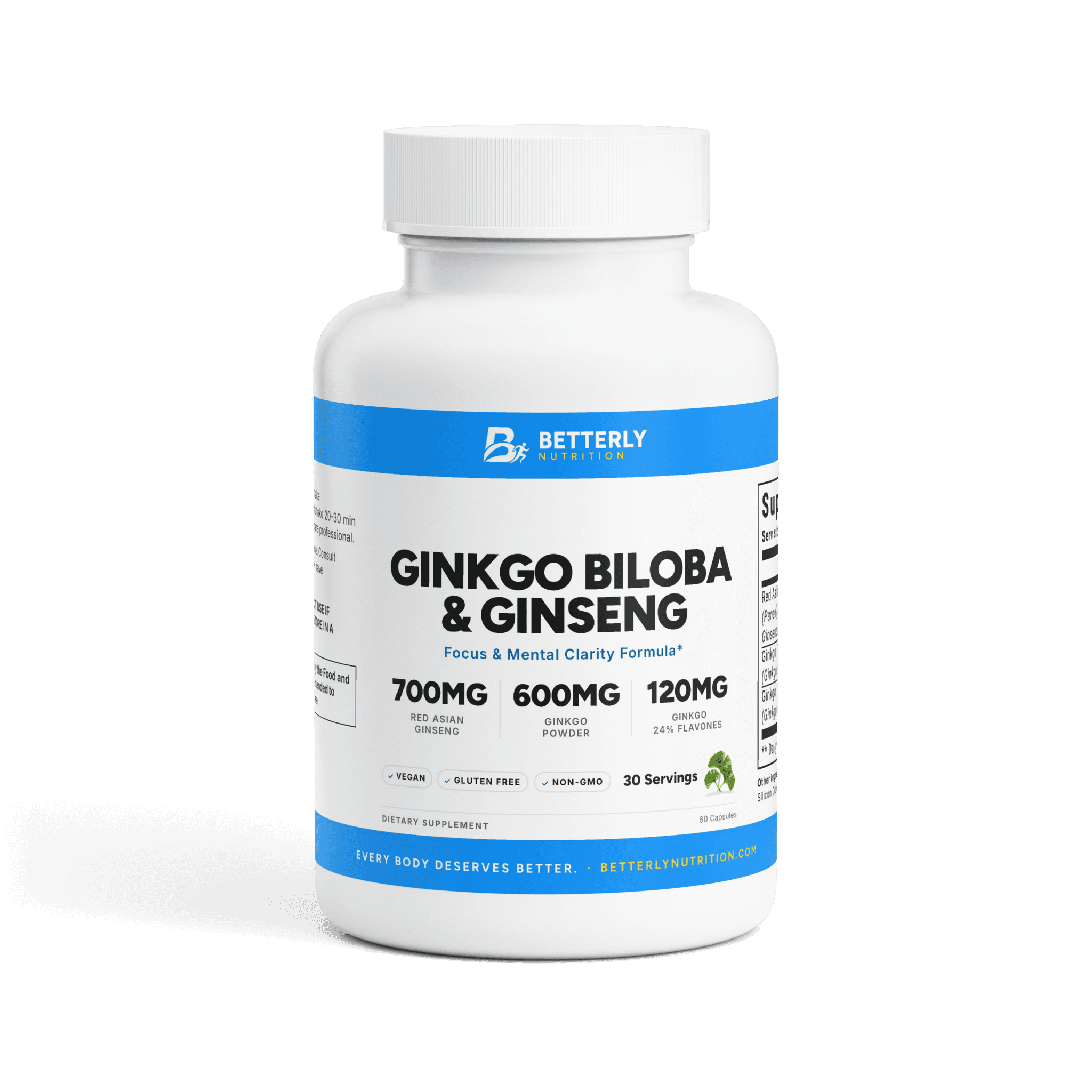
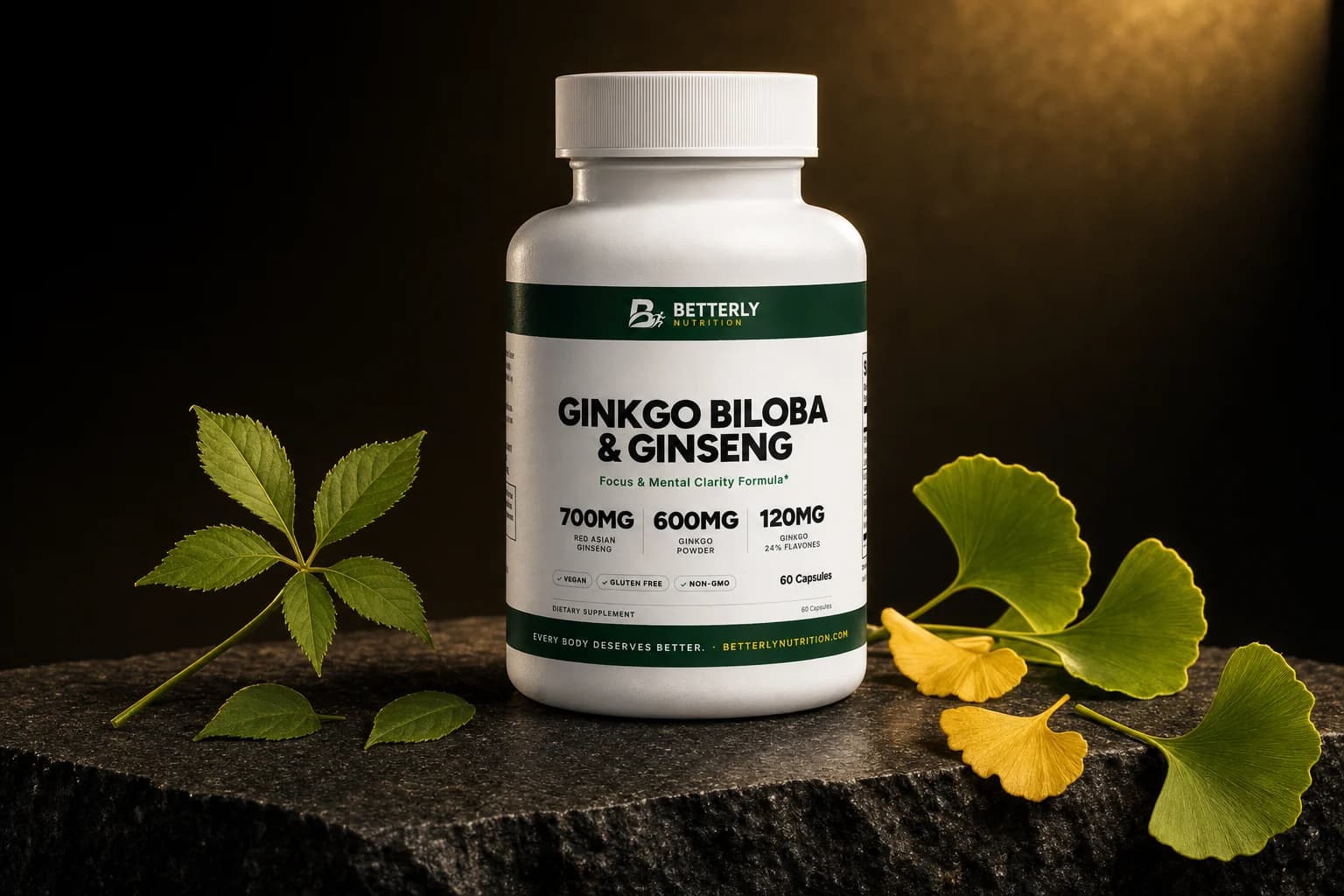
Ginseng gets one of the smallest herb rows here, bigger only than the shatavari. Compare our Ginkgo Biloba & Ginseng Capsules: 700 mg of ginseng extract per 2-capsule serving, taken twice a day, or 1,400 mg against the combo's 100 mg.
Those milligrams aren't like-for-like, though, because an extract is concentrated and a root powder isn't. The ginkgo formula's extract comes from stem and leaf, not root, and is standardized to 7% ginsenosides, or 49 mg per serving. The combo's root powder prints no percentage.
What the combo does offer is a standardized ashwagandha amount, and the ODS sheet lists KSM-66 among the extracts made from ashwagandha root alone. The capsule is HPMC (vegetable), and the printed claims are gluten free and vegetarian.
From our shop: Ashwagandha, Maca & Ginseng Capsules — a vegetarian 2-capsule serving pairs KSM-66® ashwagandha extract at 600 mg with Panax ginseng root powder at 100 mg, plus maca, L-arginine and shatavari.
How do the totals change when you stack separate bottles?
Stacking our labels takes daily ginseng from one 100 mg powder row to 1,400 mg of extract, and the extra bottles mix forms that can't simply be added together.
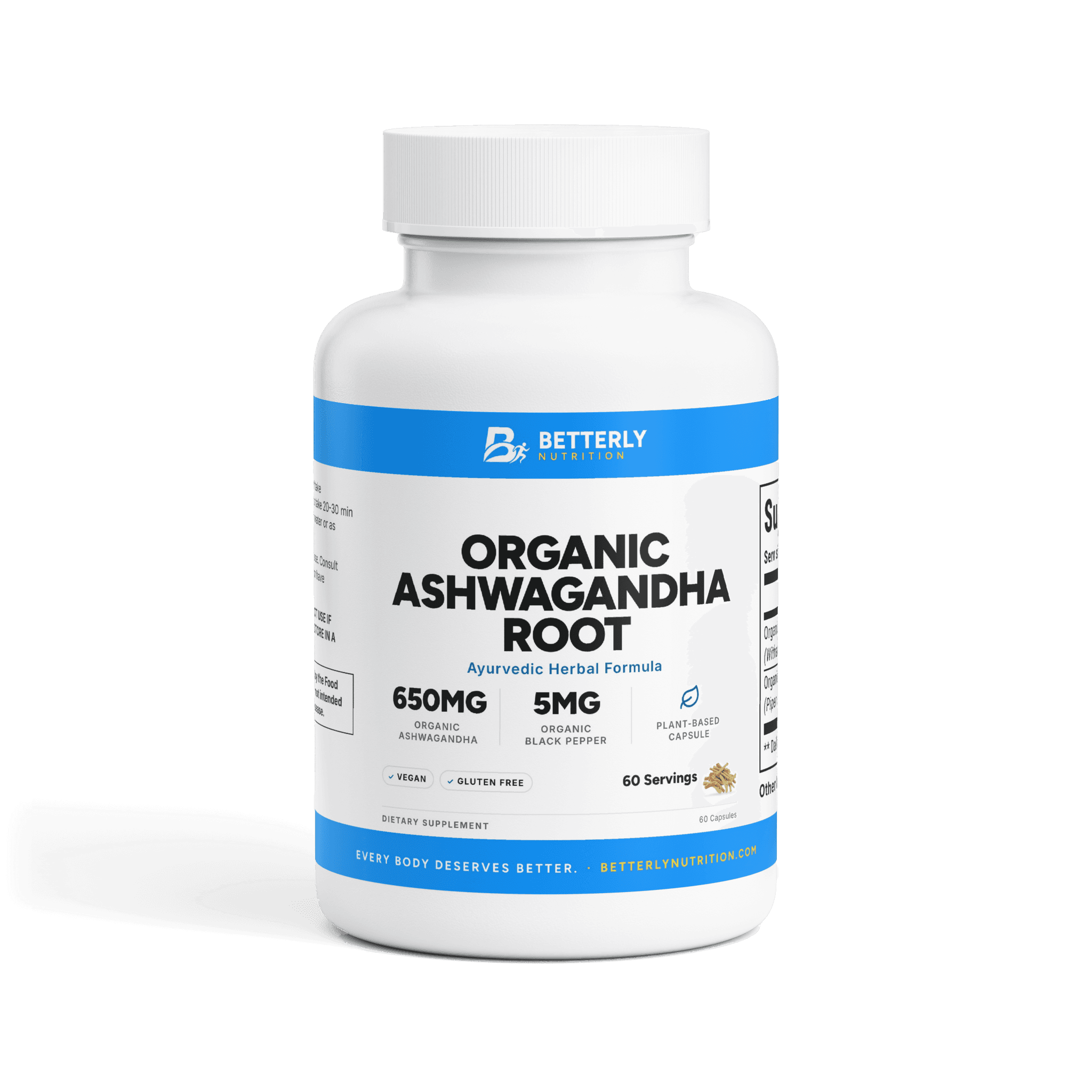
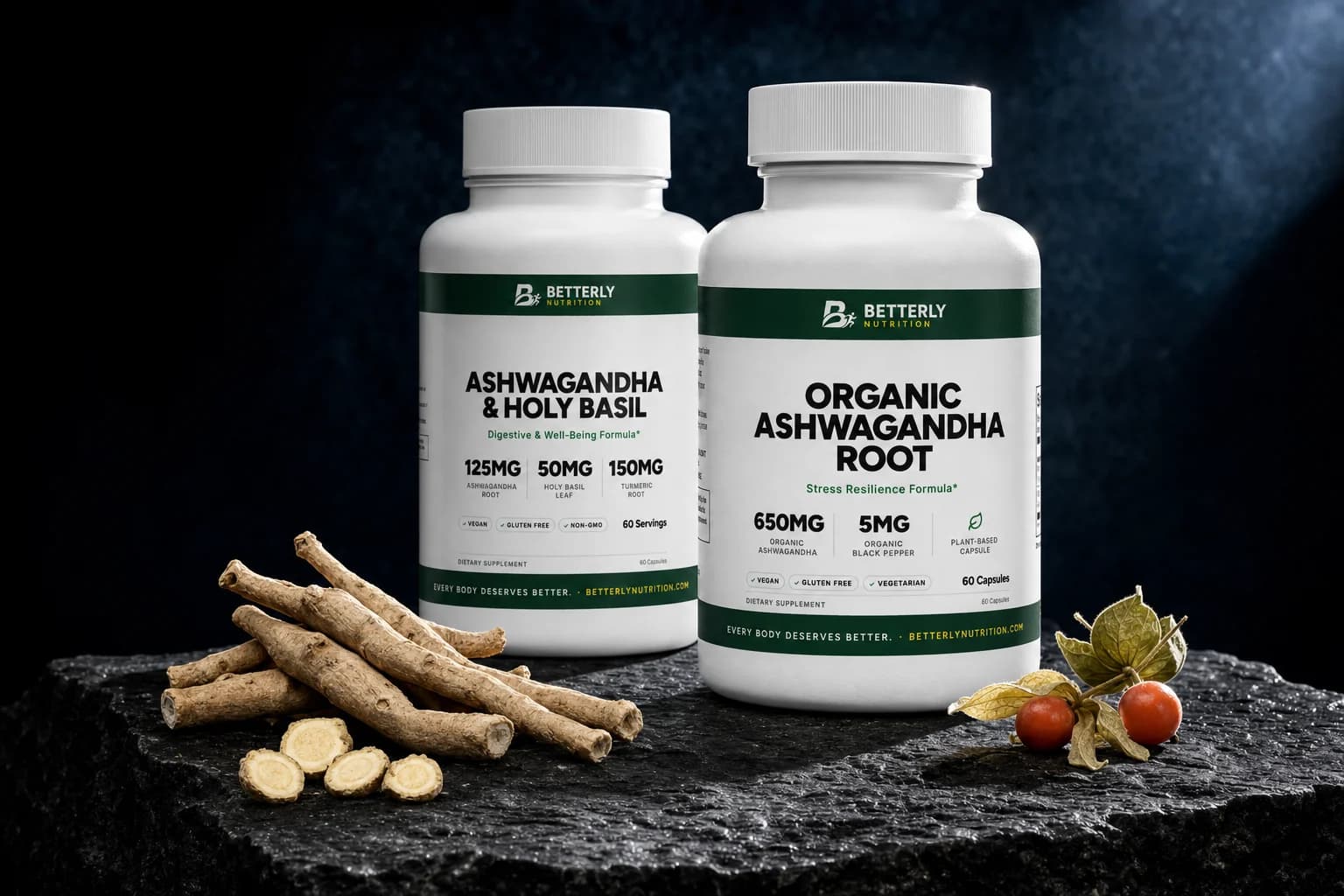
Two of the stacks below use our Organic Ashwagandha Root Capsules, where each capsule is a full serving: organic ashwagandha root at 650 mg and organic black pepper at 5 mg, taken twice a day. That label gives neither an extract ratio nor a withanolide figure.
| Stack at label use | Capsules a day | Daily panel amounts | Our take |
|---|---|---|---|
| Ashwagandha, Maca & Ginseng alone | 2 | 600 mg KSM-66® extract; 100 mg ginseng root powder | Simplest way to get both |
| Organic Ashwagandha Root + Ginkgo Biloba & Ginseng | 6 | 1,300 mg ashwagandha root; 1,400 mg ginseng extract | More ginseng on the panel, plus 1,440 mg ginkgo leaf |
| Ashwagandha, Maca & Ginseng + Ginkgo Biloba & Ginseng | 6 | 600 mg KSM-66® extract; 100 mg ginseng root powder + 1,400 mg ginseng extract | Ginseng on two panels; ask a provider first |
| Ashwagandha, Maca & Ginseng + Organic Ashwagandha Root | 4 | 600 mg KSM-66® extract + 1,300 mg ashwagandha root; 100 mg ginseng root powder | Skip it: two ashwagandha labels |
Separate labels put more milligrams on the panels, and any stack that repeats an herb is where totals quietly climb.
Ginkgo leaf brings its own cautions to those stacks, and our side-by-side of ginkgo biloba and ginseng covers them.
The ODS immune function sheet counts more than 2.5 g of ginseng a day as a high dose, one that might cause trouble sleeping, a rapid heartbeat and nervousness.
No stack here reaches that by weight. The sheet doesn't say whether it means root or extract, though, and our rows mix both, so read the gap as a loose check, never as room to add more.
From our shop: Ginkgo Biloba & Ginseng Capsules — red Asian ginseng extract from stem and leaf, 700 mg at 7% ginsenosides per 2-capsule serving, with ginkgo leaf alongside and no ashwagandha.
How should you take this pair, going by each label?
The Ashwagandha, Maca & Ginseng label's suggested use for adults is 2 capsules a day, taken alongside 6 to 8 oz of water; our other two bottles go before meals.
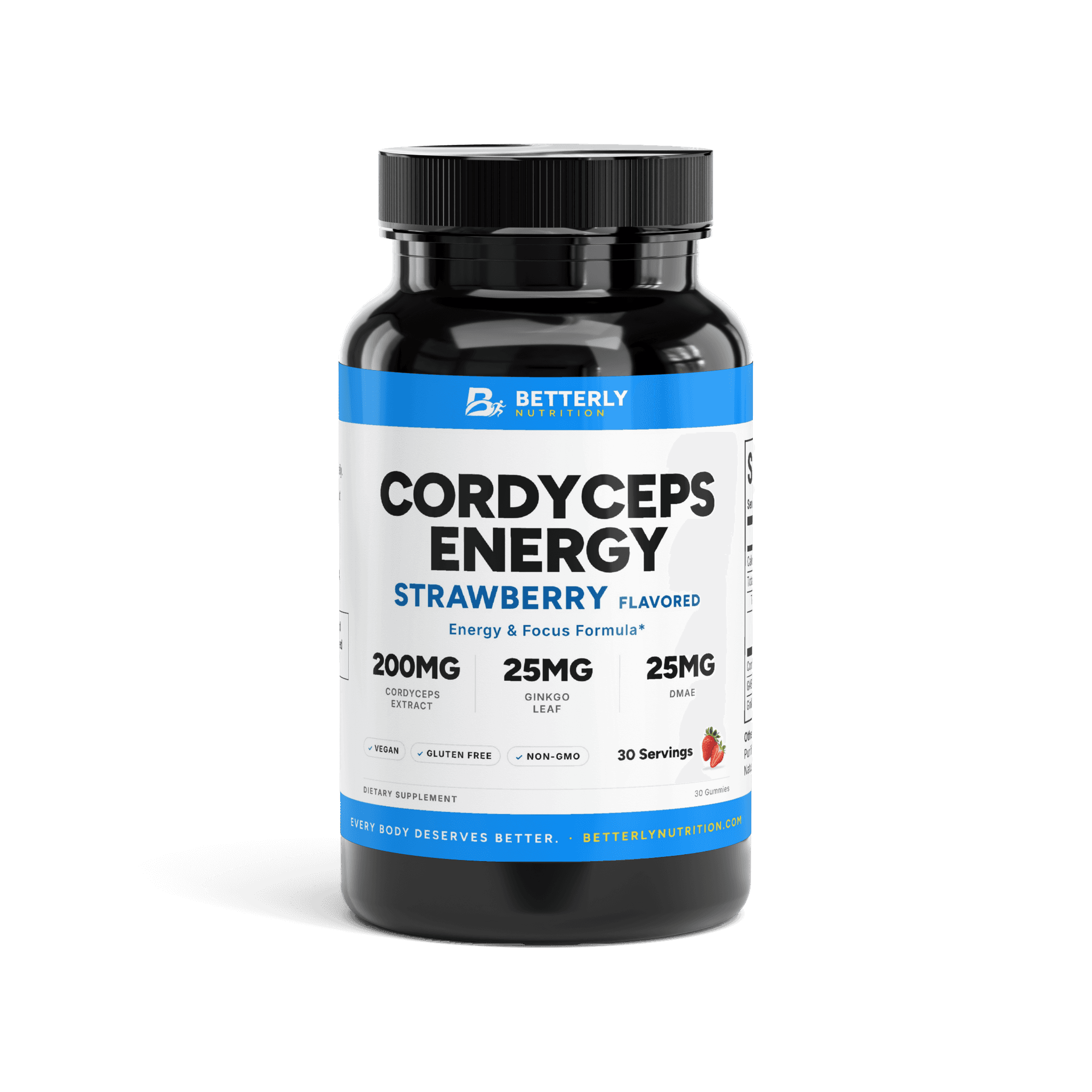
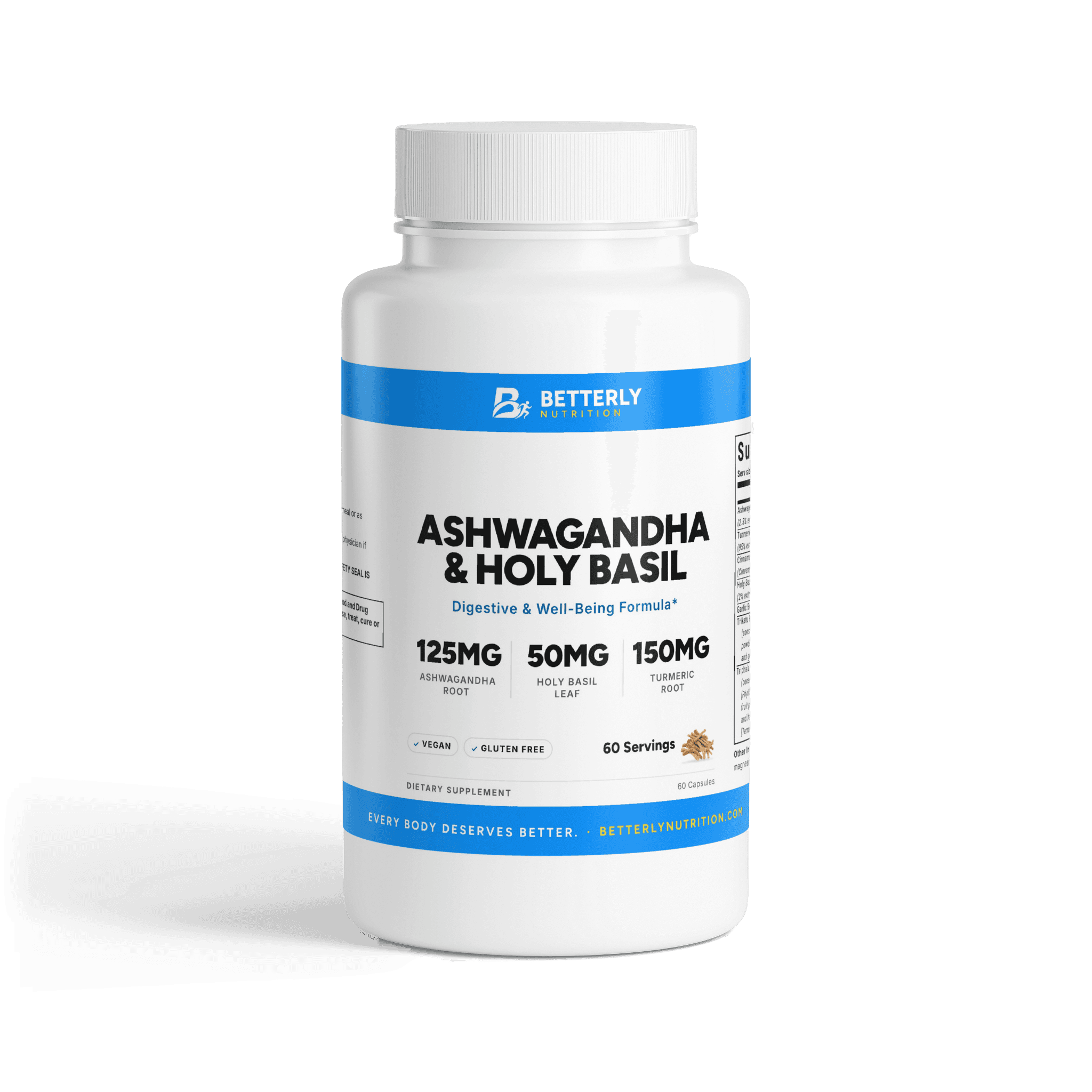
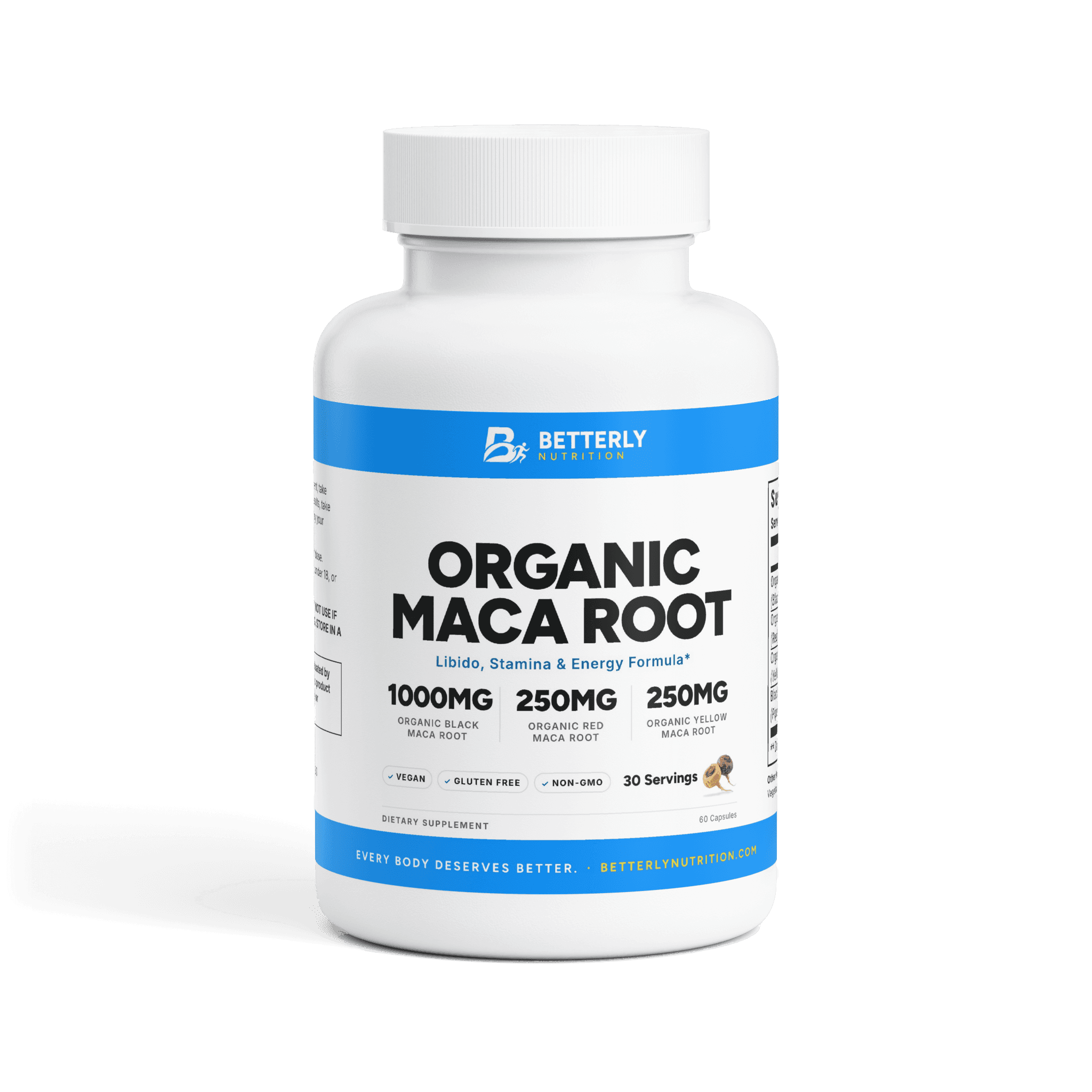
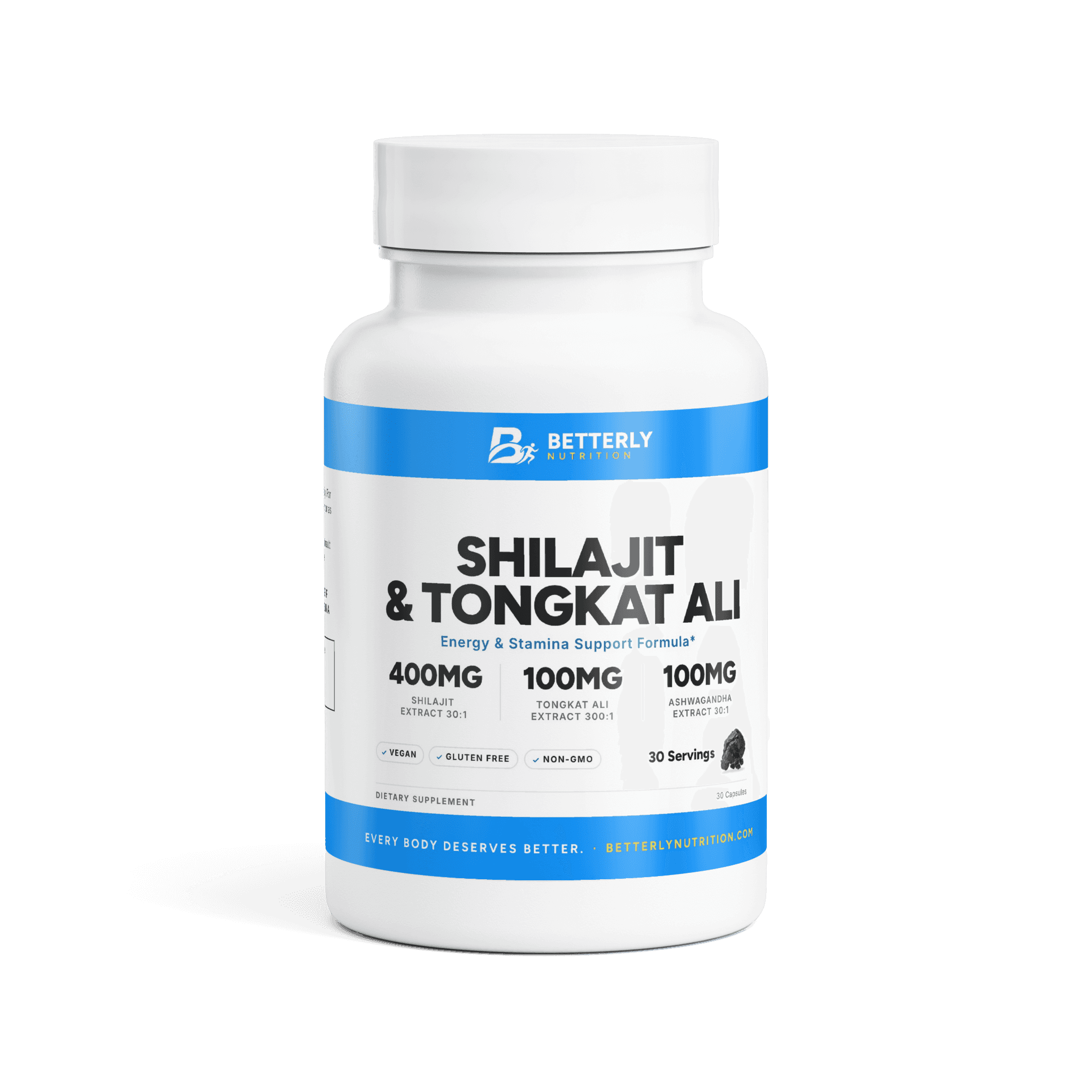
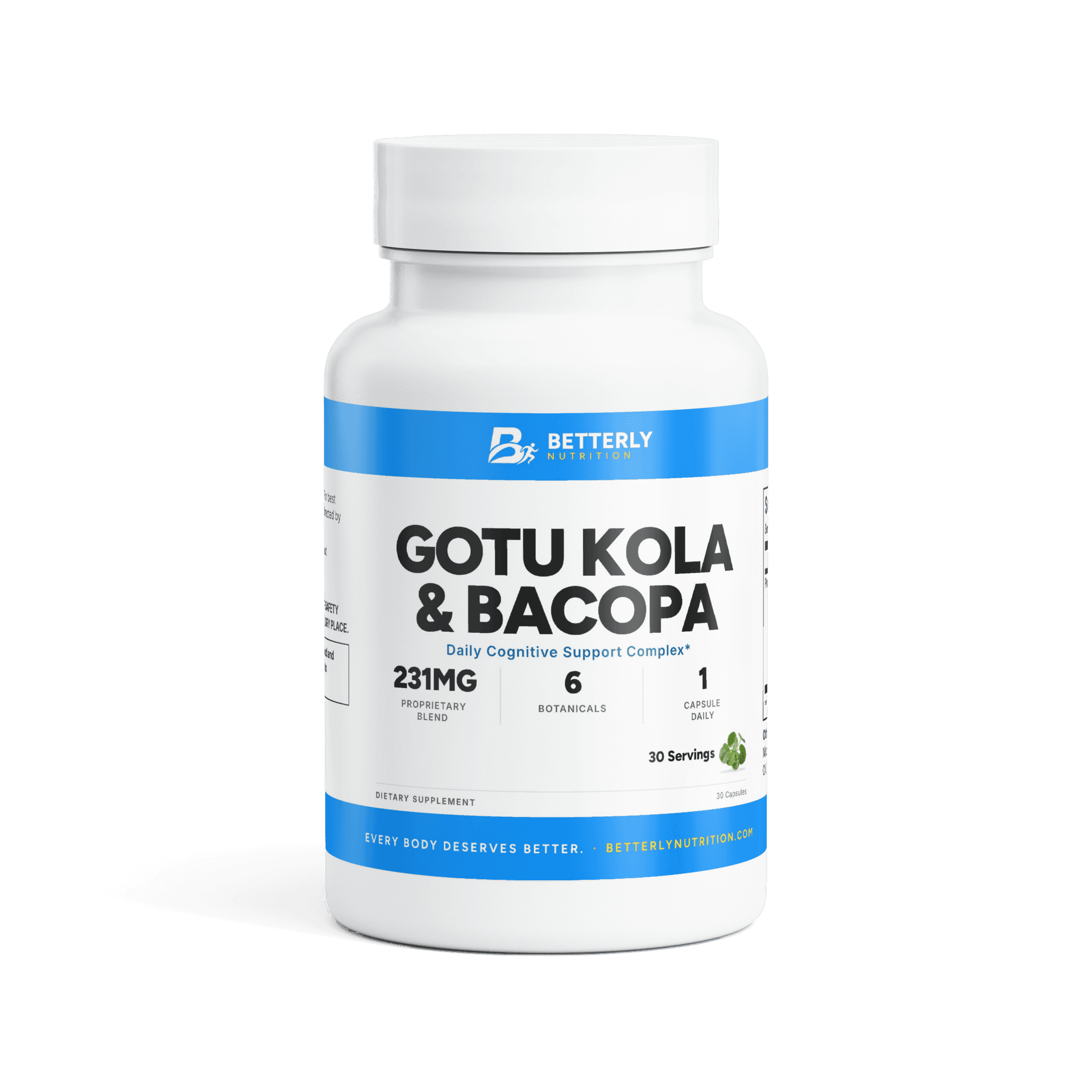
- Scan for repeats first. Four formulas in the cards below this guide repeat an herb. Ashwagandha & Holy Basil Ayurvedic Capsules carry ashwagandha root (2.5% extract) at 125 mg per 1-capsule serving. Shilajit & Tongkat Ali Capsules list 100 mg of 30:1 ashwagandha root extract per 1-capsule serving. Gotu Kola & Bacopa Capsules put Panax ginseng root in a 231 mg blend with no separate amount. Organic Maca Root Capsules repeat the maca, at 1,500 mg per 2-capsule serving. Some of our sleep, greens, focus and libido products list one or both, too.
- Give each separate bottle its own clock. The combo's directions tie it to no meal or hour. The Organic Ashwagandha Root label calls for 1 capsule twice a day and the Ginkgo Biloba & Ginseng label for 2 capsules twice a day, with a 20 to 30 minute gap before you eat. At those amounts, the combo and the root capsules each last 30 days, while the ginkgo formula runs out in 15.
- Read each label as its own ceiling. Taking two bottles never loosens either one's printed serving.
When is the combo capsule the wrong buy?
Skip Betterly's Ashwagandha, Maca & Ginseng Capsules if you already take ashwagandha in any form, since the combo's 600 mg KSM-66® row would become a second source.
Other reasons to pass on this pair:
- Ginseng is the herb you came for. A 100 mg root-powder row plays a supporting part. Our ginkgo formula leads with ginseng extract, though ginkgo comes with it.
- You'd rather skip the extras. Maca, L-arginine, shatavari and three vitamins come in every serving, and we don't sell a capsule with only ashwagandha and ginseng.
- You're after an edge in training. NCCIH says most research finds Asian ginseng doesn't improve athletic performance, and the evidence on ashwagandha is too thin to judge.
To compare other herbal formulas, browse our adaptogen shelf.
Who needs a provider's okay before trying this pair?
Before pairing ashwagandha and ginseng, get a healthcare provider's okay if you're under 18, pregnant or breastfeeding, due for surgery, living with a medical condition or using any medicine.
Each of the three labels closes with one caution: "Do not exceed recommended dose. Consult a physician if pregnant, nursing, under 18, or have a medical condition." NCCIH's two herb pages explain why:
- Pregnancy and breastfeeding: NCCIH's ashwagandha page rules the herb out at both stages. On the ginseng side, NCCIH says some studies suggest oral Asian ginseng may be unsafe in pregnancy, and little is known about its safety while nursing.
- Surgery: NCCIH's ashwagandha page says the herb isn't recommended shortly before an operation. Separately, its ginseng page notes the herb may interfere with blood clotting, so mention both herbs to your surgical team.
- Medicines: each NCCIH page warns of possible interactions with some medications, so let your pharmacist compare the panels with your prescriptions.
- Thyroid, immune or hormone-sensitive conditions: NCCIH steers people with any of these away from ashwagandha (for hormones, it names the prostate), and it says Asian ginseng may worsen some immune-related conditions.
- Teens and children: a combo capsule can't drop its ginseng, and according to NCCIH, some experts recommend against giving ginseng to infants and children.
For the lead herb alone, who should skip ashwagandha goes into more detail.
FAQ: ashwagandha and ginseng together
Is ashwagandha a type of ginseng?
Not botanically: ashwagandha only borrows the ginseng name. The NIH Office of Dietary Supplements lists "Indian ginseng" and "winter cherry" among the names for Withania somnifera, and it says the plant sits outside the ginseng family. Its own name joins the Sanskrit words for horse and smell, after the root's reputed wet-horse smell. So a label reading "Indian ginseng" points to Withania somnifera, and true ginseng would need its own Panax row.
Is it better to take ginseng in the morning and ashwagandha at night?
None of our three labels calls for ginseng in the morning and ashwagandha at night. The combo can't be split that way, because both herbs sit in every capsule. The root capsules and the ginkgo formula each ask for two servings a day, so they don't fit the pattern either. If you sleep worse after starting ginseng, raise it with your provider rather than moving doses on your own.
Can you take ashwagandha, maca and ginseng together?
Yes, and Betterly's Ashwagandha, Maca & Ginseng Capsules already hold all three, with a maca root powder row of 150 mg per 2-capsule serving. A 2-capsule serving of our Organic Maca Root Capsules adds up to 1,500 mg of maca root across black, red and yellow rows. None of the NIH pages cited here covers maca, so show both panels to your provider before adding a maca bottle.
Can you take ashwagandha and ginseng with a multivitamin?
You may be able to, but count the vitamins first, because Betterly's Ashwagandha, Maca & Ginseng Capsules carry three. Per 2-capsule serving, the panel shows vitamin D3 at 20 mcg, B6 at 2.5 mg and B12 at 25 mcg, or 100%, 147% and 1042% of the Daily Value. Set those rows beside your multivitamin's panel and ask your pharmacist whether the totals suit you. Our other two bottles list no vitamins.
What are the side effects of ashwagandha and ginseng together?
Ashwagandha and ginseng each bring their own side-effect list, and the two lists overlap on stomach or digestive upset. NCCIH also mentions rare or uncommon liver problems for both. On ashwagandha's side, NCCIH names drowsiness, stomach upset, diarrhea and vomiting. For ginseng, the ODS immune sheet mentions headache, digestive upset and trouble sleeping. In one capsule, both lists apply at once, so bring the bottle if you raise a change with your provider.
Sources
- National Center for Complementary and Integrative Health: Ashwagandha: Usefulness and Safety
- National Center for Complementary and Integrative Health: Asian Ginseng: Usefulness and Safety
- NIH Office of Dietary Supplements: Ashwagandha: Fact Sheet for Health Professionals
- NIH Office of Dietary Supplements: Dietary Supplements for Immune Function: Fact Sheet for Consumers
If this left you looking for somewhere to start, read ashwagandha and panax ginseng capsules — its amounts per serving are listed on the page. For the practical questions this raises, how dosing, sourcing and subscriptions work is answered in one place.