On this page
- Key takeaways
- Does caffeine help with running, or is it overrated?
- How much caffeine for running, by body weight?
- How do caffeine gels, chews, pills, pouches and strips compare?
- Where does a 50 mg caffeine strip fit on a run?
- Should your pre-run caffeine come in a drink?
- How do you time and take caffeine before a run?
- When don't you need caffeine for running?
- Who should check with a healthcare provider first?
- FAQ: caffeine for running
- Sources
The short answer: Caffeine for running starts with milligrams per kilogram, not with a format. The NIH Office of Dietary Supplements puts the usual performance dose at 2 to 6 mg per kg of body weight, taken 15 to 60 minutes before exercise. Gels and chews add carbohydrate, pills need a swallow of water, and pouches and strips need none. One 50 mg strip sits below that range for every adult.
Key takeaways
- The NIH Office of Dietary Supplements says caffeine is most likely to help with endurance activities such as distance running, though it doesn't help everyone.
- The usual performance range of 2 to 6 mg of caffeine per kg of body weight tops out above the FDA's 400 mg daily figure for anyone heavier than about 147 pounds.
- Gels and chews pair caffeine with carbohydrate fuel, while pills, pouches and strips carry caffeine without that fuel, so decide first whether you need it.
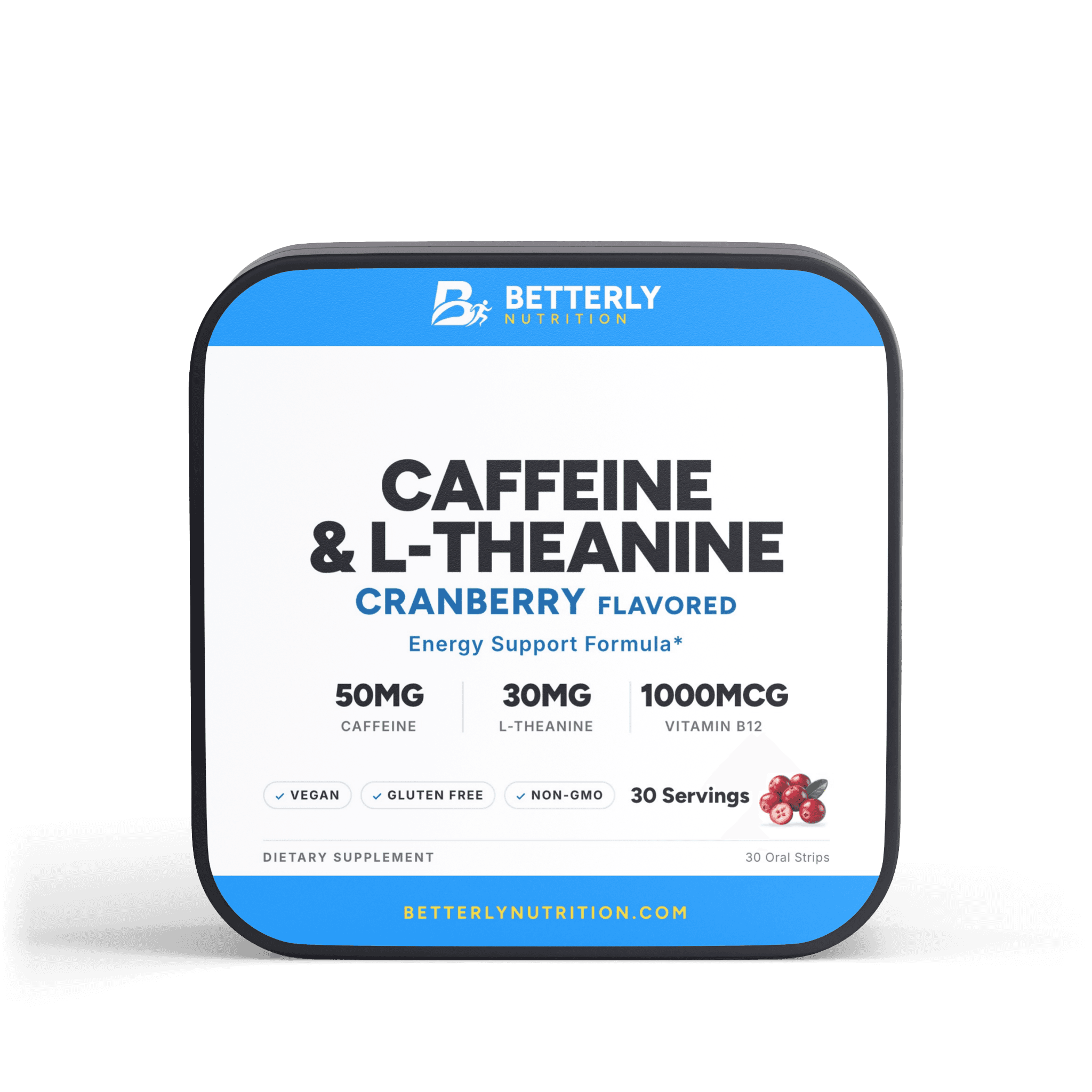
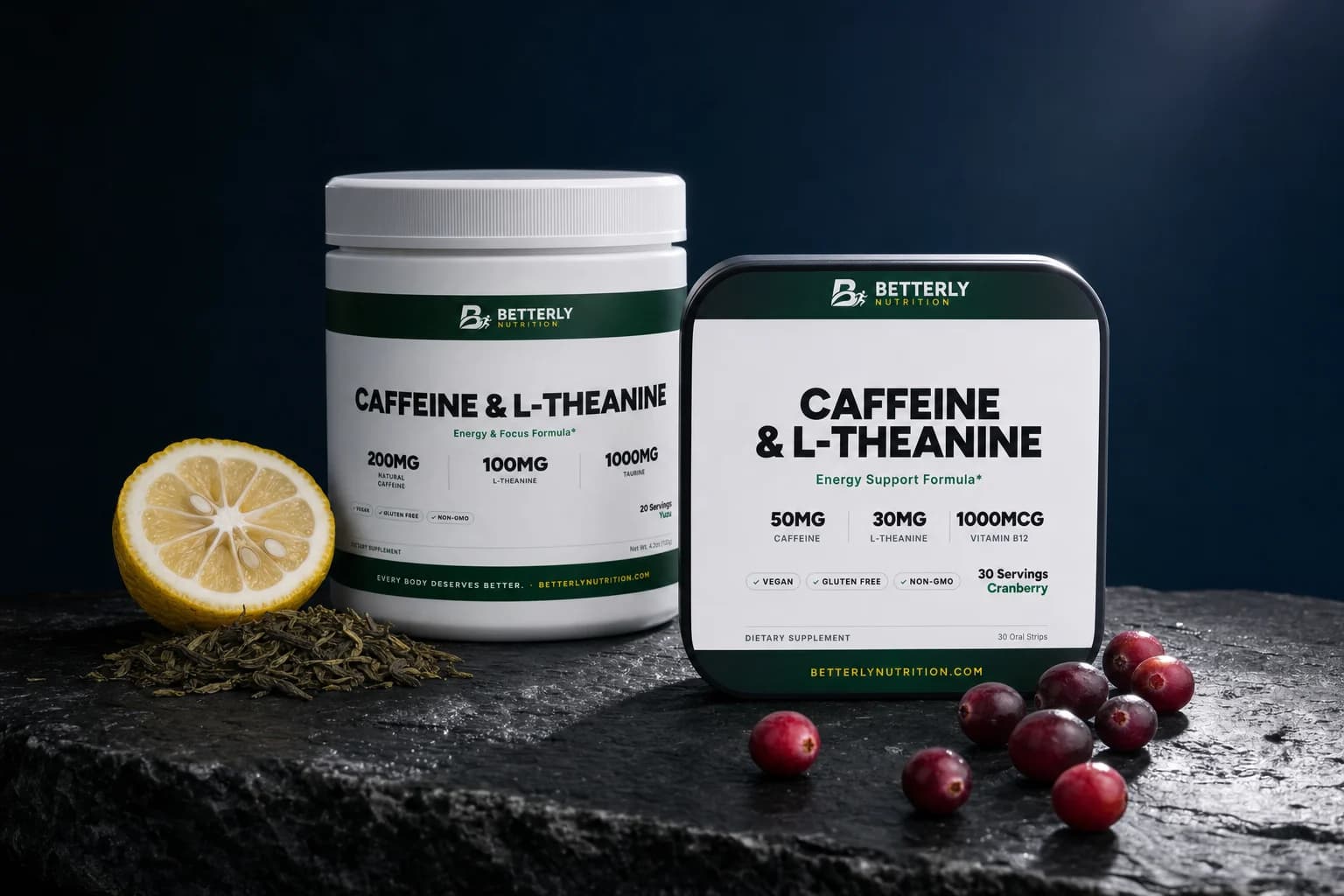
- Betterly's Caffeine & L-Theanine Energy Strips list 50 mg of caffeine per strip and allow one strip a day, which makes a strip a small top-up rather than a race plan.
We sell caffeine as a dissolving strip, in drink powders and in a couple of capsule blends. We don't sell caffeine gels, chews, pouches or caffeine-only pills. That stake is why our own strip gets the least flattering math in the post.
Does caffeine help with running, or is it overrated?
Caffeine helps some runners more than others: the NIH Office of Dietary Supplements says it's most likely to help endurance activities like distance running, but not everyone responds.
In its fact sheet on supplements for exercise and athletic performance, the Office of Dietary Supplements (ODS) reports agreement among sports-medicine experts that caffeine can help you hold the same effort for longer and feel less fatigue. Caffeine doesn't help with short, intense work like sprinting, though, and for some people it helps only slightly.
If you already have a lot of caffeine every day, MedlinePlus notes that dependency means you may need more of it for the same effect.
Racing under college or Olympic rules? ODS points out that the NCAA and the International Olympic Committee both set limits on caffeine before competition, so check your governing body's rules first.
How much caffeine for running, by body weight?
The usual performance dose of caffeine for running, per ODS, is 2 to 6 mg per kg of body weight: about 136 to 409 mg for a 150-pound runner.
To find yours, divide your weight in pounds by 2.2, then multiply by 2 and by 6. Here's that math for four body weights, plus how far our 50 mg strip gets you toward the low end.
| Body weight | At 2 mg per kg | At 6 mg per kg | One 50 mg strip covers |
|---|---|---|---|
| 120 lb (54.5 kg) | 109 mg | 327 mg | About 46% of the low end |
| 150 lb (68.2 kg) | 136 mg | 409 mg | About 37% |
| 180 lb (81.8 kg) | 164 mg | 491 mg | About 31% |
| 210 lb (95.5 kg) | 191 mg | 573 mg | About 26% |
Now look down the 6 mg column. For three of these four runners, the top of the range passes the 400 mg a day that the FDA cites as not generally linked to negative effects for most adults, before any breakfast coffee. ODS says taking more probably doesn't improve performance further, and that 500 mg or more a day can reduce rather than improve physical performance. The low column is the useful one.
The fact sheet's own example gives about 210 to 420 mg for a 154-pound person. That starts at 3 mg per kg, not 2, so read the low end as a rough guide, not a hard line.
How do caffeine gels, chews, pills, pouches and strips compare?
Caffeine gels and chews bring carbohydrate fuel along with the caffeine, while pills, pouches and strips come without that fuel, and a pre-run drink adds a glass of fluid.
| Format | Comes with fuel? | Water needed | What your stomach handles |
|---|---|---|---|
| Caffeine gel | Yes, carbohydrate | Per the packet | A thick carb dose plus caffeine |
| Caffeine chews | Yes, carbohydrate | Per the pack | Carbs in smaller bites |
| Caffeine pill or tablet | No | Enough to swallow it | Caffeine alone |
| Caffeine pouch or gum | No | None | Little; it comes out after |
| Energy strip (ours) | No | None, per our label | One 290 mg film |
| Pre-run drink (our powder) | Barely, 4 g carbs per 2 scoops | 6 to 10 fl oz per scoop | A full glass of fluid |
The takeaway: if you'll be out long enough to need fuel, a caffeinated gel or chew does two jobs in one packet. If you only want caffeine, the no-fuel formats differ mainly in water and portability.
There's no milligrams-per-unit column, on purpose. Caffeine per gel, chew, pill or pouch varies by brand and sometimes by flavor, and some flavors carry none, so we don't guess a number. If a caffeinated product doesn't state its milligrams, the FDA's advice is to take care the first time you use it.
Gels and chews. The caffeine dose is tied to the fuel dose, which is handy until a long run or marathon calls for several packets. The milligrams stack with every one, so you may want to alternate caffeinated and plain versions.
Pills and tablets. A tablet gives a fixed, printed dose with no fuel, but it needs a swallow of water, so it's easiest before the start. Skip pure or highly concentrated caffeine sold in bulk as a powder or liquid, where you measure the dose yourself. The FDA says they can have serious health consequences, including death, and estimates toxic effects from rapidly taking around 1,200 mg, less than half a teaspoon of pure caffeine.
Pouches and gum. A pouch sits between your lip and gum and comes out afterward, with no water needed. Read the tin closely, since caffeine and nicotine pouches can look alike, and count each one you use.
Where does a 50 mg caffeine strip fit on a run?
Betterly's Caffeine & L-Theanine Energy Strips fit easy runs and small top-ups, because one strip's 50 mg is below the usual performance range for any adult.
One strip reaches 2 mg per kg only for someone who weighs 25 kg, about 55 pounds. The label also rules out stacking: one strip on the tongue daily, and a caution that begins "Do not exceed recommended dose."
What's left for runners is the format. There's nothing to swallow, no water to find and nothing to mix. Alongside the 50 mg of caffeine, each 1 oral strip (290 mg) serving carries 1000 mcg of vitamin B12 (as methylcobalamin) and 30 mg of L-theanine. If sugar alcohols upset your stomach on the move, note that mannitol and erythritol appear in its other ingredients.
It suits an easy morning run when you'd like a little caffeine without brewing coffee, or as a low-stakes test of how caffeine sits in your stomach. It isn't a marathon fueling plan. For how the film dissolves, see our look at whether caffeine strips work.
From our shop: Caffeine & L-Theanine Energy Strips — a 30-strip pack for runners who want a small, fixed 50 mg of caffeine with no water to carry, used one strip a day per the label.
Should your pre-run caffeine come in a drink?
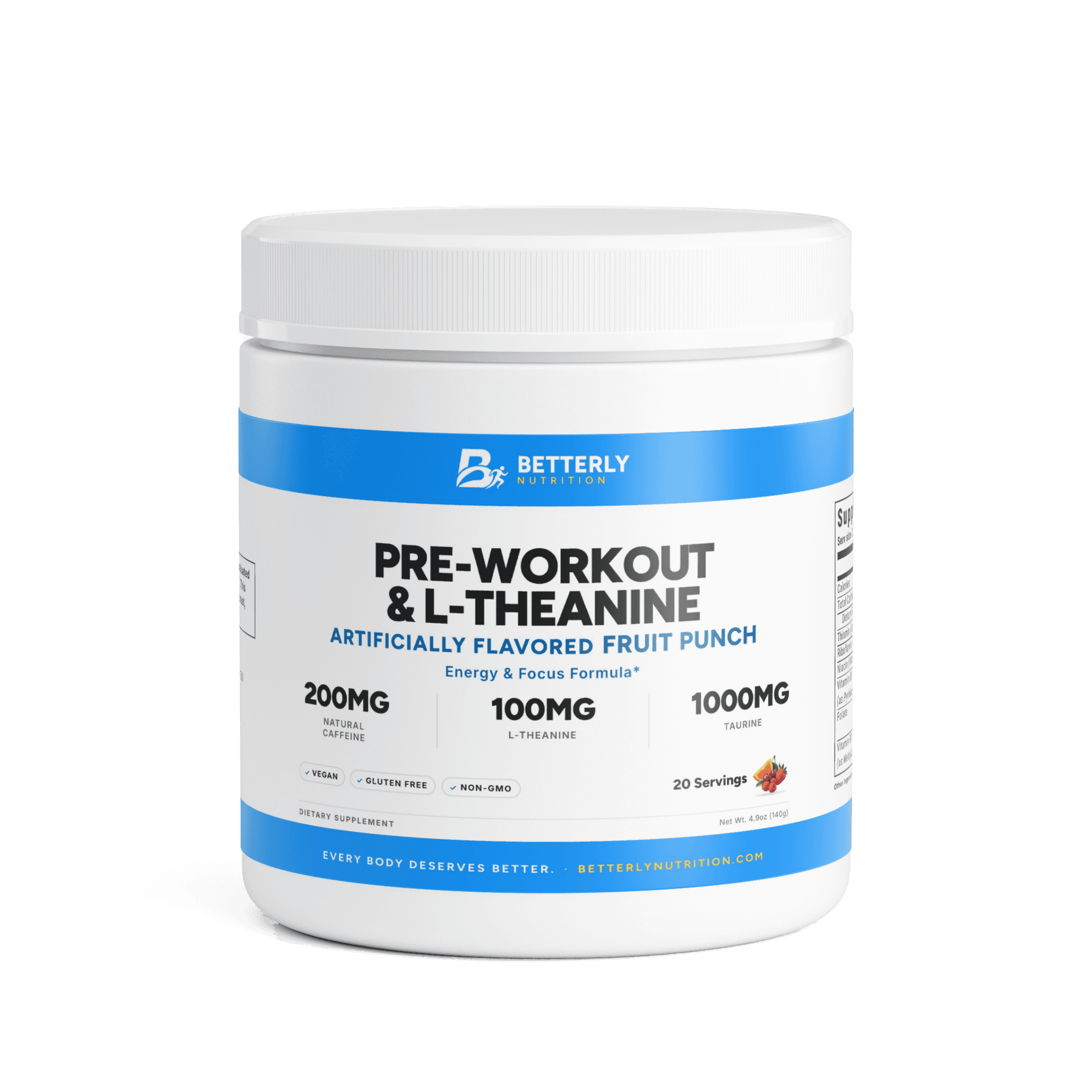
A pre-run caffeine drink suits runners whose stomachs handle liquid, since the Pre-Workout Caffeine & L-Theanine Energy Powder (Yuzu) calls for 6 to 10 fl oz of water per scoop.
The Yuzu tub's panel, per 2-scoop (6 g) serving: 200 mg of natural caffeine from green tea, 1000 mg of taurine, 100 mg of L-theanine, B vitamins and 4 g of carbohydrate. The label's suggested use is 1 scoop in 6 to 10 fl oz (177 to 296 mL) of water, with 2 scoops taking double the water. So one scoop is 100 mg in a small glass, and a full serving is 200 mg in 12 to 20 fl oz.
Four grams of carbohydrate, half of it fiber, isn't the fuel a long run depends on. We have no running studies on this powder and make no performance claim for it.
Liquid before a run doesn't suit everyone. According to MedlinePlus's caffeine page, caffeine increases the acid your stomach releases, sometimes leading to an upset stomach. It's also a diuretic, helping your body shed extra salt and water through urine.
The Yuzu label's caution reads "Do not exceed 5 scoops daily." Five scoops come to 500 mg of caffeine, over the 400 mg the FDA cites for most adults across a whole day. We don't recommend using it at that amount. Before planning more than one serving on any day, get a healthcare provider's view.
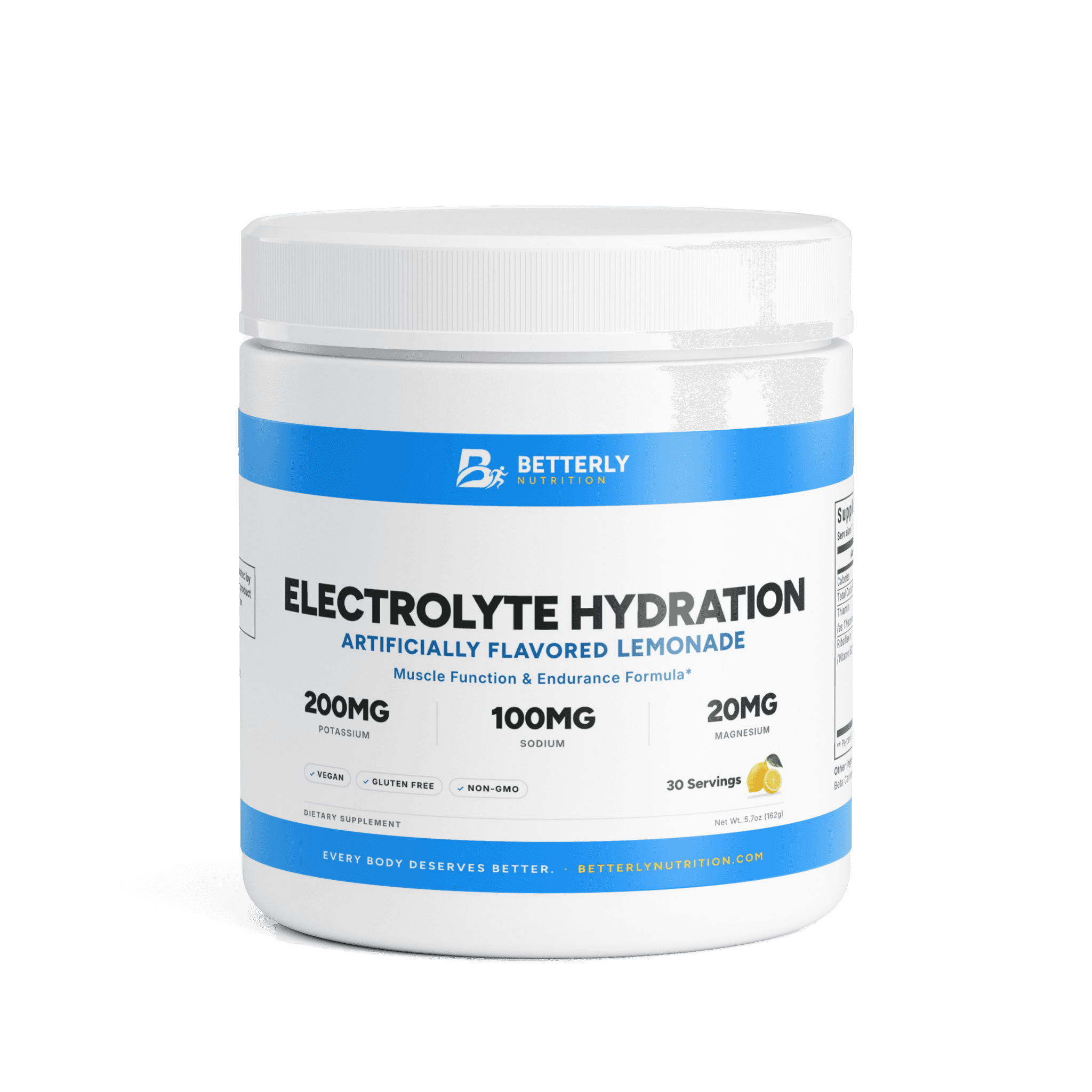
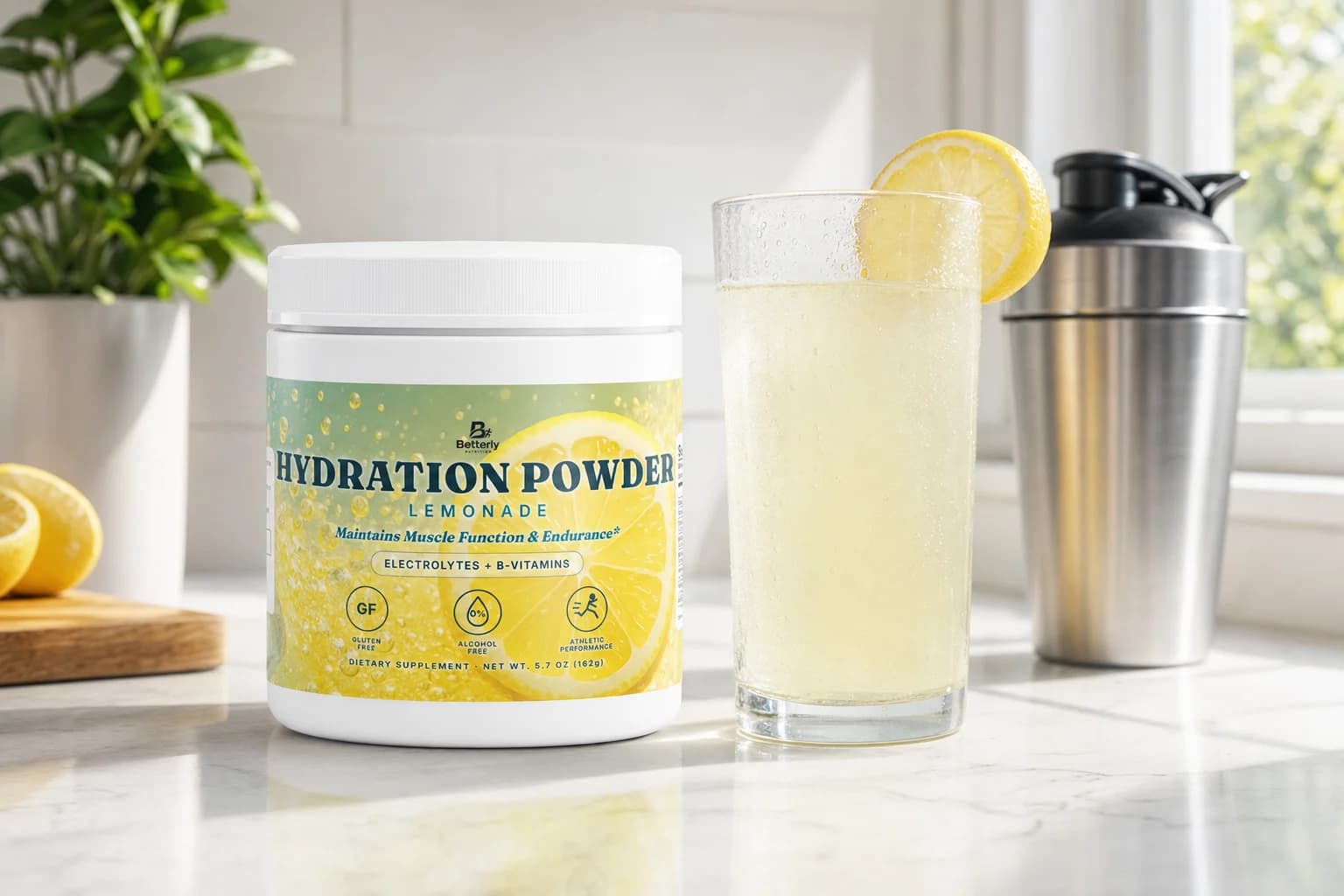
Want a bottle for the run itself without more caffeine? The Electrolyte Hydration Powder (Lemonade) panel has no caffeine row and lists 100 mg of sodium and 200 mg of potassium per 1-scoop (5.4 g) serving. Whether you need electrolytes at all is covered in our guide to when electrolytes matter and in how to pick a hydration powder.
How do you time and take caffeine before a run?
Take caffeine 15 to 60 minutes before a run, the window ODS reports from sports-medicine experts, and never go past your product's label.
- Count your day first. Coffee, tea, soda and every caffeinated gel you'll carry go in one total.
- Make 400 mg the ceiling. Hold that daily total against the FDA's 400 mg, not against the table's 6 mg column. If caffeine before exercise is new to you, stay at or below the 2 mg per kg column.
- Follow the label. Our strip is one a day, dissolved on the tongue. The Yuzu powder starts at 1 scoop in 6 to 10 fl oz of water, and a 2-scoop serving takes twice the water.
- Test it on a training run. Race morning is a bad time to learn how caffeine and your stomach get along.
- Watch the clock. Caffeine's effects can hang on for four to six hours, per MedlinePlus, so an evening run with caffeine can reach into your night.
When don't you need caffeine for running?
You don't need caffeine for running on easy days, for sprints and heavy lifting, late in the day, or when your morning coffee has already covered you.
- Recovery runs and easy miles, where there's no pace to hold.
- Strides, sprints and heavy lifting sessions, since ODS says caffeine doesn't help with short, intense exercise.
- Evening runs that finish a few hours before bed.
- Any run where caffeine leaves you shaky, gives you a fast heart rate or sends you looking for a bathroom.
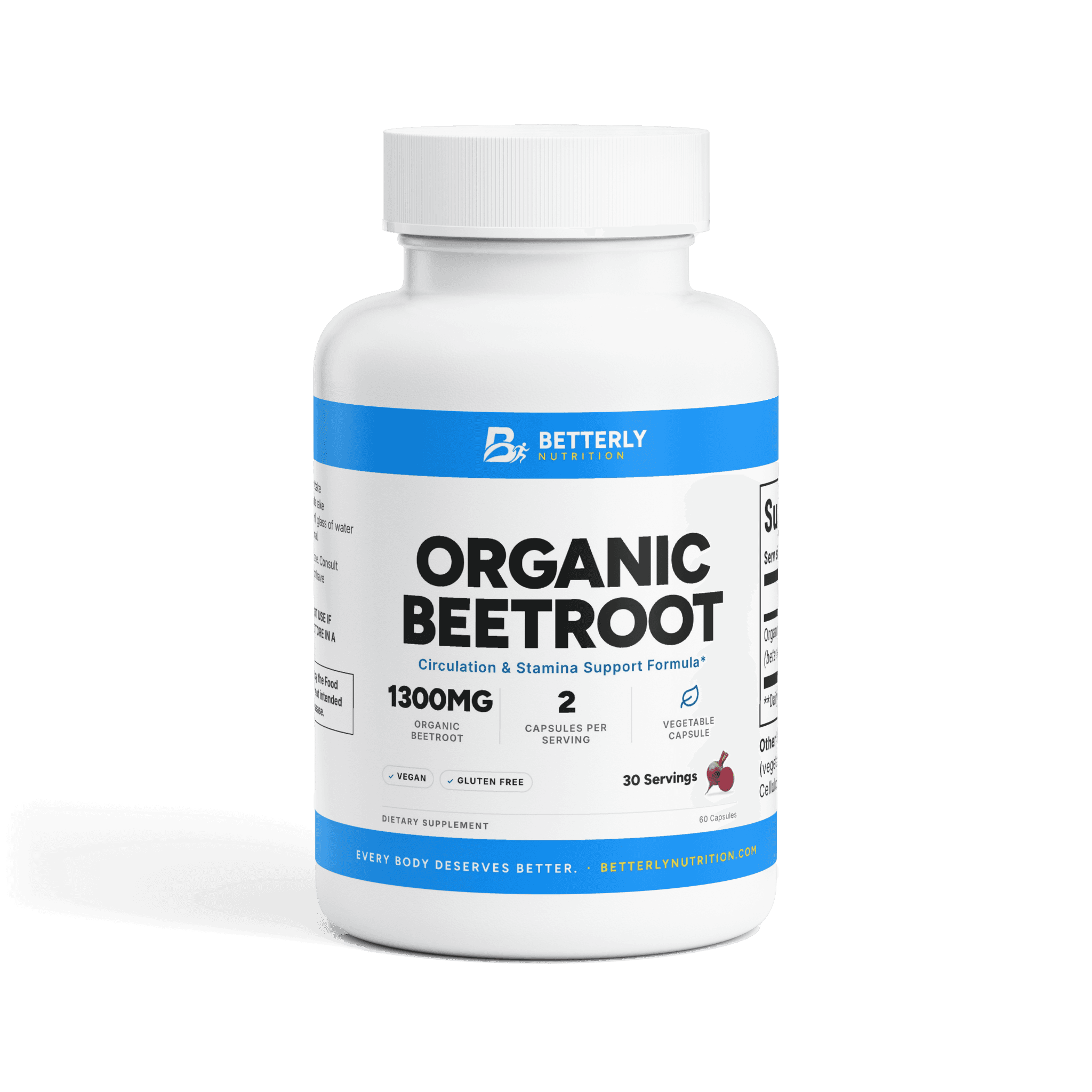
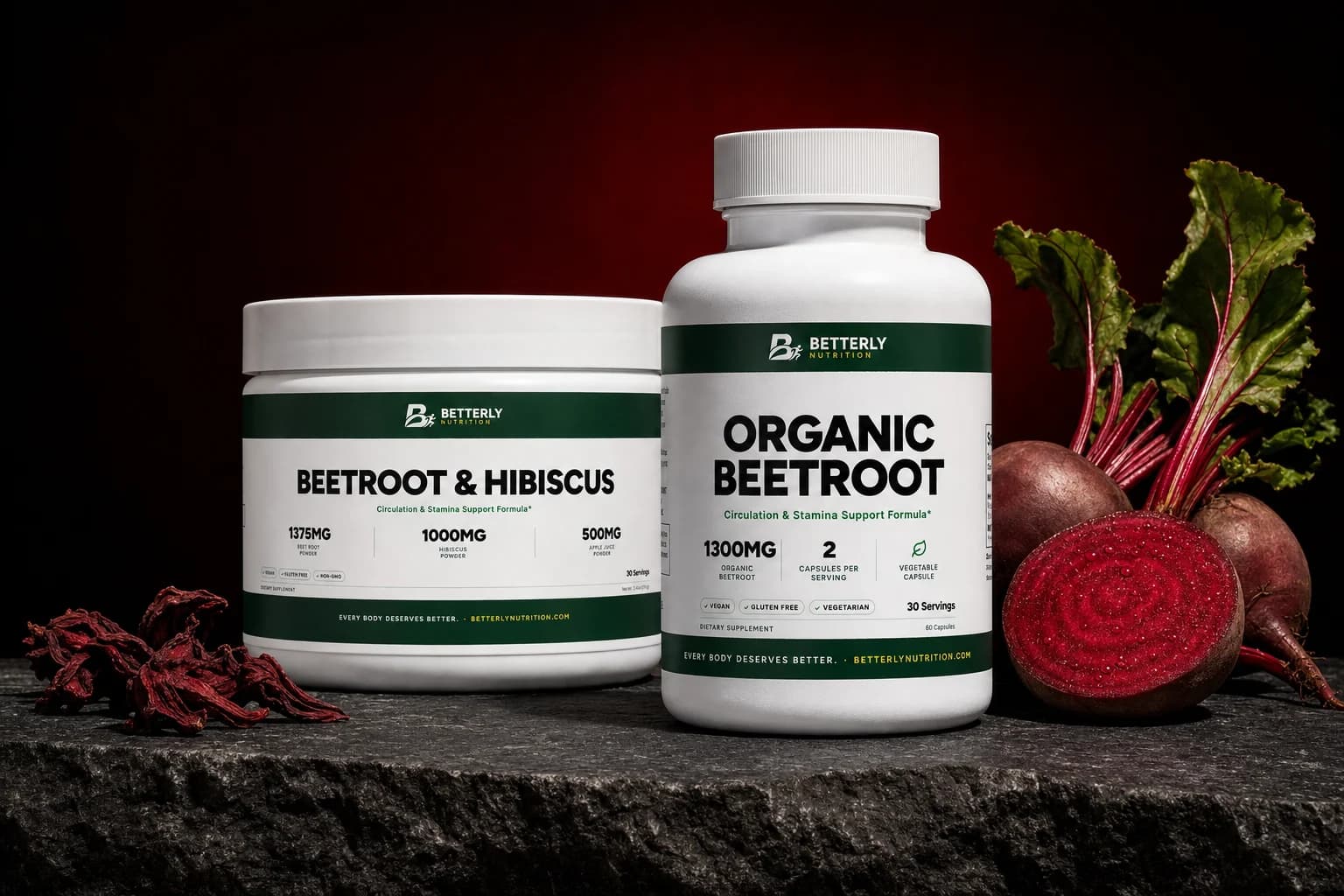
If you'd rather keep caffeine out of your running, beet juice is one ingredient ODS says might help aerobic exercise performance if you're recreationally active. It says studies usually used 2 cups of beet juice 2.5 to 3 hours ahead, and that no one knows whether beetroot powder supplements have the same effects. Our Organic Beetroot Capsules list 1,300 mg of organic beetroot powder per 2-capsule serving, taken once a day 20 to 30 minutes before a meal, per the label. We make no running claim for them. The Energy Support collection holds caffeinated and caffeine-free options side by side.
From our shop: Organic Beetroot Capsules — 2 vegetable capsules once a day before a meal, per the label, for 1,300 mg of organic beetroot powder and no caffeine on the panel.
Who should check with a healthcare provider first?
Pregnant or nursing runners, anyone under 18, and anyone taking medication, managing a medical condition or facing surgery should check with a healthcare provider before using caffeine for running.
Both of our caffeine labels send you to a physician first if you're pregnant, nursing or have a medical condition. The strip adds being under 18, and the Yuzu powder adds taking medication. The FDA notes that some medications can make you more sensitive to caffeine, and ODS names one that slows how fast your body clears it.
Signs you've overdone it, per the FDA, include a faster heart rate, the jitters, nausea and a headache. If any show up during or after a run, stop the caffeine and check in with a provider, bringing the product's Supplement Facts panel along.
FAQ: caffeine for running
Is coffee or a caffeine supplement better before a run?
Neither coffee nor a caffeine supplement is better by default, because both deliver the same stimulant. A 12-ounce regular brewed coffee holds 113 to 247 mg by the FDA's count, so your pre-run mug could be a light dose or a heavy one, while a labeled product prints one number. Coffee also brings 12 ounces of liquid, which not every stomach wants before a start. If coffee already suits your runs, there's no reason to switch.
Can caffeine upset your stomach on a run?
Yes, caffeine can upset your stomach on a run, and the FDA includes upset stomach in its list of signs you've had too much. Keep the amount small while you learn how your gut reacts. One of our strips is 50 mg, and one scoop of the Yuzu powder is 100 mg in 6 to 10 fl oz of water, the smallest amount each label lists.
Can you take caffeine during a marathon?
Yes, caffeine during a marathon is possible, usually through caffeinated gels or chews taken with your fuel. The catch is stacking. Each caffeinated packet adds to your pre-race dose and breakfast coffee, and the day's total still counts against the FDA's 400 mg figure. Add every source up, rehearse the plan on a long training run, and never go past any product's label.
Does caffeine raise your heart rate when you run?
Caffeine can raise your heart rate, especially in larger amounts. MedlinePlus lists a fast heart rate among the effects of too much caffeine, and the FDA lists increased heart rate too. If your heart pounds or you feel dizzy, stop the caffeine and talk with a healthcare provider.
Is caffeine OK for teenage runners?
Teen runners should be very cautious with caffeine, and our caffeine strips and energy powders are meant for adults. The NIH Office of Dietary Supplements says teens should limit caffeine to no more than 100 mg a day, below every row in the body-weight table. It also says that in most cases only adults should use performance supplements. A 2-scoop Yuzu serving has 200 mg of caffeine, twice that teen limit. Our strip label asks anyone under 18 to consult a physician first.
Sources
- NIH Office of Dietary Supplements: Dietary Supplements for Exercise and Athletic Performance, Fact Sheet for Consumers
- U.S. Food and Drug Administration: Spilling the Beans: How Much Caffeine is Too Much?
- MedlinePlus: Caffeine
If this left you looking for somewhere to start, read 50 mg caffeine strips that dissolve on the tongue — its amounts per serving are listed on the page. For the practical questions this raises, how dosing, sourcing and subscriptions work is answered in one place.