On this page
- Key takeaways
- How strong is the evidence that oral probiotics work?
- Which oral probiotics benefits are claimed, and why?
- Do oral probiotics work for bad breath?
- Can an oral probiotic stand in for brushing and flossing?
- What does our chewable's label let you check against the research?
- What does the label say about taking the chewable?
- Are oral probiotics worth it, and who might try one?
- Who can skip an oral probiotic?
- Who should check with a healthcare provider first?
- FAQ: do oral probiotics work
- Sources
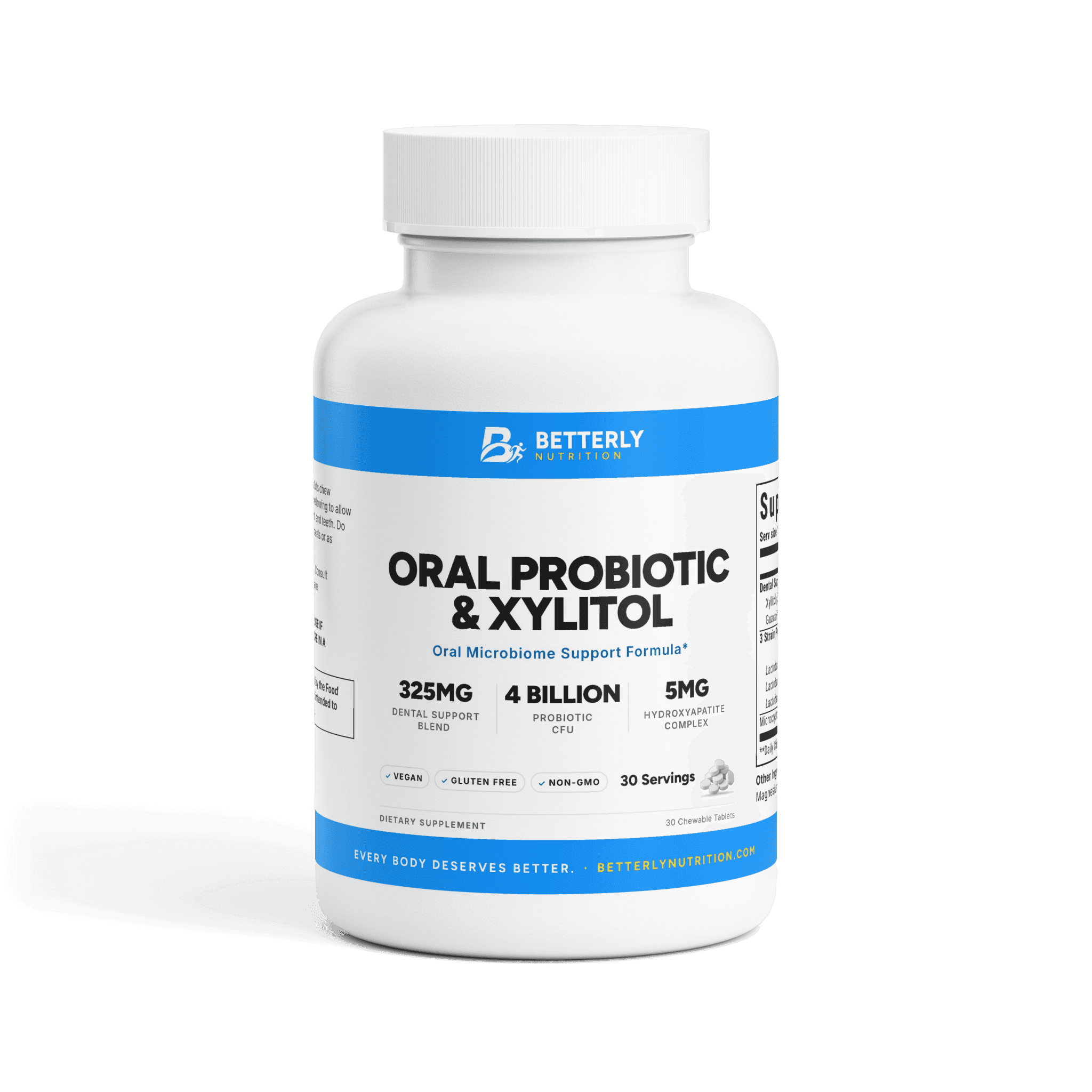
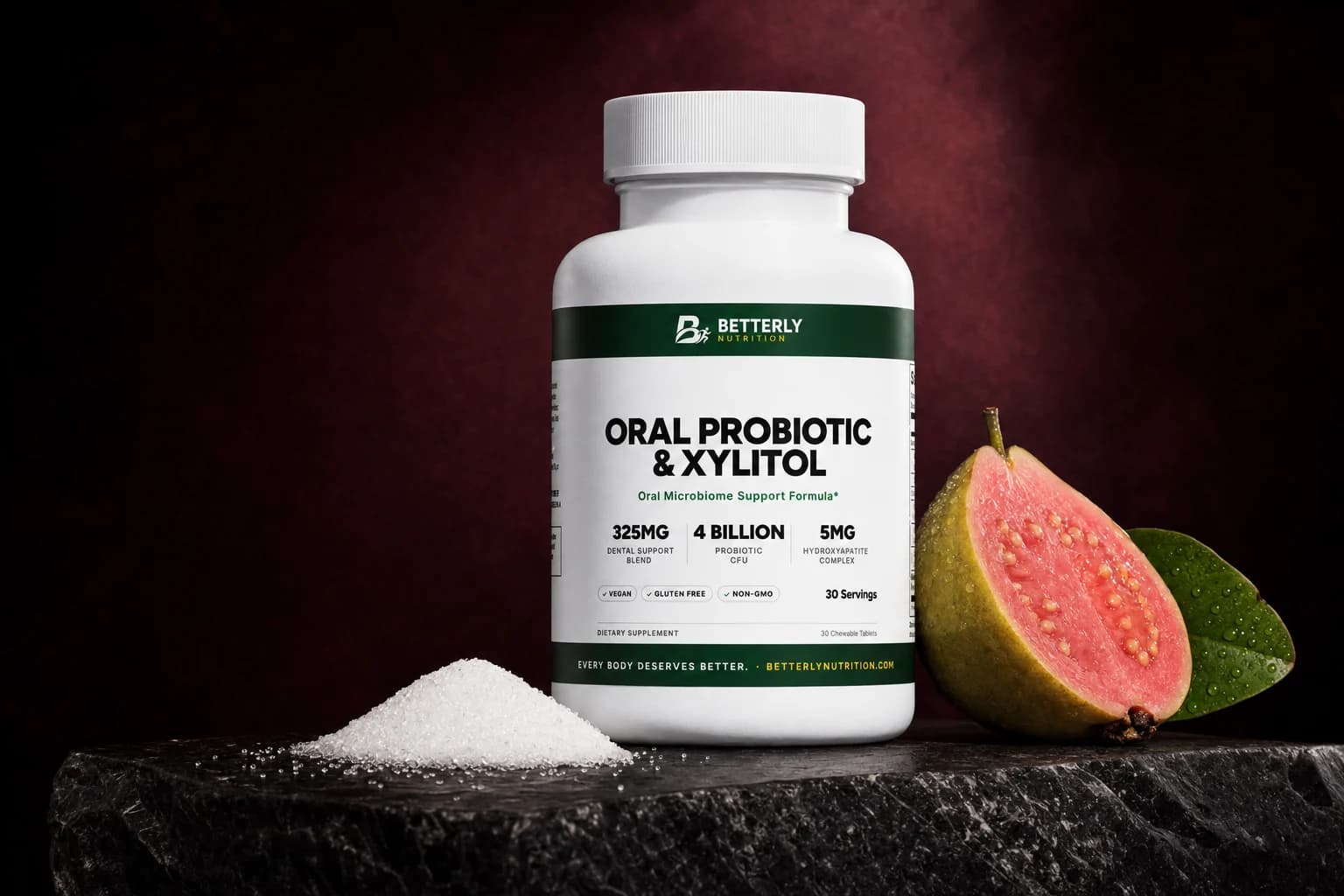
The short answer: The evidence that oral probiotics work is still thin. The National Center for Complementary and Integrative Health (NCCIH) sums up just two dental reviews. One found only low-quality evidence, all in infants and young children. The other looked at probiotics added to dental treatment, which says little about a chewable used on its own. Each 1 Chewable Tablet serving of our Oral Probiotic & Xylitol Chewables lists 4 Billion CFU from 3 named strains.
Key takeaways
- NCCIH covers oral health in just two reviews on its probiotics page, and that page was last updated in August 2019.
- Results for one probiotic strain may not carry over to another, so a study done on another brand's strains says little about the one in your hand.
- MedlinePlus ties most everyday bad breath to brushing and flossing habits, so daily cleaning comes first and a chewable is an optional extra.
- Our Oral Probiotic & Xylitol Chewables print a strain code for each of their three Lactobacillus strains, which lets you check any study against the label.
- The chewable's caution names four groups who need a physician's okay first: anyone under 18, pregnant, nursing or with a medical condition.
Full disclosure: the chewable in this article is ours, and we sell it. Every limit on the evidence described below applies to it just as much as to any other brand's.
How strong is the evidence that oral probiotics work?
The evidence that oral probiotics work is early and thin: NCCIH summarizes only two dental reviews, and the NIH's probiotics fact sheet skips oral health entirely.
NCCIH's page on probiotics and their usefulness and safety splits its dental section in two. The first part covers a small body of research, done entirely in infants and young children. NCCIH calls that evidence low in quality and says no definite conclusions could be reached.
The second part rests on a 2016 review of 12 studies in which probiotics were added on top of dental treatment. That setup says little about a supplement taken at home on its own. Even there, NCCIH adds that effects may differ for different probiotics.
NCCIH doesn't name the strains behind either review, so none of it proves anything about one product, ours included. The page was last updated in August 2019, so treat it as a snapshot.
The NIH Office of Dietary Supplements (ODS) fact sheet on probiotics is newer, updated in November 2025. It walks through examples of what probiotic research has shown, and oral health isn't among them. ODS also warns that some probiotic supplements may not have been studied, so their effects may be unknown.
So what should "working" mean here? For a supplement, the most it's allowed to claim is supporting normal function, such as a balanced mix of mouth microbes. It can't claim to fix a dental problem, and so far the federal pages we cite don't establish even that smaller claim.
Which oral probiotics benefits are claimed, and why?
The oral probiotics benefits usually claimed are a balanced mix of mouth microbes and fresher breath, based on releasing live strains right in your mouth as you chew.
In the ODS definition, probiotics are live bacteria or yeasts that benefit health in sufficient amounts, and most of their action happens in the digestive tract. An oral probiotic aims at the first stop on that route. Chewing breaks the tablet apart right in your mouth, and that's the point of our chewable's instruction to chew thoroughly.
The pitch is balance: nudging your mouth's mix of microbes toward friendlier strains. It's a reasonable idea, but it's still an idea. The catch is that strains aren't interchangeable. NCCIH warns that if one kind of Lactobacillus helps, that doesn't necessarily mean another kind would do the same thing.
ODS adds that products labeled as probiotics may contain different microorganisms, in numbers that vary widely. So before a study a brand borrows sways you, hold it up against the strain line on the bottle.
Do oral probiotics work for bad breath?
Neither NCCIH nor ODS reports evidence that oral probiotics work for bad breath, and MedlinePlus traces most everyday breath odor to how well you brush and floss.
MedlinePlus explains breath odor in plain terms: it's usually tied to dental hygiene. When brushing and flossing slip, it says, bacteria in the mouth release sulfur compounds.
Its everyday causes include garlic, raw onions, coffee, smoking and even vitamin supplements, especially in large doses. For temporary odor, MedlinePlus suggests fresh parsley or a strong mint.
That's the opening an oral probiotic's pitch uses. If bacteria help make the smell, a friendlier balance sounds like it should help. Sounding right and being shown are different things, though, and the federal pages we read stop short of the second.
Our own label doesn't mention breath at all. Its front reads "Oral Microbiome Support Formula," and we won't stretch that into a breath promise.
MedlinePlus adds one more point worth keeping: if breath odor doesn't go away and has no obvious cause, like a garlicky dinner, contact your provider.
Can an oral probiotic stand in for brushing and flossing?
No, an oral probiotic can't stand in for brushing and flossing. At best, it's an optional extra layered on top of the daily routine MedlinePlus recommends.
The MedlinePlus page on caring for adult teeth sets out the basics:
- Brush twice a day with a soft-bristled toothbrush, for at least 2 minutes each time.
- Floss at least once a day. It says flossing works best after brushing.
- Use a fluoride toothpaste.
- Replace your toothbrush, or your electric brush head, every 3 to 4 months.
- Avoid sweets and sweetened drinks, and don't smoke.
- Schedule regular checkups. Many dentists recommend a professional cleaning every 6 months.
The same page says tools like water irrigators may help supplement brushing and flossing, but not replace them. That's the slot we'd give an oral probiotic too. If your routine has gaps, closing them is the smarter first move.
Here's how common hopes line up against what we could verify:
| What you're hoping for | What we could verify | Where to start |
|---|---|---|
| Fresher breath | MedlinePlus ties most bad breath to hygiene habits | Brush, floss, and keep mints or parsley for quick fixes |
| A balanced mouth microbiome | It's the design goal; NCCIH says effects may differ by probiotic | An oral probiotic, with modest expectations |
| Cleaner-feeling teeth | No federal source backs this for our chewable | Fluoride toothpaste and dental checkups |
| Better digestion | Our chewable's label is written for the mouth, not digestion | A swallowed probiotic |
| Fewer dental visits | Nothing we found supports this | Keep your regular cleanings |
Read down the last column: an oral probiotic is the starting point for just one of these five hopes, and it's the one with the thinnest evidence.
What does our chewable's label let you check against the research?
Our Oral Probiotic & Xylitol Chewables label lets you match its three strain codes against any study, but it doesn't say when its 4 Billion CFU was counted.
Per 1 Chewable Tablet serving, the panel lists a 20 mg blend (4 Billion CFU) of Lactobacillus salivarius LS97, L. paracasei LC86 and L. acidophilus LA85. Here's how to hold any brand's label, ours included, up to a study it cites:
- Match the strain codes. Per ODS, whatever a product does comes down to its exact strains and its CFU count together. Only research on LS97, LC86 or LA85 would say anything about our chewable, and no federal page we cite names them.
- Check when the count applies. ODS explains that CFUs can decline over time, so some experts recommend products that list the count through the expiration or use-by date. Our panel gives 4 Billion CFU with no note on when it was counted.
- Compare how it was used. The more hopeful review NCCIH describes paired probiotics with dental treatment. A chewable taken at home after a meal is a different setup.
- Read the claim wording. NCCIH explains that supplement labels may describe effects on the body's structure or function without FDA approval, but can't claim to lower your risk of an illness without the FDA's consent. A chewable promising to fix a dental problem has claimed more than a supplement label may.
The rest of the panel adds a 325 mg Dental Support Blend of xylitol and guava fruit powder, plus 5 mg of hydroxyapatite complex. For every line set beside our swallowed probiotics, see our side-by-side of oral and regular probiotics. Our label's storage line is simply a cool, dry place, and our look at probiotic storage and refrigeration explains what a line like that can and can't tell you.
From our shop: Oral Probiotic & Xylitol Chewables — 30 chewable tablets, each listing 4 Billion CFU from strains LS97, LC86 and LA85 plus 5 mg of hydroxyapatite complex, labeled vegan and gluten-free.
What does the label say about taking the chewable?
The Oral Probiotic & Xylitol Chewables label's suggested use is one tablet a day for adults, chewed thoroughly and ideally after meals, never swallowed whole.
Chewing isn't a small detail here. The label's reason is contact: the actives are meant to reach your mouth and teeth, so a tablet gulped down whole skips the step the product is built around. If a daily chew sounds like a chore you'll skip, know that before you buy.
The after-meal timing is a suggestion for best results, and the label lets a healthcare professional direct otherwise. There's no make-up rule for a skipped day. On dosing, the caution panel only asks you to stay within the recommended dose, and that dose is one tablet daily.
Brushing order is the one gap: the label never says whether the chewable comes before or after your toothbrush. We take that up in a guide to timing oral probiotics around brushing.
Are oral probiotics worth it, and who might try one?
An oral probiotic may be worth trying if your brushing, flossing and dental visits are already steady and you want an optional extra aimed at the microbes in your mouth.
It's most likely to suit you if:
- You already brush twice a day and floss daily, and you're curious about your oral microbiome.
- You're fine paying for something with early evidence.
- A chewable after a meal fits your day better than another capsule with water.
If your real goal is digestion, look elsewhere. Every direction on the chewable points at your mouth and teeth, and nothing on it mentions the gut. Our walkthrough on choosing a gut probiotic is the better starting point. The chewable is also listed among our targeted support products.
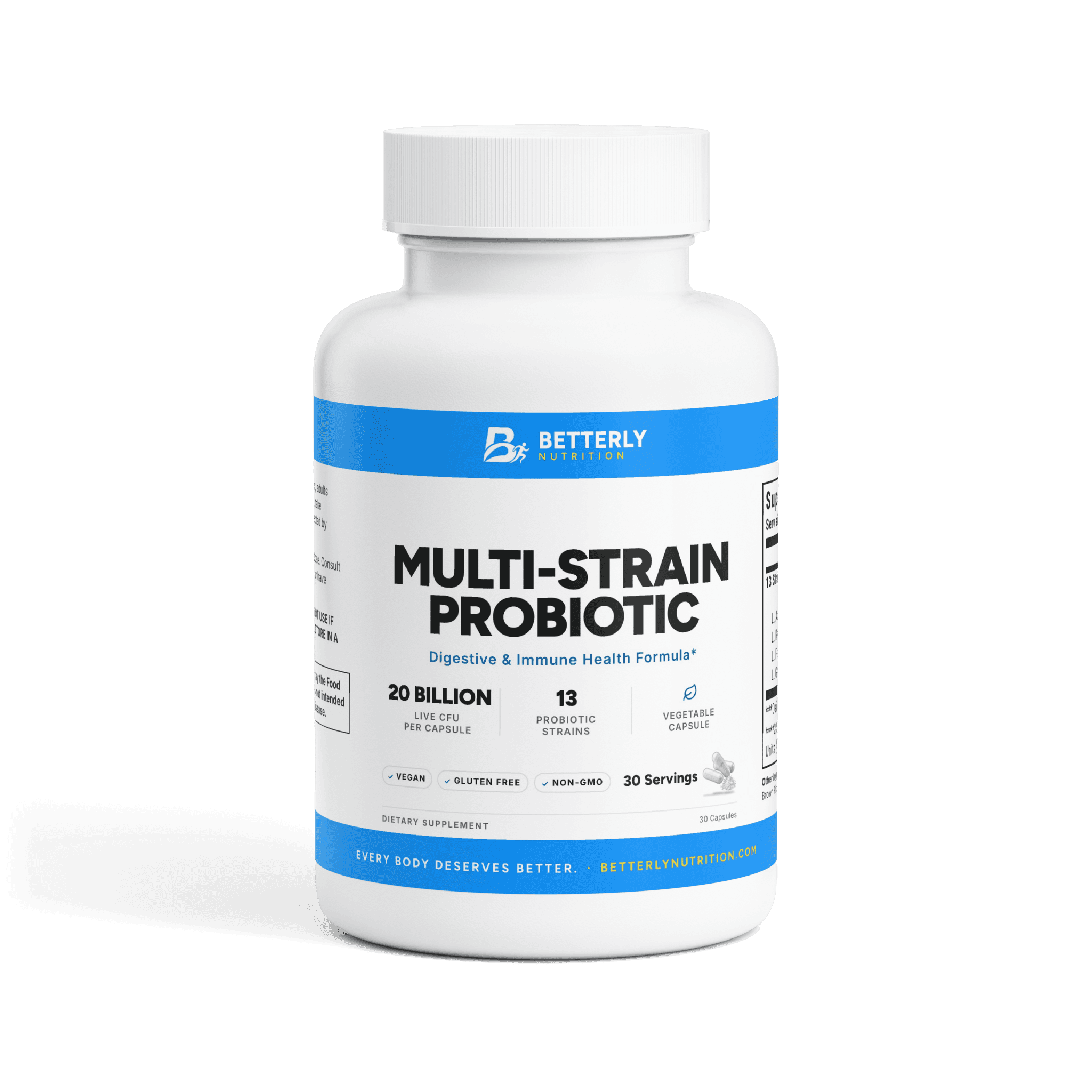
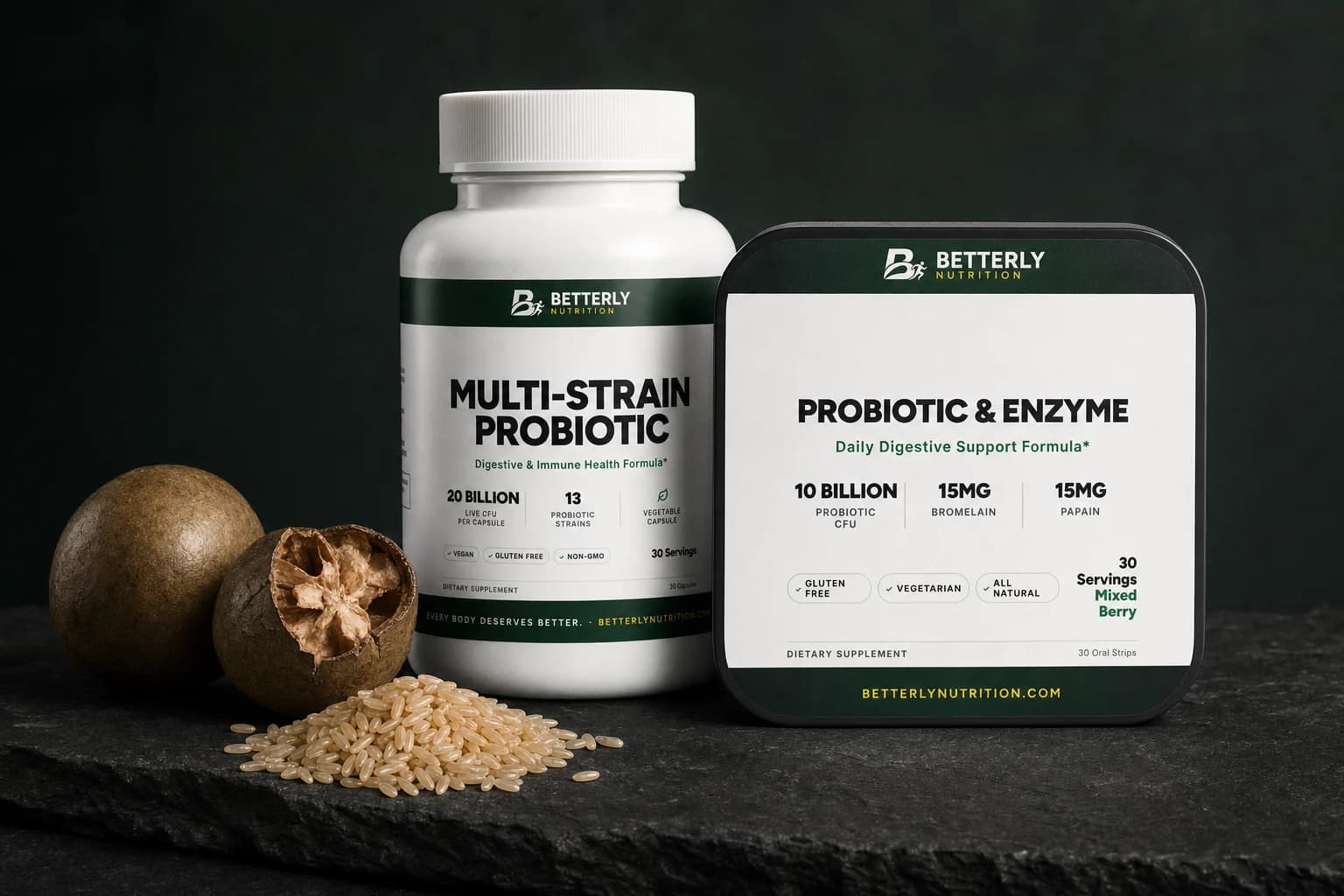
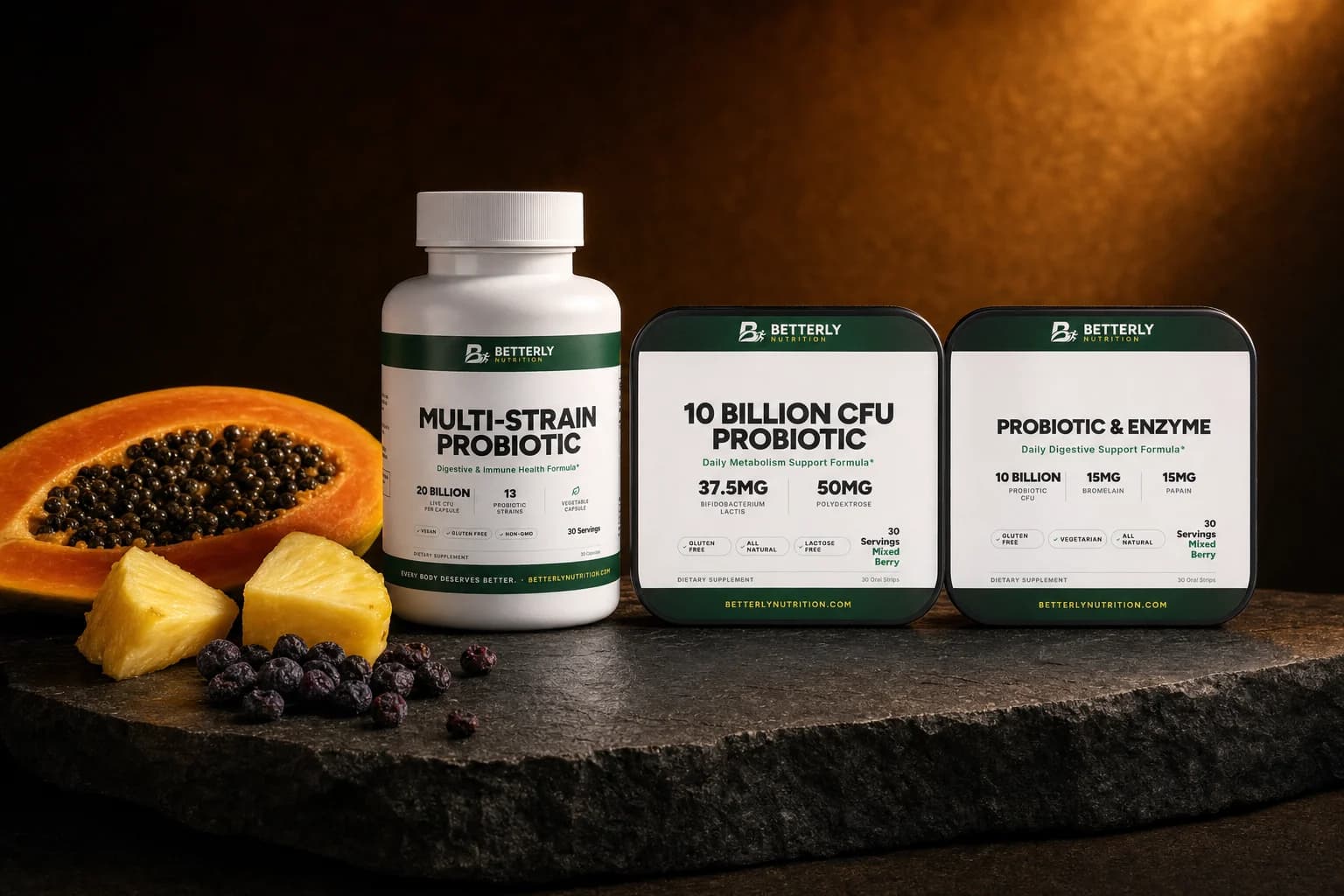
From our shop: Multi-Strain Probiotic Capsules — made to be swallowed rather than chewed, with 317 mg (20 Billion CFU at the time of manufacture) from 13 strains per 1 Capsule serving.
Who can skip an oral probiotic?
Most people can skip an oral probiotic without missing anything proven, because the federal evidence for oral probiotics is early and thin.
Skipping one makes the most sense if:
- Your brushing or flossing has gaps. Closing them is the better use of your effort.
- Your breath odor lingers without an obvious cause. That's a question for your provider, not a supplement.
- You want quick, visible results. Neither NCCIH nor ODS gives a timeline, and our label doesn't promise one.
- You'd rather not add another daily product. With evidence this thin, that's a fair call.
Who should check with a healthcare provider first?
Per the label, four groups should see a physician before starting our Oral Probiotic & Xylitol Chewables: anyone under 18, pregnant, nursing or with a medical condition.
A few more situations call for that conversation:
- Your immune system is weakened, or you're seriously ill. NCCIH says the risk of harmful effects from probiotics is greater in both cases.
- You take any prescription medicine.
- You have a dental procedure or surgery booked. Put the chewable on the supplement list you give your dentist or surgeon.
- Your gums, teeth or tongue have changed in a way you've noticed, or something hurts. A dental exam comes before any chewable.
FAQ: do oral probiotics work
How long do oral probiotics take to work?
Oral probiotics don't come with a timeline you can count on. Neither NCCIH nor ODS gives one, and our Oral Probiotic & Xylitol Chewables label doesn't name a time frame either. What the label does set is the routine: adults chew one tablet a day, ideally after a meal, and stay within that dose. For questions about your breath, gums or teeth, your dentist or healthcare provider is the right person to ask.
Should you trust Reddit reviews of oral probiotics?
Read Reddit reviews of oral probiotics as personal stories, not evidence. People use products with different strains, CFU counts and formats, and NCCIH notes that one probiotic's effects may not carry over to another. People also change several habits at once, like switching toothpaste, so it's hard to know what made a difference. Threads are handiest for practical details like flavor and texture.
Are oral probiotics good for your teeth?
We can't call oral probiotics good for your teeth, because the federal evidence doesn't show it. The research NCCIH summarizes on tooth outcomes was small, done only in infants and young children, and low in quality. Our Oral Probiotic & Xylitol Chewables label makes no teeth claim beyond asking you to chew so the ingredients reach your mouth and teeth. For your teeth, MedlinePlus points to twice-daily brushing with fluoride toothpaste, daily flossing and regular checkups.
Do oral probiotics have side effects?
Oral probiotics can have side effects, and the risk depends on who's taking them. ODS says gas is possible in healthy people, while other health problems from probiotics are rare. NCCIH adds that few studies have looked at probiotic safety in detail, and that people who are seriously ill or have weakened immune systems face greater risk. Our chewable also contains xylitol, a sugar alcohol, and its label says not to exceed the recommended dose of one tablet a day.
Can kids take oral probiotics?
Kids shouldn't take our Oral Probiotic & Xylitol Chewables without a doctor's okay. The label's directions are written for adults, and it asks anyone under 18 to see a physician before using it. NCCIH also reports that severe or fatal infections have occurred in premature infants given probiotics, and that the FDA has warned health care providers about that risk. Keep the bottle where children can't reach it, as the label instructs.
Sources
- Probiotics: Usefulness and Safety (NCCIH)
- Probiotics: Fact Sheet for Consumers (NIH Office of Dietary Supplements)
- Breath odor (MedlinePlus Medical Encyclopedia)
- Dental care - adult (MedlinePlus Medical Encyclopedia)
If this left you looking for somewhere to start, read chewable oral probiotic with 4 billion CFU — its amounts per serving are listed on the page. For the practical questions this raises, how dosing, sourcing and subscriptions work is answered in one place.