On this page
- Key takeaways
- What are the most common hibiscus side effects?
- Can hibiscus upset your stomach?
- Does hibiscus interact with any medications?
- Is hibiscus safe during pregnancy or breastfeeding?
- How much hibiscus is on our labels, and does it stack?
- How should you take a hibiscus powder by the label?
- When don't you need a hibiscus supplement?
- Who should check with a healthcare provider before using hibiscus?
- FAQ: hibiscus side effects
- Sources
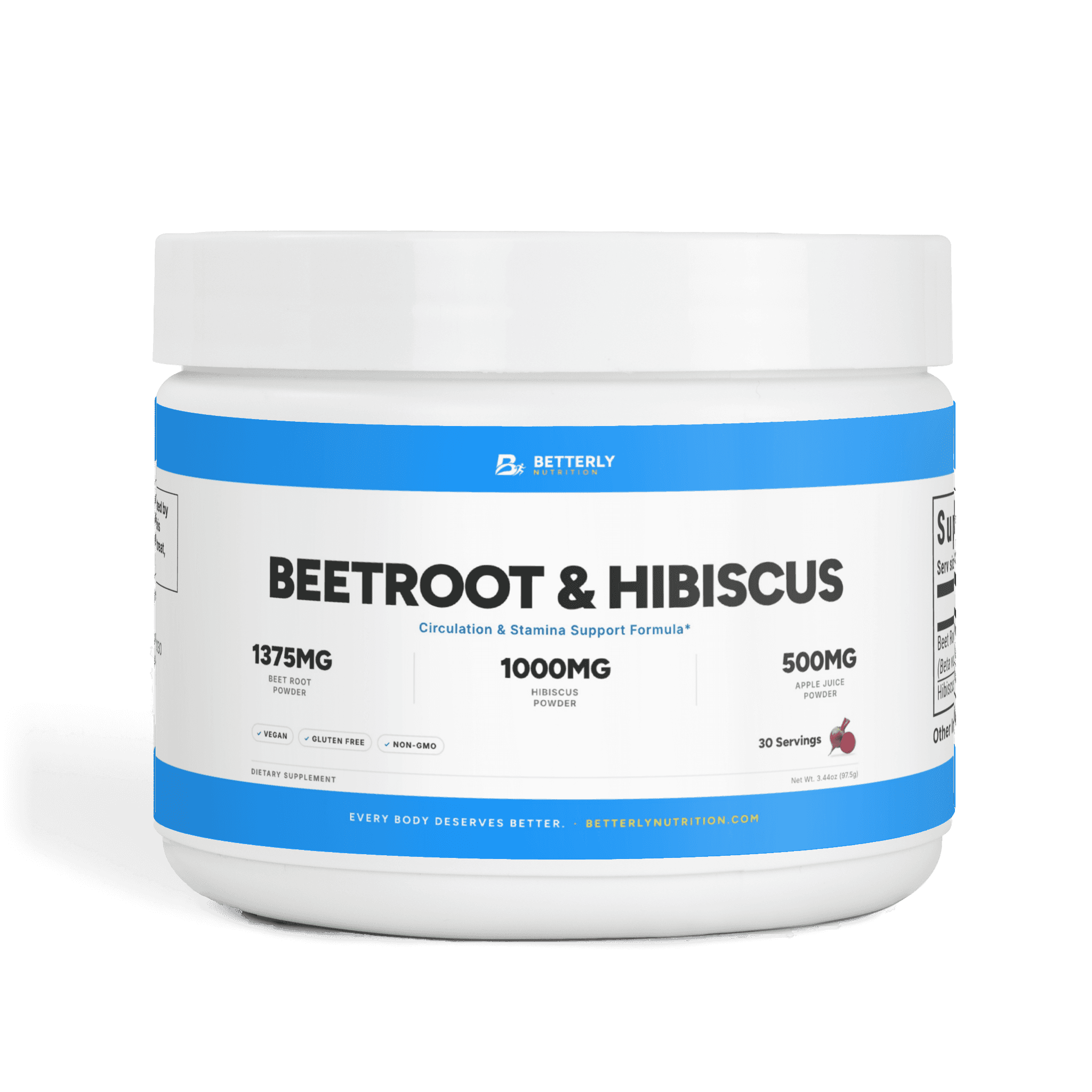
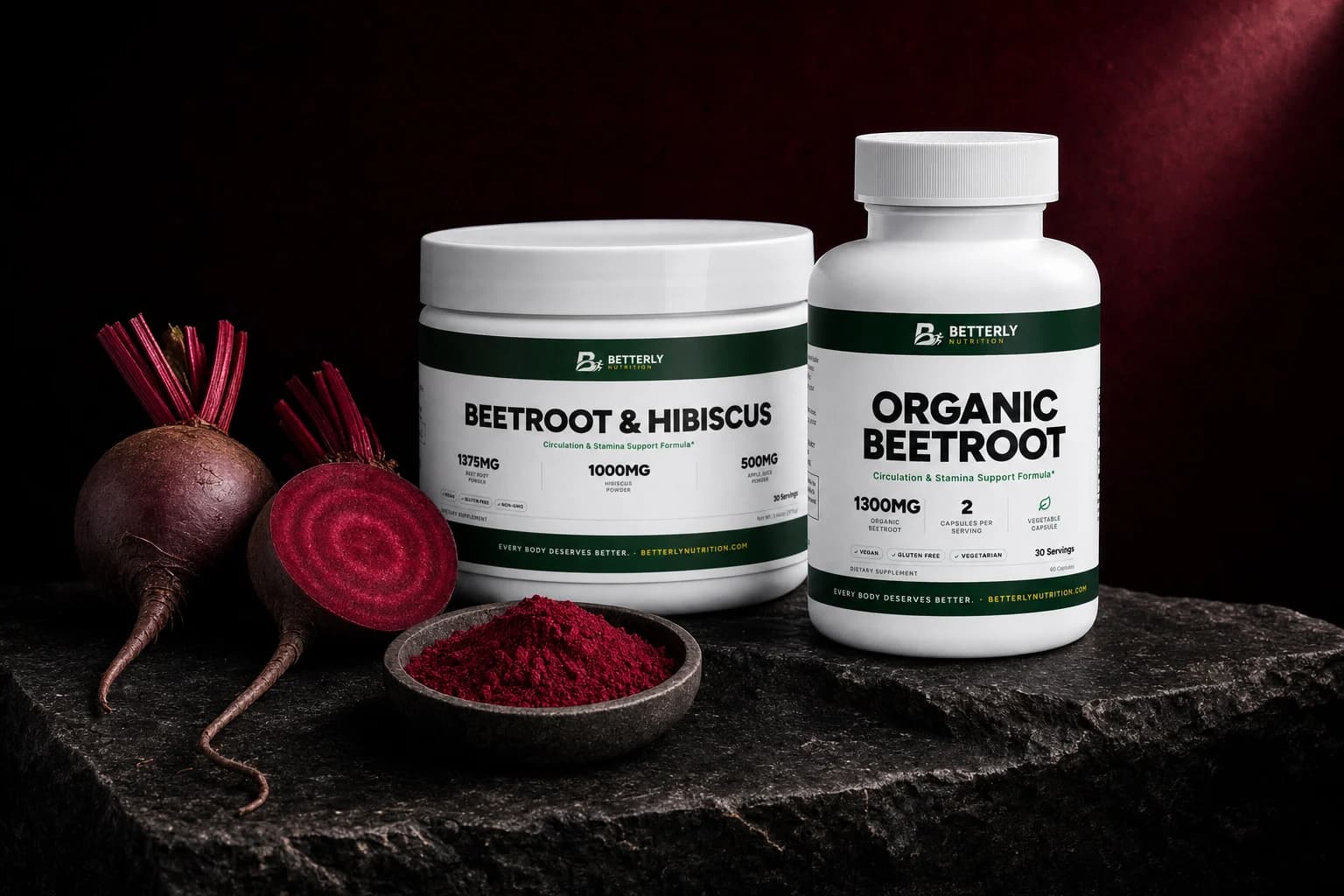
The short answer: Hibiscus side effects are thinly documented. The one federal source we found on the flower, the NIH's LactMed database, calls hibiscus generally well tolerated but says allergic reactions are possible. The people who should ask a provider first are anyone pregnant or nursing, under 18, taking a prescription medication or scheduled for surgery. Our Beetroot & Hibiscus Powder holds 1,000 mg of hibiscus powder per 1-scoop (3.25 g) serving.
Key takeaways
- LactMed, an NIH database, describes hibiscus flowers as generally well tolerated and names allergic reactions as the risk to watch for.
- People who've reacted to marshmallow or ambrette, two plants in the same family as hibiscus, may react to hibiscus too, according to LactMed.
- No federal source we checked lists hibiscus interactions drug by drug, so anyone on a prescription medication should check with a pharmacist before starting.
- Hibiscus is on four Betterly labels, and one scoop each of our beet and hibiscus, reds and greens powders could add up to as much as about 2,400 mg of hibiscus powder a day, though the blend labels don't say exactly how much.
Betterly sells every product in this guide. Hibiscus shows up in four of them, and only one carries the flower's name, so we work from the facts panels here and point out each spot where a federal source has nothing to say.
What are the most common hibiscus side effects?
The one hibiscus side effect a federal source names is an allergic reaction. Beyond that, LactMed describes hibiscus flowers as generally well tolerated. It's the only federal page we found that speaks to the negative effects of hibiscus at all.
Hibiscus, in the tea-and-supplement sense, usually means roselle (Hibiscus sabdariffa). Its deep red calyces, the fleshy casings that wrap the fruit, are steeped for hibiscus tea, the Caribbean drink called sorrel and Nigeria's zobo. Roselle belongs to the mallow family, Malvaceae.
The NIH's LactMed entry on hibiscus puts it plainly: "Hibiscus flowers appear to be generally well tolerated, although allergic reactions are possible." It adds that cross-reactions can happen with other mallow-family plants, and it names ambrette and marshmallow.
None of the federal pages we opened addresses hibiscus and the stomach, liver or kidneys, so we can't give you a sourced answer on any of those, good or bad. Skin and hair questions concern topical use, which none of our products is for.
LactMed also notes that other Hibiscus species are used too, and our three powder panels print "Hibiscus Powder (flower)" with no species name. If one kind of hibiscus has given you trouble before, the tub can't tell you which plant is inside, so ask before you try it.
Can hibiscus upset your stomach?
Hibiscus might bother some stomachs, but no federal source we found tracks how often that happens, so we can't give you odds or promise it won't.
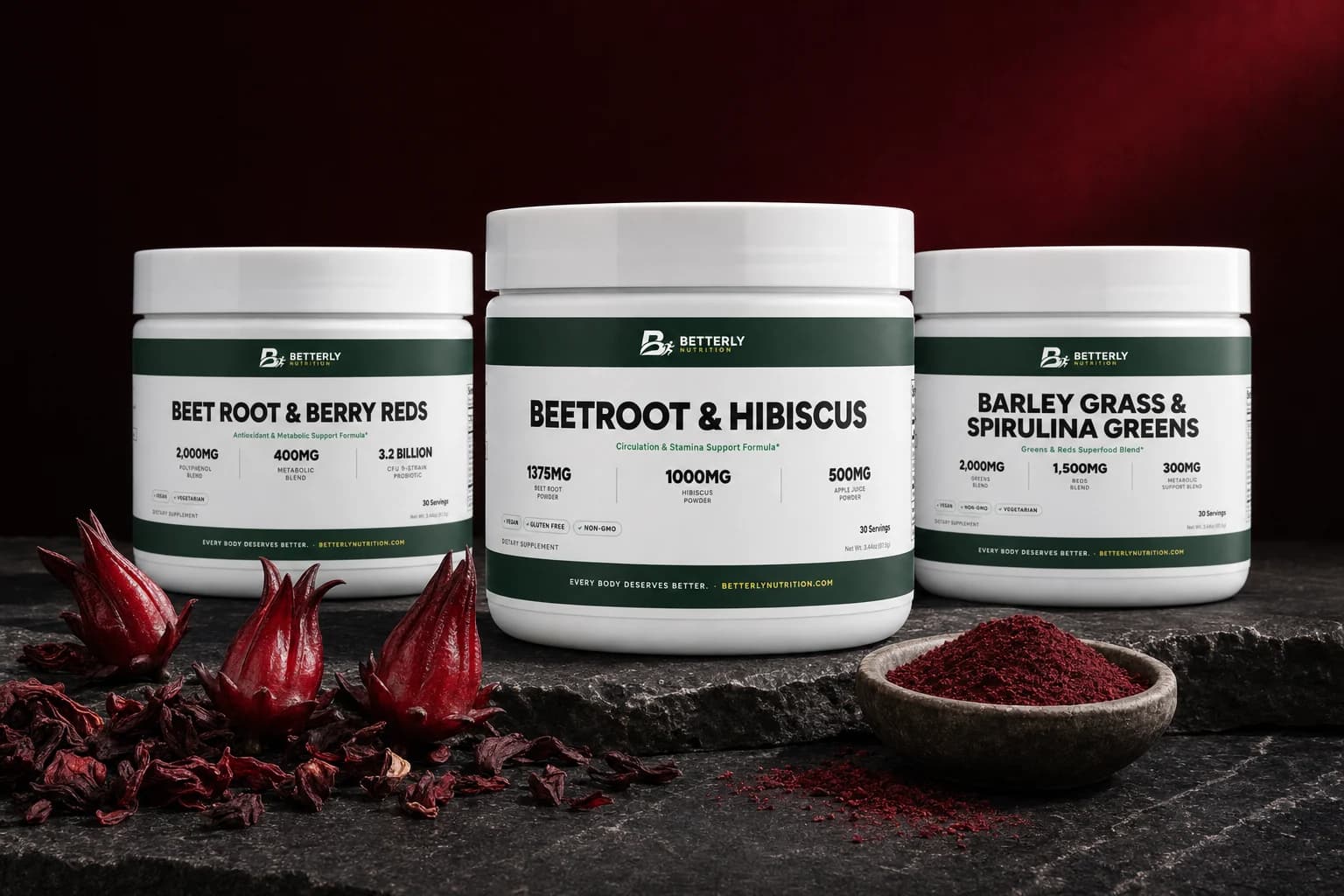
Per 1-scoop (3.25 g) serving, the Beetroot & Hibiscus Powder's panel shows three rows: beet root powder at 1,375 mg, hibiscus powder at 1,000 mg and apple juice powder at 500 mg. Its other ingredients are maltodextrin and stevia extract. Hibiscus is a little under a third of the scoop by weight, and the panel has no fiber row, no probiotic and no caffeine source.
Hibiscus gives a drink a sour, tangy taste. If a strong glass doesn't sit well with you, using the full 8 oz of liquid is the simplest adjustment the label allows.
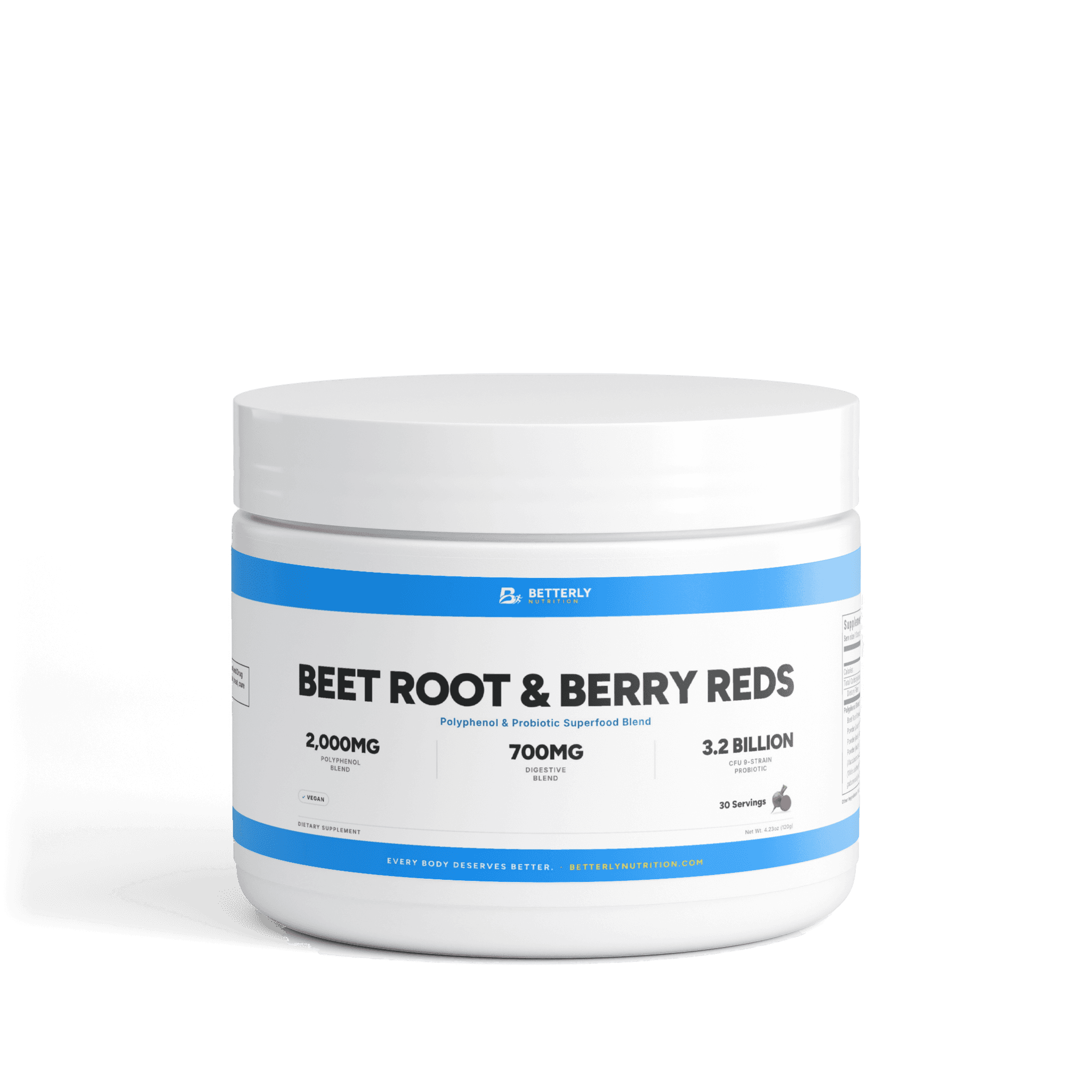
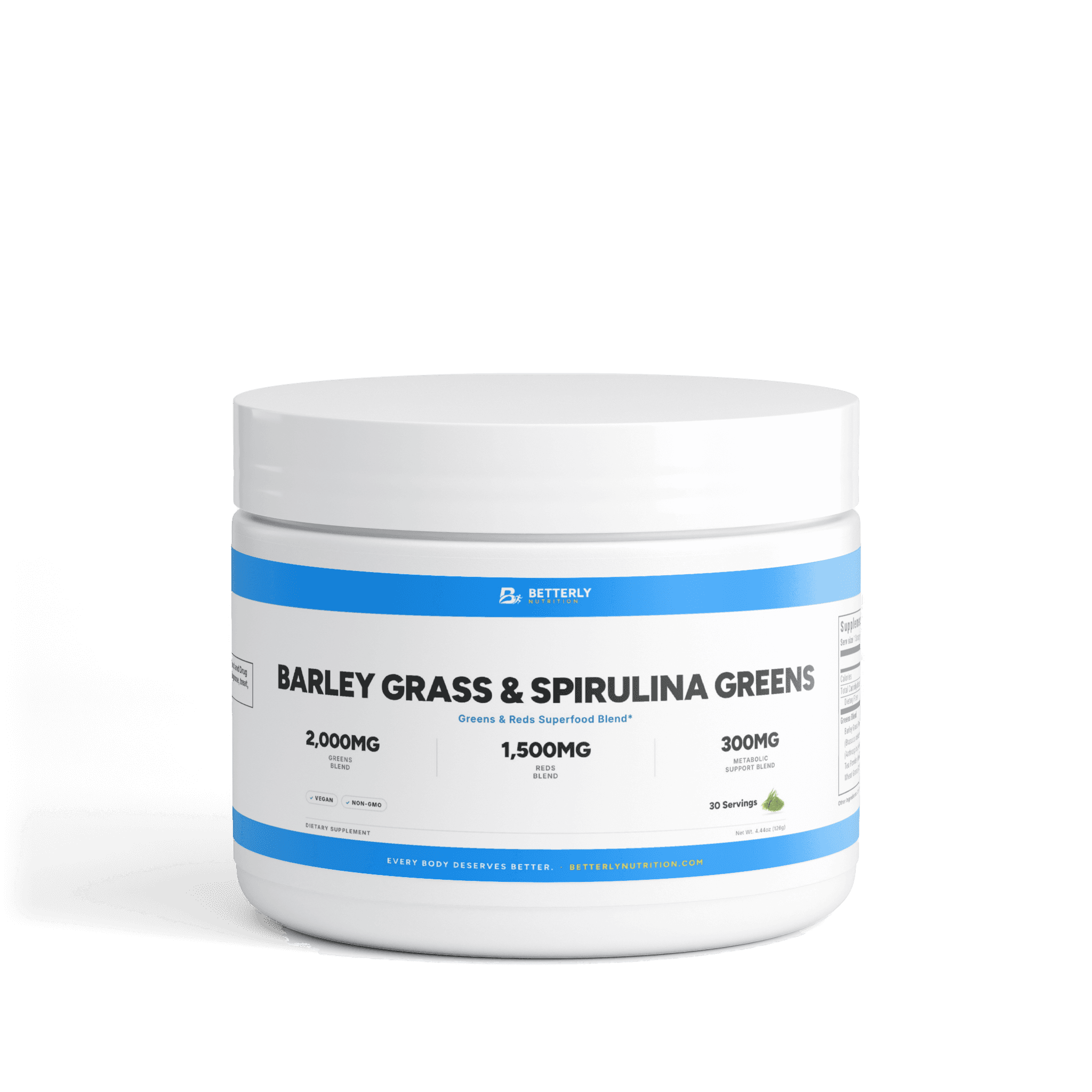
Our two blended powders bring more possible culprits. Each 1-scoop (4 g) serving of the Beet Root & Berry Reds Powder carries 2 g of dietary fiber plus a 700 mg Digestive Blend (oat fiber and inulin) and a 9-strain probiotic with 3.2 billion CFU at the time of manufacture. The Barley Grass & Spirulina Greens Powder also carries 2 g of fiber in each 1-scoop (4.2 g) serving, and inulin leads its 200 mg Digestive Support blend.
If one of those scoops leaves you gassy, hibiscus is only one suspect among several. Our panel-by-panel look at greens powder side effects covers those fibers in detail.
The beet has a quirk of its own, too. Our guide to beetroot capsule side effects explains why beet can tint urine and when a color change needs a call. If you get strong or lasting belly pain, stop the powder and contact a healthcare provider.
Does hibiscus interact with any medications?
The federal sources we checked don't list hibiscus interactions drug by drug, so whether hibiscus suits your prescriptions is a question for your pharmacist.
The FDA's consumer page on mixing medications and dietary supplements explains why the check matters. Certain supplements can change how your body absorbs, breaks down or clears a medication. When that happens, you may get too much or too little of the medicine you need.
Some websites name drug types that hibiscus supposedly affects. We couldn't confirm those lists against a federal source, so we won't repeat them. Leaving them out doesn't mean your medicines and hibiscus get along; the answer turns on exactly what you take.
The NIH Office of Dietary Supplements, in its guide Dietary Supplements: What You Need to Know, says to get your provider's approval before combining supplements with prescribed medicines. A few things make that talk more useful:
- Show the panel, not the name. The Barley Grass & Spirulina Greens Powder never mentions hibiscus in its name, yet hibiscus sits second in its Reds Blend.
- Mention the other botanicals. Our reds lists green tea, cinnamon, turmeric, shilajit and bitter melon in a 400 mg Metabolic Blend, and our greens lists Panax ginseng and ashwagandha in a 300 mg Metabolic Support Blend.
- Bring everything. The FDA says some people find it easiest to put all their supplements and medications in a bag and carry it to the visit.
Is hibiscus safe during pregnancy or breastfeeding?
Hibiscus hasn't been shown safe for pregnancy or breastfeeding by any federal source we found, so talk to your provider first, as each of our four hibiscus labels asks.
For nursing, LactMed is direct. It says no data exist on whether any part of hibiscus passes into breast milk, or on its safety for nursing mothers and their babies. It also notes that some cultures use hibiscus to try to raise milk supply, and says no scientifically valid clinical trials support that use.
We couldn't find a federal page on hibiscus in pregnancy specifically. The Office of Dietary Supplements advises caution with any supplement beyond a standard prenatal supplement while you're pregnant or nursing. It adds that safety testing in pregnant and nursing women is thin for many supplements.
Every one of our hibiscus labels carries the same caution: "Consult a physician if pregnant, nursing, under 18, or have a medical condition." When you ask, give your provider the milligrams, not just the word hibiscus.
How much hibiscus is on our labels, and does it stack?
Four Betterly labels list hibiscus, but only two print an amount: 1,000 mg in the Beetroot & Hibiscus Powder and 10 mg of extract in our 1mg Melatonin Sleep Strips.
The other two tuck hibiscus into a blend, which prints one total for the whole group. Federal labeling rules for supplements, 21 CFR 101.36, require the ingredients inside a blend to be listed in descending order by weight. That lets you cap any one of them. The third item in a blend can't weigh more than a third of the total, and the second can't top half. Our plain-English guide to proprietary blends runs the same math on other labels.
| Betterly product | Where hibiscus appears | Hibiscus per serving |
|---|---|---|
| Beetroot & Hibiscus Powder | Its own row | 1,000 mg per 1-scoop (3.25 g) serving |
| Beet Root & Berry Reds Powder | 3rd of 11 in a 2,000 mg Polyphenol Blend | Not printed; about 667 mg at most |
| Barley Grass & Spirulina Greens Powder | 2nd of 7 in a 1,500 mg Reds Blend | Not printed; 750 mg at most |
| 1mg Melatonin Sleep Strips | Its own row, as an extract | 10 mg of extract per 1-oral-strip (210 mg) serving |
If you took one scoop of each powder on the same day, your hibiscus would land somewhere between just over 1,000 mg and about 2,417 mg. The labels can't narrow that range.
The Office of Dietary Supplements says you're most likely to get side effects from supplements when you take high doses or many different products. Using all three powders each day means three products carrying hibiscus at once, so pick just one of them.
The sleep strips are the easiest source to overlook. Their 10 mg figure is the weight of the extract, not of the flower it was made from, and the label doesn't say how much flower went into it. So it can't be lined up against a powder's milligrams, but the strips are still worth naming to your provider.
You can read every panel in our Greens & Superfoods range before choosing.
From our shop: Beetroot & Hibiscus Powder — the one powder of ours that prints its hibiscus amount: 1,000 mg per 1-scoop (3.25 g) serving, beside 1,375 mg of beet root powder.
How should you take a hibiscus powder by the label?
The Beetroot & Hibiscus Powder label's suggested use is one scoop in 6-8 oz (177-237 ml) of cold water or another beverage, once a day, drunk within 10 minutes of mixing.
The reds and greens labels print the same directions. None of the three mentions food or a starter amount, and we won't invent either. Each caution opens with "Do not exceed recommended dose."
That caution was written for one product at a time, not for two or three hibiscus powders taken together. Our reading is simple: one hibiscus scoop per day, total, whichever tub it comes from.
If surgery is coming up, raise the powder early. The FDA says your care team may want supplements stopped two or three weeks ahead of a procedure.
Count the small sources, too. A sleep strip at night plus a morning scoop is two hibiscus products in one day.
When don't you need a hibiscus supplement?
You don't need a hibiscus supplement if you already drink hibiscus tea often, already take our reds or greens, or simply want beet without the flower.
- You drink hibiscus tea or sorrel most days. A scoop just adds more of a plant you already get.
- You take our reds or greens daily. Both already list hibiscus in a blend, so adding the beet and hibiscus powder stacks it.
- You're after beet, not the flower. A plain beet capsule skips hibiscus altogether.
- You've reacted to hibiscus, marshmallow or ambrette before. LactMed flags cross-reactions within the mallow family.
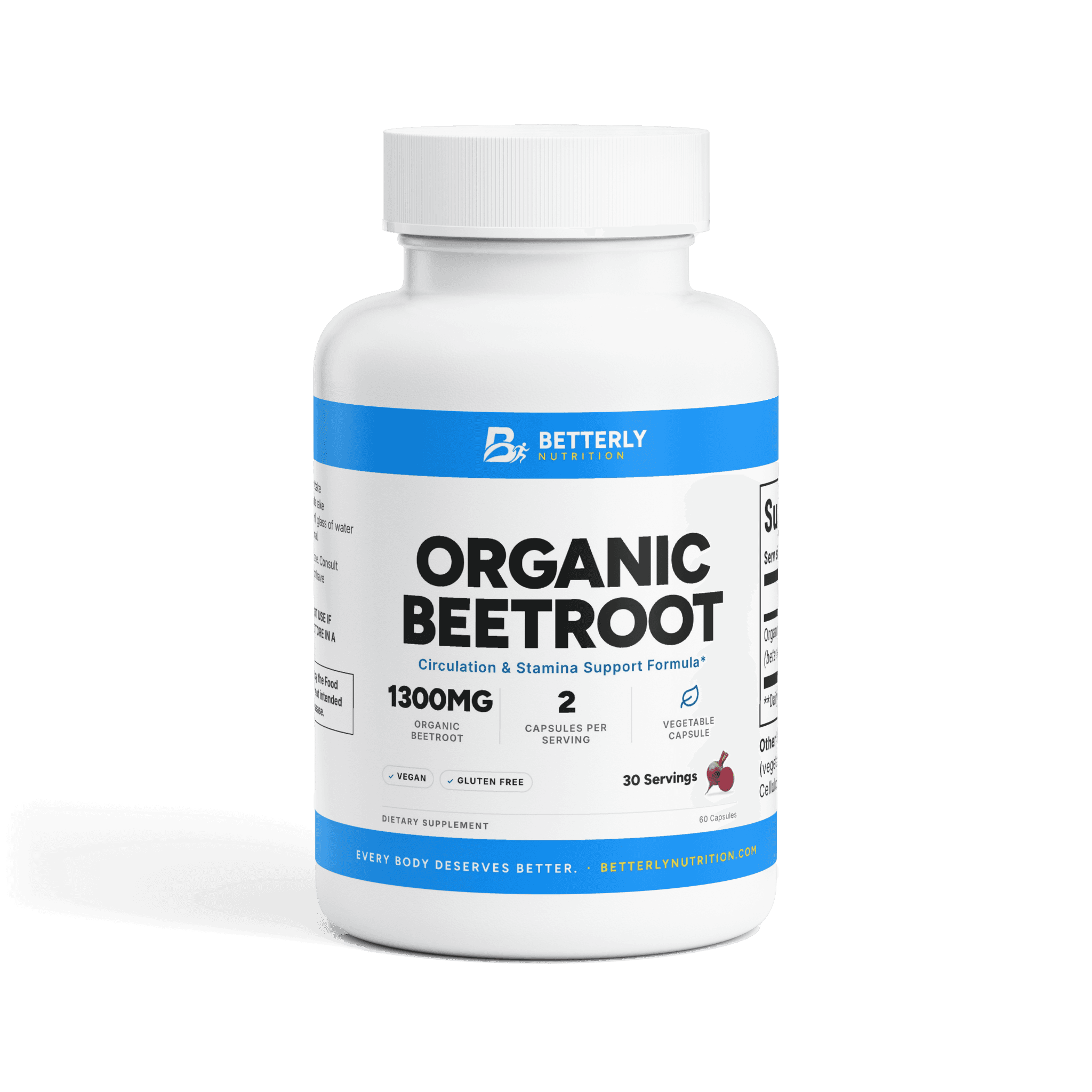
From our shop: Organic Beetroot Capsules — a hibiscus-free way to take beet, with organic beetroot powder as the only active row at 1,300 mg per 2-capsule serving.
Who should check with a healthcare provider before using hibiscus?
If you're pregnant, nursing, under 18, on a prescription, facing surgery or sensitive to mallow-family plants, check with a provider before drinking hibiscus tea or taking a hibiscus powder.
The same goes if you manage a medical condition. LactMed's notes cover the flower itself, so they apply to a cup of hibiscus tea as much as to a scoop.
| Your situation | What the source says | What to bring |
|---|---|---|
| Pregnant or nursing | LactMed: no data on hibiscus while nursing | The tub and its 1,000 mg line |
| Under 18 | Our labels: consult a physician if under 18 | The full panel |
| Any prescription medication | FDA: supplements can change how a drug is absorbed or cleared | A bag of everything you take |
| Surgery on the calendar | FDA: you may be asked to stop supplements 2-3 weeks before | Your procedure date |
| Past reaction to a mallow-family plant | LactMed: allergic and cross-reactions are possible | What you reacted to |
| A medical condition you manage | Our labels say consult a physician | Every blend line |
Whatever your situation, hand over the facts panel, not just the product name.
The FDA also warns that children in particular could be harmed by taking supplements alongside medicines, and the directions on our three hibiscus powders are written for adults.
FAQ: hibiscus side effects
Is hibiscus bad for you?
Hibiscus isn't bad for most people, going by the federal sources we found. LactMed describes the flowers as generally well tolerated and notes that hibiscus is "generally recognized as safe" as a food by the FDA. That food status doesn't cover a concentrated daily scoop, though, and LactMed flags possible allergic reactions. If you're pregnant, nursing, under 18 or on a prescription, ask a provider first.
Are there hibiscus side effects specific to women or men?
Hibiscus side effects aren't split by sex in any federal source we opened, so the same cautions apply to everyone. The one real difference is pregnancy and nursing. LactMed has no data on hibiscus safety for nursing mothers or babies, and our labels ask anyone pregnant or nursing to consult a physician first. For men, we found nothing specific either way.
Does hibiscus powder contain caffeine?
Betterly's Beetroot & Hibiscus Powder has nothing on its panel that brings caffeine. It's beet root, hibiscus, apple juice powder, maltodextrin and stevia extract, with no green tea, coffee or guarana. Our reds and greens are a different story: both list green tea powder inside a blend and print no caffeine figure. If an evening glass seems to keep you awake, check which tub it came from.
Can you take hibiscus every day?
Yes, within the label: our Beetroot & Hibiscus Powder directions say one scoop, once daily. What we can't tell you is how months of daily hibiscus play out, because we found no federal source on long-term use of hibiscus supplements. Count that one scoop as your hibiscus for the day, across every tub you own, and stop if anything new shows up.
What should you do if hibiscus causes a reaction?
Hibiscus reactions call for two quick steps: stop the product and call your healthcare provider, or get emergency care if symptoms are severe. Keep the tub, because its panel shows exactly what you took and how much. According to the Office of Dietary Supplements, a bad reaction can be reported to the FDA at 800-FDA-1088 or online, whether you file it or your provider does, and the maker's contact details are on the label.
Sources
- Hibiscus, Drugs and Lactation Database (LactMed), National Institute of Child Health and Human Development, NIH
- Dietary Supplements: What You Need to Know, NIH Office of Dietary Supplements
- Mixing Medications and Dietary Supplements Can Endanger Your Health, U.S. Food and Drug Administration
- 21 CFR 101.36: Nutrition labeling of dietary supplements, Electronic Code of Federal Regulations
If this left you looking for somewhere to start, read beetroot and hibiscus powder — its amounts per serving are listed on the page. For the practical questions this raises, how dosing, sourcing and subscriptions work is answered in one place.