On this page
- Key takeaways
- What are whole food supplements, exactly?
- Is "whole food" a regulated term on supplement labels?
- How do you spot dried plant powders on a Supplement Facts panel?
- How do our own produce, leaf and greens panels sort out?
- Whole food vitamins vs synthetic: is one better?
- What are whole food vitamins, and how are they different?
- How do you take these four products by the label?
- Whole food vs supplements: when can you skip the capsule?
- Who should check with a healthcare provider first?
- FAQ: whole food supplements
- Sources
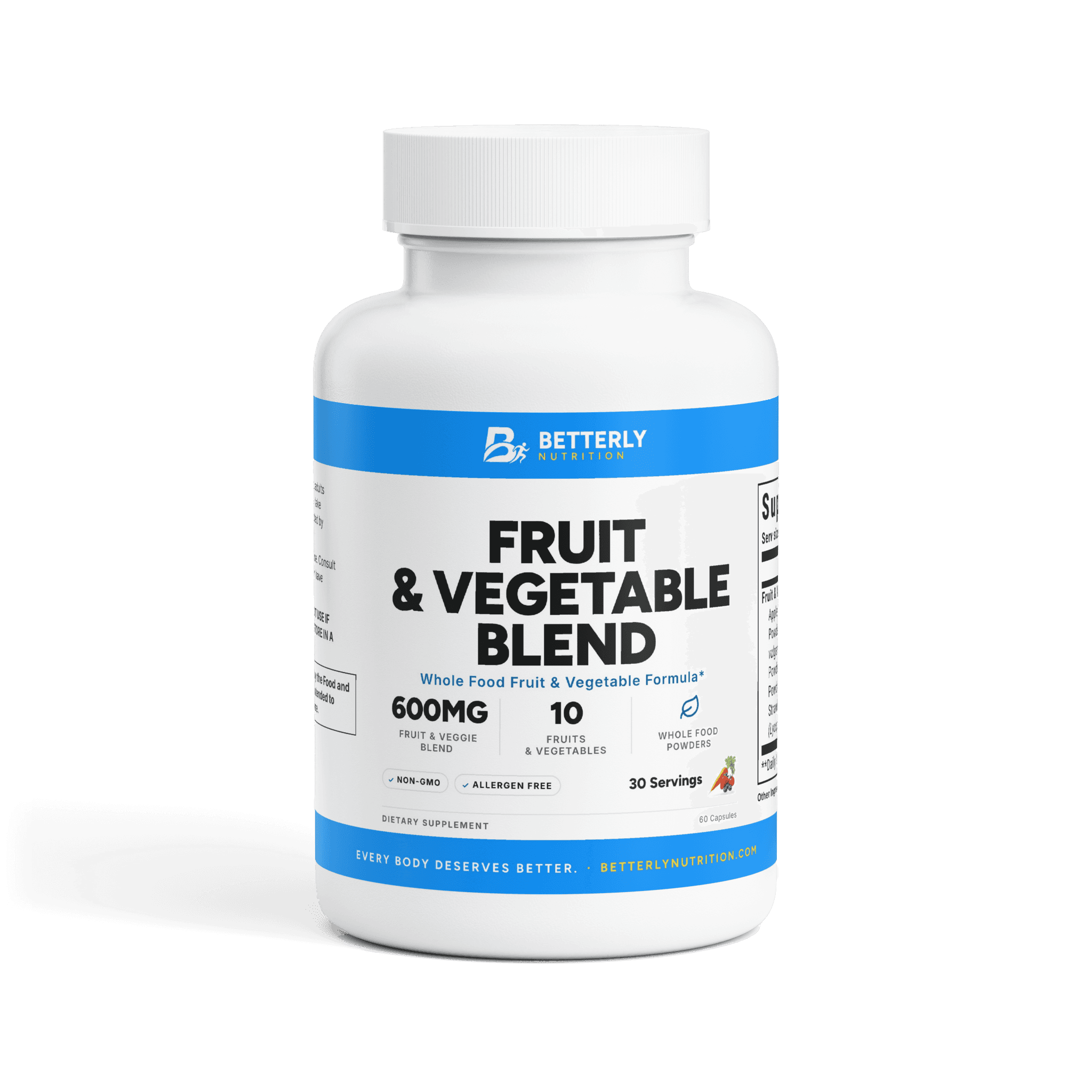
The short answer: Whole food supplements are dried, ground foods, like carrot powder or moringa leaf, packed into a capsule or scoop instead of single vitamins isolated from food or made in a lab. The FDA's Supplement Facts rules don't define "whole food," so the back label tells you more than the front. On our Fruit & Vegetable Blend Capsules, apple fiber powder heads a 600 mg blend of 10 produce ingredients per 2-capsule serving.
Key takeaways
- Whole food supplements are dried, ground foods in capsule, tablet or powder form, not single vitamins or minerals.
- "Whole food" has no definition in the FDA's Supplement Facts rules, and the FDA allows undefined label claims that aren't false or misleading.
- On a Supplement Facts panel, "juice powder," "fiber," "extract" and "(as ...)" mark narrower ingredients.
- The NIH says natural vitamin E is more potent than synthetic, yet the folic acid in supplements is absorbed more fully than the folate in food.
- Products sold as whole food vitamins are usually multivitamins with vitamin rows and % Daily Values, not produce capsules.
We sell all four products used as examples below, so read this as a label guide from a brand with a stake in the answer. Where our own labels fall short of "whole food," we say so.
What are whole food supplements, exactly?
Whole food supplements are dried, powdered foods sold as capsules, tablets or scoops, so you get the ground-up plant part instead of one nutrient pulled out of it.
Dry and grind a carrot, and you have carrot powder: the same root with most of its water gone. Now picture a multivitamin row that reads "Vitamin A (as Beta-Carotene)." Beta-carotene is one of the pigments behind a carrot's color, but that row lists the pigment, not the carrot.
The FDA's Questions and Answers on Dietary Supplements shows how wide the category is. Its list of dietary ingredients runs from vitamins, minerals and herbs to amino acids, plus concentrates, extracts and constituents of any of them. A ground whole root and a single purified compound both count as dietary ingredients. "Whole food" is the name brands give to the least processed end of that range.
Is "whole food" a regulated term on supplement labels?
No, the FDA's rules for the Supplement Facts panel don't define "whole food," so no minimum share of whole ingredients stands behind the phrase.
That's allowed. The same FDA Q&A page says supplements, like regular foods, "may make other labeling claims that are not defined by statute or regulation," provided those claims aren't false or misleading. It also notes that the agency generally doesn't approve supplement claims or other labeling before use.
Where the FDA does spell out detailed rules is the Supplement Facts panel. Its Dietary Supplement Labeling Guide says the panel must name the part of the plant each botanical comes from. It also sets rules for listing extracts and blends, which the next section uses.
How do you spot dried plant powders on a Supplement Facts panel?
A dried whole plant powder names a food and its plant part, such as "(root)" or "(leaf)," with no "extract," "juice" or "fiber" in the ingredient's name.
Here's how common panel wording sorts out, counted against our produce capsule's 10-ingredient blend:
| Panel wording | What it usually is | In our produce capsule's blend |
|---|---|---|
| Carrot Powder (whole carrot) | The dried, ground plant part | 7 of 10 |
| Strawberry Juice Powder (fruit) | The fruit's juice, dried | 1 |
| Apple Fiber Powder (fruit) | One portion of the fruit: its fiber | 1, listed first |
| Tomato Extract (fruit) | Compounds drawn out with a solvent, then dried | 1 |
| Vitamin E (as DL-Alpha Tocopherol Acetate) | One vitamin in a lab-made form | None (from our multivitamin) |
Only the first row is whole food in the plain sense. The others aren't bad ingredients, just narrower ones, and our produce capsule mixes four of these five kinds in a single blend.
Three rules from that FDA guide make the sorting easier:
- The plant part is required, so "(root)," "(bulb)" or "(leaf)" should follow each botanical.
- For a dried extract, the number is the extract's own weight, so a milligram figure for tomato extract says nothing about how many tomatoes went in.
- Inside a blend, the heaviest ingredient comes first and the rest follow in falling order under one total, with no split required. Our guide to what blend order can prove about each ingredient runs that math in detail.
How do our own produce, leaf and greens panels sort out?
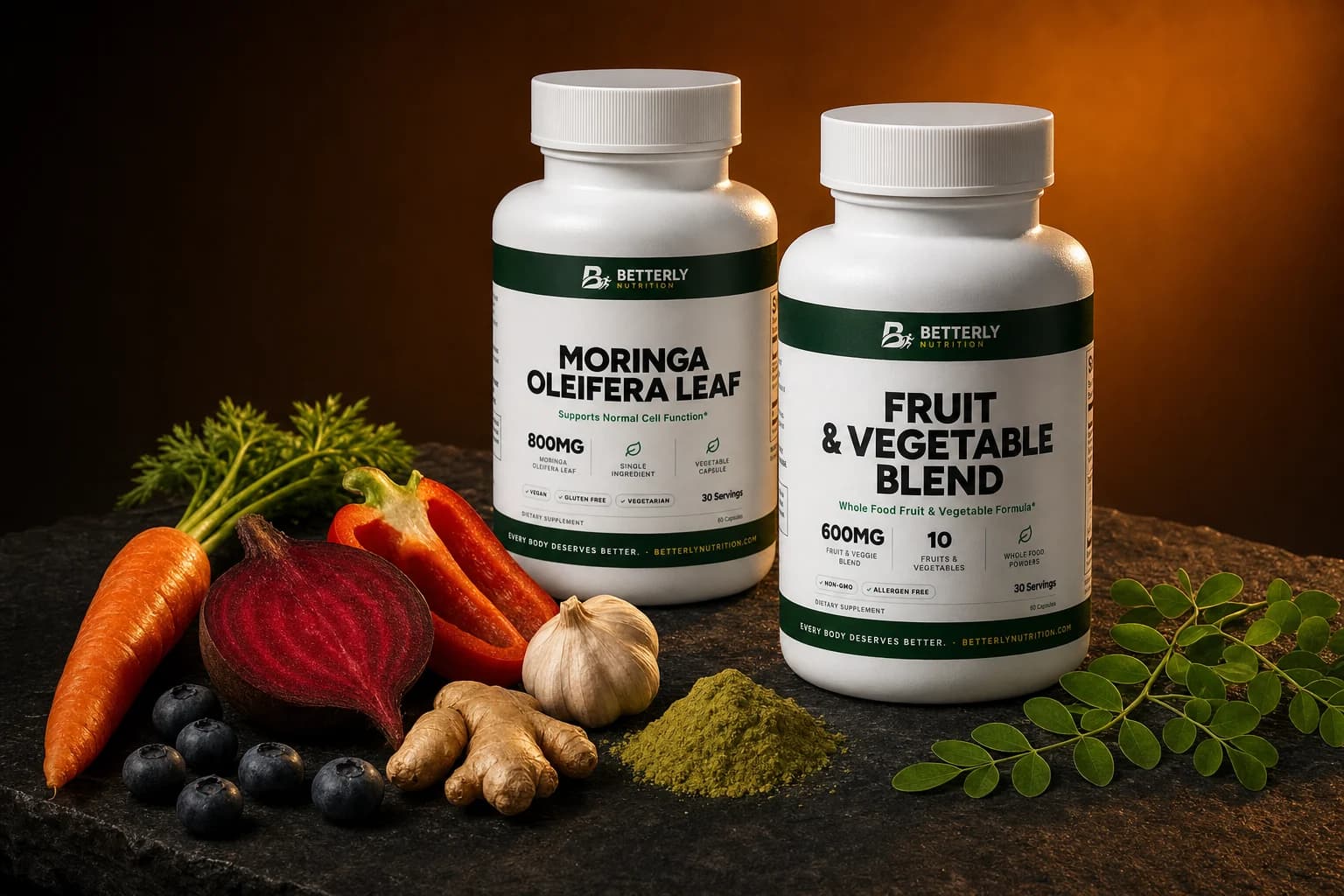
Our Fruit & Vegetable Blend Capsules list apple fiber powder first in their 600 mg blend, so under FDA blend rules nothing else in it outweighs that fiber.
That puts a fiber fraction, not a whole fruit, at the top of the blend. It also sets a floor. Ten ingredients share 600 mg, and the first can't weigh less than an even tenth, so the apple fiber is at least 60 mg per 2-capsule serving. It could be far more. The panel gives no split, so we can't narrow it for you.
A "whole food" descriptor on the front of a bottle, ours included, can't show you that. Blend order can. The table's counts cover the rest of that panel, and our look at what a produce capsule can and can't replace goes through it ingredient by ingredient.
Moringa leaf capsules: one plant, one part
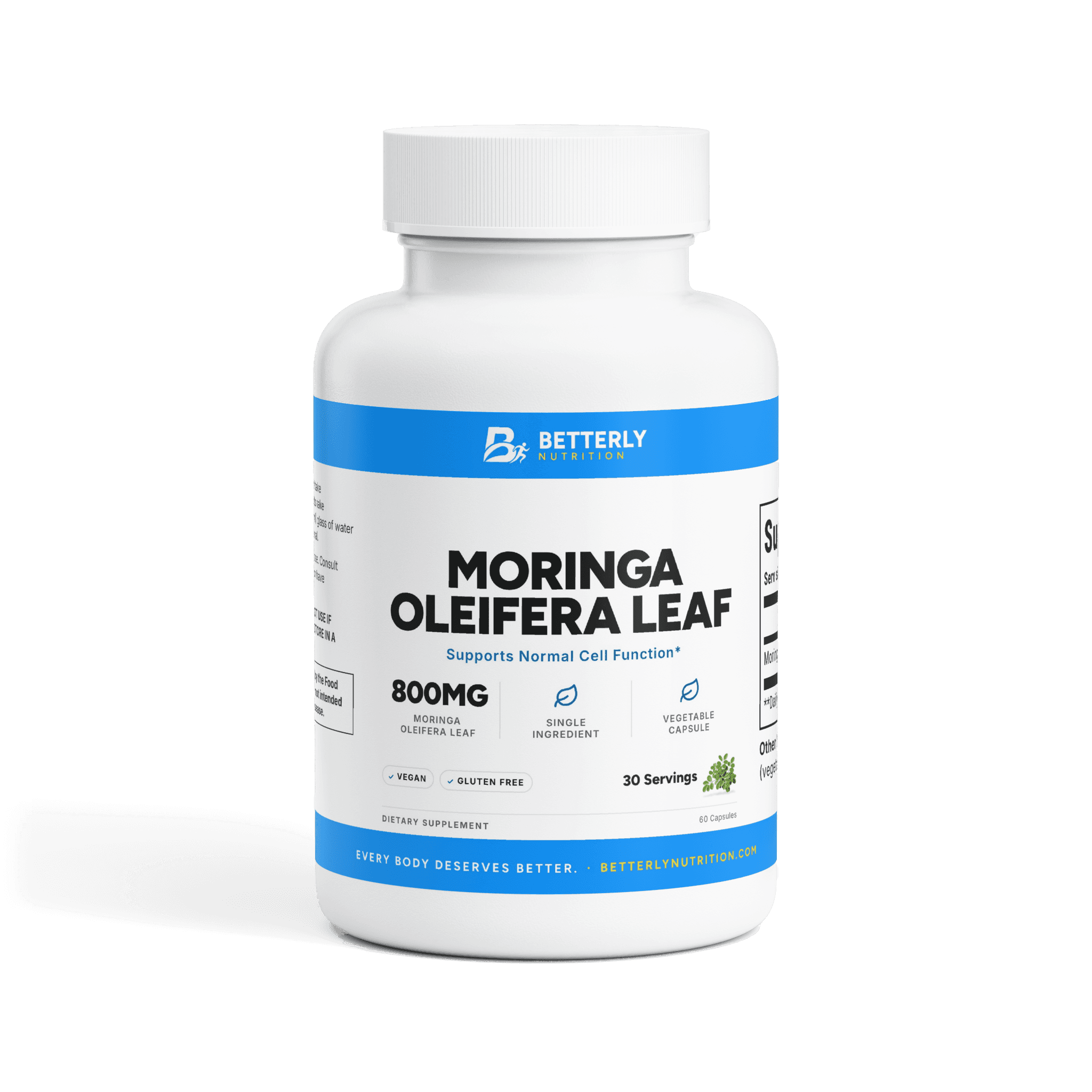
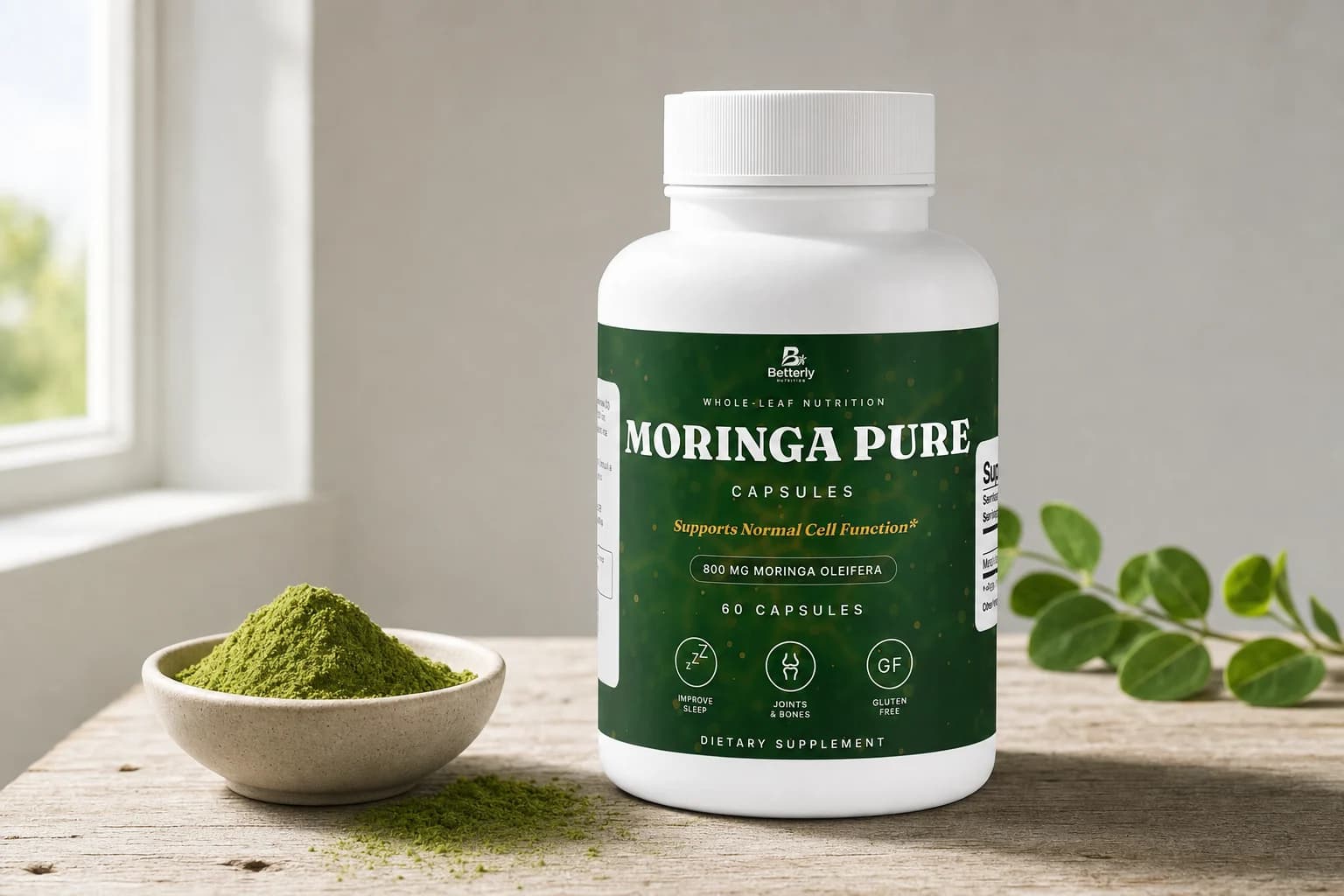
Our Moringa Oleifera Leaf Capsules have one of the plainest panels in our shop. A single row reads Moringa Oleifera (leaf), 800 mg per 2-capsule serving, with nothing labeled as an extract or a juice. The only other ingredient is the hypromellose (vegetable) capsule.
Greens powder: whole plants plus extracts
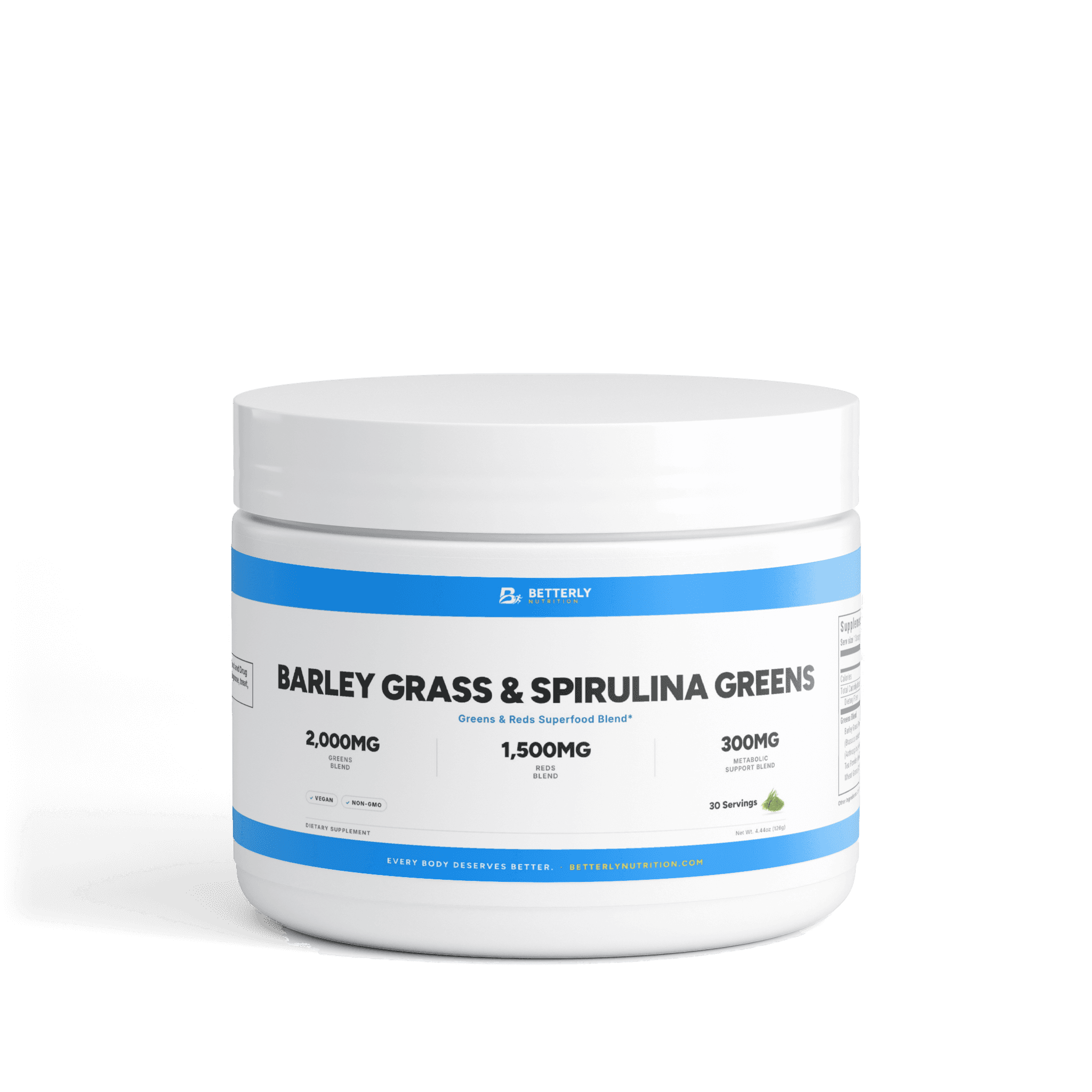
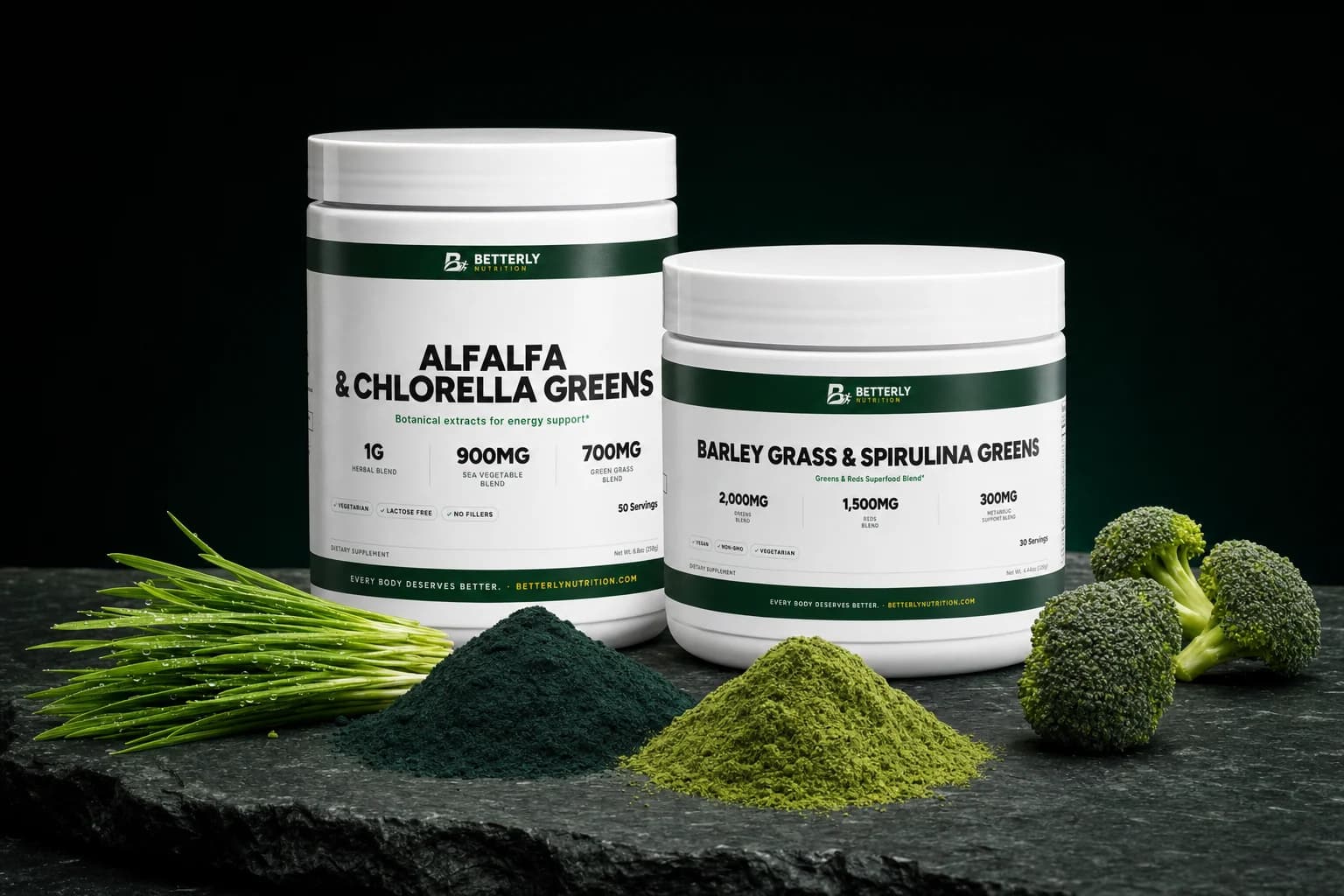
Our Barley Grass & Spirulina Greens Powder is a hybrid: 22 ingredients across four blends per 1-scoop (4.2 g) serving. Thirteen are named as a plant part with no extract or juice in the name, like barley grass leaf and whole-plant spirulina. Five are extracts, two are juice powders, and inulin and sodium alginate round it out. All three live in our Greens & Superfoods shop, alongside reds powders and beetroot.
From our shop: Fruit & Vegetable Blend Capsules — one 600 mg Fruit & Veggie Blend of 10 produce ingredients per 2-capsule serving, labeled non-GMO, with a gelatin shell.
Whole food vitamins vs synthetic: is one better?
No vitamin form wins across the board: the NIH says natural vitamin E is more potent than synthetic, but folic acid is absorbed better than food folate. Neither finding tests whole food vitamins.
Start with vitamin E. According to the vitamin E fact sheet from the NIH Office of Dietary Supplements (ODS), natural vitamin E is commonly listed on labels as d-alpha-tocopherol and the lab-made version as dl-alpha-tocopherol. The natural form is more potent: 1 mg of it equals 2 mg of the synthetic. Still, d-alpha-tocopherol is one isolated vitamin from a natural source, not a whole food. "Natural" and "whole food" are separate label claims.
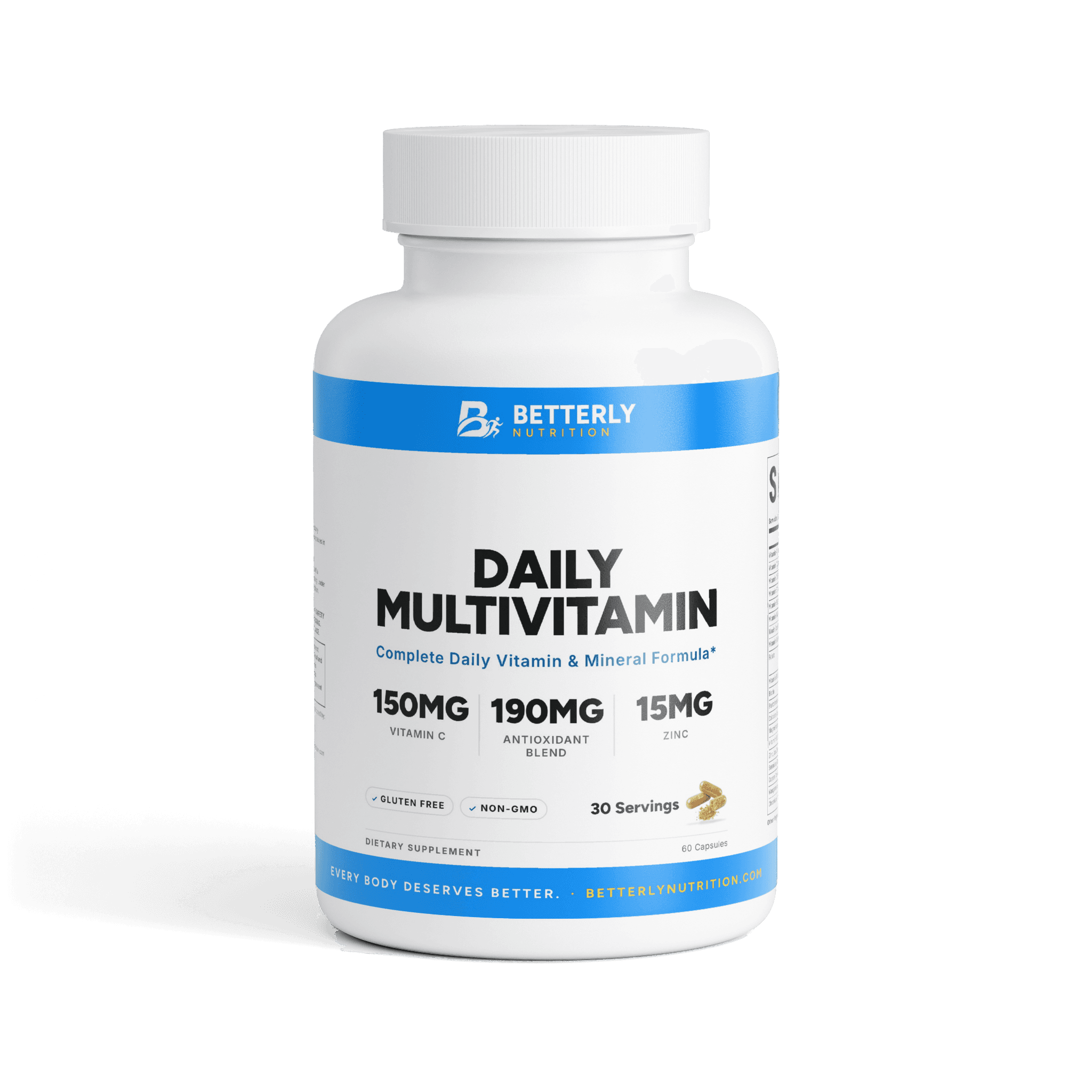
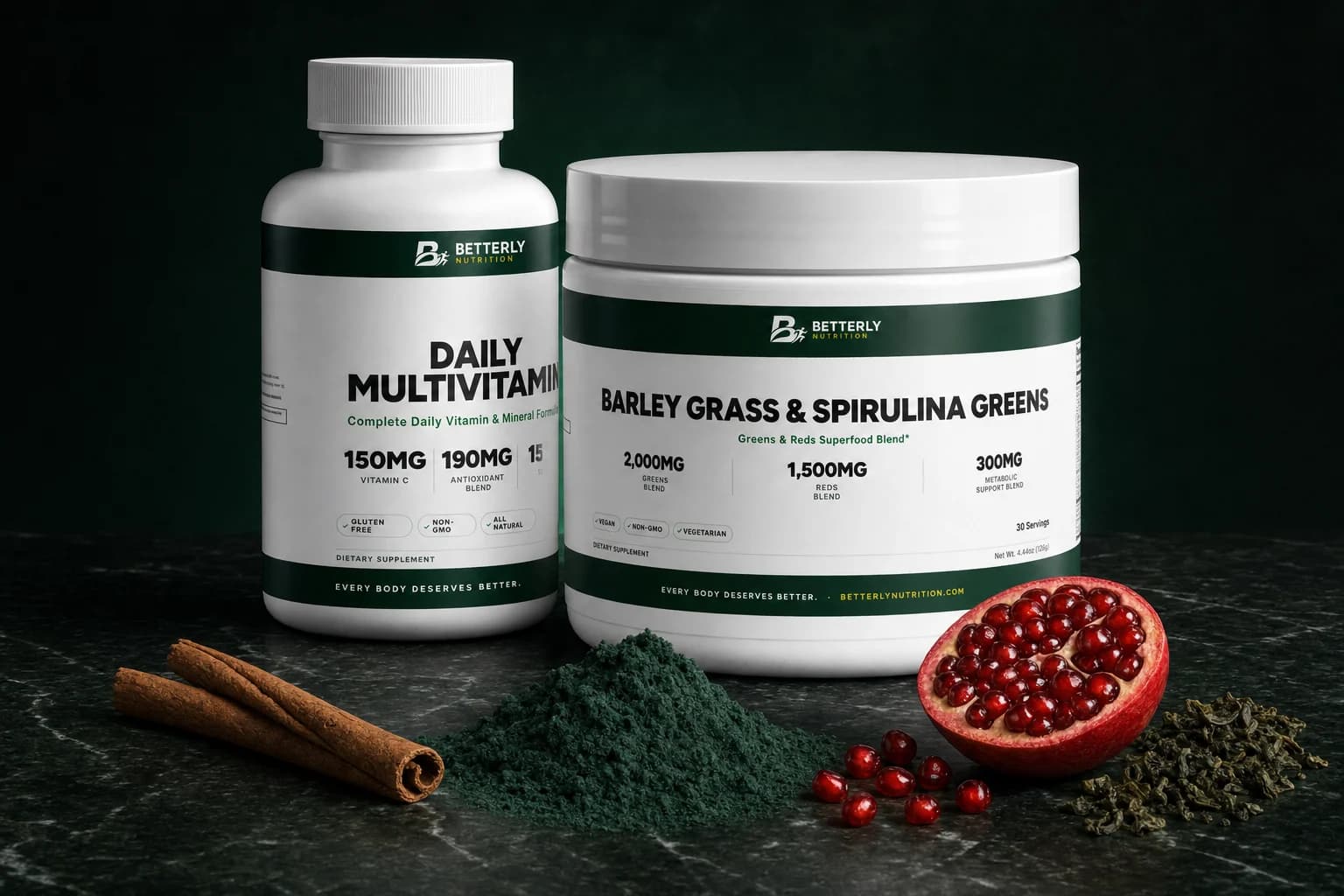
Our Daily Multivitamin Capsules use the synthetic one: 13.5 mg of vitamin E (90% DV) per 2-capsule serving, as DL-alpha tocopherol acetate. ODS notes that most once-daily multis provide about 13.5 mg, so the amount is typical, and the (as ...) wording is where the form shows up.
Folate runs the other way. The ODS folate fact sheet says your body absorbs more folic acid from supplements and fortified foods than folate found naturally in food. That's why labels count folate in mcg DFE (dietary folate equivalents). Our multi lists 680 mcg DFE from 400 mcg of folic acid (170% DV). The same fact sheet lists the adult daily upper limit as 1,000 mcg from supplements and fortified foods, well above that 400 mcg.
So "whole food vitamins absorb better" isn't supported by these sources, and for folate the NIH says the opposite. Check any absorption claim one nutrient at a time, against a named source.
What are whole food vitamins, and how are they different?
Whole food vitamins are usually multivitamins marketed around food ingredients, and unlike a produce capsule, they list individual vitamins with amounts and a % Daily Value.
Our Fruit & Vegetable Blend Capsules show one amount, 600 mg for the blend, with a double asterisk where the % Daily Value would go, because no DV is established. A multivitamin flips that: nutrient rows first, each with a number you can add up.
On any multi, whole food or not, read the parentheses. The FDA's labeling guide uses calcium as its example: the panel lists the weight of the calcium itself, not the calcium carbonate, which it calls the source ingredient. Our multi's row reads Calcium (as Calcium Carbonate), 50 mg per 2-capsule serving, with the source in parentheses. On a whole food multivitamin, read those rows as well as any food blend nearby, because the blend doesn't tell you which ingredient supplies a row's number.
Our multi isn't sold as a whole food vitamin, though it adds three blends (470 mg in total) with lutein, lycopene and spirulina among them. For a scoop of greens set against a multi, read greens powder vs a multivitamin.
How do you take these four products by the label?
Take each of the four products in this guide exactly as its own label says, because timing, water and meal directions differ from one bottle to the next.
The multivitamin is here as the comparison; the other three are the plant-powder panels discussed above.
- Fruit & Vegetable Blend Capsules: adults take two capsules daily with 6 to 8 oz (177 to 237 ml) of water. No time of day is named.
- Moringa Oleifera Leaf Capsules: two capsules once a day, 20 to 30 minutes before a meal, with an 8 oz (237 ml) glass of water.
- Barley Grass & Spirulina Greens Powder: adults mix one scoop into 6 to 8 oz (177 to 237 ml) of cold water or your usual drink, once daily, and finish it within 10 minutes of mixing.
- Daily Multivitamin Capsules: two capsules in the morning with a meal.
All four labels also carry the same line: "Do not exceed recommended dose." Food-based or not, the label sets the serving.
From our shop: Moringa Oleifera Leaf Capsules — a panel with one row and no blend: Moringa oleifera leaf, 800 mg per 2-capsule serving, labeled vegan and gluten free.
Whole food vs supplements: when can you skip the capsule?
Skip a whole food supplement when its label can't deliver what you're buying it for, whether that's counted vitamins, real produce volume or a better-absorbed nutrient.
The federal view is food first. The ODS folate sheet cites the Dietary Guidelines for Americans on this: get most of your nutrients from food and beverages, which also carry fiber and other components beyond vitamins and minerals.
Scale matters too. A day of our produce capsule holds a 0.6 g blend, a day of moringa is 0.8 g of leaf, and the greens scoop weighs 4.2 g. Produce, by contrast, is eaten by the cup.
A whole food supplement probably isn't worth buying if:
- The front says "whole food" but the panel is mostly juice powders, fibers and extracts, so you'd be paying for the words.
- You need a counted amount of a vitamin or mineral, which a produce or leaf blend doesn't print.
- You're choosing it because food-form vitamins sound easier to absorb, which the ODS folate sheet shows isn't true of folate.
- You want the fiber and bulk of produce, which a capsule holding under a gram of produce powder can't supply.
If one still fits, pick it by the panel and treat it as a small extra.
Who should check with a healthcare provider first?
Before starting any of the supplements in this guide, get a healthcare provider's okay if you're pregnant, nursing, under 18, managing a health condition, on a prescription or facing surgery.
Word for word, each of the four labels reads: "Consult a physician if pregnant, nursing, under 18, or have a medical condition." We add medicines and upcoming surgery because several of these panels list herbs alongside the produce.
Blend labels don't say how much of each herb is inside, so bring the bottle itself to the appointment.
FAQ: whole food supplements
Are whole food supplements good for you?
Whole food supplements can add a small, measured amount of dried plants to your day, but no label can promise a result. For scale, a 2-capsule serving of our Fruit & Vegetable Blend Capsules holds a 600 mg produce blend, which is an extra, not a replacement for produce. If you need set vitamin amounts, a multivitamin's rows are the better tool.
Are whole food supplements vegan?
Some whole food supplements are vegan and some aren't, and with capsules, check the shell first. Our Moringa Oleifera Leaf Capsules use a vegetable capsule and are labeled vegan, as is our greens powder. Our Fruit & Vegetable Blend Capsules use a gelatin capsule, so they don't suit you if you avoid animal products.
How do you compare whole food supplement brands?
Compare whole food supplement brands by their Supplement Facts panels, not their front labels, since the FDA's labeling rules don't define the term. Check four things: whether each botanical names its plant part, how many rows are juice powders, fibers or extracts, what's listed first in each blend, and whether vitamin rows name a source with "(as ...)" wording. A brand that answers all four on the panel is telling you plainly what you're buying.
Can a greens or produce blend interact with medications?
A greens or produce blend might, because a blend sold on whole food appeal can include herbs as well as fruit and vegetable powders. Across the four panels in this guide you'll find garlic, ginger, green tea, turmeric extract, ashwagandha and Panax ginseng, none with its own amount. The ODS folate fact sheet's general advice fits here: tell your doctor and pharmacist about every supplement and medicine you take, since they can tell you whether one might interact with another.
Should you take a greens or produce supplement with a meal?
A greens or produce supplement needs a meal only if its own label says so, since the words "whole food" don't set the timing. Of the four labels in this guide, two mention meals: the moringa capsules go 20 to 30 minutes before one, and the multivitamin goes with a morning meal. The produce capsule and the greens scoop name water but no meal, so pick a daily slot you'll remember.
Sources
- Questions and Answers on Dietary Supplements, U.S. Food and Drug Administration
- Dietary Supplement Labeling Guide: Chapter IV. Nutrition Labeling, U.S. Food and Drug Administration
- Vitamin E: Fact Sheet for Consumers, NIH Office of Dietary Supplements
- Folate: Fact Sheet for Consumers, NIH Office of Dietary Supplements
If this left you looking for somewhere to start, read 600 mg fruit and vegetable blend capsules — its amounts per serving are listed on the page. For the practical questions this raises, how dosing, sourcing and subscriptions work is answered in one place.