On this page
- What is moringa oleifera, exactly?
- What's actually in moringa leaf
- What is moringa good for? What the research suggests
- Moringa powder vs capsules vs tea: choosing a form
- How much moringa per day?
- How to choose a quality moringa leaf supplement
- Easy ways to fit moringa into your day
- A gentle next step
- FAQ: quick answers about moringa
Moringa has been called "the miracle tree" so often that a healthy dose of skepticism is fair. So what is moringa good for, really? The honest answer sits between the hype and the shrug: moringa leaf is one of the more genuinely nutrient-dense plants you can put in a capsule or a smoothie, the early research is interesting, and a lot of the marketing runs miles ahead of the evidence. This guide walks through it all in plain language — what the plant is, what's in the leaf, which moringa benefits have real research behind them, and how to choose a form you'll actually stick with.
What is moringa oleifera, exactly?
Moringa oleifera is a fast-growing, drought-tolerant tree native to the foothills of the Himalayas in northern India, now cultivated across South Asia, Africa, and parts of Central and South America. You may also hear it called the drumstick tree, after its long seed pods, or the horseradish tree, after the sharp bite of its roots.
Nearly every part of the tree has a traditional use. The pods simmer in curries. The seeds are pressed for oil. But when people talk about a moringa supplement, they almost always mean the leaf — small, oval, deep green — harvested, dried at low temperature, and either milled into a fine powder or packed into capsules.
Moringa also has a long history in Ayurvedic and other traditional wellness practices, which is part of why its reputation is so outsized. Long traditional use is a good reason to be curious. It is not the same thing as modern evidence, and it's worth holding those two ideas separately as you read anything about this plant — including this article.
What's actually in moringa leaf
Here's the part of the moringa story that holds up well under scrutiny: the nutrient profile.
For a leaf, dried moringa is unusually dense in useful things:
- Plant protein. Dried moringa leaf runs remarkably high in protein for a green, and analyses suggest it carries a broad spread of amino acids.
- Minerals. The leaf is a notable plant source of calcium and iron, with potassium and magnesium alongside.
- Vitamins A and E. Both survive the drying process reasonably well and show up in meaningful amounts.
- Plant compounds. Moringa contains polyphenols like quercetin and chlorogenic acid — compounds researchers study for their antioxidant activity.
Two honest footnotes belong here, because most moringa marketing leaves them out.
First, the famous "seven times the vitamin C of oranges" line applies to fresh leaves. Drying destroys most of the vitamin C, so the powder in your pantry — or your capsule — is not a meaningful vitamin C source. If you see that claim on a dried-leaf product, the label is being generous with itself.
Second, mind the serving size. Nutrient tables are usually written per 100 grams, but a realistic daily serving of moringa is a teaspoon or two. That makes moringa a genuine nutritional top-up — a gentle daily layer over a decent diet — not a replacement for vegetables, and definitely not a meal.
You'll also see "92 nutrients!" on some labels. That number comes from counting every identifiable compound in the plant, most of them present in trace amounts. It's technically true and practically meaningless. The leaf doesn't need inflated numbers; the real profile is good enough.
What is moringa good for? What the research suggests
Now the question you came for. Sorting the credible from the overstated, here's where the evidence currently sits.
Everyday antioxidant support. The leaf's polyphenols, such as quercetin and chlorogenic acid, are plant compounds with antioxidant activity. What that means for how you feel day to day is hard to pin down, but it's why "everyday antioxidant support" is the fairest one-line summary of this plant.
A nutrient top-up you'll actually take. Moringa's practical value is simpler than its mystique: it's an easy way to add a dense green to a diet that doesn't always include one. The protein, minerals, and vitamins are real, in top-up amounts.
Caffeine-free, not a stimulant. Moringa contains no caffeine, so it won't give you a lift the way coffee does. Its minerals are one small part of a balanced diet, not an energy source.
And what's unproven? Plenty. Dramatic transformations of any kind and the general fix-everything reputation the miracle-tree nickname invites: none of it is backed by solid human evidence. A supplement brand telling you otherwise is selling the nickname, not the leaf.
Moringa powder vs capsules vs tea: choosing a form
Same dried leaf, three very different experiences.
Powder is the flexible option. You can start with a quarter teaspoon and adjust freely, and it blends into smoothies, oats, and yogurt. The catch is taste: moringa is earthy and grassy, somewhere in the spinach family, with a bitter edge that gets stronger with quantity. Some people grow to like it. Many don't.
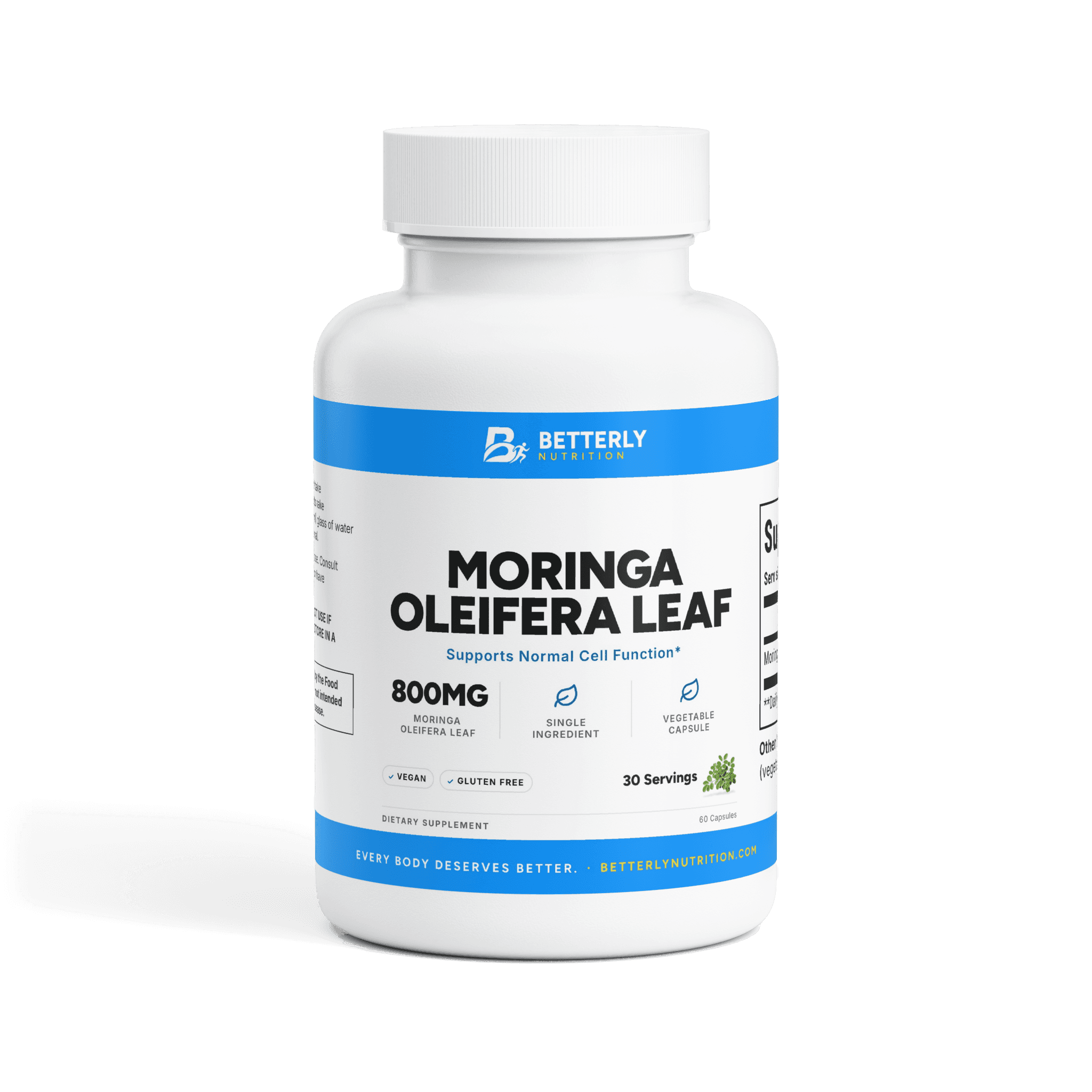
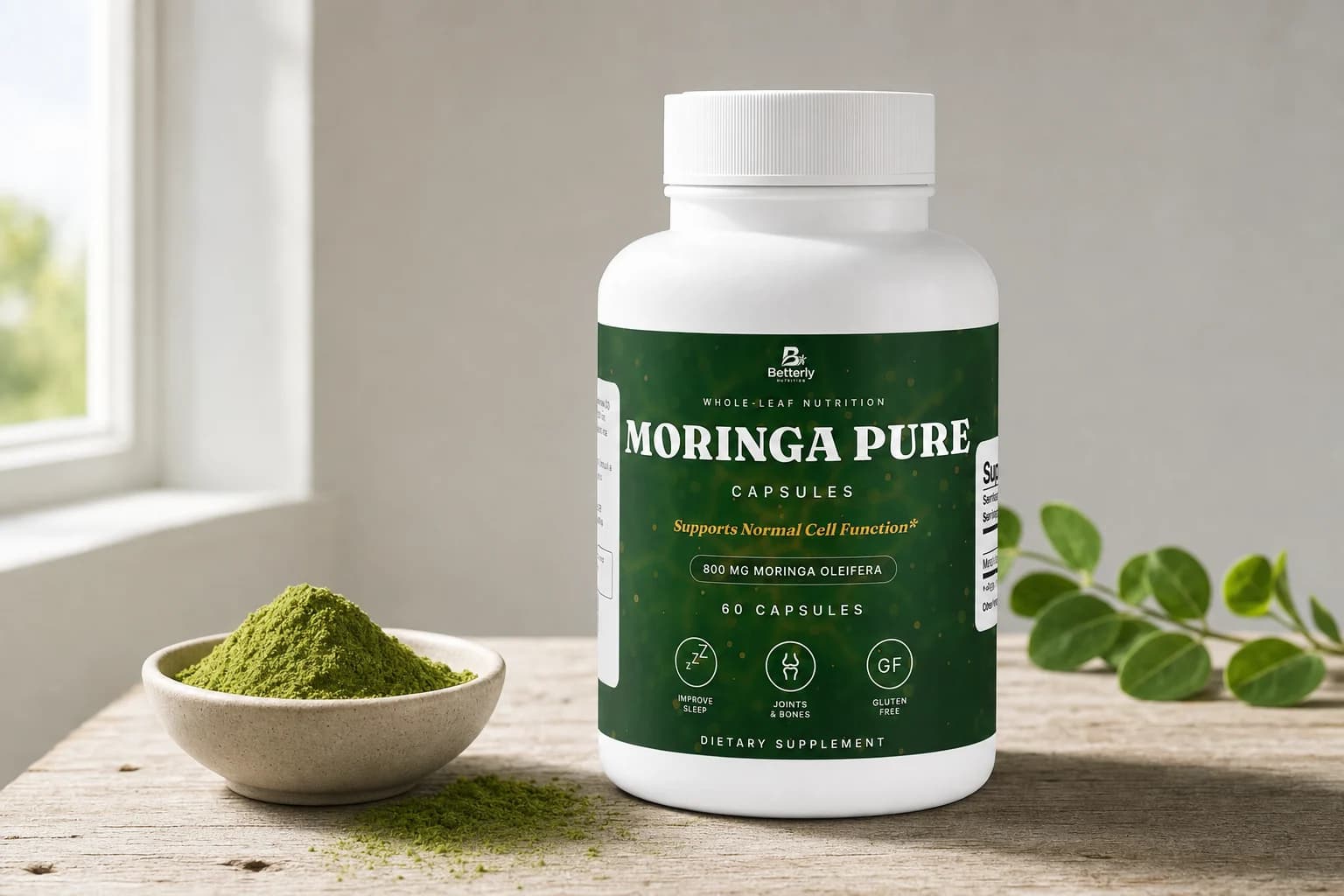
Capsules trade flexibility for consistency. No taste, no measuring, no green dust on the counter — just the same amount every day, anywhere. If flavor is the thing standing between you and actually taking moringa regularly, capsules solve it completely. Our Moringa Oleifera Leaf Capsules take this route: 800 mg of moringa leaf per 2-capsule serving, with only a vegetable capsule around it, in 60 vegan capsules, with that amount printed plainly on the label.
Tea is the gentlest entry point. Steeping dried leaves gives you a mild, herbal, naturally caffeine-free cup — pleasant as a ritual, though hot water only extracts some of what the leaf contains, so it's the lightest delivery of the three.
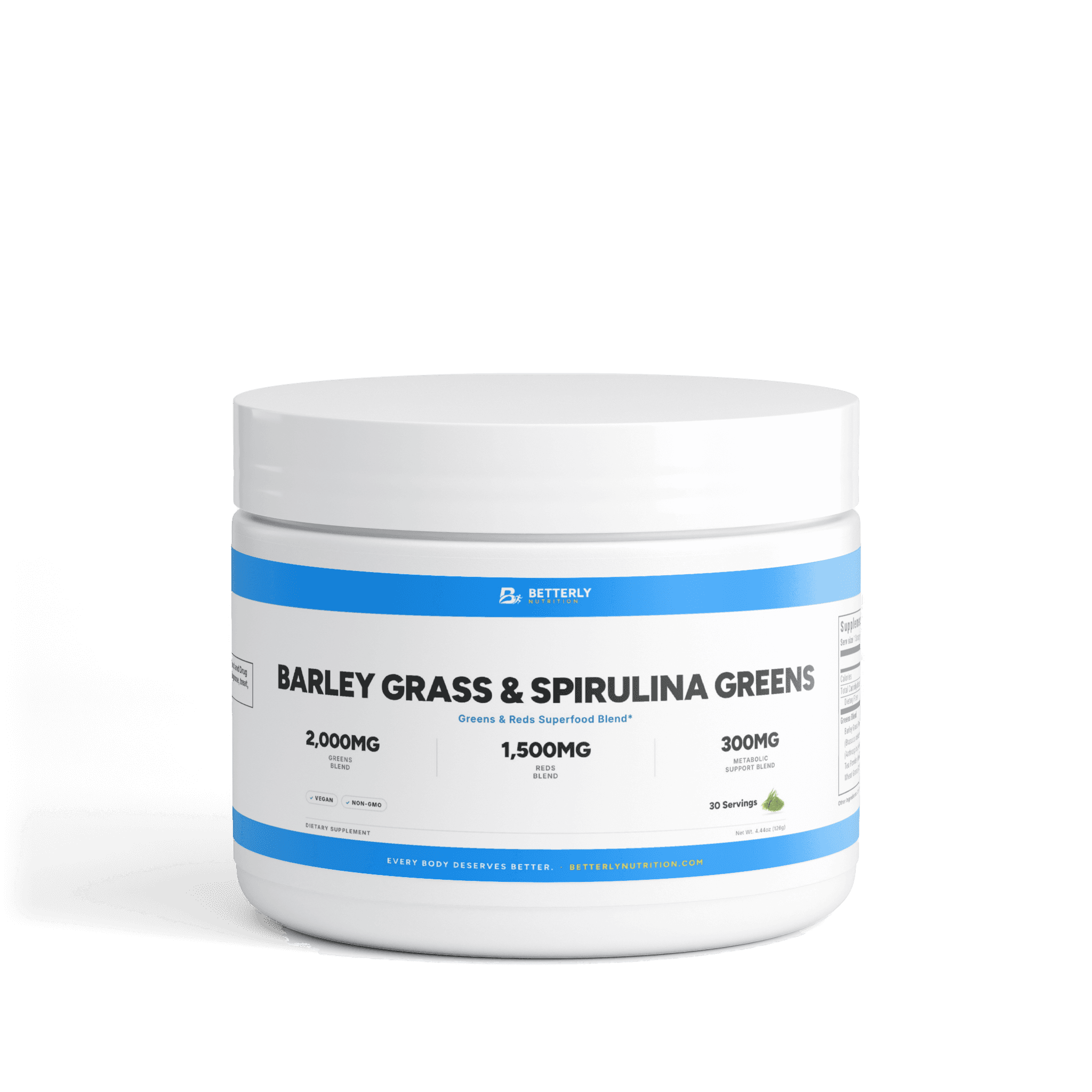
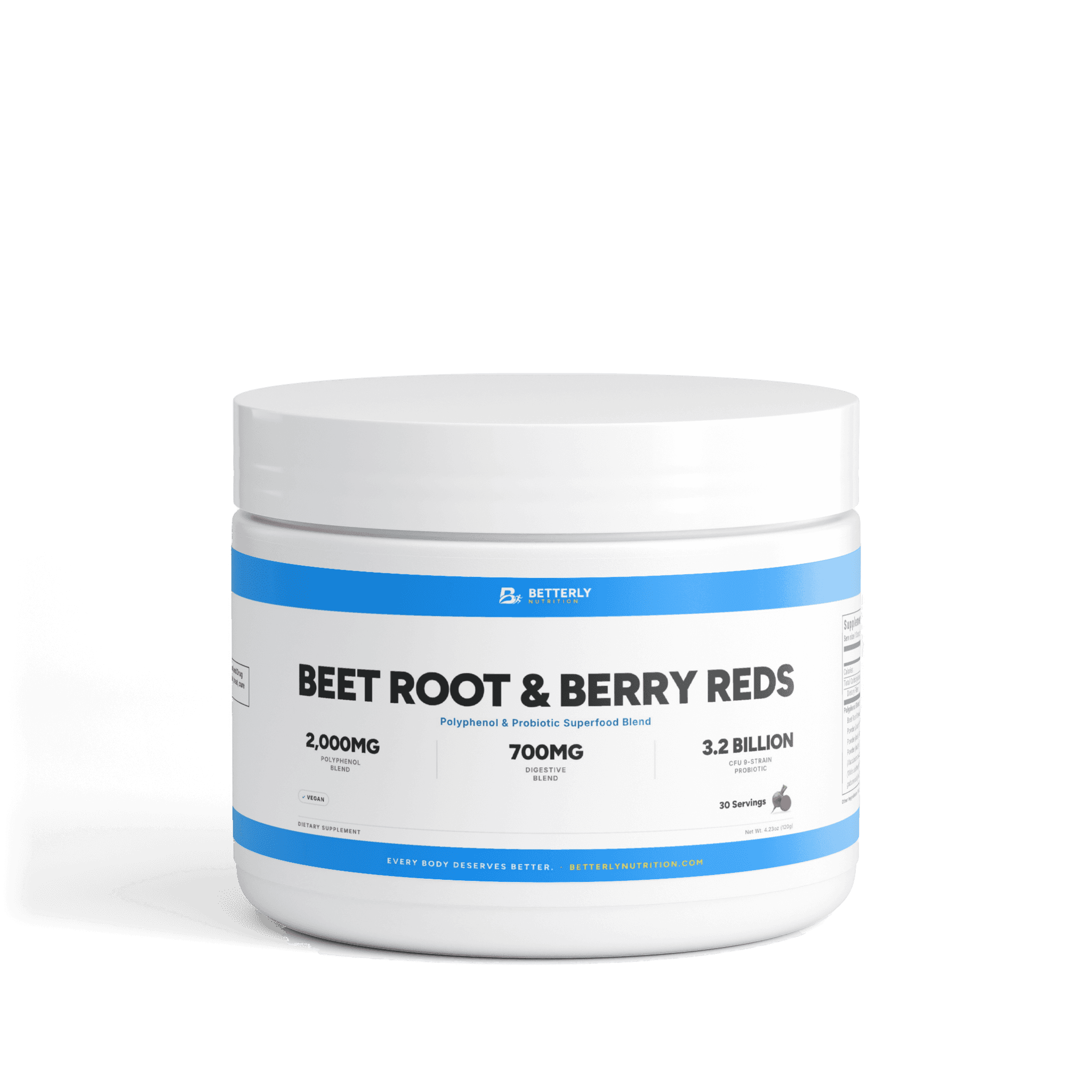
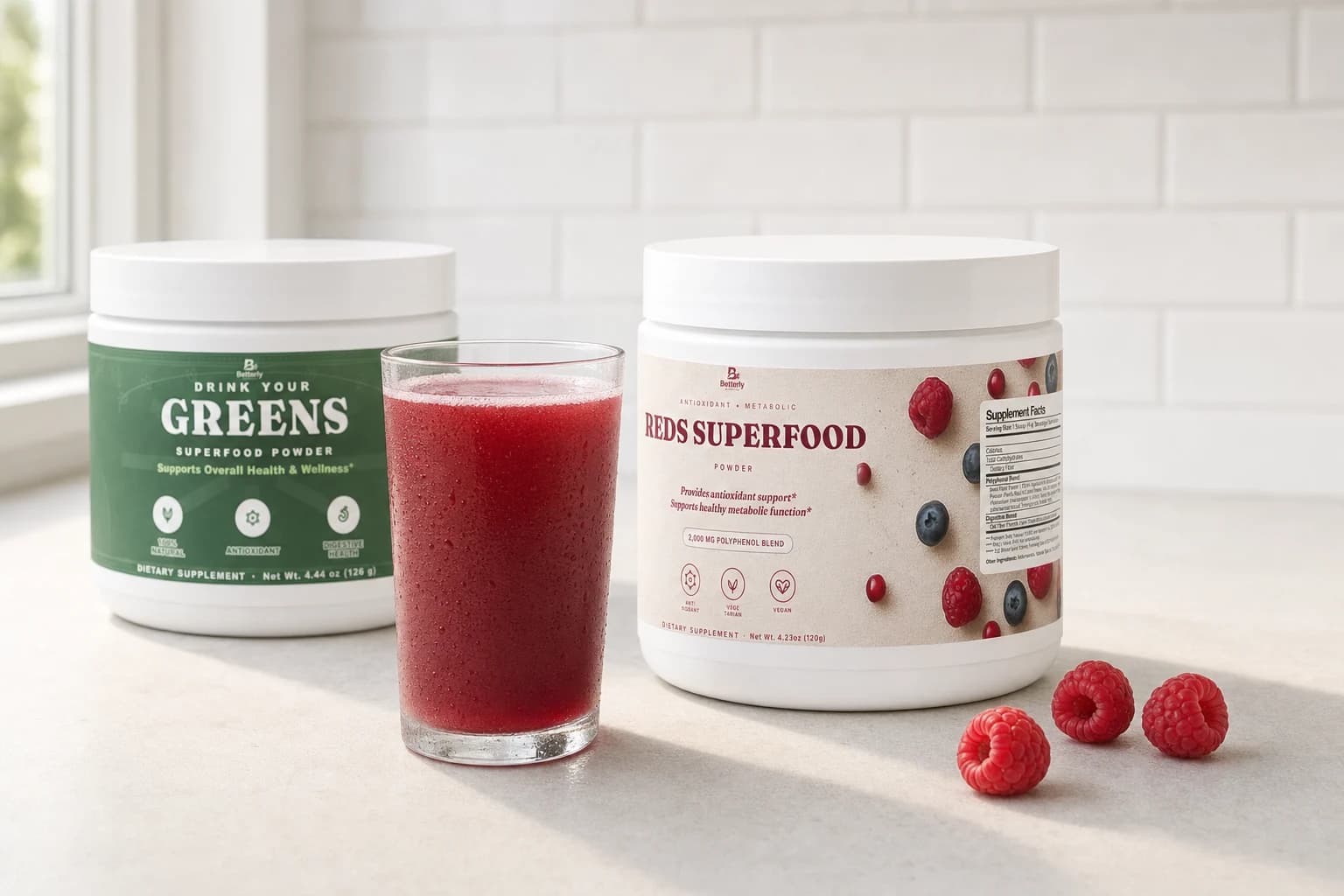
One more option worth naming honestly: if what draws you to moringa is "more greens, less effort," a blended powder may fit better than a single leaf. Our Barley Grass & Spirulina Greens Powder leans on spirulina and barley grass across 20+ plant ingredients — variety instead of depth — and if you're weighing that against a berry-forward blend like our Beet Root & Berry Reds Powder, our guide to reds vs greens powders breaks down the differences. Comparing all-in-one greens drinks more broadly? Our honest AG1 alternatives comparison is the place to start.
How much moringa per day?
There's no official intake level for moringa, so the serving on your product's label is the anchor. Our Moringa Oleifera Leaf Capsules provide 800 mg of moringa leaf per 2-capsule serving, a modest everyday amount.
A few plain pointers:
- Start low. A quarter to half teaspoon — or the lowest label serving — for the first week or two. Jumping straight to a heaping scoop is the classic way to earn a grumbly stomach; the leaf is fibrous and concentrated.
- Mind the timing. A powder's own label sets its timing; our capsule label says 20-30 minutes before a meal with a glass of water.
- Follow your label. Products vary, so the serving on the bottle is your baseline. (The label's suggested use for our Moringa Oleifera Leaf Capsules is two capsules once a day, 800 mg of moringa leaf per 2-capsule serving.)
- More isn't better. Stick to the label's serving; taking more won't add benefit.
How to choose a quality moringa leaf supplement
The moringa aisle is crowded and uneven. Here's what actually separates a good moringa leaf supplement from a mediocre one:
- Leaf only. The leaf is the well-studied, well-tolerated part of the plant. The root and bark have a rougher safety conversation around them, and there's no good reason for either to be in your supplement. Check that the label says leaf.
- A single ingredient. For a nutritive green like moringa, a short label is a feature. "Proprietary blends" that bury moringa among ten other plants make it impossible to know what you're getting.
- Vivid green color. Powder that looks bright green was likely dried gently and stored well. Olive, khaki, or brownish powder usually means heat damage or age — the delicate compounds fade along with the color.
- A stated dose. You should never have to guess how much leaf is in a serving. (Our Moringa Oleifera Leaf Capsules have one Supplement Facts line, 800 mg of moringa leaf per 2-capsule serving, so there's nothing to guess.)
- A fair price for what it is. Moringa is a leaf, not a rare extract. Sky-high prices usually fund the marketing, not the farming.
Easy ways to fit moringa into your day
Moringa works best as a small, boring, repeated habit — the kind you don't have to think about:
- Capsules before a meal. Per our capsule label, two capsules with an 8 oz (237 ml) glass of water, 20-30 minutes before you eat. No taste, no measuring.
- Powder in a smoothie. Half a teaspoon disappears into a banana-and-berry smoothie; the fruit covers the grassiness, and a spoonful of nut butter adds the fat that helps the fat-soluble vitamins along.
- Stirred into oats or yogurt. Add it after cooking rather than boiling it, to be kinder to the leaf's more delicate compounds.
- Next to something vitamin C-rich. Moringa's iron is plant iron, which absorbs better in the company of vitamin C — a squeeze of lemon in the smoothie does it. If iron is specifically on your mind, our guide to taking iron supplements well covers timing and pairings in more depth.
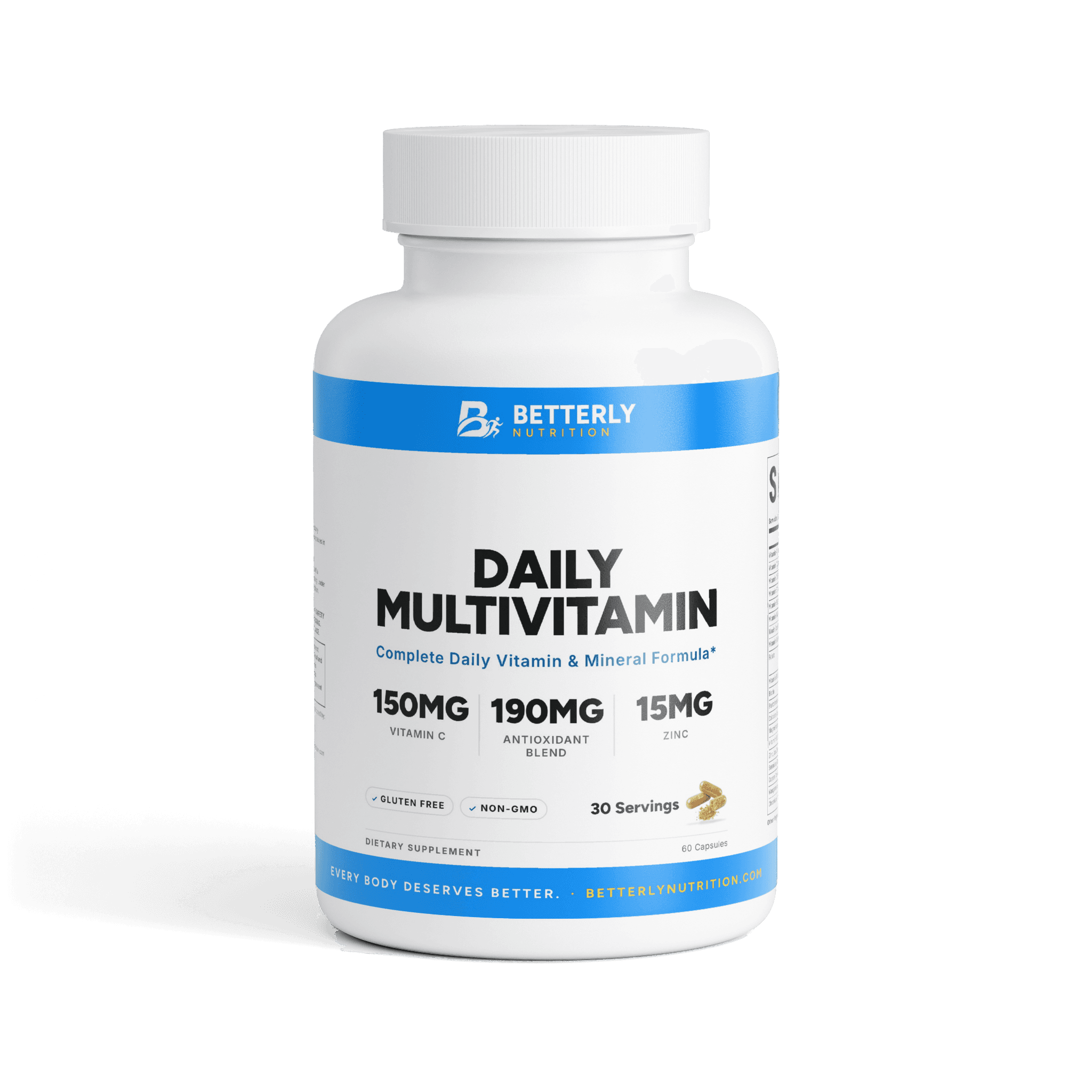
Where does moringa sit in a bigger routine? Think of it as a foundation-layer ingredient — closer in spirit to a multivitamin like our Daily Multivitamin Capsules than to a targeted formula. It also gets shelved with adaptogens a lot, which is a category error: moringa is a nutritive leaf, not a stress-adaptation herb, and Adaptogens 101 explains what actually belongs in that family. If you're starting a daily stack from scratch, building a simple supplement routine walks through the order of operations, and you can browse the rest of our everyday greens in our Greens & Superfoods collection.
One sincere caveat before you start: if you're pregnant or nursing, under 18, take medication (including thyroid medication) or are managing a medical condition, check with your healthcare provider before starting moringa. That's standard advice for any new supplement, and it genuinely applies here.
A gentle next step
So — what is moringa good for? A modest, real set of things: everyday antioxidant support, a legitimately dense nutritional top-up, and an easy green habit for people who won't reliably eat one. Not a miracle, and it doesn't need to be. If that sounds like your kind of simple, a single-ingredient capsule is the lowest-friction way to find out how it fits — have a look at our moringa leaf capsules and take them as the label directs, as a steady daily habit. No miracles promised; just a good leaf, honestly labeled.
FAQ: quick answers about moringa
Does moringa have caffeine?
No. Moringa leaf is naturally caffeine-free at every stage of growth and processing, so it isn't a stimulant and won't give you the kind of lift coffee does. It's a nutritive leaf rather than a pick-me-up, which also means an evening serving won't add any caffeine to your day.
Is moringa the same as matcha?
No — they're both vivid green powders, and that's where the resemblance ends. Matcha is shade-grown green tea and contains caffeine; moringa is the dried leaf of a tree and contains none. Different plants, different flavors, different jobs.
How much moringa should I take per day?
There's no official daily amount for moringa, so your product's label is the guide. The label's suggested use for our Moringa Oleifera Leaf Capsules is two capsules once a day, 20-30 minutes before a meal with an 8 oz (237 ml) glass of water, which is 800 mg of moringa leaf per 2-capsule serving. For a powder, follow that product's own label serving and timing, and don't take more than it says.
Can I take moringa every day?
Yes, moringa leaf is meant to be taken daily, and consistency is rather the point: it's a nutritional habit, not a quick fix. Take it as your product's label directs and don't go over that serving. Check with your healthcare provider first if you're pregnant or nursing, under 18, take medication, or are managing a medical condition.
What does moringa taste like?
Earthy and grassy — think spinach with a bitter edge that grows as the dose does. Fruit-forward smoothies hide it well; capsules skip it entirely.
Is moringa good for skin and hair?
The leaf supplies nutrients your body uses everywhere, including vitamins A and E, which play normal roles in skin. But strong human evidence for visible skin or hair changes from taking moringa isn't there yet — anyone promising a transformation is running ahead of the science.
If this left you looking for somewhere to start, read moringa leaf capsules, 800 mg per serving — its amounts per serving are listed on the page. For the practical questions this raises, how dosing, sourcing and subscriptions work is answered in one place.