On this page
- Key takeaways
- Can you mix probiotic powder with hot water?
- Do probiotics survive heat, and how hot is too hot?
- What does the cold-water line on our label actually cover?
- Can you mix probiotic powder with juice, milk or coffee?
- Are probiotics in powder form effective?
- When does a capsule or strip make more sense than a powder?
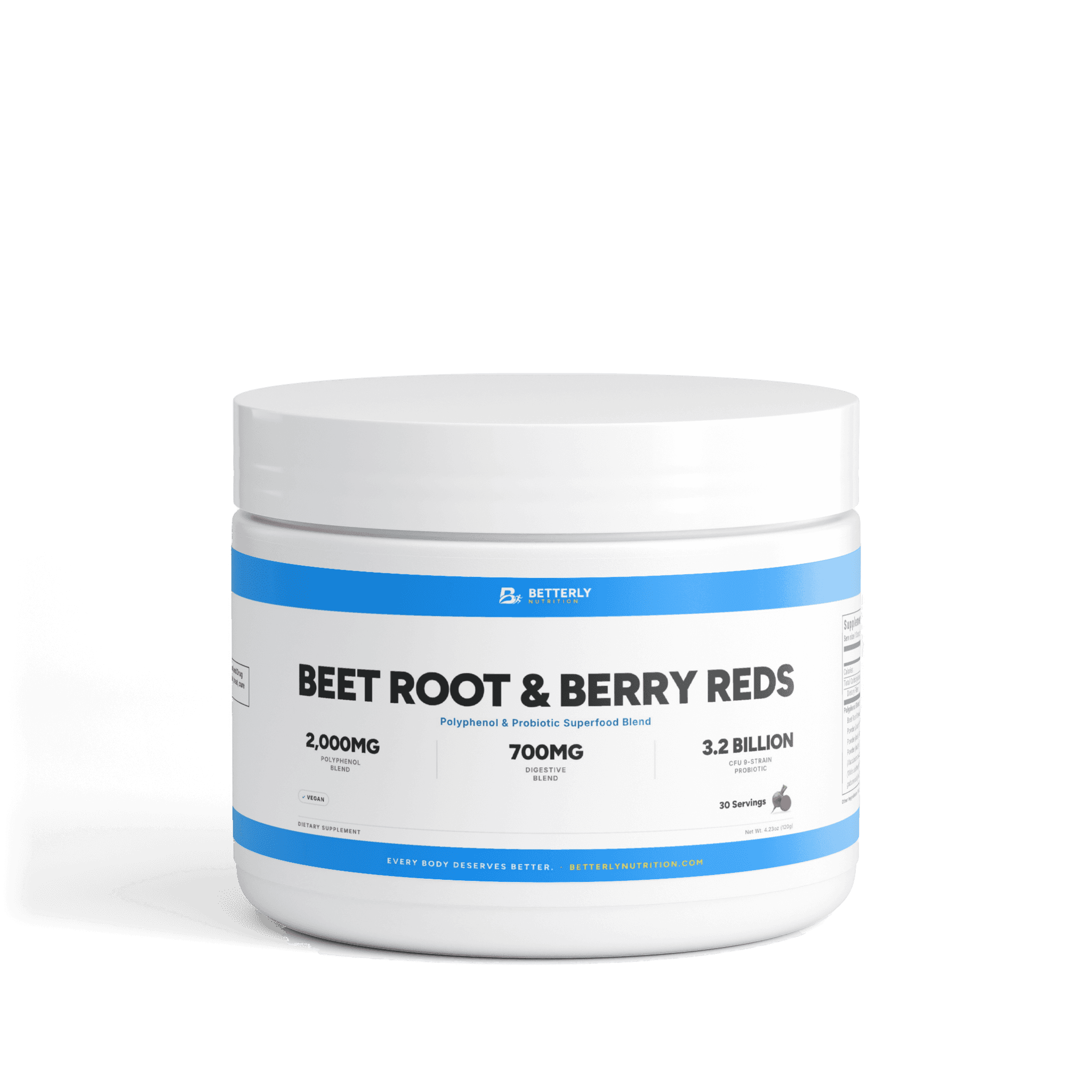
- How do you take Beet Root & Berry Reds Powder, per the label?
- When don't you need a probiotic powder at all?
- Who should check with a healthcare provider first?
- FAQ: probiotic powder and hot drinks
- Sources
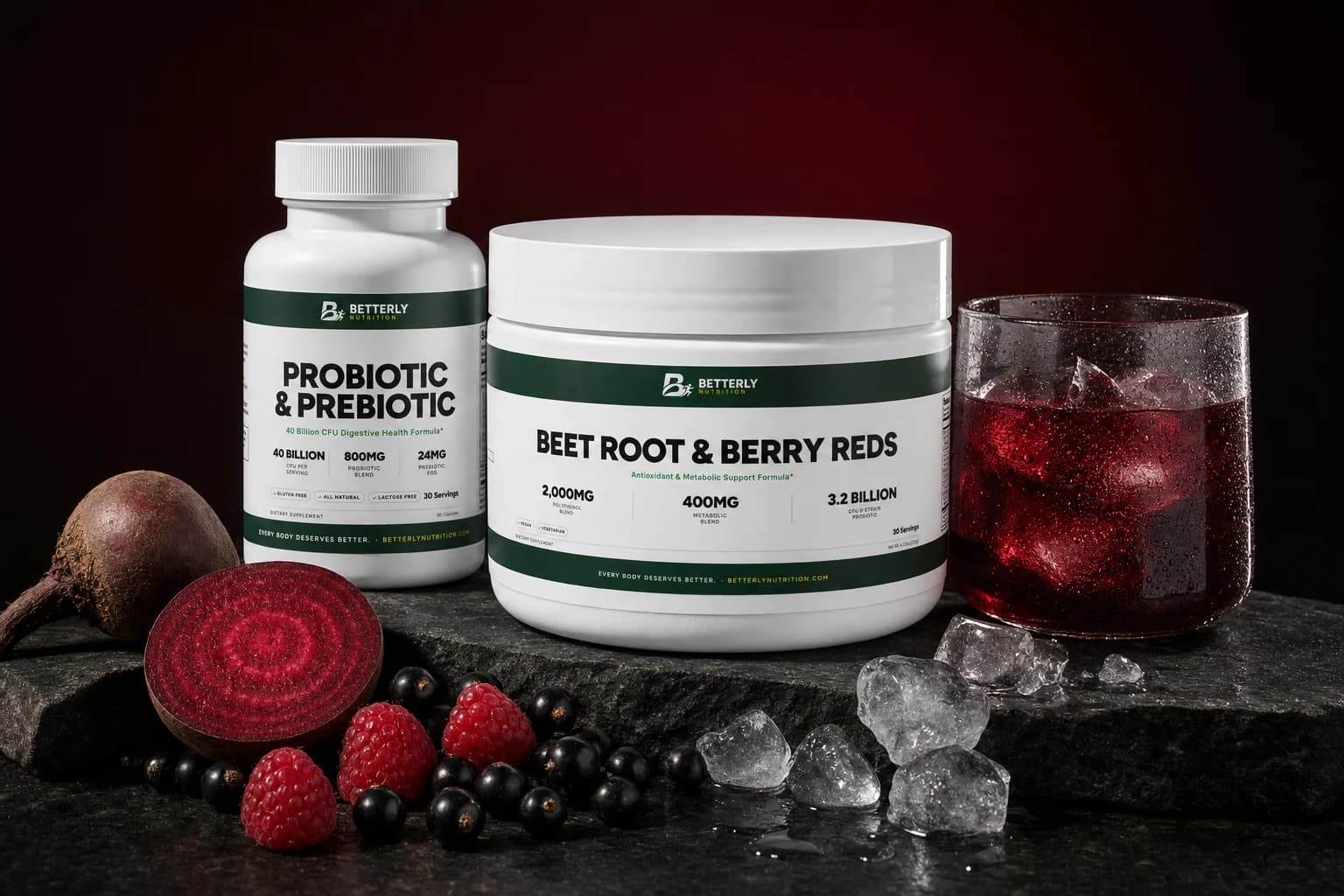
The short answer: Can you mix probiotic powder with hot water? Not by our label's directions. Beet Root & Berry Reds Powder, the only powder we sell with a probiotic, calls for 1 scoop (4 g) in 6-8 ounces of cold water or a favorite beverage, finished within 10 minutes. Its 9-strain probiotic reads 3.2 Billion CFU, counted at the time of manufacture. Probiotics are live microbes, and heat is what kitchens use to destroy bacteria.
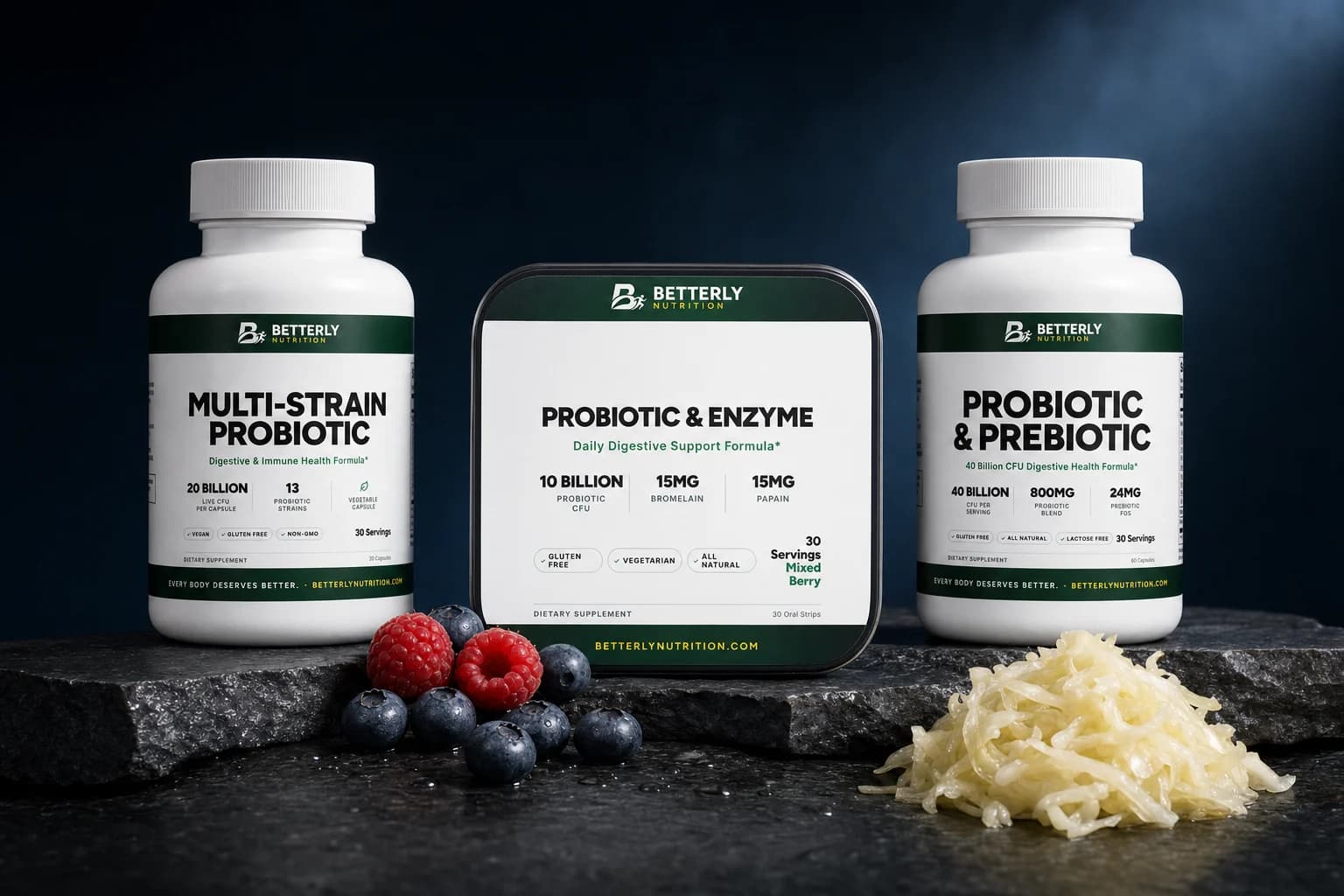
We sell that reds powder plus several probiotic capsules, strips and chewables, two of which appear below, so we have a stake here. Every product number below is copied from our labels, and we flag where they say nothing.
Key takeaways
- The one probiotic powder we sell says to use cold water or a favorite beverage and to drink it within 10 minutes of mixing.
- Probiotics are live bacteria and yeasts, and heat is the everyday tool for destroying bacteria, so a hot mug is a poor home for them.
- No federal page we read gives a temperature at which probiotic strains die, so read the exact numbers you'll find online as those sites' own figures.
- If your day runs on hot drinks, a capsule or a dissolving strip sidesteps the mixing question.
Can you mix probiotic powder with hot water?
You shouldn't mix Beet Root & Berry Reds Powder with hot water, because its label names cold water and offers no hot option. We'd apply that caution to any probiotic powder whose label is silent on heat.
Start with what a probiotic is. The NIH Office of Dietary Supplements (ODS) defines probiotics as live microorganisms, such as bacteria and yeasts, that provide health benefits when taken in sufficient amounts. The word carrying the weight there is "live."
Now look at how heat gets used on purpose. The FDA's safe food handling guidance says meat, poultry, seafood and egg products must reach a safe minimum internal temperature to destroy any harmful bacteria. Probiotic strains aren't the pathogens that guidance targets, but nothing suggests a hot mug can tell the difference.
Food makers keep heat and cultures apart, too. The FDA's yogurt standard, 21 CFR 131.200, has the milk pasteurized before the bacterial culture goes in. Heat first, live cultures after. Your glass works best the same way.
Do probiotics survive heat, and how hot is too hot?
Nobody can tell you from our panel how much heat the probiotic in Beet Root & Berry Reds Powder can take, because the label prints no temperature limit.
Search this question and you'll find confident Fahrenheit thresholds. Neither ODS nor the National Center for Complementary and Integrative Health (NCCIH) names a survival temperature on the pages we read, so we won't print one.
What we can say is that strains differ. ODS explains that probiotics are named by genus, species and strain, and that any benefit depends on the specific microorganisms and the count. One heat rule for every strain on every shelf would skip right past that.
Some probiotics also form spores, a dormant, tough-walled stage. The nine species on our reds panel are lactobacilli (the six L. names) and bifidobacteria (B. lactis, B. bifidum and B. longum), not the Bacillus spore-formers. Our comparison of spore-based and regular probiotics covers that group.
Time matters as much as temperature. The reds footnote reads "3.2 Billion Live Colony Forming Units (CFU) at the time of manufacture," and ODS notes that CFU counts can decline over time. Our guide to reading a probiotic label explains why a factory-day count and a shelf-life count aren't the same promise. A hot drink would stack one more unknown on top. Storage heat is its own topic, covered in whether probiotics need refrigeration.
What does the cold-water line on our label actually cover?
The cold-water line on Beet Root & Berry Reds Powder is a mixing direction the supplier prints on several powders, including two of ours that list no probiotic.
The reds direction reads: "As a dietary supplement, adults use one (1) scoop of powder in 6-8 ounces (177-237 ml) of cold water or favorite beverage once daily. Consume within 10 minutes of mixing."
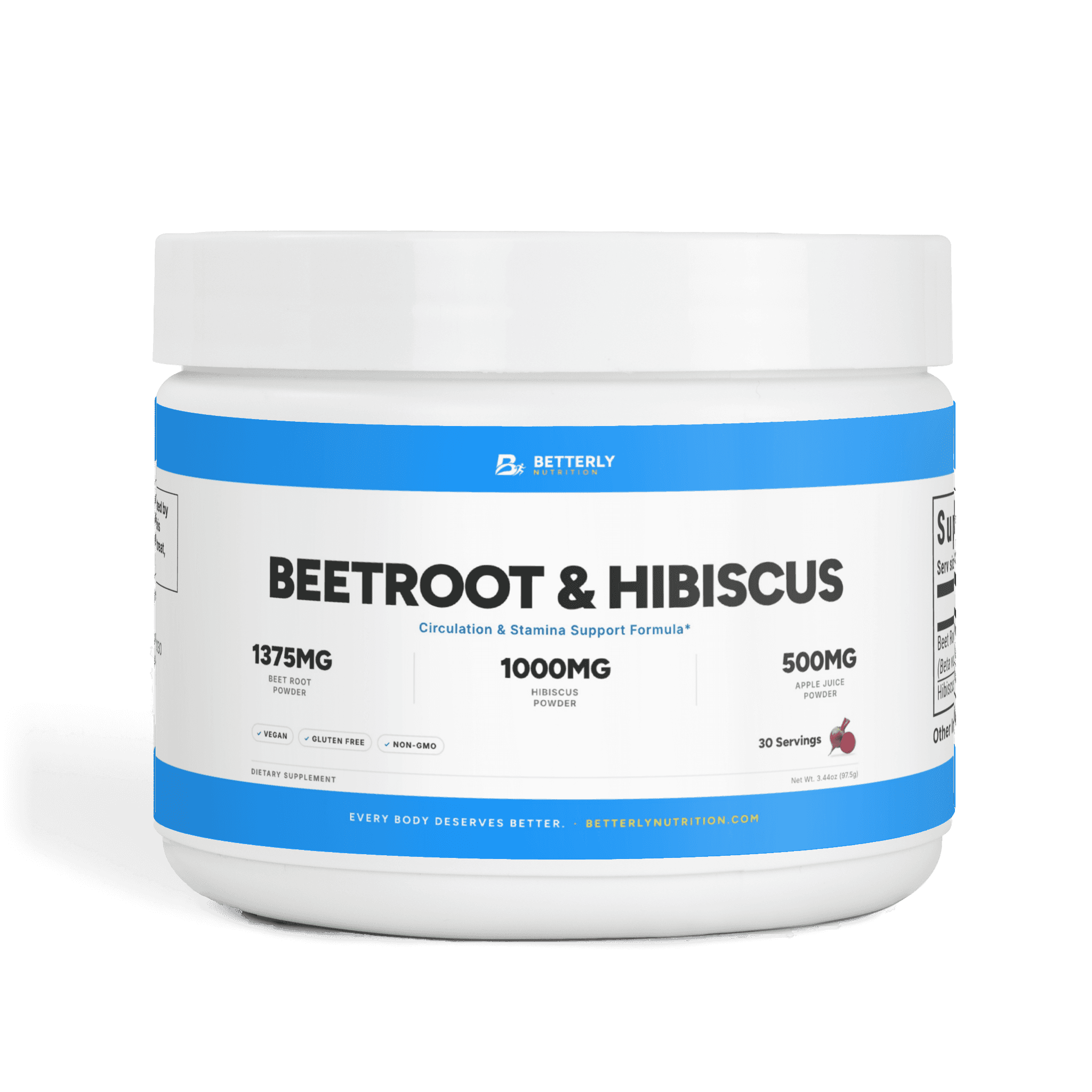
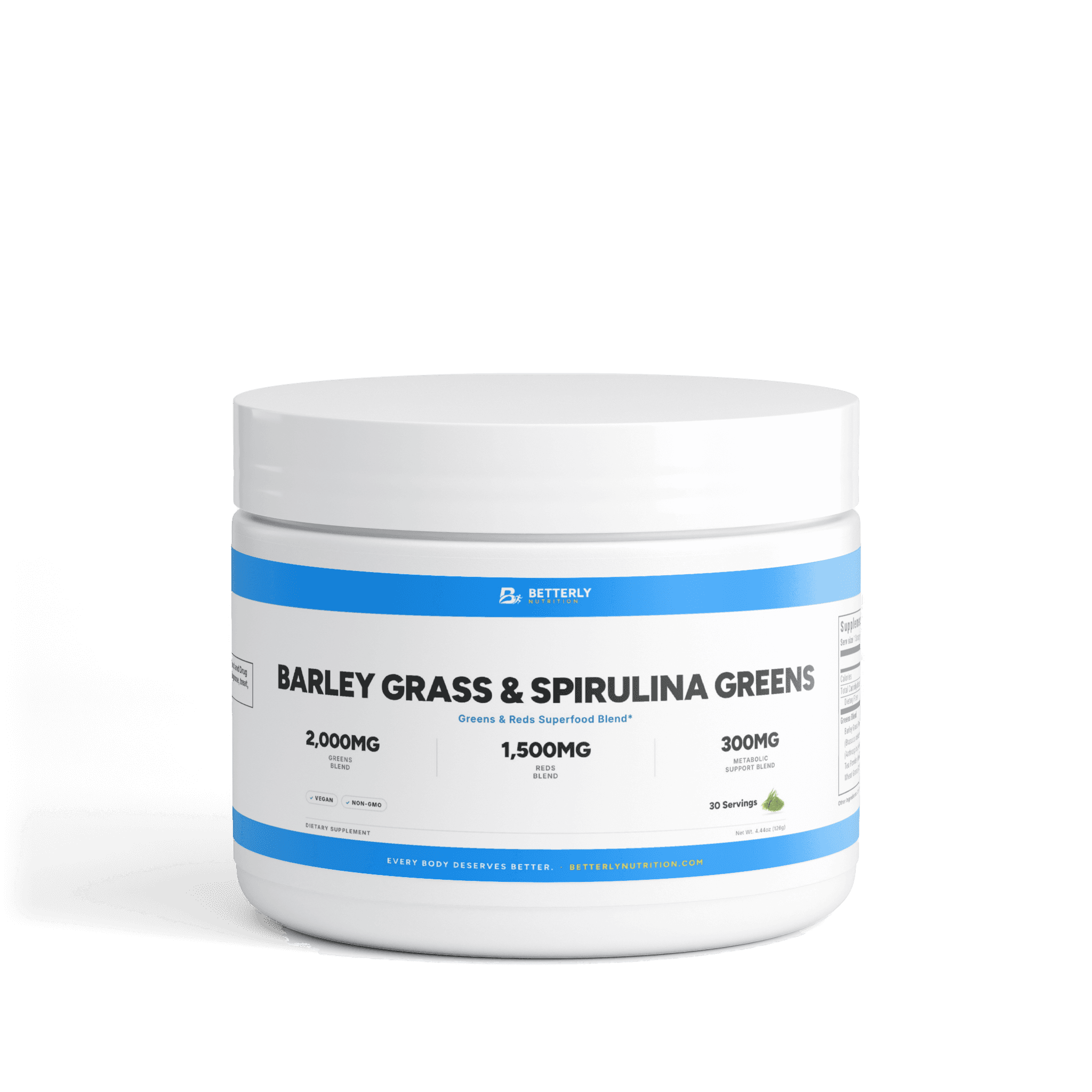
Word for word, the same two sentences sit on our Barley Grass & Spirulina Greens Powder and our Beetroot & Hibiscus Powder, and neither panel lists a probiotic. So the wording doesn't look like a special warning for live cultures. It reads like the maker's standard line for its scoops.
That means the label can't prove heat harms this probiotic. It never approves heat either, and the reds is our one tub with live microbes on the panel.
The wording pairs "cold" with water and gives "favorite beverage" no temperature. We fill that gap with the caution the first half sets, so every drink stays cool. That's our reading, not printed text.
Can you mix probiotic powder with juice, milk or coffee?
Beet Root & Berry Reds Powder can go into cold juice, milk or iced coffee under its "favorite beverage" wording. We'd keep it out of hot coffee and tea, since cold is the one temperature printed in the directions, and heat never comes up.
| Drink or food | Temperature | Our call under the label | What to watch |
|---|---|---|---|
| Water | Cold | Yes, it's the named liquid | Use 6-8 oz |
| Fruit juice | Cold | Yes, as a favorite beverage | Label is silent on acidity |
| Dairy or plant milk | Cold | Yes, as a favorite beverage | Dairy makes the glass non-vegan |
| Iced coffee or cold brew | Cold | Yes, as a favorite beverage | Stacks with the scoop's green tea |
| Hot coffee or tea | Hot | No (our reading) | Keep the scoop out of the mug |
| Warm water | Warm | No, the label says cold water | Let the tap run cold |
| Warm milk | Warm | No, we'd pour it chilled | Use it straight from the fridge |
| Oatmeal or yogurt | Varies | No, the label asks for a drink | Outside the directions |
The pattern is short: temperature decides it, not the type of drink. Cold drinks fit the label's wording, hot ones are our call to skip, and spoonable foods sit outside the directions.
Is juice too acidic for the cultures? Neither our label nor the federal pages we read say, so we won't warn you off orange juice or promise it's fine.
Coffee is the tricky one, since most people drink it steaming. Pour the scoop into iced coffee or cold brew instead. The reds' 400 mg Metabolic Blend lists green tea powder second of seven ingredients, with no caffeine amount printed, so you can't total the caffeine in that glass.
From our shop: Beet Root & Berry Reds Powder — for a cold-glass habit: one 4 g scoop in 6-8 oz of cold water, with a 9-strain probiotic listed at 3.2 Billion CFU per scoop at the time of manufacture, labeled vegan.
Are probiotics in powder form effective?
Format alone won't tell you whether a probiotic powder works, since ODS says any benefit depends on the specific strains and the CFU count.
NCCIH is candid about the gaps. Its probiotics usefulness and safety page says that in most instances, we still don't know which probiotics are helpful, how much people would need, or who is most likely to benefit.
What you can check on any probiotic powder:
- Does the panel name strains, or only species?
- Is there a CFU figure? ODS calls it a more accurate picture of active microorganisms than total weight.
- Was the count taken at manufacture, or through the use-by date?
- What do the directions say about liquid and temperature?
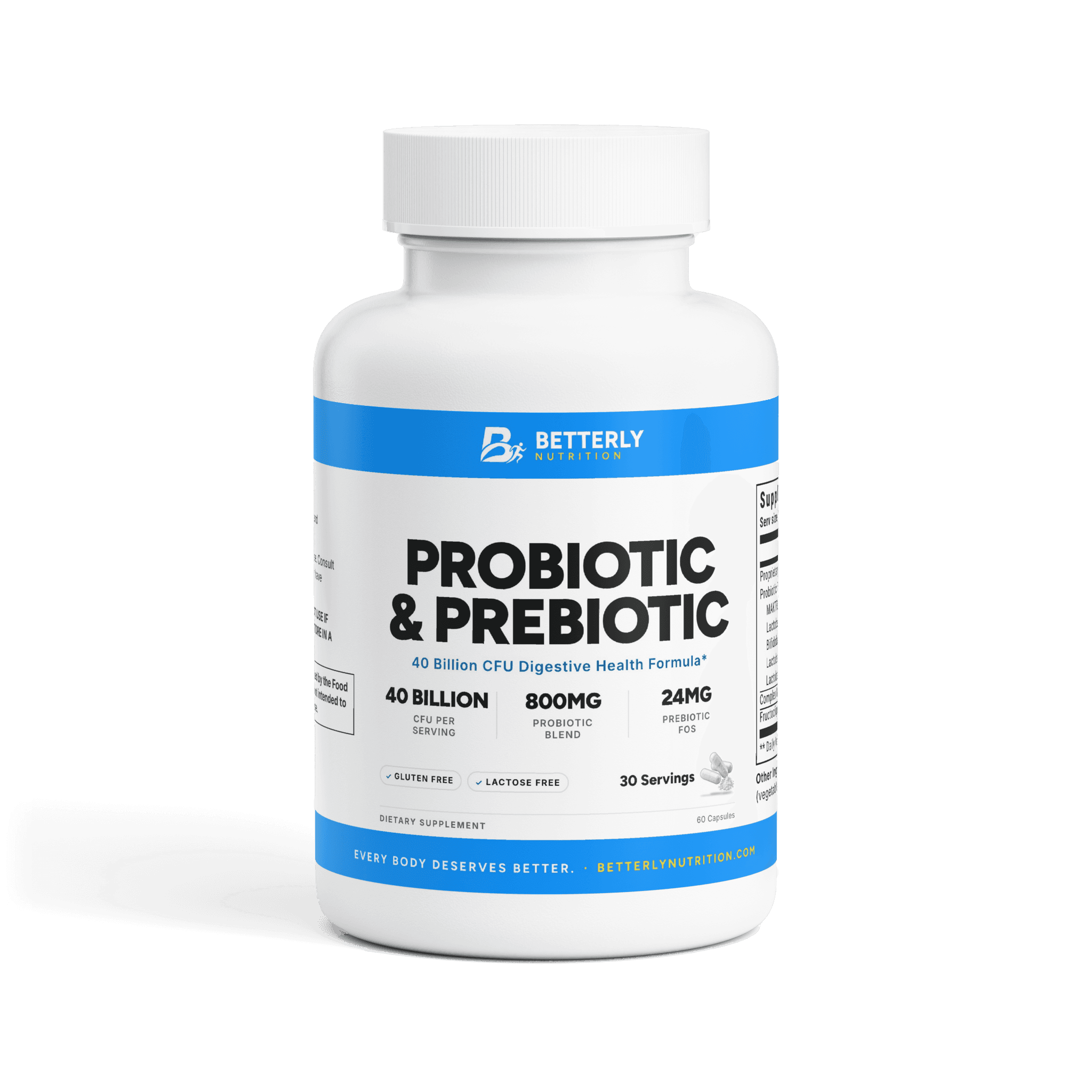
Our tub against that list: Beet Root & Berry Reds names nine species with no strain codes, gives a weight (100 mg) and a count (3.2 Billion CFU), counts at manufacture, and asks for cold water. Our Probiotic & Prebiotic Capsules do better on the first check, listing coded strains such as Lactobacillus acidophilus (La-14) in an 800 mg blend (40 Billion CFU) per 2-capsule serving. That label doesn't say when its count was taken, though.
What about a greens powder with probiotics?
A greens powder with probiotics works like our reds: the live cultures are one row among many, and that row's count and wording are what to read.
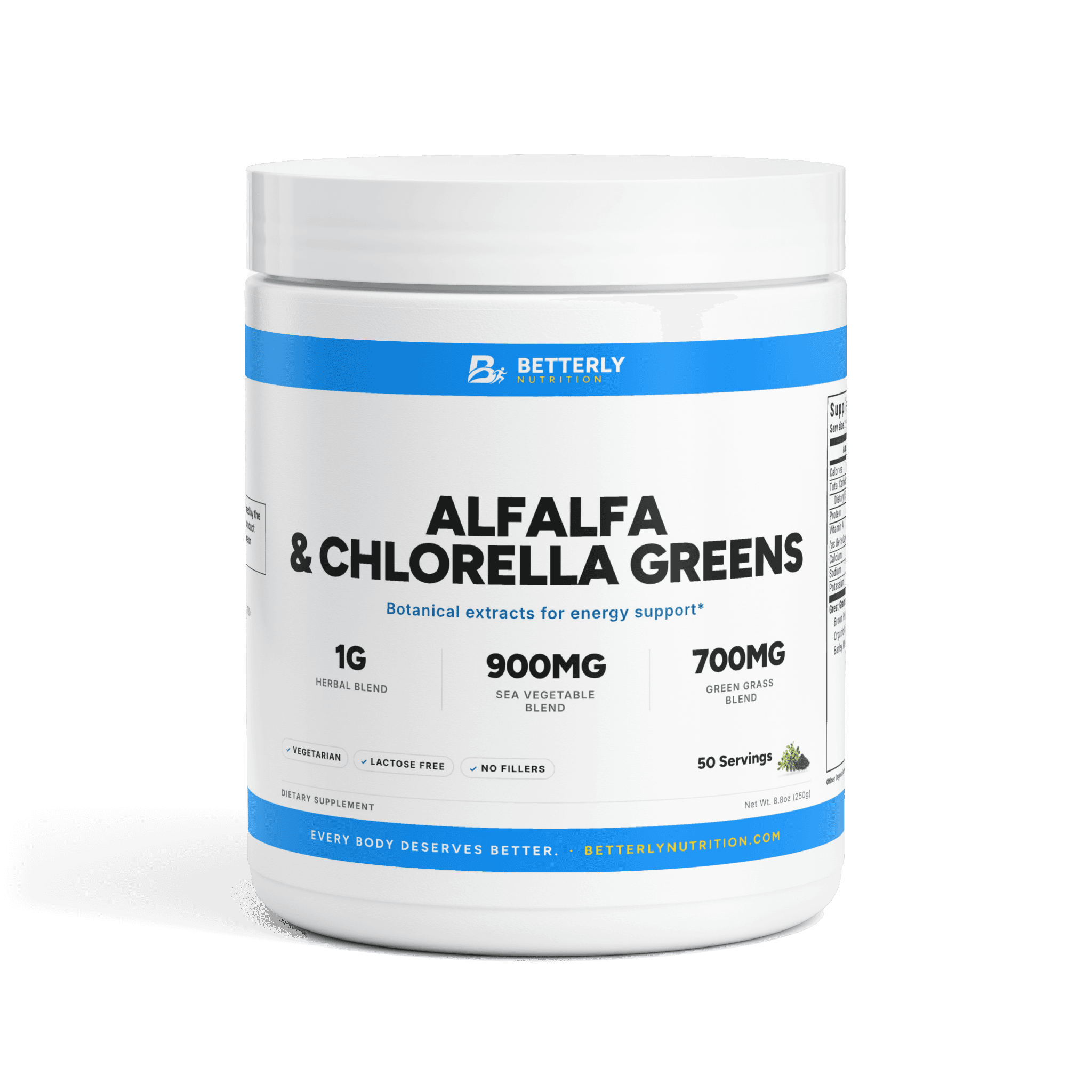
Neither of our greens powders lists a probiotic. The Barley Grass & Spirulina lists inulin in a 200 mg Digestive Support blend per 1-scoop (4.2 g) serving, and our Alfalfa & Chlorella Greens Powder lists 98 mg of fructooligosaccharides (FOS) per 2-teaspoon serving. Those are carbohydrates, not live microbes, so no CFU count applies. Our greens and superfoods shelf keeps these powders side by side if you'd like to compare panels.
When does a capsule or strip make more sense than a powder?
A capsule or strip makes more sense than a probiotic powder when your routine centers on hot drinks, travel, or days without a clean glass and cold water.
A powder asks for a cold liquid, a glass and a drink finished within 10 minutes of mixing. If your morning is a hot coffee on the way out the door, a format with nothing to stir removes that friction.
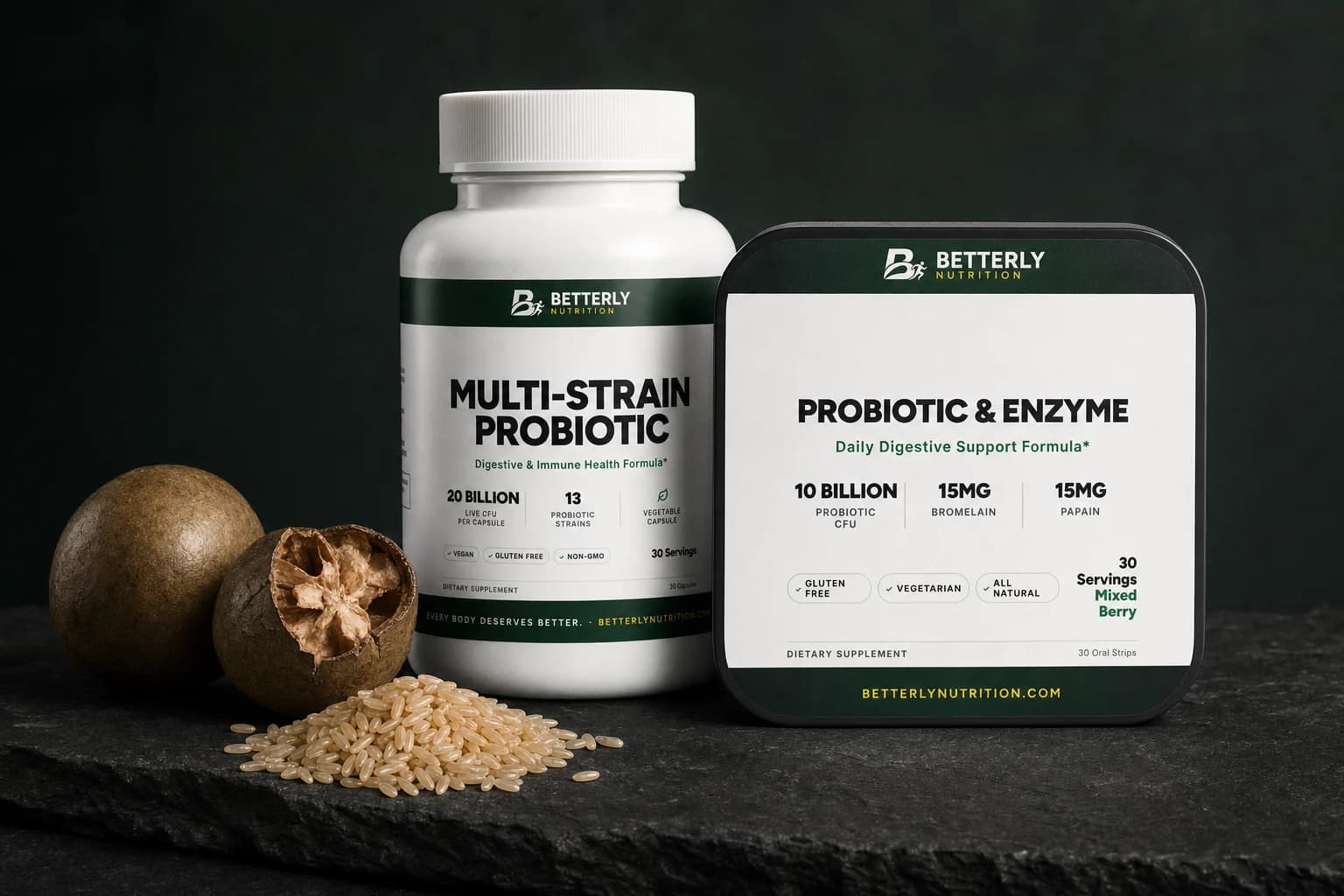
- Probiotic & Prebiotic Capsules: the label's suggested use is two capsules once daily, and for best results, one during the day and one in the evening. Each 2-capsule serving adds 60 mg of complex marine polysaccharide and 24 mg of fructooligosaccharide to the probiotic blend.
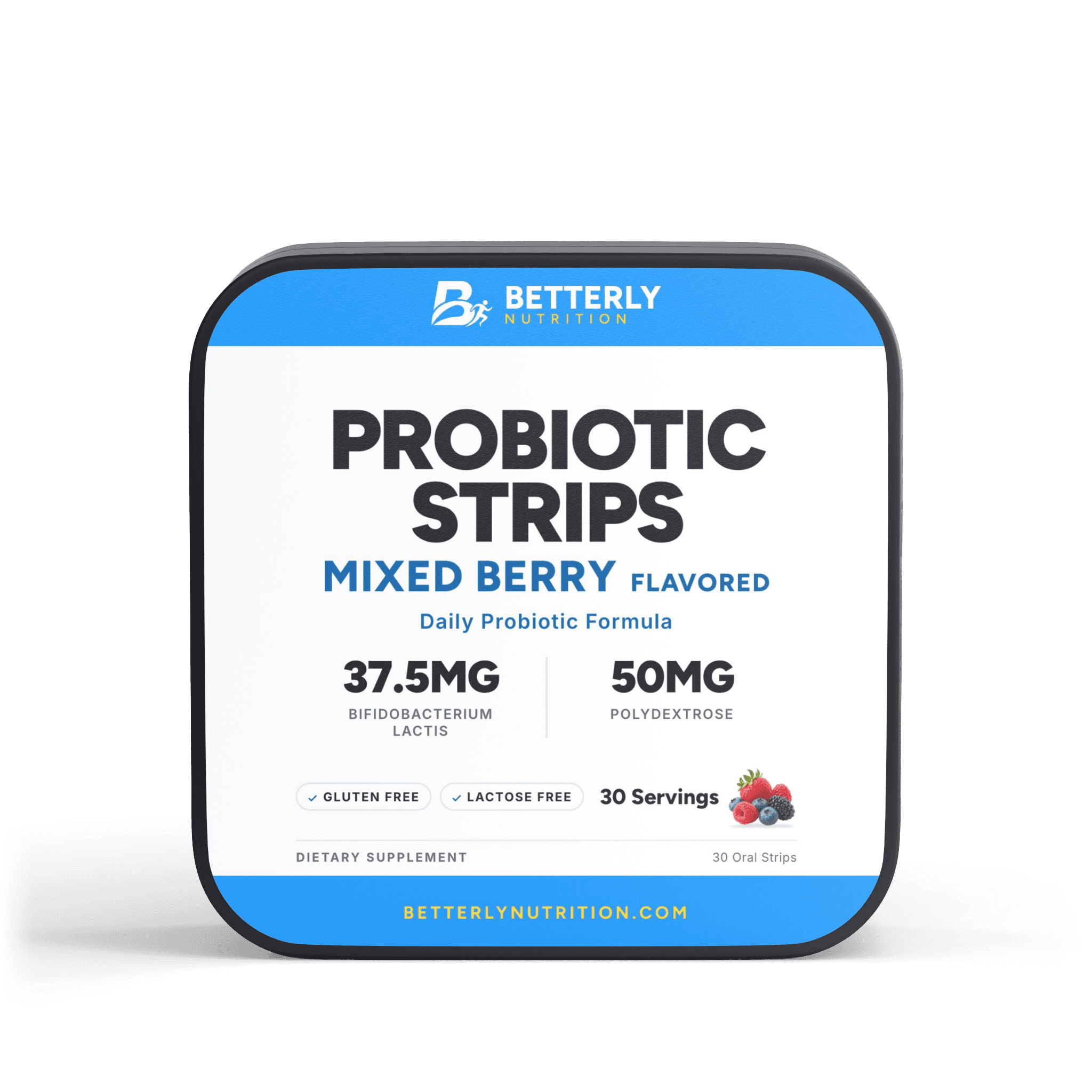
- 10 Billion CFU Probiotic Strips: one strip placed on the tongue daily and left to dissolve, with no liquid or scoop. Each 1 Oral Strip (180 mg) serving lists Bifidobacterium lactis at 37.5mg (10 Billion CFU) and 50 mg of polydextrose.
Neither label mentions heat, so we won't claim either format holds up better in a hot mug.
The trade is losing the reds drink itself, with its fruit powders and 2 g of fiber. If the probiotic is all you want, a capsule or strip is the more direct buy.
From our shop: Probiotic & Prebiotic Capsules — a daytime capsule and an evening capsule, as the label suggests, so nothing goes into your hot coffee, with 40 Billion CFU per 2-capsule serving, labeled gluten free and lactose free.
How do you take Beet Root & Berry Reds Powder, per the label?
Take Beet Root & Berry Reds Powder as its label directs: one 4 g scoop in 6-8 ounces of cold water or a favorite beverage, once daily.
- Measure one scoop. The caution reads "Do not exceed recommended dose," so one scoop is the ceiling.
- Add it to 6-8 ounces (177-237 ml) of cold water, or a favorite drink we'd also serve cold.
- Stir or shake until it's mixed. A lidded shaker bottle is our idea, not the label's.
- Drink it within 10 minutes of mixing.
- Store the tub in a cool, dry place, as the label says.
The label names no time of day, so choose one you'll keep. A tub holds 30 servings, about a month at one scoop daily. Our tip: pair the reds with a moment that's already cold, like the glass of water you pour while the coffee brews.
When don't you need a probiotic powder at all?
You don't need a probiotic powder if you're healthy and only curious, because ODS reports that healthy people have no official probiotic recommendations to follow.
- You already take a probiotic capsule or strip, so the reds would be a second source.
- Your ritual is a hot drink you won't give up, and a cold-glass powder would fight it.
- You only want the probiotic. A tub of fruit powders, maltodextrin and stevia is a roundabout path to 3.2 Billion CFU.
- You'd rather get cultures from a spoonful of yogurt. Our FAQ below covers the carton wording to check first.
Who should check with a healthcare provider first?
Check with a healthcare provider before starting Beet Root & Berry Reds Powder if you're pregnant, nursing, under 18, taking medication, facing surgery or managing a medical condition.
The label asks you to consult a physician if you're pregnant, nursing, under 18, or have a medical condition. NCCIH adds that the risk of harmful effects from probiotics is greater in people with severe illnesses or compromised immune systems, and advises talking with your health care provider first.
Show your provider the 400 mg Metabolic Blend too, which lists seven herbs and extracts, including turmeric, shilajit extract and bitter melon extract.
FAQ: probiotic powder and hot drinks
Can you put probiotic powder in hot tea?
We'd keep Beet Root & Berry Reds Powder out of hot tea, since its label names cold water, gives other drinks no temperature and never mentions heat. Tea is usually brewed hot, like coffee. If you enjoy tea, chill it over ice first, then stir in the scoop and drink it within 10 minutes.
Can you mix probiotic powder with yogurt?
Stirring Beet Root & Berry Reds Powder into yogurt falls outside its label, which asks for 6-8 ounces of a drink. Yogurt brings cultures of its own, too. Under the FDA's yogurt standard (21 CFR 131.200), a maker may inactivate those live microorganisms after culturing, and the label must then say "does not contain live and active cultures." Check your carton.
How long can a mixed probiotic drink sit before you drink it?
A glass of Beet Root & Berry Reds Powder should be finished within 10 minutes of mixing, per its label. The label gives no reason, so we won't guess at one. It rules out an overnight shaker or a bottle mixed at home for the gym. Mix it where you'll drink it.
Can you open a probiotic capsule and mix it into a drink?
Our Probiotic & Prebiotic Capsules label says to take two capsules once daily and says nothing about opening them, so we'd swallow them whole as directed. An opened capsule is loose powder with no mixing directions and no temperature guidance. If capsules are hard for you to swallow, a strip that dissolves on the tongue is built for that.
Can you take a probiotic powder and a probiotic capsule on the same day?
Yes, nothing on our Beet Root & Berry Reds Powder or Probiotic & Prebiotic Capsules labels forbids using both. Each says "Do not exceed recommended dose," so keep each at its own serving. ODS suggests asking a health care provider which probiotic to choose and what dose to take. If you're pregnant, nursing, under 18 or managing a medical condition, both labels ask you to consult a physician first.
Sources
- Probiotics: Fact Sheet for Consumers, NIH Office of Dietary Supplements
- Probiotics: Usefulness and Safety, National Center for Complementary and Integrative Health
- Safe Food Handling, U.S. Food and Drug Administration
- 21 CFR 131.200, Yogurt, Electronic Code of Federal Regulations
If this left you looking for somewhere to start, read reds powder with probiotics you mix in cold water — its amounts per serving are listed on the page. For the practical questions this raises, how dosing, sourcing and subscriptions work is answered in one place.