On this page
- Key takeaways
- What are the side effects of elderberry?
- Is elderberry poisonous, or is a made extract different?
- What are the side effects of echinacea?
- Who should not take echinacea?
- Can you take elderberry and echinacea every day, or long term?
- Do elderberry capsules have side effects of their own?
- How do you take elderberry capsules and watch for a reaction?
- When don't you need elderberry or echinacea?
- Who should get a provider's go-ahead before elderberry or echinacea?
- FAQ: elderberry and echinacea side effects
- Sources
The short answer: Nausea, vomiting and severe diarrhea are the elderberry side effects NCCIH lists, and it traces them to cyanide-producing substances in raw or unripe fruit, leaves and stems. The NIH Office of Dietary Supplements says properly manufactured supplements don't carry that concern, but notes elderberry might affect insulin levels and make immune-suppressing medicines less effective. Echinacea's usual complaints are an upset stomach and, for some people, allergic reactions that can be severe.
Key takeaways
- Raw or unripe elderberries and other parts of the elder tree contain cyanide-producing substances, and NCCIH says cooking eliminates them.
- The NIH Office of Dietary Supplements says cooked fruit and properly manufactured supplements don't carry the raw plant's poisoning concern, but it still flags insulin levels and some medicines.
- Echinacea's most common side effects involve the digestive tract, and the plant is a close relative of ragweed, daisies and sunflowers.
- Federal pages call echinacea likely safe for most adults over short periods, but neither herb has clear federal guidance on months of daily use.
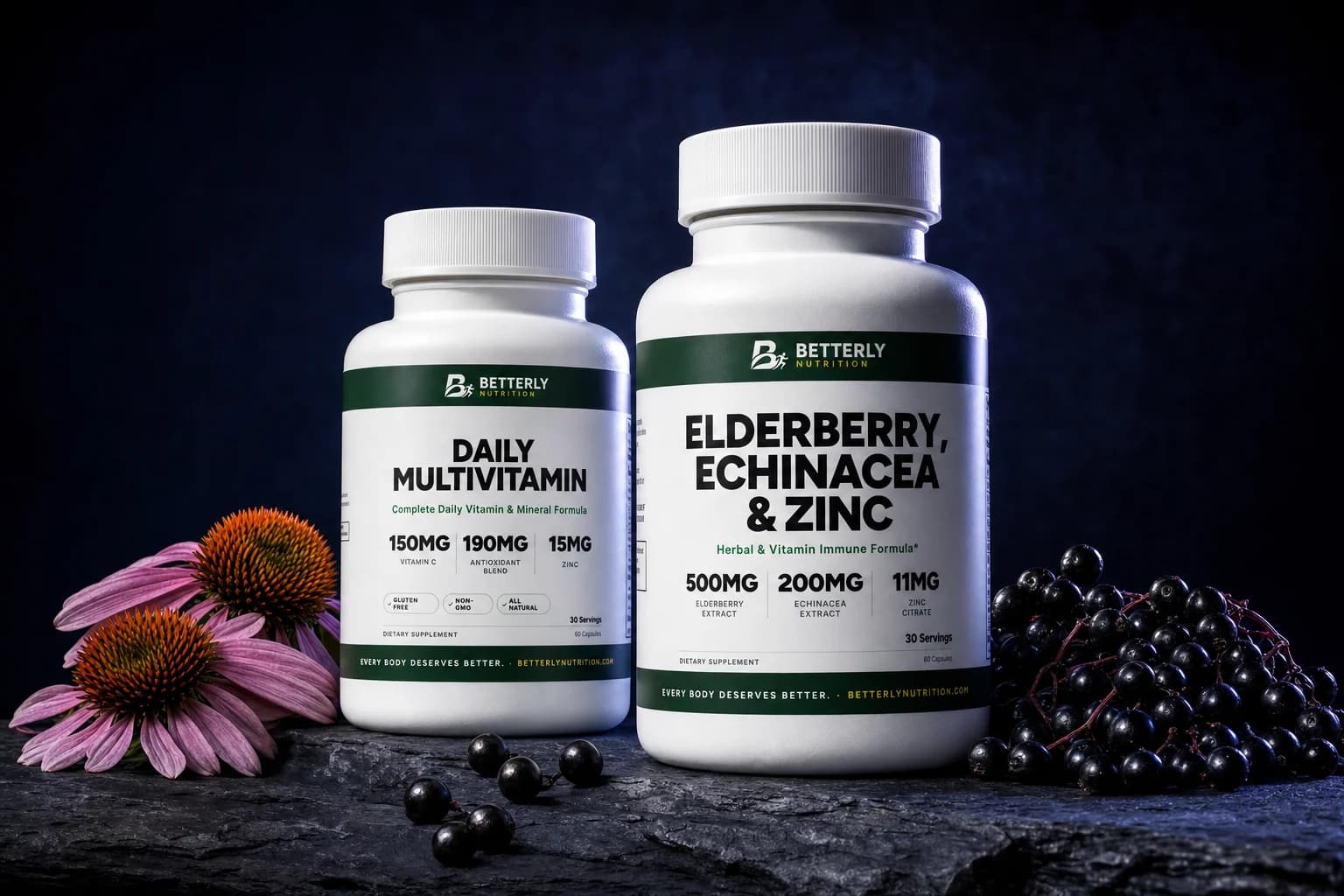
- Betterly's elderberry capsules and our multivitamin both list echinacea, so taking the two gives you two sources of the same herb.
Two products in this article are ours: we sell Elderberry, Echinacea & Zinc Capsules, and our Daily Multivitamin Capsules list echinacea too. A company that sells an herb has an obvious pull toward going easy on its risks. To push back on that, we name the NIH page or quote our label beside each safety fact, and we say so when a point is our own reading.
What are the side effects of elderberry?
Elderberry side effects on federal pages include nausea, vomiting and severe diarrhea from raw or unripe fruit and other plant parts, plus possible effects on insulin levels.
Those first three come from the elderberry safety page of the National Center for Complementary and Integrative Health (NCCIH), part of NIH. It says raw and unripe berries of the black elder, Sambucus nigra, hold cyanide-producing substances, and so do the leaves and stem. NCCIH adds that large amounts of that substance may cause serious illness.
The NIH Office of Dietary Supplements (ODS) widens the list in its consumer sheet on immune function. It names the bark, leaves, seeds and raw or unripe fruit as parts that can be poisonous, and it adds dehydration to the possible effects.
ODS also says elderberry might affect insulin levels and might make medicines that suppress the immune system less effective. Neither note is limited to raw fruit, so we read both as applying to capsules too. NCCIH counts only a small number of elderberry studies, and a short record proves neither harm nor safety.
Is elderberry poisonous, or is a made extract different?
Raw or unripe elderberry can be poisonous, but ODS says cooked fruit and properly manufactured supplements "do not have this safety concern."
Heat is the dividing line. NCCIH says cooking eliminates the cyanide-producing substance in raw and underripe berries. If you grow or forage elder, cook the berries, and keep the leaves, stems, bark and seeds out of the kitchen.
ODS's Dietary Supplements: What You Need to Know puts the general rule plainly: a natural label doesn't guarantee safety, which depends partly on how a product is prepared and how much you take.
Here's how the federal pages sort the elder plant:
| Part or form | What NIH pages say | What it means for you |
|---|---|---|
| Raw or unripe berries | Can be poisonous; nausea, vomiting, severe diarrhea | Cook before eating |
| Leaves, stems, bark, seeds | Can be poisonous | Leave them out |
| Cooked fruit | No raw-fruit concern, per ODS | Fine as food |
| Properly made supplement | No raw-fruit concern, per ODS | Follow the label; check medicines |
| Flowers | Appear safe to eat, per ODS | A different part from the berry |
ODS's insulin and medicine notes still apply to a made capsule, so its risks come down to your health, your medicines and your dose.
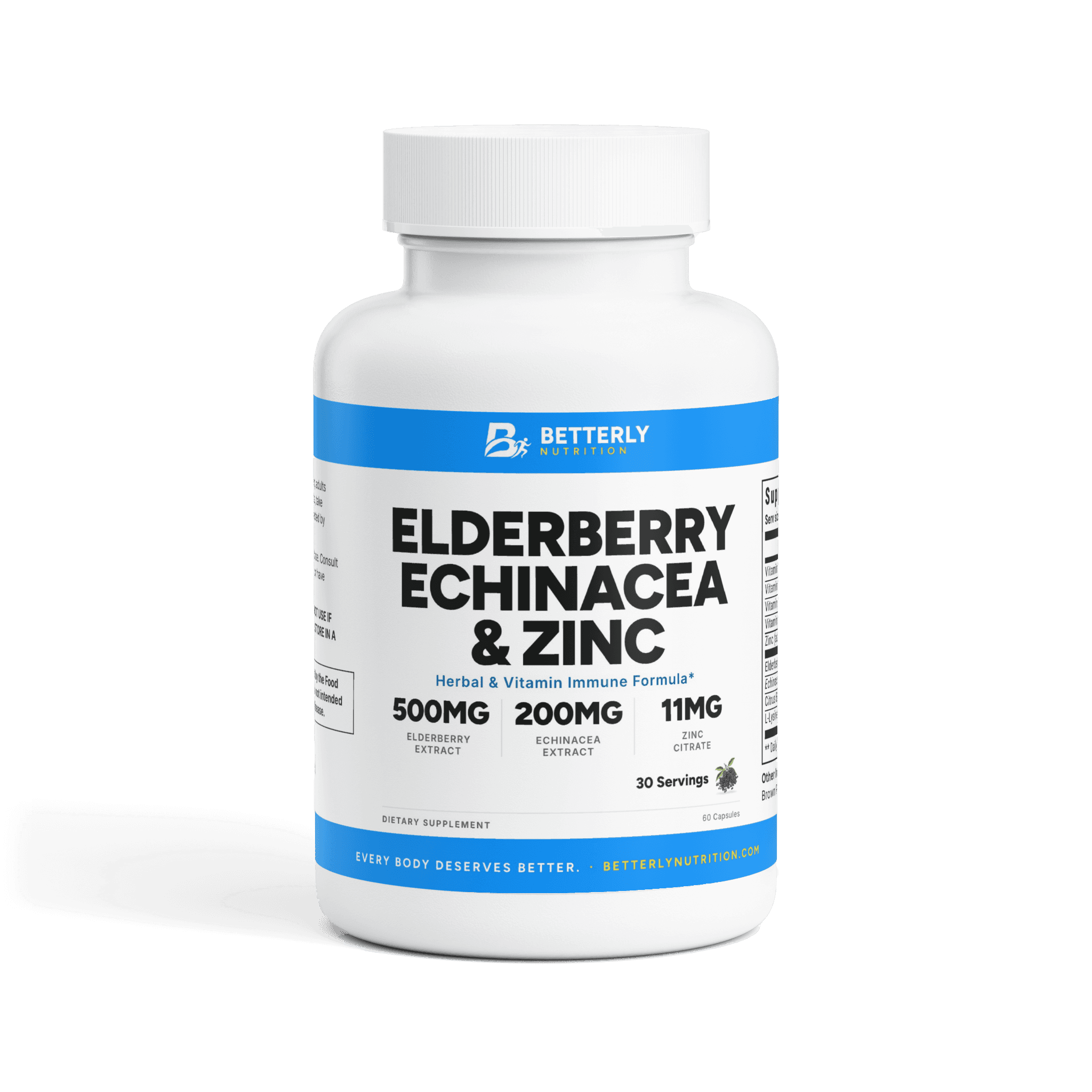
One honest limit on our own bottle: the panel lists "Elderberry Extract (Sambucus nigra)(fruit)" at 500 mg per 2-capsule serving, but it prints no extract ratio or process. The label alone can't show you how the extract was made.
What are the side effects of echinacea?
NCCIH says echinacea most often causes digestive trouble, like abdominal pain, nausea or stomach pain, and that some people have allergic reactions to it that may be severe.
Echinacea is a group of flowering plants native to areas east of the Rocky Mountains. Both of our labels use Echinacea purpurea, the purple coneflower. NCCIH's echinacea safety page says products made with E. purpurea extracts are likely safe for most adults for "short periods of time."
The ODS immune function sheet adds a few more possible effects:
- Diarrhea
- Trouble sleeping
- Skin rashes
- Allergic reactions, in rare cases
Neither agency ties these effects to an amount, so no federal number marks a safe dose of echinacea. Our capsule lists 200 mg of Echinacea purpurea extract (whole plant) per 2-capsule serving. If a rash or another sign of an allergic reaction shows up after you start it, stop and contact a healthcare provider.
Who should not take echinacea?
Anyone who has reacted to echinacea, or to the relatives NCCIH names (sunflowers, daisies and ragweed), should skip it or ask an allergist before trying it.
NCCIH says echinacea is closely related to those plants, and separately warns that some people have allergic reactions to it. It doesn't say outright that a ragweed reaction predicts an echinacea one. Still, if daisy-family plants have bothered you, get an allergist's view before testing a capsule on yourself.
Here's the flag that's ours, not a federal one: our multivitamin's panel says its lutein comes from marigold flowers, Tagetes erecta, and marigolds belong to the daisy family too. None of the NIH pages we used connects marigold lutein to echinacea-type reactions, so treat it as a question for an allergist, who can look at both panels.
Medicines are the other reason to pause. NCCIH calls the evidence on echinacea and some medicines conflicting, and it sees theoretical reasons to suspect interactions with immune-suppressing medicines.
Can you take elderberry and echinacea every day, or long term?
Betterly's elderberry capsule directions call for two capsules daily with no stopping point, but federal sources don't say how long daily use of either herb has been studied.
For echinacea side effects with long-term use, no federal page we read sets a limit. NCCIH's reassurance covers short periods without defining short, and none of the pages we read addresses elderberry for months on end. Some websites print a cutoff in weeks; we found none on a federal page.
So long-term daily use of both herbs sits in a gap. Nothing on our bottle mentions a cycle or a break, so ask your provider before a months-long run.
Do elderberry capsules have side effects of their own?
Elderberry capsules can bring effects beyond the herbs, because a combination formula like ours also holds vitamins and zinc, each with its own upper limit.
Alongside the two herbs, our panel lists 180 mg of vitamin C, 40 mcg of vitamin D3, 15 mg of vitamin E, 1.7 mg of vitamin B6 and 11 mg of zinc (as zinc citrate) per 2-capsule serving.
ODS links excess vitamin C with stomach cramps, nausea and diarrhea, and excess zinc with headaches, vomiting, loss of appetite, cramps and diarrhea. Its adult ceilings are 2,000 mg a day for vitamin C and 40 mg for zinc, and one serving sits well below both.
Vitamin D runs closest to its line. ODS puts the adult limit at 100 mcg (4,000 IU) a day, and one serving supplies 40 mcg. Going over can cause nausea, vomiting and muscle weakness, per ODS, so count any D3 product you also take; our elderberry, zinc and vitamin C label math runs those totals.
Where echinacea doubles up with our multivitamin
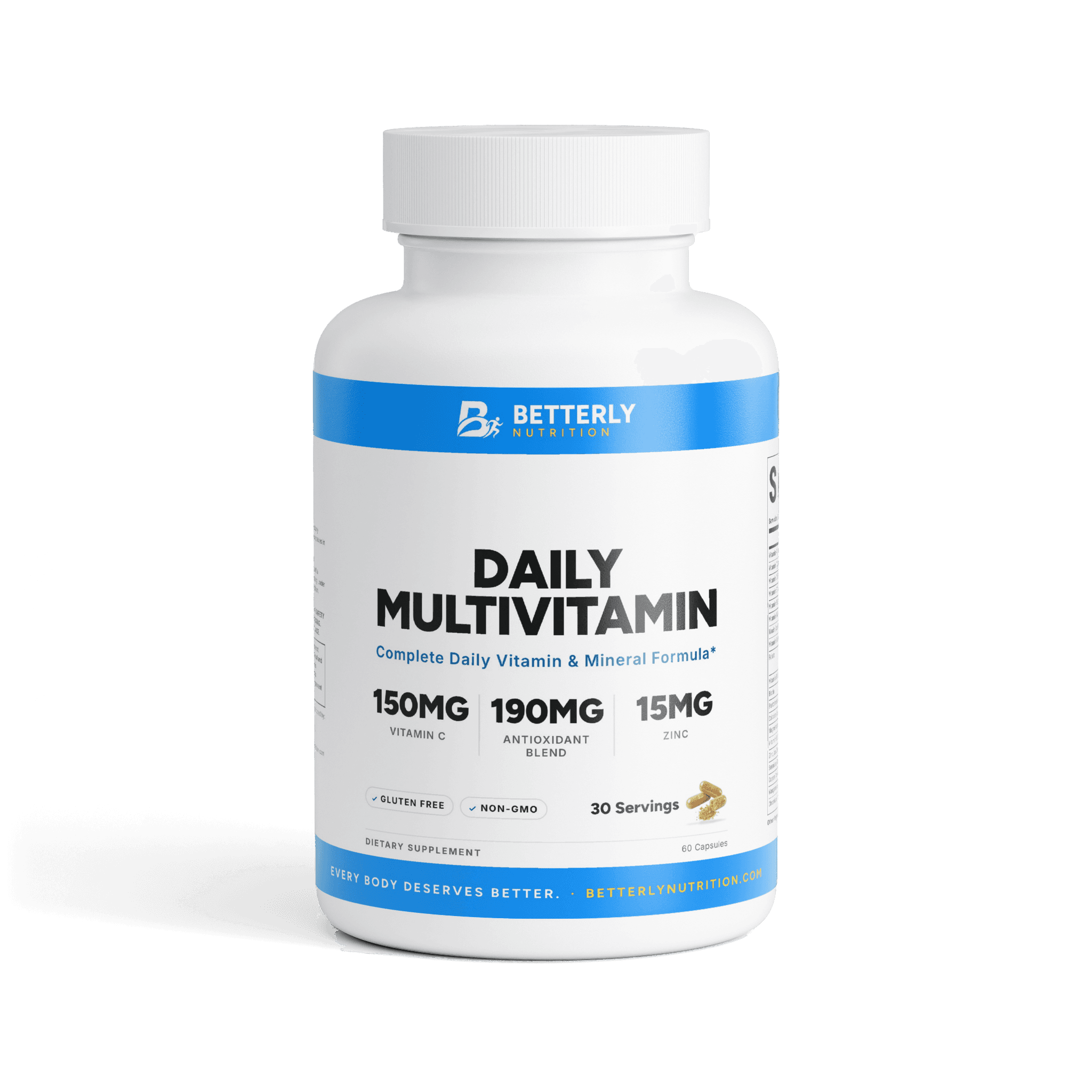
Our Daily Multivitamin Capsules list echinacea inside a 110 mg "Immune Support" blend, next to beta glucan, spirulina and garlic. A blend prints one total rather than each ingredient's share, but its ingredients are listed heaviest first. Our guide to reading proprietary blends explains how that order sets limits.
| Product | Echinacea on the panel | Plant part | Per 2-capsule serving |
|---|---|---|---|
| Elderberry, Echinacea & Zinc Capsules | E. purpurea extract | Whole plant | 200 mg |
| Daily Multivitamin Capsules | E. purpurea extract, first of 4 in the blend | Aerial (above-ground) | Not printed; at least 27.5 mg |
| Both bottles | Two extracts | Mixed | 227.5 mg to under 310 mg |
With both bottles, you take more echinacea than either label shows alone: 227.5 mg to just under 310 mg a day, if the blend follows the heaviest-first rule. No federal page sets an echinacea limit, so the point is knowing your total.
From our shop: Elderberry, Echinacea & Zinc Capsules — each 2-capsule serving pairs 500 mg of Sambucus nigra fruit extract with 200 mg of whole-plant Echinacea purpurea extract, and the directions are addressed to adults.
How do you take elderberry capsules and watch for a reaction?
The label's suggested use for Betterly's elderberry capsules is two daily with 6-8 oz of water. While you take them, watch for stomach trouble or a rash, the reactions NIH pages name.
Here's a plan for spotting trouble, built from the caution and the NIH lists:
- Read the caution line before the first capsule. If you're pregnant or nursing, younger than 18, or have a medical condition, it sends you to a physician first.
- Start this bottle on its own. With nothing else new in your routine, a reaction points to one product instead of several.
- Know the signs NIH pages name for echinacea: stomach pain, nausea, diarrhea, trouble sleeping and skin rashes. Take a rash seriously, since NCCIH says some allergic reactions to echinacea may be severe.
- Stay at two capsules, the label's limit. More would only raise the vitamin D, zinc and vitamin C you're tracking.
If you also want our multivitamin, whose directions say two capsules with a morning meal, start it separately from the elderberry bottle so step 2 still works.
From our shop: Daily Multivitamin Capsules — Echinacea purpurea heads the Immune Support blend (110 mg total) in each 2-capsule serving, which also lists 15 mg of zinc and 150 mg of vitamin C.
When don't you need elderberry or echinacea?
Elderberry and echinacea aren't nutrients your body requires, so you can skip both; ODS says varied, nutritious foods can supply the vitamins and minerals a healthy immune system needs.
Allergies and medicines give some people a firmer reason to pass:
- You've reacted to echinacea, or to ragweed, daisies or sunflowers.
- You take a medicine that suppresses the immune system, which ODS says both herbs might make less effective.
- Your multivitamin already carries echinacea, as ours does, and one source is plenty for you.
- You'd rather wait for a longer research record before taking an herb every day.
If echinacea is what you're avoiding, note that our only elderberry product contains it.
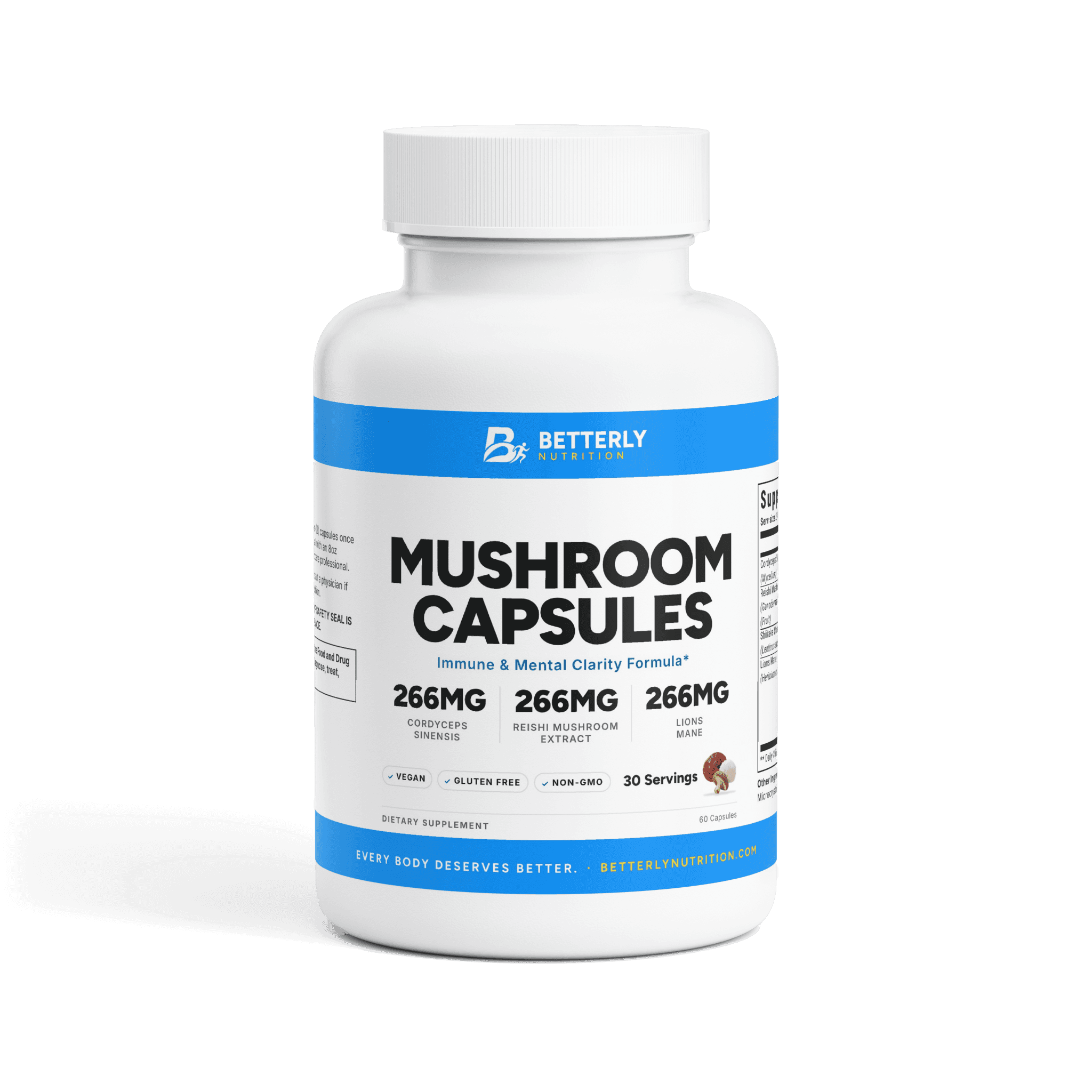
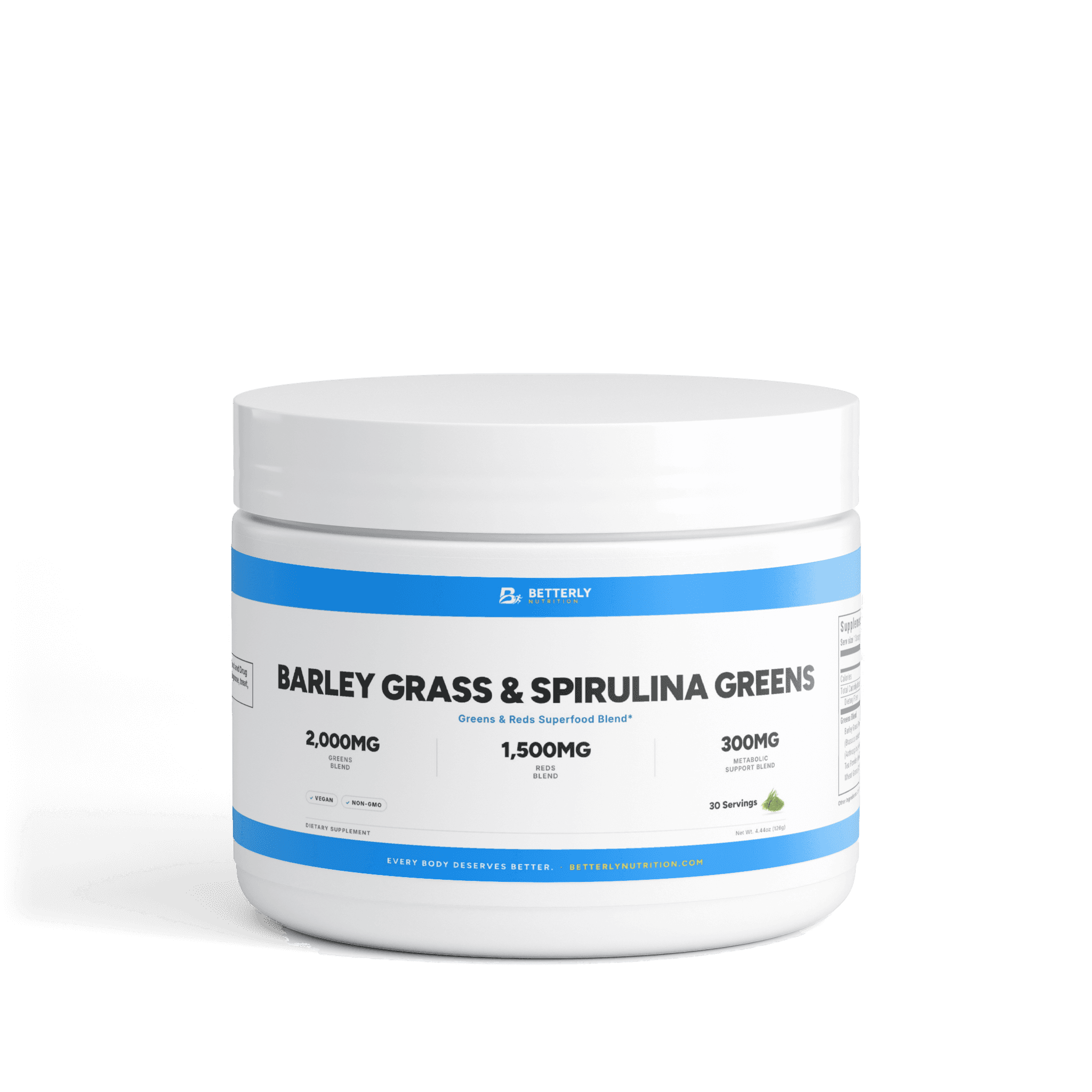
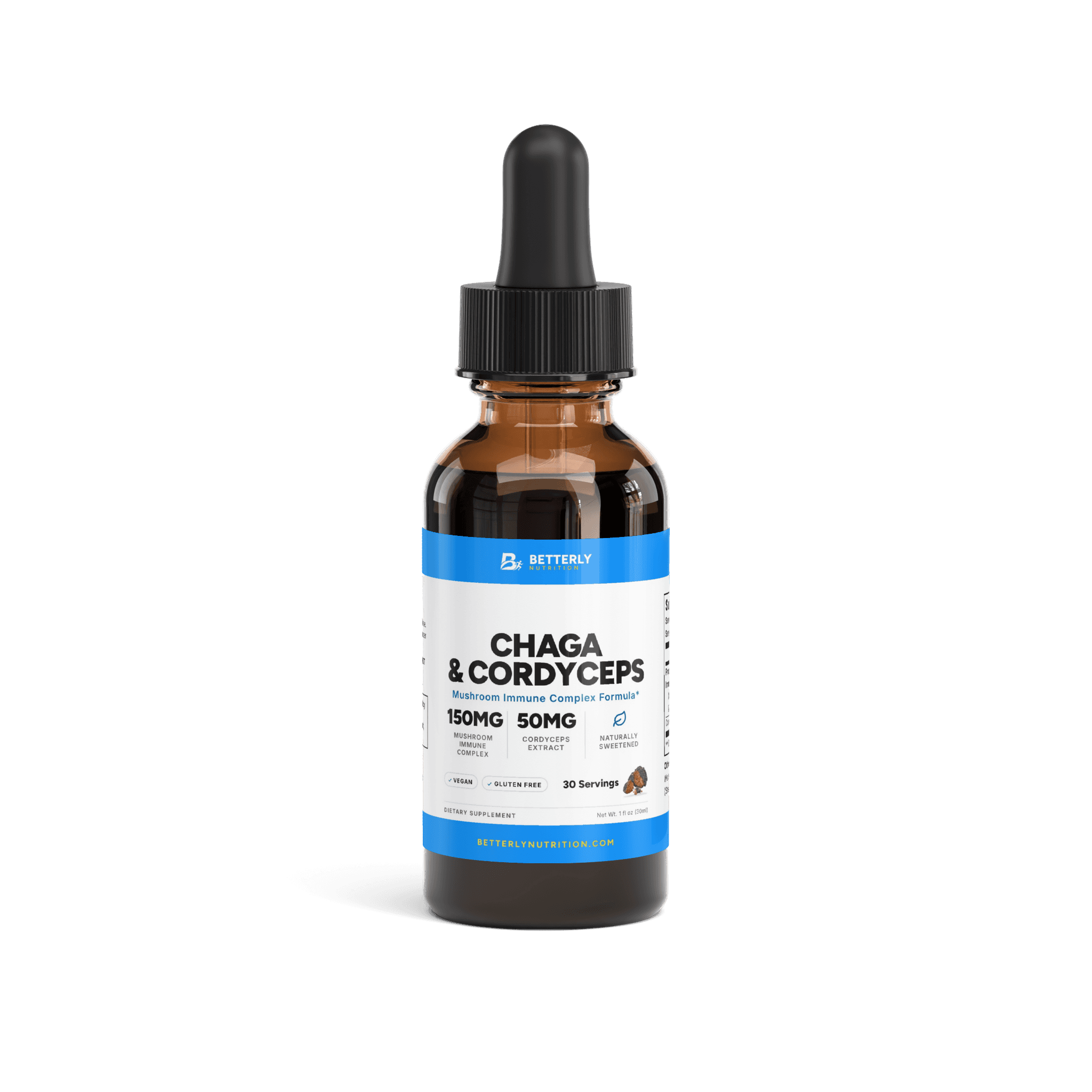
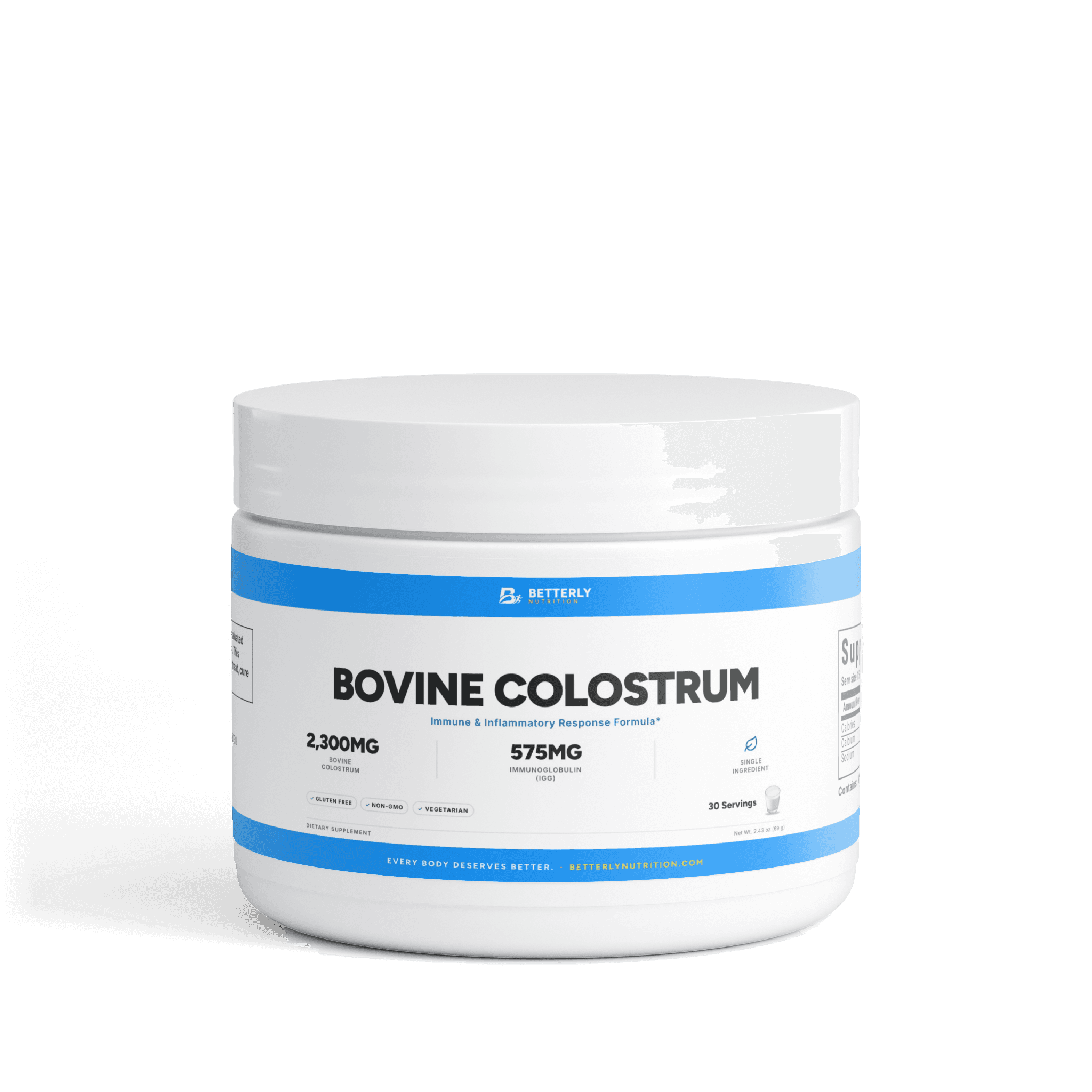
Our everyday immune support roundup puts meals and sleep ahead of capsules. The rest of our immune support shelf includes mushroom, colostrum and greens formulas with no echinacea or elderberry on their panels. Choosing between the two herbs instead? Our elderberry vs echinacea comparison sets them side by side.
Who should get a provider's go-ahead before elderberry or echinacea?
Elderberry and echinacea need a healthcare provider's review first if you take any medicine, are pregnant or nursing, are under 18, have surgery coming up or have a medical condition.
Pregnancy, nursing, age and medical conditions come from the caution on our bottle: "Do not exceed recommended dose. Consult a physician if pregnant, nursing, under 18, or have a medical condition." Medicine and surgery come from NIH pages.
Medicine matters most. Both NCCIH pages tell anyone who takes medicine of any kind to talk with a provider before using the herb, because some herb and medicine pairings can cause harm. ODS gets specific: both herbs might make immune-suppressing medicines less effective, and elderberry might affect insulin levels. Show your provider the whole panel.
For pregnancy and nursing, the federal record is thin. ODS says it's unknown whether either herb is safe during pregnancy, and on breastfeeding, both NCCIH pages say little is known.
Before surgery, ODS's What You Need to Know guide asks you to tell your provider about every supplement you take.
FAQ: elderberry and echinacea side effects
Is black elderberry the same as elderberry?
Yes, black elderberry is another common name for the same plant. NCCIH uses both names, European elder and black elder, for one tree, Sambucus nigra, and that's the species printed on our label. The raw-berry cautions apply to black elderberry just the same.
Does elderberry cause diarrhea?
Elderberry can cause diarrhea when the fruit is raw or unripe, or when other parts of the plant are eaten. NCCIH blames cyanide-producing substances in those parts, which cooking the berries eliminates. ODS says properly manufactured supplements don't carry that raw-plant concern. In a combination capsule, stomach trouble can have other sources, since ODS lists diarrhea among echinacea's side effects and among the effects of too much vitamin C or zinc.
Does elderberry interact with medications?
Elderberry might interact with some medicines, and NCCIH's advice is to talk with a health care provider before using it if you take medicine of any kind. The specific note comes from ODS: elderberry might make medicines that suppress the immune system less effective, and it might affect insulin levels. Echinacea carries the same immune-medicine note, and our capsule holds both, so share the full ingredient list.
Does echinacea interact with caffeine?
Echinacea might interact with caffeine, but NCCIH calls the reasons theoretical and doesn't describe what that would look like. If you drink a lot of coffee, mention it when you ask about echinacea. Green tea extract leads our multivitamin's Antioxidant Fruit & Energy Blend, and the panel doesn't say whether it adds caffeine. Our elderberry capsules list no caffeine or tea.
Should you stop elderberry and echinacea before surgery?
Possibly, but that's your surgeon's call: none of the NIH pages we read gives a stop date for elderberry or echinacea before a procedure. ODS asks anyone with a surgical procedure scheduled to raise every supplement with their provider, and it notes that some supplements, in general, can change your response to anesthesia. So mention both herbs well before the date.
Sources
- Elderberry: Usefulness and Safety, National Center for Complementary and Integrative Health
- Echinacea: Usefulness and Safety, National Center for Complementary and Integrative Health
- Dietary Supplements for Immune Function: Fact Sheet for Consumers, NIH Office of Dietary Supplements
- Dietary Supplements: What You Need to Know, NIH Office of Dietary Supplements
If this left you looking for somewhere to start, read elderberry capsules with echinacea — its amounts per serving are listed on the page. For the practical questions this raises, how dosing, sourcing and subscriptions work is answered in one place.