On this page
- Key takeaways
- Ox bile vs digestive enzymes: what's the difference?
- Is ox bile a digestive enzyme?
- Ox bile vs lipase: how do they split the work on fat?
- What's in a serving of each of our three labels?
- Which is better, ox bile or digestive enzymes?
- Can you take ox bile and digestive enzymes together?
- What directions do the ox bile and enzyme labels give?
- When don't you need ox bile or digestive enzymes?
- Who should check with a healthcare provider first?
- FAQ: ox bile and digestive enzymes
- Sources
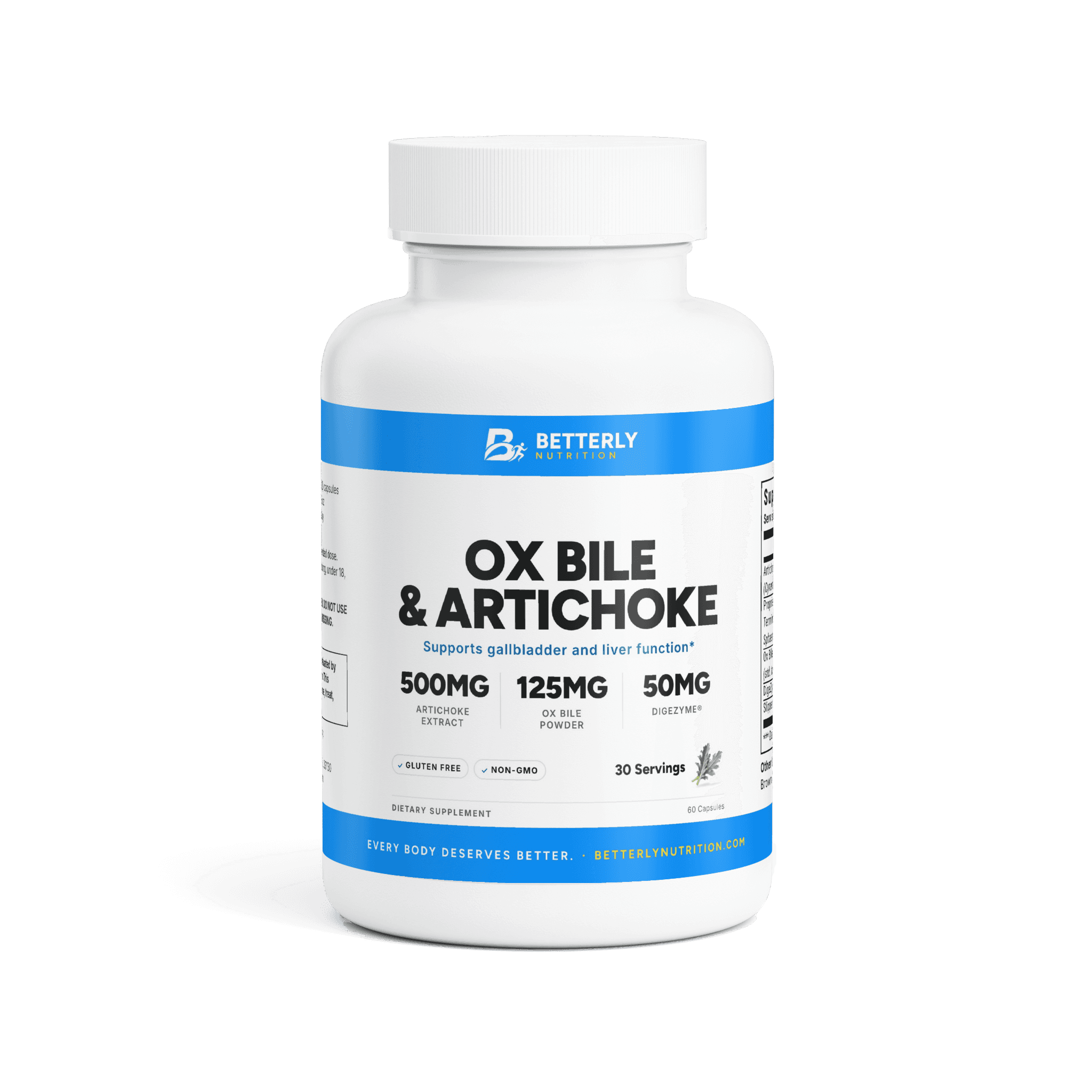
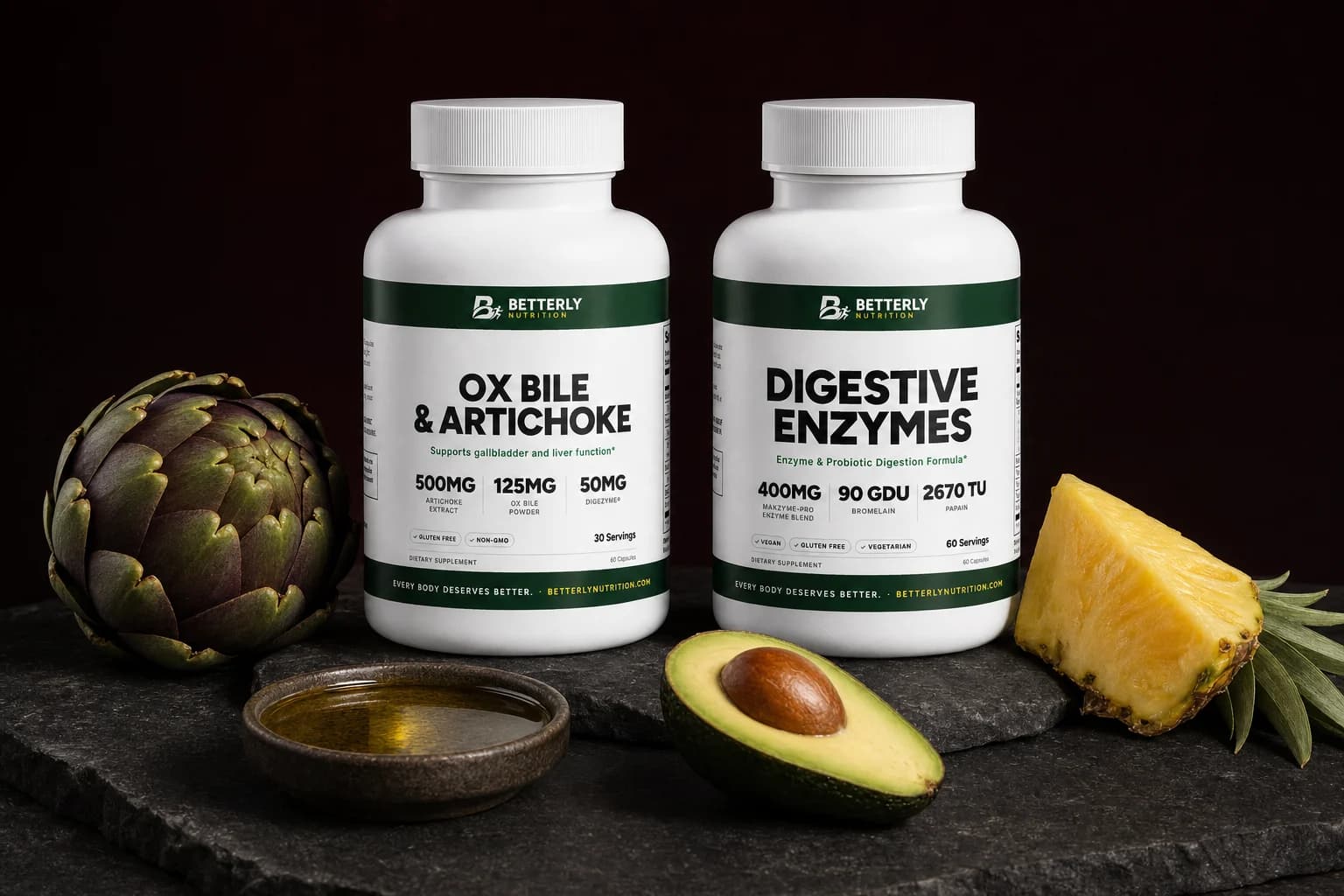
The short answer: Ox bile vs digestive enzymes compares two different tools, not two versions of one. Ox bile is dried cattle bile, an emulsifier that breaks fat into small droplets. Digestive enzymes are proteins that split food chemically, and lipase is the one that splits fat. Bile gets fat ready, and lipase cuts it apart. Your body makes both. Our Ox Bile & Artichoke Capsules hold 125 mg of ox bile powder per 2-capsule serving but print no lipase amount.
Key takeaways
- Ox bile isn't an enzyme. The National Library of Medicine describes bile as an emulsifying agent whose makeup includes bile acids and salts, cholesterol and electrolytes.
- Lipase is the enzyme that chemically splits fat, and glands on your tongue and your pancreas already make it.
- Betterly's Digestive Enzyme & Probiotic Capsules list fungal lipase among six enzymes in one 2500 HUT/400mg blend per 1 Veggie Capsule serving, with no lipase amount of its own.
- Our ox bile capsule also carries 50 mg of DigeZyme® per 2-capsule serving, a trademarked ingredient whose components the panel doesn't list.
- Neither of our labels mentions the other product, so taking both is a call for you and your healthcare provider.
Betterly sells all three bottles compared below. We'd rather you choose by the panel than by the name on the front, even when that points you to lipase instead of bile, or to nothing at all.
Ox bile vs digestive enzymes: what's the difference?
Ox bile is an emulsifier that spreads fat into droplets, while digestive enzymes are proteins that chemically split fat, protein and carbohydrates into smaller pieces.
They share a shelf, which is where the mix-up starts. Here's how they compare on our panels, with lipase taken from the enzyme capsule:
| Trait | Ox bile | Fungal lipase |
|---|---|---|
| Source the label prints | Ox bile powder | "Fungal," with no species named |
| What the amount measures | Weight: 125 mg per 2 capsules | No lipase amount; its blend prints 2500 HUT/400mg, and HUT is a protease unit |
| Extra detail | 40% cholic acid (works out to 50 mg) | None |
| Place on its panel | Row 3 of 5, below 800 mg of herbs | 7th of 9 names inside the panel's one blend |
The middle rows are the catch. Our bile figure is a weight with a purity note, while our capsule gives lipase no figure at all, so there are no two numbers to line up.
Is ox bile a digestive enzyme?
No, ox bile isn't a digestive enzyme. It's a dried digestive fluid that acts as an emulsifier, while enzymes are proteins that chemically split food.
The National Library of Medicine's MeSH entry for bile calls it "an emulsifying agent produced in the liver." It says bile's composition includes bile acids and salts, cholesterol and electrolytes, and that bile aids the digestion of fats. No enzyme appears in that list.
An emulsifier lets fat hang in a watery liquid as tiny droplets instead of pooling. Picture oil-and-vinegar dressing shaken hard, the oil broken into beads. Bile does a similar job on the fat in a meal.
That's also why the two get different units. An enzyme is judged by how much work it can do, so its row usually carries an activity unit, while bile is sold by weight. Our guide to ox bile and its label numbers walks through the cholic acid math.
Ox bile vs lipase: how do they split the work on fat?
Lipase does the chemical splitting of fat, while bile breaks that fat into droplets, and the two meet in your small intestine to finish the job.
The MeSH entry for lipase describes an enzyme that reacts triacylglycerol, better known as a triglyceride, with water and frees a fatty acid. Put simply, lipase uses water to snip fatty acids off a fat molecule. MeSH says glands on the tongue and the pancreas make lipase, and that it "initiates the digestion of dietary fats."
NIDDK, part of the National Institutes of Health, adds the pancreas to the picture. Its guide says the pancreas produces a juice whose enzymes work on fat, as well as on carbohydrates and protein. Small ducts carry that juice into your small intestine, where bile from your gallbladder also arrives.
Here's the rough order for the fat in a meal:
- Lipase from glands on your tongue gets fat digestion going.
- In your small intestine, bile spreads that fat into fine droplets.
- Enzymes in pancreatic juice keep splitting it, and NIDDK says fats end up as fatty acids and glycerol.
- Your lymph system, according to NIDDK, absorbs the fatty acids.
That's why "ox bile or lipase?" has no clean winner: they work on the same meal at different steps.
What's in a serving of each of our three labels?
Our three digestion labels take different routes: the ox bile capsule leads with herbs and bile, the enzyme capsule with six named enzymes, the strip with a probiotic.
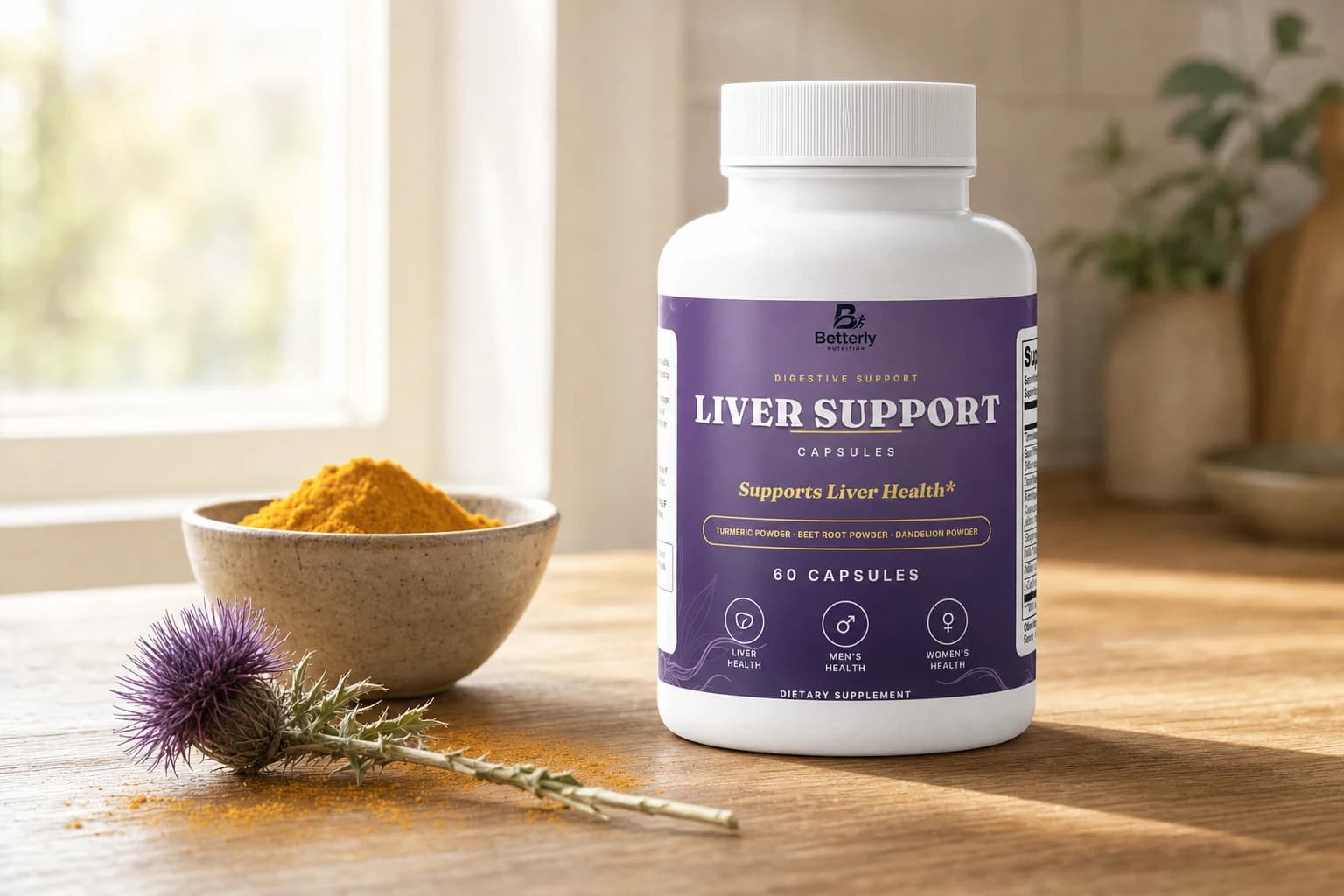
- Ox Bile & Artichoke Capsules (per 2 capsules): 125 mg of ox bile powder and 50 mg of DigeZyme®, printed as a name and a weight only. Artichoke leaf extract is the largest row at 500 mg, beside a 300 mg proprietary blend of two herbs and 40 mg of slippery elm bark extract. The capsule is gelatin.
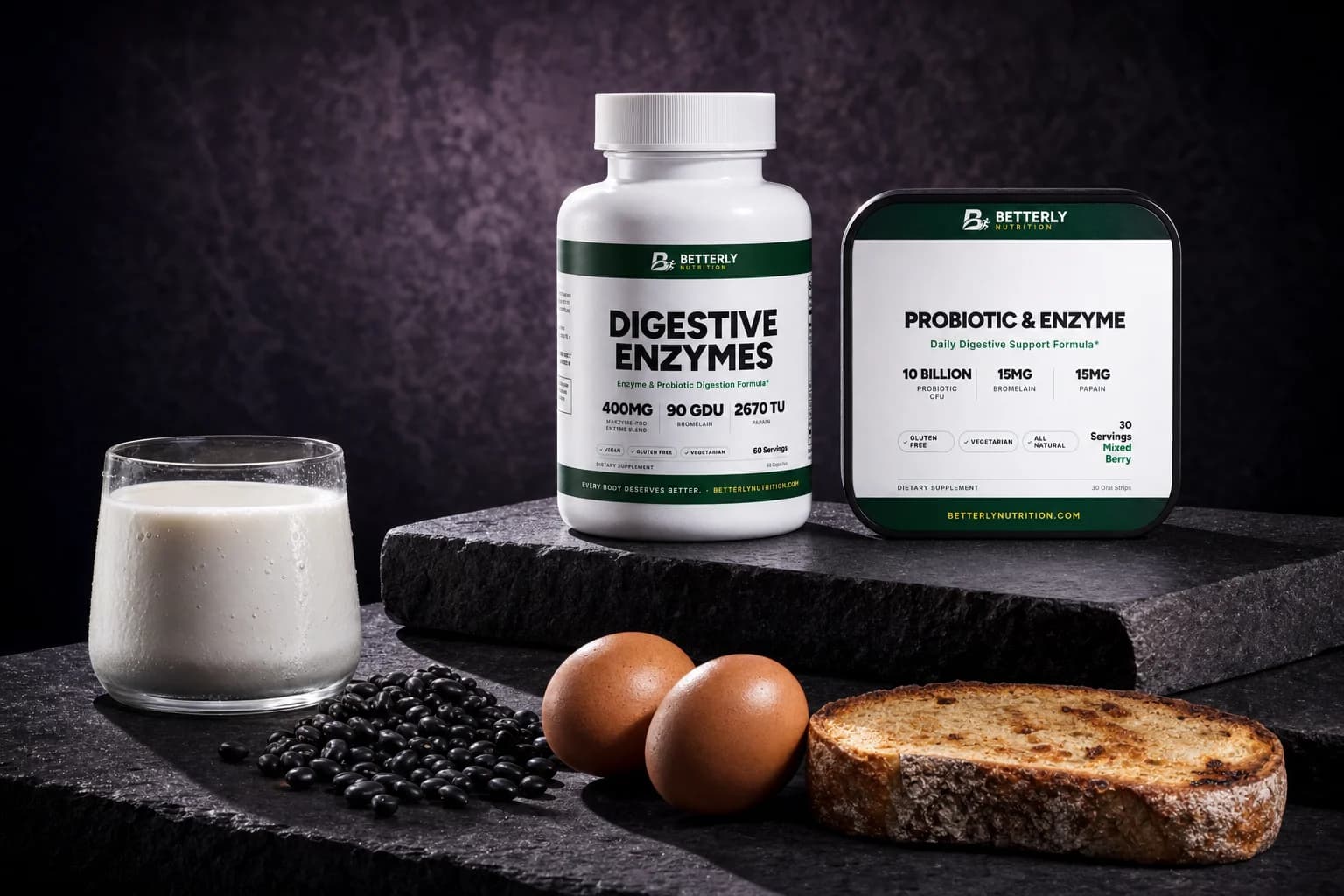
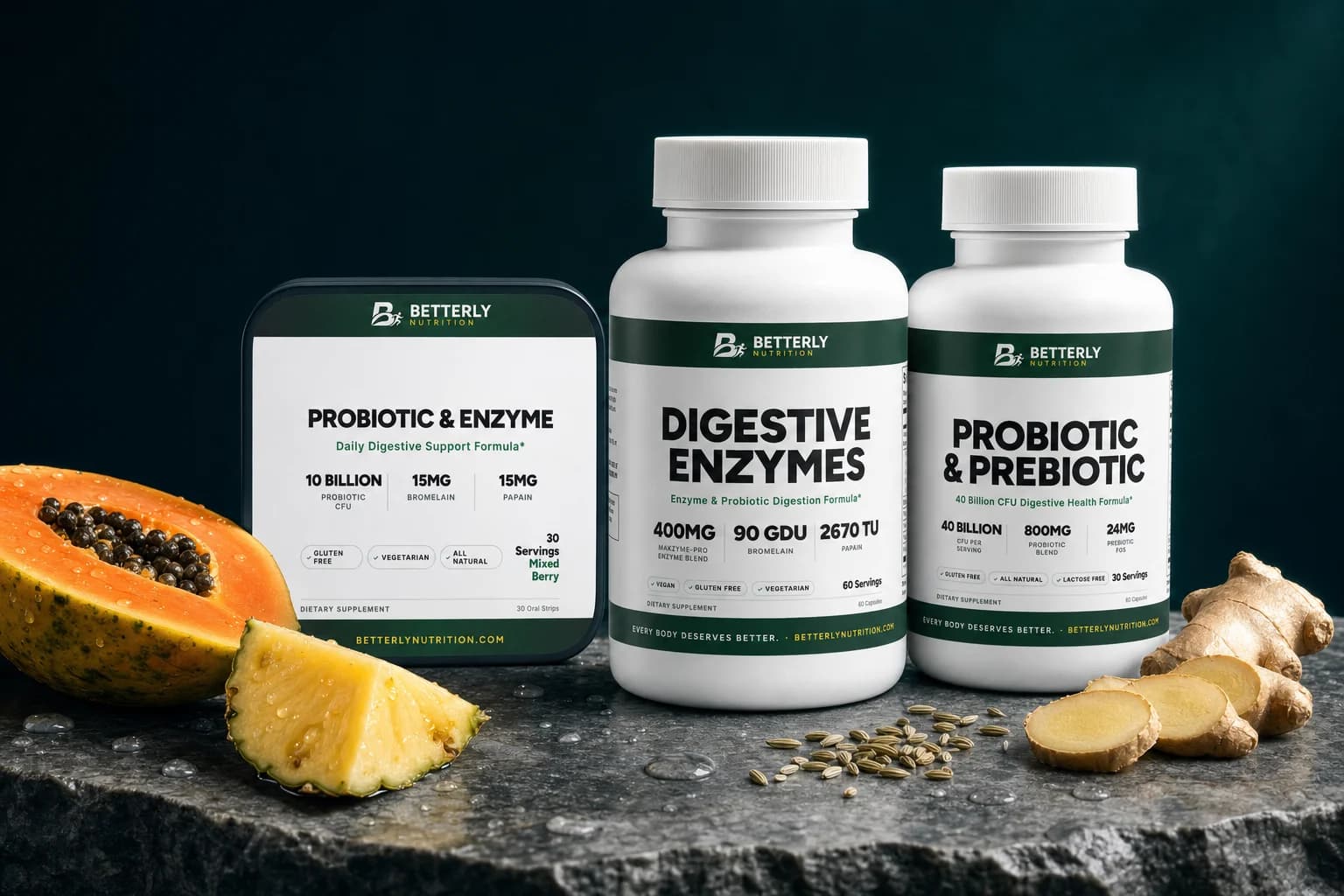
- Digestive Enzyme & Probiotic Capsules (per 1 Veggie Capsule): one Makzyme-Pro™ Enzyme Blend at 2500 HUT/400mg, listing fungal protease, three Lactobacillus species (no CFU count), bromelain, papain, fungal lipase, fungal lactase and alpha galactosidase, with no separate amounts. The label carries vegan and gluten-free claims.
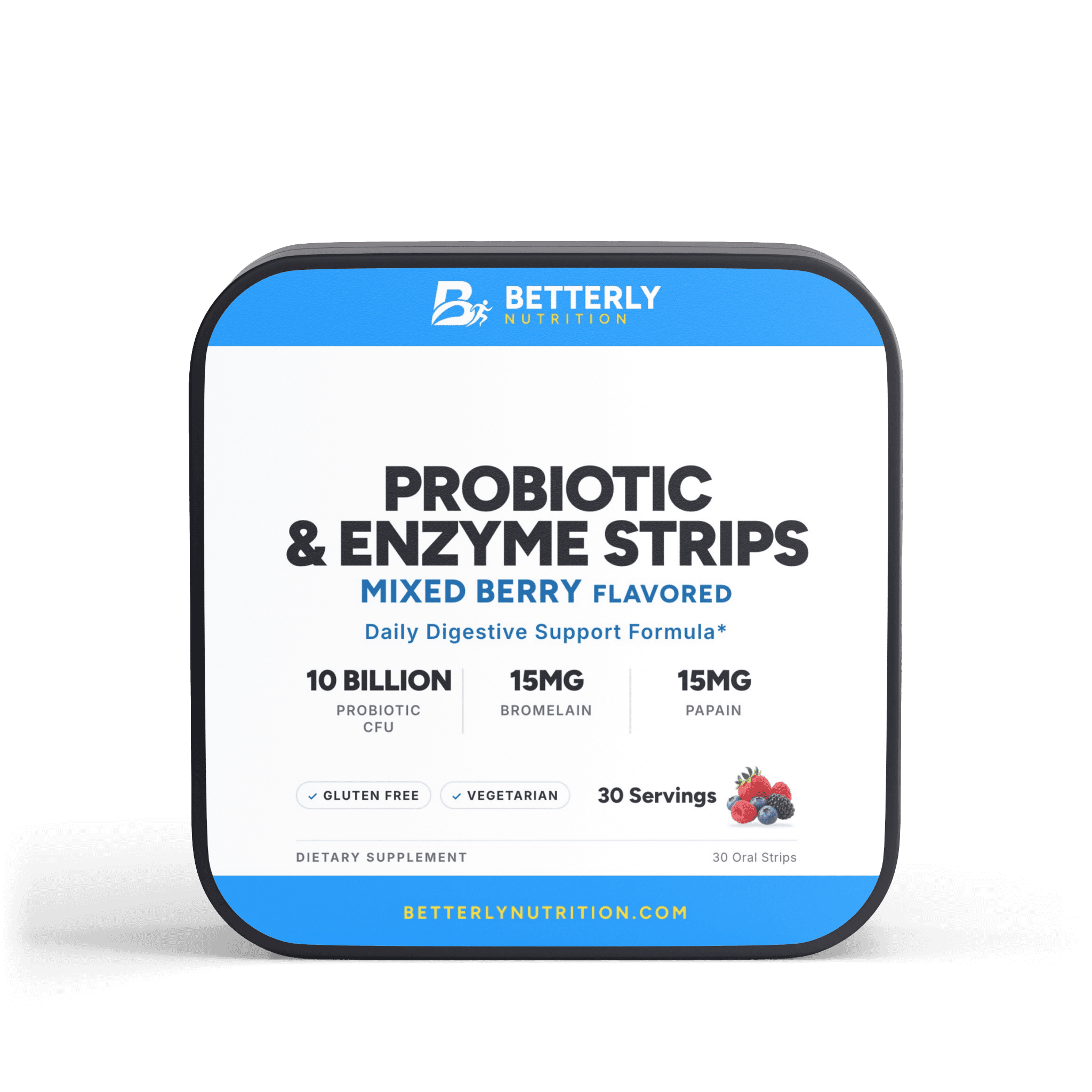
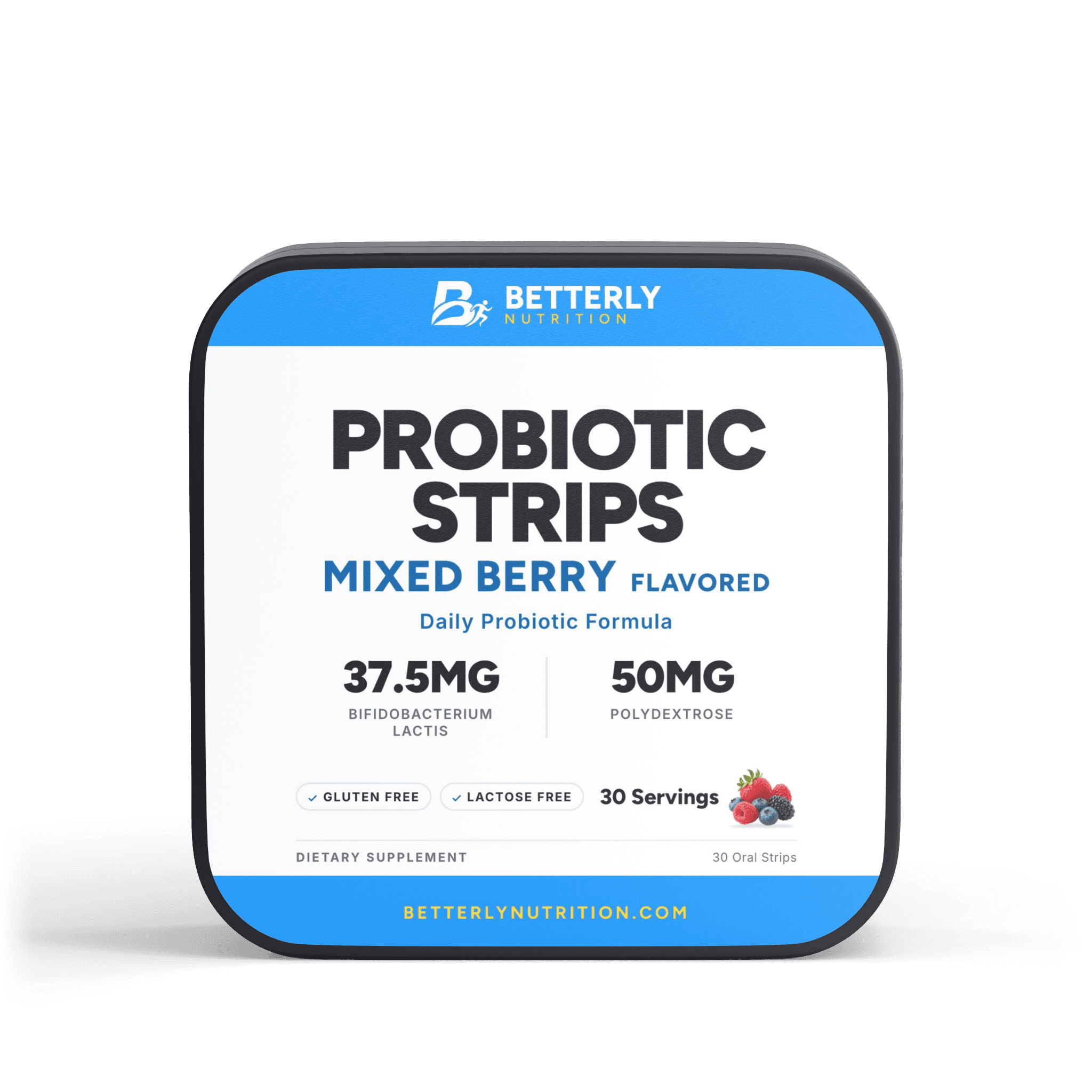
- Probiotic & Digestive Enzyme Strips (per 1 Oral Strip, 210 mg): Bacillus coagulans at 50 mg (10 Billion CFU), with protease (10 mg), papain (15 mg) and bromelain (15 mg). There's no lipase row and no bile.
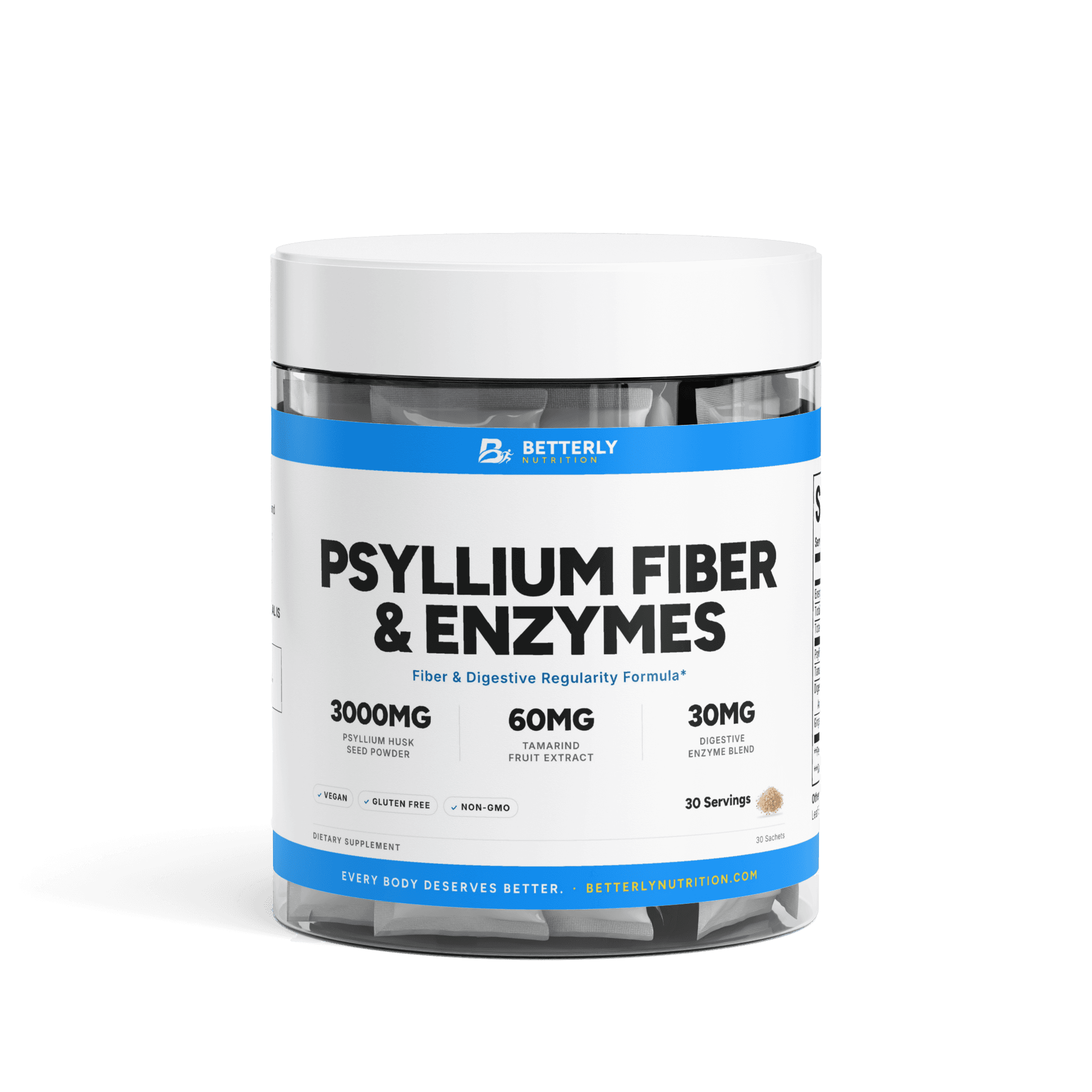
For fat, none of these labels gives lipase a number of its own: the enzyme capsule names it inside its blend, the ox bile capsule's DigeZyme® row is a closed box, and the strip skips lipase. Our Psyllium Fiber & Digestive Enzyme Powder names lipase too, also inside a blend, 30mg per 1 Sachet serving, taken away from meals.
FIP is an activity unit for lipase, not a weight, so it only compares with another FIP figure. Our breakdown of enzyme units like HUT, FIP and GDU covers the rest.
From our shop: Digestive Enzyme & Probiotic Capsules — fungal lipase named inside a 2500 HUT/400mg enzyme blend per 1 Veggie Capsule serving, beside five more enzymes and three Lactobacillus species, in a vegan capsule.
Which is better, ox bile or digestive enzymes?
Neither ox bile nor digestive enzymes is better overall. Which label fits depends on what you want printed on it, what you eat, and how you like to take things.
No federal source we read compares ox bile with enzyme supplements or ranks either one for healthy adults. So the fair test is panel against panel:
| What matters to you | Label to read first | The panel detail behind it |
|---|---|---|
| A lipase figure you can compare | None of ours | The enzyme capsule names lipase in its blend, with no figure |
| Bile acids with a stated standardization | Ox Bile & Artichoke Capsules | 125 mg ox bile, std. to 40% cholic acid |
| No animal-derived ingredients | Digestive Enzyme & Probiotic Capsules | Vegan claim; ox bile formula uses gelatin |
| Directions tied to meals | Digestive Enzyme & Probiotic Capsules | 20-30 min before a meal |
| Nothing to swallow | Probiotic & Digestive Enzyme Strips | Dissolves on the tongue; no lipase |
| A breakdown of DigeZyme® | Neither label | Trademark and 50 mg only |
Two rows point to the enzyme capsule, for its vegan claim and its meal timing, and none of our labels answers the lipase-figure row. The ox bile capsule answers only the row that asks for bile itself. Pick by the row you actually care about.
Can you take ox bile and digestive enzymes together?
Neither our ox bile label nor our enzyme capsule label addresses taking them together, so ask your provider first. The ox bile capsule already carries 50 mg of DigeZyme®.
Pair it with the enzyme capsule and you're taking digestion ingredients from two bottles, one with a row you can't see inside. Before stacking, line up the overlaps:
- DigeZyme®'s components aren't printed, so you can't tell whether it holds lipase, and the enzyme capsule prints no lipase amount to add it to.
- Bromelain and papain show up on both the enzyme capsule and the strips, with no amount on one and milligrams on the other, so you can't total them.
- Your daily totals stay separate: 2 ox bile capsules and 2 enzyme capsules, with no extra of either to cover a bigger meal.
In its fact sheet Dietary Supplements: What You Need to Know, the NIH Office of Dietary Supplements (ODS) warns that the odds of side effects rise when you take many different supplements. A bile-and-enzyme routine is two products at minimum, three if a strip joins in.
What directions do the ox bile and enzyme labels give?
Each label sets its own schedule: ox bile capsules are 2 daily with water, the enzyme capsule is 1 twice a day before meals, and the strip is once daily.
- Ox Bile & Artichoke Capsules: "Adults take two (2) capsules daily. For best results, take with 6-8 oz (177-237ml) of water or as directed by healthcare professional." No meal or time of day is named.
- Digestive Enzyme & Probiotic Capsules: "take one (1) capsule twice a day," and "For best results take 20-30 min before a meal or as directed by your healthcare professional." At full use that's two capsules a day.
- Probiotic & Digestive Enzyme Strips: "Place 1 oral strip on the tongue daily and allow it to dissolve." No water or meal timing.
Only the enzyme capsule ties its dose to food, and neither label stretches to three meals a day. The ox bile capsule's 2 capsules are one daily total, and the enzyme capsule gives you two doses, not three.
From our shop: Ox Bile & Artichoke Capsules — 125 mg of ox bile powder standardized to 40% cholic acid, with 50 mg of DigeZyme® and 500 mg of artichoke leaf extract, per 2-capsule serving.
When don't you need ox bile or digestive enzymes?
You can skip ox bile and digestive enzymes if you're buying them only because there's fat on your plate, since your liver and pancreas already supply bile and lipase.
Fat in a meal is ordinary, and no federal page we read calls a rich dinner a reason to supplement. A few situations make one or both bottles a poor buy:
- You're shopping for a lipase figure. Neither the ox bile panel nor our enzyme capsule prints one, so neither can answer that search.
- You mainly want bile. Per 2-capsule serving, plant extracts fill 840 mg of the 1,015 mg our ox bile panel lists, and bile is 125 mg of it.
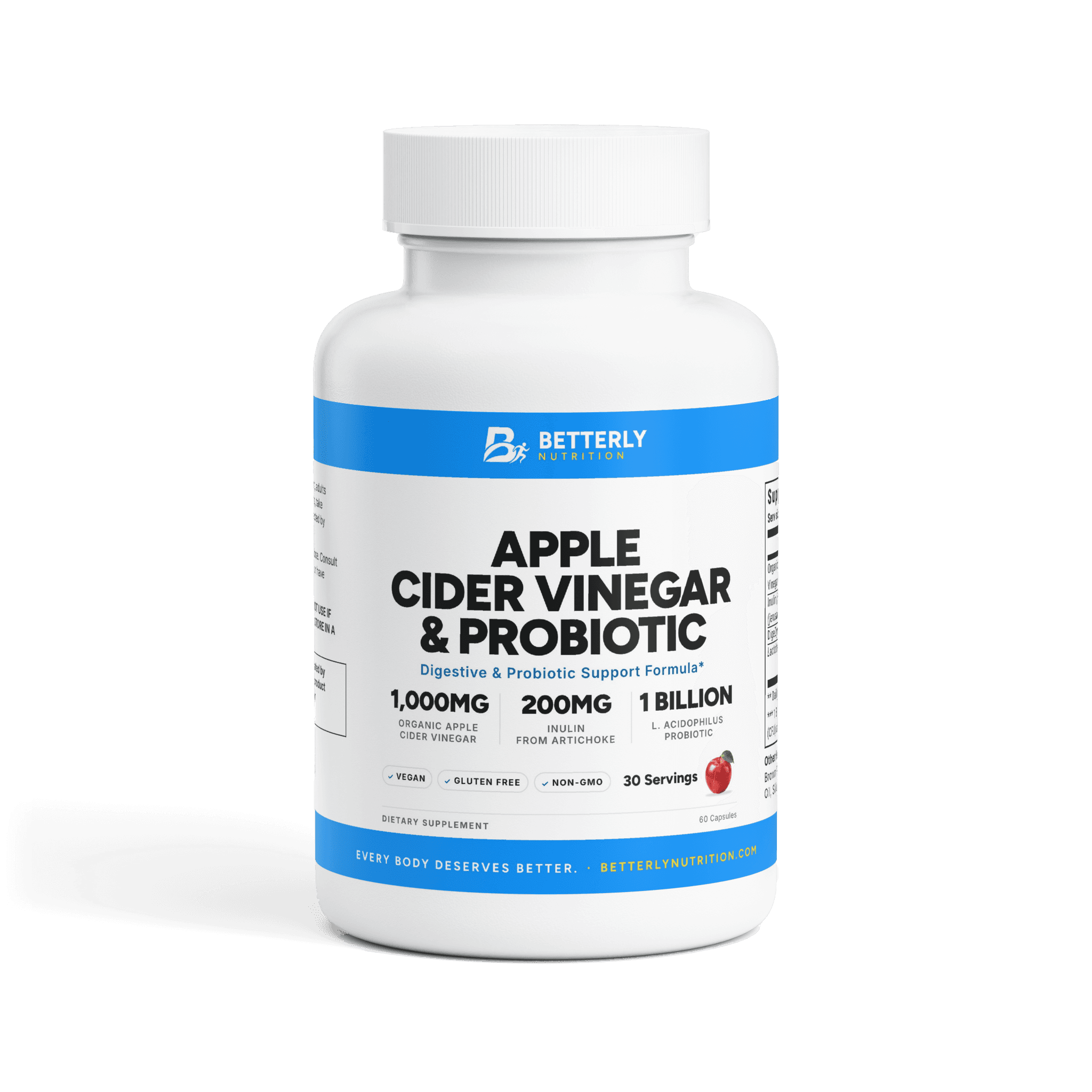
- You already take our Apple Cider Vinegar & Probiotic Capsules. They list 100 mg of DigeZyme® per 2-capsule serving, so the ox bile formula would add a second DigeZyme® row, 50 mg more, from another bottle.
- You're hoping two bottles will beat one. Neither label says bile plus lipase does more than either one alone.
If your real question turns out to be about fiber or live cultures rather than fat, the Gut Health & Digestion hub is a better place to start.
Who should check with a healthcare provider first?
Before adding ox bile, a digestive enzyme or both, talk with a provider if you're pregnant, nursing, under 18, on medication, managing a medical condition or scheduled for surgery.
Our ox bile capsule, enzyme capsule and strips print one identical caution: "Do not exceed recommended dose. Consult a physician if pregnant, nursing, under 18, or have a medical condition."
Combining two digestion products raises questions that caution never gets to. According to ODS, certain supplements interact with medicines, and certain ones taken before surgery can change your response to anesthesia. It also asks you to get your provider's approval before taking supplements in combination with prescribed medicines.
So bring both bottles, or clear photos of both panels, to that talk. Your provider can then look at the DigeZyme® row, the 300 mg herb blend and the enzyme blend's six named enzymes side by side, rather than working from a product name.
FAQ: ox bile and digestive enzymes
Does ox bile contain lipase?
Not as far as we can find: the MeSH description of what bile includes names bile acids and salts, cholesterol and electrolytes, but no enzymes, and our ox bile panel prints no lipase row. Some ox bile supplements add enzyme ingredients on top. Ours adds 50 mg of DigeZyme® per 2-capsule serving, but that row lists no components, so the label can't tell you whether lipase is among them.
Is there a plant-based alternative to ox bile?
No plant product is the same as ox bile, because bile is an animal digestive fluid. A fungal enzyme is a different tool that acts on fat chemically. Our Digestive Enzyme & Probiotic Capsules list fungal lipase inside their enzyme blend per 1 Veggie Capsule serving, with no separate amount, in a hypromellose capsule with a vegan claim on the label. That's an alternative product, not a stand-in for bile's job.
Can you take digestive enzymes after eating?
Our digestive enzyme label doesn't say you can, because it only gives timing before food. The Digestive Enzyme & Probiotic Capsules directions read, "For best results take 20-30 min before a meal or as directed by your healthcare professional," and say nothing about after. If you miss that window, ask your pharmacist how to handle it. Don't make up for it with an extra capsule later, since the suggested use is one capsule twice a day.
Is it safe to take ox bile and digestive enzymes every day?
Not with any official guarantee: none of the federal pages we read sets a safe daily intake for ox bile or for enzyme supplements. Both of our labels are written as daily directions, 2 capsules for ox bile and 1 capsule twice a day for the enzymes, and neither caution allows going higher. A daily pairing is still worth clearing with your provider first. Our look at ox bile side effects covers what people report.
How many days does each bottle cover?
Thirty days apiece for the ox bile capsules, the enzyme capsules and the strips, as long as you take exactly what each label says. The ox bile bottle holds 60 capsules and you take 2 a day. The enzyme bottle also holds 60, but at 1 capsule twice a day it empties in 30 days too, even though its front reads "60 Servings." The strips come 30 to a pack, with 1 a day.
Sources
- Bile: MeSH (National Library of Medicine)
- Lipase: MeSH (National Library of Medicine)
- Your Digestive System & How It Works (NIDDK)
- Dietary Supplements: What You Need to Know, Fact Sheet for Consumers (NIH Office of Dietary Supplements)
If this left you looking for somewhere to start, read ox bile capsules with digestive enzymes — its amounts per serving are listed on the page. For the practical questions this raises, how dosing, sourcing and subscriptions work is answered in one place.