On this page
- Key takeaways
- What are the most common reishi side effects?
- Does reishi cause liver damage?
- Does reishi interact with any medications?
- Is reishi safe to take daily?
- Which Betterly products contain reishi?
- Can reishi make you high?
- How should you take reishi drops or gummies, per the label?
- When is reishi simply unnecessary?
- Who should avoid reishi, and who should ask a provider first?
- FAQ: reishi safety
- Sources
The short answer: Reishi side effects are poorly documented in people. LiverTox, a federal database on liver injury from drugs and supplements, says there's "little information about common side effects," and the small, short trials it reviewed described few or no adverse effects. What it does flag is liver injury, seen in a small number of case reports. Skip reishi, or ask a provider first, if you're pregnant, nursing, under 18, on prescription medicine, facing surgery or managing a medical condition.
Key takeaways
- Little is known about reishi's common side effects in people, according to LiverTox.
- LiverTox, the NIH's reference on liver injury from drugs and supplements, rates reishi a "possible rare cause" of liver injury.
- Every reishi label we sell tells anyone pregnant, nursing, under 18 or with a medical condition to consult a physician first.
- Reishi won't make you high, and psilocybin appears on none of the six Betterly panels that list reishi.
- Six of our products contain reishi, so pairing two of them can double your reishi without you noticing.
We sell reishi in several formats, including our Reishi Mushroom Calm Drops, so we're not a neutral party here. That's why this page leans on NIH reference pages and our own printed labels, and why it spells out who shouldn't buy reishi from anyone, including us.
What are the most common reishi side effects?
Common reishi side effects aren't well documented, because LiverTox, the NIH's reference on liver injury from drugs and supplements, says there's little information about them in people.
LiverTox says small, short trials usually described few or no adverse effects. The one serious pattern it tracks is rare liver injury, covered next. Longer side-effect lists circulate online, but we couldn't trace them to a federal source, so we've left them out.
The NIH Office of Dietary Supplements (ODS) says in Dietary Supplements: What You Need to Know that side effects are most likely at high doses, when people take many different supplements, or when they use them in place of prescribed medicines.
If something feels off, the National Center for Complementary and Integrative Health (NCCIH) advises, on its Using Dietary Supplements Wisely page, stopping the supplement and contacting your health care provider. For what reishi is and the forms it's sold in, see our reishi and relaxation guide.
Does reishi cause liver damage?
Reishi has been linked to liver injury only in rare case reports, and the NIH's LiverTox entry on reishi calls it a possible rare cause, not a known one.
In several small placebo-controlled trials, reishi didn't change liver enzyme levels. LiverTox also notes that reishi isn't listed in the many reviews of what causes liver injury from herbal supplements. Still, a small number of cases from China, Japan, Thailand and India have been blamed on reishi or its extracts. LiverTox gives it a likelihood score of D, which it defines as a "possible rare cause."
Those cases come with context:
- Many were poorly documented, and in some, other causes weren't ruled out, such as other herbal products or contaminants.
- Problems typically started 1 to 2 months after someone began taking reishi, though the range ran from a few days to 6 months.
- Severity ranged from changes seen only on a blood test to severe, life-threatening liver injury.
- In LiverTox's summary of most published cases, recovery was rapid once the product was stopped and complete within 1 to 3 months. Not every case ended that way.
- Given how widely reishi is used, LiverTox concludes this kind of injury "must be extremely rare."
What about reishi powder? Two of the case reports LiverTox summarizes involved people who had recently switched to a powdered reishi product, and one of those two cases was fatal. Two cases can't prove powder is the cause, and LiverTox still judges the injury extremely rare. ODS makes a related point about every supplement: its safety depends partly on "how it is prepared, and the amount you take."
Know the warning signs LiverTox describes in these cases: unusual tiredness, nausea, belly pain, poor appetite, dark urine and yellowing of the skin or eyes. If any show up while you're taking reishi, stop and call your provider.
Does reishi interact with any medications?
No federal page we checked lists reishi's specific drug interactions, so ask your pharmacist before pairing reishi with any prescription, especially one that affects blood clotting.
The ODS fact sheet makes the general point plainly: "Some supplements can increase the risk of bleeding or, if taken before surgery, can change your response to anesthesia." It adds that supplements can interact with some medicines in ways that might cause problems.
The same caution covers any other daily prescription, so bring the bottle to your pharmacist. The Supplement Facts panel lists every ingredient, though a blend won't show how much of each mushroom it holds.
ODS also says that if you're scheduled for any type of surgical procedure, you should talk with your health care provider about any supplements you take. Tell your surgeon and your dentist about reishi well before the date, and ask them when to stop.
Is reishi safe to take daily?
Reishi is labeled for daily use on all our reishi products, but none of the federal sources we checked says how many months of daily use is safe.
The trials LiverTox describes mostly ran for weeks, not years, and most were small. Daily directions tell you how much to take, not how long reishi has been studied. What the label does give you is a ceiling: every one of our reishi labels says "Do not exceed recommended dose." ODS adds that the manufacturer suggests the serving size, but your health care provider may decide a different amount is right for you.
Sensible daily use looks like this. Take one reishi product at its label serving. Pay closer attention in the first couple of months, since that's when LiverTox says the rare liver cases usually began. If you plan to keep going for months, mention it at your next checkup. ODS also recommends writing down each supplement and medicine you use, with its dose, so your providers see the full picture.
Which Betterly products contain reishi?
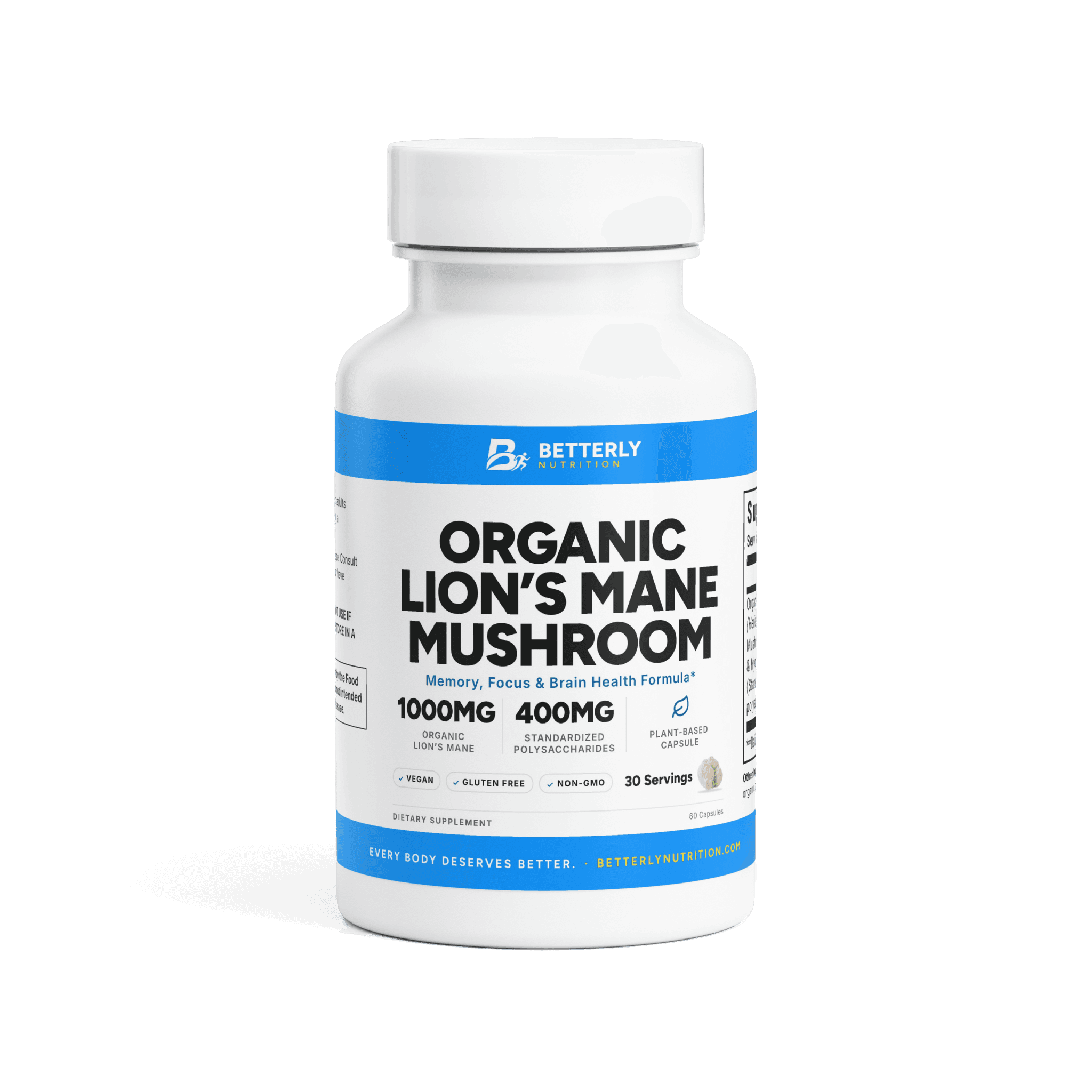
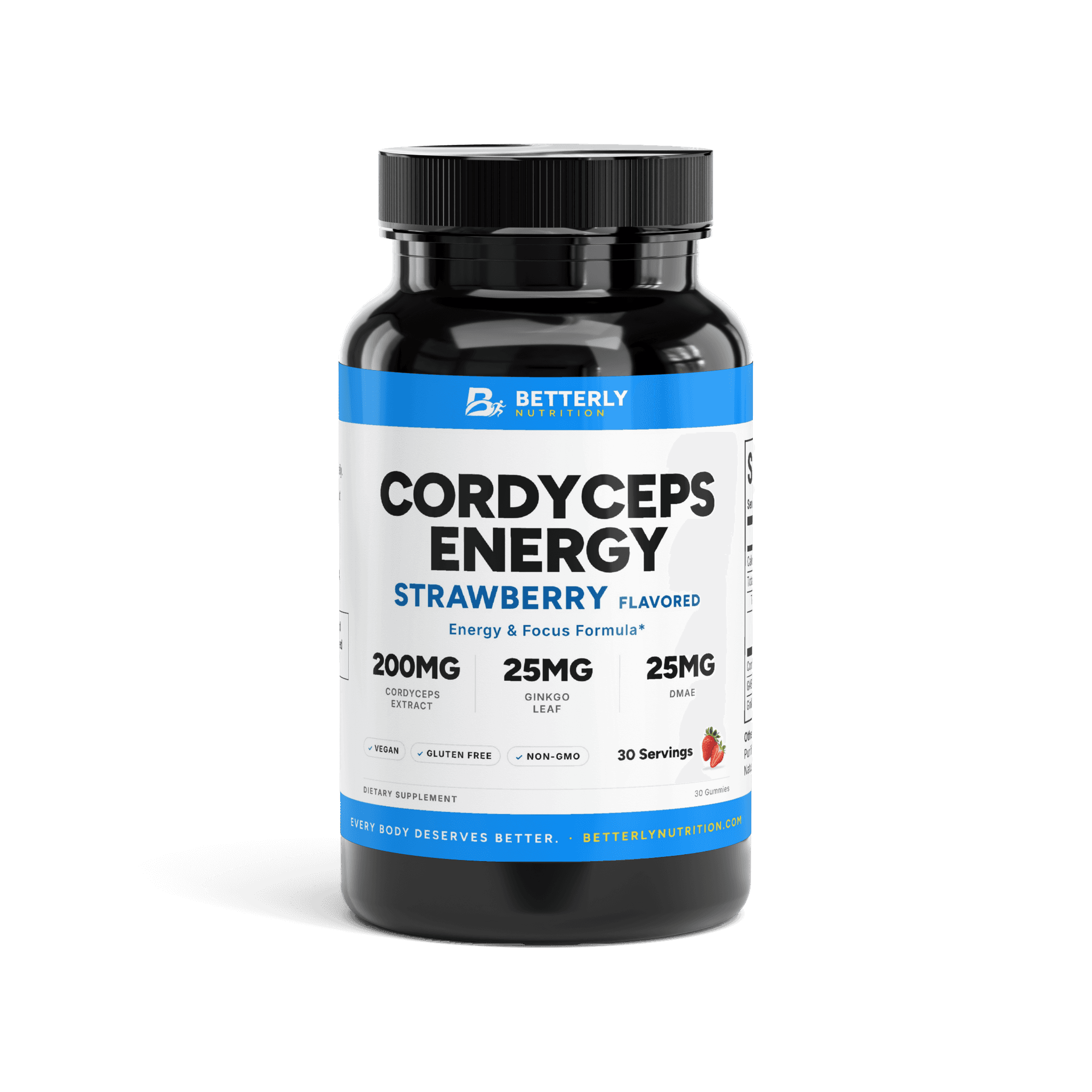
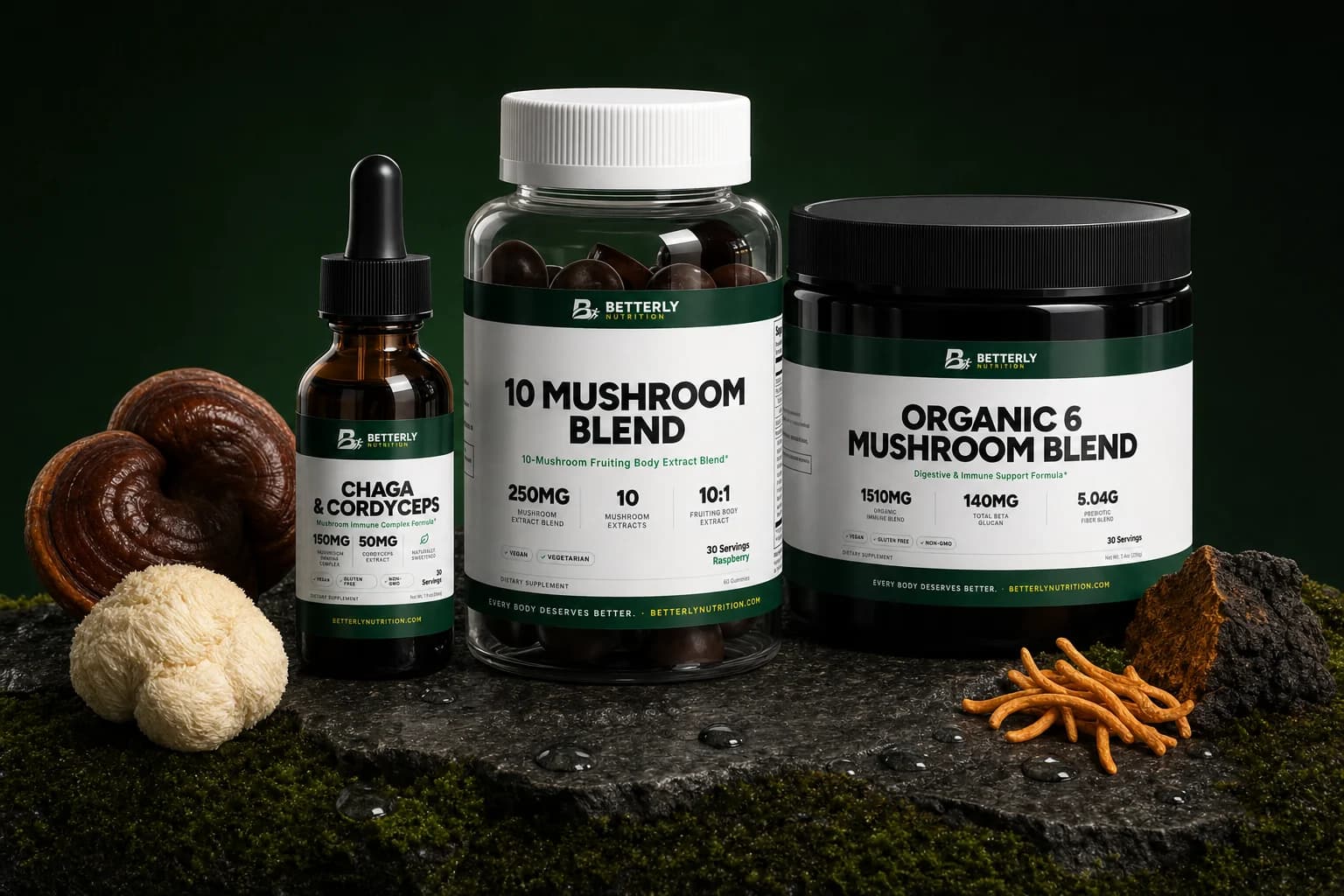
Six Betterly products list reishi on their panels, and three fold it into a mushroom blend with no separate amount, so doubling up is easy to miss.
Take a reishi product at night and a mushroom blend in the morning, and you may be taking reishi twice. Here's where it appears, straight from each panel:
| Product (serving) | Reishi on the panel | What else is inside |
|---|---|---|
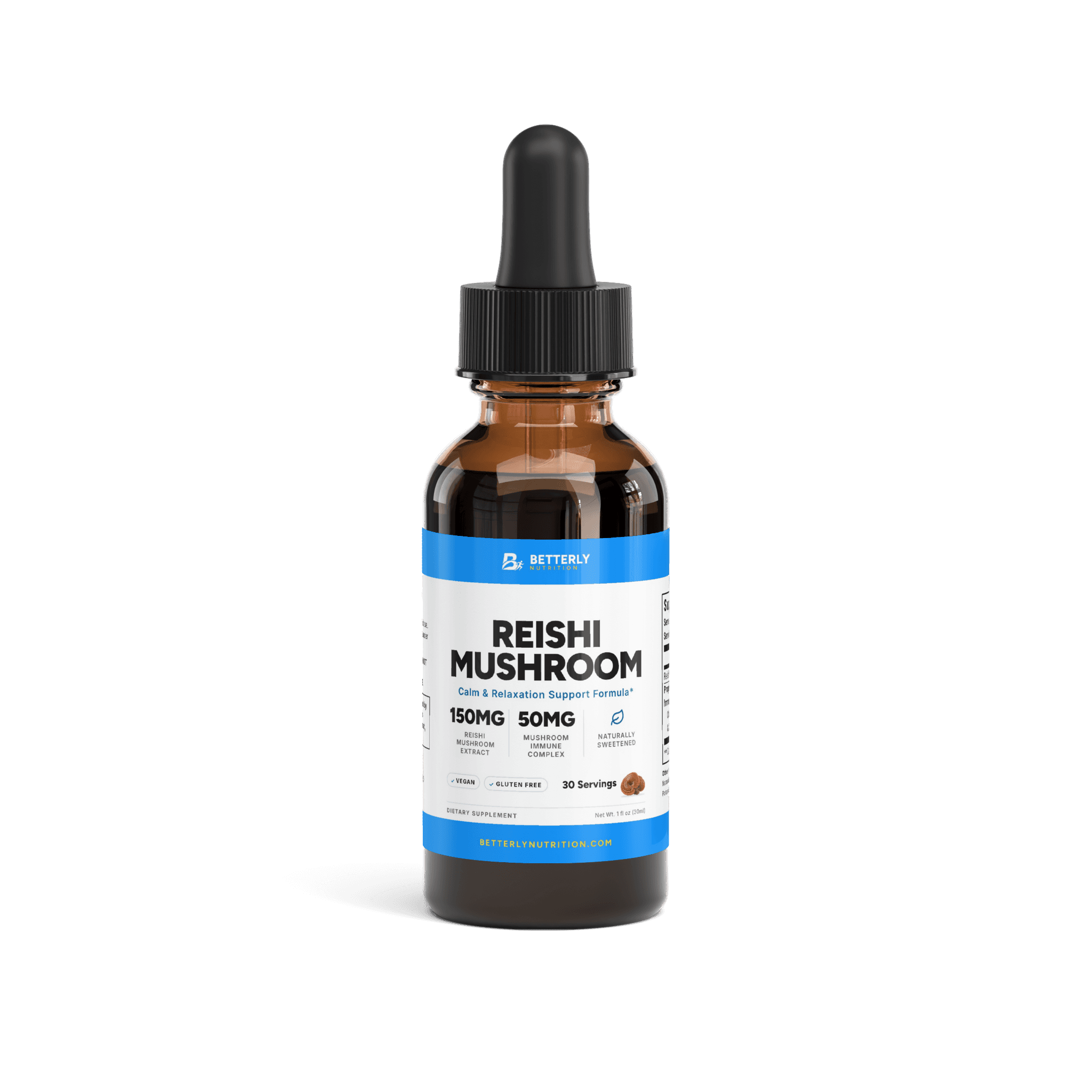
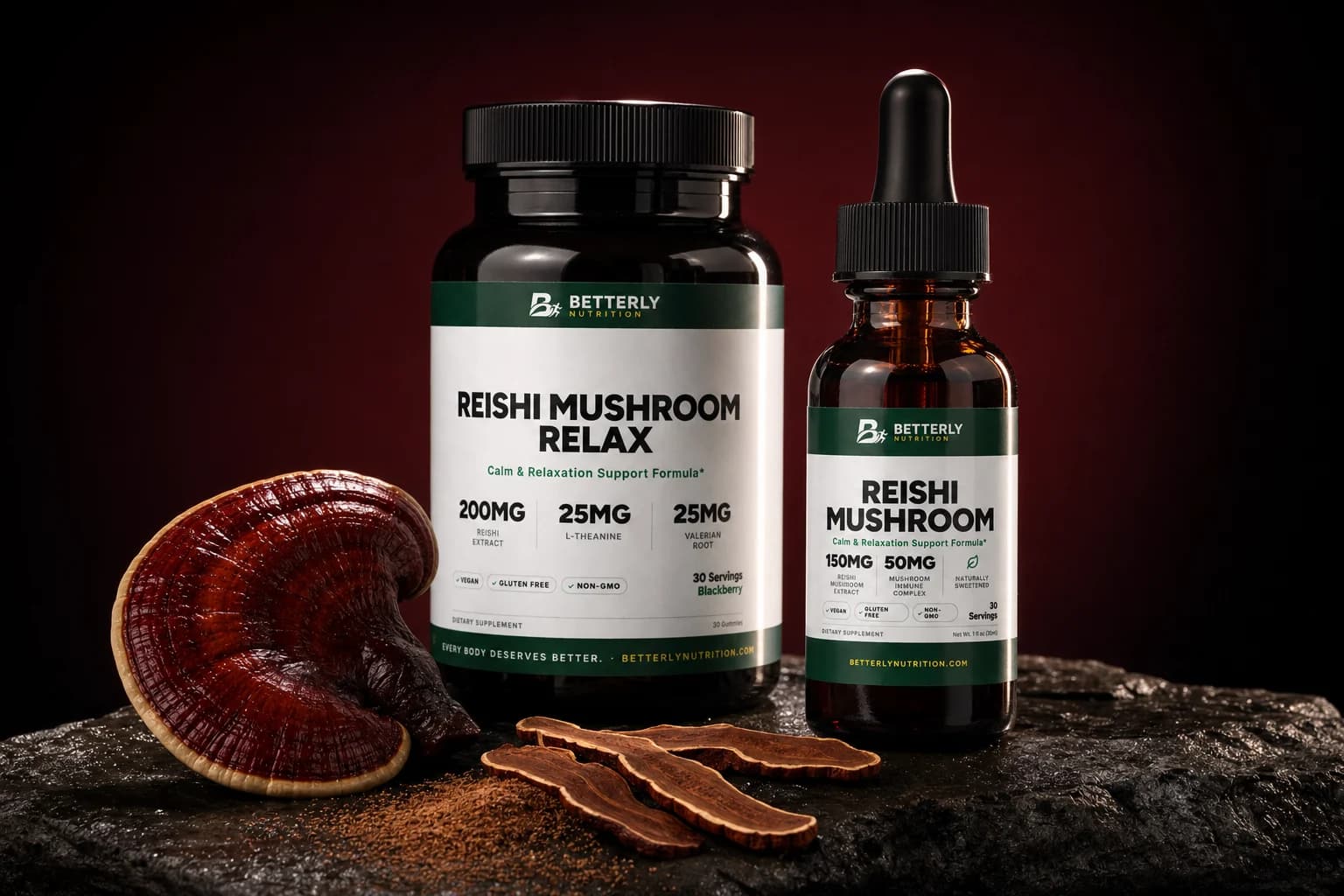
| Reishi Mushroom Calm Drops (1 ml) | 150 mg reishi extract, plus a share of a 50 mg blend | Chaga, maitake, shiitake and turkey tail in that blend |
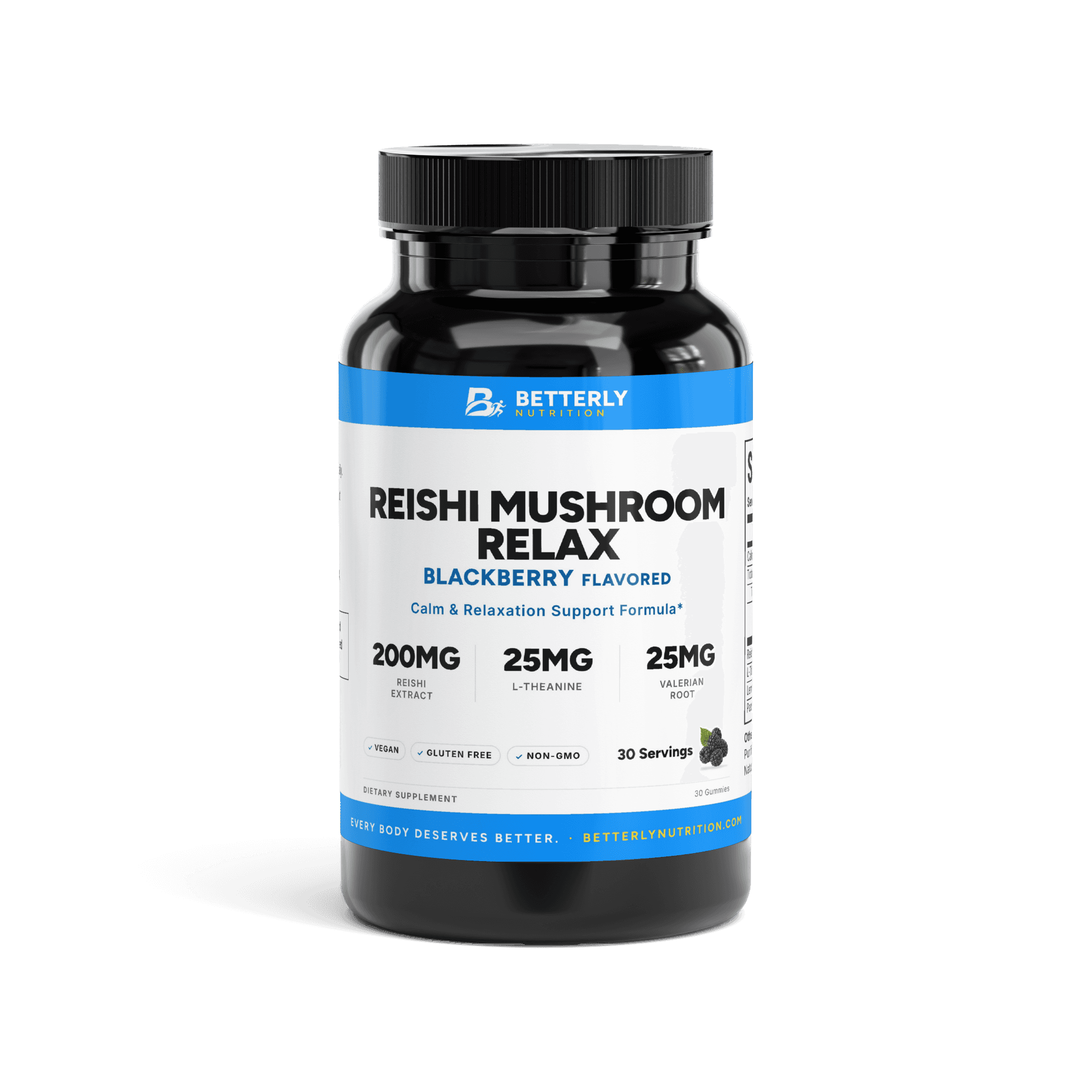
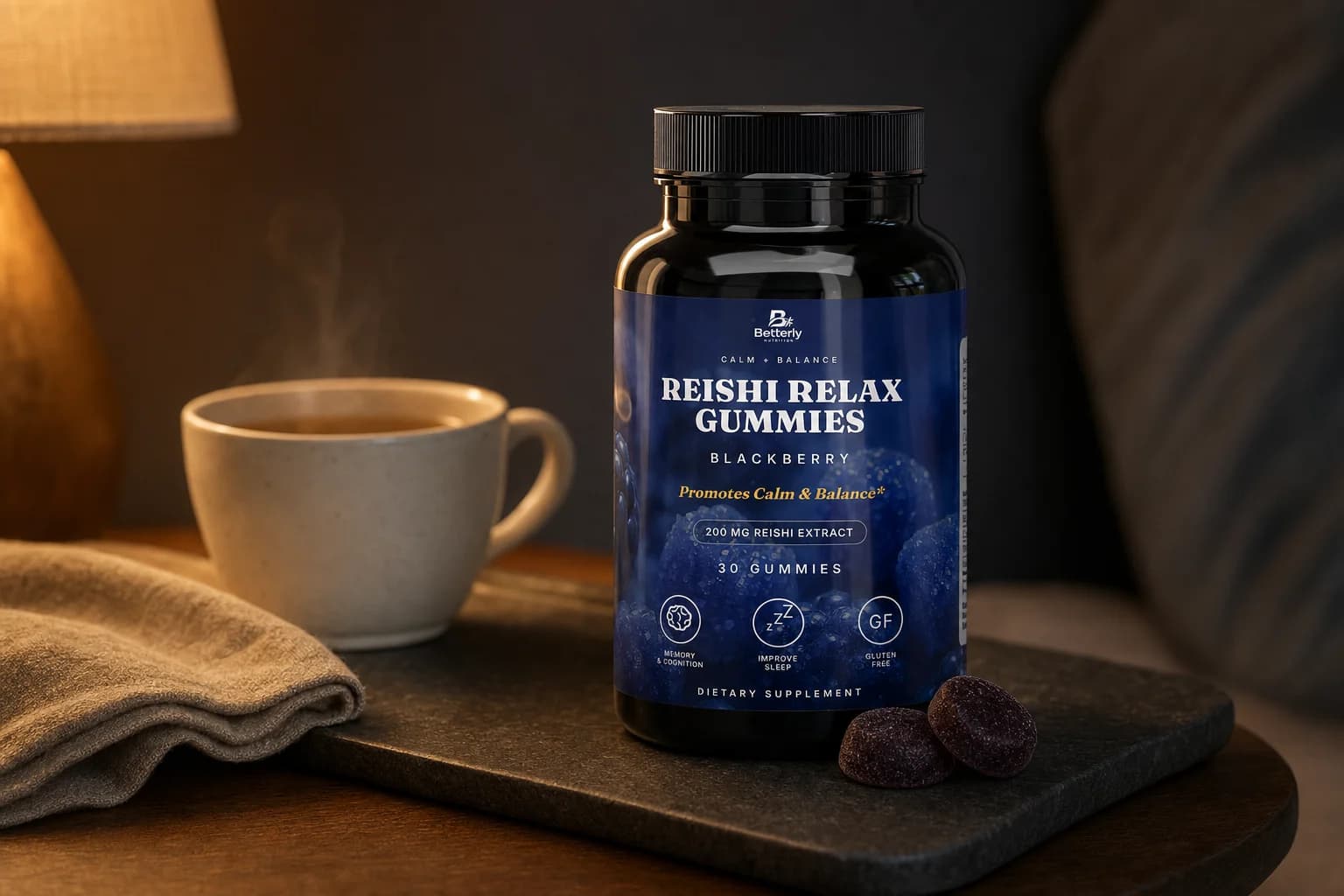
| Reishi Mushroom Relax Gummies (1 gummy) | 200 mg reishi extract | 25 mg each of L-theanine, lemon balm, passion flower and valerian root |
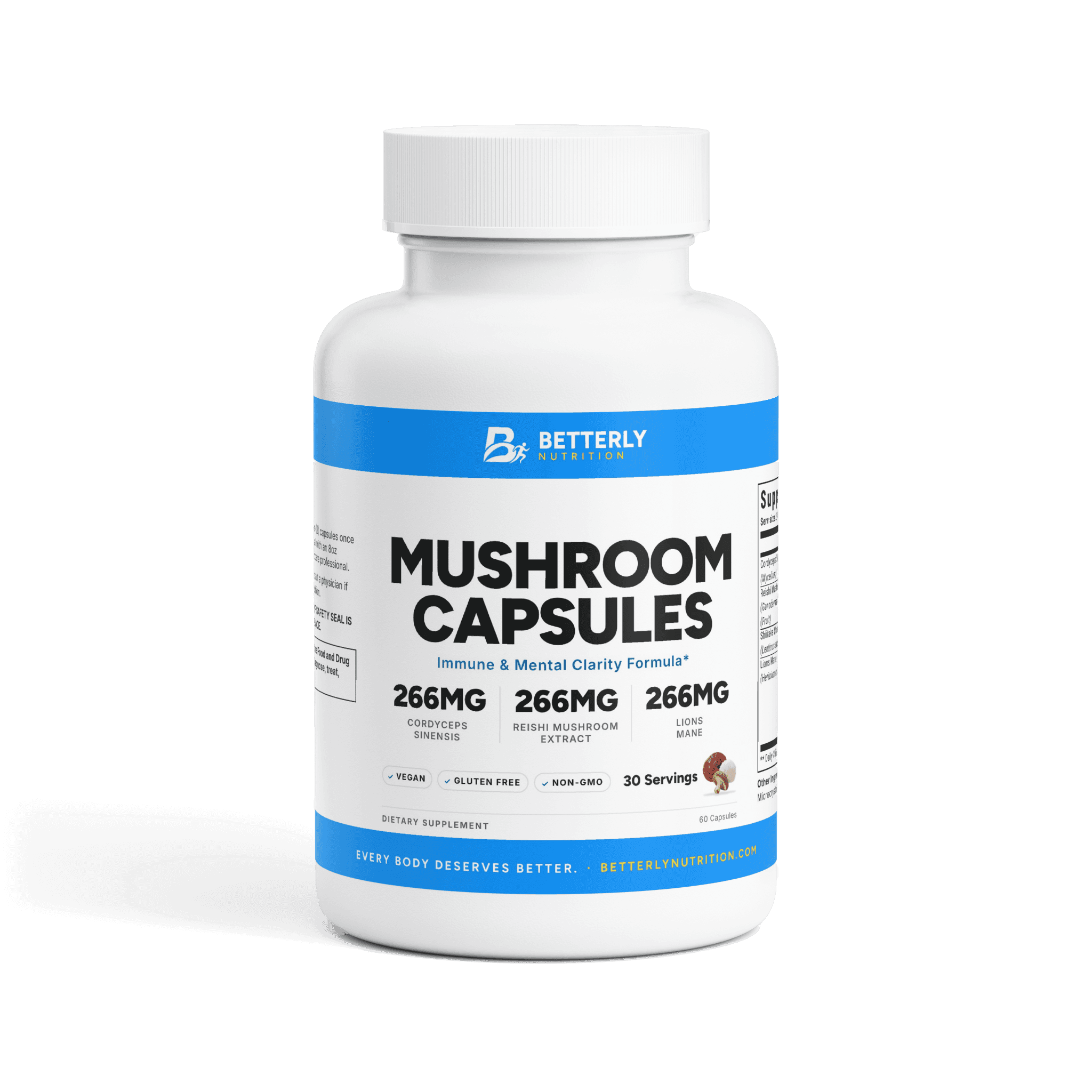
| Mushroom Capsules (2 capsules) | 266 mg reishi extract (fruit) | Three more mushroom rows and a 266 mg blend of six |
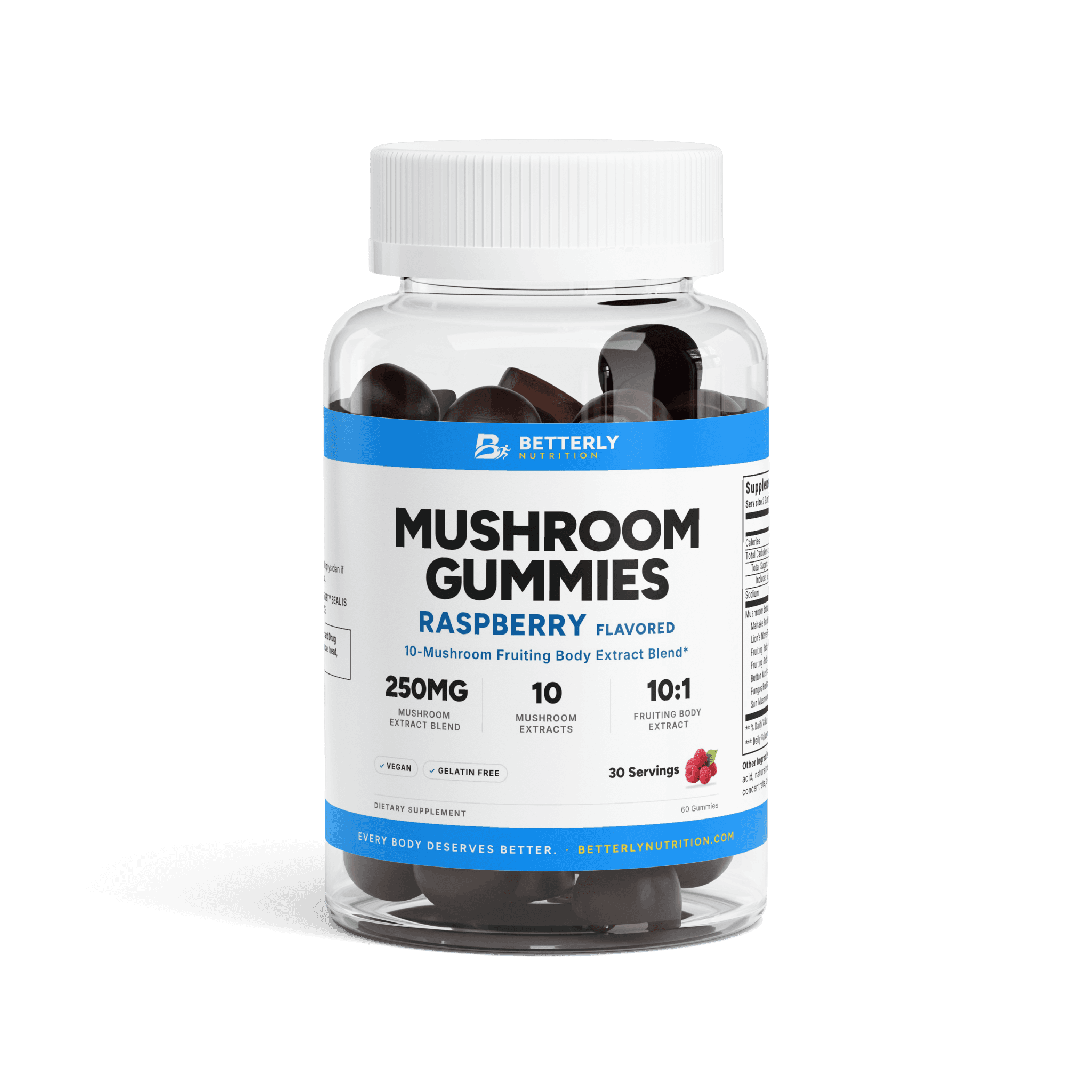
| Mushroom Gummies (2 gummies) | Unstated share of a 250 mg blend | Nine other mushroom extracts, 5 g added sugar |
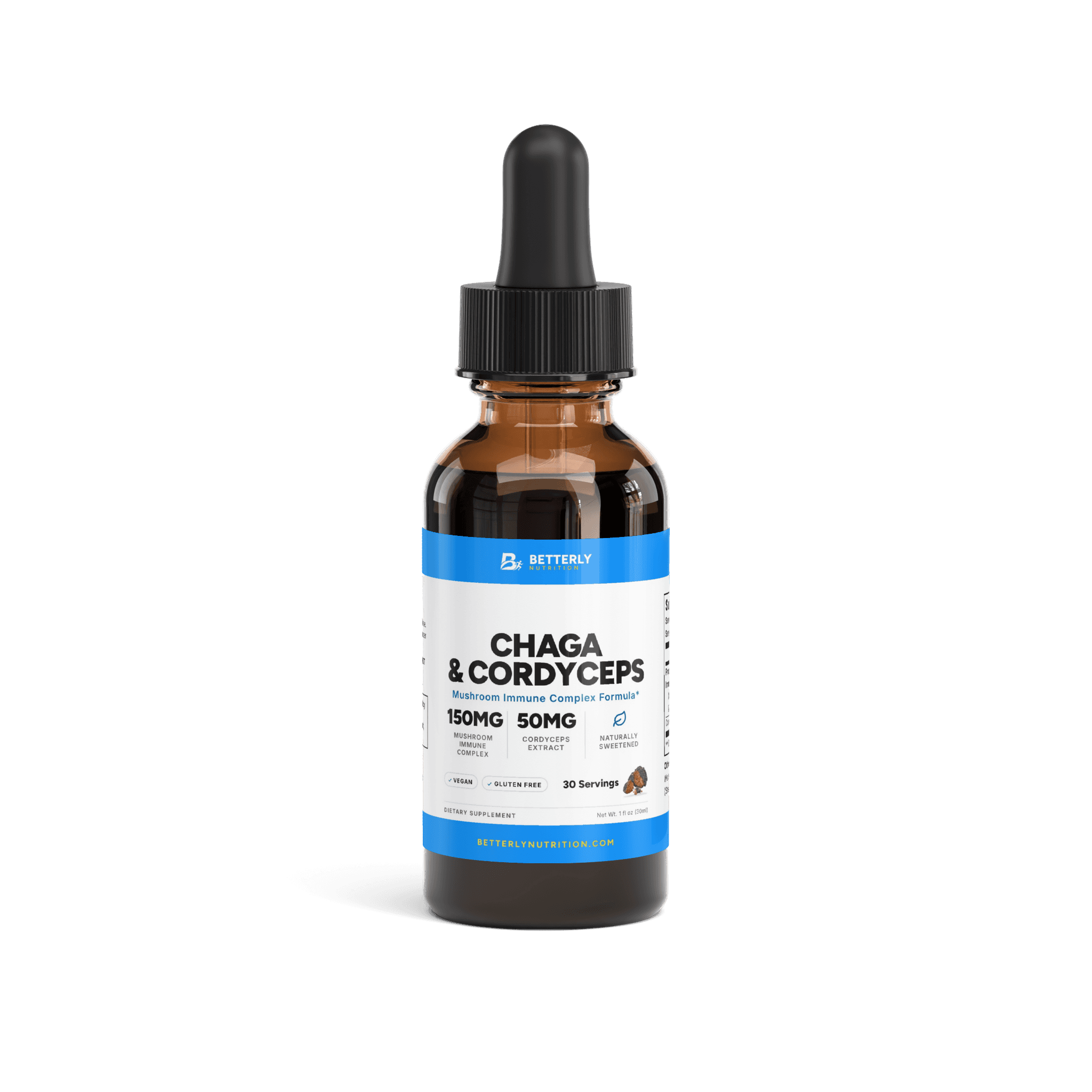
| Chaga & Cordyceps Mushroom Drops (1 ml) | Unstated share of a 150 mg blend | 50 mg cordyceps extract |
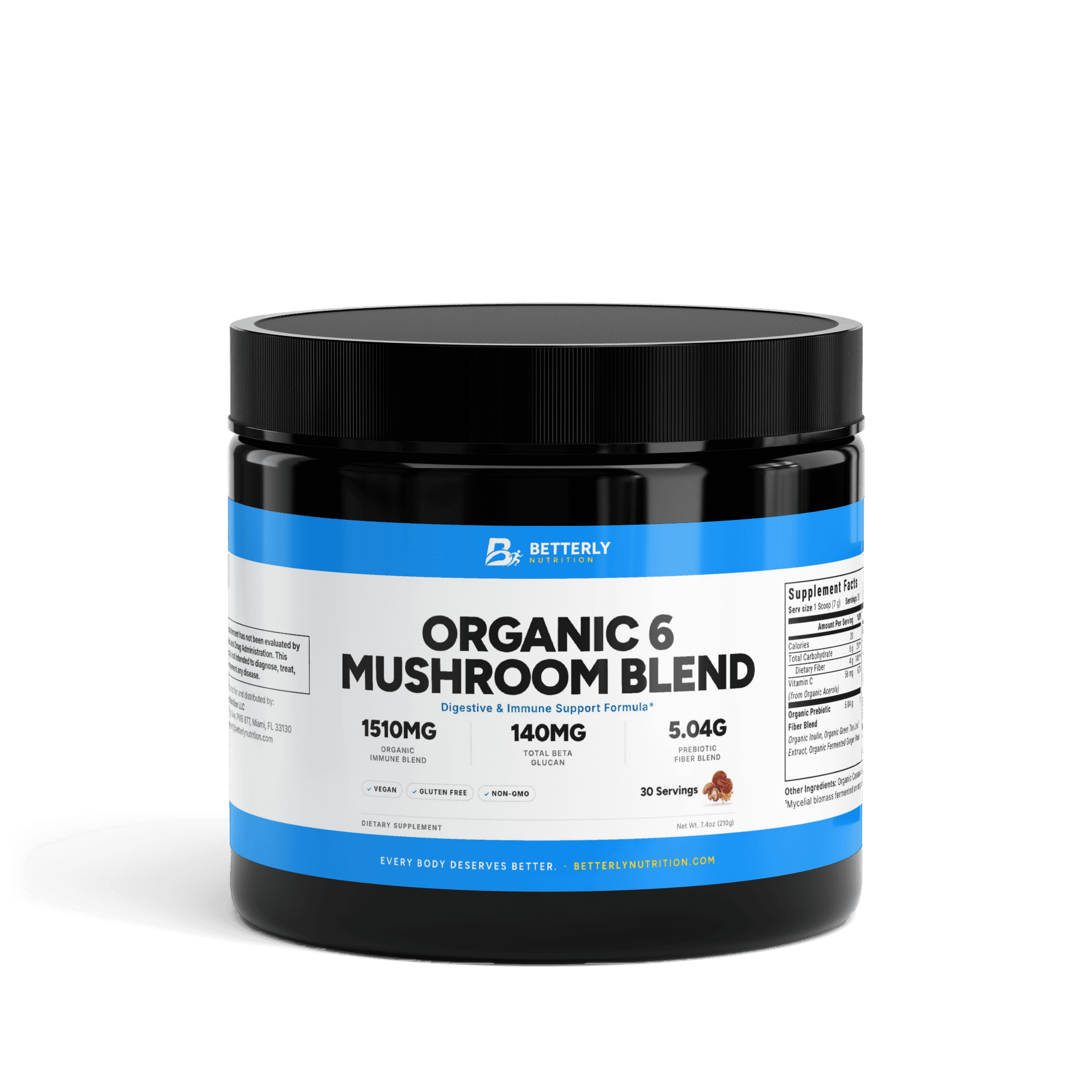
| Organic 6 Mushroom Blend Powder (1 scoop, 7 g) | Unstated share of a 1,510 mg blend | Green tea leaf extract in a fiber blend |
The takeaway: "reishi" on the front of a bottle isn't the only place you'll find it. Pick one, and read your other mushroom labels before adding a second. All six sit in our mushroom collection.
One row deserves a second look if your provider is watching your liver. The powder's fiber blend also lists organic green tea leaf extract, in an amount the panel doesn't state. NCCIH's green tea safety page says liver injury, though uncommon, has been reported in some people using green tea products, mainly extracts in tablets or capsules. Raise that ingredient with your provider too.
The drops are the simplest pick if you're watching ingredients closely. Besides the mushrooms, their label lists glycerin, purified water, natural flavoring, stevia, potassium sorbate and nisin, and no other herbs. The Reishi Mushroom Relax Gummies add three botanicals and an amino acid, and those extras carry their own cautions. Our guide to melatonin-free sleep aids mentions valerian root and what to watch for with it.
For reishi inside a broad mushroom routine, the Mushroom Capsules print the biggest single reishi row we sell.
From our shop: Reishi Mushroom Calm Drops — 150 mg of reishi extract plus a 50 mg five-mushroom blend per 1 ml serving, with no other herbs on the label.
Can reishi make you high?
No. The compounds LiverTox lists in reishi extracts, such as polysaccharides and triterpenoids, aren't psychedelic, and psilocybin appears on none of the six panels in our table.
The mix-up usually comes from "mushroom" products sold for other reasons. Our look at whether mushroom gummies work covers the FDA's warning about Amanita muscaria in so-called mushroom edibles.
"Calm" on our label names the formula's goal, not a sensation we can promise.
How should you take reishi drops or gummies, per the label?
Take Reishi Mushroom Calm Drops the way the label says: shake well, then take 1 ml (30 drops) daily, and never more than that.
- Measure one full dropper. The label's serving size is "1 ml / 1 dropper ( 30 drops )," and the bottle holds 30 servings.
- For the Relax Gummies, the label's suggested use is one to two gummies daily. Starting at one keeps you inside the label while you see how you feel. A 30-gummy jar covers 15 to 30 days, depending on which you choose.
- Stick to one reishi product at a time, using the table above to spot overlaps.
- Give reishi a quiet week to itself. Starting a new supplement alone makes it far easier to tell what caused any change you notice.
You won't find a time of day on either label. A formula labeled "Calm & Relaxation Support" tends to fit an evening routine better than a busy morning, but that's your call, not a label rule.
From our shop: Reishi Mushroom Relax Gummies — 200 mg of reishi extract per 1-gummy serving in a blackberry gummy labeled vegan, plus four 25 mg extras printed on the panel.
When is reishi simply unnecessary?
Reishi is unnecessary if you want a change you can feel tonight, you're already getting reishi from a mushroom blend, or another bottle would complicate a long medication list.
Our labels say what each formula aims to support, and none of them describes a result you'll feel. If you're hoping for something that works on the first night, reishi isn't built for that.
If a mushroom blend is already part of your day, check its panel before buying a reishi product. And if you're juggling several prescriptions, one more bottle is one more thing for your pharmacist to track.
Who should avoid reishi, and who should ask a provider first?
Skip reishi, or clear it with a provider first, if you're pregnant, nursing, under 18, managing a medical condition, taking prescription medicine or scheduled for surgery.
Every reishi label we sell prints one caution word for word: "Do not exceed recommended dose. Consult a physician if pregnant, nursing, under 18, or have a medical condition." ODS also points out that safety testing in children and in pregnant or nursing women is thin for many supplements. Here's how we'd act on that:
| If this is you | What we'd suggest | Why |
|---|---|---|
| Pregnant or nursing | Skip it unless your provider says yes | Our label names you; testing is limited |
| Under 18 | Wait for a pediatrician's OK | Our label names you |
| On a medicine that affects blood clotting | Ask before your first dose | Some supplements raise bleeding risk |
| On any other prescription | Ask your pharmacist | Supplements can interact with medicines |
| Surgery or dental work scheduled | Tell your care team and ask when to stop | Bleeding and anesthesia questions |
| Managing a medical condition | Ask first | Our label names you |
| Your provider is watching your liver | Ask first | LiverTox's rare case reports |
| Ever reacted to mushrooms | Skip it | A past reaction is a clear signal |
The pattern is simple. If your situation appears on our label or involves a prescription, the conversation comes before the first dose, not after a side effect.
FAQ: reishi safety
Is reishi safe during pregnancy or while breastfeeding?
No federal page we found establishes that reishi is safe during pregnancy or breastfeeding, so leave it out unless your provider clears it. Our reishi labels all say to consult a physician if you're pregnant or nursing. The NIH Office of Dietary Supplements says many supplements have had little safety testing in pregnant or nursing women, and it urges caution with anything beyond a standard prenatal supplement.
How long do reishi side effects last?
There's no typical duration on record for reishi side effects, but LiverTox gives timing for the rare liver cases. Problems usually began 1 to 2 months after someone started reishi, with a range of a few days to 6 months. In most published cases, recovery was complete within 1 to 3 months of stopping, though not every case recovered. If you notice anything unusual, stop taking reishi and call your provider rather than waiting it out.
Can you take too much reishi?
Yes, you can take more reishi than a label intends, most easily by stacking two products that both contain it. Our labels all say "Do not exceed recommended dose." The NIH Office of Dietary Supplements links side effects to high doses and to taking many supplements at once. Read every mushroom panel you own before adding another.
Does reishi interact with alcohol?
No federal page we read describes a direct interaction between reishi and alcohol. One case summarized by LiverTox involved a man who drank heavily for three days while taking several teaspoons of reishi a day. His liver tests rose sharply and returned to normal within 2 weeks after he was treated with IV fluids and medicine. That's one case, not a rule. Our Reishi Mushroom Calm Drops use a glycerin and water base, and their ingredient list names no alcohol.
What should you do if you react badly to reishi?
Stop taking reishi and contact your health care provider, which is what NCCIH advises for any supplement side effect. The NIH Office of Dietary Supplements says your provider may report the reaction to the FDA. You can also report it yourself by calling 800-FDA-1088 or using the FDA's online form, and you can contact the company using the details on the label.
Sources
- Lingzhi, Reishi, LiverTox, National Institutes of Health
- Dietary Supplements: What You Need to Know, NIH Office of Dietary Supplements
- Using Dietary Supplements Wisely, NCCIH
- Green Tea: Usefulness and Safety, NCCIH
If this left you looking for somewhere to start, read reishi mushroom extract drops — its amounts per serving are listed on the page. For the practical questions this raises, how dosing, sourcing and subscriptions work is answered in one place.