On this page
- Key takeaways
- Why do chaga and cordyceps end up in the same bottle?
- Chaga vs cordyceps: what's the difference between them?
- What do chaga and cordyceps benefits actually rest on?
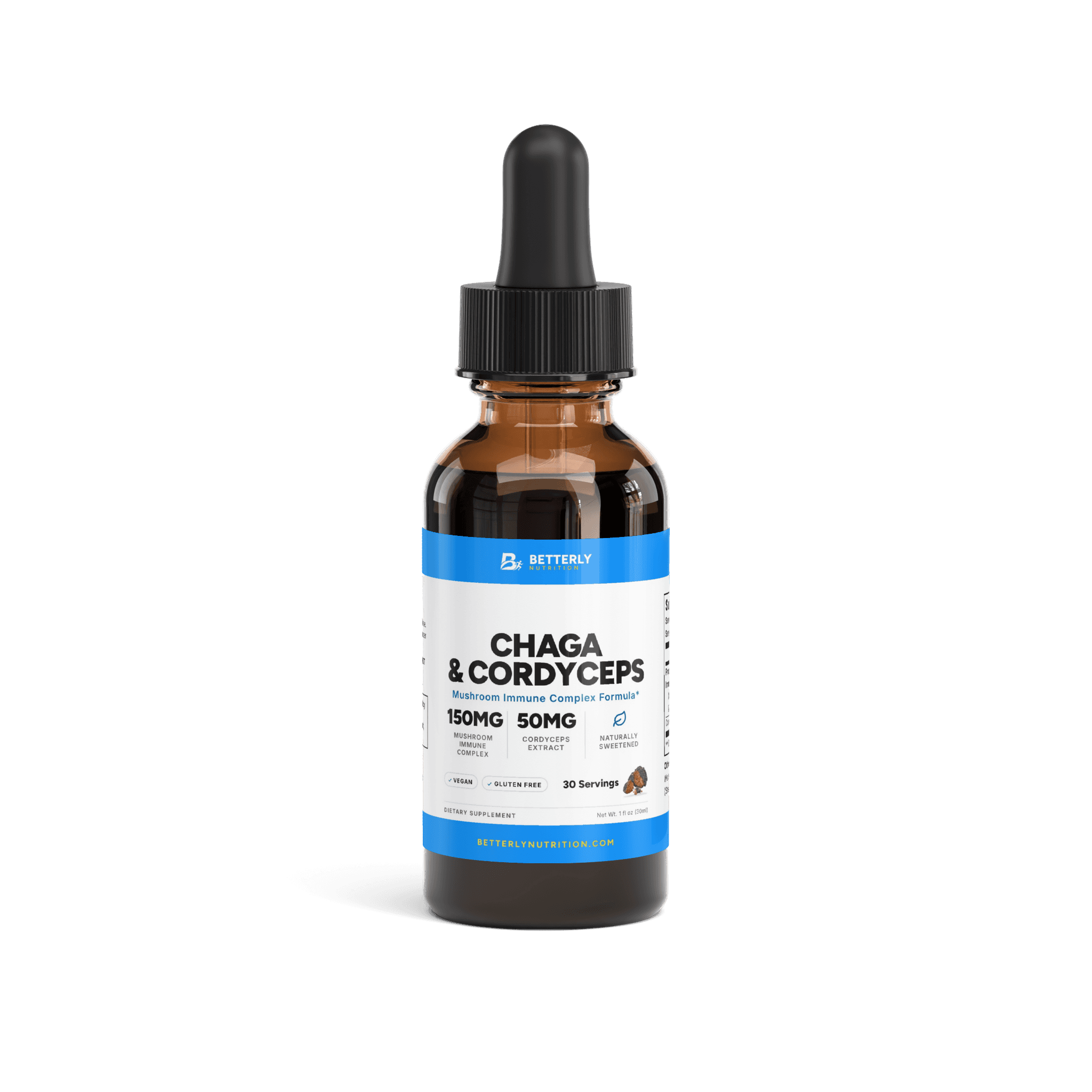
- What's in one dropper of the Chaga & Cordyceps drops?
- How much chaga and cordyceps do you get: drops or separate bottles?
- How should you take chaga and cordyceps each day?
- Should you add reishi or lion's mane to chaga and cordyceps?
- When don't you need chaga and cordyceps?
- Who should check with a healthcare provider first?
- FAQ: chaga and cordyceps together
- Sources
The short answer: Chaga and cordyceps together usually means one bottle carrying two sales pitches: antioxidant support from chaga and everyday energy from cordyceps. Our Chaga & Cordyceps Mushroom Drops print 50 mg of cordyceps extract per 1 ml serving. Chaga isn't broken out, but it's listed first in a 150 mg complex of five mushrooms, so it's at least 30 mg. Nothing in the federal sources we checked shows the pair works better together.
Key takeaways
- Chaga (Inonotus obliquus) is a hard, black growth on birch trees, whereas wild cordyceps feeds on insect larvae and most supplement cordyceps is grown in a lab.
- The NIH's LiverTox database says none of cordyceps' promoted benefits has been shown convincingly in human trials, and no federal health agency we checked has reviewed chaga as a supplement.
- In a 1 ml serving of our drops, only cordyceps gets a printed amount (50 mg), while chaga's first-place listing in the 150 mg complex means it's at least 30 mg.
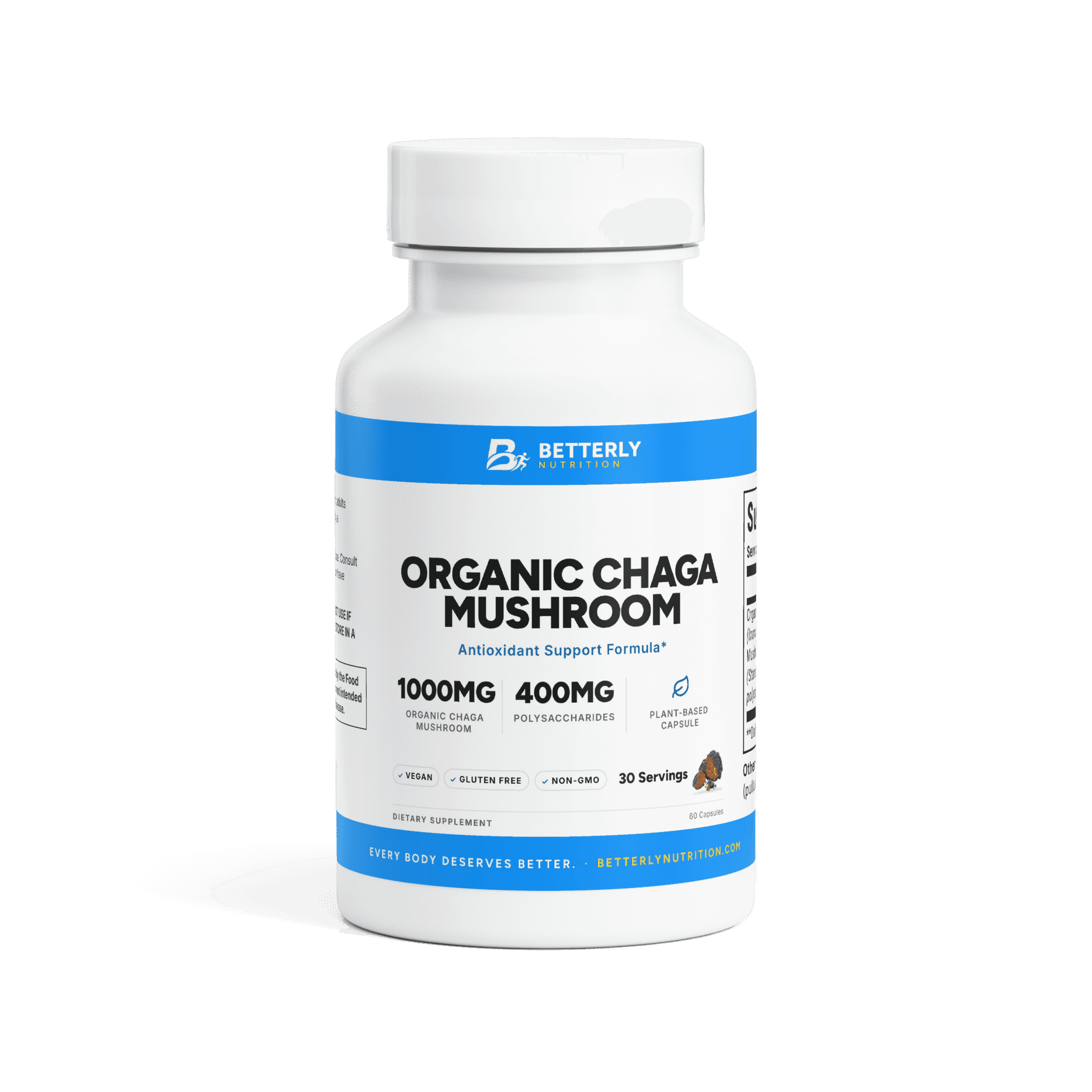
- Pairing our chaga capsules with one cordyceps gummy puts 1,000 mg of chaga mycelium powder and 200 mg of cordyceps extract into your day, plus four gummy extras.
A note on bias: every product in this guide is ours, so we're not a neutral party. That's why each figure below has a printed label behind it, and where a label leaves a number out, we point to the gap instead of guessing.
Why do chaga and cordyceps end up in the same bottle?
Chaga and cordyceps share a bottle because each mushroom carries its own marketed goal, not because the two grow together or were ever tested as a team.
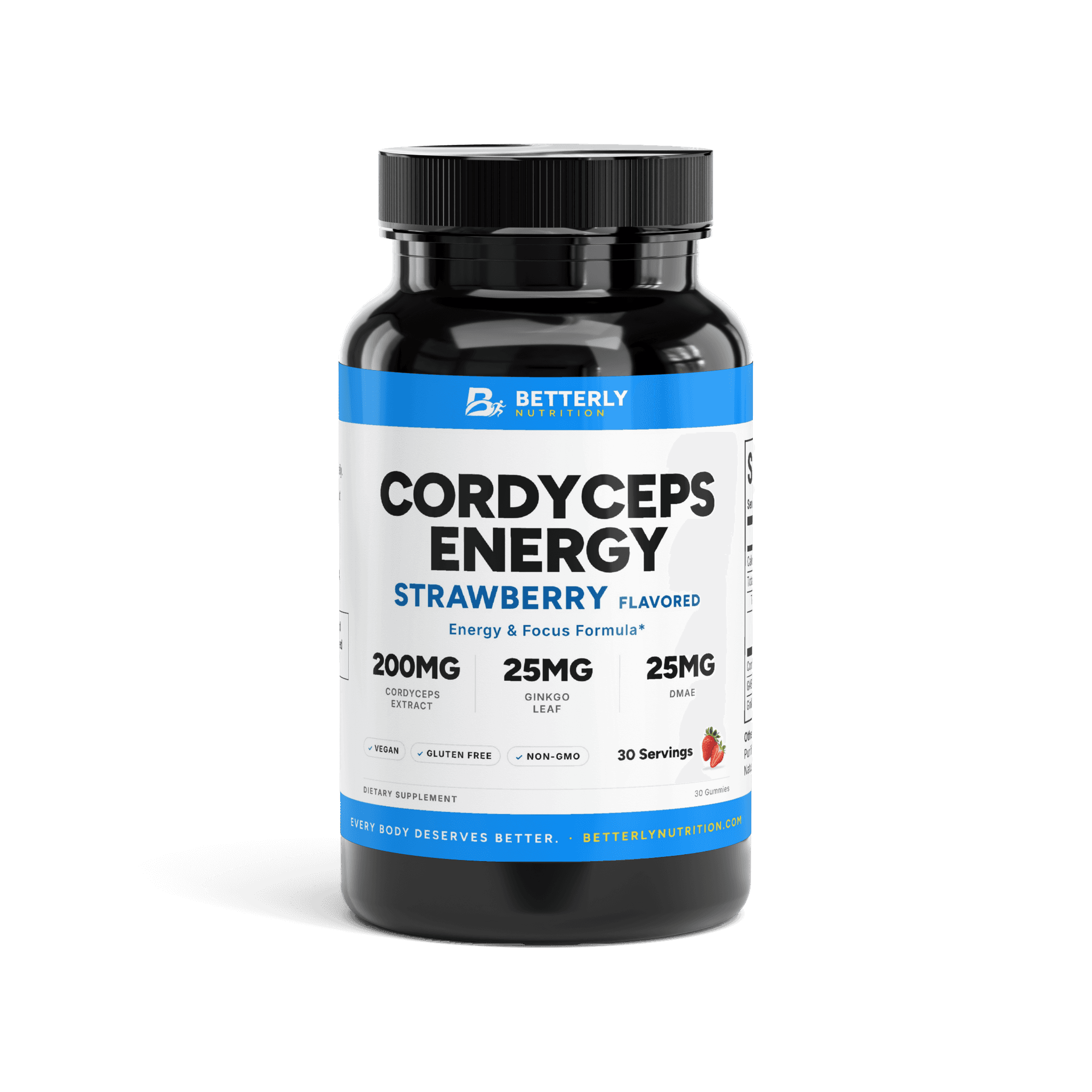
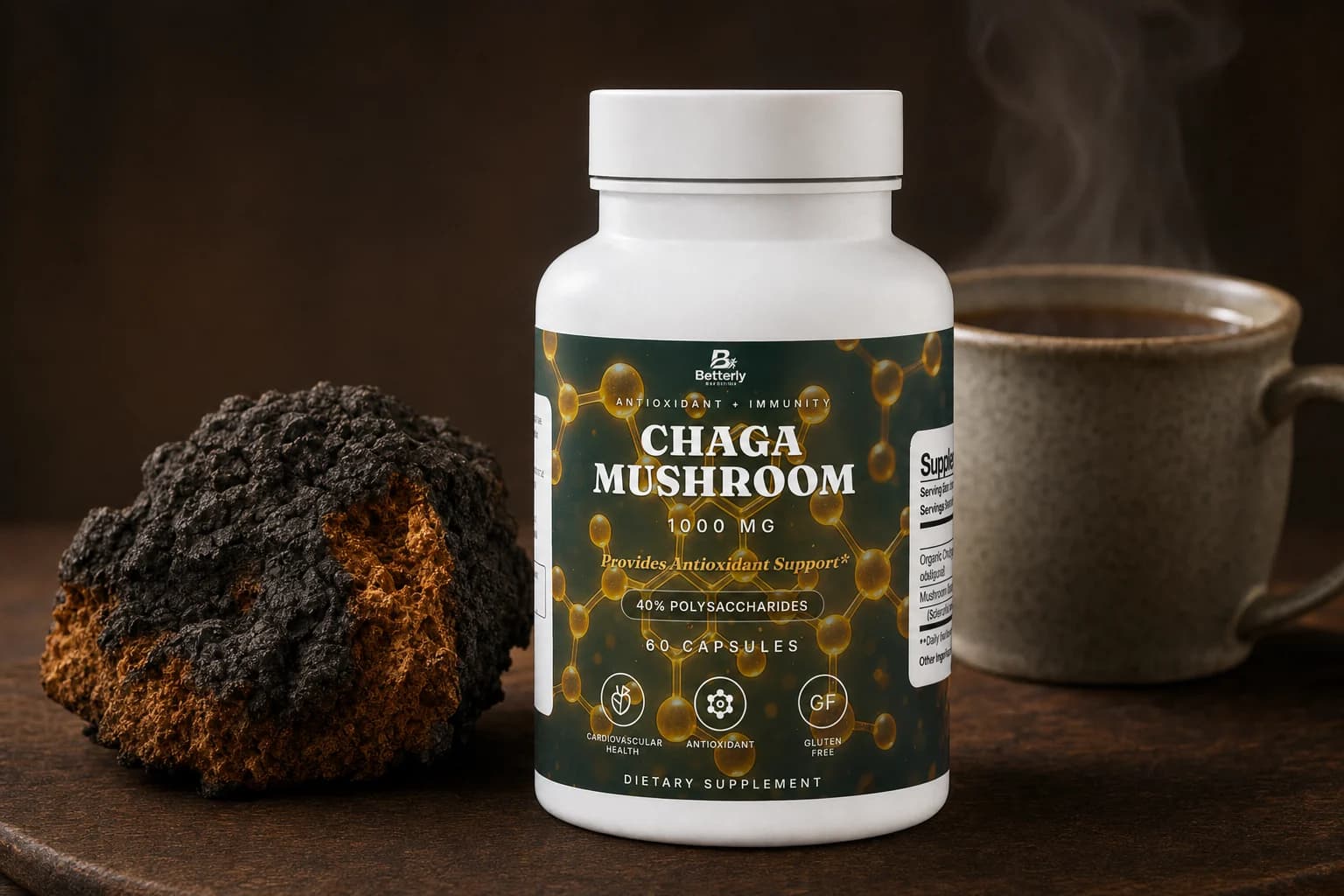
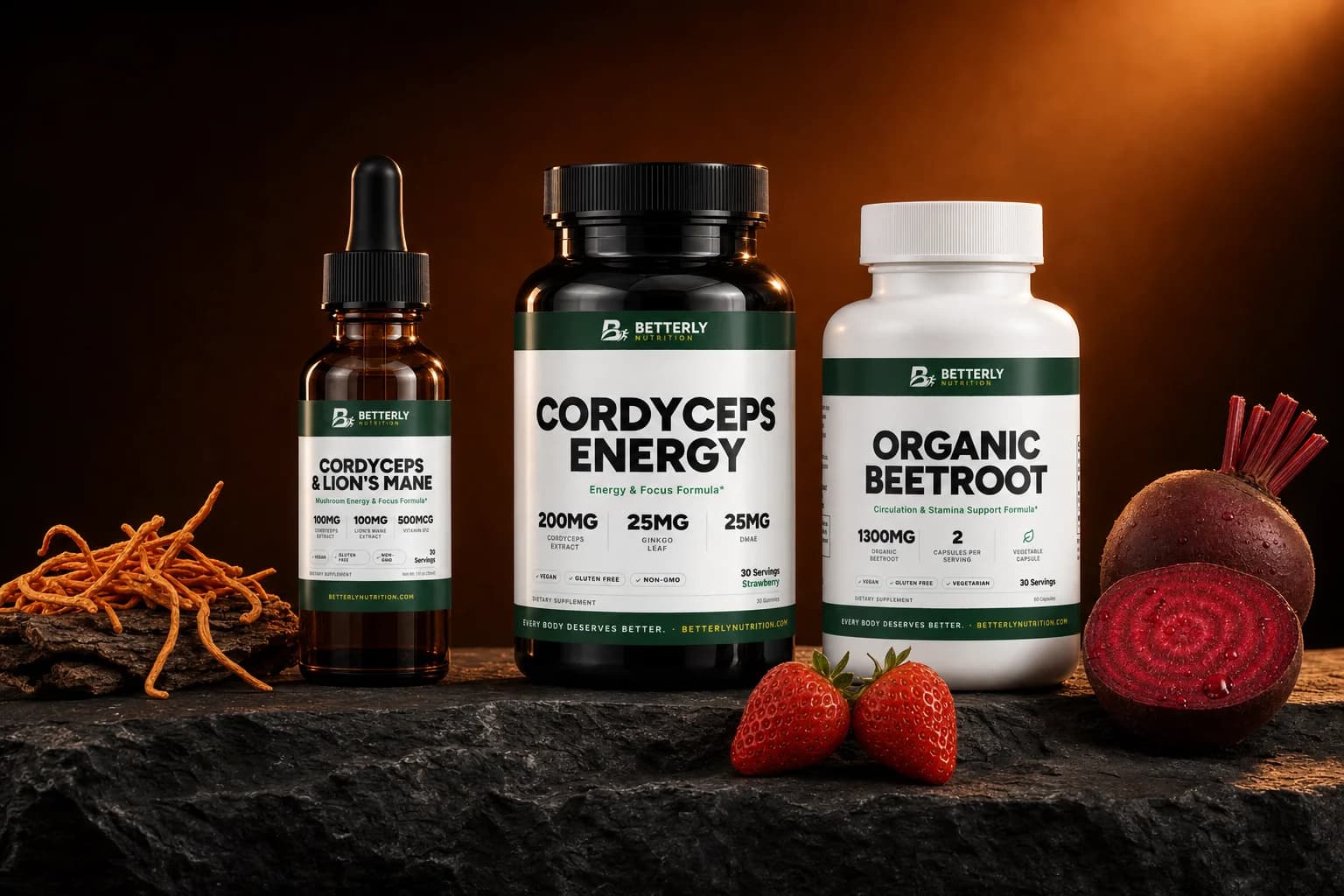
Sold alone, our Organic Chaga Mushroom Capsules print "Antioxidant Support Formula," and our Cordyceps Mushroom Energy Gummies print "Energy & Focus Formula."
Combine them and the descriptor shifts to a third idea. The drops read "Mushroom Immune Complex Formula," so we shelve them in our immune support collection. None of these phrases is a test result, and we found no federal fact sheet or trial summary on the pair. A combo's honest selling point is one dropper where there'd otherwise be two bottles.
Chaga vs cordyceps: what's the difference between them?
Chaga is a hard, black growth on birch, whereas cordyceps is an insect-parasite fungus in the wild, and the cordyceps in most supplements is cultivated in a lab.
Birch is nearly chaga's only host. The USDA Forest Service's notes on hardwood stem decays in Alaska name poplar as a rare exception and say chaga turns up on living and recently dead trees. The page also records two old uses: brewing it as a tea or tonic in northern folk tradition, and dyeing wool yellow or sepia with it.
LiverTox, an NIH reference that tracks liver safety for medicines and supplements, describes cordyceps as a parasite that usually infects insect larvae. It's native to the mountains of Southwest China and Tibet. More than 260 species exist, and herbal products lean on two: Cordyceps militaris and Ophiocordyceps sinensis, the species once named Cordyceps sinensis.
| Chaga | Cordyceps | |
|---|---|---|
| Scientific name | Inonotus obliquus | Ophiocordyceps sinensis, Cordyceps militaris |
| Other names | Cinder conk | Caterpillar fungus, aweto |
| Grows on | Living or recently dead birch, rarely poplar | Insect larvae, in the wild |
| What supplements hold | Our capsules: mycelium powder; our 10-mushroom blend: fruit extract | Mostly a lab-grown strain |
| Our label's aim | Antioxidant support | Energy and focus |
Look twice at the fourth row. Wild chaga is the cracked black mass on the tree, but our capsule panel lists mycelium powder, made from the fungus's fine, root-like threads. Our 10-mushroom blend marks its chaga extract "(Fruit)", and the drops don't say which part they use. For cordyceps, LiverTox says most products use a lab-grown strain known as Cs-4, not the wild fungus.
What do chaga and cordyceps benefits actually rest on?
Chaga and cordyceps benefits rest mostly on lab and animal work. For cordyceps, LiverTox finds no convincing proof in people, and no federal page we checked reviews chaga.
LiverTox lists effects seen in lab dishes and animals, with antioxidant activity among them for cordyceps. So chaga's usual antioxidant pitch isn't unique to chaga, at least in the lab. LiverTox's verdict on all of those findings is the same: none has been shown convincingly in clinical trials in humans. Our cordyceps timing guide walks through the exercise trials behind that verdict.
Chaga has even less to stand on. The NIH Office of Dietary Supplements (ODS) keeps a consumer fact sheet on supplements and immune function. It reviews herbs such as echinacea, elderberry and ginseng, and neither chaga nor cordyceps gets an entry. The nutrients it names as ones your immune system needs to work properly include vitamin C, vitamin D and zinc.
So read "Mushroom Immune Complex Formula" as the name of a blend, not as proof.
What's in one dropper of the Chaga & Cordyceps drops?
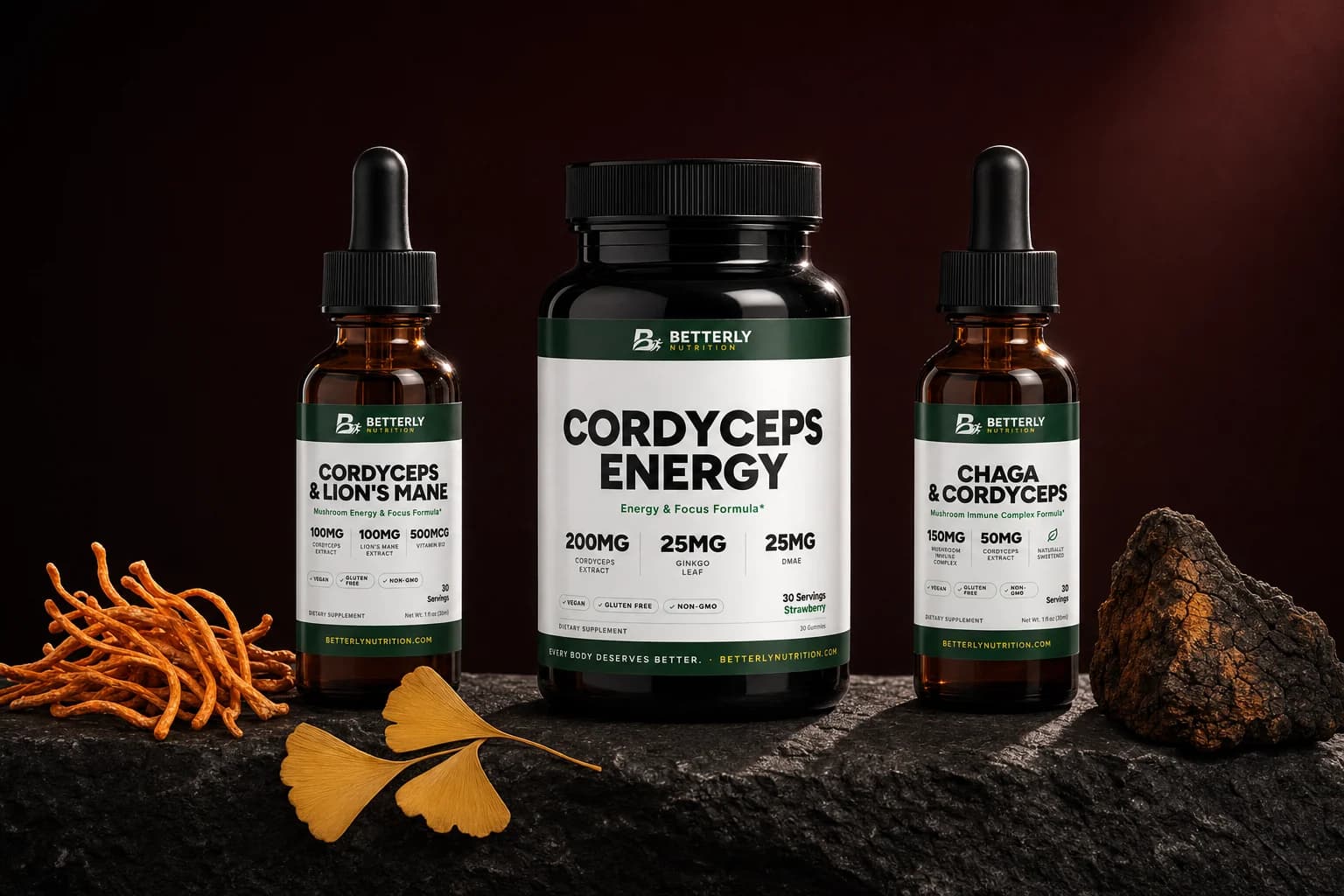
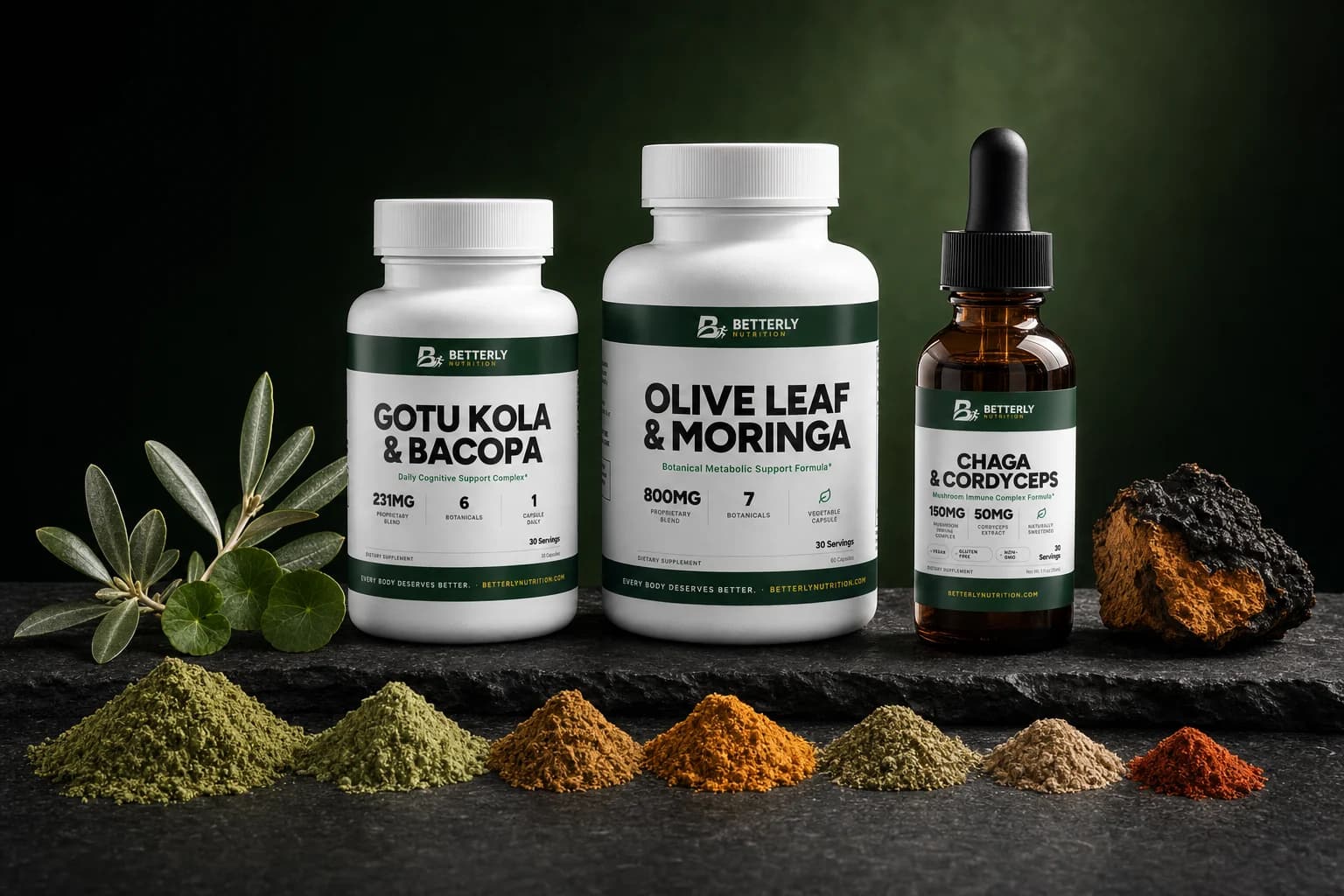
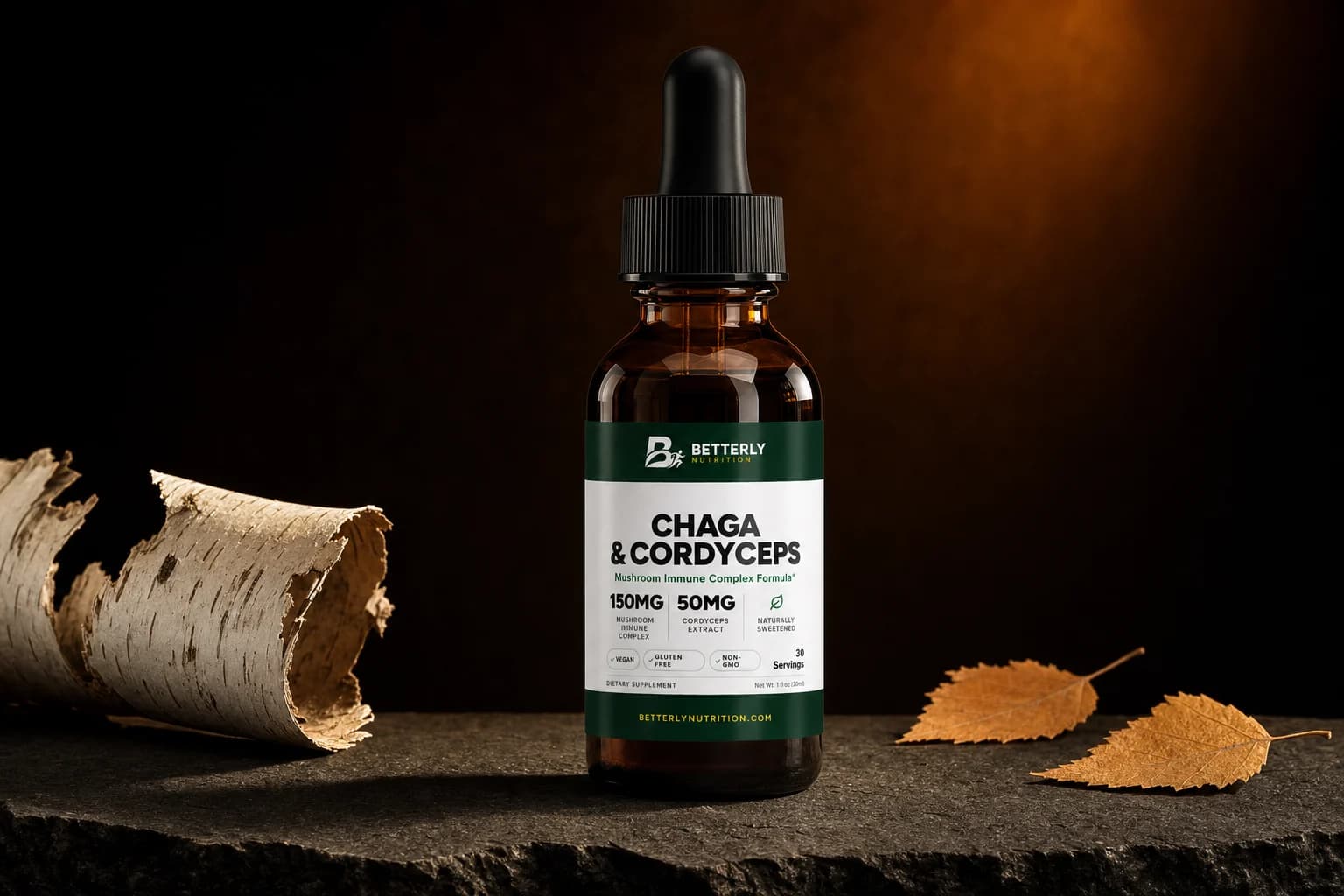
One 1 ml dropper of our Chaga & Cordyceps Mushroom Drops lists two rows: a 150 mg mushroom complex and 50 mg of cordyceps extract.
Here's the panel, per 1 ml (30 drops) serving:
- Proprietary Mushroom Immune Complex, 150 mg: chaga, reishi, maitake, shiitake and turkey tail, sharing that single total.
- Cordyceps Mushroom Extract, 50 mg, on its own line.
- Other ingredients: glycerin, purified water, natural flavoring, stevia, potassium sorbate and nisin.
Neither amount has an established Daily Value. Vegan and gluten free appear on the front, and there are 30 servings in the 1 fl oz (30 ml) bottle.
Now the gap. Chaga is the first word on the bottle, yet the panel doesn't print its share of those 150 mg. Its place in the list still sets limits. The federal regulation on supplement labels, 21 CFR 101.36, requires the ingredients inside a blend to appear in descending order by weight. Chaga is listed first of five, so it's at least 30 mg (a fifth of 150 mg) and less than 150 mg. That's all the label settles. Our proprietary blend guide shows how to work out the same limits on any panel.
The panel also skips the cordyceps species, the mushroom parts used and any extract ratio.
How much chaga and cordyceps do you get: drops or separate bottles?
Taking chaga and cordyceps separately gets you far larger printed amounts: a 2-capsule serving of our chaga prints 1,000 mg, and one cordyceps gummy prints 200 mg of extract.
One gummy lists four times the dropper's 50 mg of cordyceps extract. The chaga capsule serving lists more than six times the drops' entire 150 mg complex, so it comes out ahead wherever chaga's real share falls.
The milligrams don't describe the same material, though. The capsule row is chaga mycelium powder standardized to 40% polysaccharides, which works out to 400 mg in each 2-capsule serving. No other panel here prints a figure like that. The drops and the gummy list extracts with no ratio, so you can't line their numbers up against the capsule's.
The table's last row adds our Mushroom Capsules for anyone after more than two species.
| If you want | Choose | What the labels show |
|---|---|---|
| A printed chaga number | Chaga capsules | 1,000 mg per 2 capsules; the drops print none |
| One bottle for both | The drops | 50 mg cordyceps extract per 1 ml; chaga unprinted, but listed first, so 30 mg or more |
| To skip added sugars | Drops or chaga capsules | Each gummy has 2 g of added sugars; the drops use stevia |
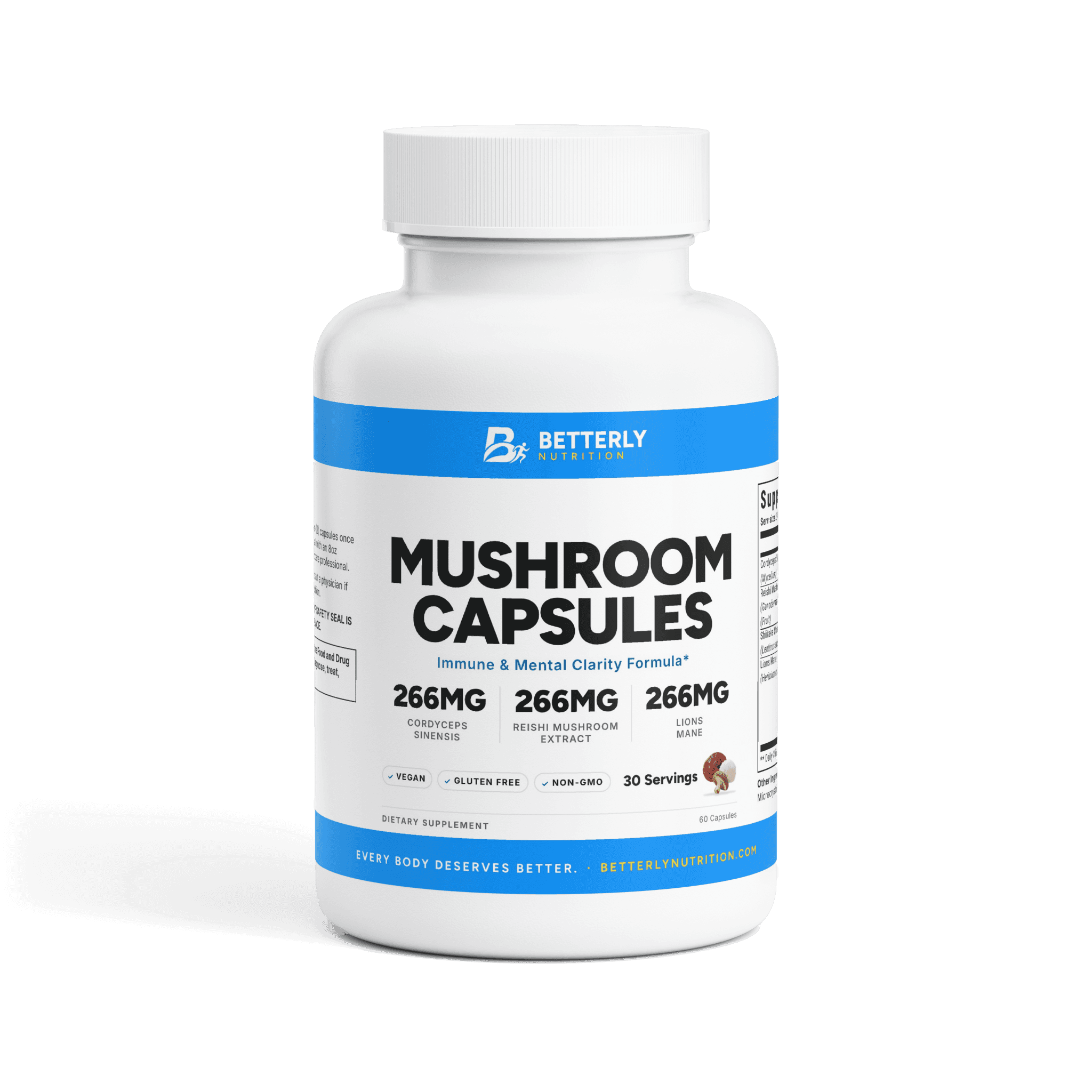
| Reishi and lion's mane too | Mushroom Capsules | Cordyceps, reishi, lion's mane and shiitake at 266 mg each, per 2 capsules |
The pattern: the drops trade printed amounts for convenience.
The gummy route also brings extras. Every cordyceps gummy carries GABA, ginkgo leaf, L-glutamine and DMAE, 25 mg of each, plus 10 calories. According to ODS, the body makes all the glutamine it needs outside rare situations, so that 25 mg isn't filling a gap. Ginkgo and DMAE carry cautions of their own, which our cordyceps side effects guide covers.
From our shop: Chaga & Cordyceps Mushroom Drops — one glycerin-based dropper a day holds both mushrooms: 50 mg of cordyceps extract, plus chaga listed first in a 150 mg complex of five fungi.
How should you take chaga and cordyceps each day?
Our labels set a daily amount for chaga and cordyceps: 1 ml of the drops, 2 chaga capsules plus 1 to 2 gummies, or 2 blend capsules.
Here's each label's wording, per its own serving:
- Chaga & Cordyceps drops, 1 ml (30 drops): "Shake well. Take 1 ml (30 drops) daily."
- Organic Chaga capsules, 2 capsules: "adults take two (2) capsules daily or as directed by a healthcare professional."
- Cordyceps gummies, 1 gummy: "Take one (1) to two (2) gummies daily."
- Mushroom Capsules, 2 capsules: "take two (2) capsules once a day. For best results, take 20-30 min before a meal with an 8oz (237ml) glass of water or as directed by your healthcare professional."
Only the blend links its timing to food. The other three leave the hour open.
The one thing to avoid is stacking. The drops plus the chaga capsules would put chaga on two panels, and since the drops don't print their share, your daily chaga total would be a guess. The blend capsules would add a third source. Count each serving as that product's full day, and pick one route.
From our shop: Cordyceps Mushroom Energy Gummies — strawberry gummies for the split route, each listing 200 mg of cordyceps extract next to four smaller extras: GABA, ginkgo leaf, L-glutamine and DMAE.
Should you add reishi or lion's mane to chaga and cordyceps?
Reishi is already inside our Chaga & Cordyceps drops' complex, so adding it is a repeat. Lion's mane isn't, and our 10-mushroom capsules hold all four.
Here's how those four line up on our labels:
- The drops: reishi sits inside the 150 mg complex with no number of its own, and there's no lion's mane.
- The Mushroom Capsules: per 2-capsule serving, cordyceps sinensis powder (mycelium), reishi extract and lion's mane are each printed at 266 mg. Chaga sits in a separate 266 mg proprietary blend, third of six after maitake and turkey tail, which caps it at about 89 mg, a third of that total.
Piling on species has a cost. Blends seldom print per-mushroom amounts, and with four or five in play, you can't pin any change on one of them. If you still want all four, one blend bottle is simpler than three.
When don't you need chaga and cordyceps?
Skip a chaga and cordyceps combo if you're really after just one of the two, need a firm chaga figure, or would rather avoid sweeteners.
- One goal, one mushroom. If energy is what you want, our cordyceps gummies leave chaga out. If antioxidant support is, the chaga capsules leave cordyceps out.
- A firm chaga figure. The drops print no chaga amount, and its first-place listing only implies 30 mg or more. The capsules print 1,000 mg per serving.
- No sweeteners. The drops list stevia, and each gummy brings 2 g of added sugars. The chaga capsules list neither.
- A deadline. If you're counting on a felt change by a certain week, nothing on these labels promises one, and neither do we.
Who should check with a healthcare provider first?
Chaga or cordyceps calls for a healthcare provider's okay first if you take any medication, have surgery coming up, manage a medical condition, or are pregnant, nursing or under 18.
All four bottles in this guide print the same caution: "Do not exceed recommended dose. Consult a physician if pregnant, nursing, under 18, or have a medical condition." Beyond the label:
- Medication: ODS wants your doctor, pharmacist and other providers to hear about every supplement and medicine you take, since they're the ones who can spot an interaction.
- Kidneys: if a provider has ever raised concerns about your kidneys, name chaga to them; our lion's mane and chaga guide explains the published case that tied very large daily amounts of chaga powder to calcium oxalate crystals in the kidneys.
- Surgery: give your surgical team a written list of your supplements well before the date.
- Past reactions: if mushrooms have ever disagreed with you, skip these. In LiverTox's summary, cordyceps extracts are well tolerated, with mild complaints such as abdominal discomfort, loose stools, dry mouth, nausea, poor appetite and rash.
FAQ: chaga and cordyceps together
Can you take chaga and cordyceps together every day?
Yes, you can take chaga and cordyceps every day at label amounts, because each label here is written as a daily serving. On the drops, a day means one 1 ml dropper: 50 mg of cordyceps extract plus chaga at 30 mg or more inside the complex. The labels don't cover combining products, so if you'd rather split the mushrooms, use the separate bottles instead of the drops, not on top of them.
Is chaga or cordyceps better for energy?
Cordyceps is the one sold for energy, while chaga labels usually point to antioxidant support; our chaga capsules make no energy claim. Keep expectations modest, since LiverTox found no convincing human evidence for cordyceps' promoted effects. Think of the gummy as one small part of a routine built on sleep and regular meals.
Does chaga or cordyceps have caffeine?
No. None of the four labels in this guide lists caffeine: the drops, the chaga capsules, the cordyceps gummies and the Mushroom Capsules. "Energy" on the gummy bottle doesn't mean caffeine is inside. One related pick is different. Our Organic 6 Mushroom Blend Powder also holds cordyceps and lists organic green tea leaf extract, which our cordyceps timing guide flags as a caffeine source. That panel prints no caffeine amount, so skip it if you're avoiding caffeine.
Does chaga interact with medications?
Chaga could interact with a medicine you take, and the federal sources we checked don't name a specific interaction either way, so ask your pharmacist before you start. The ODS immune fact sheet, which covers herbs like echinacea and ginseng, has no chaga entry. Bring the full Supplement Facts panel to that conversation, since the drops hold four more mushrooms besides chaga and cordyceps.
How long does a bottle of chaga and cordyceps drops last?
One bottle of our Chaga & Cordyceps Mushroom Drops lasts 30 days at the label's 1 ml a day, since it holds 1 fl oz (30 ml) and lists 30 servings. The separate route keeps its own clock: a chaga capsule bottle covers a month, while the 30-gummy cordyceps bottle covers a month at one daily and about two weeks at two.
Sources
- Cordyceps (LiverTox, National Library of Medicine, NIH)
- Hardwood Stem Decays (USDA Forest Service, Alaska Region)
- Dietary Supplements for Immune Function, Consumer Fact Sheet (NIH Office of Dietary Supplements)
- 21 CFR 101.36, Nutrition labeling of dietary supplements (Electronic Code of Federal Regulations)
If this left you looking for somewhere to start, read chaga and cordyceps mushroom drops, 1 ml a day — its amounts per serving are listed on the page. For the practical questions this raises, how dosing, sourcing and subscriptions work is answered in one place.