On this page
- Key takeaways
- Can lion's mane make you feel more awake?
- Is lion's mane a stimulant like caffeine?
- What did a 28-day trial find about lion's mane and alertness?
- Why do some people say lion's mane gives them more energy?
- Does the cordyceps in a lion's mane blend add energy?
- Where does the energy on a lion's mane label come from?
- How much of each product do the labels say to take?
- Should you skip lion's mane if you want more energy?
- Who should check with a healthcare provider first?
- FAQ: lion's mane and energy
- Sources
The short answer: Not directly. Lion's mane (Hericium erinaceus) is a mushroom people eat as food, and it isn't a stimulant. In a 2023 trial, healthy adults taking 1.8 g a day for 28 days rated their alertness no differently than a placebo group did. So does lion's mane give you energy on its own? The trial that checked alertness says no. A lion's mane "energy" formula owes that word to its other ingredients.
Key takeaways
- Lion's mane contains no caffeine, and none of the lion's mane labels in this guide lists caffeine on its Supplement Facts panel.
- In a 2023 double-blind trial, volunteers rated how alert or drowsy they felt, and the lion's mane group scored no differently from the placebo group.
- Lion's mane is studied mainly for focus, and even there the human trials are small and their results mixed.
- In a lion's mane energy formula, the word "energy" rests on other rows of the panel, so read every line before you buy.
A quick disclosure: we sell Cordyceps & Lion's Mane Energy Drops, so the word "energy" sits right beside lion's mane on our own bottle. That's a good reason to show you which ingredient the word leans on. Spoiler: it isn't the lion's mane.
Can lion's mane make you feel more awake?
Lion's mane won't perk you up like a cup of coffee, and we found no human study showing it makes people feel more awake.
The mushroom is sold for a different job. The LiverTox entry on lion's mane, which the National Library of Medicine keeps as a liver-safety resource covering drugs and supplements, says it's widely sold with claims about memory and thinking. Energy isn't part of that pitch.
Energy comes up in that entry in just one place: a 2023 review of ingredients said to raise "mental energy." The review called nine of them "promising": lion's mane, ashwagandha, chamomile, dark chocolate, ginseng, lavender tea, maca, turmeric and valerian.
LiverTox doesn't say what "promising" meant, and it isn't the same as shown to work. "Mental energy" in research is also a broad idea, not the buzz you get from coffee. For the human trials on focus and memory, see our rundown of what lion's mane does in people.
Is lion's mane a stimulant like caffeine?
No, lion's mane isn't a stimulant. It has no caffeine, and LiverTox lists its main compounds as beta-glucan polysaccharides, hericenones and erinacines.
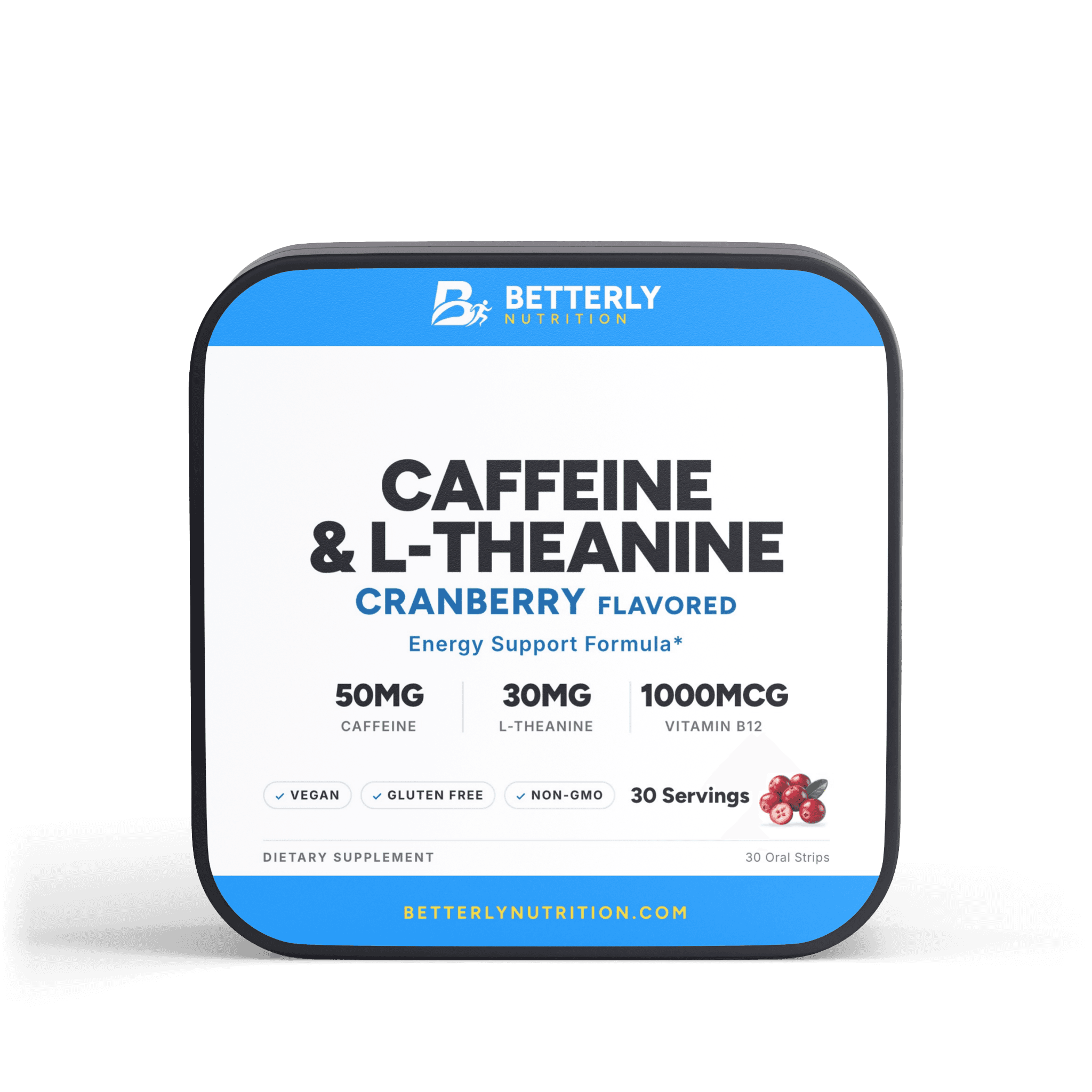
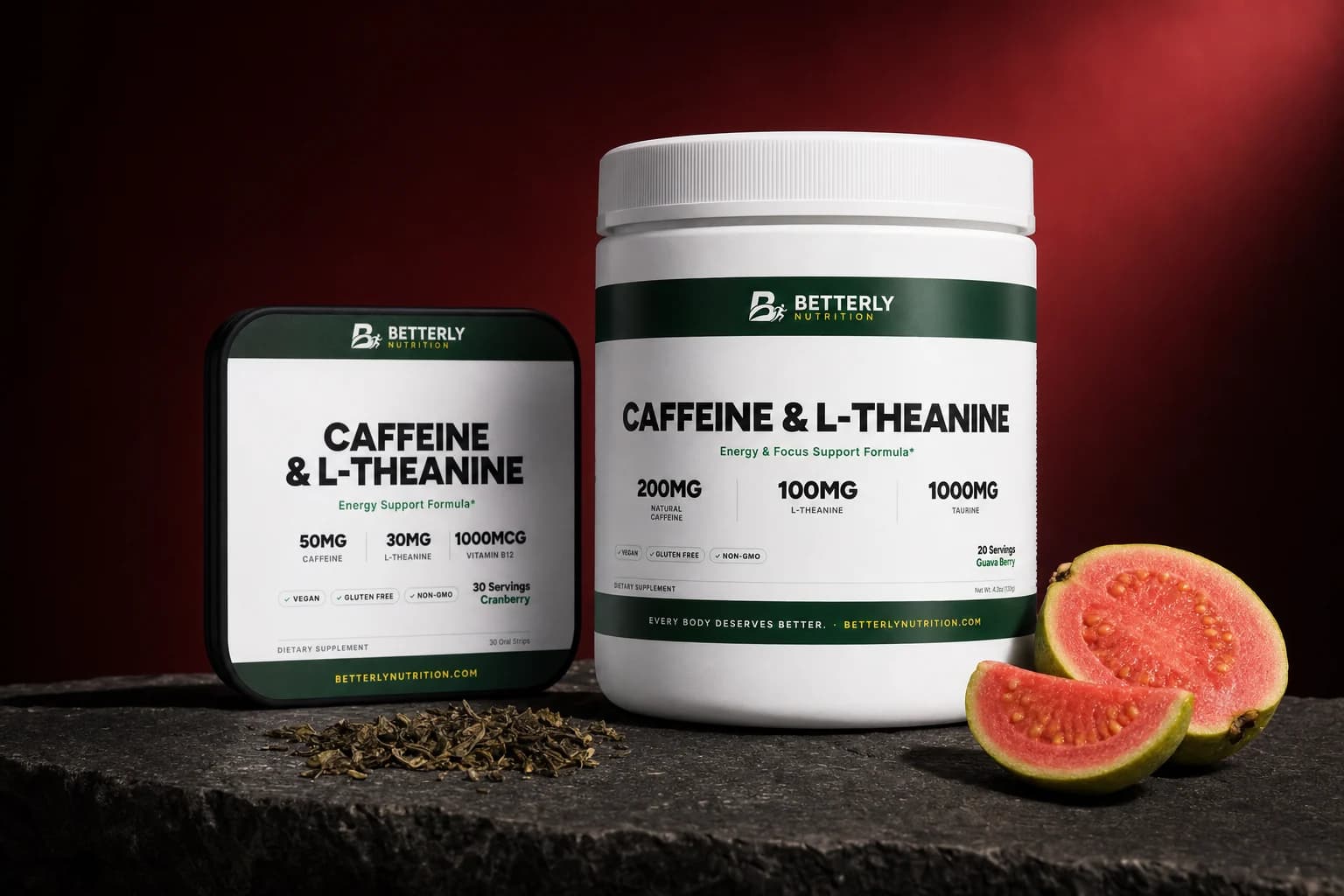
A stimulant speeds up your nervous system, and caffeine is the familiar one. Added caffeine usually gets its own row with an amount. Caffeine from coffee, tea or guarana may show up only as that plant's name. Look at our Caffeine & L-Theanine Energy Strips: the panel shows 50 mg of caffeine per 1 Oral Strip (290mg) serving. Now compare two of our lion's mane products:
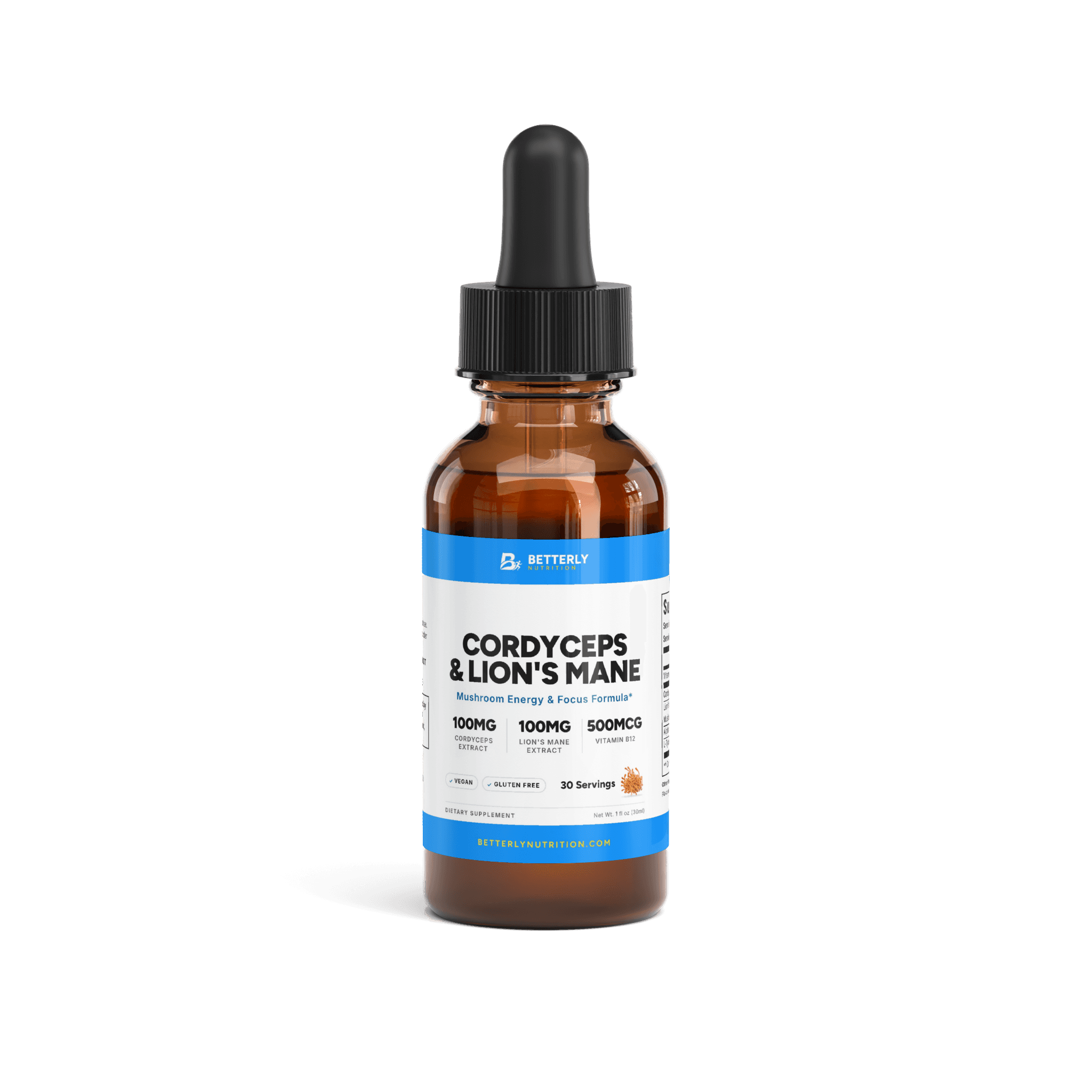
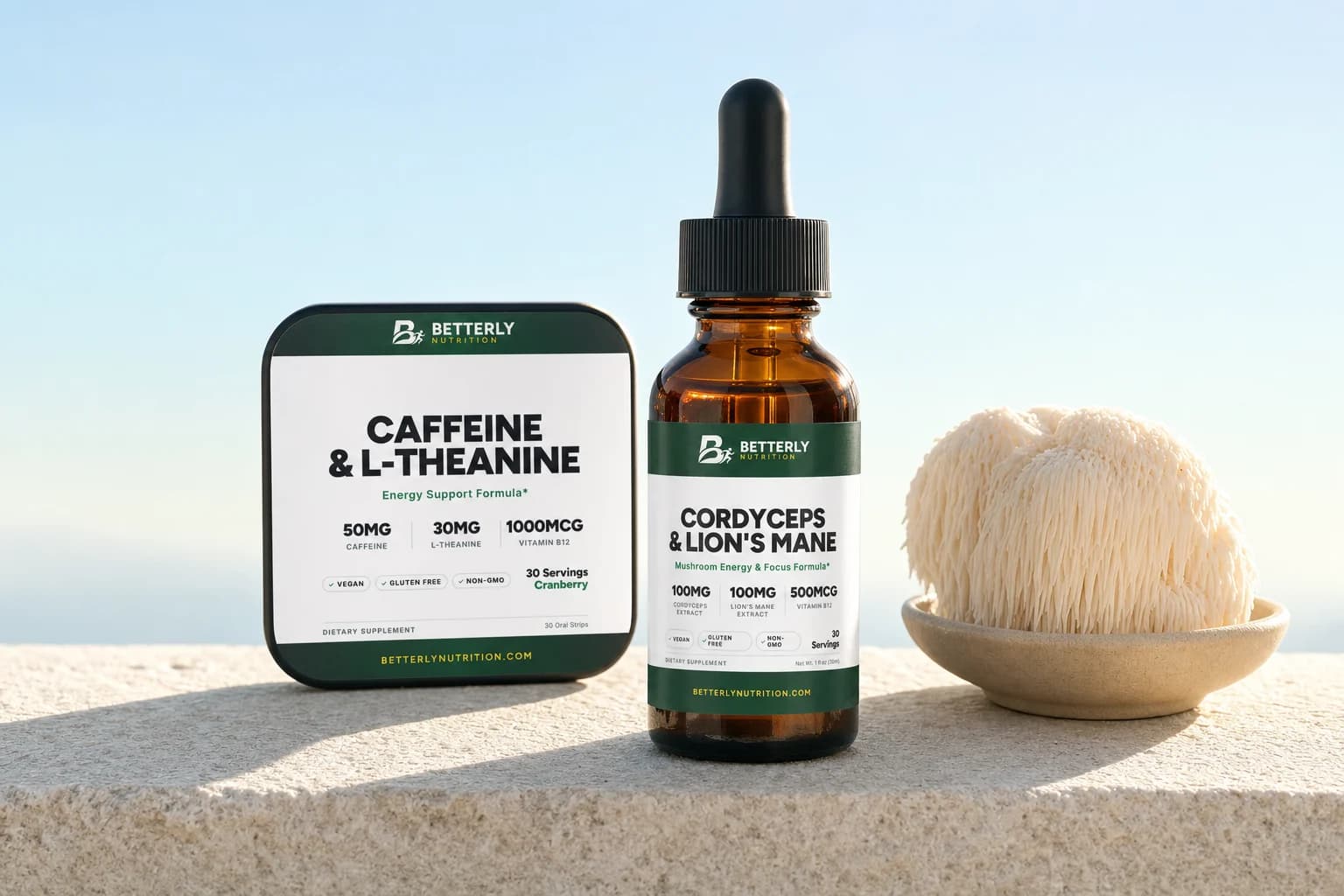
- Per 1 ml (1 dropper, 30 drops) serving, the Cordyceps & Lion's Mane Energy Drops show 100 mg of lion's mane mushroom extract and no caffeine row.
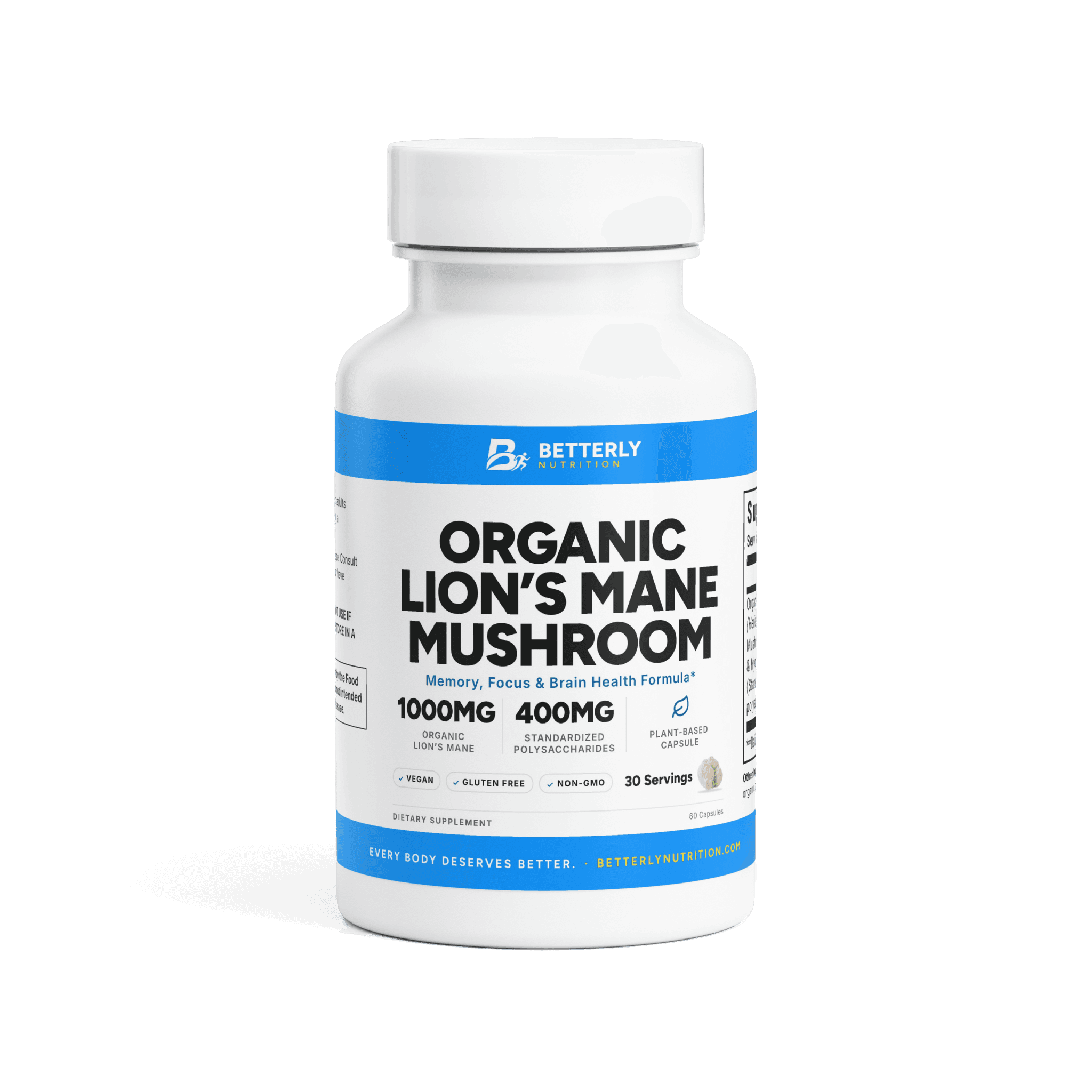
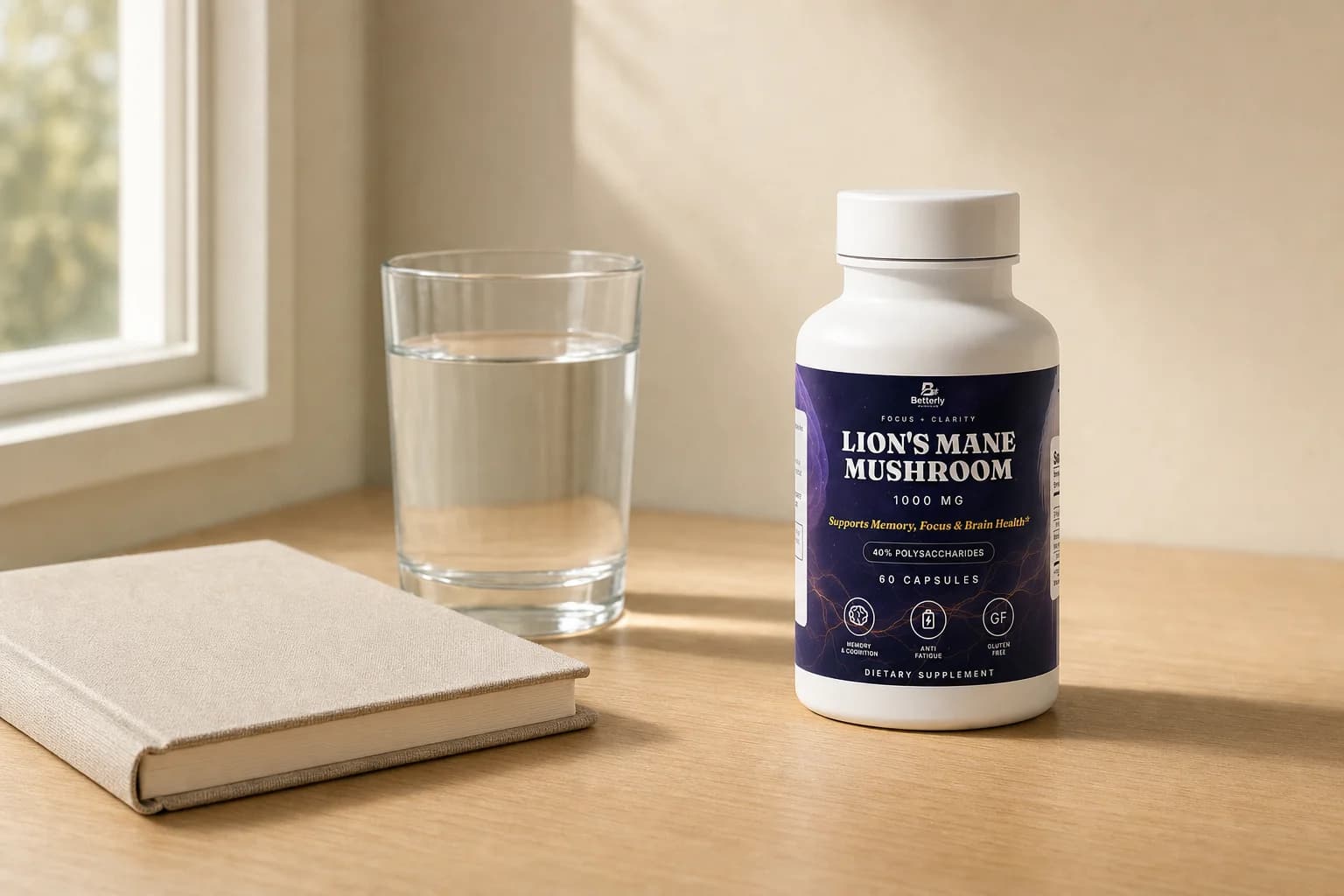
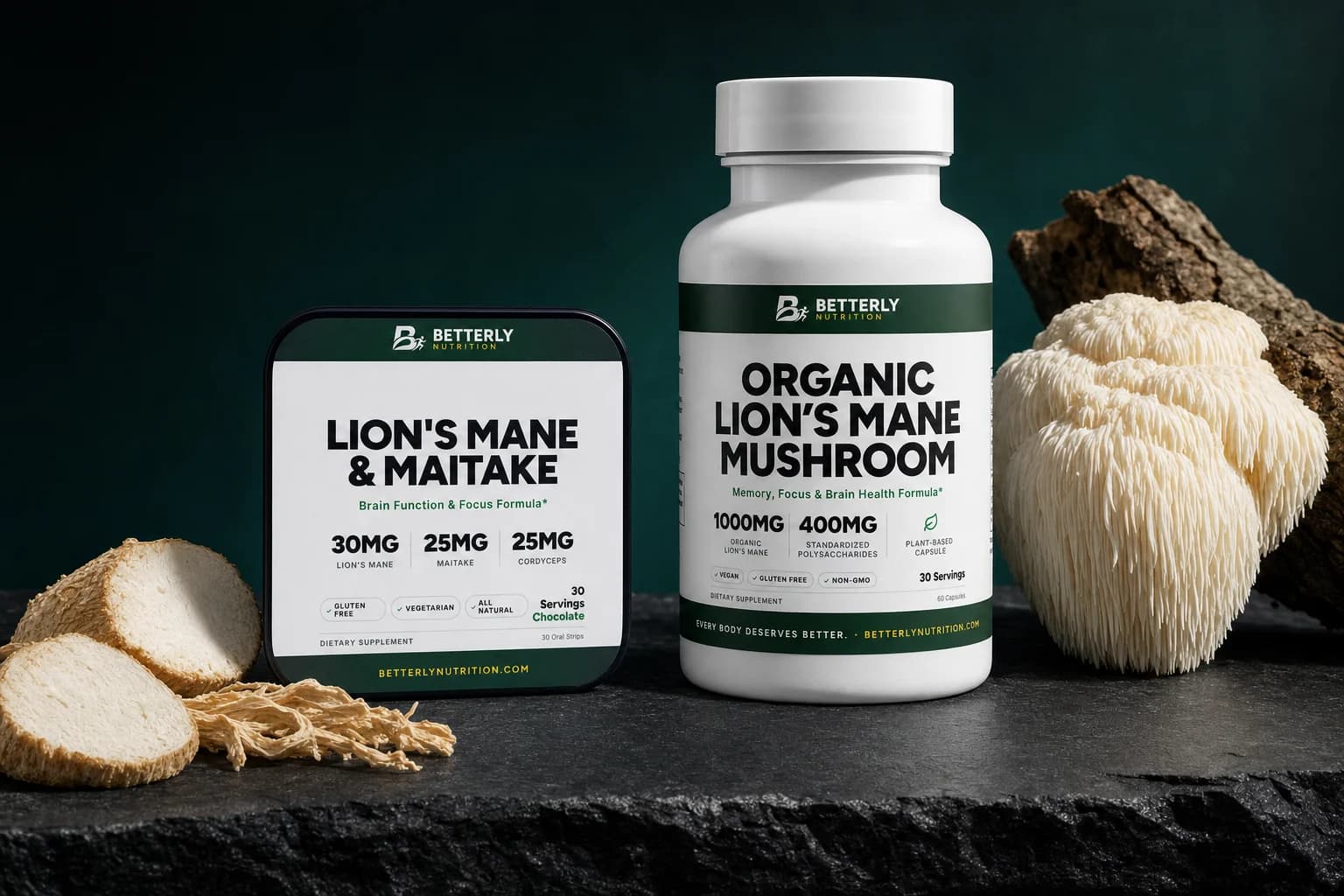
- Per 2-capsule serving, the Organic Lion's Mane Mushroom Capsules show 1000 mg of organic lion's mane and no caffeine row.
- Neither label's other ingredients name coffee, tea or guarana.
You can run that check on any brand. No caffeine row and no caffeinated plant in the ingredients means you shouldn't expect a caffeine-style lift.
What did a 28-day trial find about lion's mane and alertness?
In a 28-day trial, lion's mane left volunteers' alertness ratings no different from placebo, so it made them neither perkier nor sleepier.
That trial, a 2023 pilot study published in Nutrients, gave 41 healthy adults aged 18 to 45 either three 600 mg lion's mane capsules a day or look-alike placebo capsules for 28 days. It was double-blind, so nobody knew who got which.
Part of the testing was a questionnaire of 18 lines, each with opposite words at its ends, such as "alert" and "drowsy." Volunteers marked how they felt an hour after their dose, on day 1 and again on day 29. The authors reported no difference in alertness between the two groups.
So does lion's mane make you sleepy? Not in that study, though one small trial can't rule out individual reactions.
LiverTox's safety notes point the same way. For longer trials, it notes mild gut complaints, such as nausea, diarrhea or belly discomfort, reported by under 10% of people in most cases. Drowsiness isn't on that list. If you feel wiped out after starting any new supplement, stop and check in with a healthcare provider.
Why do some people say lion's mane gives them more energy?
When someone credits lion's mane with more energy, the product may pair it with caffeine, or other habits may have changed at the same time.
Search for lion's mane energy and you'll find drinks, shots and gummies. Mushroom coffee is the clearest case, since the base is coffee, and other products may use tea or guarana. There, the caffeine does the work and lion's mane gets its name on the front.
LiverTox also summarizes a 2023 single-dose study in 40 healthy adults that compared 1 g of lion's mane, 650 mg of guayusa (a caffeinated plant extract) and a placebo. Lion's mane showed minor gains on some thinking tests, and LiverTox notes guayusa's caffeine may explain that extract's own effects. The study kept the two apart, so if a product blends them, you can't tell which one you're feeling.
Timing muddies things too. You might start a supplement the same week you start going to bed earlier or drinking more water, and either change can shift how you feel. A placebo group controls for that overlap, and in the 28-day trial alertness still didn't differ.
Some brands argue that sharper focus "feels like" energy, but that's a marketing idea, not a measured effect. If steadier focus without caffeine is what you're really after, that's a separate question from energy, with its own small set of trials.
Does the cordyceps in a lion's mane blend add energy?
Cordyceps is the ingredient sold for stamina in a lion's mane blend, but LiverTox says none of its promoted effects has been convincingly shown in human trials.
Our drops are built that way. The label reads "Mushroom Energy & Focus Formula," and each 1 ml dropper holds 100 mg of cordyceps mushroom extract and 100 mg of lion's mane mushroom extract. The energy half of that name is meant for cordyceps, and the focus half for lion's mane.
The LiverTox entry on cordyceps notes that it's promoted for energy and athletic performance. In the two cordyceps-only exercise trials it summarizes, cyclists and older adults taking cordyceps did no better than people on placebo. Our look at how cordyceps and lion's mane stack up covers the blend trials, too.
The plain version: the pairing gives a formula a tidy energy-and-focus story, but neither mushroom has shown in people that it makes you feel more energetic.
Where does the energy on a lion's mane label come from?
On a lion's mane energy label, the "energy" wording rests on other rows: cordyceps, vitamin B12, amino acids or, in some brands, caffeine.
Here's how that plays out across four of our labels, per serving as printed:
| Product (serving) | Lion's mane | What else is on the panel | Caffeine row? |
|---|---|---|---|
| Energy Drops (1 ml) | 100 mg extract | Cordyceps extract 100 mg, B12 500 mcg, Alpha GPC 25 mg, L-Tyrosine 25 mg | No |
| Lion's mane capsules (2 capsules) | 1000 mg | Nothing else; standardized to 40% polysaccharides | No |
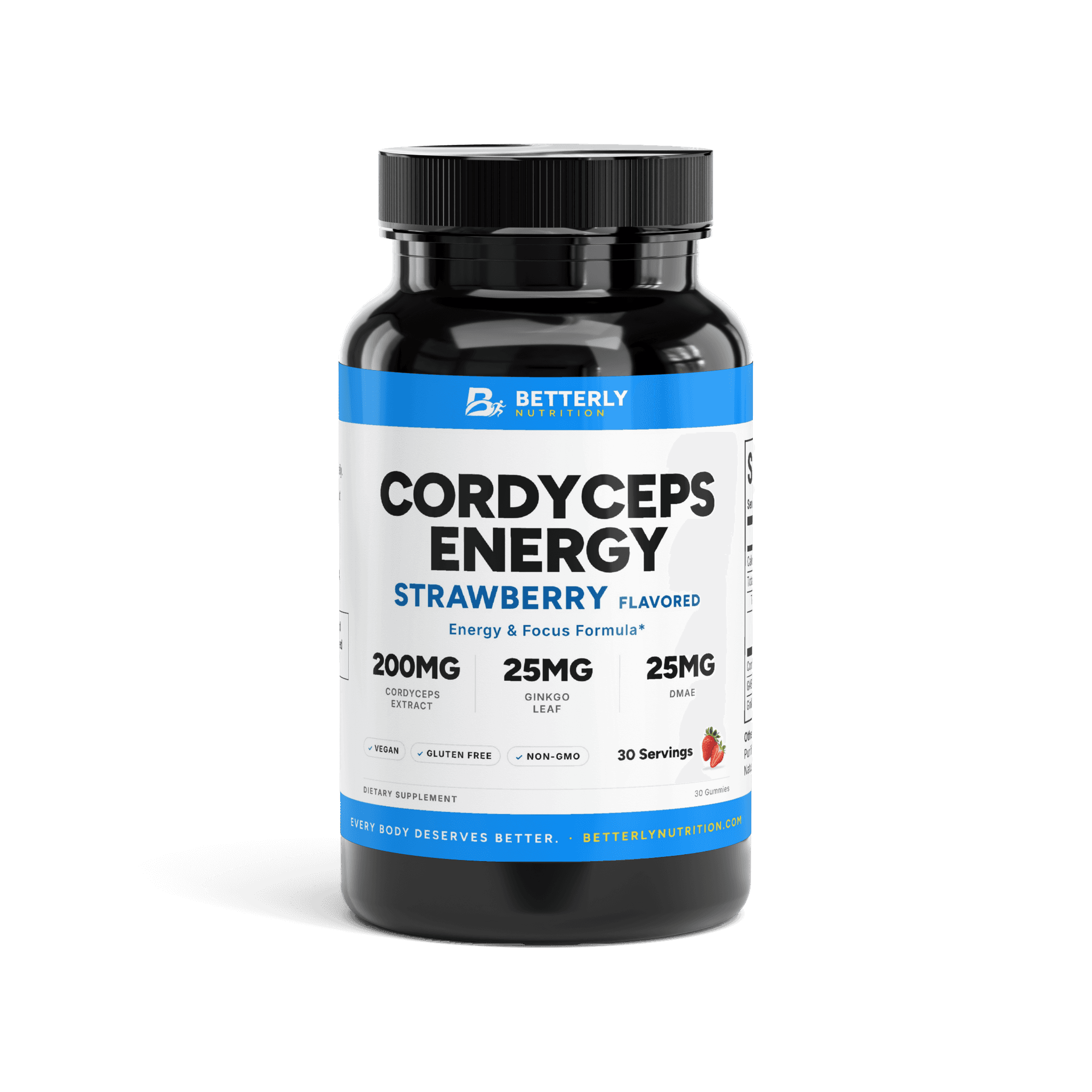
| Cordyceps Mushroom Energy Gummies (1 gummy) | None | Cordyceps extract 200 mg; GABA, ginkgo leaf, L-glutamine, DMAE at 25 mg each | No |
| Energy Strips (1 strip) | None | Caffeine 50 mg, L-theanine 30 mg, B12 1000 mcg | Yes, 50 mg |
Read down the last column: only one product holds a stimulant, and it's the one with no lion's mane in it. The drops' energy wording rests on cordyceps and B12, neither of which is a stimulant.
A closer look at the drops' B12 row
Each 1 ml of the drops holds 500 mcg of vitamin B12, far above the 2.4 mcg a day adults need. The vitamin B12 fact sheet from the NIH Office of Dietary Supplements (ODS) considers doses that size safe. It also says extra B12 won't lift energy in people whose diet already supplies enough, and most people in the U.S. get enough from food.
Our B12 and energy guide covers who tends to run low. The drops' last two rows, 25 mg each of Alpha GPC (a choline compound) and L-Tyrosine (an amino acid), have no federal source we found tying them to feeling energetic at that amount, so we won't give them that job.
From our shop: Cordyceps & Lion's Mane Energy Drops — a 1 ml dropper pairing 100 mg of lion's mane extract with 100 mg of cordyceps extract, plus 500 mcg of vitamin B12, vegan on the label, with no caffeine listed.
How much of each product do the labels say to take?
Each lion's mane, cordyceps and caffeine label here sets a daily amount, and none suggests taking more for extra energy. Doubling up on droppers or capsules doesn't make lion's mane a stimulant.
- Energy Drops: "Shake well. Take 1 ml (30 drops) daily."
- Lion's mane capsules: "As a dietary supplement, adults take two (2) capsules daily or as directed by a healthcare professional."
- Cordyceps gummies: "Take one (1) to two (2) gummies daily."
- Energy Strips: "Place 1 oral strip on the tongue daily and allow it to dissolve."
And every one of them adds: "Do not exceed recommended dose." Three habits keep things simple:
- Use one product per mushroom. The drops and capsules both carry lion's mane, and the drops and gummies both carry cordyceps.
- Save the strip for earlier in the day. It's the only label here with caffeine, so it's the one whose timing matters for your evening.
- Add up your caffeine. A strip's 50 mg stacks on top of any coffee, tea or energy drink, and lion's mane adds none.
Not feeling a lift matches the research; it doesn't mean you need a bigger dose. If feeling more awake is the real goal, the caffeine strip is the honest match. Everything else we carry for this goal lives in our Energy Support collection.
From our shop: Organic Lion's Mane Mushroom Capsules — 1000 mg of organic lion's mane per 2-capsule serving, with no caffeine or other active ingredients on the panel and vegan, gluten free and non-GMO claims on the label.
Should you skip lion's mane if you want more energy?
Skip lion's mane if you want to feel more awake today, your current blend already includes it, or you're short on sleep.
- You want a lift today. Nothing on these lion's mane panels is a stimulant.
- Your blend already lists it. A second lion's mane product mostly repeats the first.
- You're running on short sleep. No mushroom makes up for missed hours.
- You already get B12. If your multivitamin lists B12, the drops' 500 mcg lands on top of it.
- You're watching sugar. The cordyceps gummies carry 2 g of added sugars apiece, while the drops and capsules have no sugar rows.
If you feel run-down most days and can't say why, see a healthcare provider before shopping for a fix. Ongoing tiredness deserves a real conversation, not a supplement experiment.
Who should check with a healthcare provider first?
Talk to your doctor or pharmacist before lion's mane or cordyceps if you're under 18, pregnant or breastfeeding, taking prescription medicine, having surgery soon or living with a medical condition.
All five labels named here print one shared caution: "Do not exceed recommended dose. Consult a physician if pregnant, nursing, under 18, or have a medical condition."
- Mushroom reactions. LiverTox records at least one case of a sudden allergic reaction after someone swallowed lion's mane. If mushrooms have ever given you a reaction, ask before you try it.
- Your medicines. The ODS fact sheet warns that B12 supplements may interfere with certain drugs, so show your pharmacist the drops' full panel.
- Extra rows. The cordyceps gummies also list ginkgo leaf, GABA and DMAE. Show those rows to your pharmacist along with your medicine list.
- Caffeine. If caffeine tends to bother you, ask before adding the strip's 50 mg to your day.
FAQ: lion's mane and energy
Does lion's mane powder give you energy?
No, lion's mane powder doesn't give you energy any more than capsules or drops do. The form changes how you take the mushroom, not what's in it, and lion's mane has no caffeine in any form. The exception is a powder blended with coffee, tea, cacao or guarana, where the lift comes from those. Read the ingredient list before crediting the mushroom.
Does lion's mane affect your sleep?
Lion's mane isn't known to disrupt sleep, and it has no caffeine. The 28-day alertness trial didn't measure sleep. LiverTox also notes a small 4-week trial where daily cookies made with 2 g of lion's mane left sleep-scale scores no different from placebo. If your nights feel restless after starting any new product, check its panel for caffeine first.
Do lion's mane energy drinks and gummies have caffeine?
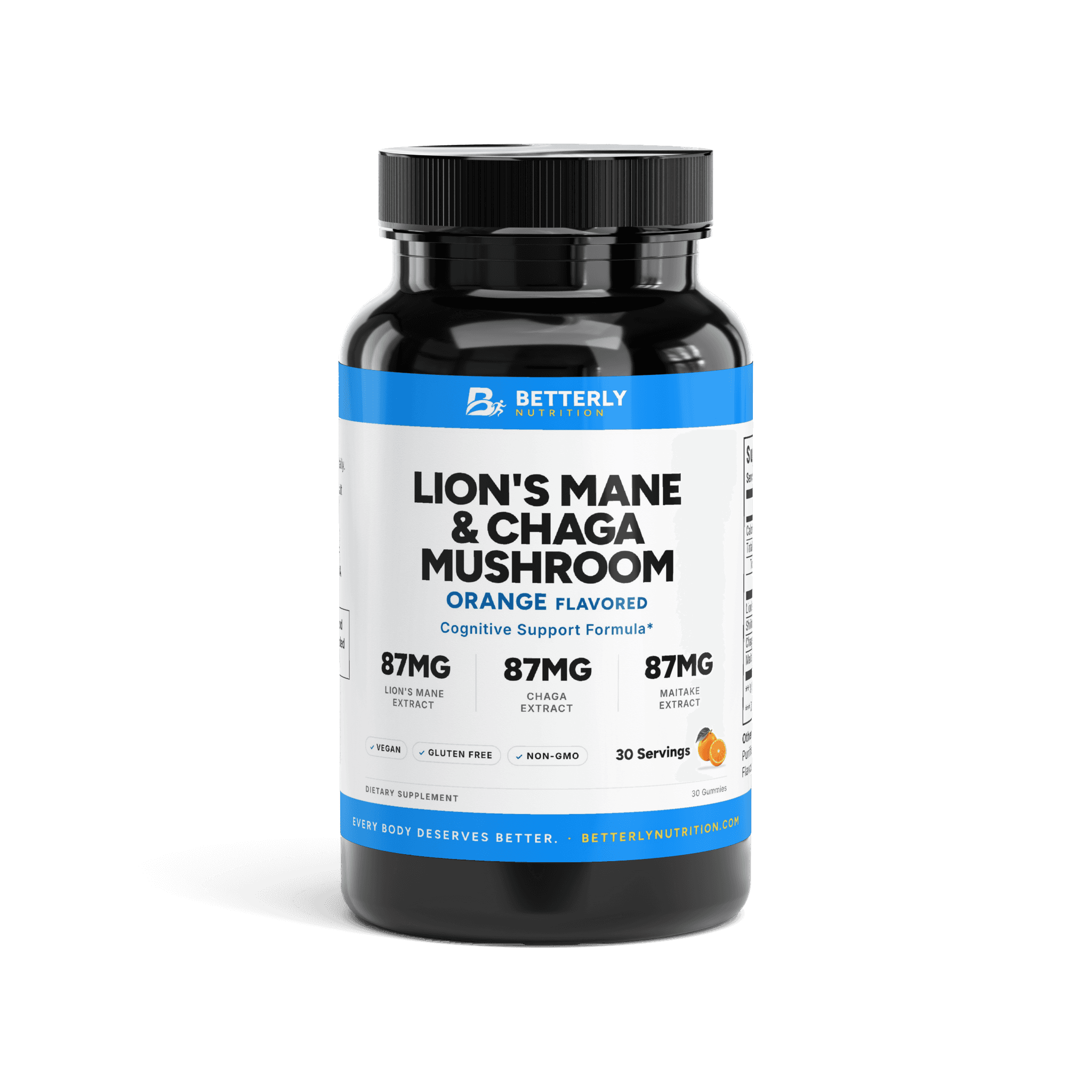
Lion's mane energy drinks and gummies can contain caffeine, but it never comes from the lion's mane. Scan the panel for a caffeine amount, then check the ingredients for coffee, green tea, guarana or yerba mate. Our Lion's Mane & Chaga Mushroom Gummies, for comparison, carry 87 mg of lion's mane extract in each 1-gummy serving and show no caffeine row.
How long does lion's mane take to give you energy?
There's no timeline for lion's mane, since the trial that measured alertness found no lift to wait for. It tested volunteers an hour after the first dose and again on day 29, and the authors reported no difference from placebo. If you notice nothing, that fits the evidence, so don't go past the label's amount chasing a lift.
Can you take lion's mane with an energy drink or pre-workout?
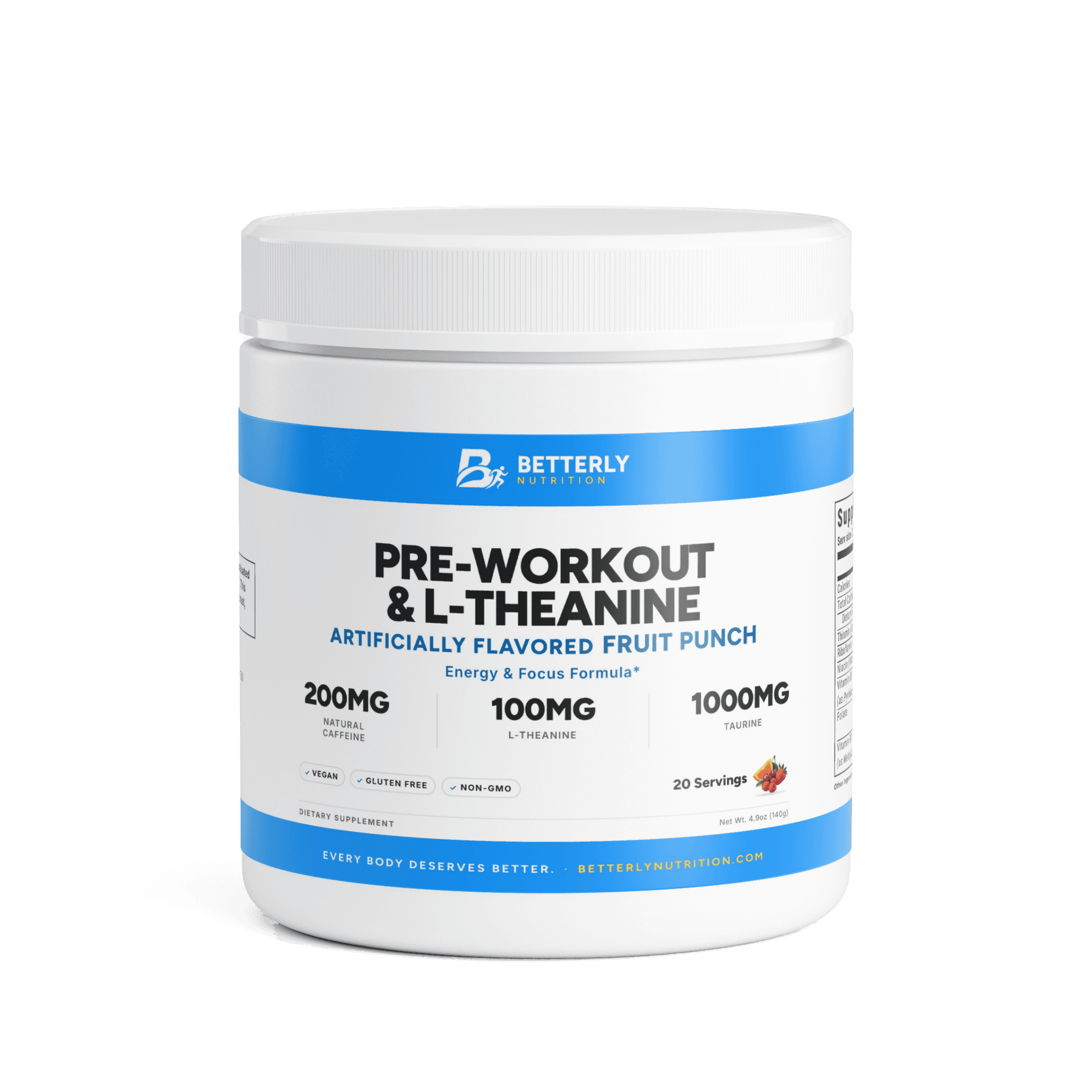
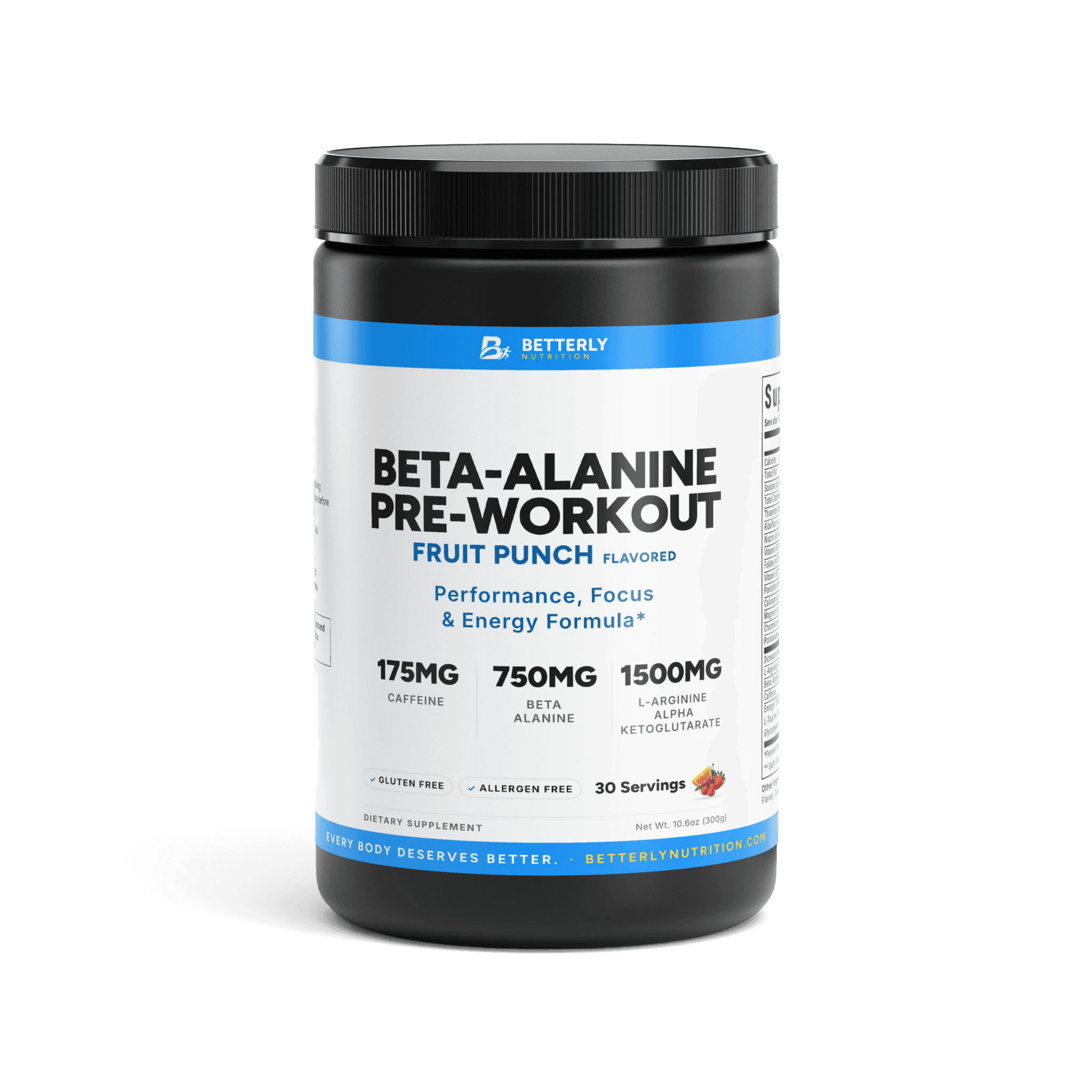
Lion's mane has no caffeine, so the energy drink or pre-workout is the part to watch. LiverTox lists no trial that combined lion's mane with either one. Follow each label's directions, count your caffeine from every source, and ask your pharmacist first if you take prescription medicine. Our guide to pairing lion's mane with your coffee walks through the caffeine math.
Sources
- Lion's Mane, LiverTox, NCBI Bookshelf, National Library of Medicine
- The Acute and Chronic Effects of Lion's Mane Mushroom Supplementation on Cognitive Function, Stress and Mood in Young Adults, Nutrients (2023), PubMed Central
- Cordyceps, LiverTox, NCBI Bookshelf, National Library of Medicine
- Vitamin B12: Fact Sheet for Consumers, NIH Office of Dietary Supplements
If this left you looking for somewhere to start, read cordyceps and lion's mane energy drops — its amounts per serving are listed on the page. For the practical questions this raises, how dosing, sourcing and subscriptions work is answered in one place.