On this page
- Key takeaways
- What are the most common lion's mane side effects?
- Can lion's mane cause diarrhea or an upset stomach?
- Can you be allergic to lion's mane?
- Is lion's mane psychoactive, or can it make you high?
- Is it safe to take lion's mane every day?
- Does lion's mane interact with medications or other supplements?
- Who should not take lion's mane, or check with a provider first?
- How do you take lion's mane, per our labels?
- When is a lion's mane supplement not worth adding?
- FAQ: lion's mane side effects and safety
- Sources
The short answer: Lion's mane side effects are usually mild, and most of them involve your stomach. The NIH's LiverTox reference says that in longer trials, abdominal discomfort, nausea or diarrhea usually showed up in fewer than 10% of people taking it, and most didn't need to stop. Allergic reactions are rare but possible. Skip it, or ask first, if you're pregnant, nursing, under 18, allergic to mushrooms, managing a medical condition or taking prescription medicines.
Key takeaways
- Human trials of lion's mane (Hericium erinaceus) ran from a single dose up to 48 weeks, and people who had stomach complaints generally didn't need to stop.
- Anyone with a known mushroom allergy should skip lion's mane supplements, because at least one allergic reaction to lion's mane has been described.
- Lion's mane isn't a psychedelic. It's an edible food mushroom, not a psilocybin mushroom, and it won't make you high.
- No trial has been set up specifically to test lion's mane's long-term safety, so daily use rests on small, short studies and its history as a food.
- Each of our lion's mane labels warns against going over the recommended dose and asks you to consult a physician if you're pregnant, nursing, under 18 or have a medical condition.
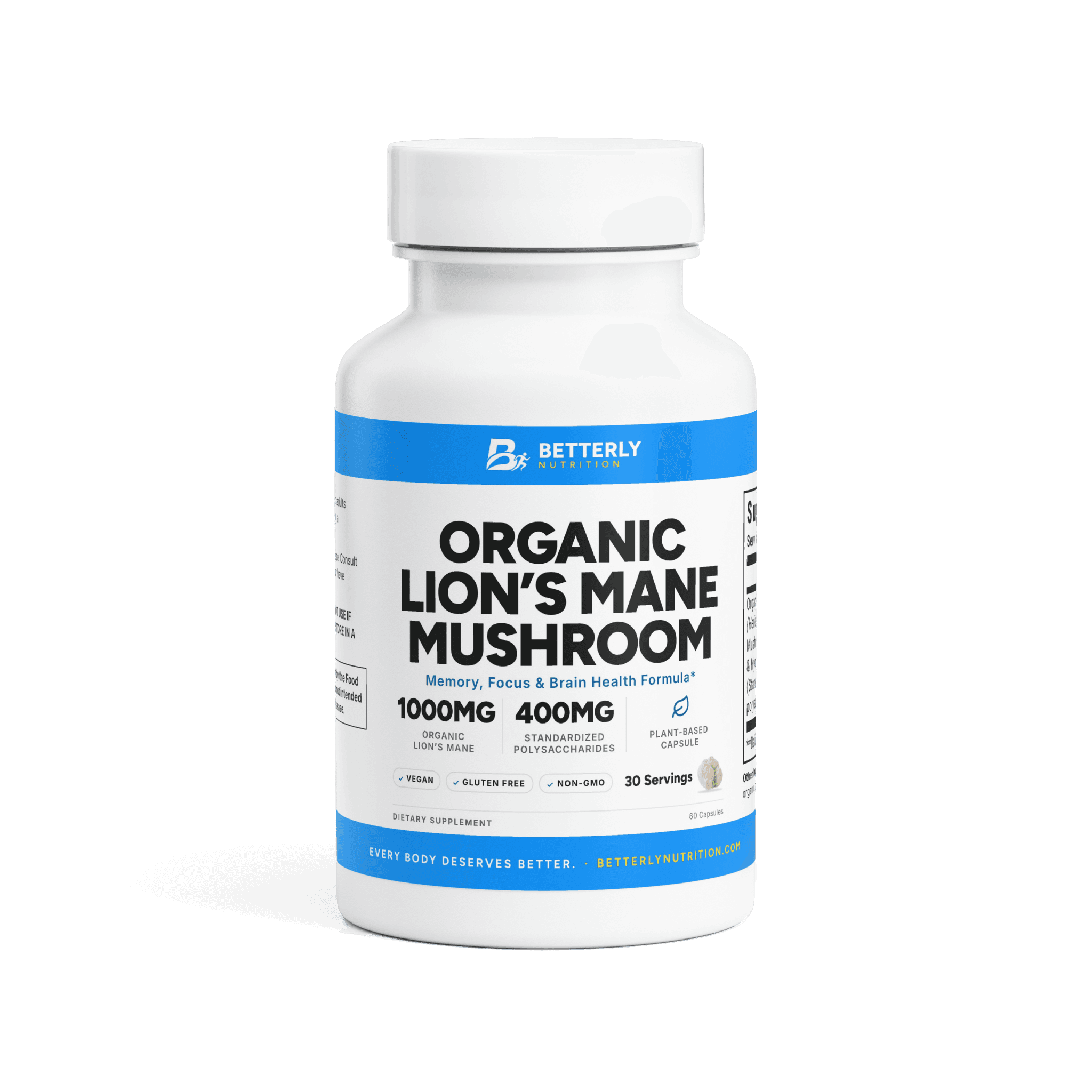
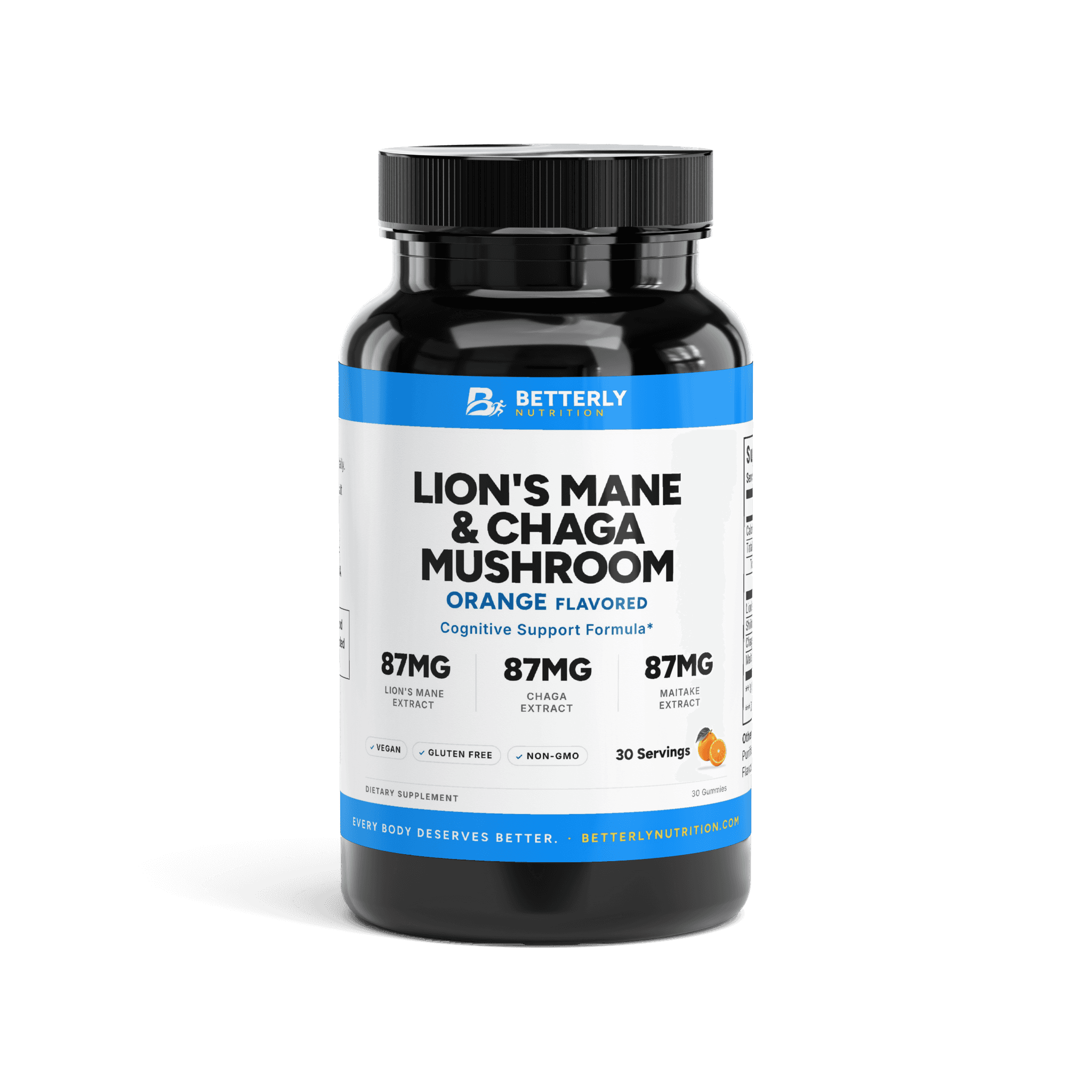
We sell lion's mane in several forms, including the capsule, gummy and oral strip compared below. That makes us an interested party, so we've kept to what federal sources and our own Supplement Facts panels actually say. Use the same checks on any brand, ours included.
What are the most common lion's mane side effects?
The most common lion's mane side effects are abdominal discomfort, nausea and diarrhea, and a rare allergic reaction has also been described.
That summary comes from the NIH's LiverTox database entry on lion's mane, hosted on the National Library of Medicine's NCBI Bookshelf. LiverTox is an NIH reference on drug and supplement safety that also summarizes reported side effects. The lion's mane entry says the few short-term human studies reported few adverse events. In longer trials, stomach complaints usually affected fewer than 10% of the people taking lion's mane, and they generally didn't have to stop.
Two things are missing. LiverTox says lion's mane hasn't been through prospective safety trials (studies planned in advance to look for harms), though it's widely described as well tolerated. And the trials were small. So "few side effects reported" tells you what a small number of people noticed, and nothing more.
Lion's mane is the shaggy white mushroom that grows on dead hardwood trees, with long spines that hang like a mane. LiverTox lists other names, including hedgehog fungus, bearded tooth, monkey head, pom pom and yamabushitake. Supplements use the fruiting body (the part you'd recognize), the mycelium (its root-like threads), or both. Our comparison of single lion's mane and multi-mushroom blends explains why that choice matters.
Can lion's mane cause diarrhea or an upset stomach?
Yes, lion's mane can cause diarrhea, nausea or stomach discomfort in some people, and these are the complaints LiverTox lists most often for it.
A few habits make it easier to tell what's going on:
- Take only the label's amount. Don't add a second lion's mane product to make up for a small dose.
- Start one new product at a time. If your stomach reacts, you'll know which bottle to look at.
- Read the whole ingredient list. Our Lion's Mane & Chaga Mushroom Gummies list organic cane sugar and tapioca syrup, and our Lion's Mane & Maitake Focus Strips list xanthan gum and steviol glycosides. A reaction could come from any of those as well as the mushroom.
- Stop if your stomach reacts. The National Center for Complementary and Integrative Health (NCCIH) says to stop a supplement that gives you side effects and contact your healthcare provider, so check with them before you restart.
If you think you've had a bad reaction, the NIH Office of Dietary Supplements (ODS) says to tell your healthcare provider. Its fact sheet, Dietary Supplements: What You Need to Know, says you can also report it to the FDA by phone at 800-FDA-1088 or through an online form, and to the manufacturer on the label. That includes us.
Can you be allergic to lion's mane?
Yes, you can be allergic to lion's mane, and LiverTox notes that at least one sudden allergic reaction to lion's mane taken by mouth has been described.
If eating mushrooms has ever given you a reaction, skip lion's mane supplements. No federal source we found says whether reacting to one mushroom means you'll react to another, so the careful move is to avoid mushroom supplements until an allergist says otherwise. MedlinePlus's page on allergic reactions advises avoiding foods and medicines that have caused a reaction before.
That page also lists what to watch for. Milder signs include a few hives, itching, a rash, a stuffy nose and watery, red eyes. More serious signs include wheezing or trouble breathing, trouble swallowing, and swelling of the face, eyes or tongue. MedlinePlus says to call 911 right away for a severe reaction and not to wait to see if it gets worse.
If you're sensitive, check the species list. Our Organic Lion's Mane Mushroom Capsules contain one species, lion's mane. The gummies add shiitake, chaga and maitake, and the strips add maitake, cordyceps and shiitake. So read past the name on the front.
Is lion's mane psychoactive, or can it make you high?
No, lion's mane isn't a psychedelic. It's an edible culinary mushroom, not a psilocybin or "magic" mushroom, and it won't make you high.
LiverTox describes lion's mane as an edible mushroom, found mostly in East Asia, that has been used widely as food. None of the three labels compared here lists psilocybin, and the capsule's other ingredients are just the pullulan capsule, water and organic pea starch.
The mix-up is understandable, since "mushroom" has become shorthand for psychedelics. Look for the scientific name on the panel: Hericium erinaceus is the species you're after.
None of the capsule, gummy or strip panels lists caffeine or another stimulant.
Is it safe to take lion's mane every day?
Lion's mane is labeled for daily use, and short human trials report mostly mild stomach complaints, but no one has tested its long-term safety in a dedicated trial.
Here's what the record shows. People have eaten lion's mane as food for a long time. The human trials LiverTox summarizes were small and ran from a single dose up to 48 weeks, and the complaints were mostly about stomachs.
Here's what it doesn't show. We found no data on years of daily use, and little on pregnancy, nursing or children. Products also differ in dose and in which part of the mushroom they use, so results from one extract may not carry over to another.
For a healthy adult who follows the label, the short-term record is mild. It's still a short record. Pick one product, keep to its directions, and tell your provider you take it. NCCIH's page on using dietary supplements wisely puts it plainly: "natural" does not always mean "safe."
From our shop: Organic Lion's Mane Mushroom Capsules — a single-species capsule with 1,000 mg of organic lion's mane in each 2-capsule serving and no other mushroom on the panel.
Does lion's mane interact with medications or other supplements?
We found no federal source that documents a specific lion's mane drug interaction, but NIH sources say supplements in general can interact with medicines, so ask first.
Treat that gap as a reason for care. Research on lion's mane is thin, and an interaction nobody has studied can't show up in the record. NCCIH says some supplements may harm you if you take certain prescription or over-the-counter medicines. ODS adds that certain supplements can make bleeding more likely or, before surgery, change how you respond to anesthesia.
Neither source names lion's mane. Still, a pharmacist should hear about it if you take any prescription medicine, including a blood thinner. ODS wants your provider to sign off before you pair any supplement with a prescribed medicine. It also suggests keeping a written list of everything you take to bring to appointments.
Other supplements raise a separate question: how many you take at once. According to ODS, you're most likely to have side effects if you take high doses, use supplements instead of prescribed medicines, or take many different supplements.
Who should not take lion's mane, or check with a provider first?
Anyone pregnant, nursing, under 18, allergic to mushrooms, on prescription medicines, facing surgery or managing a medical condition should skip lion's mane or ask a provider first.
Our lion's mane labels all print one caution: "Do not exceed recommended dose. Consult a physician if pregnant, nursing, under 18, or have a medical condition." NCCIH points out that many supplements have never been tested in people who are pregnant or nursing, or in children.
| If this is you | What to do | Why |
|---|---|---|
| Pregnant or nursing | Talk to your provider before starting | Label caution; little testing |
| Under 18 | Only with a pediatrician's OK | Label caution; capsule label says "adults" |
| Reacted to mushrooms before | Skip it | An allergic reaction has been described |
| On prescription medicines | Ask your pharmacist first | Supplements can interact with medicines |
| Procedure scheduled | Tell your surgeon ahead of time | Some supplements affect bleeding or anesthesia |
| Managing a medical condition | Get your provider's view first | Label caution |
| Healthy adult, no medicines | Follow the label | Mostly mild stomach complaints reported |
The rule behind the table: if your health or your medicine cabinet is already complicated, talk to a provider before the first capsule.
How do you take lion's mane, per our labels?
Take lion's mane exactly as its label directs: our capsule label says two capsules daily, the gummy label one to two gummies, and the strip label one strip.
| Product (serving) | Lion's mane per serving | Other mushrooms listed | Label's suggested use |
|---|---|---|---|
| Capsules (2 capsules) | 1,000 mg | None | 2 capsules daily |
| Gummies (1 gummy) | 87 mg extract | Shiitake, chaga, maitake (87 mg each) | 1 to 2 gummies daily |
| Strips (1 strip) | 30 mg | Maitake, cordyceps (25 mg each), shiitake (20 mg) | 1 strip daily |
Per serving, the capsules list more than 30 times as much lion's mane as one strip, and they're the only one of the three with a single species. The gummy lists an extract and gives no extract ratio, so its 87 mg can't be compared milligram for milligram with the capsule's powder. You'll find every format we carry in our mushroom collection.
- Capsules: The directions read "adults take two (2) capsules daily or as directed by a healthcare professional." The panel describes the powder as fruiting body and mycelium, standardized to 40% polysaccharides (400 mg). The label calls it vegan, gluten free and non-GMO.
- Gummies: Each orange gummy has 2 g of added sugars (4% DV), so two gummies add 4 g. Our look at how mushroom gummies compare with other formats covers that trade-off.
- Strips: You place one strip on your tongue daily and let it dissolve. Its sweeteners are monk fruit extract and steviol glycosides, and the label lists lecithin without naming its source.
None of these labels names a time of day or says to take it with a meal, so we won't invent a schedule.
From our shop: Lion's Mane & Maitake Focus Strips — 30 mg of lion's mane plus maitake, cordyceps and shiitake per 1-strip serving, in a chocolate-flavored strip that dissolves on your tongue.
When is a lion's mane supplement not worth adding?
A lion's mane supplement may not be worth adding if a blend you take already contains it, or if you're expecting a change you'll clearly feel.
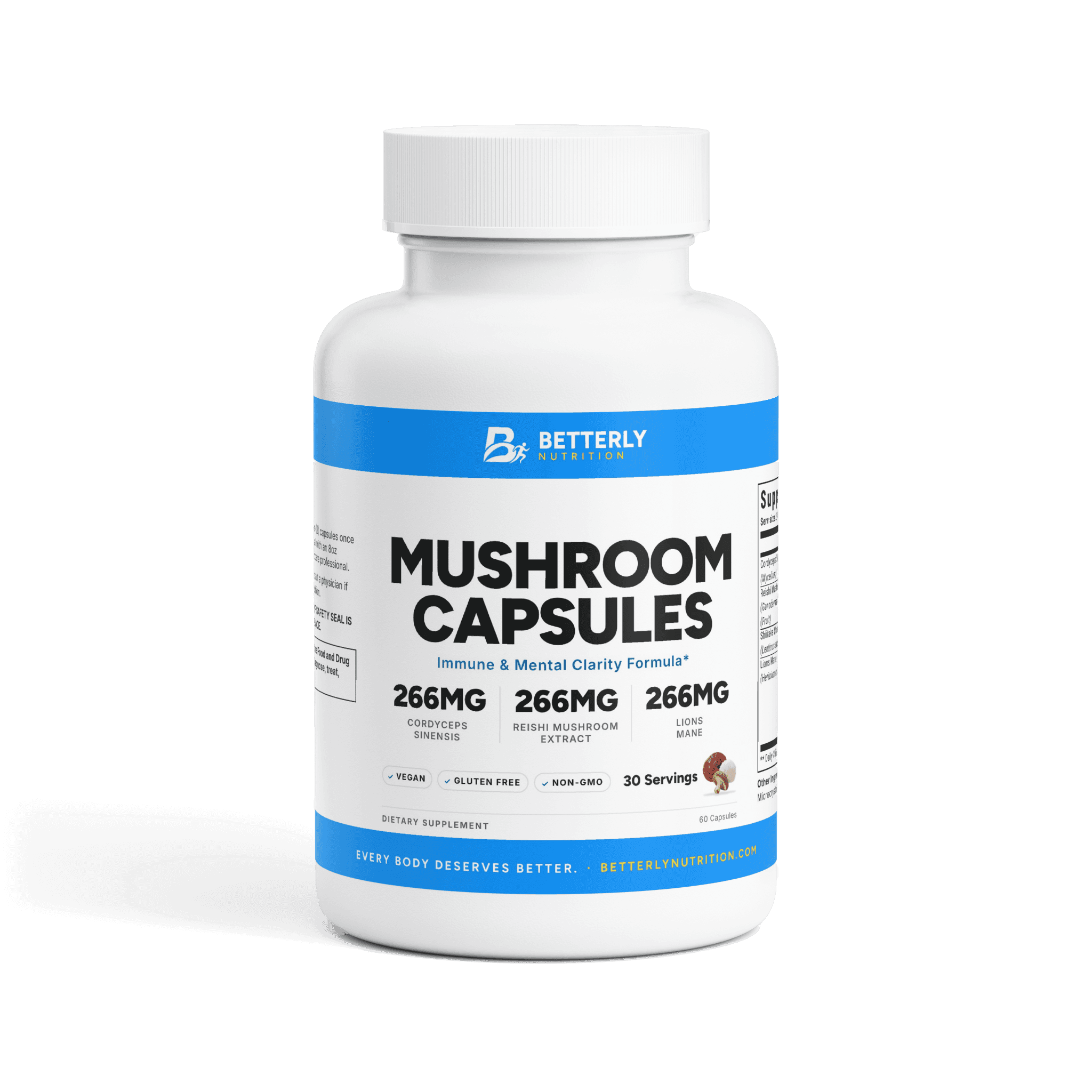
Check your blends first. Our Mushroom Capsules, for example, carry 266 mg of lion's mane in every 2-capsule serving, and plenty of other blends include it too. Adding a dedicated lion's mane product on top of a blend stacks the same mushroom twice.
Be honest about expectations, too. LiverTox notes that most of the effects claimed for lion's mane have been shown only in cell or animal studies. Our labels don't promise a noticeable result, and we won't either.
If you're weighing whether it belongs at all, see how to decide what earns a place in your supplement routine. And if lion's mane has already upset your stomach or caused any sign of a reaction, don't restart it without talking to your provider.
FAQ: lion's mane side effects and safety
Is lion's mane safe while breastfeeding?
No one has shown that lion's mane is safe while breastfeeding, so ask your healthcare provider before taking it. Our lion's mane labels each tell nursing mothers to consult a physician, and NCCIH notes that many supplements haven't been tested in that group. Bring the exact product and its label to that conversation.
Can lion's mane make you dizzy or sleepy?
Dizziness and sleepiness aren't among the side effects LiverTox lists for lion's mane, which are mostly stomach complaints and a rare allergic reaction. That doesn't rule them out for you. MedlinePlus lists dizziness among the signs of a moderate or severe allergic reaction, so if it comes with hives, swelling or trouble breathing, get help right away. Otherwise, stop taking it and tell your provider.
Can teenagers take lion's mane?
Teens should get a doctor's OK before taking lion's mane. Each of our lion's mane labels asks anyone under 18 to consult a physician, and the capsule's directions are written for adults. ODS urges care about giving supplements to a child unless their provider recommends it, since many haven't been well tested in children. Every label also says to keep the product out of reach of children.
How long do lion's mane side effects last?
There's no reliable figure for how long lion's mane side effects last, and we won't make one up. LiverTox says the stomach complaints seen in trials generally didn't require people to stop. If a reaction hasn't settled after you stop taking lion's mane, or it's getting worse, call your healthcare provider. Swelling of the face or trouble breathing is a reason to call 911.
Is eating lion's mane different from taking a supplement?
Yes, eating lion's mane in a meal differs from taking a supplement, mostly in the amount and the routine. LiverTox notes the mushroom has been used widely as food. A supplement gives you a set dose every day, like the 1,000 mg in each 2-capsule serving of our capsules. That food history is useful context, but it doesn't prove a daily concentrated dose suits everyone.
Sources
- Lion's Mane, LiverTox, NIH, on the National Library of Medicine's NCBI Bookshelf
- Dietary Supplements: What You Need to Know, Fact Sheet for Consumers, NIH Office of Dietary Supplements
- Using Dietary Supplements Wisely, NCCIH
- Allergic reactions, MedlinePlus Medical Encyclopedia
If this left you looking for somewhere to start, read lion's mane capsules with 1,000 mg per serving — its amounts per serving are listed on the page. For the practical questions this raises, how dosing, sourcing and subscriptions work is answered in one place.