On this page
- Key takeaways
- What is olive leaf extract, and how is it made?
- What is oleuropein, and what does "20% oleuropein" mean?
- What are the proven benefits of olive leaf extract?
- Why do other olive leaf pages promise more than we do?
- Are there olive leaf extract benefits for women or for skin?
- How much olive leaf and oleuropein is in our capsules?
- How do you take olive leaf extract capsules, per the label?
- When don't you need olive leaf extract?
- Who should check with a healthcare provider first?
- FAQ: olive leaf extract
- Sources
The short answer: Olive leaf extract benefits are less settled than most pages suggest. Made from Olea europaea leaves, the extract is usually standardized to oleuropein, the leading polyphenol in olives. A 2022 review of 12 heart-health-marker trials rated the evidence moderate for the most routine markers and low or very low for the rest. Every trial enrolled adults with a health concern, so it can't tell a healthy adult what to expect. Check the label's extract weight and oleuropein share.
Key takeaways
- Olive leaf extract is a concentrate made from Olea europaea leaves, and most labels describe its strength as a percentage of oleuropein.
- PubChem, the federal chemistry database run by the National Library of Medicine, calls oleuropein the most important phenolic compound in olive cultivars.
- One 2022 review pooled 12 small trials that tracked heart-health markers, all in adults who already had a health concern. It judged half of them (6 of 12) to have some concerns or a high risk of bias.
- We couldn't find a federal consumer fact sheet on olive leaf, so no government source stands behind the bold claims you'll see elsewhere.
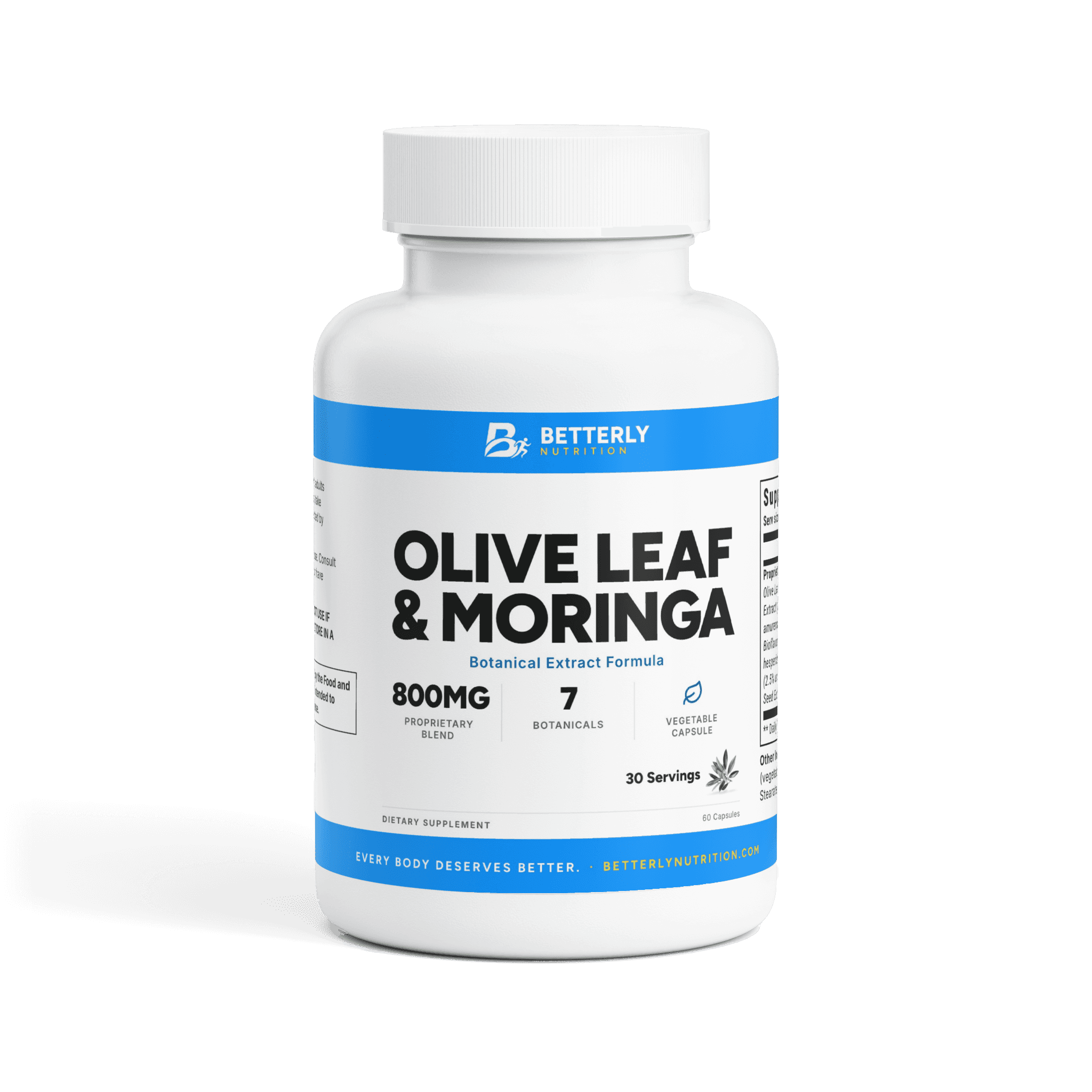
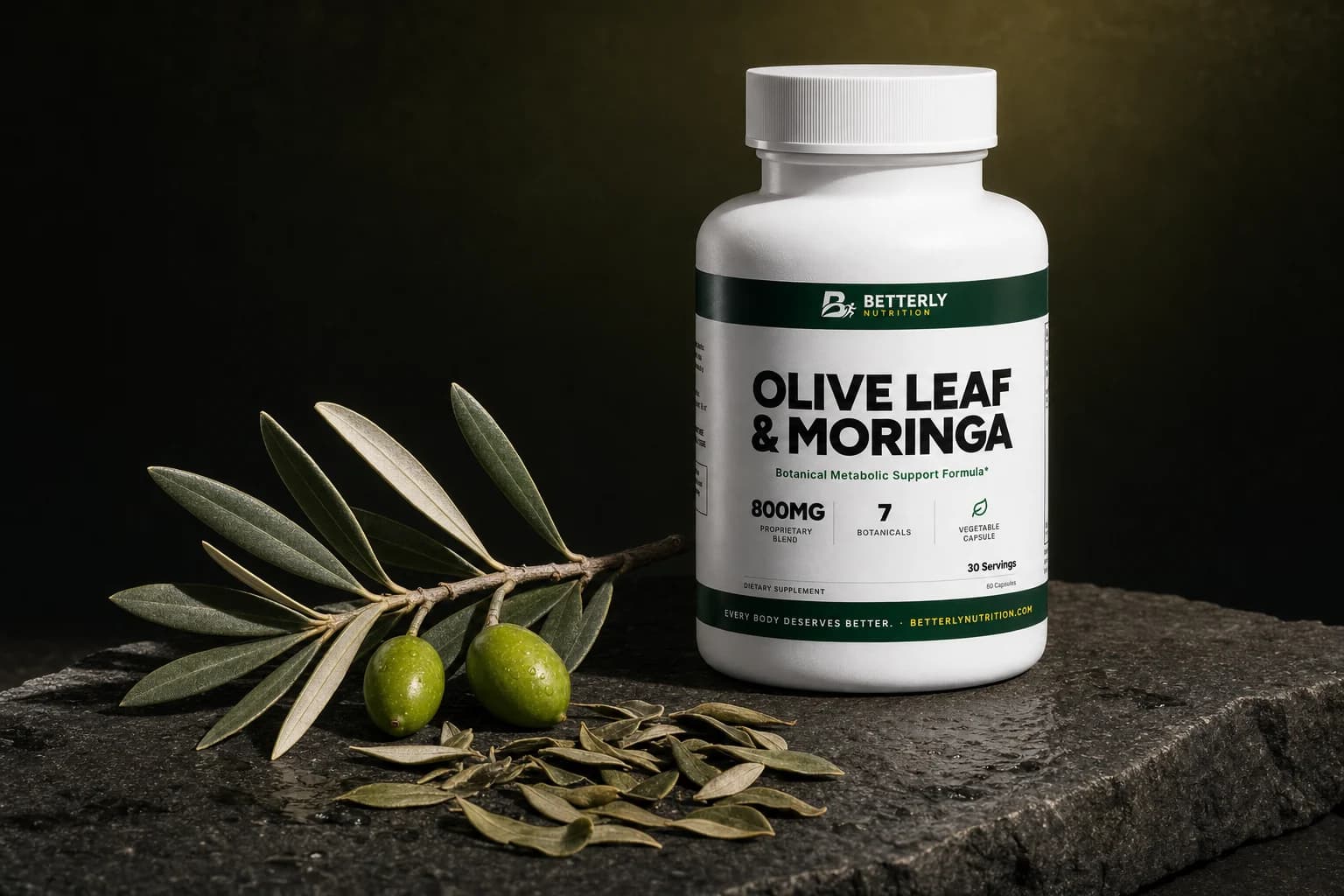
- Our Olive Leaf, Moringa & Holy Basil Capsules list olive leaf first in an 800 mg blend of 7 extracts. That puts at least about 114 mg of it in each 2-capsule serving.
Full disclosure: we sell two capsules with olive leaf in their blends, which gives us every reason to oversell the herb. So each product number below comes off a real Supplement Facts panel, and any claim we couldn't trace to a source got cut.
What is olive leaf extract, and how is it made?
Olive leaf extract is a concentrated preparation made from the leaves of the olive tree, Olea europaea, rather than from its fruit or its oil.
Makers soak dried leaves in a solvent such as water or alcohol, then usually dry the liquid down to a powder for capsules and tablets. You'll also see olive leaf sold as liquid drops, as tea, and inside multi-herb formulas.
What separates an extract from ground leaf is concentration. Makers often standardize an extract to one marker compound and print its share on the label. For olive leaf, that marker is usually oleuropein.
On any olive leaf label, look for "olive leaf" (ideally with Olea europaea), the extract's weight in mg, the oleuropein percentage and the serving size.
Our own panel prints "Olive Leaf Extract (20% oleuropein)" with no Latin name, though five of the blend's other six extracts carry one. Our blend sits with the other herbal formulas in our adaptogens collection.
What is oleuropein, and what does "20% oleuropein" mean?
Oleuropein is a natural compound found in olive leaves and fruit, and "20% oleuropein" means one-fifth of the extract's weight is that compound.
PubChem's record for oleuropein classes it as a secoiridoid glycoside. In plain terms, that's a plant compound with a sugar attached. The same record calls it the most important phenolic compound in olive cultivars.
People often ask what oleuropein does for the body. PubChem lists antioxidant among its chemical roles, which describes how the molecule behaves in chemistry tests. That label isn't evidence of what a capsule does once you swallow it. Our plain-English guide to polyphenol supplements explains why a compound's lab behavior doesn't always carry over.
The percentage only turns into a number when the label also gives the extract's weight. For example, 500 mg of a 20% extract holds 100 mg of oleuropein. A 20% figure with no extract weight tells you the recipe, not the amount, and that matters for blends like ours.
What are the proven benefits of olive leaf extract?
Olive leaf extract has no benefit that federal health sources call proven. The main review we found pooled 12 small trials, all in adults with health concerns.
The clearest summary we found is a 2022 systematic review and meta-analysis, which you can read in full on PubMed Central. Its authors searched the research up to October 2021 for controlled trials that measured routine heart-health markers. They pooled the 12 that met their criteria, with 819 participants in total. The trials lasted 6 to 48 weeks, at 500 mg to 5 g of extract a day.
The reviewers graded the evidence outcome by outcome. They rated it moderate for the most routine heart-health markers. For the rest of their lab measures, such as liver, kidney and inflammation markers, they rated it low or very low. They also judged 6 of the 12 trials to have some concerns or a high risk of bias. None of the trials tested the extract's isolated active compounds, so no result can be pinned on oleuropein by itself.
Every trial in the review enrolled adults who already had a health concern, not healthy volunteers. So its findings can't tell you what olive leaf does for a healthy adult adding a capsule to breakfast. We won't stretch that into a promise.
The antioxidant reputation comes mostly from oleuropein's chemistry. The one oxidation marker the review pooled, oxidized LDL from 3 trials, showed no significant change, and the reviewers rated that evidence low quality. So the honest benefits list is short: olive leaf extract is a measurable source of oleuropein, and the rest is an open research question.
Why do other olive leaf pages promise more than we do?
Many olive leaf pages make illness claims that a supplement seller isn't allowed to make, and the FDA has warned at least one olive leaf seller for doing just that.
Under U.S. rules, a supplement can describe how an ingredient relates to the body's normal structure or function, but it can't promise to fix an illness.
The FDA's September 12, 2019 warning letter to Herbal Healer Academy shows where that line sits. The agency quoted germ-fighting claims the company made for its HHA Olive Leaf Extract and HHA Olive Leaf Liquid. It concluded those claims made both products unapproved new drugs.
That's why this guide has no list of conditions olive leaf supposedly helps. If another page gives you one, ask two questions of each item. Does it link to research in people, not cells or animals? And did that research use the same kind of extract, at the same amount, as the product being sold? Few claims clear both.
Are there olive leaf extract benefits for women or for skin?
We found no olive leaf extract benefits specific to women or skin in any federal source, and just 1 of the 2022 review's 12 trials enrolled only women.
One small trial can't speak for women as a group. What really differs is safety: our label's caution names pregnancy and nursing, along with being under 18 or having a medical condition, as reasons to consult a physician.
Olive leaf extract also turns up in some creams and serums. What a cream does on your skin says nothing about a swallowed capsule. If skin, hair or nails are your real goal, our rundown of supplements for hair, skin and nails covers nutrients with better-documented roles.
How much olive leaf and oleuropein is in our capsules?
Betterly's Olive Leaf, Moringa & Holy Basil Capsules hold at least about 114 mg of olive leaf extract per 2-capsule serving, but the panel doesn't state the exact amount.
The panel has one row with a weight: an 800 mg Proprietary Blend per 2-capsule serving. Seven extracts share it. Olive leaf (20% oleuropein) is printed first, then Moringa oleifera leaf and Phellodendron amurense bark (std. to 8% berberine). Citrus bioflavonoids, holy basil and African mango seed follow, with cayenne pepper last.
Blend ingredients run heaviest first, so olive leaf is the largest share. It must weigh at least one-seventh of 800 mg, about 114 mg, and it can't reach the full 800 mg. Our walk-through of how proprietary blends are labeled explains that ordering rule. Applying the 20% figure gives this range:
| If the olive leaf extract weighs | Oleuropein at 20% | Does the label confirm it? |
|---|---|---|
| About 114 mg (its floor) | About 23 mg | Yes, as a minimum |
| 400 mg (half the blend) | 80 mg | No |
| 500 mg (low end of the 2022 review's range) | 100 mg | No |
| Just under 800 mg (its ceiling) | Just under 160 mg | No |
The takeaway: the ingredient order puts oleuropein at no less than about 23 mg and below 160 mg per 2-capsule serving. It can't show whether a serving reaches 500 mg of extract, the low end of the review's trial range. Please don't take extra capsules to chase that number; the label says 2 capsules daily.
From our shop: Olive Leaf, Moringa & Holy Basil Capsules — olive leaf extract (20% oleuropein) heads the 800 mg blend in each 2-capsule serving, and each bottle holds 30 servings.
How do you take olive leaf extract capsules, per the label?
Our Olive Leaf, Moringa & Holy Basil Capsules label says adults take 2 capsules daily, with 6-8 oz (177-237 ml) of water for best results.
A few details from the same label:
- Supply: 60 capsules per bottle, or 30 servings.
- Timing: the directions don't name a time of day or say anything about meals.
- Limit: the caution reads "Do not exceed recommended dose."
- Other ingredients: hypromellose (vegetable capsule), brown rice flour, magnesium stearate, olive oil and silicon dioxide.
The label makes no vegan, gluten-free or other diet claims, so we don't make any either. With another brand, follow its bottle, and don't borrow a serving size from a study. Questions about timing and how your stomach handles olive leaf are covered in our guide to olive leaf extract side effects.
When don't you need olive leaf extract?
You probably don't need olive leaf extract if you're hoping for a proven, dose-specific result, because the human evidence can't promise one yet.
If you want a known oleuropein amount, our blend can't give you one. A single-ingredient olive leaf product that states milligrams of extract fits better, and we don't sell one. If another ingredient in our blend drew you in, a label that gives it its own amount may be clearer:
| If you want | Label to read | What its panel states |
|---|---|---|
| Olive leaf with oleuropein named | Olive Leaf, Moringa & Holy Basil Capsules | 20% oleuropein extract inside an 800 mg blend, amount not listed |
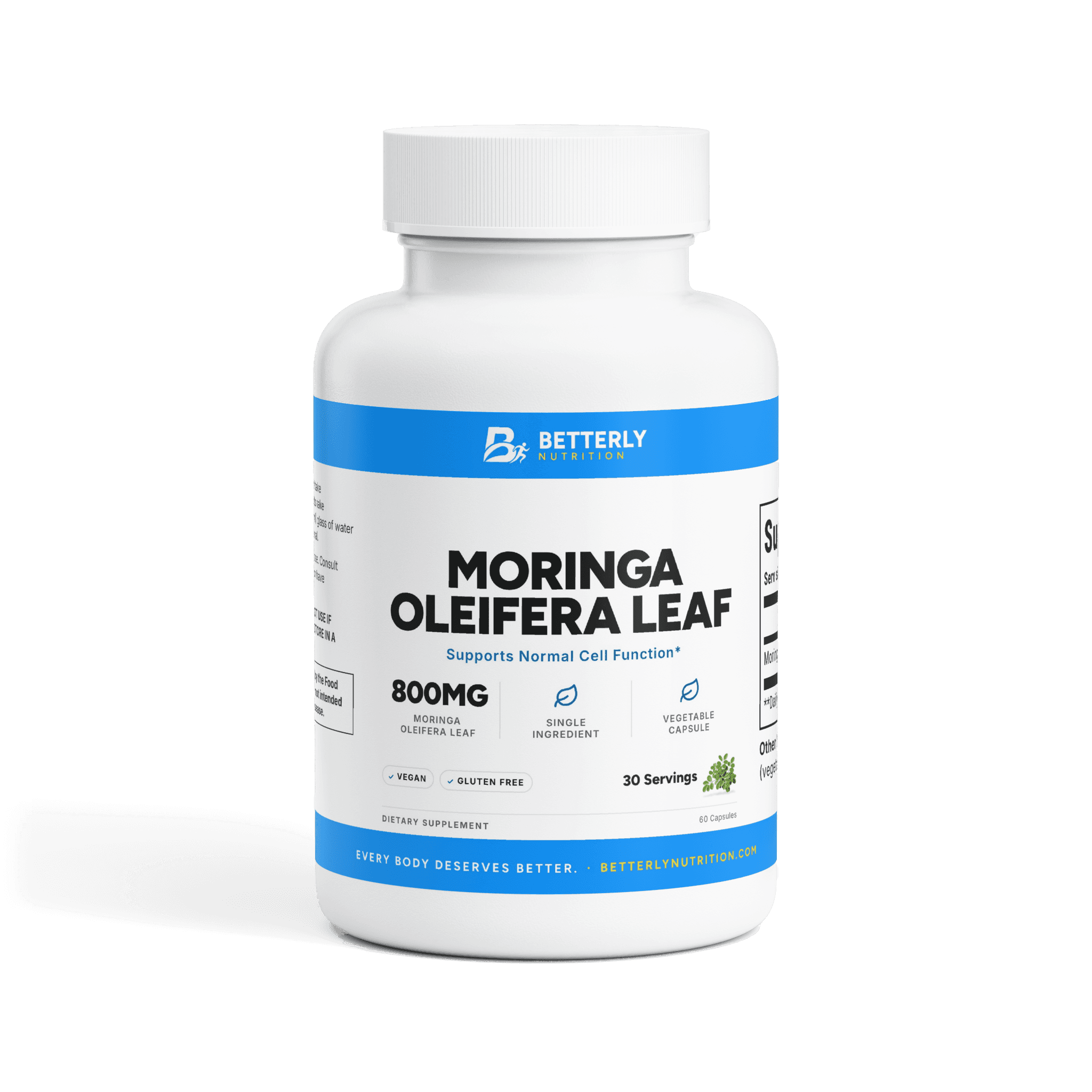
| Moringa at a stated amount | Moringa Oleifera Leaf Capsules | 800 mg moringa leaf per 2-capsule serving |
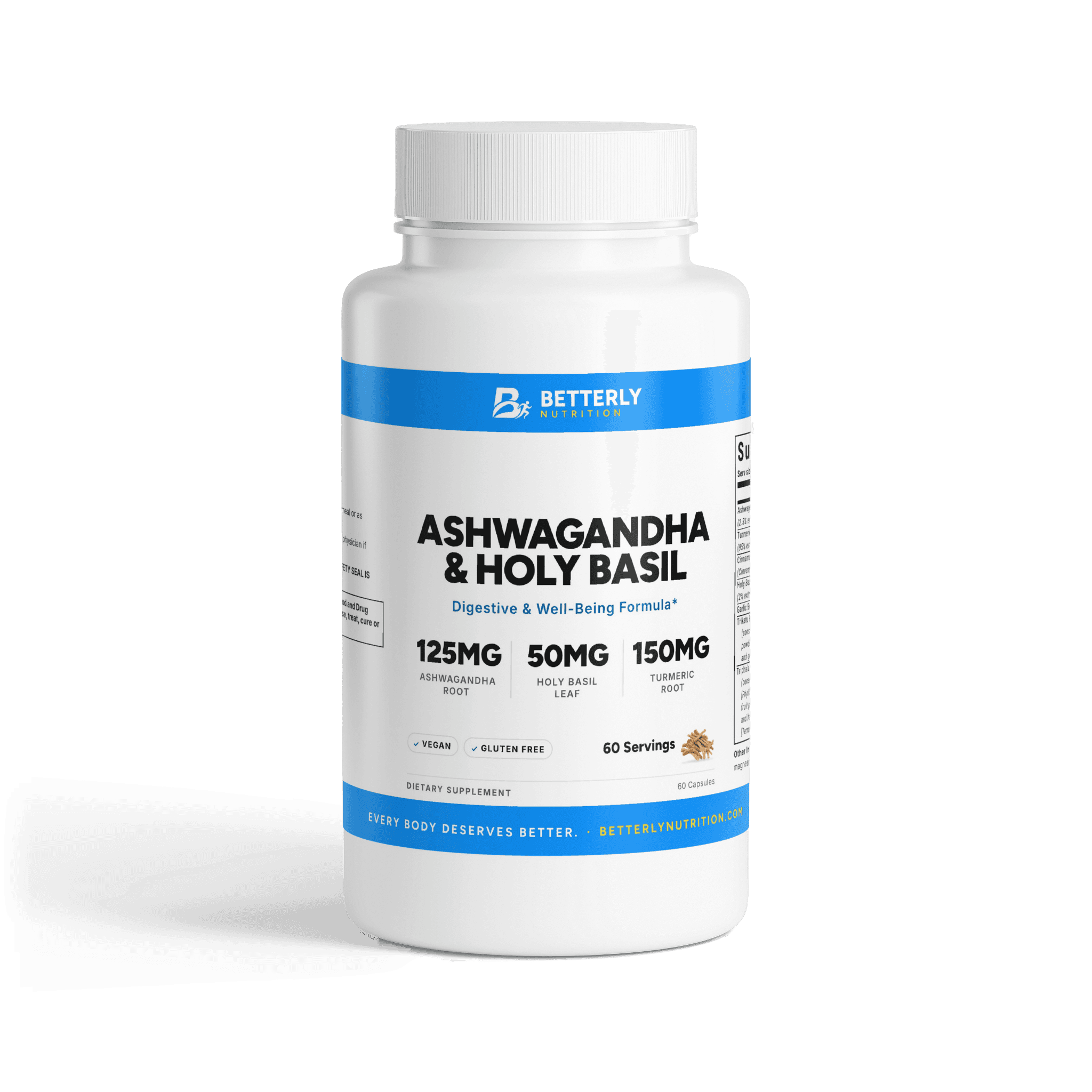
| Holy basil at a stated amount | Ashwagandha & Holy Basil Ayurvedic Capsules | 50 mg holy basil leaf (2% extract) per 1-capsule serving |
| Olive leaf at a stated amount | None of ours | Look for mg of extract plus % oleuropein |
Only the blend names oleuropein, but only the other two labels give you a figure you can add up.
From our shop: Moringa Oleifera Leaf Capsules — its panel lists just one row, Moringa Oleifera (leaf) at 800 mg per 2-capsule serving, and the label says vegan and gluten free.
Who should check with a healthcare provider first?
Talk to a healthcare provider before starting olive leaf extract if you're pregnant, nursing, under 18, have a medical condition, or use any prescription medicine.
Our label's caution names the first four. The medicine question and these three are our additions:
- Surgery on the calendar. Tell your surgical team about every supplement you take.
- A berberine supplement already in your routine. Our blend's Phellodendron bark extract is standardized to 8% berberine, with no separate amount.
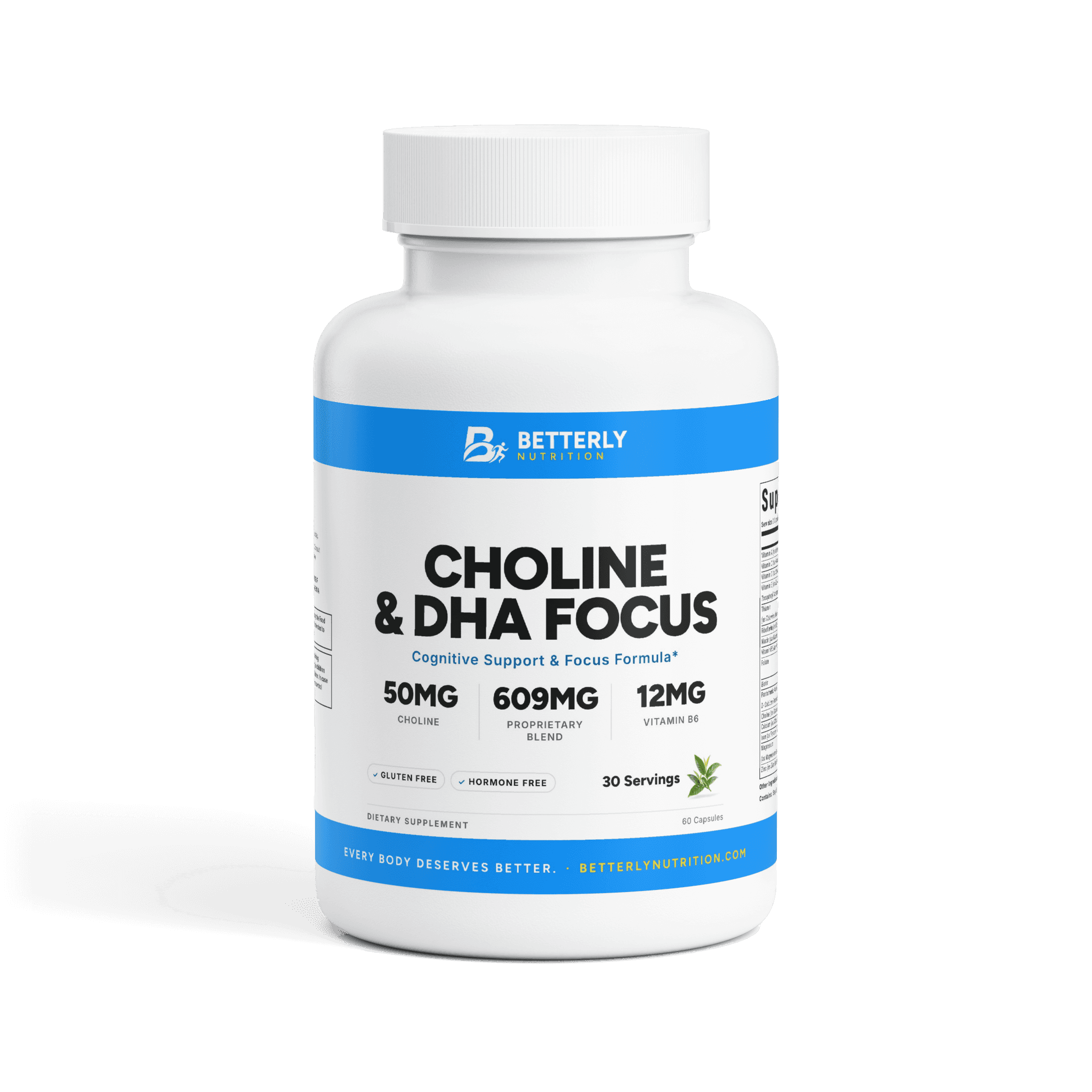
- Other olive leaf, moringa or holy basil products. All three sit inside our blend at unstated amounts. Our Choline & DHA Focus Capsules also list olive leaf, with no amount, in a 609 mg blend per 2-capsule serving.
Bring the bottle, or a photo of the full panel, so your provider sees all seven extracts.
None of the 2022 review's trials reported related adverse effects. Still, the authors flagged a drop in HDL cholesterol among men, seen in just 2 trials, as worth monitoring. And trials of 48 weeks at most aren't a long-term safety record. The NIH Office of Dietary Supplements' background sheet on botanical supplements adds that natural doesn't mean safe. A botanical's safety depends on its makeup, its preparation and the amount used.
FAQ: olive leaf extract
Is olive leaf extract good for you?
Olive leaf extract can fit into a healthy routine, but no federal source says it's good for you in any specific, proven way. It's a concentrated source of oleuropein. The 2022 review we cite rated its evidence moderate for only some markers, and every trial enrolled adults who already had a health concern. If you try it, pick a label that states the extract's weight and oleuropein percentage, and follow its directions.
Does olive leaf extract contain oleuropein?
Yes, olive leaf extract contains oleuropein, but the amount isn't fixed from one product to the next. Makers who standardize their extract print its oleuropein share, like the 20% on our panel. A bottle with no percentage leaves you guessing. And the share only becomes milligrams when the label also gives the extract's weight. For the leaf versus the oil, see our guide to olive leaf extract vs olive oil.
Is olive leaf tea the same as olive leaf extract?
No, olive leaf tea and olive leaf extract are different preparations of the same leaf. Tea is dried leaves steeped in hot water, while an extract concentrates the leaf's compounds into a powder or liquid. The NIH Office of Dietary Supplements notes that teas and extracts have different strengths. Equal amounts of leaf don't make equal doses. A tea box with no oleuropein figure gives you nothing to compare against a capsule's label.
Is olive leaf extract safe during pregnancy or breastfeeding?
We can't call olive leaf extract safe during pregnancy or breastfeeding. The 2022 review left out pregnant and nursing women, and we found no federal fact sheet on it. The caution on our Olive Leaf, Moringa & Holy Basil Capsules says to consult a physician if pregnant or nursing. Bring the full panel, since the blend holds six other extracts.
How long does a bottle of olive leaf capsules last?
A bottle of our Olive Leaf, Moringa & Holy Basil Capsules lasts 30 days at the label's 2 capsules a day, since it holds 60 capsules. The label sets no maximum length of use. The longest trial in the 2022 review ran 48 weeks, so talk to your provider before taking it for many months.
Sources
- Oleuropein (CID 5281544), PubChem, National Library of Medicine
- The effects of olive leaf extract on cardiovascular risk factors in the general adult population: a systematic review and meta-analysis of randomized controlled trials (2022), via PubMed Central
- Warning Letter: Herbal Healer Academy, Inc. (September 12, 2019), U.S. Food and Drug Administration
- Botanical Dietary Supplements: Background Information, NIH Office of Dietary Supplements
If this left you looking for somewhere to start, read olive leaf capsules with a 20% oleuropein extract — its amounts per serving are listed on the page. For the practical questions this raises, how dosing, sourcing and subscriptions work is answered in one place.