On this page
- Key takeaways
- What are the most common royal jelly side effects?
- Can you be allergic to royal jelly the first time you take it?
- Who should not take royal jelly at all?
- Are royal jelly supplement side effects different in a bee blend?
- Does royal jelly interact with medications?
- How do you spot bee ingredients on a supplement label?
- How should you try your first royal jelly sachet?
- When don't you need a royal jelly supplement?
- Who should check with a healthcare provider before taking royal jelly?
- FAQ: royal jelly safety
- Sources
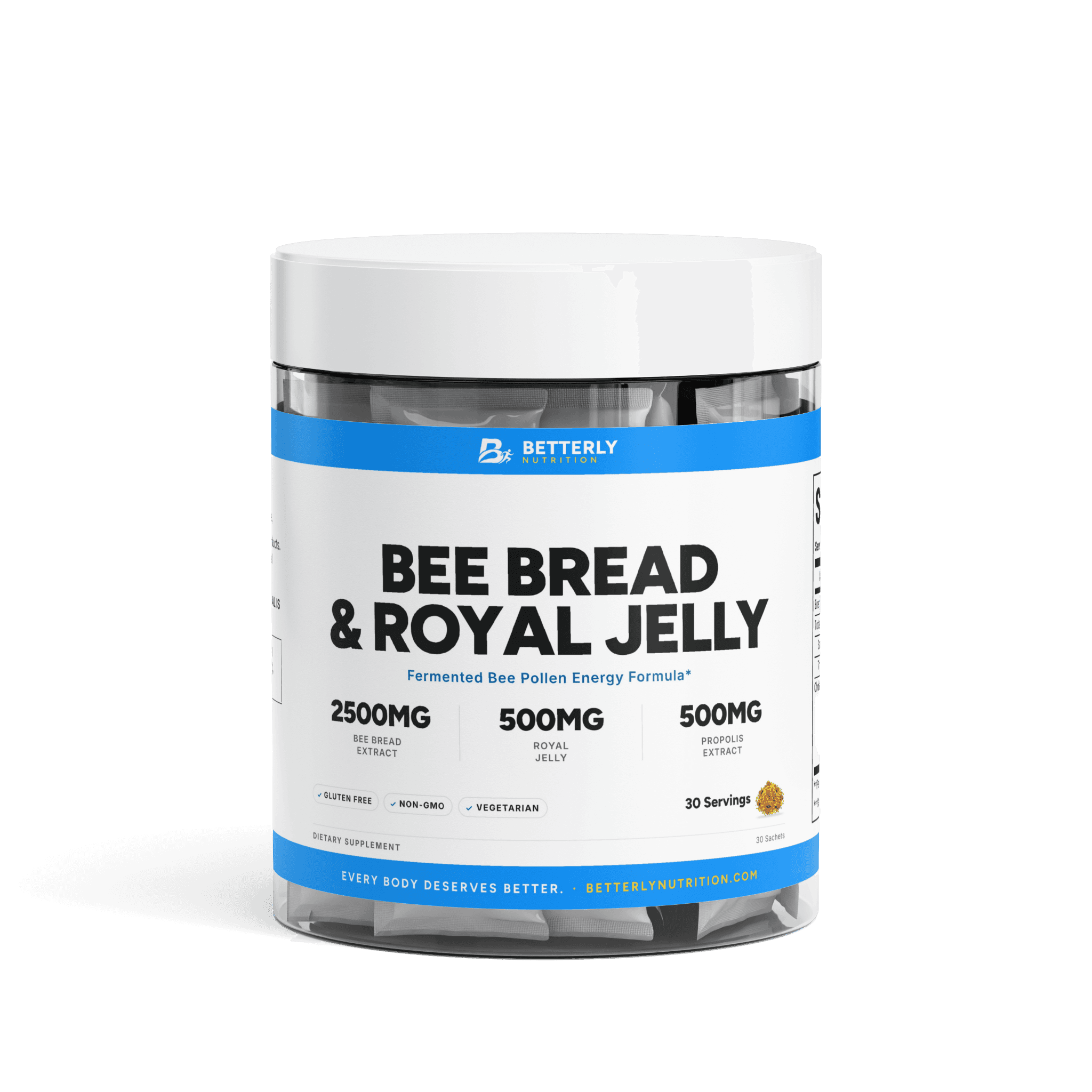
The short answer: Royal jelly side effects are uncommon, and NIH's LiverTox database calls royal jelly generally well tolerated. The documented risk is a rare allergic reaction that can start within minutes of swallowing it and, at its worst, become life-threatening. Our sachet pairs 500 mg of royal jelly with bee bread and propolis, so skip it if you've ever reacted to a bee sting, pollen, honey or any other hive product.
Key takeaways
- NIH's LiverTox database describes royal jelly as generally well tolerated, with rare allergic reactions as its main documented risk.
- Anyone who has reacted to bee stings, pollen, honey or another hive product should skip royal jelly unless an allergist says otherwise.
- Our Bee Bread, Royal Jelly & Propolis Powder puts three bee ingredients, and three sources of possible allergens, in every 4 g sachet.
- FDA's major food allergen list leaves out bee products, so read the ingredient rows instead of relying on a warning line.
We sell three products with bee ingredients, including the one this guide centers on, Bee Bread, Royal Jelly & Propolis Powder. A seller's safety guide should talk some readers out of buying, and this one tries to.
What are the most common royal jelly side effects?
The main royal jelly side effect on record is an allergic reaction. Apart from that, NIH's LiverTox database calls royal jelly generally well tolerated and unlinked to liver injury.
Royal jelly is the milky food worker bees secrete for their larvae, and future queens eat it until they're fully grown. The LiverTox entry on royal jelly, part of NIH's database tracking liver effects of medicines and supplements, found no published reports of royal jelly harming the liver. It also notes that clinical trials of royal jelly supplements rarely mentioned side effects at all.
Allergy is the exception. LiverTox describes rare reactions that can include:
- Hives, itching and red skin
- Swelling in the throat
- Wheezing or a tight chest
- Collapse in the most serious cases and, rarely, death
These reactions tend to start within minutes of swallowing royal jelly. LiverTox says the likely trigger is one of its main proteins, which researchers call major royal jelly proteins, and that reactions show up especially in people with a history of other allergies.
Can you be allergic to royal jelly the first time you take it?
Yes, a royal jelly product that also contains pollen or propolis can cause a first-time reaction, since both may carry allergens you've met elsewhere, such as flower pollen.
Bee supplements can hold plant material as well as bee proteins. LiverTox's companion entry on bee pollen, propolis and beeswax says bee pollen has been reported to cause allergic reactions in people who are allergic to pollen.
A case in that entry's reference list shows how. A woman who had previously had allergy shots drank a smoothie made with bee pollen, and within minutes she had hives, itching, trouble breathing and a tight throat. Testing found ragweed pollen in the bee pollen. The bees had gathered it with everything else in bloom.
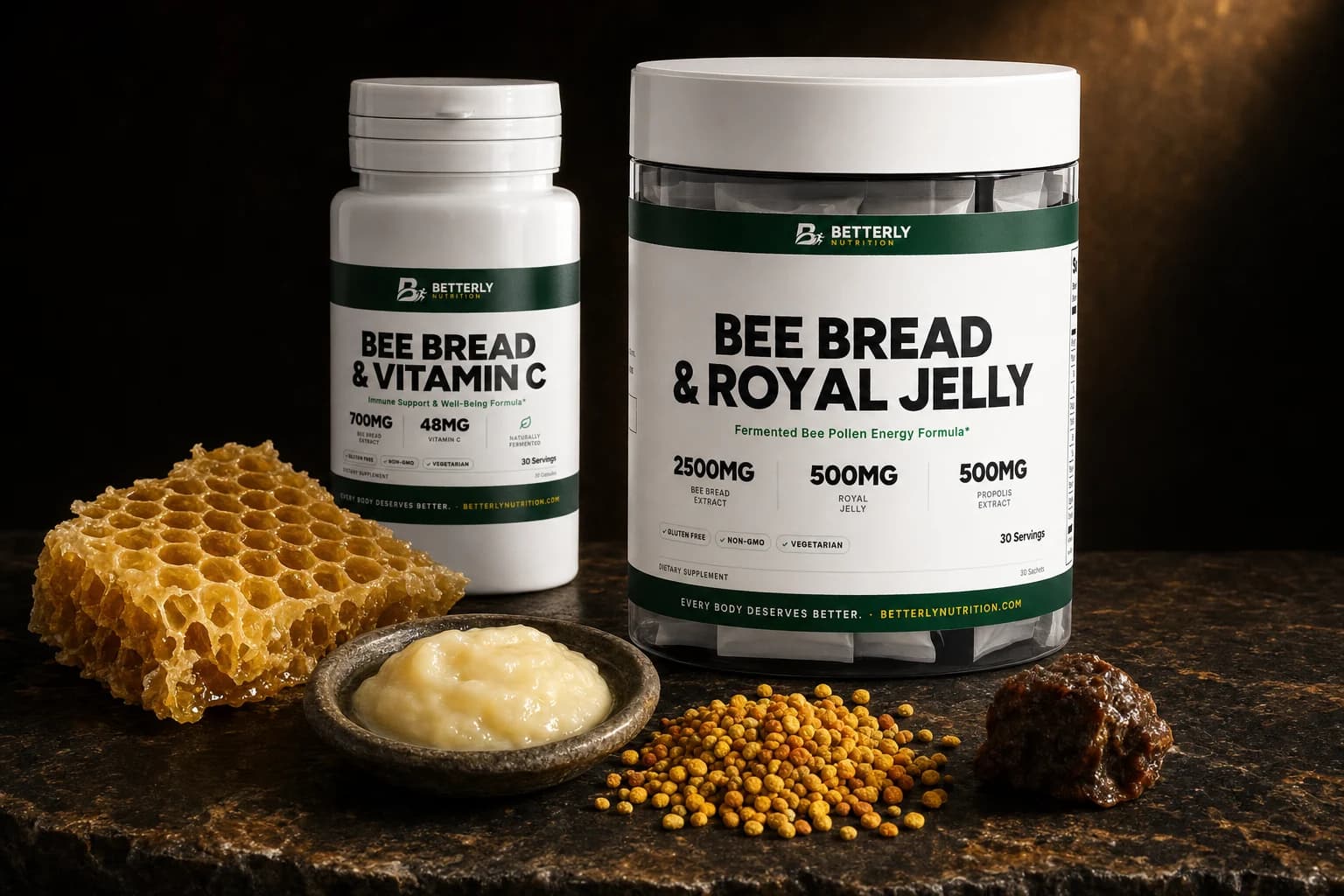
That matters because two of our own products mix royal jelly with pollen. The sachet's biggest ingredient is 2,500 mg of bee bread extract per 1-sachet (4 g) serving, which its panel calls naturally fermented pollen.
Bee stings are a separate question. The sources cited here don't say whether a sting reaction predicts a royal jelly reaction, so that's an allergist's call, not a test sachet's.
Who should not take royal jelly at all?
Skip royal jelly if you've ever reacted to pollen, royal jelly, propolis, honey or a bee sting, unless an allergist has specifically cleared you for bee products.
Our label says "Contains bee products," and its caution tells people with past allergic reactions to talk with a physician before using it. Here's how we'd sort readers:
| Your history | What we'd suggest | Who can help |
|---|---|---|
| Reacted to pollen, royal jelly, propolis or honey | Skip all bee supplements | An allergist |
| Reacted to a bee sting | Skip until an allergist clears you | An allergist |
| Other allergies you manage | Ask before your first sachet | An allergist or your provider |
| Pregnant, nursing or under 18 | Ask first, as our label says | Your physician |
| Taking any medicine | Ask first | Your pharmacist |
| None of these | Follow the label and watch your first serving | You |
The top two rows are the firm no; everyone else should talk to someone first. Anyone who carries emergency allergy medicine, for any trigger, belongs in the ask-first group too.
Are royal jelly supplement side effects different in a bee blend?
They can be: a royal jelly supplement that adds bee bread and propolis gives you three hive materials, each with its own allergy history, in one daily serving.
Per 1-sachet (4 g) serving, the panel lists 3,500 mg of bee ingredients, about seven-eighths of the sachet's weight.
| Ingredient | Per 4 g sachet | What it is | LiverTox allergy note |
|---|---|---|---|
| Bee bread extract | 2,500 mg | Pollen bees stored and fermented | Bee pollen reactions in pollen-allergic people |
| Lyophilized royal jelly | 500 mg | Freeze-dried larval food | Rare, usually within minutes |
| Propolis extract powder | 500 mg | Plant resin mixed with wax | Skin and allergic reactions reported |
Propolis deserves a closer look, because its risk comes mostly from plants. LiverTox describes it as plant resin blended with beeswax that may carry allergens from the environment. Skin reactions from handling propolis are a well-known hazard for beekeepers, and LiverTox says they can also happen when propolis is swallowed.
LiverTox's reference list includes an Italian reporting system that logged 223 suspected reactions to natural products over five years. Propolis accounted for 14, of which 12 were allergic and 4 needed hospital care. For balance, a Swedish registry of 778 such reports tied none to royal jelly, propolis, bee pollen or beeswax.
So one sachet means three chances to meet something your body objects to. Our guides to how bee bread compares with bee pollen pellets and how royal jelly and propolis differ look at each ingredient more closely.
Does royal jelly interact with medications?
Royal jelly has no drug interaction named by LiverTox or the NIH Office of Dietary Supplements (ODS), a gap reflecting how little it's been studied, not proof of safety.
LiverTox's royal jelly entry covers liver safety and doesn't discuss interactions, so the general rule comes from ODS. Its guide Dietary Supplements: What You Need to Know warns that some supplements cause trouble alongside certain medicines, and that others can make bleeding more likely or, taken before surgery, change your response to anesthesia. Its examples don't include royal jelly, so ask a pharmacist to check it against your prescriptions.
To make that check useful:
- Hand your pharmacist the box itself, or a clear picture of its Supplement Facts panel. "Royal jelly" alone leaves out two of the three bee ingredients.
- If your prescriber checks a medicine with regular blood tests, tell them before you start.
- Keep a written list. ODS offers a printable form, My Dietary Supplement and Medicine Record, for each product's name, dose, frequency and reason.
How do you spot bee ingredients on a supplement label?
Read every ingredient row, not only the warning box, because royal jelly, propolis and pollen can hide inside blends or go by other names.
FDA's page Food Allergies: What You Need to Know lists the nine major food allergens labels must declare: milk, eggs, fish, crustacean shellfish, tree nuts, peanuts, wheat, soybeans and sesame. Bee products aren't among them. So a "Contains bee products" line goes beyond the major-allergen rule, and a label without one proves nothing.
Our own range shows why. Alfalfa & Chlorella Greens Powder tucks bee pollen powder and royal jelly powder into its 1 g Herbal Blend per 2-teaspoon (about 5 g) serving without giving either its own amount, and its caution never mentions bee products. If you're avoiding royal jelly, that tub is off your list too. For the other herbs in that blend, see whether greens powders work.
Three checks work on any label:
- Scan every row and every blend's sub-list for royal jelly, propolis, bee pollen, bee bread, honey or beeswax.
- Learn the aliases. LiverTox lists jalea real, bee saliva and honey bee milk as other names for royal jelly, and our panels call bee bread "Naturally Fermented Pollen."
- Compare the front with the panel. Our sachet's front reads "Bee Bread & Royal Jelly," and propolis appears only in the milligram tiles below.
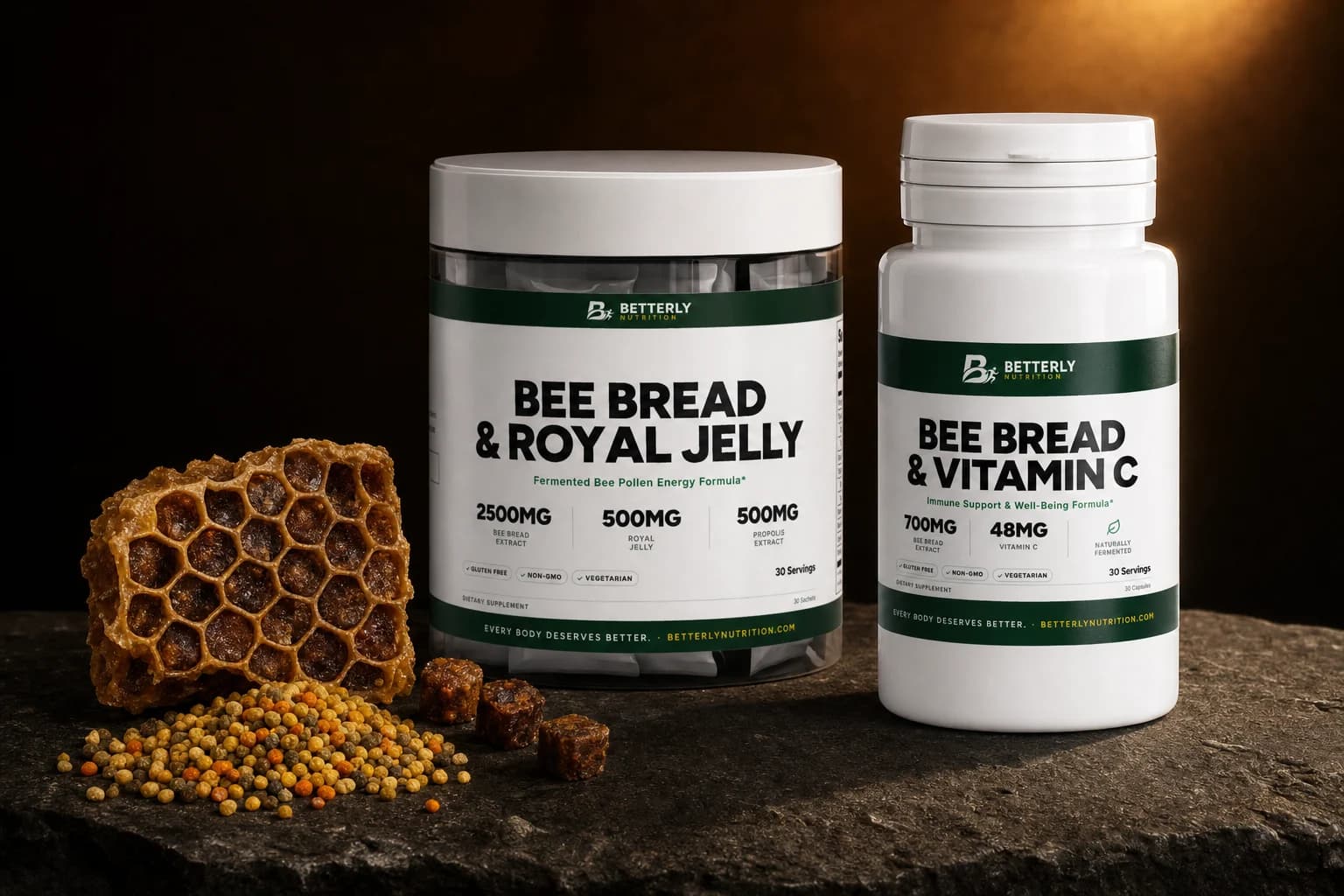
From our shop: Bee Bread, Royal Jelly & Propolis Powder — 500 mg of lyophilized royal jelly, 2,500 mg of bee bread extract and 500 mg of propolis extract powder per 1-sachet (4 g) serving, for adults with no history of bee-related reactions.
How should you try your first royal jelly sachet?
The Bee Bread, Royal Jelly & Propolis Powder label directs one sachet per day stirred into a smoothie or other drink, and its caution warns against going over that.
The exact wording is "Mix 1 sachet daily into a smoothie or beverage," and a container holds 30 sachets.
The label sets one amount and no starter step, so plan the setting of that first sachet instead:
- Have it at home, when someone else will be around for the next hour. Reactions tend to begin within minutes.
- Don't start any other new food or supplement the same day, so if you do react, there's no doubt which product to stop.
- Stop at the first sign of trouble. FDA's list of food allergy symptoms includes hives, flushed skin, an itchy or tingling mouth, and swelling of the face, tongue or lips, and FDA warns that even a mild-seeming reaction can lead to anaphylaxis, which can be life-threatening.
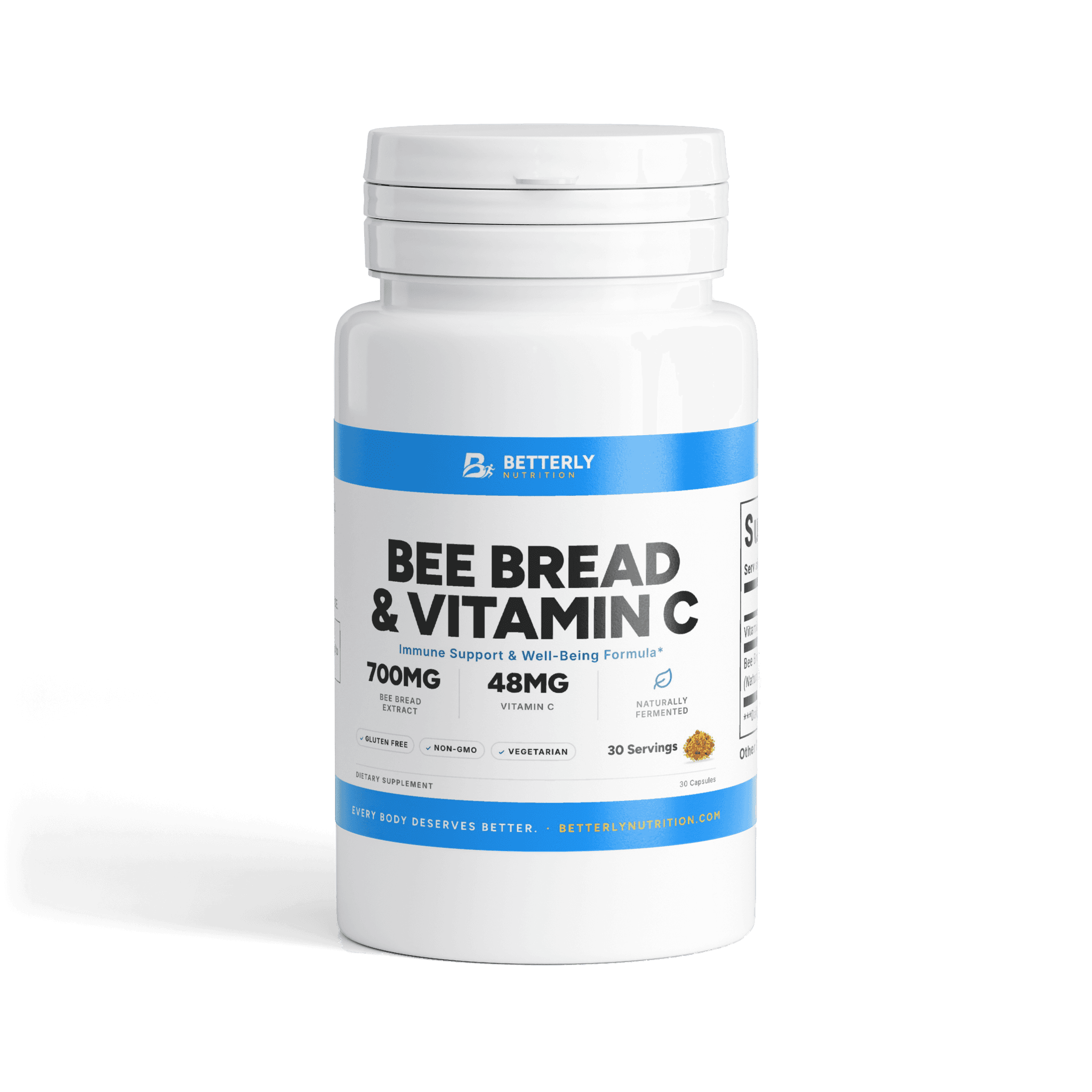
The Bee Bread & Vitamin C Capsules label says "Take one (1) capsule daily with a meal." The capsule leaves out royal jelly and propolis but still holds 700 mg of bee bread extract per 1-capsule serving, so every pollen caution above applies.
One pairing to avoid is the sachet plus the Alfalfa & Chlorella greens, which adds royal jelly and pollen from a second product each day, and the greens caution never mentions bee products. For mixing ideas and storage, see our guide to taking royal jelly.
When don't you need a royal jelly supplement?
You don't need royal jelly to supply any nutrient your body requires, and LiverTox says the health claims made for royal jelly haven't been substantiated.
Our royal jelly benefits guide looks at the research itself.
Skip it, or wait, if any of these fit:
- You're in the top two rows of the first table. Nothing in royal jelly is worth an allergic reaction.
- You were sold on one dramatic promise in an ad.
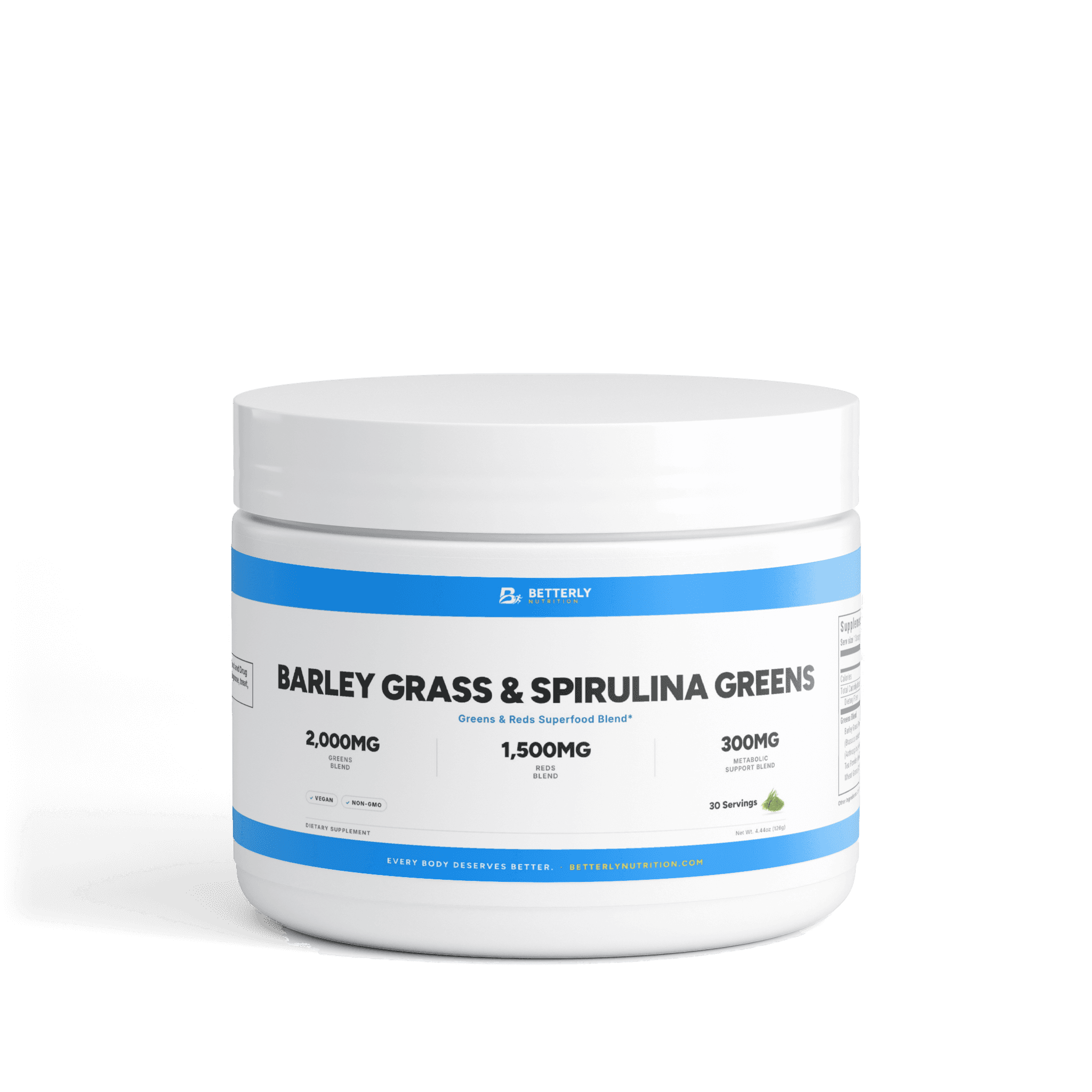
- You mainly wanted a daily scoop of plant ingredients. Our Barley Grass & Spirulina Greens Powder carries a vegan claim and has no bee ingredient anywhere on its panel.
The rest of our greens and superfoods shelf can go through the three label checks above. Across our catalog, only three panels list a bee ingredient, and this guide names all of them.
From our shop: Bee Bread & Vitamin C Capsules — 700 mg of bee bread extract and 48 mg of vitamin C per 1-capsule serving, with no royal jelly or propolis listed, though its label carries the same "Contains bee products" caution.
Who should check with a healthcare provider before taking royal jelly?
Check with a healthcare provider before taking royal jelly if you're nursing or pregnant, younger than 18, taking any medicine, living with a medical condition or allergy, or facing surgery.
No source behind this guide settles royal jelly's safety in pregnancy or breastfeeding, and ODS notes that plenty of supplements haven't been well tested for safety during pregnancy or nursing.
Our caution also names anyone under 18, and ODS advises care with supplements for children unless their provider recommends one. LiverTox's reference list includes a healthy 7-year-old who twice had lip and tongue swelling and an itchy palate about 10 minutes after eating royal jelly. Keep the sachets out of family smoothies unless a child's provider says yes.
Planning surgery, or seeing a provider about any part of your health? Show them the panel and point to all three bee ingredients, not just the royal jelly.
FAQ: royal jelly safety
How fast does an allergic reaction to royal jelly start?
A royal jelly allergic reaction usually starts quickly. NIH's LiverTox database says reactions tend to begin within minutes of swallowing it. Cases in its reference list describe symptoms 5 minutes after one person's drink and 10 minutes after a child's serving, with another reaction coming within an hour. That's why your first serving belongs at home, when someone else is nearby.
Can you take royal jelly if you're allergic to honey?
No, not without an allergist's go-ahead if honey has ever caused you a reaction. Honey and royal jelly both come from the hive, and our sachet adds fermented pollen and propolis. Its label says "Contains bee products" and asks anyone with past allergic reactions to consult a physician. An allergist can tell you which bee products, if any, make sense for you.
Does royal jelly damage the liver?
No, royal jelly hasn't been linked to liver damage in NIH's LiverTox database. It found no published reports of liver injury from royal jelly and rates it an unlikely cause. The clinical trials it reviewed didn't report raised liver enzymes, and LiverTox says the same about propolis and bee pollen. The documented concern with royal jelly is allergy, not the liver.
Does freeze-drying make royal jelly less allergenic?
No, freeze-drying isn't known to make royal jelly any less allergenic. "Lyophilized" only means the water was removed by freeze-drying. LiverTox ties royal jelly reactions to its major proteins, and a series of seven people in its reference list reacted to royal jelly taken as a liquid and in capsules. Our sachet's royal jelly is lyophilized, so every caution here applies to it.
What if royal jelly gives you an allergic reaction?
Stop taking royal jelly at the first sign of a reaction. FDA's food allergy guidance says to stop eating the food, weigh the need for emergency treatment such as epinephrine, and get medical attention. If your throat feels tight or breathing gets hard, call for emergency help right away. Afterward, ODS suggests telling your healthcare provider, who may report it to FDA, and reporting it to the manufacturer. FDA also takes reports directly at 800-FDA-1088.
Sources
- Royal Jelly, LiverTox (NCBI Bookshelf), National Institutes of Health
- Bee Products: Beeswax, Bee Pollen, Propolis, LiverTox (NCBI Bookshelf), National Institutes of Health
- Food Allergies: What You Need to Know, U.S. Food and Drug Administration
- Dietary Supplements: What You Need to Know, NIH Office of Dietary Supplements
If this left you looking for somewhere to start, read royal jelly powder sachets with bee bread and propolis — its amounts per serving are listed on the page. For the practical questions this raises, how dosing, sourcing and subscriptions work is answered in one place.