On this page
- Key takeaways
- What does taurine do in energy drinks?
- Is taurine a stimulant like caffeine?
- Where does the taurine in energy drinks come from?
- How much taurine is in an energy drink, and is 1,000 mg a lot?
- Is taurine bad for you?
- What does taurine do in pre-workout?
- How do you take an energy powder with taurine, per the label?
- When don't you need taurine or an energy powder?
- Who should check with a healthcare provider first?
- FAQ: taurine in energy drinks
- Sources
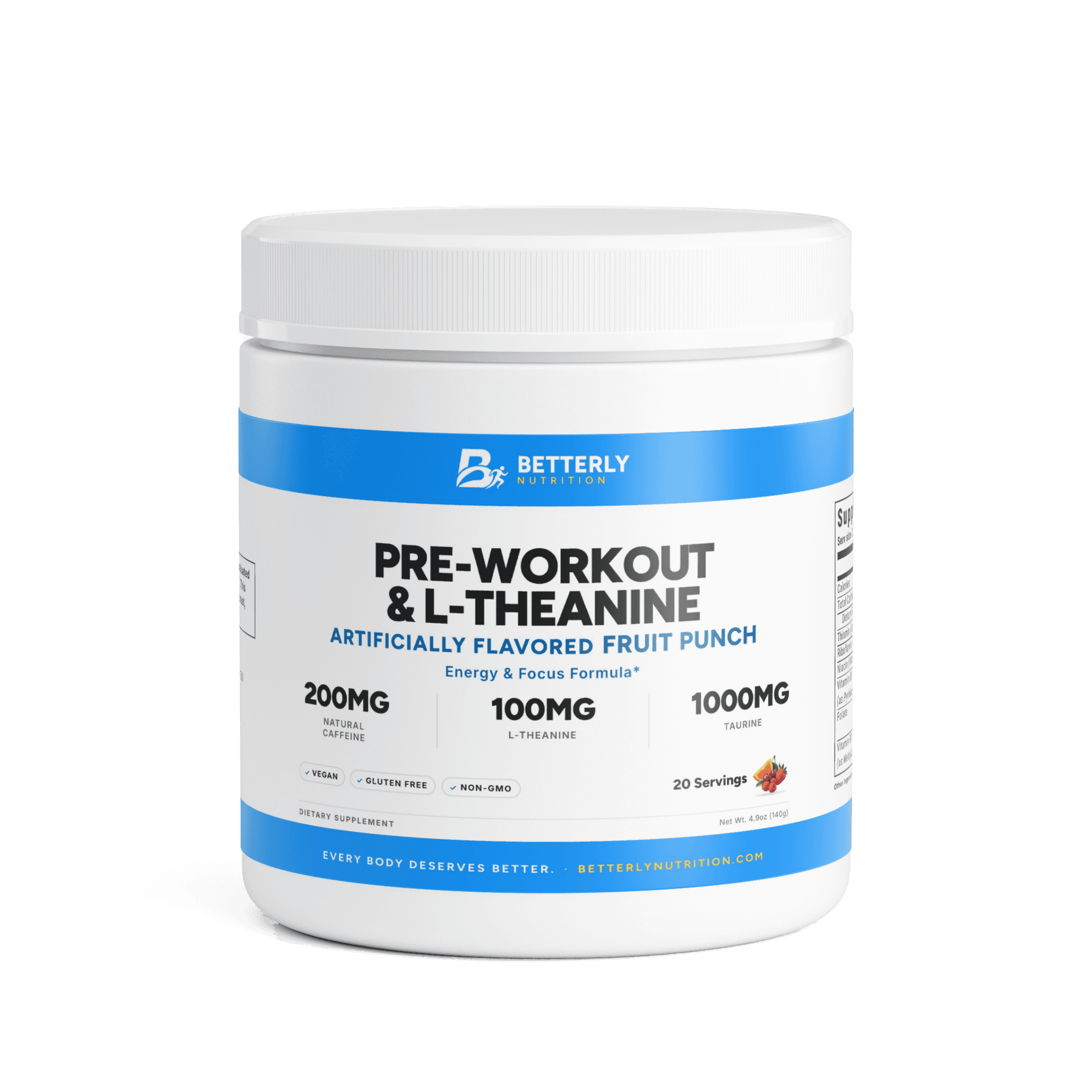
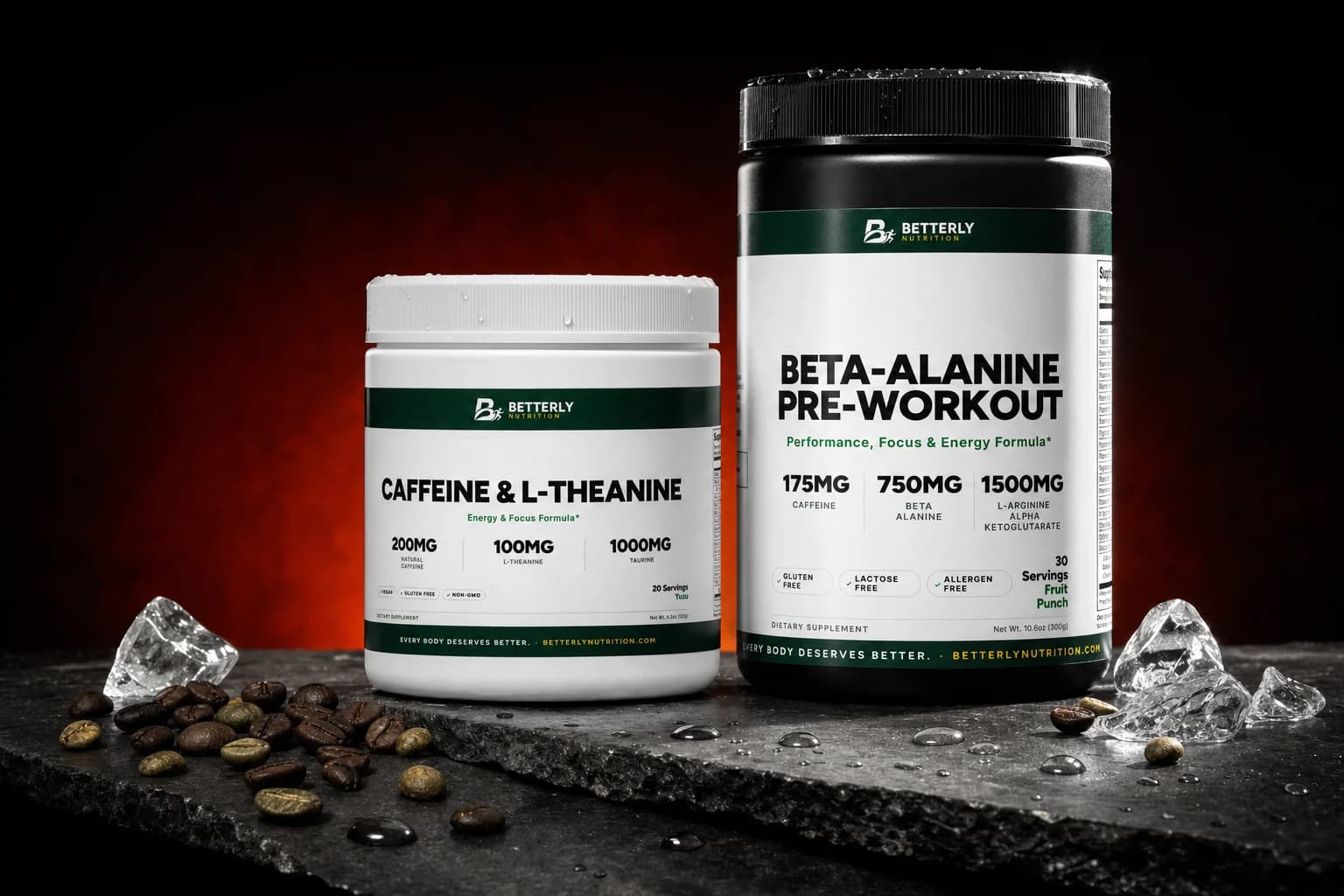
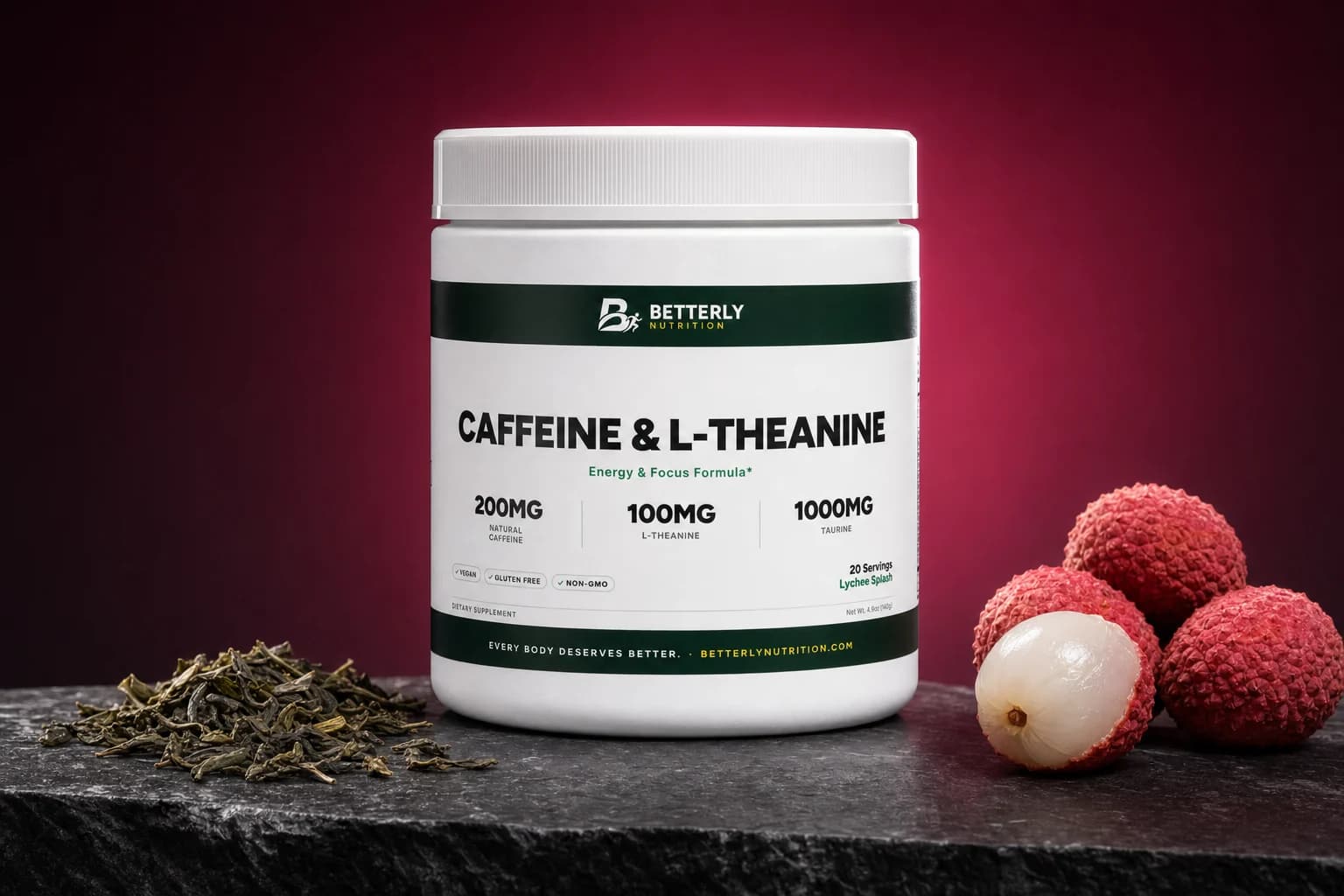
The short answer: What does taurine do in energy drinks? Less than the big number on the can suggests. Taurine is an amino acid you already produce, and a European safety review found the drinks' stimulating effects aren't likely due to it. Caffeine does that work. Our Pre-Workout Caffeine & L-Theanine Energy Powder (Lychee Splash) lists 1,000 mg of taurine next to 200 mg of natural caffeine per 2-scoop (7 g) serving, and only the caffeine has an FDA daily figure.
Worth knowing up front: we sell a taurine energy powder, and "1000MG Taurine" is one of the three big numbers on its front. That gives us a motive to talk taurine up, so where the evidence doesn't back it, we'll say so.
Key takeaways
- Taurine is made in your own body, and a European safety review found it's not likely what makes energy drinks stimulating.
- The alert feeling comes from caffeine, and the only federal daily figure for either ingredient, the FDA's 400 mg for most adults, applies to caffeine.
- A taurine filing on the FDA's website describes the ingredient being made by chemical synthesis, not taken from bulls.
- Our Lychee Splash caution line caps use at 5 scoops. That's 500 mg of caffeine, over the FDA's 400 mg figure, so we advise against taking that much.
What does taurine do in energy drinks?
Taurine in energy drinks is best seen as a background ingredient, since the evidence points to caffeine, not taurine, as the part that wakes you up.
Even the government's energy-drink page barely pauses on it. Taurine turns up once on the energy drinks fact page from the National Center for Complementary and Integrative Health (NCCIH), tucked into a list of possible ingredients with no word on its job. Caffeine gets its milligram ranges spelled out instead.
A clearer answer sits in GRAS notice 586, a 2015 filing on the FDA's website. GRAS means "generally recognized as safe," and in it a regulatory consultancy made the case for taurine as a food ingredient. It also summarizes a 2009 review by the European Food Safety Authority (EFSA) that looked at taurine in energy drinks specifically.
Inside your body, taurine is busy. The notice says healthy adults make it from two other amino acids, cysteine and methionine, and use it for routine work such as joining with bile acids and helping cells keep their water balance steady.
Those jobs run on the taurine you make and eat every day. We read the federal sources cited here and found nothing showing extra taurine adds a feeling you'd notice, so we put no promise on our 1,000 mg. Why do brands keep adding it? The notice simply lists energy drinks and supplements among products that already use it.
Is taurine a stimulant like caffeine?
Taurine isn't considered the stimulant in an energy drink: EFSA concluded the drinks' stimulating effects are not likely due to taurine, which leaves caffeine doing that job.
EFSA also leaned on rat data: taurine given by mouth didn't push brain taurine above normal levels, which the review said largely rules out stimulating effects from taurine in the central nervous system. The EU's Scientific Committee on Food had been less settled in 2003, flagging a possible add-on effect with caffeine, so "not likely" is the fair summary, not "never."
Caffeine's effects are far better mapped. The FDA's consumer guide How Much Caffeine Is Too Much? describes what overdoing it can feel like, from a faster heart rate to disrupted sleep, and never mentions taurine.
| Question | Taurine | Caffeine |
|---|---|---|
| Per 2-scoop (7 g) serving | 1,000 mg | 200 mg |
| A stimulant? | Not likely, per EFSA (2009) | Yes |
| Made in your body? | Yes | No |
| Federal daily figure | None; no Daily Value | FDA: 400 mg for most adults |
The takeaway: taurine has the bigger number, but every figure that shapes how you feel, and how much is too much, sits in the caffeine column.
Taurine vs L-theanine: how are they different?
Taurine and L-theanine are both amino acids, and neither is caffeine. Taurine comes from meat, seafood and dairy, and your body makes its own. L-theanine occurs naturally in tea.
On our panel, taurine outweighs L-theanine 10 to 1, with 1,000 mg against 100 mg per 2-scoop (7 g) serving. Milligrams don't tell you what an ingredient does, though. For how L-theanine and caffeine behave as a pair, see our walkthrough on L-theanine with coffee.
Where does the taurine in energy drinks come from?
Taurine for foods and drinks can be made by chemical synthesis, and the FDA filing we read describes a process that uses no animal ingredients.
GRAS notice 586 describes sodium bisulfite reacting with ethylene oxide, then ammonia and sulfuric acid, before the taurine is purified into white crystals. The filing describes its flavor as bitter and sharp.
So why the bull rumor? The name comes from the Latin word for bull, which is likely where the story started. It has nothing to do with the production method in the filing.
Taurine does occur in food. The notice estimates an omnivorous diet supplies 9 to 400 mg a day from meat, seafood and dairy, while a vegan diet supplies virtually none. Your body fills the gap, which is why the notice calls taurine "conditionally essential": healthy adults can produce enough of it.
What about ours? Our supplier hasn't shared a manufacturing sheet for this taurine, so we can't say which process made it. The FAQ covers the label's own claims.
How much taurine is in an energy drink, and is 1,000 mg a lot?
The amount of taurine in energy drinks varies by brand, so the only reliable number is on your label; ours lists 1,000 mg per 2-scoop (7 g) serving.
Next to food, 1,000 mg is a lot: about 2.5 times the top of the notice's range for an omnivorous diet. Next to what your body holds, it's modest, since the notice estimates a person's total taurine at 12 to 18 g.
The notice also summarizes a published risk assessment that found strong evidence of safety for taurine at up to 3 g a day. It adds that Health Canada set a limit of 3,000 mg of taurine a day in caffeinated energy drinks.
| Taurine source | Amount | Basis for the figure |
|---|---|---|
| Omnivorous diet | 9 to 400 mg a day | GRAS notice 586 |
| Our powder, 2 scoops | 1,000 mg | Our Supplement Facts panel |
| Our powder, 5-scoop cap | 2,500 mg | Our label's caution, multiplied out |
| Health Canada limit | 3,000 mg a day | As summarized in the notice |
Even at the 5-scoop cap, taurine stays under the 3 g figures in the notice. On this tub, caffeine hits its ceiling first.
From our shop: Pre-Workout Caffeine & L-Theanine Energy Powder (Lychee Splash) — 20 servings of a lychee drink mix, each 2-scoop (7 g) serving pairing 1,000 mg of taurine with 200 mg of natural caffeine from green tea.
Is taurine bad for you?
EFSA's 2009 review, as summarized in GRAS notice 586, found no safety concern with taurine at the amounts people get from energy drinks, so caffeine and sugar deserve more of your attention.
That review compared taurine intake from energy drinks with safe levels from animal studies and found the gap wide enough to rule out safety concerns. That's a finding about taurine alone, not about every can that contains it.
NCCIH saves its concern for other parts of the can. Its safety section opens with large amounts of caffeine and closes with sugar: one 16-oz container may carry 54 to 62 g of added sugar, above the added-sugar limit advised for a full day. It also warns that caffeine with alcohol can leave people feeling less intoxicated than they really are.
Taurine adds nothing to that sugar tally. Our Lychee Splash panel shows 4 g of carbohydrate, half of it fiber, and 20 calories per 2-scoop (7 g) serving.
What does taurine do in pre-workout?
In pre-workout, taurine has the same background role it has in energy drinks while caffeine does the stimulating, and our label folds it into a 550 mg blend.
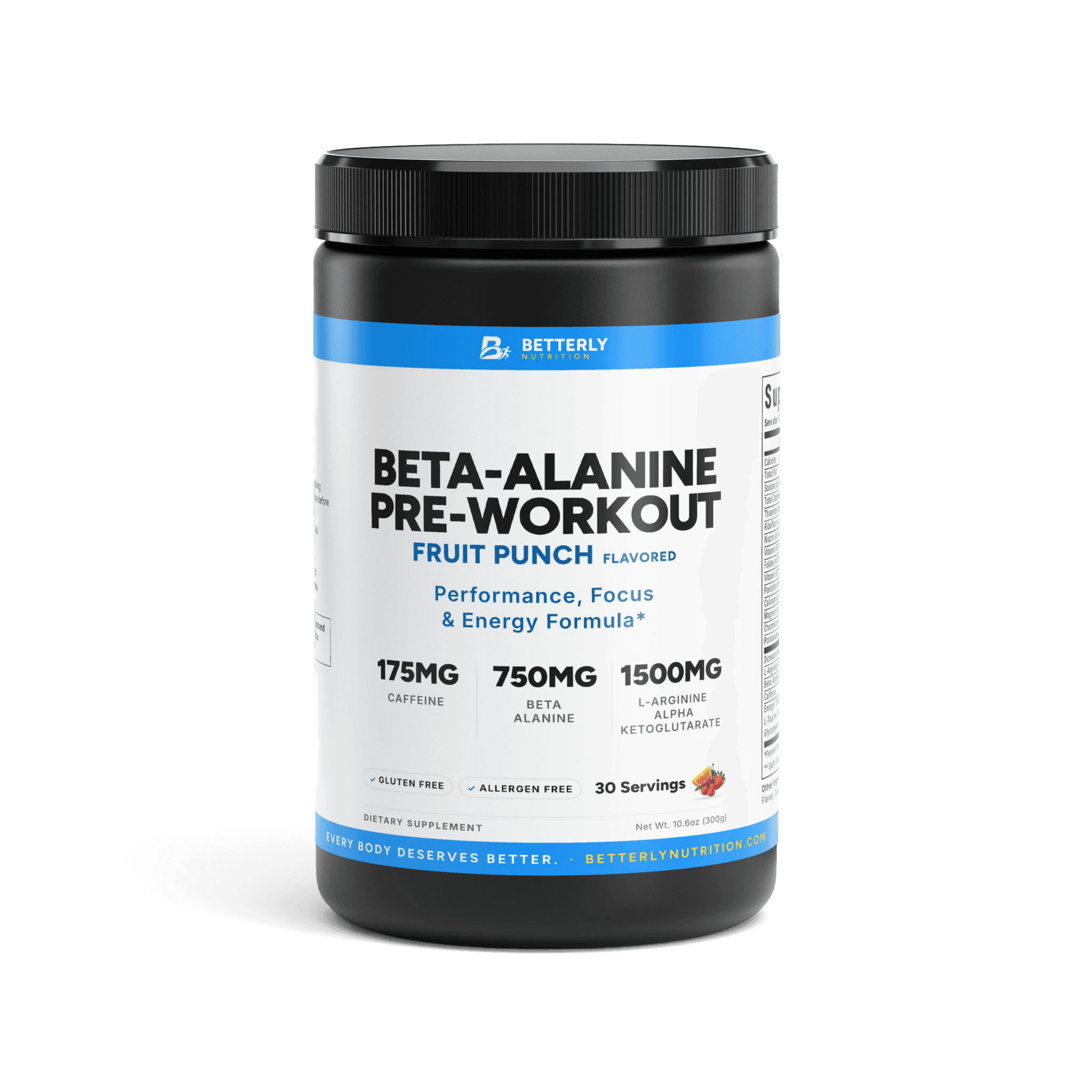
Our Beta-Alanine & Caffeine Pre-Workout Powder (Fruit Punch) puts 750 mg of beta alanine and 175 mg of caffeine in each 10 g (1 scoop) serving. Then comes the "Energy / Endurance / Focus Matrix," 550 mg shared by L-Taurine, Betaine Anhydrous, Waxy Maize, L-Citrulline Malate, Glycocyamine, Glucuronolactone and L-Tyrosine.
Seven ingredients split that 550 mg, so taurine's share sits well under the 1,000 mg in our energy powder. Our explainer on reading a proprietary blend label shows what a blend's order can and can't reveal.
For training days, our guide on choosing between pre-workout and an energy drink weighs the two formats.
From our shop: Beta-Alanine & Caffeine Pre-Workout Powder (Fruit Punch) — a pre-workout whose 550 mg matrix includes L-taurine, alongside 175 mg of caffeine per 10 g (1 scoop) serving.
How do you take an energy powder with taurine, per the label?
The Lychee Splash label's suggested use is 1 scoop in 6 to 10 fl oz of water, doubling the water when you use 2 scoops.
By our math, here's how the three headline ingredients split by scoop:
| Scoops | Taurine | Caffeine | L-theanine |
|---|---|---|---|
| 1 | 500 mg | 100 mg | 50 mg |
| 2 (one 7 g serving) | 1,000 mg | 200 mg | 100 mg |
A second scoop doubles all three, but only caffeine has a federal daily figure behind it, so plan around that column. New to the powder? One scoop is a gentle start, and your coffee, tea and soda that day draw on the same 400 mg.
"Do not exceed 5 scoops daily," says the caution on the tub, and we read that as an outer wall, not a goal. Five scoops would load 500 mg of caffeine into one day, beyond the level the FDA has cited for most adults, and we won't advise that dose. Tempted to go past a single 2-scoop serving in a day? Run that by a healthcare provider first.
Because caffeine sets the clock, a morning or early-afternoon glass fits best. The label also asks for cool, dry storage and says to consume the powder within 90 days.
The pre-workout gets its own caution. After a 1-scoop tolerance test, its label allows 1 to 2 scoops half an hour before training, but we'd stay at 1. Two scoops carry 40 mg of niacin, more than the 35 mg daily upper limit for adults from supplements in the NIH Office of Dietary Supplements niacin fact sheet. If you're thinking about a second scoop, check with a healthcare provider first.
Using both on one day? A scoop of pre-workout plus a full serving of the energy powder adds up to 375 mg of caffeine before any coffee, so one product a day is plenty.
When don't you need taurine or an energy powder?
You don't need an energy powder to get taurine, since your body makes it and a mixed diet supplies it, so buy one only for measured caffeine.
- You're buying it for the taurine. Nothing in our sources shows extra taurine does something you'd feel.
- Your coffee already covers you. A scoop mostly adds caffeine to a day that may not need it.
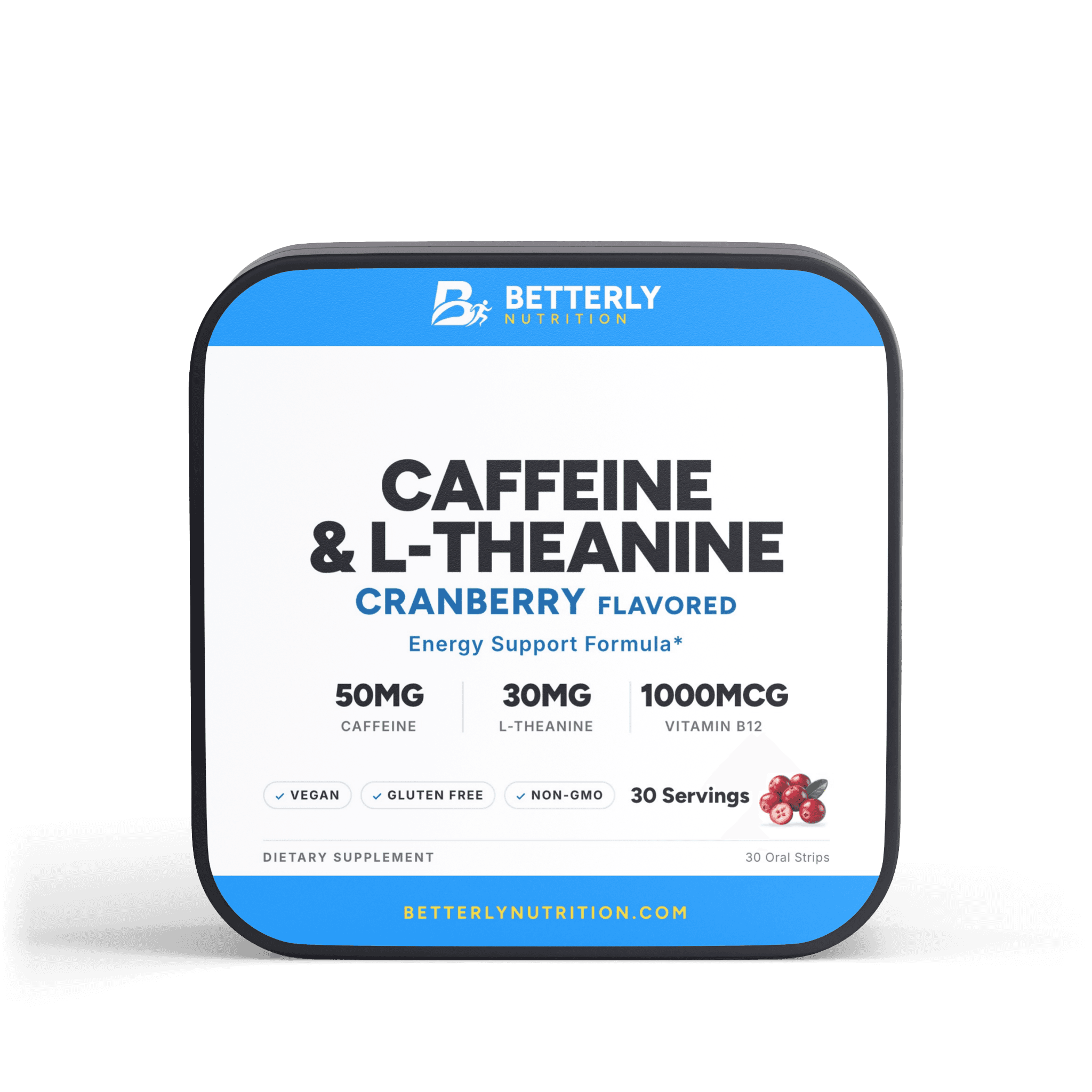
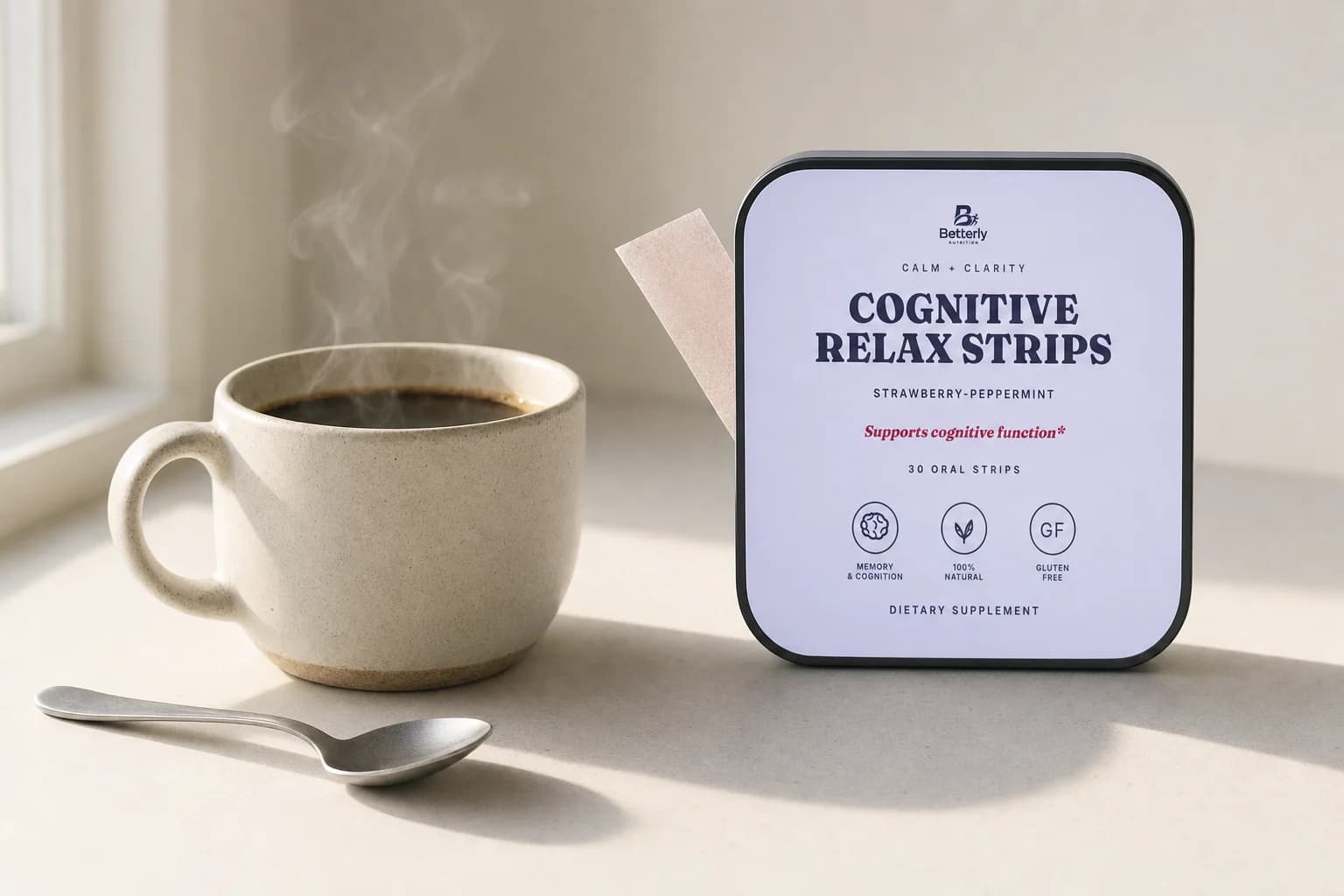
- You want caffeine without taurine. Our Caffeine & L-Theanine Energy Strips leave taurine out, with 50 mg of caffeine and 30 mg of L-theanine per 1 oral strip (290 mg) serving.
- You'd rather skip caffeine. Browse our Energy Support collection for picks whose panels list no caffeine.
Who should check with a healthcare provider first?
Bring a healthcare provider in before either taurine powder if pregnancy, breastfeeding, a medication, a medical condition, being under 18 or planned surgery applies to you.
Taurine isn't what puts those groups on the list. The two caution lines are. Each one sends anyone pregnant or nursing, or anyone with a medical condition, to a physician. The Lychee Splash line adds medication, and the Fruit Punch line adds anyone under 18. We hold the energy powder to that same age line.
The FDA's caffeine guide explains part of the why. It notes that some medicines can heighten sensitivity to caffeine's effects. It also passes along the American Academy of Pediatrics' advice that children and teens skip energy drinks.
Surgery coming up? Put this powder, your coffee habit and any other supplements on the list you share with your surgical team.
FAQ: taurine in energy drinks
Is taurine an amino acid?
Yes, taurine is an amino acid in the broad sense, though not one your body strings into proteins. GRAS notice 586 calls it a conditionally essential, non-protein aminosulfonic acid. In plain terms, healthy adults make it from cysteine and methionine, meat and seafood add more, and your body puts it to other uses.
Does taurine keep you awake at night?
Taurine isn't likely the ingredient that keeps you up; caffeine is. The EFSA review summarized in GRAS notice 586 pointed away from taurine as the source of energy drinks' stimulating effects. A 2-scoop (7 g) serving of our Lychee Splash powder still carries 200 mg of caffeine, though, so time it like a strong coffee and keep it to earlier in the day.
Is the taurine in energy drinks vegan?
The taurine in energy drinks can be vegan, but it depends on the brand, so check for a vegan claim. The production method in GRAS notice 586 is chemical synthesis with no animal ingredients. Food is different, since the same notice says a vegan diet supplies almost no taurine. Our Lychee Splash tub prints a vegan claim, along with gluten free and non-GMO.
How long does taurine stay in your system?
Taurine clears fairly quickly. GRAS notice 586 summarizes human data showing a half-life in the blood of 0.7 to 1.4 hours, meaning half is gone in that time, with levels back to baseline within about 7 hours. The caffeine in the same drink is the part that can affect your sleep, so let it decide how late you take one.
Is taurine in energy drinks safe during pregnancy?
Not without your healthcare provider's okay, because energy drinks with taurine also bring caffeine along. Our Lychee Splash label lists pregnancy and nursing in its consult-a-physician line. The FDA's caffeine guide likewise suggests that anyone expecting, trying to conceive or breastfeeding ask a provider whether to limit caffeine, and each 2-scoop serving here holds 200 mg.
Sources
- National Center for Complementary and Integrative Health: Energy Drinks
- U.S. Food and Drug Administration: GRAS Notice (GRN) No. 586, Taurine (filed by Intertek Scientific & Regulatory Consultancy, 2015)
- U.S. Food and Drug Administration: Spilling the Beans: How Much Caffeine Is Too Much?
- NIH Office of Dietary Supplements: Niacin, Fact Sheet for Consumers
If this left you looking for somewhere to start, read energy powder with 1,000 mg of taurine per serving — its amounts per serving are listed on the page. For the practical questions this raises, how dosing, sourcing and subscriptions work is answered in one place.