On this page
- Key takeaways
- Who should not take ginkgo biloba at all?
- What are the side effects of ginkgo biloba?
- What supplements should you not take with ginkgo biloba?
- Does ginkgo biloba interact with any medications?
- Should you stop taking ginkgo biloba before surgery?
- What are ginseng's side effects, and how do they stack with ginkgo?
- How do you take ginkgo biloba safely, going by the label?
- When don't you need ginkgo biloba?
- Who should check with a healthcare provider before taking ginkgo?
- FAQ: Ginkgo biloba safety
- Sources
The short answer: Skip ginkgo biloba if you're pregnant. If you take medicines or supplements that affect bleeding, or have surgery coming up, don't start it without a provider's okay. That's the core of who should not take ginkgo biloba, per NCCIH, which says ginkgo may raise bleeding risk alongside certain medicines, and the FDA, which says providers may pause supplements before surgery. Never eat fresh ginkgo seeds, which NCCIH calls toxic. Our capsule also holds red Asian ginseng, with clotting and sleep cautions of its own.
Key takeaways
- NCCIH says ginkgo may increase bleeding risk alongside certain medicines, and the FDA lists ginkgo and vitamin E among products that can each thin the blood.
- Pregnancy is a clear no, because NCCIH says ginkgo taken close to delivery might bring on early labor or extra bleeding.
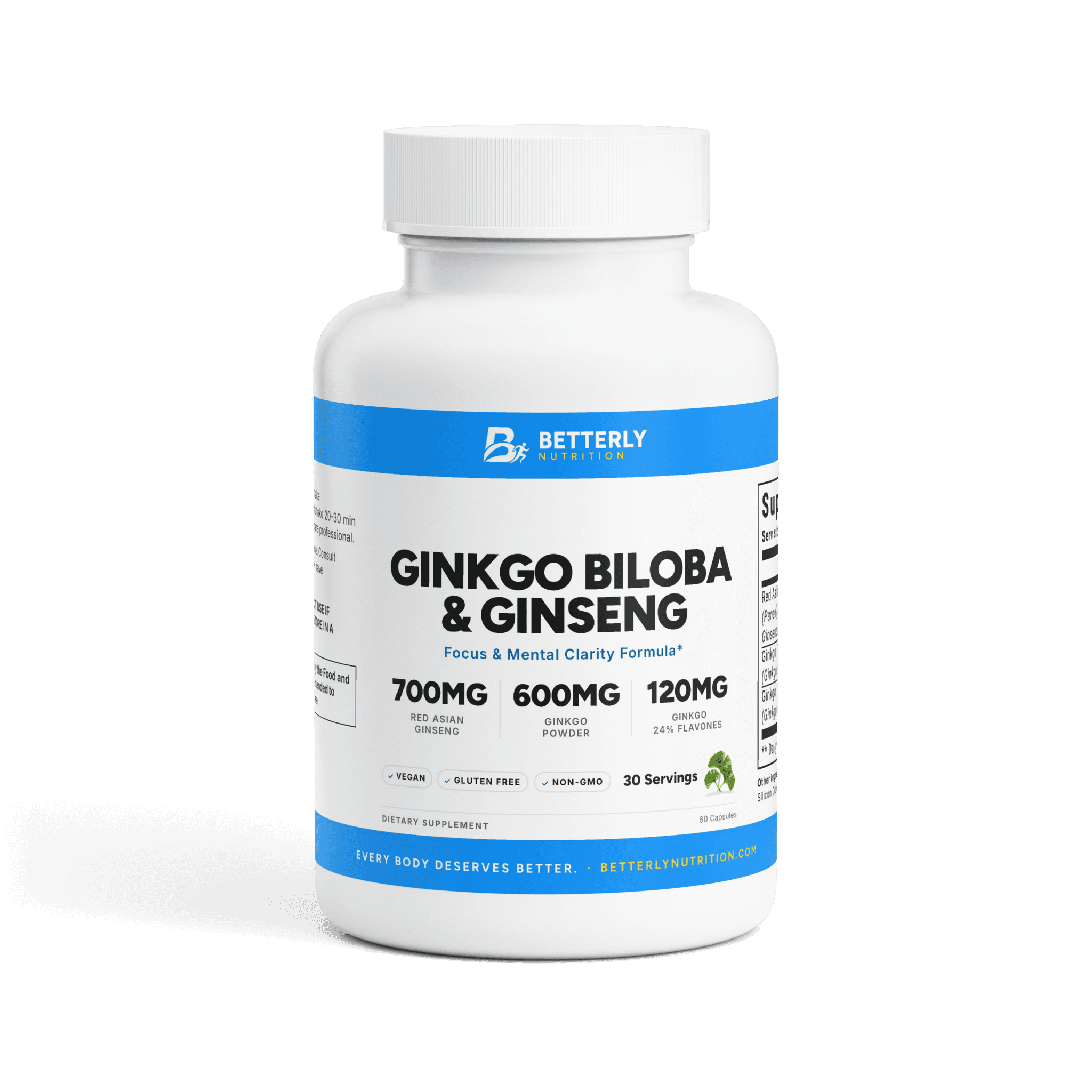
- Betterly's Ginkgo Biloba & Ginseng Capsules add 700 mg of red Asian ginseng extract per 2-capsule serving, and NCCIH flags Asian ginseng for possible effects on blood clotting.
- At label use, Betterly's Ginkgo Biloba & Ginseng Capsules add up to 4 capsules a day: 1,400 mg of ginseng extract and 1,440 mg of ginkgo leaf ingredients.
Betterly sells a ginkgo and ginseng capsule, so we make money when a reader decides it's safe for them. That's why every caution here comes from a federal page or our own label, and where those sources go quiet, we say so.
Who should not take ginkgo biloba at all?
Ginkgo biloba is a skip during pregnancy, and anyone taking medicines or supplements that affect bleeding, or heading into surgery, needs a provider's okay before starting.
NCCIH, the NIH's center for complementary health, says ginkgo leaf extracts are likely safe for most adults in moderate amounts. Research has used them safely for as long as 6 years. The exceptions are specific:
- You're pregnant. NCCIH says ginkgo may be unsafe in pregnancy, and taken near your due date it might trigger early labor or extra bleeding at delivery.
- You take something that affects bleeding. NCCIH says ginkgo may raise bleeding risk in people taking certain medicines that affect bleeding. The FDA names vitamin E among products that can thin the blood, too.
- You have surgery on the calendar. The same bleeding note is the reason to plan ahead.
- You're under 18. Our label asks you to see a physician first, and NCCIH notes some experts advise against Asian ginseng for children.
- You're curious about the seeds. NCCIH calls fresh ginkgo seeds toxic to eat, and roasted seeds and the crude plant have caused serious side effects, too.
Leaf isn't seed, but leaf powder isn't an extract either. That gap matters for our Ginkgo Biloba & Ginseng Capsules. Only the smaller ginkgo row, 120 mg listed at 24% flavones, is concentrated like an extract. The larger row is 600 mg of plain ground ginkgo leaf per 2-capsule serving.
NCCIH's reassuring line is about leaf extracts, so it doesn't reach that powder. The page also doesn't say whether ground leaf counts as the crude plant it warns about. Our ginseng is a stem-and-leaf extract, while NCCIH says the root is the part used most. So neither federal safety note fits this formula cleanly.
What are the side effects of ginkgo biloba?
The most common ginkgo biloba side effects are dizziness, digestive symptoms and headache, according to NCCIH, which calls the leaf extract generally well tolerated.
NCCIH gives no frequencies, so we won't guess at one. The bigger thing to plan around is bleeding more easily alongside certain medicines or supplements.
If dizziness, a stubborn headache or an upset stomach shows up after you start, stop and tell your healthcare provider rather than adjusting the dose yourself.
What supplements should you not take with ginkgo biloba?
Don't pair ginkgo biloba with other supplements that affect bleeding unless your provider approves, and count every product you own that already lists ginkgo or ginseng.
The FDA's consumer page on mixing medicines and supplements names ginkgo biloba and vitamin E, along with two medicines, as products that can each thin the blood. Taking any of them together, the FDA says, may raise the chance of internal bleeding.
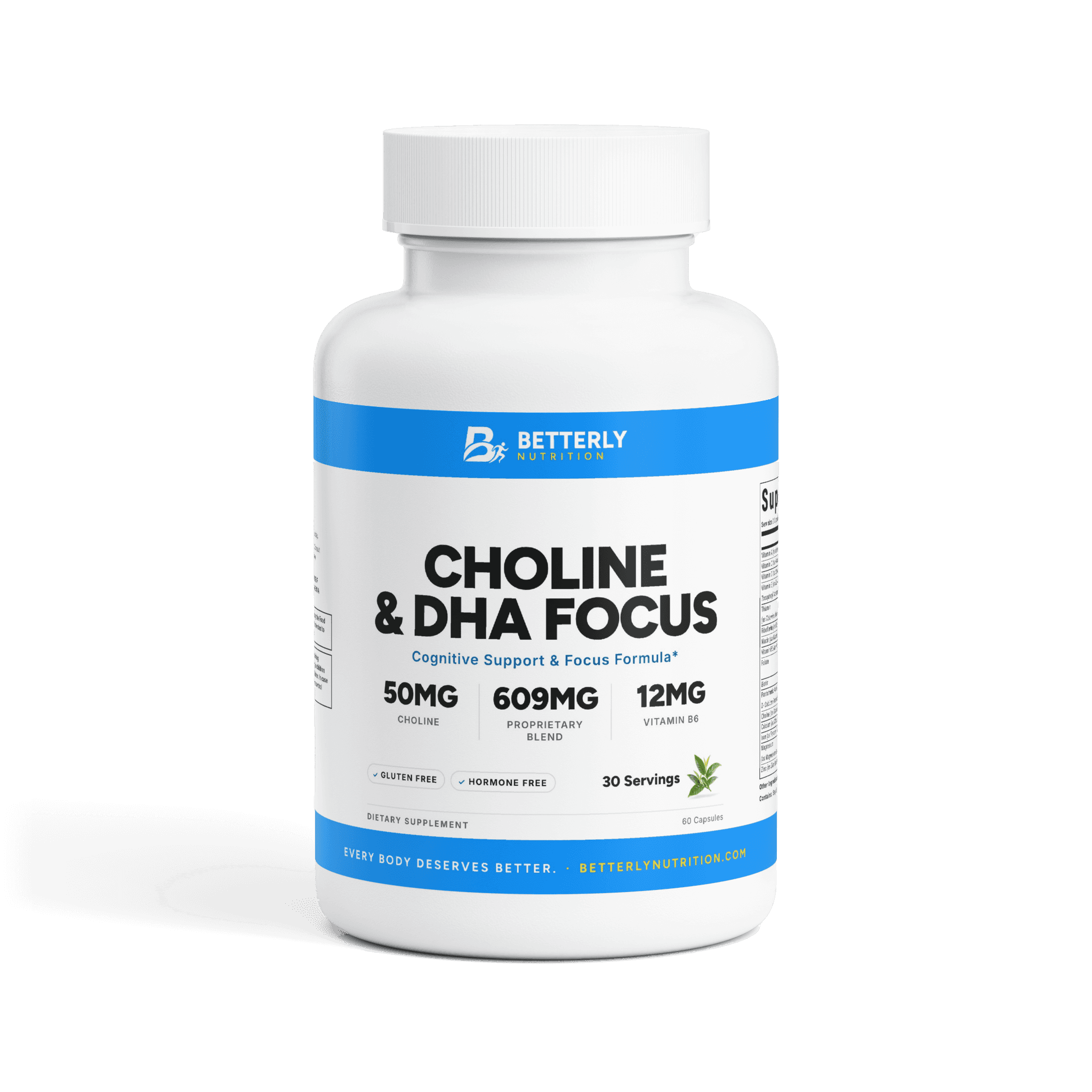
Vitamin E is easy to overlook, since it rides along in many multivitamins and multi-ingredient formulas, including our Daily Multivitamin Capsules and Choline & DHA Focus Capsules. Put it on the list you show your provider.
Ginseng is the other. NCCIH says Asian ginseng may interfere with blood clotting. Our capsule already contains it, so a separate ginseng product doubles down. Ginkgo and ginseng also turn up on labels you might not expect:
| Betterly label | Ginkgo leaf? | Panax (Asian) ginseng? | What the panel shows |
|---|---|---|---|
| Cordyceps Mushroom Energy Gummies | Yes | No | 25 mg ginkgo leaf per gummy; 1 to 2 gummies a day |
| Tribulus & Ginseng Women's Libido Capsules | Yes | Yes | Both inside an 802 mg blend per 2 capsules |
| Alfalfa & Chlorella Greens Powder | Yes | No | Ginkgo and Siberian ginseng within a 1 g herbal blend, per 2 teaspoons |
| Ashwagandha, Maca & Ginseng Capsules | No | Yes | 100 mg ginseng root powder per 2 capsules |
| Alpha-GPC & L-Theanine Focus Powder (all 3 flavors) | No | Yes | 50 mg Asian ginseng extract plus 200 mg caffeine per 2 scoops |
Ginkgo appears on three other labels on our shelf, and only the gummy prints a ginkgo amount. The ginseng column isn't complete, though. Four more of our labels list Panax ginseng root:
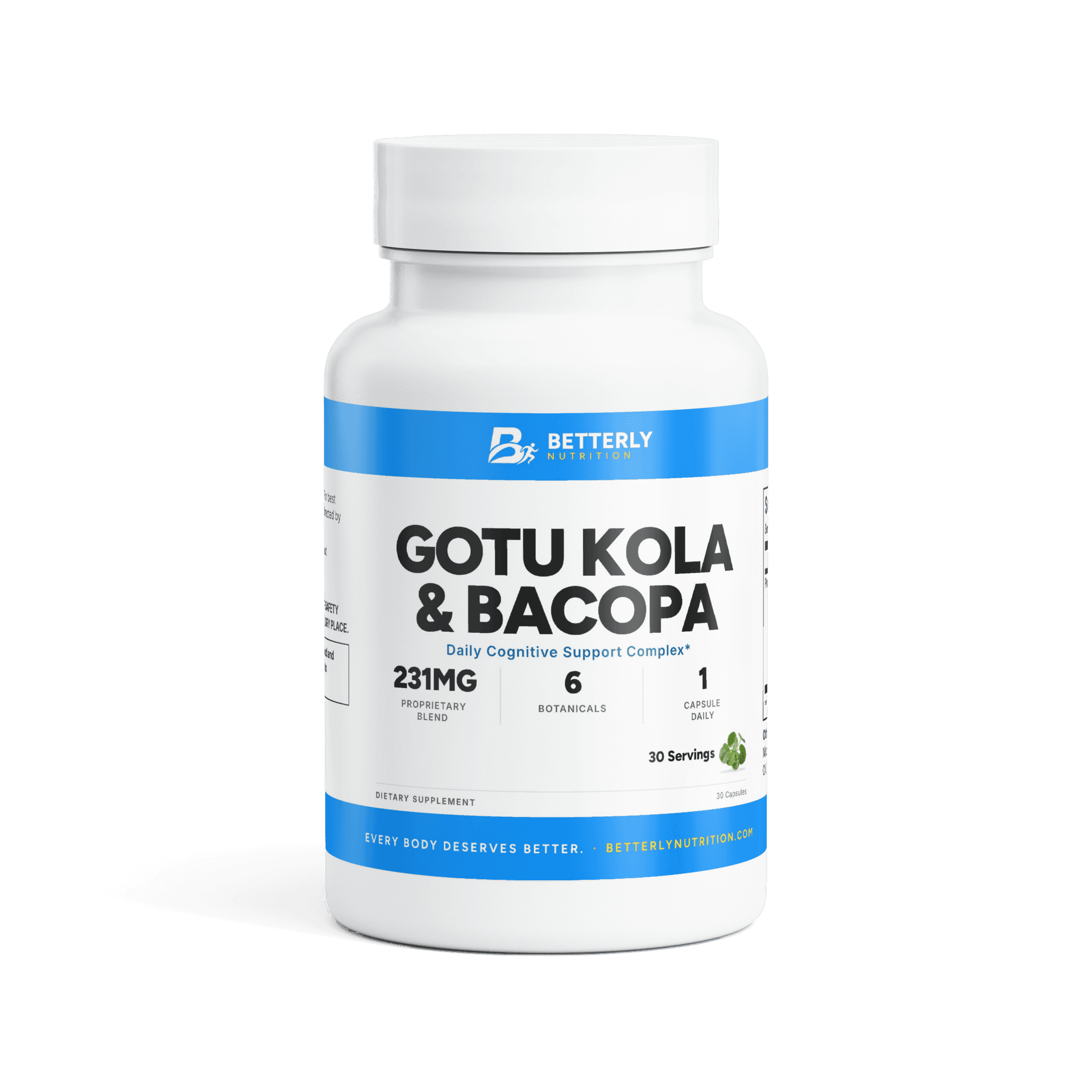
- Gotu Kola & Bacopa Capsules: inside a 231 mg blend per 1-capsule serving
- Horny Goat Weed & Maca Capsules: 20 mg per 2-capsule serving
- Tongkat Ali, Maca & Ginseng Capsules: inside a 125 mg ginseng blend per 2-tablet serving
- Barley Grass & Spirulina Greens Powder: inside a 300 mg blend per 1-scoop serving
The Tongkat Ali capsules and the Alfalfa powder also list eleuthero, marketed as Siberian ginseng. Despite the name, it's a different plant from Panax, a point the NIH Office of Dietary Supplements (ODS) makes in its immune function fact sheet. So it stays out of the ginseng column. Before adding our ginkgo capsule, read the panel of everything else you take.
A blend names its ingredients but not how much of each, so ginkgo's dose stays unknown. Our label guide to proprietary blends shows why.
Does ginkgo biloba interact with any medications?
Yes. NCCIH says ginkgo biloba may increase bleeding risk with certain medicines and "may also interact with other drugs," without giving a complete list.
We won't pad that line with a list of prescriptions. If you take any medicine, prescription or over-the-counter, ask a pharmacist to check your real list against a full interaction reference before the first capsule.
The FDA explains why mixing matters: some supplements alter how a medicine is absorbed, processed or removed from the body, so you get more or less of it than intended.
Ginseng adds its own layer. NCCIH's ginseng page warns it might interact with certain medicines. The ODS sheet names stimulants and medicines that suppress the immune system among them.
Should you stop taking ginkgo biloba before surgery?
Tell your surgical team about ginkgo biloba early, since the FDA says providers sometimes ask patients to pause supplements 2 to 3 weeks before an operation.
The FDA's concern is that some supplements clash with drugs given before, during or after an operation. Pausing them helps avoid risky changes in heart rate or bleeding. Ginkgo's bleeding note and ginseng's clotting note sit in that territory.
That window is general supplement guidance, not a ginkgo rule, so your team's instructions come first. Bring the bottle and mention any product from the table above, even a gummy. Then ask when you can restart.
What are ginseng's side effects, and how do they stack with ginkgo?
Trouble sleeping tops NCCIH's list of Asian ginseng side effects, and the herb may interfere with blood clotting, which lands on top of ginkgo's bleeding caution.
NCCIH's Asian ginseng page says it looks safe for most people by mouth, in recommended amounts, for up to 6 months. Its long-term safety is less settled. Liver damage, severe rash and severe allergic reactions are uncommon reports.
ODS adds headache and digestive upset, and says doses above 2.5 g a day might cause a rapid heartbeat and nervousness.
Here's how the cautions line up:
| Caution | Ginkgo leaf (NCCIH) | Asian ginseng (NCCIH) | In a capsule with both |
|---|---|---|---|
| Bleeding and clotting | May raise bleeding risk with some medicines | May interfere with clotting | Two reasons to ask first |
| Pregnancy | May be unsafe, especially near delivery | Some studies suggest unsafe | Skip |
| Breastfeeding | Little known | Little known; some experts advise against | Skip unless your provider says yes |
| Children | Not addressed | Some experts advise against | Label: under 18, see a physician |
| Most common side effects | Dizziness, digestive symptoms, headache | Trouble sleeping | Watch for both sets |
| Length of use described | Extract studies up to 6 years | Up to 6 months in recommended amounts | No safe length set for this formula; ask your provider |
The capsule inherits whichever herb's caution is tighter, and on length of use there's no answer at all. So a two-herb capsule fits fewer people than either herb might alone.
Still choosing between the herbs rather than screening for safety? Our ginkgo biloba vs ginseng comparison covers what each is sold for.
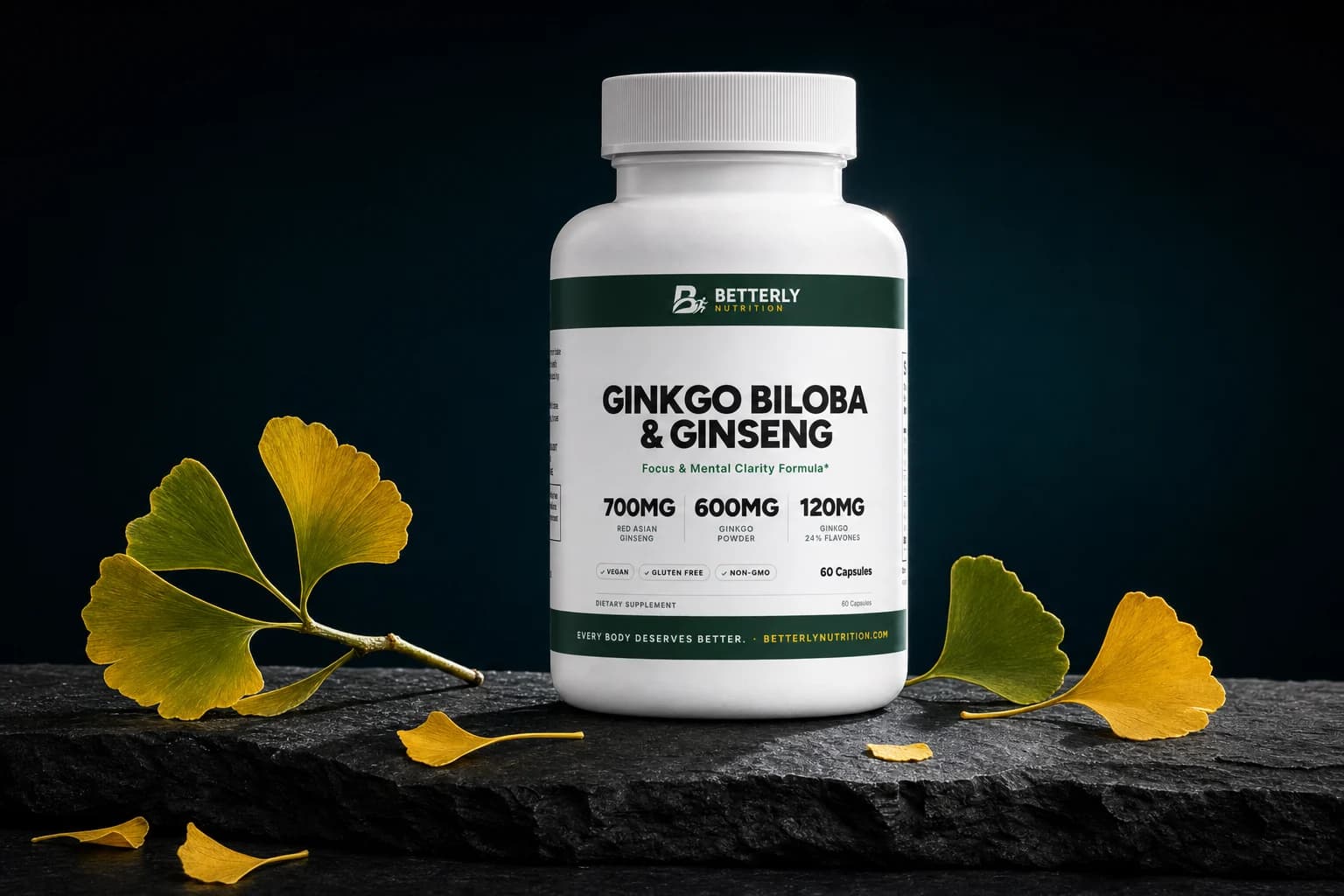
From our shop: Ginkgo Biloba & Ginseng Capsules — per 2-capsule serving, the panel lists 700 mg red Asian ginseng extract, 600 mg ginkgo leaf powder and 120 mg ginkgo leaf at 24% flavones, in a vegan, gluten-free capsule.
How do you take ginkgo biloba safely, going by the label?
Take Betterly's Ginkgo Biloba & Ginseng Capsules exactly as printed: 2 capsules twice a day, each pair 20 to 30 minutes ahead of a meal, and never more than that.
The caution line on our bottle is short and firm: "Do not exceed recommended dose. Consult a physician if pregnant, nursing, under 18, or have a medical condition." Here's a safety-first way to follow it:
- Know your daily total. Four capsules hold 1,400 mg of red Asian ginseng extract. They also hold 1,200 mg of ginkgo powder and 240 mg from the 24% flavones row.
- Know how long a bottle lasts. At 2 servings a day, the bottle's 30 servings run out in 15 days. If you miss a serving, don't double the next one.
- Write it down. The FDA suggests listing every supplement and medicine you take, with the dose and how many times a day. Bring that list to appointments.
- Pay attention. Note any dizziness, headache, stomach upset or change in sleep, and if you see bleeding that seems unusual, stop and call your provider.
The label doesn't say which meals to use, and our ginseng timing guide maps the two servings onto a real day.
When don't you need ginkgo biloba?
You don't need ginkgo biloba for everyday focus, since NCCIH says it's uncertain whether ginkgo products change thinking performance in healthy people at all.
NCCIH's wider verdict is blunter: ginkgo hasn't been shown to work for any of the conditions it's been studied for. So if a skip group above fits you, passing on ginkgo costs you nothing federal research has confirmed.
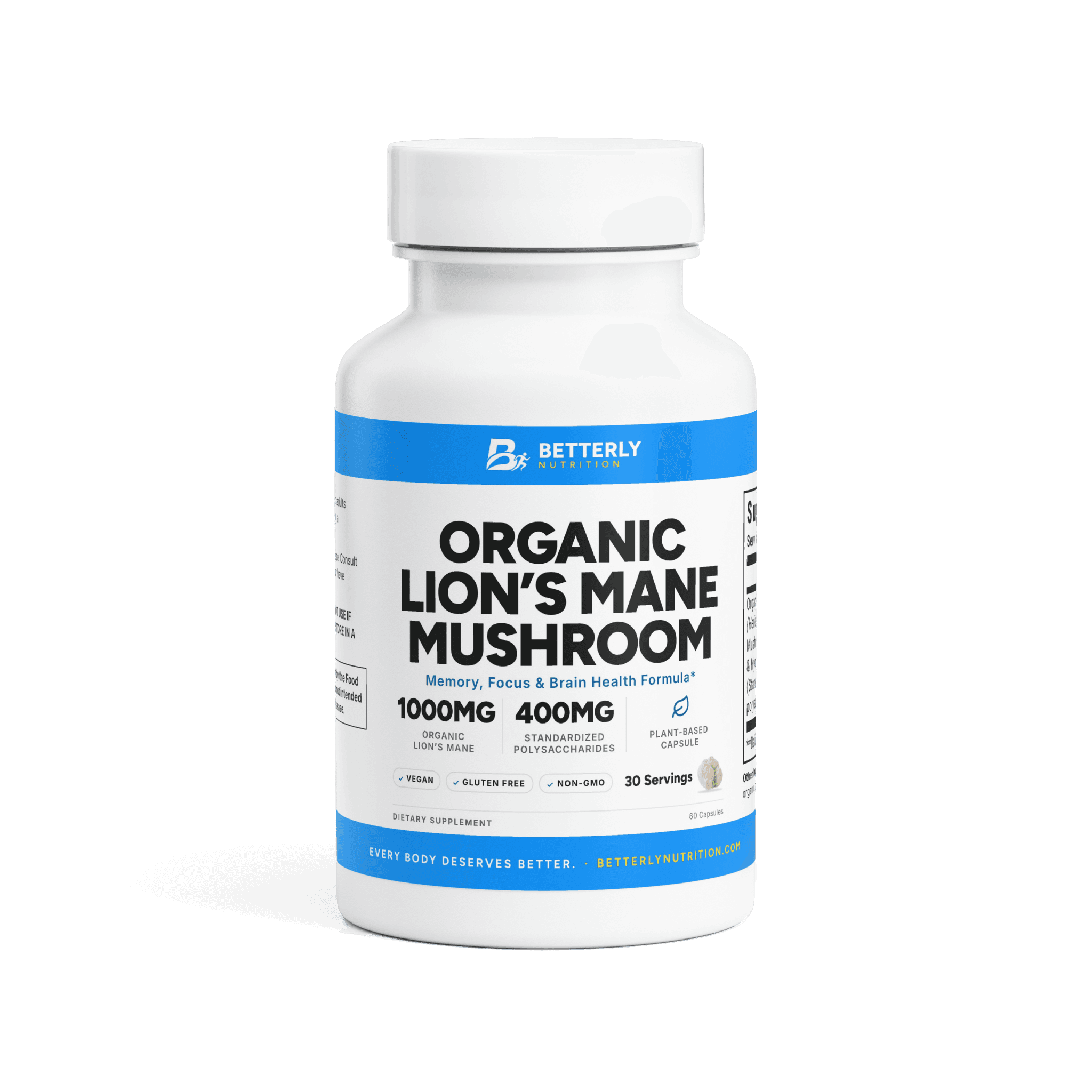
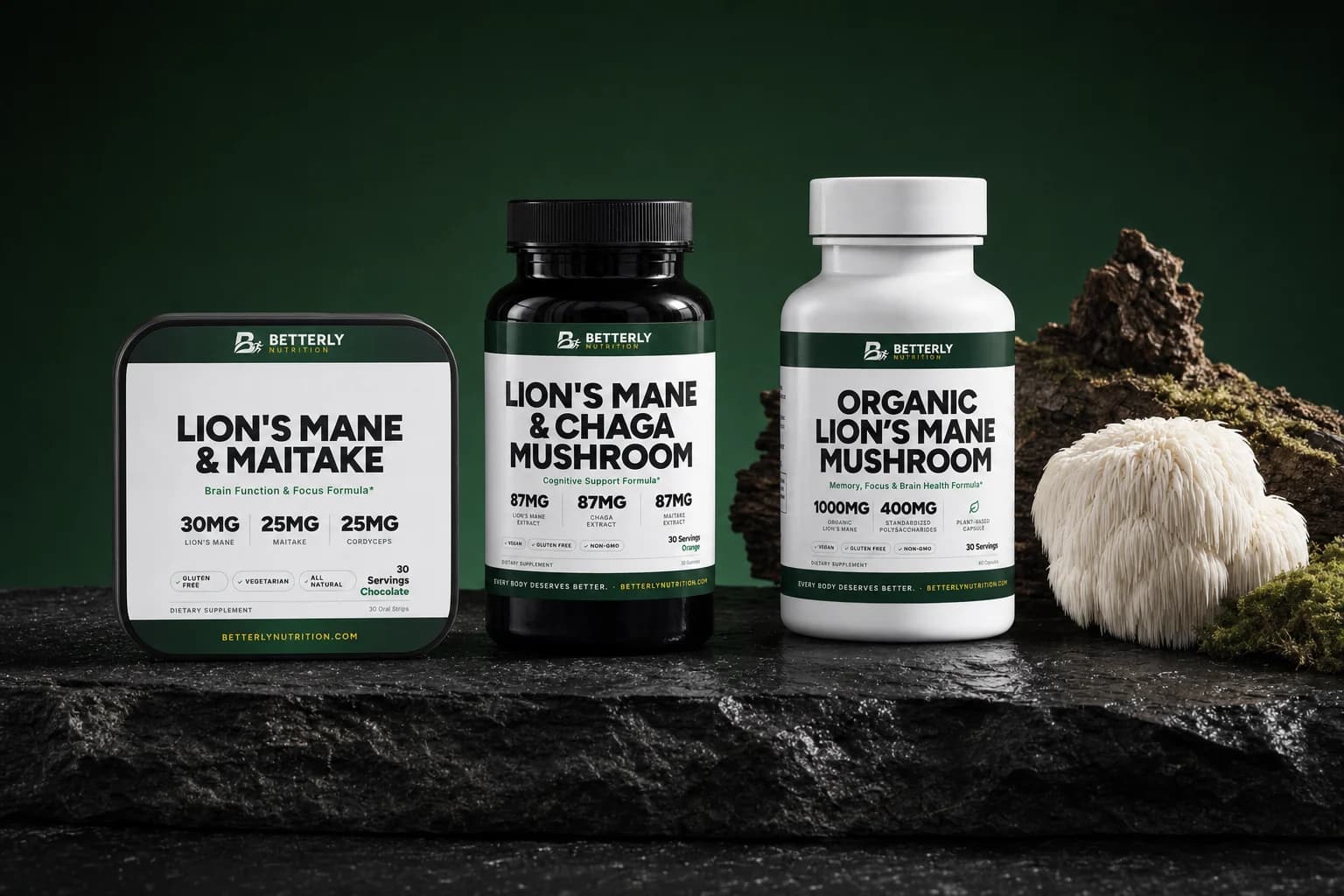
If ginkgo is out but you'd still like a focus supplement, look for a panel with no ginkgo, ginseng or vitamin E row. Our Nootropics & Focus collection holds several that pass and a few that don't, so read each one. Lion's mane is one that passes, and it has its own skip list in our lion's mane safety guide.
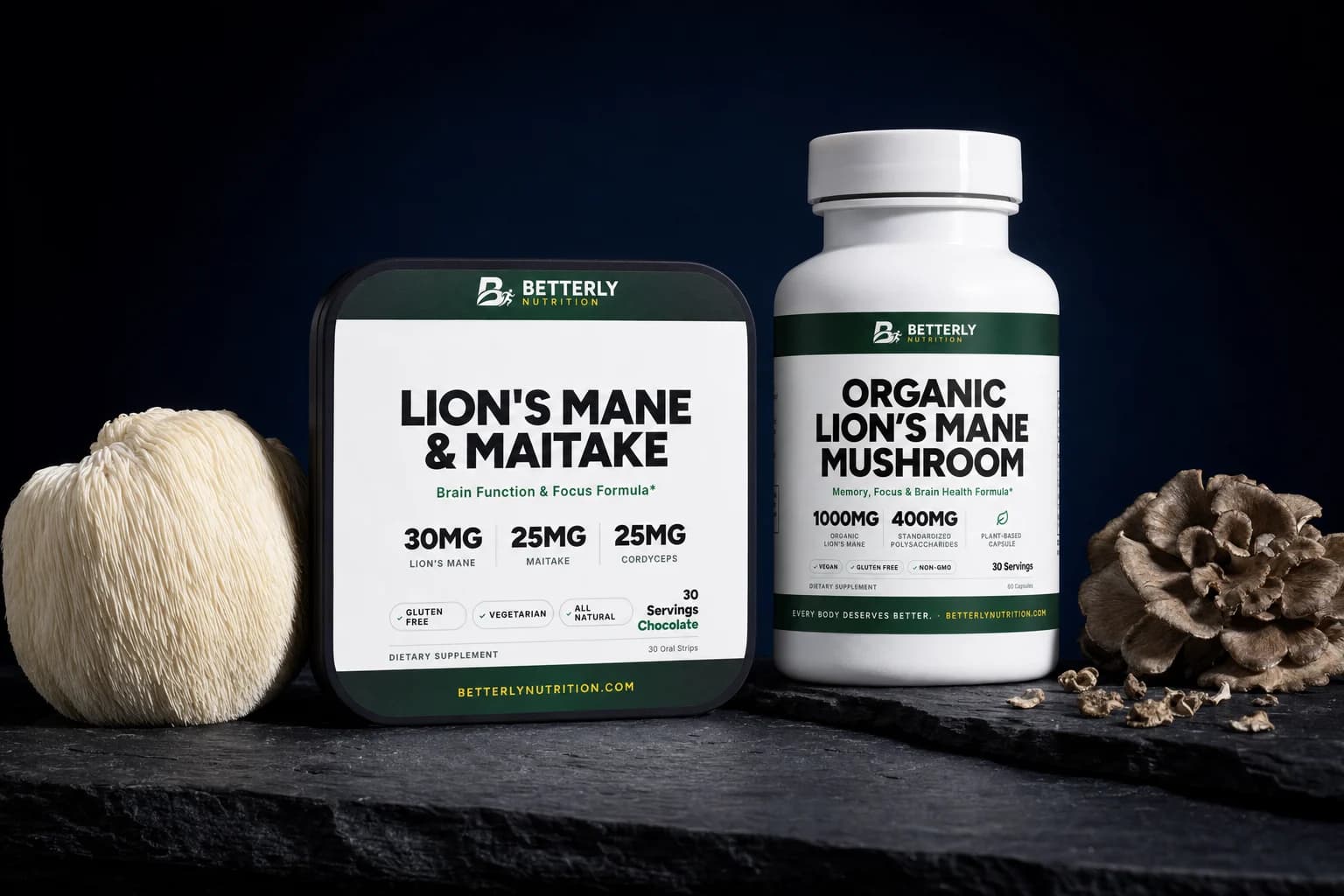
From our shop: Organic Lion's Mane Mushroom Capsules — a vegan capsule whose panel has no ginkgo, ginseng or vitamin E row, just organic lion's mane at 1,000 mg per 2-capsule serving.
Who should check with a healthcare provider before taking ginkgo?
Check with a healthcare provider before taking ginkgo if you're breastfeeding, younger than 18, on any medicine, using supplements that affect bleeding, planning surgery or managing a medical condition.
- Nursing: little is known about either herb during breastfeeding, and NCCIH notes some experts recommend nursing parents avoid Asian ginseng.
- Under 18: our label names you, and the FDA notes that children process substances at different rates at different ages.
- On any medicine, prescription or over-the-counter: both NCCIH pages say some herbs and medicines interact in harmful ways.
- Using vitamin E or another product with a bleeding note, or planning surgery.
- Managing a medical condition: the widest phrase on the label, which only your provider can narrow.
Pregnancy isn't on this list because it isn't a check-first situation. With both herbs flagged, it's a skip.
FAQ: Ginkgo biloba safety
Is ginkgo biloba safe for older adults?
NCCIH gives no age-specific guidance on ginkgo biloba, so older adults face the same checks as anyone else. Its ginkgo page says leaf extracts are likely safe for most adults in moderate amounts. The caution that matters at any age is bleeding risk for people taking medicines that affect bleeding. So bring your full medicine and supplement list to a provider before the first capsule.
Can you take ginkgo biloba while breastfeeding?
Ginkgo biloba while breastfeeding is an open question, because NCCIH says little is known about its safety then. NCCIH says the same of Asian ginseng, adding that some experts recommend against it while breastfeeding. Our capsule contains both herbs, and its label asks nursing parents to consult a physician first. With evidence that thin, we'd hold off unless your provider says yes.
How long can you safely take ginkgo biloba?
No federal source we found sets a safe length of use for ginkgo biloba combined with ginseng, as in our capsule. NCCIH says ginkgo leaf extracts were used safely in studies lasting up to 6 years. It says Asian ginseng in recommended amounts looks safe for up to 6 months. Most of our ginkgo is plain leaf powder, though, and our ginseng is a stem-and-leaf extract, so neither note covers it. Settle on a length of use with your provider first.
Who should not drink ginkgo biloba tea?
Ginkgo biloba tea deserves the same caution as capsules if you're pregnant, take medicines or supplements that affect bleeding, or have surgery planned. NCCIH's safety note covers leaf extracts, and the same page reports serious side effects from the crude ginkgo plant. A tea bag holds dried leaf, not an extract, and we found no federal page on ginkgo tea itself, so we can't compare a cup with a capsule. Ask your provider before making it a habit.
Sources
- National Center for Complementary and Integrative Health: Ginkgo: Usefulness and Safety
- National Center for Complementary and Integrative Health: Asian Ginseng: Usefulness and Safety
- U.S. Food and Drug Administration: Mixing Medications and Dietary Supplements Can Endanger Your Health
- NIH Office of Dietary Supplements: Dietary Supplements for Immune Function and Infectious Diseases: Fact Sheet for Consumers
If this left you looking for somewhere to start, read ginkgo leaf and red Asian ginseng capsules — its amounts per serving are listed on the page. For the practical questions this raises, how dosing, sourcing and subscriptions work is answered in one place.