On this page
- What is milk thistle — and what is silymarin?
- Milk thistle benefits: what the research actually suggests
- Why milk thistle and turmeric show up together
- Milk thistle forms: capsules vs tea, tinctures, and extracts
- How to choose a milk thistle supplement
- How to take milk thistle — and what to realistically expect
- Safety, interactions, and who should ask a provider first
- Where milk thistle fits in a bigger routine
- Key takeaways
- FAQ: milk thistle
- Sources
Milk thistle might be the most recognized herb on the liver-support shelf, and it's also one of the most oversold. The honest version of the milk thistle benefits story is more interesting than the hype: a spiky purple plant with a long history of traditional use, a seed extract with well-documented antioxidant properties, human research that's genuinely mixed, and a label problem that makes choosing a good supplement harder than it should be. This guide tells that story straight — what silymarin actually is, what the research suggests (and doesn't), and how to pick a milk thistle supplement that's worth your money.
What is milk thistle — and what is silymarin?
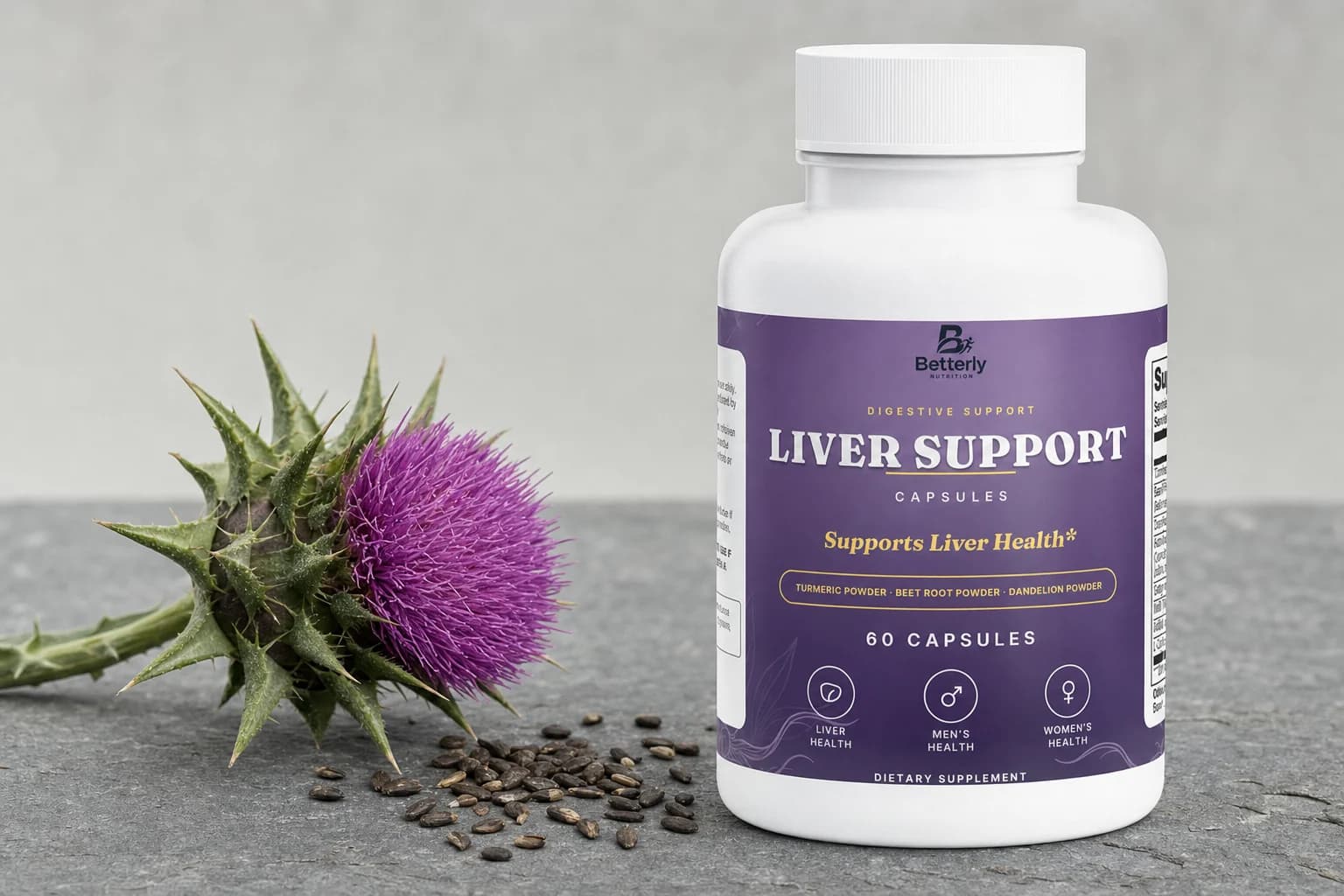
Milk thistle (Silybum marianum) is a tall, spiky plant in the daisy family, native to the Mediterranean and now growing on roadsides half the world over. The name comes from the milky-white veins that run through its glossy leaves. People have used it for a very long time, and most of that history centers on the liver.
The part that matters is the seed. Milk thistle seeds contain a small family of compounds called flavonolignans, and the collective name for that family is silymarin. So when you ask "what is silymarin?" — it's not a single molecule. It's a complex of related compounds, the best known of which is silybin (also called silibinin), generally considered the most active of the group, alongside silychristin, silydianin, and isosilybin.
This matters for shopping, because raw milk thistle seed contains only a small percentage of silymarin by weight. That's why serious supplements use a concentrated seed extract, commonly standardized to around 70–80% silymarin, rather than ground-up plant material. Keep that word — standardized — in your pocket. It does a lot of work later in this guide.
Milk thistle benefits: what the research actually suggests
Here's where you deserve a straight answer instead of a sales pitch.
In the lab, the story is solid: silymarin has antioxidant properties that researchers have documented extensively, and that's the main reason milk thistle earned so much scientific attention in the first place. Antioxidants help the body manage the ordinary oxidative wear-and-tear of daily life — support for processes your cells are already running, not a new ability bolted on.
The human story is more complicated. In small studies of silymarin, some results look encouraging. But two trials funded by the National Center for Complementary and Integrative Health (NCCIH) did not show a benefit from the silymarin extract, and NCCIH says there isn't enough high-quality evidence to reach definite conclusions. Much of that research also studied people with diagnosed medical conditions, which is a different question from everyday use, so this guide leaves it aside. What we can say, and what the research fairly supports, is modest: milk thistle is a well-tolerated botanical that may help support normal liver function as part of an overall healthy routine.
Two honest footnotes before we move on:
- Your liver doesn't need rescuing. A healthy liver is remarkably good at its own housekeeping, every hour of every day. A supplement can support normal function; it can't outwork a rough lifestyle, and anyone promising a "flush" or a "reset" is selling you a story.
- Effects, if you notice any, are subtle. Milk thistle is not caffeine. Nobody takes a capsule and feels it twenty minutes later. It's a slow, background kind of ingredient — and that's exactly how you should evaluate it.
If that sounds underwhelming compared to what you've read elsewhere, good. That's the calibrated version, and it's the only one worth building a routine on.
Why milk thistle and turmeric show up together
Browse the liver aisle and you'll see milk thistle and turmeric together in formula after formula. There's a sensible logic to the pairing, not a magical one.
Both are traditional botanicals with long histories — milk thistle mostly in European herbal tradition, turmeric mostly in South Asian cooking and Ayurvedic practice. Both are studied primarily for antioxidant support. And they're complementary rather than redundant: silymarin and curcumin (which NCCIH describes as a major component of turmeric) are different molecules studied along different lines, so a combined formula brings two different compounds together rather than doubling up on one.
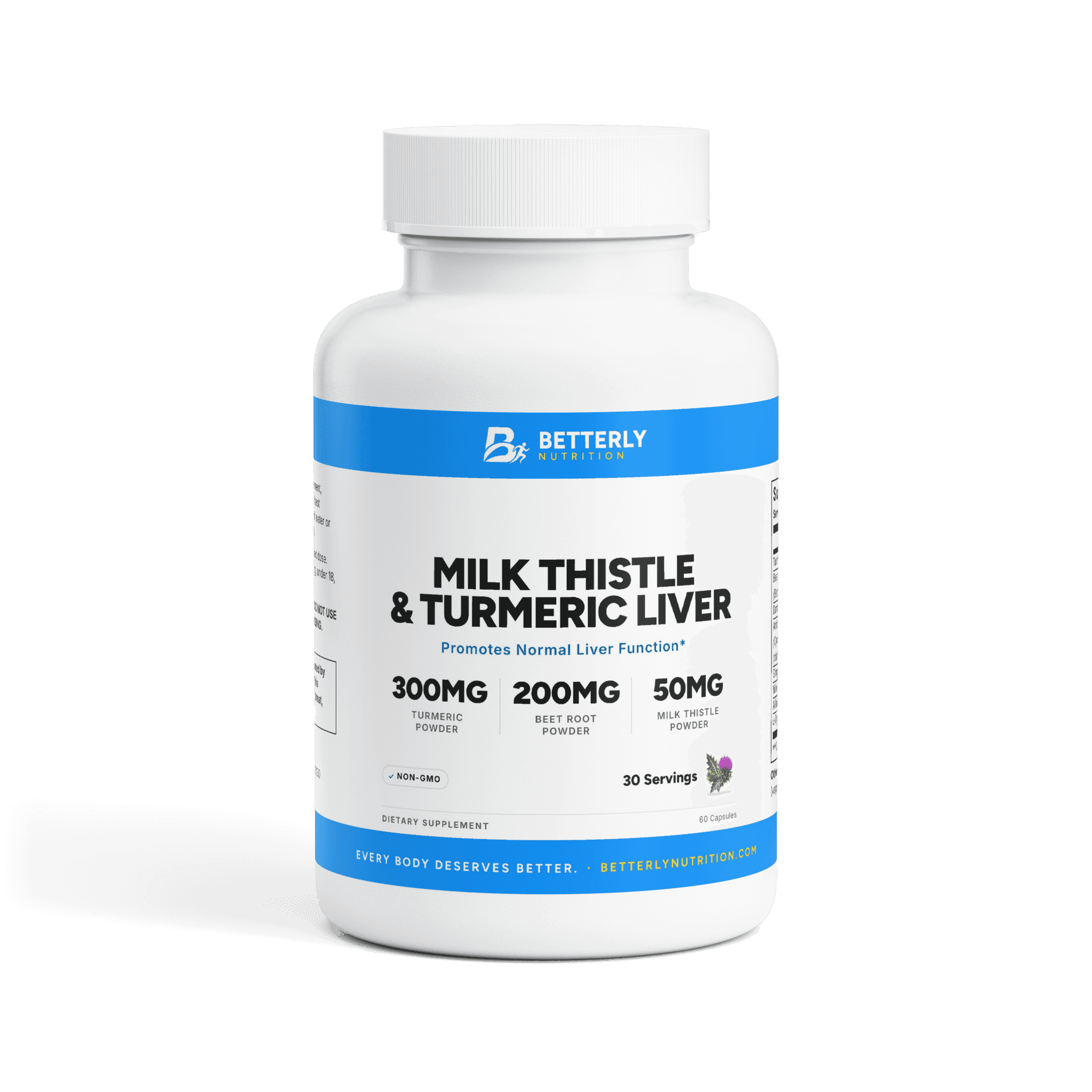
The practical benefit is simplicity: one bottle instead of two. That's the thinking behind our Milk Thistle & Turmeric Liver Capsules, a 60-capsule formula that pairs the two to support normal liver function. One honest limit, by this guide's own checklist below: per 2-capsule serving it's led by 300 mg of turmeric powder, and its milk thistle is 50 mg of plain milk thistle powder. That's not a standardized silymarin extract, and the label doesn't name which part of the plant it comes from. So think of it as a broad multi-botanical formula (beet root, dandelion, artichoke and ginger are in there too) rather than a milk thistle supplement. The exact amounts are printed on the label, so you can compare it against anything else on the shelf.
Milk thistle forms: capsules vs tea, tinctures, and extracts
Milk thistle comes in more formats than most herbs, and here the differences genuinely matter — more than they do for many other botanicals. The reason is chemistry: silymarin dissolves poorly in water, and that one fact sorts the formats quickly.
Standardized extract capsules are the benchmark. A standardized milk thistle extract concentrates the seed's flavonolignans and states the silymarin percentage on the label, so you know roughly what you're getting, capsule after capsule. This is the form used in most human research.
Milk thistle tea is lovely as a ritual and weak as a delivery method. Because silymarin is poorly water-soluble, steeping seeds in hot water leaves most of it behind. If you enjoy the tea, enjoy the tea — just don't count it as your milk thistle.
Tinctures are alcohol-based extracts. They can carry more silymarin than tea, but strength varies widely between brands and batches, and few tinctures state a standardized silymarin content. That makes honest comparison difficult.
Ground seed powders are the whole seed, unconcentrated. They're inexpensive, but since raw seed is only a small percentage silymarin, you'd need a lot of it to match a standardized extract.
You may also see enhanced-absorption forms — silymarin bound to phospholipids, for example. These formulations were developed to improve absorption. They tend to cost more; whether that's worth it depends on your budget and priorities.
How to choose a milk thistle supplement
Here's the part most milk thistle articles skip — and the part where products differ most. A short checklist:
1. Look for a standardized extract with the percentage stated. "Milk thistle seed extract standardized to 80% silymarin" tells you something concrete. "Milk thistle blend" tells you almost nothing.
2. Demand the actual milligrams. This is the big one. According to the National Center for Complementary and Integrative Health (NCCIH), some products have been found to contain amounts of silymarin substantially different from what's stated on the label. Plenty of other products hide behind proprietary blends where individual amounts aren't disclosed at all. You can't fix the first problem from your couch, but you can refuse to reward the second. If a brand won't print the dose, that's your answer. (Our Milk Thistle & Turmeric Liver Capsules list the amount of every ingredient on the Supplement Facts panel.)
3. Make sure it's seed extract. The flavonolignans live in the seeds. A label that vaguely lists "milk thistle (aerial parts)" — or doesn't specify at all — is a red flag.
4. Be skeptical of kitchen-sink formulas. A focused pairing like milk thistle and turmeric is sensible. A fifteen-ingredient formula with a sprinkle of everything usually means a meaningful amount of nothing.
5. Check the boring practical details. How the capsule count relates to the serving size (a 60-count bottle at two capsules a day is a month), vegetarian capsules if that matters to you, and a returns policy you'd actually use.
How to take milk thistle — and what to realistically expect
There's no elaborate protocol here, which is one of milk thistle's charms.
Take it with food if your stomach is sensitive. Milk thistle is generally gentle, but pairing capsules with a meal is an easy way to keep it that way.
Consistency beats timing. Unlike a sleep or energy supplement, milk thistle has no meaningful clock. Morning or evening is fine; daily is what matters. Anchoring it to an existing habit — with breakfast, next to the coffee maker — is how most people actually stay consistent. Our guide to building a simple daily supplement routine covers this in more depth.
Think of it as a daily habit. Milk thistle is a background ingredient, not something you'll notice from one day to the next. For our Milk Thistle & Turmeric Liver Capsules, the label's suggested use for adults is two capsules daily.
Keep expectations calibrated. Realistically, you may not "feel" milk thistle at all — and that's normal for this category. You're supporting normal function, not chasing a sensation. Pair it with the things that visibly move the needle in how you feel: moderate drinking habits, decent sleep, whole foods, and regular movement.
Safety, interactions, and who should ask a provider first
Milk thistle has one of the friendlier safety reputations in the botanical world. According to NCCIH, milk thistle taken by mouth appears to be well tolerated.
That said, a few honest cautions:
- Digestive grumbles are the most common complaint. NCCIH lists digestive symptoms such as bloating, nausea, and gas as the most common side effects. Taking it with food helps.
- Allergy watch. Milk thistle is in the daisy family. NCCIH notes it may cause allergic reactions, particularly in people allergic to related plants such as ragweed, chrysanthemums, marigolds, and daisies. If that's you, approach carefully or skip it.
- Medication interactions are real. NCCIH advises anyone who takes any type of medicine to talk with a health care provider before using milk thistle, because some herbs and medicines interact. It's a two-minute conversation.
- Pregnant or nursing? NCCIH says little is known about whether milk thistle is safe during pregnancy or while breastfeeding. Ask your provider before starting.
- Under 18? Check with a healthcare provider first. The caution on our Milk Thistle & Turmeric Liver Capsules label says the same.
- Managing an ongoing health concern? Work with your healthcare team. A supplement supports normal function; it is not a substitute for medical care, and nothing in this guide is medical advice.
Where milk thistle fits in a bigger routine
Milk thistle is a specialist, not a foundation. (For the wider category question — whether liver support supplements are worth taking at all — see Do Liver Support Supplements Work?.) Handle the basics first — real food, sleep, movement, and maybe our Daily Multivitamin Capsules if your diet has gaps — then add specialists that match your actual goal.
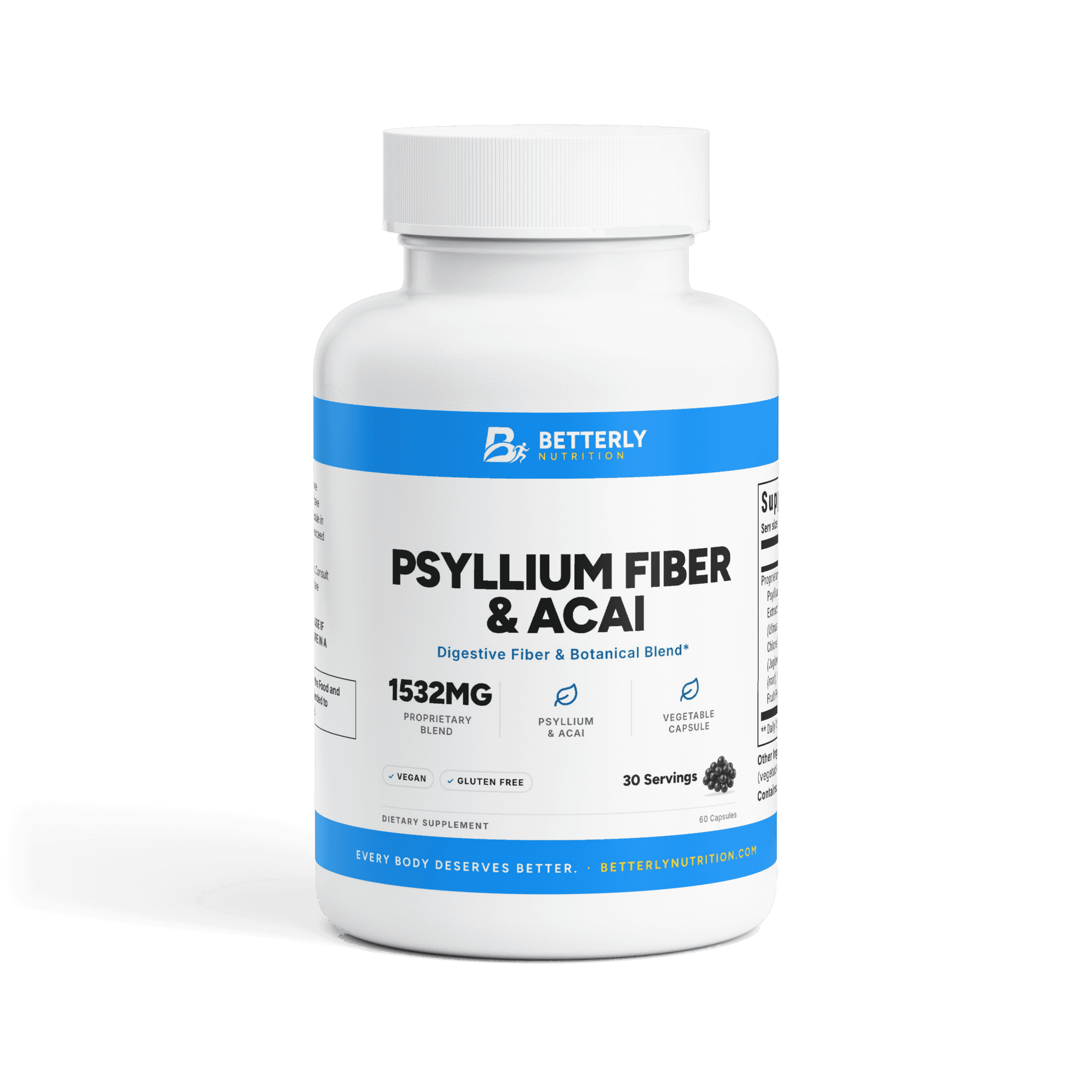
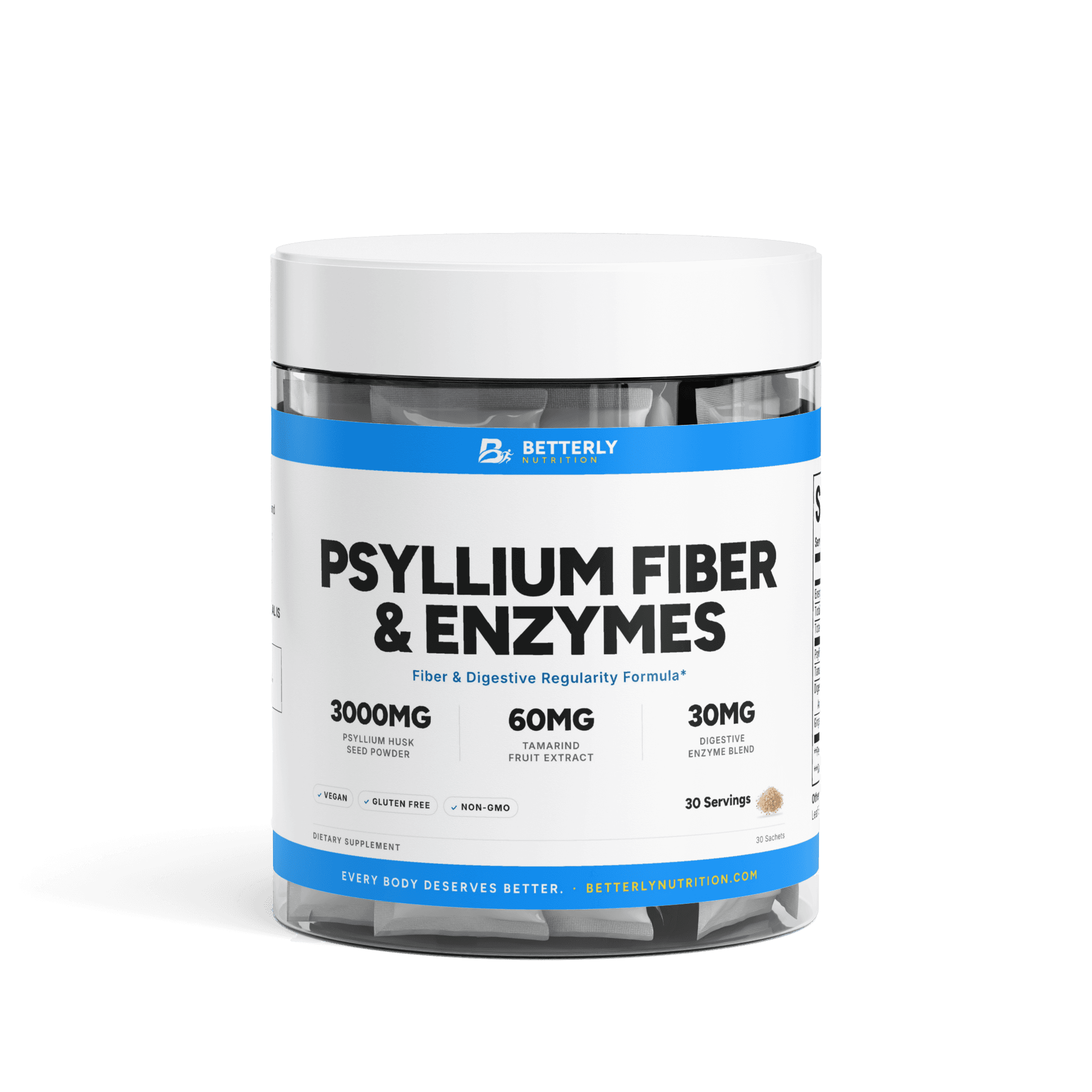
If your real goal is feeling lighter and more regular, daily fiber does more visible work than any botanical. Our Psyllium Fiber & Acai Capsules support digestive regularity, and our digestive support supplements buying guide lays out what fiber, enzymes, ox bile and probiotics can and can't do. If you're weighing formats there too, we've compared psyllium husk capsules vs powder side by side.
If metabolism is the thread you're pulling, berberine is the better-matched botanical: see our Berberine HCl Capsules and our full berberine benefits, dosage, and safety guide. And if what you're actually chasing is steadier energy under everyday stress, an adaptogen like ashwagandha may fit better than anything in the liver aisle.
You can browse this whole corner of the shop in our Gut Health & Digestion collection.
Key takeaways
- Silymarin is the point. It's the flavonolignan complex in milk thistle seeds — silybin chief among them — and it's what a standardized extract concentrates.
- The research is mixed, and that's okay. Antioxidant properties are well documented; human results vary. Calibrate for gentle support of normal liver function, not transformation.
- Form matters more than usual. Silymarin barely dissolves in water, so standardized extract capsules beat tea by a wide margin.
- The label tells you who to trust. A stated silymarin percentage, real milligram amounts, seed extract, no hidden blends.
- Habits carry the load. Food, sleep, movement, and moderation do more for how you feel than any capsule. Milk thistle is support, not a substitute.
FAQ: milk thistle
What is silymarin, exactly?
Silymarin is the collective name for the family of flavonolignan compounds found in milk thistle seeds — including silybin (the most studied), silychristin, silydianin, and isosilybin. When a supplement says "standardized to 80% silymarin," it means the seed extract has been concentrated so that about 80% of it is this compound family.
What are the main milk thistle benefits?
Told honestly: silymarin has well-documented antioxidant properties, and milk thistle may help support normal liver function as part of a healthy routine. Human research is genuinely mixed — some small studies are encouraging, while two NCCIH-funded trials of silymarin showed no benefit — so think of it as gentle background support, not a dramatic fix.
Is milk thistle tea as good as capsules?
Generally, no. Silymarin dissolves poorly in water, so tea captures only a small fraction of what the seeds contain. Tea is a pleasant ritual; a standardized extract capsule is a measurable amount. If you want both, drink the tea and take the capsule.
Can you take milk thistle and turmeric together?
They're a common and sensible pairing — two traditional botanicals studied for antioxidant support, working along different lines. That's why combined formulas exist, including our Milk Thistle & Turmeric Liver Capsules, which pair 300 mg of turmeric powder with 50 mg of milk thistle powder per 2-capsule serving.
How long do people take milk thistle?
Milk thistle is usually taken as a steady daily habit rather than a short course, and there's no set point at which you should expect to notice it. Any effects tend to be subtle rather than something you feel. Follow the suggested use on your product's label, and if you plan to take it long term, mention it to your healthcare provider.
Who should skip milk thistle or ask a doctor first?
Anyone allergic to plants in the daisy family (ragweed, marigolds, chrysanthemums, daisies); anyone taking prescription medication, since some herbs and medicines interact; and anyone pregnant, nursing, under 18, or managing an ongoing health concern. When in doubt, ask — it's a quick conversation with a provider or pharmacist.
Sources
If this left you looking for somewhere to start, read our turmeric and milk thistle liver capsules — its amounts per serving are listed on the page. For the practical questions this raises, how dosing, sourcing and subscriptions work is answered in one place.