On this page
- The short answer: same fiber, different delivery
- A quick refresher: what psyllium actually does
- Where capsules win: taste, travel, and counted doses
- Where powder wins: cost per gram and flexible ramping
- The rule both forms share: a full glass of water
- Does the form change how well psyllium works?
- A quick decision checklist
- Whichever form fits your life: our picks
- FAQ: psyllium husk capsules vs powder
- Sources
If you've already decided psyllium husk deserves a spot in your routine, you've probably hit the fork in the road: psyllium husk capsules vs powder. Here's the honest answer: it's the same fiber either way, and neither form is objectively better. The real question is which one you'll actually take every day, because with fiber, consistency does nearly all of the work.
This guide lays out the genuine trade-offs — taste, cost, travel, dosing — without pretending either format is a breakthrough. By the end, you'll know exactly which side of the fiber aisle fits your life.
The short answer: same fiber, different delivery
Psyllium husk is the outer coating of the Plantago ovata seed. It's a soluble, gel-forming fiber: add water and it swells into a soft gel, which is exactly what it goes on to do inside your digestive tract.
A capsule is simply that same powder sealed in a dissolvable shell. Once the shell breaks down — typically within minutes of reaching your stomach — your body is working with identical material. There is no special capsule-grade psyllium, and no secret potency hiding in loose powder.
So the psyllium husk capsules vs powder question isn't really about which form "works." It's about three very human things:
- Which one will you take consistently?
- Which one does your budget prefer?
- Which texture can you actually live with?
Everything below is those three questions, answered honestly. (If you like this kind of no-winner-declared-unless-one-exists comparison, we did the same thing for magnesium glycinate vs citrate.)
A quick refresher: what psyllium actually does
Before the head-to-head, it's worth being clear-eyed about what you're buying in either format.
Psyllium is one of the better-studied fiber supplements out there. Research suggests its gel-forming nature supports regularity in a refreshingly two-way fashion: the soft gel can lend moisture when things are slow and add form when things are loose. Fiber researchers sometimes describe gel-forming fibers as "normalizers" for exactly this reason.
Psyllium is also largely non-fermented, meaning your gut bacteria mostly leave the gel alone as it passes through. In practice, that's why it tends to sit gentler on the gas front than heavily fermented fibers like inulin — though any new fiber deserves a slow ramp-up, and everyone's system has opinions of its own.
Finally, in two 3-day trials in healthy volunteers, published in the journal Appetite, psyllium taken before breakfast and lunch was linked to feeling fuller between meals.
None of this changes with the container it arrives in. For the bigger picture on how fiber fits into digestion, our plain-English guide to what actually helps your gut is a good companion read.
Where capsules win: taste, travel, and counted doses
The benefits of psyllium husk capsules are all about friction — specifically, removing it.
No texture problem. Stirred into water, psyllium powder starts gelling fast. Wait a minute too long and you're drinking something halfway between a beverage and a pudding. That gritty, thickening texture is the single most common reason people quit psyllium — and capsules erase it completely. You swallow, you drink your water, you're done.
Genuinely portable. No scoop, no shaker bottle, no fine dust settling across the counter. A travel week, a commute, or an office drawer doesn't interrupt the habit — and with fiber, an uninterrupted habit is the entire point.
Pre-counted doses. There's no measuring, leveling, or eyeballing. The serving on the label is the count in your hand, which makes the daily routine nearly thought-free. If your supplements live in a weekly pill organizer, capsules slot right in.
The honest caveat: capsules are small. Across the industry, a typical psyllium capsule holds a fraction of a gram of fiber, so matching a rounded teaspoon of powder means swallowing several capsules, each with plenty of water. If swallowing multiple capsules bothers you, that one drawback outweighs every convenience above — go with powder and don't look back.
Where powder wins: cost per gram and flexible ramping
Powder's case is just as real, and it starts with your wallet.
It's cheaper per gram — usually much cheaper. Encapsulating fiber takes materials and machine time, and you pay for both. If you're aiming at the higher end of typical daily amounts, the per-serving math tilts clearly toward powder. With capsules you're paying for convenience; whether that's worth it is a personal call, not a scientific one.
Fine-grained dosing. With powder, you can start at a half-teaspoon and inch upward over a couple of weeks. That slow ramp matters, because the comfortable way to start any fiber is low and gradual. Capsules can only step up one whole capsule at a time.
It disappears into food. A smoothie, a bowl of oatmeal, a cup of yogurt — powder folds into things you already eat, which some people find easier than remembering a standalone dose.
One canister goes a long way. Less packaging, fewer reorders, more fiber per dollar.
Powder's honest caveat is the gel window: mix it, drink it promptly, and follow with more water. It's a quick task, not a sipping drink. If that little ritual sounds like the thing you'll quietly stop doing by week three, listen to that instinct — it matters more than the price difference.
The rule both forms share: a full glass of water
Whichever you pick, this part is non-negotiable. Psyllium absorbs many times its own weight in water and swells — that's the useful mechanic, and it's why the liquid matters. MedlinePlus says to drink at least 8 ounces (240 milliliters) of liquid when you take psyllium, the same full-glass direction FDA requires on over-the-counter psyllium products.
Capsules deserve extra emphasis here. Because they're so easy to swallow, it's tempting to knock them back with a sip of coffee. Don't. A swelling fiber needs plenty of water to travel comfortably and form its gel where the gel belongs — full glass, every time, no exceptions.
If you simply dislike swallowing pills, that's a legitimate reason to choose powder. But if you have difficulty swallowing in general, talk with your doctor before taking psyllium in any form: FDA requires over-the-counter psyllium products to warn that, taken without enough liquid, they may swell and cause choking, and that people with difficulty swallowing should not take them.
Three more plain-English notes while we're being careful:
- Give medications some space. Psyllium's gel can slow how some medications absorb. MedlinePlus says not to take some medicines, including digoxin, aspirin and nitrofurantoin, within 3 hours of taking psyllium. Ask your pharmacist how far apart to space psyllium from everything on your list.
- Hydrate normally through the day. More fiber plus too little fluid is the classic recipe for feeling bloated and stuck. Water is half the supplement.
- Check with a healthcare provider first if you're pregnant or nursing, under 18, taking any medication, or managing a medical condition; those cautions come straight from our capsule and powder labels.
Does the form change how well psyllium works?
This is the question behind the question — "are psyllium husk capsules as effective as powder?" — and it deserves a straight answer instead of a shrug.
Here's what the research picture actually looks like: studies on psyllium measure it in grams per day. They aren't studies of capsules versus powder; they're studies of psyllium, full stop. In those studies, the variables that matter are the daily total and how consistently people take it.
Mechanically, there's one small difference between formats: powder starts hydrating in the glass, while capsules start a few minutes later, once the shell dissolves in your stomach. We haven't seen good evidence that this delay changes anything meaningful. Your digestive tract is a wet environment; the gel forms either way.
So the effectiveness math is simple and slightly unglamorous: match the grams, and you've matched the fiber. The best form of psyllium husk is whichever one gets a full, consistent serving into you — which means reading your label and counting honestly, whichever format you buy.
A quick decision checklist
Pick capsules if:
- The gritty-gel texture has made you quit powder before (or you know yourself well enough to predict it).
- You travel or commute, or you want doses that live in a bag or desk drawer.
- You want a pre-counted, zero-prep routine you'll actually keep.
- Swallowing a few capsules with a big glass of water doesn't faze you.
Pick powder if:
- Cost per gram of fiber is your top priority.
- You want fine control while ramping up gradually.
- You already make a daily smoothie or bowl of oatmeal it can vanish into.
- You'd rather sip once than swallow several capsules.
Either way: full glass of water, start low, and stay consistent. If you're not sure where in the day fiber fits best, our companion piece on when to take fiber supplements walks through the morning-versus-night question in the same plain language.
Whichever form fits your life: our picks
We'll be upfront: we sell both formats in this comparison, and we still wrote the honest version above. Powder genuinely wins on cost and flexible ramping.
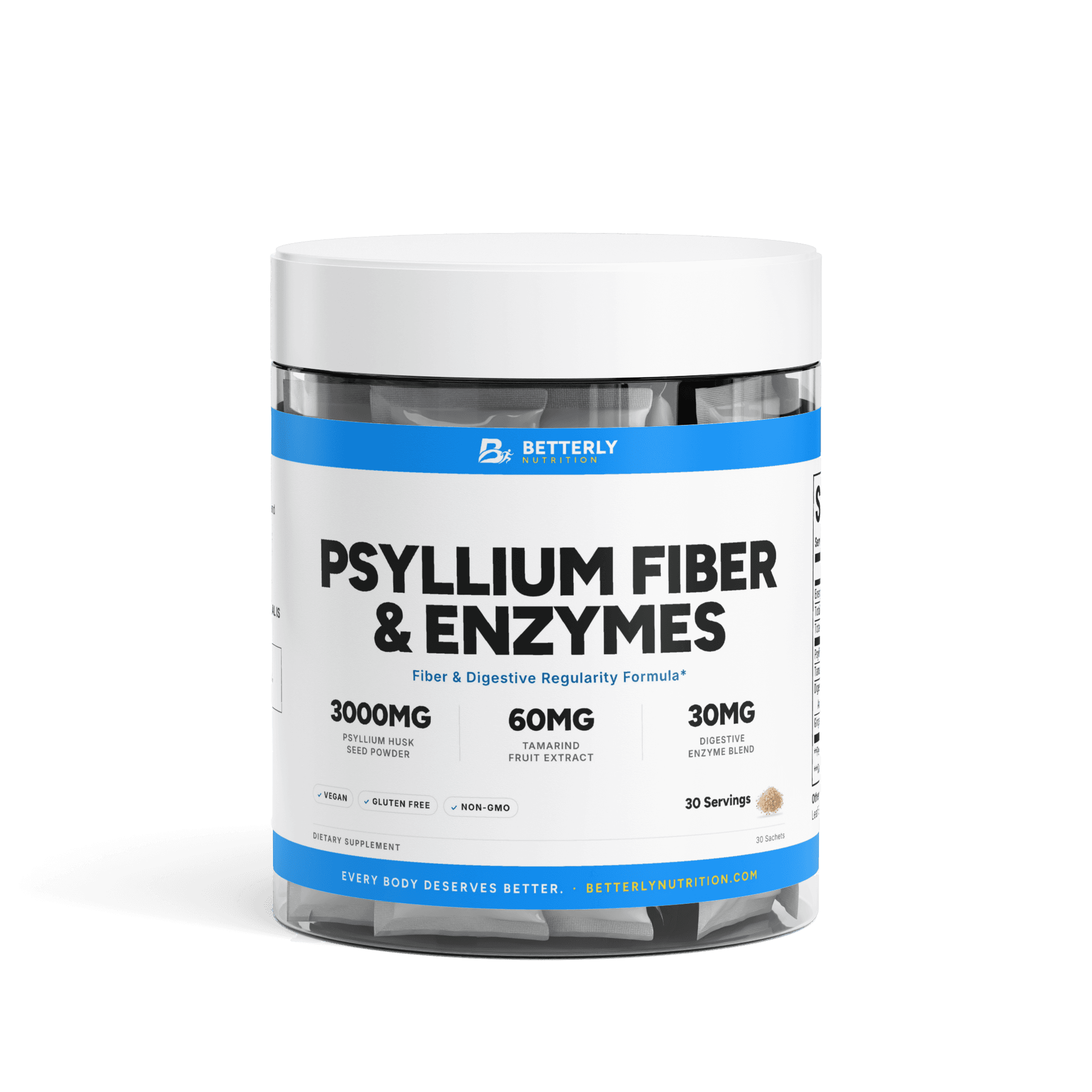
If you'd rather take powder, our Psyllium Fiber & Digestive Enzyme Powder provides 3,000 mg psyllium husk seed powder per 1-sachet serving, alongside tamarind fruit extract, a digestive enzyme blend and ginger root extract, in 30 sachets. The label's suggested use is: "Mix 1 sachet with 6.8 fl oz (200 mL) of water and consume immediately. Take 1–2 times daily, away from meals." Its caution reads: "Do not exceed recommended dose. Not intended for children under 12. Consult a physician before use or if taking medication; take at least 2 hours apart." For fine-grained ramping, any plain psyllium powder from a reputable brand works too, as long as you take it consistently.
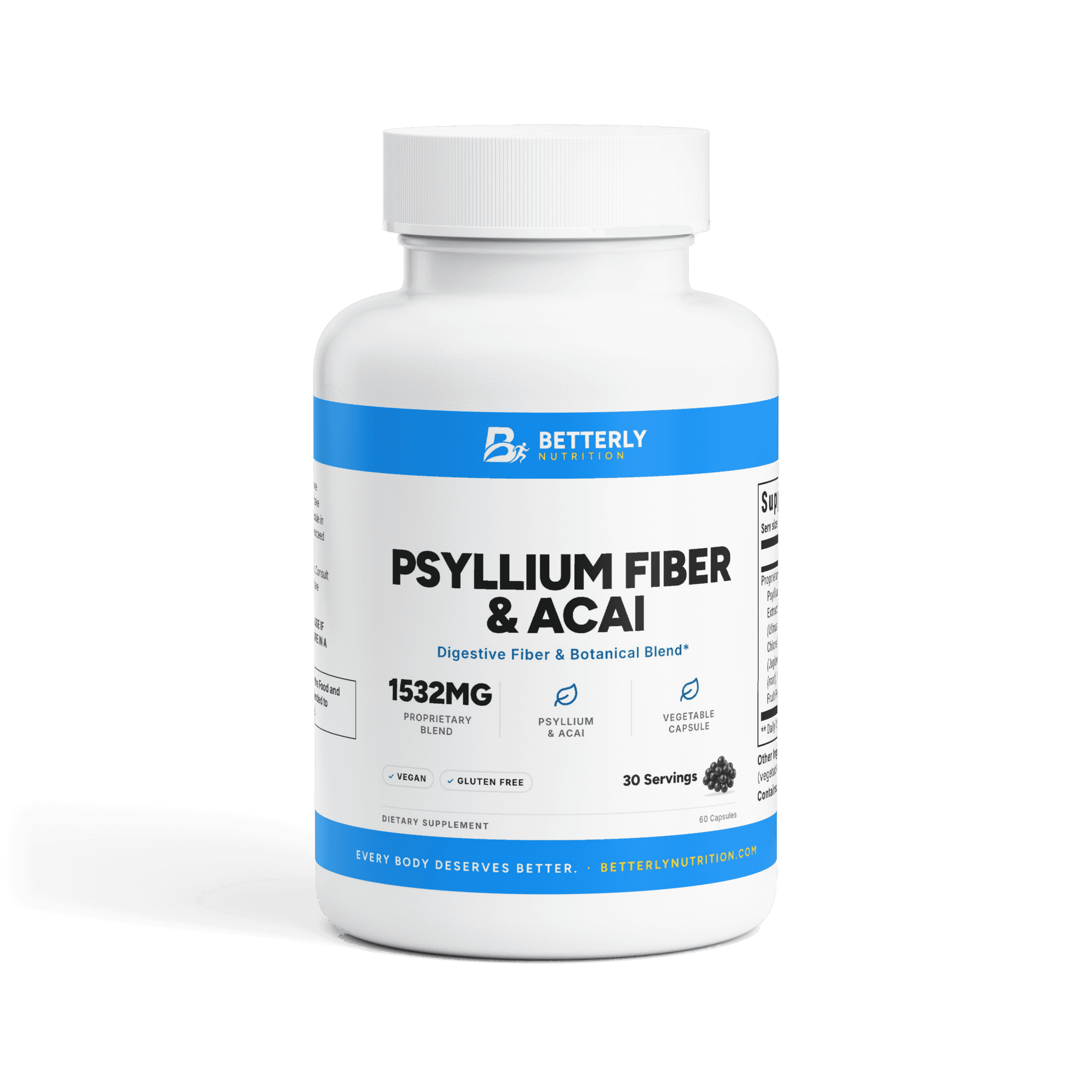
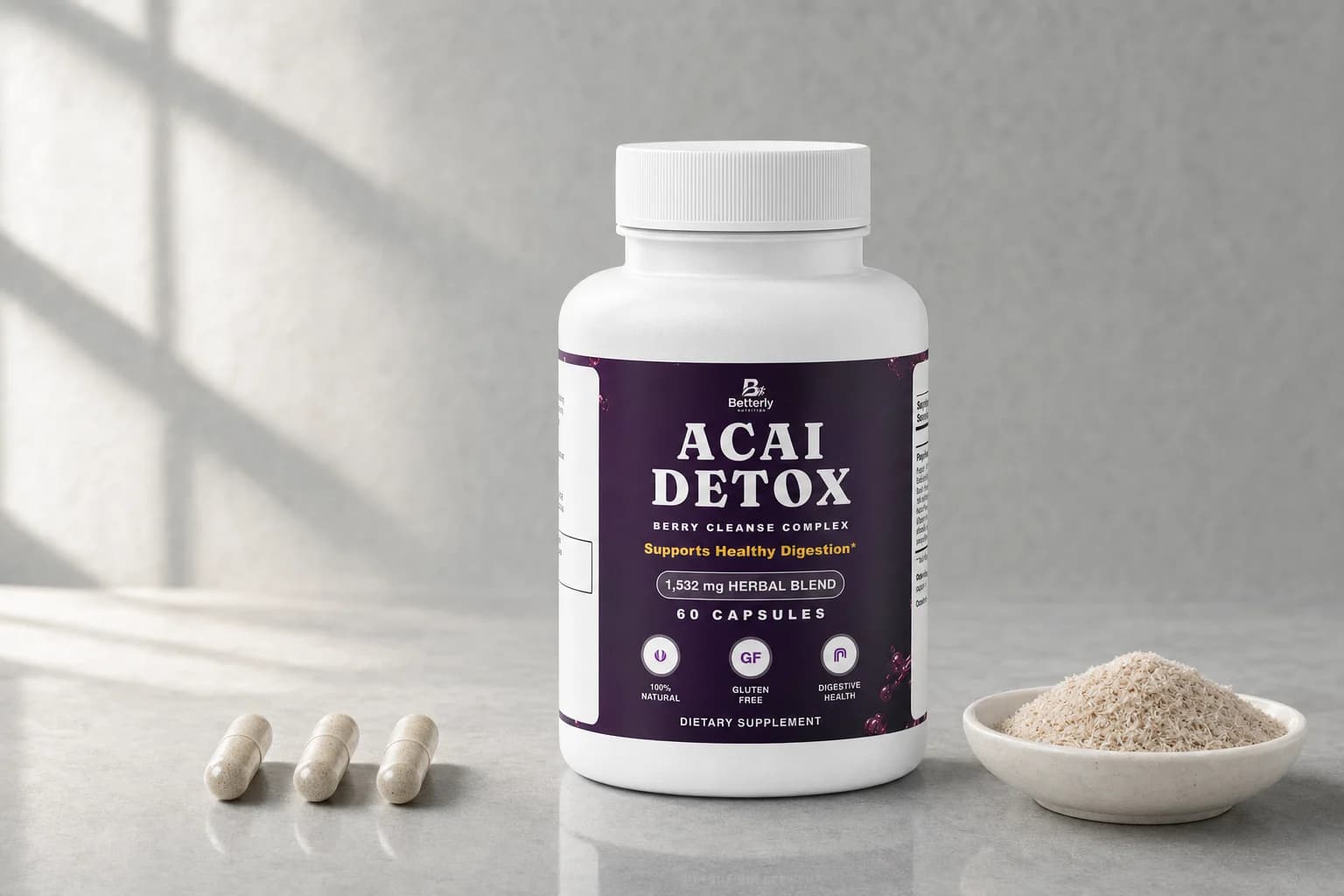
If capsules fit your life better, our Psyllium Fiber & Acai Capsules are the format done simply: a psyllium-led herbal blend in 60 vegetable capsules, made to support digestive regularity. The label's suggested use is two capsules a day, one during the day and one in the evening, and it says "Do not exceed two capsules per day," so it isn't a way to reach a multi-gram psyllium dose.
One honest note: the label is a 1,532 mg blend per 2-capsule serving, psyllium and acai up front with botanicals like inulin, slippery elm, ginger and aloe ferox behind them, rather than a solo-psyllium capsule with a printed fiber count. The label also lists black walnut hull and carries the statement "Contains: Tree Nuts (Black Walnut Hull)." The inulin in that blend is the more fermentable fiber mentioned above. The full panel is on the product page where you can read it before you buy; if you want a known number of grams per dose, powder is the format that gives you that.
The capsules sit in our Gut Health & Digestion collection next to our Milk Thistle & Turmeric Liver Capsules — and if you're weighing that whole category with the same skepticism you brought to this article, good. Our guide to choosing a fiber supplement for regularity applies this same no-hype standard to the rest of the fiber aisle.
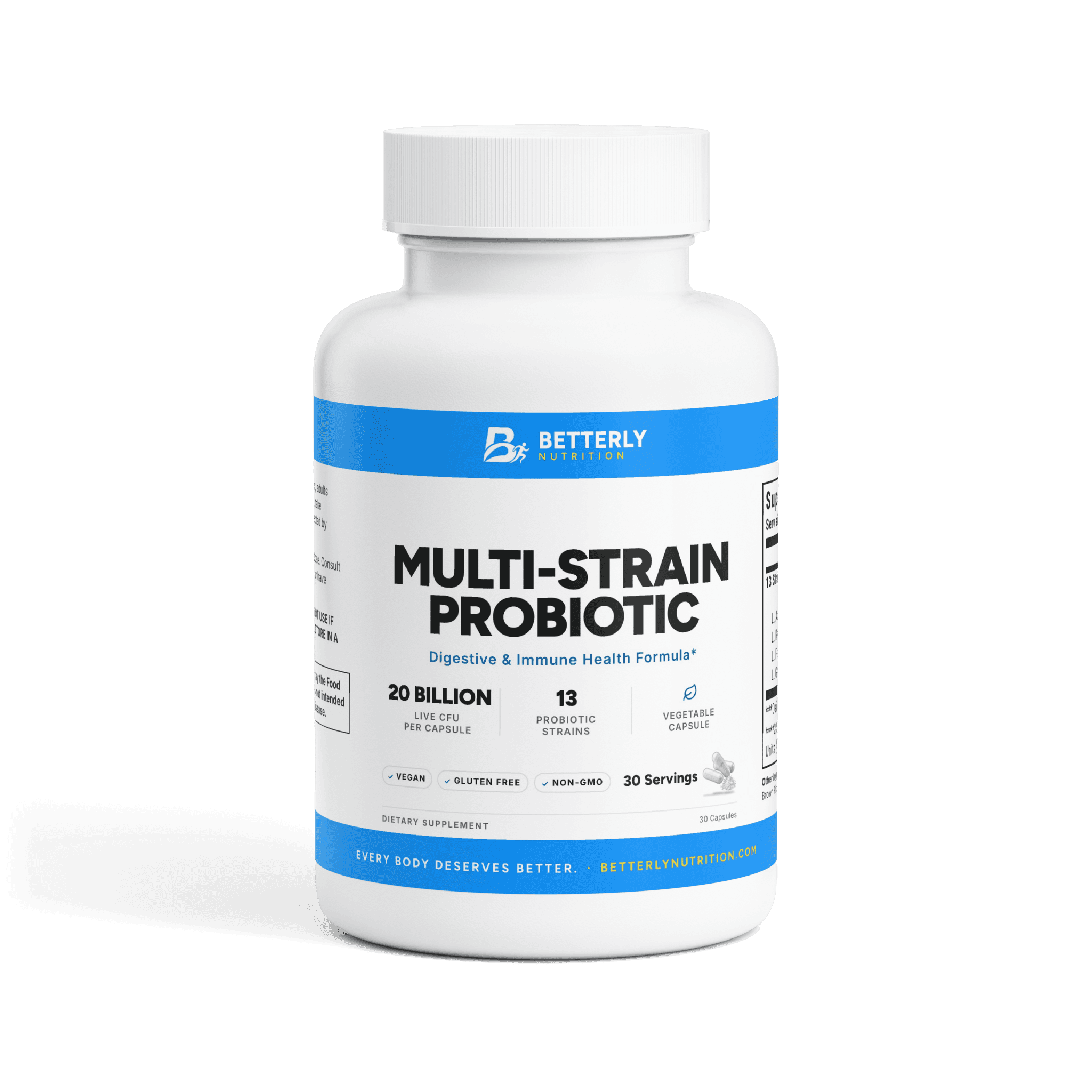
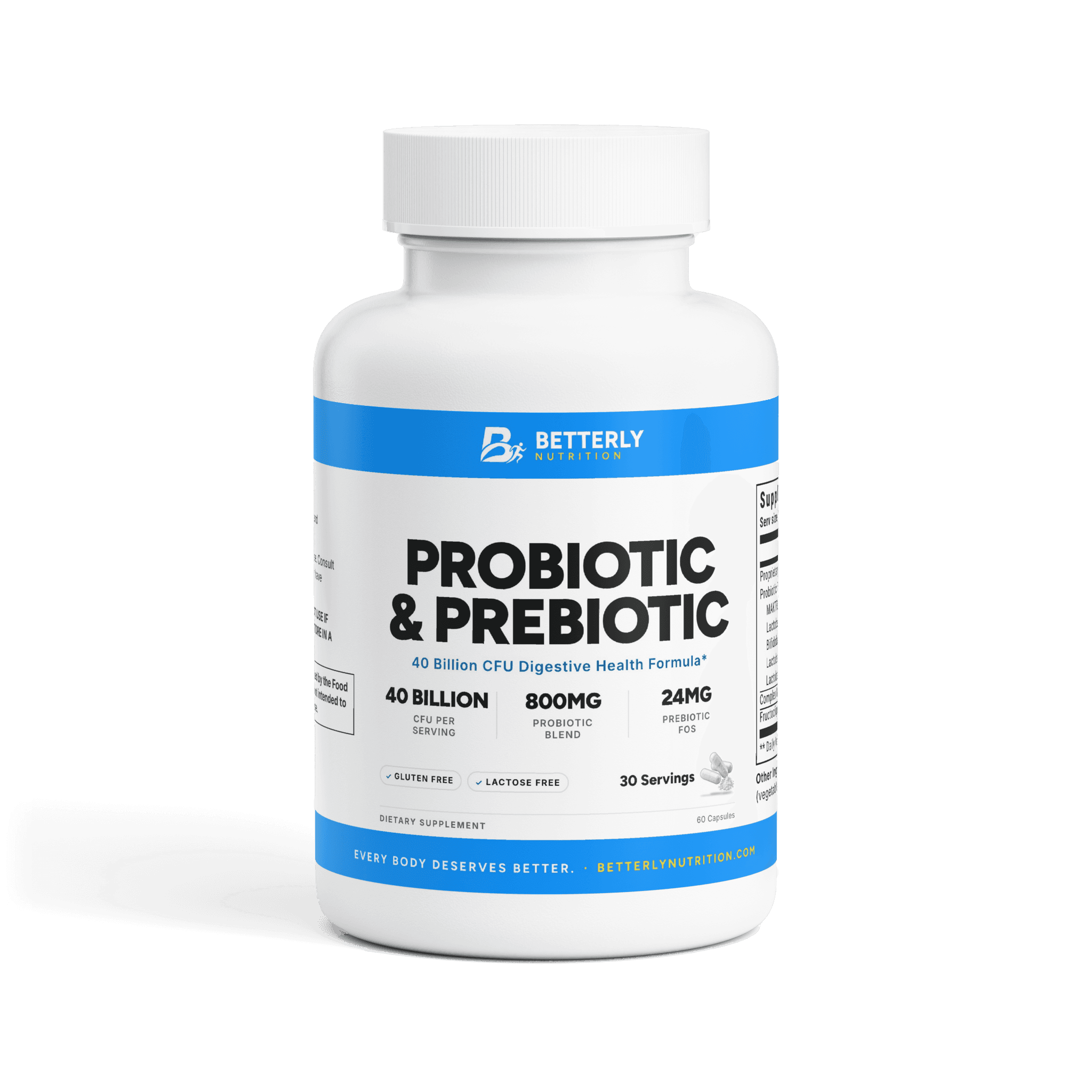
And if fiber is step one of a broader gut routine, you might also look at our Apple Cider Vinegar & Probiotic Capsules or a daily scoop of Barley Grass & Spirulina Greens Powder. If probiotics are on your list, our guide to choosing a probiotic covers that decision with the same honesty.
FAQ: psyllium husk capsules vs powder
Are psyllium husk capsules as effective as powder?
Gram for gram, yes. Research doses psyllium by weight, not by format, and the gel forms in your digestive tract either way. The catch is honest counting: capsules are small, so check how many make up a full serving on your label — and take that full serving with a full glass of water.
How many psyllium capsules should you take with water?
Follow your specific product's label, because capsule sizes vary between brands. Two things are universal: start at the low end and ramp up over a week or two, and take every dose with a full 8-ounce glass of water. If your daily target means more capsules than you're comfortable swallowing, that's your sign that powder is your form.
Can you open psyllium capsules and mix the powder into water?
Mechanically, usually yes — but consider what you've just done: paid capsule prices for powder, and re-created the exact texture you probably bought capsules to avoid. If you find yourself doing this regularly, switch to a powder and pocket the savings.
Do psyllium capsules cause gas and bloating?
Psyllium is largely non-fermented, so it tends to produce less gas than heavily fermented fibers — and that's true in either format. Any meaningful jump in fiber can still feel like an adjustment, though. Ramp up gradually, drink plenty of water, and give your system a week or two to settle in.
When is the best time to take psyllium?
Whenever you'll consistently remember it, because with fiber, consistency beats clock time. Within that, follow your product's label: our Psyllium Fiber & Acai Capsules label says one capsule during the day and one in the evening, and our Psyllium Fiber & Digestive Enzyme Powder label says 1–2 times daily, away from meals. Ask your pharmacist how far to space it from any medications (MedlinePlus says at least 3 hours for some, including digoxin, aspirin and nitrofurantoin), and never skip the water.
Sources
- Psyllium: MedlinePlus Drug Information (MedlinePlus)
- 21 CFR 201.319, required warnings and directions for water-soluble gums, hydrophilic gums and hydrophilic mucilloids, including psyllium
- McRorie JW Jr, McKeown NM. "Understanding the Physics of Functional Fibers in the Gastrointestinal Tract." J Acad Nutr Diet. 2017;117(2):251-264
- Brum JM, et al. "Satiety effects of psyllium in healthy volunteers." Appetite. 2016;105:27-36
If this left you looking for somewhere to start, read psyllium and acai fiber capsules — its amounts per serving are listed on the page. For the practical questions this raises, how dosing, sourcing and subscriptions work is answered in one place.