On this page
- The short answer: consistency beats clock time
- Morning fiber: what it suits
- Evening fiber: what changes
- Fiber capsules, morning or night: does the format change the answer?
- The water rule (please don't skip this one)
- How to start taking fiber without the bloat
- Timing fiber around meals, coffee, medications, and other supplements
- A simple two-week starter routine
- Who should check with a healthcare provider first
- FAQ: fiber supplement timing
- Sources
Morning or night? Before breakfast or after dinner? If you've been searching for when to take fiber supplements, you've probably found a dozen confident answers that all contradict each other. Here's the honest one: the clock matters far less than consistency and water. But morning and evening doses do suit different routines, and there are a few timing rules — mostly around water and medications — that genuinely matter. This guide covers all of it in plain English.
The short answer: consistency beats clock time
A fiber supplement isn't like caffeine. There's no kick, no peak, no window you're trying to hit. Gel-forming soluble fiber — psyllium is the classic example — works by absorbing water and forming a soft gel that adds gentle bulk and keeps things moving through your system at a steadier pace. That process plays out over hours and days, not minutes.
That's why the timing question is refreshingly boring. Fiber works through steady daily use, and there's little reason to think the exact hour matters much.
Ask ten websites when to take fiber supplements and you'll get ten schedules. The parts worth being firm about are simpler: take it every day, with plenty of water.
So the genuinely best time is the time you'll actually remember. Anchor your dose to something you already do daily — breakfast, dinner, brushing your teeth — and stop optimizing. A mediocre time you hit every day beats a perfect time you hit twice a week.
With that settled, morning and evening do feel different in practice. Here's how to choose your anchor.
Morning fiber: what it suits
Taking fiber in the morning has three practical advantages:
- It's the stickiest habit anchor. Mornings are the most routinized part of most people's day. If your fiber lives next to the coffee maker, you'll rarely miss a dose — and with fiber, not missing doses is the whole game.
- It pairs naturally with meals. If breakfast is a meal you never skip, a dose with or just before it is a sensible spot for your fiber.
- You have the whole day to hydrate. Fiber works with water (much more on that below), and it's easier to drink steadily across a day than to catch up at 10 p.m.
The tradeoff: if you're brand new to fiber, your gut's adjustment period — a bit of gurgling, a bit of gas — happens during your workday. The starting plan below walks through it, but it's worth knowing going in.
Evening fiber: what changes
An evening dose is just as legitimate, and some people genuinely prefer it:
- Dinner is the other reliable anchor. If your mornings are chaos, don't fight your own life. A dose with dinner is easy to remember and rides along with what's usually the biggest meal of the day.
- Some people like the rhythm. Fiber taken in the evening finishes its slow trip overnight, and some people find it lines up nicely with an unhurried morning bathroom routine. Bodies vary a lot here — consider it an experiment worth two weeks, not a promise.
- Any adjustment noise happens at home. If early doses make your gut talkative, evenings are more forgiving than a 10 a.m. meeting.
Two watch-outs. First, take an evening dose with a real glass of water, not a sip on the way to bed — fiber should never be a dry-mouth afterthought. Second, if you take evening medications, read the spacing section below before you stack everything at 9 p.m.
Fiber capsules, morning or night: does the format change the answer?
No — capsules follow the same logic as powder. Consistency first, water always. But since so many timing questions come from capsule users, here's how to take fiber capsules well:
- Take the full serving listed on the label. Capsules hold far less fiber per unit than a scoop of powder, which is why a serving is often several capsules. That's not a flaw, just how the format works.
- Use a full glass of water, every time. Dry-swallowing a handful of fiber capsules at your desk is the single worst way to take them.
- Let them ride along with a meal. Breakfast or dinner is the natural home for a capsule serving.
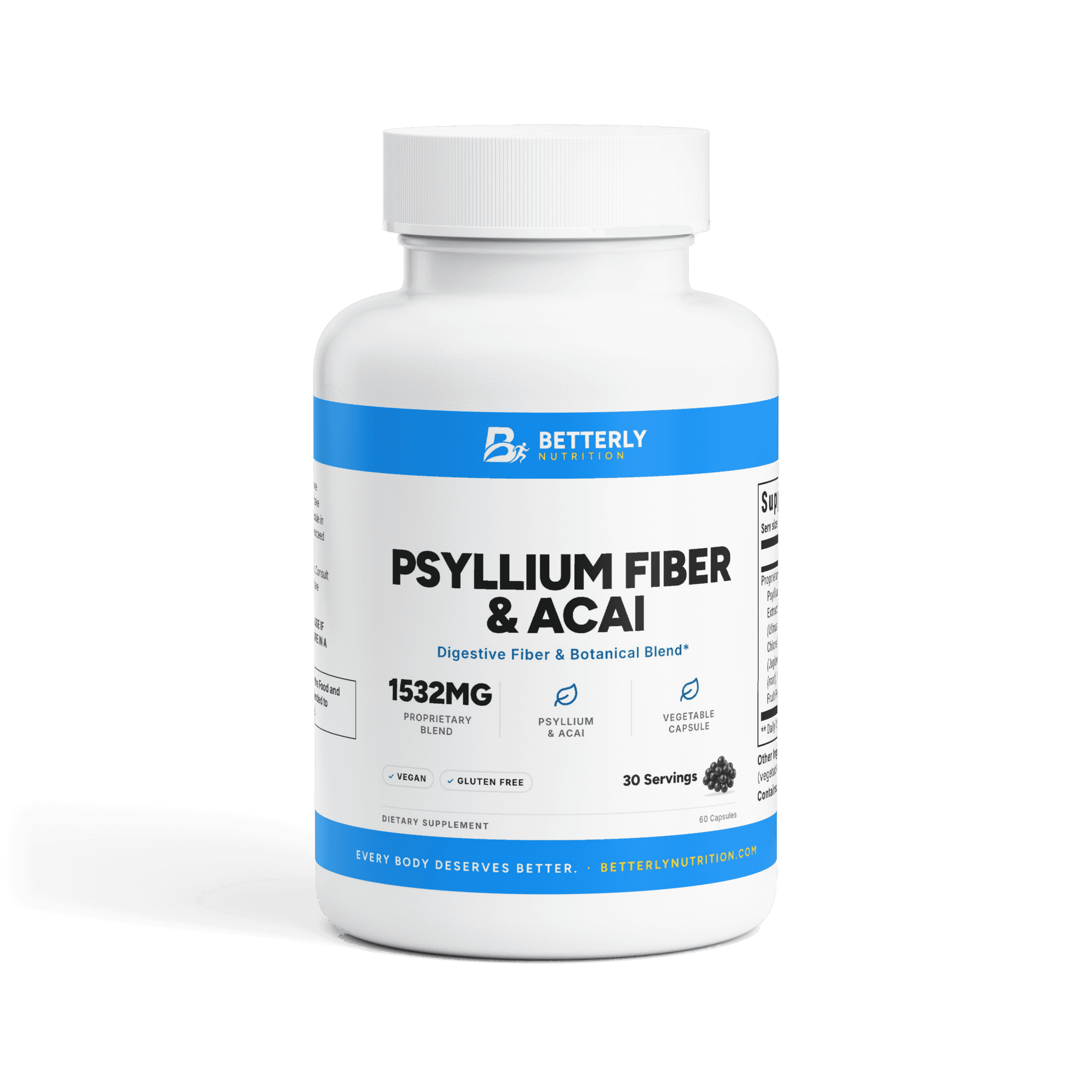
The real advantage of capsules is that they're graceful: no gritty shaker cup, no planning your day around mixing a drink, easy to pack. Our Psyllium Fiber & Acai Capsules are built for exactly this: a psyllium-led herbal blend with acai in 60 vegetable capsules, made to support digestive regularity, with the full supplement facts printed plainly on the product page. The blend also includes inulin, aloe ferox leaf powder and black walnut hull, and it contains tree nuts (black walnut hull).
Psyllium Fiber & Acai Capsules hold a 1,532 mg botanical blend per 2-capsule serving, not plain psyllium. The label's suggested use is two capsules once a day, and for best results it suggests one capsule during the day and one in the evening, with no more than two capsules a day. If you're still weighing formats, our companion piece Psyllium Husk Capsules vs Powder walks through the honest tradeoffs of each.
The water rule (please don't skip this one)
If you remember one thing from this article, make it this: fiber without water doesn't work — and can feel actively bad.
How much water with fiber supplements? According to MedlinePlus, drink at least 8 ounces (240 mL) of liquid with every dose of psyllium. That's on top of your normal drinking through the day, and it's not a nice-to-have. Gel-forming fiber absorbs many times its own weight in water, and that swelling into a soft gel is the entire mechanism. Give it water and it becomes the gentle, bulking gel you bought it for. Skimp, and the same fiber can sit heavy, feel uncomfortable, and slow things down instead of supporting them.
The practical version of the rule:
- Pour the water first. Full glass, then capsules.
- Finish the glass. Not two polite sips.
- Keep drinking normally through the day. Total daily fluid matters as much as the glass at dose time.
- If plain water bores you, that's solvable. Our guide Electrolytes 101 covers when a hydration boost genuinely helps and when water alone is plenty.
How to start taking fiber without the bloat
Here's the part most labels skip. When you add fiber, the trillions of bacteria in your gut notice immediately — new fermentable material has arrived, and fermentation makes gas. That's the bloat people quit over.
One honest note before the plan: how much adjustment you notice varies from person to person, so don't measure yourself against anyone else's experience.
If you're wondering how to start taking fiber without bloating, start with the basics:
- Start with the label's suggested use. Take the serving the label lists, at the times it suggests. There's no prize for rushing, and no reason to take more.
- One dose, same time, every day. Don't double up to "catch up" after a missed day.
- Full glass of water, every time. Under-watered fiber is a major source of that heavy, bloated feeling.
- Move a little. A short daily walk genuinely helps things keep moving.
If you ever feel sharp or persistent discomfort rather than mild adjustment noise, stop and talk to a healthcare provider — that's not something to push through.
And if you've quit fiber before because of the bloat: you didn't fail. Label serving, full glass, same time each day, and try again.
Timing fiber around meals, coffee, medications, and other supplements
This is where timing genuinely earns some rules.
Meals. With a meal, or shortly before one, is the most natural home for fiber. Meals are already a daily habit, which makes them an easy anchor. There's no need to be precise — "with breakfast" or "with dinner" is plenty.
Coffee. Coffee is fine. But coffee is not your dose water — the full glass still applies, and a cup of hot coffee is a poor substitute for it.
Medications. This one matters most. The same gel that supports regularity can slow or bind some medicines in your gut, which may change how much of a dose your body actually absorbs. MedlinePlus says some medicines shouldn't be taken within 3 hours of psyllium, so ask your pharmacist how far apart to space yours. If you take anything prescription, especially something your provider keeps a close eye on, have that check done before you start. It's a two-minute conversation and it's free.
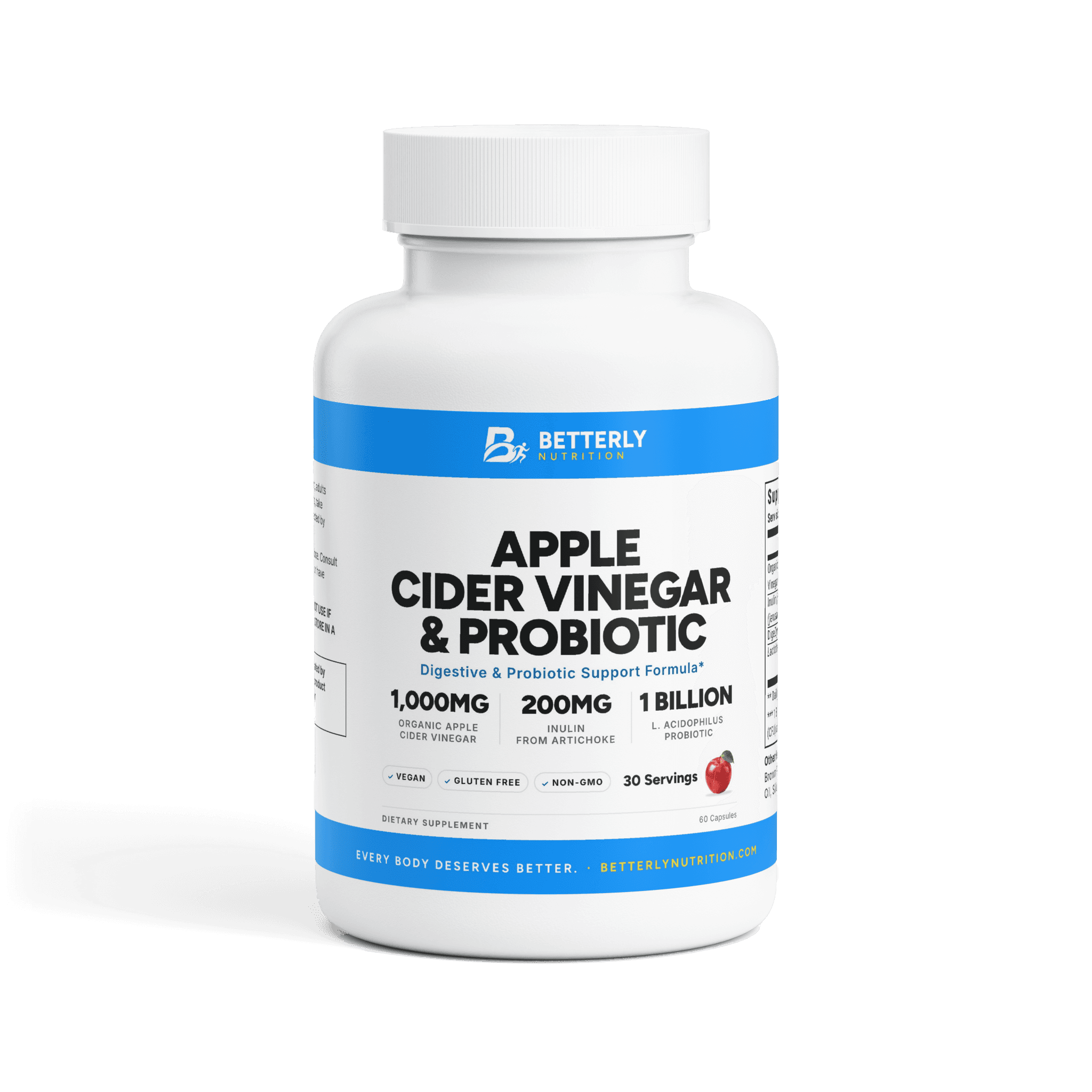
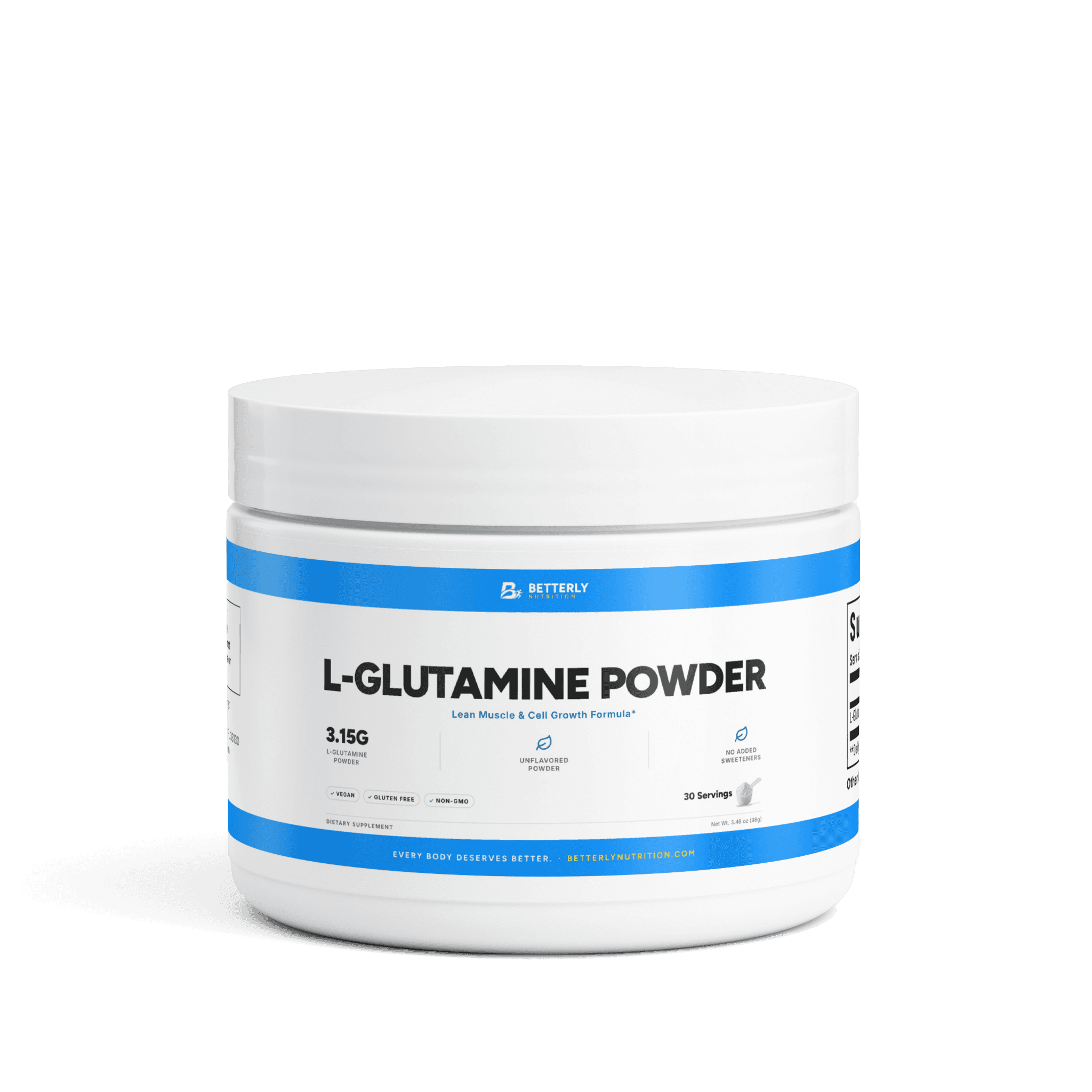
Other supplements. The same logic applies loosely here, so ask your pharmacist whether your minerals need spacing too. The easy pattern: fiber with one meal, your multivitamin or minerals with another. A probiotic, on the other hand, pairs conceptually well with a fiber habit — fiber is, loosely speaking, what your gut bacteria feed on — and something like our Apple Cider Vinegar & Probiotic Capsules slots into a different mealtime without any fuss. If you're building a broader gut routine, some people also add our L-Glutamine Powder, which has 3.15 g of L-glutamine per 1 scoop (3.3 g) serving. Our Gut Health Basics guide covers what's actually worth your money there.
One more honest clarification while we're here: a greens powder is not a fiber supplement. Our Barley Grass & Spirulina Greens Powder covers different ground, with barley grass, spirulina and 20+ plant ingredients in all for everyday nutrition support, but it won't do what a dedicated psyllium serving does. Plenty of people take both. Just don't count one as the other.
A simple two-week starter routine
Here's the whole article condensed into a plan you can actually follow:
Days 1–7
- Pick one anchor: breakfast or dinner, whichever you never skip.
- Take the serving listed on the label, with at least 8 ounces of water.
- Keep your normal fluids going through the rest of the day.
Days 8–14
- Keep the same serving, same anchor, same full glass.
- Notice how things feel. Bodies vary, so there's no set week when changes should show up.
- Anything sharp or persistent? Stop and check with a healthcare provider.
After week two
- You now have the only fiber schedule that matters: yours. Keep it boring and keep it daily.
- If routines like this tend to slip through your fingers, our guide to building a simple supplement routine tackles exactly that problem.
The honest answer to when to take fiber supplements was never really about the clock — it's about picking an anchor, adding water, and repeating. If you want a place to start, our Psyllium Fiber & Acai Capsules are a psyllium and acai capsule blend made to support digestive regularity, and you'll find them in our Gut Health & Digestion collection. Still deciding whether a fiber supplement is for you at all? Our guide to fiber supplements for regularity lays out what they can and can't do.
Who should check with a healthcare provider first
Check with a healthcare provider before starting a fiber supplement if you're pregnant or nursing, under 18, taking any prescription medication, or managing a medical condition. The label on our Psyllium Fiber & Acai Capsules says: "Do not exceed recommended dose. Consult a physician if pregnant, nursing, under 18, or have a medical condition." The blend contains tree nuts (black walnut hull).
According to MedlinePlus, tell your doctor before taking psyllium if you have ever had difficulty swallowing, and call your doctor right away if you have difficulty swallowing or breathing after taking it.
FAQ: fiber supplement timing
Is it better to take fiber supplements in the morning or at night?
Neither time wins for fiber supplements; consistency matters far more than the clock. Morning suits people who want a rock-solid habit anchor at breakfast, while evening suits chaotic mornings and lets any adjustment noise happen at home. Pick the one you'll repeat every day.
What's the best time to take psyllium husk?
Same answer, with one nuance: psyllium forms its gel over the hours after you take it, so pairing it with a meal — whichever meal you never skip — is the most natural fit. The best time to take psyllium husk is, boringly, the same time every day, with a full glass of water.
How much water should I drink with a fiber supplement?
At least 8 ounces (240 mL) of liquid with every dose of psyllium, according to MedlinePlus. Keep your normal fluids going through the day as well. Water isn't optional with gel-forming fiber: the gel it forms with water is literally how it works, and skimping is the fastest route to an uncomfortable experience.
Can I take fiber capsules on an empty stomach?
Yes, you can take fiber capsules on an empty stomach, as long as the full glass of water comes with them, but there's rarely a reason to. With or just before a meal is more comfortable for most stomachs and easier to remember.
How long does it take for a fiber supplement to work?
A fiber supplement such as psyllium has no set timeline, because bodies vary. What matters is steady daily use at the label's suggested serving. MedlinePlus advises at least 8 ounces (240 mL) of liquid each time you take psyllium. If you have questions about your own regularity, a healthcare provider is the right person to ask.
Can I take fiber at the same time as my medications or multivitamin?
No, it's best to space them out. MedlinePlus says some medicines shouldn't be taken within 3 hours of psyllium, so ask your pharmacist how far apart to space your fiber, your medications and your multivitamin or minerals. If you take any prescription medication, that quick check with your pharmacist or healthcare provider is worth the two minutes.
Sources
- Psyllium, MedlinePlus Drug Information
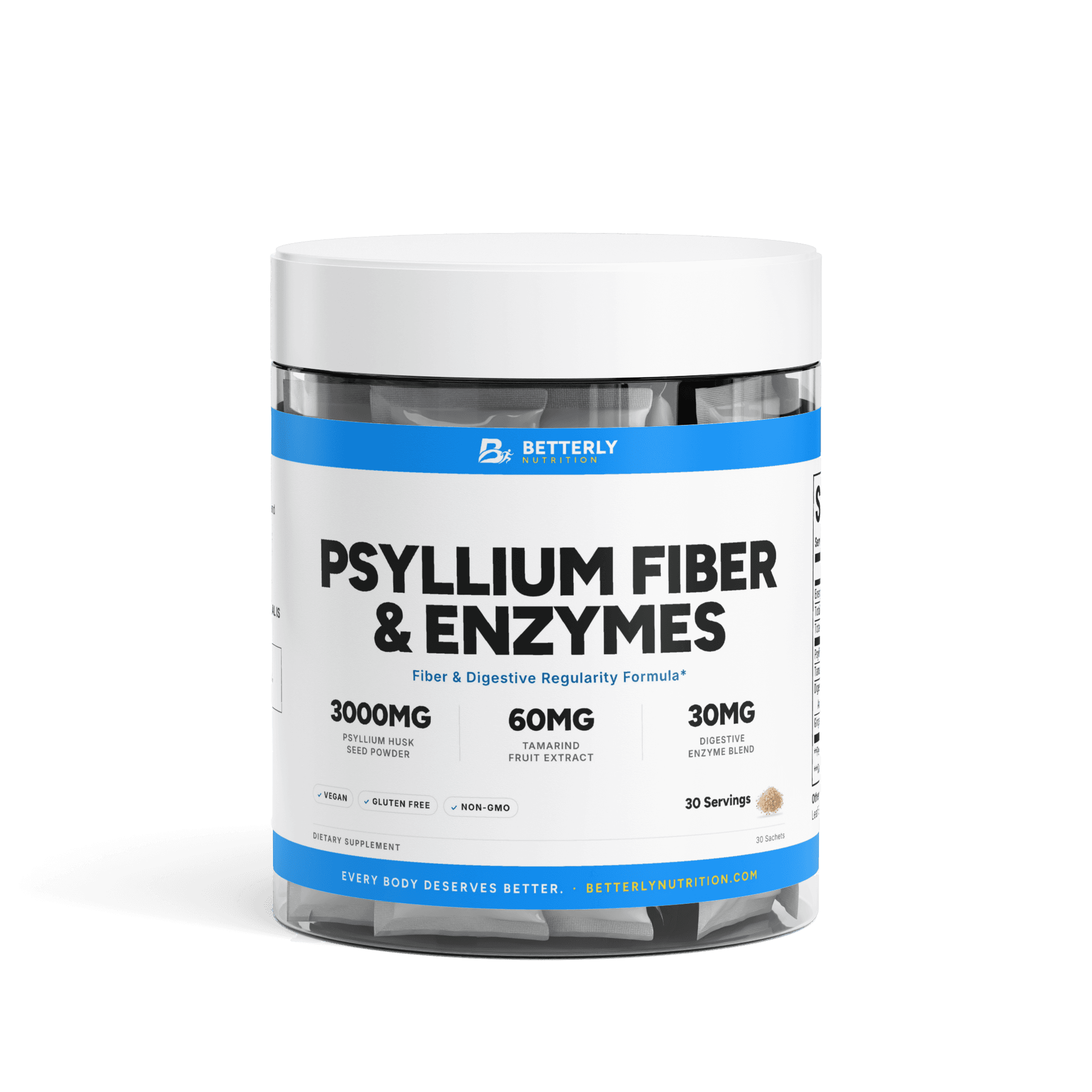
If this left you looking for somewhere to start, read psyllium fiber sachets you take away from meals — its amounts per serving are listed on the page. For the practical questions this raises, how dosing, sourcing and subscriptions work is answered in one place.