On this page
- What's actually in an apple cider vinegar capsule
- Capsules vs. the liquid shot: why format changes the routine
- So when should you take apple cider vinegar capsules?
- Apple cider vinegar capsules on an empty stomach: fine or not?
- Taking apple cider vinegar and probiotics together
- Building an apple cider vinegar capsule routine that sticks
- Common mistakes to skip
- How should you judge your routine?
- FAQ: apple cider vinegar capsules
- Sources
Apple cider vinegar spent centuries as a kitchen staple before it became a daily supplement, and the classic way to take it — a straight shot in water — is a hard sell: sharp on the tongue, rough on tooth enamel, easy to abandon by Thursday. Capsules fixed most of that, but they raised a new question: when to take apple cider vinegar capsules so they actually fit your day. Here's the short, honest answer up front — with a meal, at the same time every day — and the reasoning behind it, including what changes when your capsule also contains a probiotic.
What's actually in an apple cider vinegar capsule
Apple cider vinegar starts as apple juice. Yeast ferments the juice's sugars into alcohol, then bacteria ferment that alcohol into acetic acid — the compound that gives vinegar its bite, and the one researchers are usually measuring when they study vinegar at all.
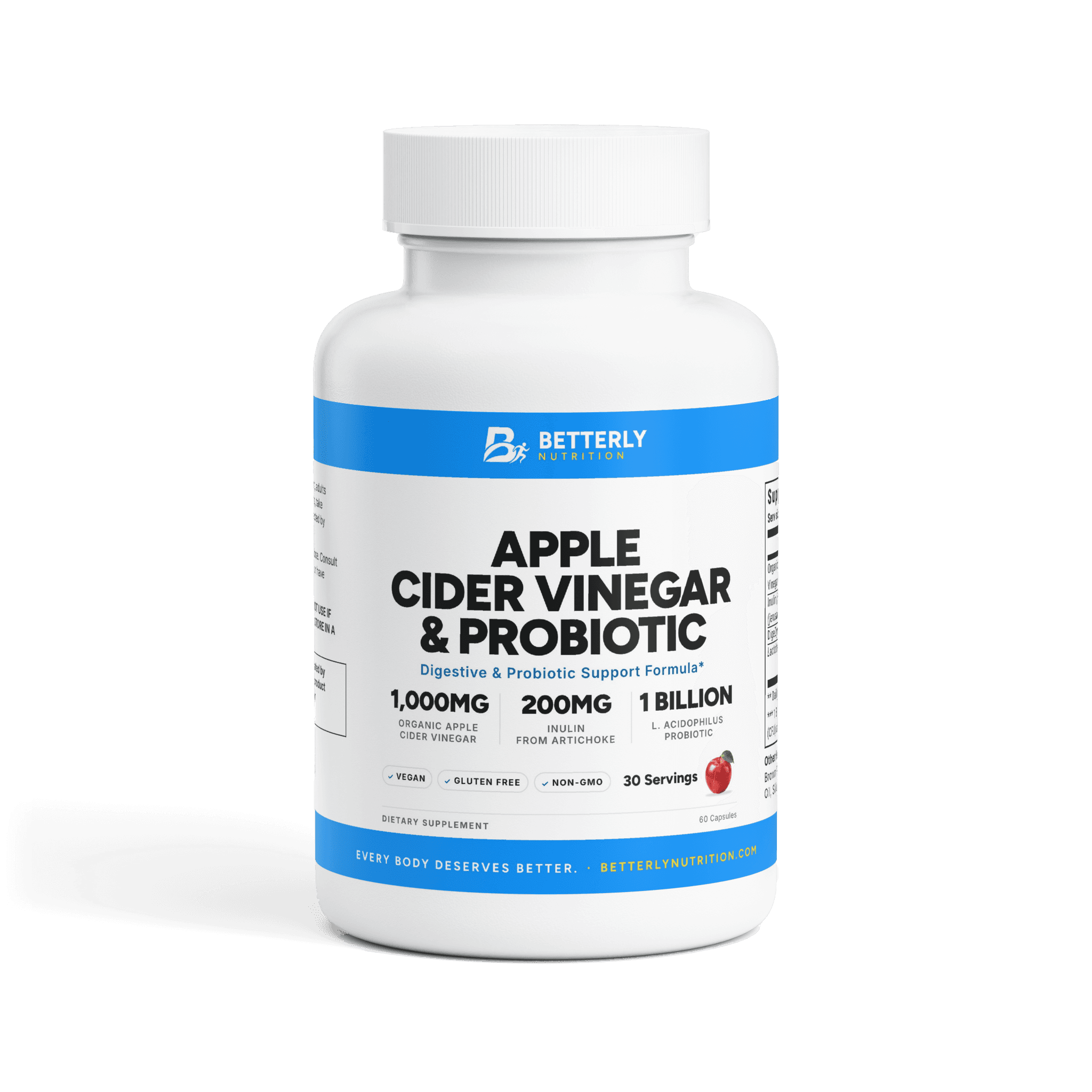
Liquid apple cider vinegar is mostly water plus roughly 5% acetic acid. A capsule takes that vinegar, dries it into a concentrated powder, and seals a measured amount inside a shell. Some products stop there. Others add companion ingredients — our Apple Cider Vinegar & Probiotic Capsules pair 1,000 mg of organic apple cider vinegar powder with a probiotic (Lactobacillus acidophilus LA85, 1 billion CFU at the time of manufacture), plus inulin and DigeZyme®, per 2-capsule serving, which changes the timing question in a useful way. More on that below.
Two label notes worth knowing before we get to timing:
- Amounts vary widely between brands. There's no standard serving of vinegar powder, so read the label instead of assuming one brand's capsule matches another's.
- "The mother" is not magic. Those cloudy strands in raw vinegar are leftover yeast and bacteria from fermentation. Some powders retain traces of it, some don't, and research hasn't shown it to be the deciding factor either way.
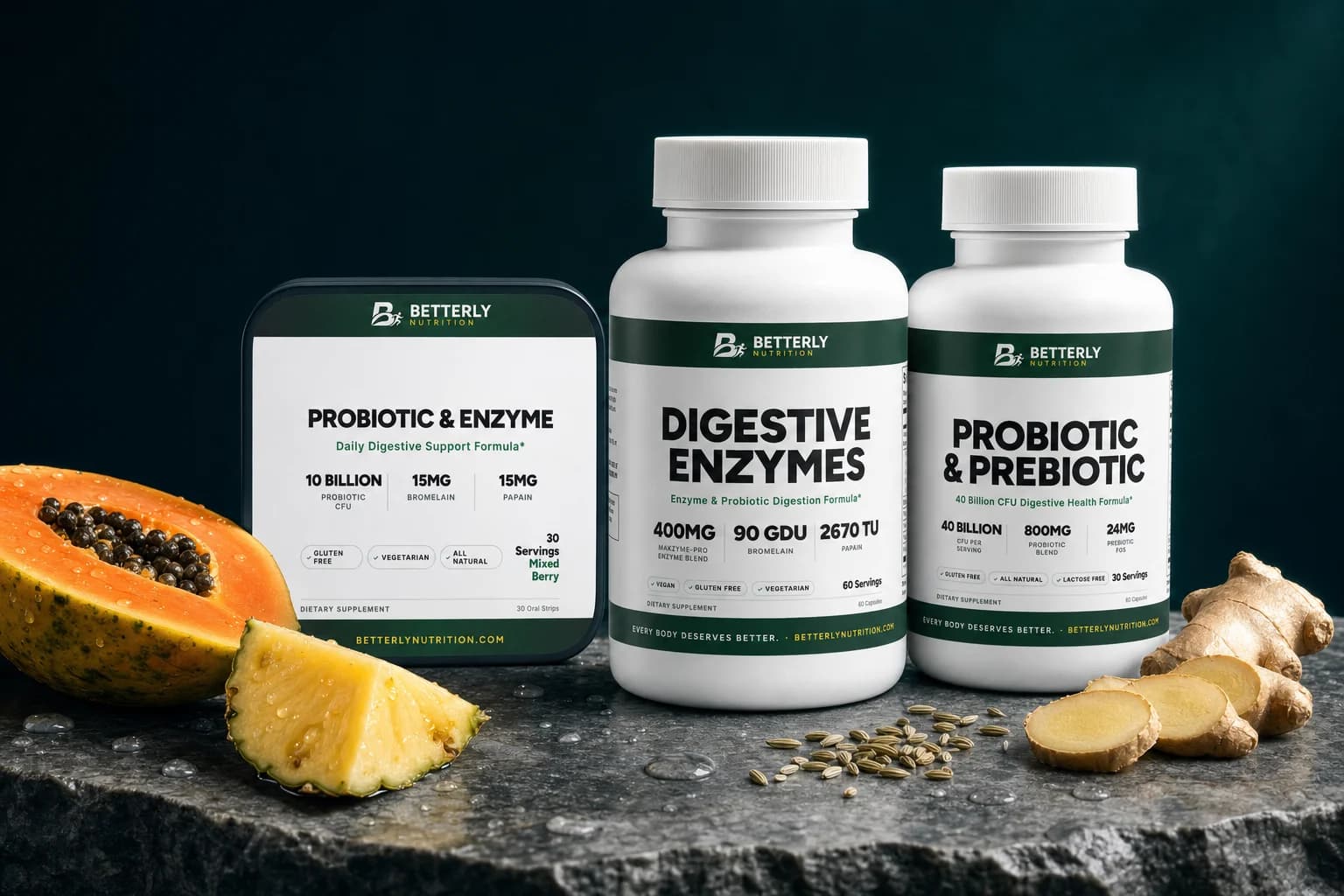
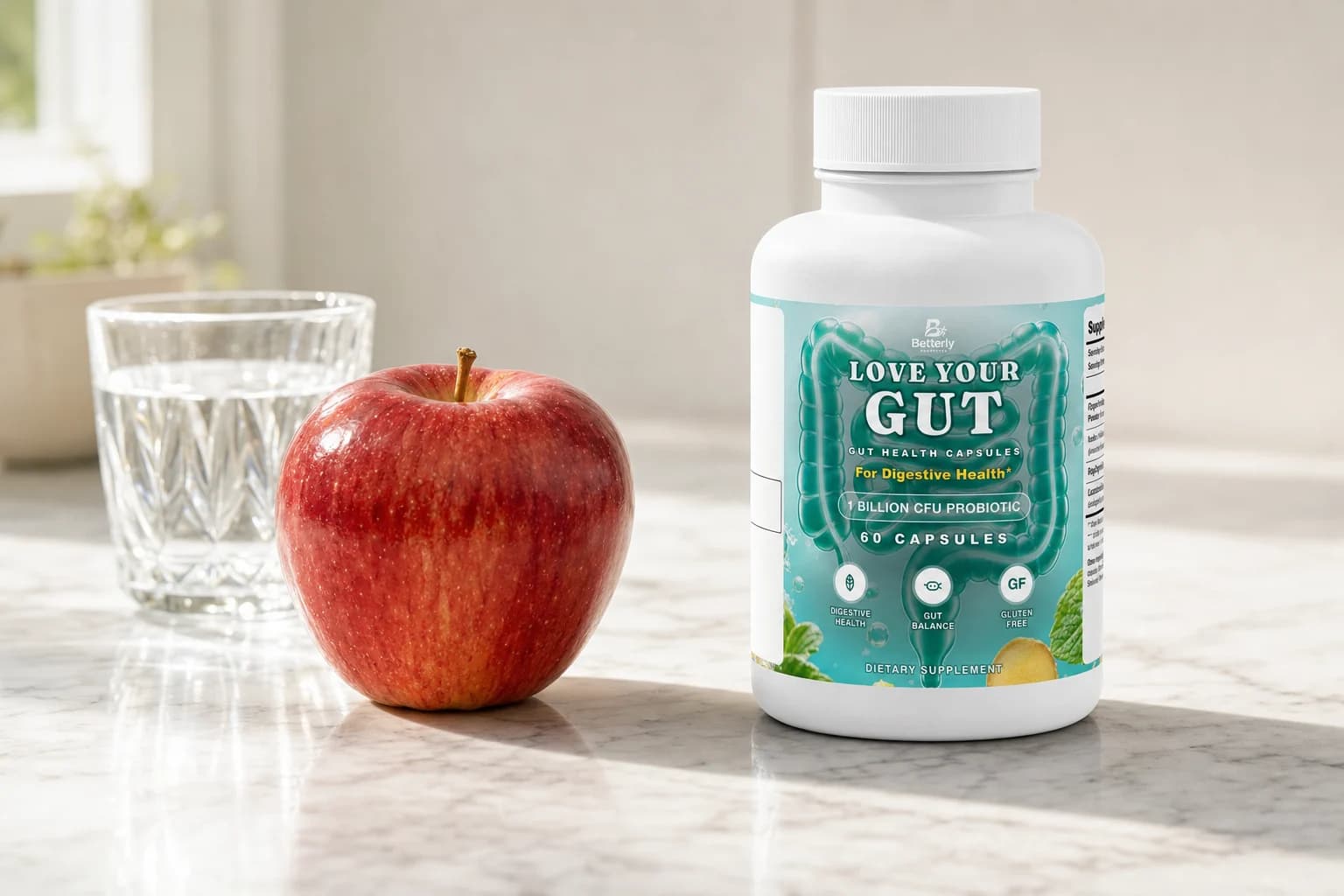
If gut-focused supplements are new territory for you, our plain-English primer on what actually helps gut health is a good companion to this guide.
Capsules vs. the liquid shot: why format changes the routine
An honest note first: nearly all vinegar research has been done with the liquid, not capsules — and much of it looked at questions outside everyday digestion, in small studies. For digestion specifically, the evidence is early and modest. Anyone promising dramatic results from either format is getting ahead of the science.
Direct comparisons between capsules and the liquid are scarce, so don't assume a swallowed capsule behaves exactly like the liquid. Choose a capsule for comfort and consistency, not as an exact stand-in for the liquid.
So why do so many people choose capsules anyway? Practical reasons:
- Your taste buds are spared. A vinegar shot is genuinely unpleasant for most people, and unpleasant rituals get skipped.
- Your teeth are spared too. Straight vinegar is acidic enough that dentists generally suggest diluting it well and rinsing your mouth afterward. A capsule never touches your teeth. That's a practical point about drinking acid, not a health claim.
- The serving is consistent. No measuring, no "was that a tablespoon or two?"
- It travels. A bottle of capsules survives a gym bag. A bottle of vinegar does not.
The takeaway isn't that capsules are stronger — they're not. It's that the best format is whichever one you'll still be taking in a month. For most people, that's the capsule.
So when should you take apple cider vinegar capsules?
Here's the part most guides on how to take apple cider vinegar pills overcomplicate. No large study pinpoints a golden hour, and for digestion specifically the research simply isn't detailed enough to crown one. What we can offer is a default that's practical, comfortable, and easy to keep.
Take them with a meal. Three reasons:
- Vinegar has always been a with-food ingredient. From dressings to pickles, it has accompanied meals for centuries. Taking the capsule alongside food fits how it has traditionally been used.
- Food makes it gentler. Concentrated vinegar powder landing in an empty stomach makes some people queasy. A meal buffers that.
- Meals are the best habit anchors you own. You already eat breakfast most days. Attaching a capsule to a routine that exists is how new habits actually survive.
Pick the meal you never skip. For most people that's breakfast — but if your steadiest meal is dinner, take it then. The clock matters far less than the streak.
Consistency beats timing. This is the honest heart of the whole question. Your serving taken with breakfast every single day will serve you better than a theoretically "optimal" window you forget three times a week. Supplements in this category are slow, quiet helpers — they need the repetition more than the schedule.
Apple cider vinegar capsules on an empty stomach: fine or not?
Short answer: there's no demonstrated advantage to taking apple cider vinegar capsules on an empty stomach, and there's a real downside for some people — queasiness. Concentrated acidity plus an empty stomach is an uncomfortable combination if your gut runs sensitive.
If you've been taking them first thing without trouble, you're probably fine to continue. But if a capsule has ever left you feeling off, the fix is usually simple: take it with food and a full glass of water. And if any supplement consistently disagrees with you, stop taking it and check in with a healthcare provider — no routine is worth pushing through discomfort.
Taking apple cider vinegar and probiotics together
Here's where a combined formula makes timing simpler.
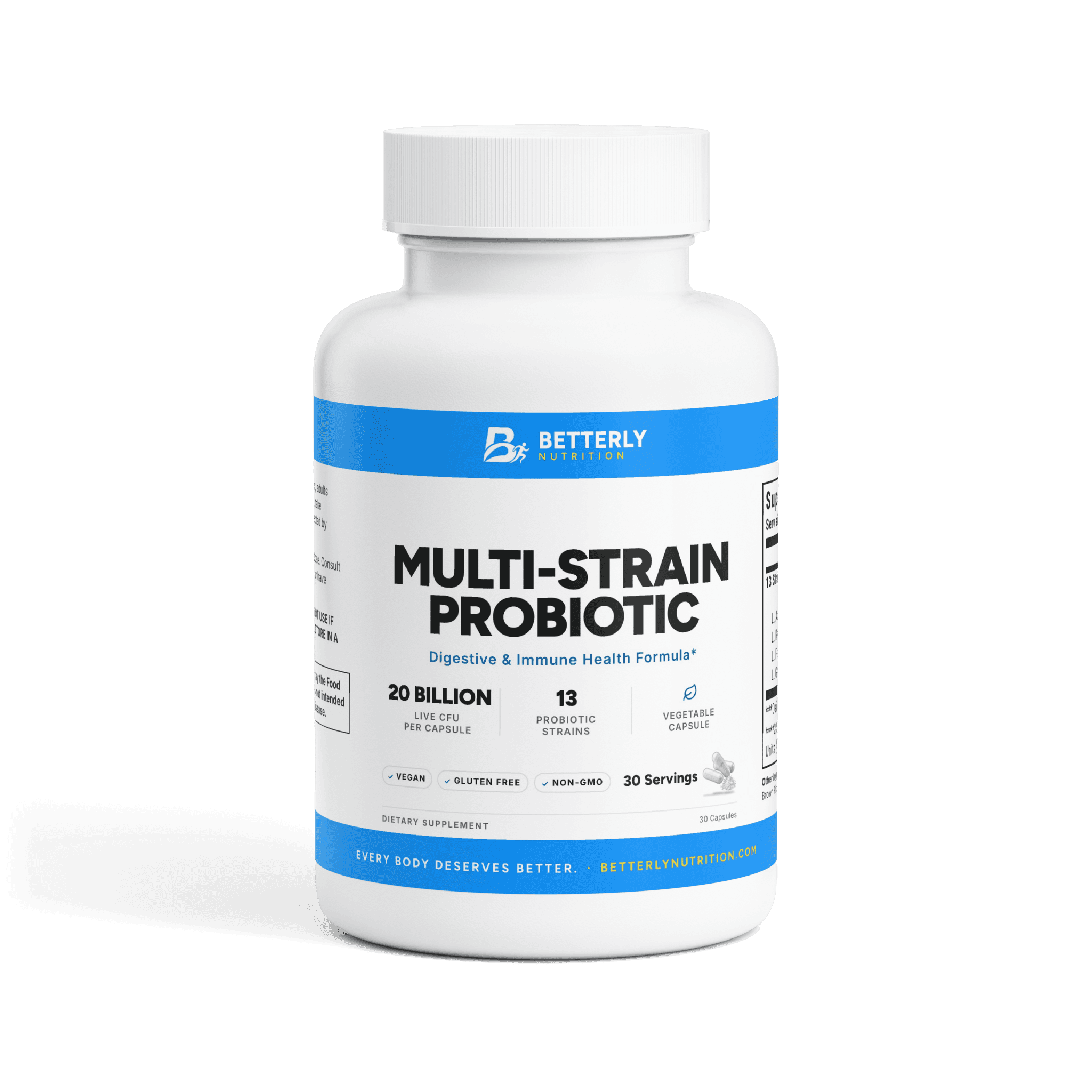
There's no proven best hour for probiotics either. According to the NIH Office of Dietary Supplements, there are no official recommendations that cover the use of probiotics by healthy people. Taking your serving with a meal is simply a comfortable, easy-to-remember default.
That's why a combined formula quietly answers its own timing question. Our Apple Cider Vinegar & Probiotic Capsules put apple cider vinegar and a probiotic in the same capsule — 60 to a bottle, or 30 two-capsule servings. The label's suggested use is two capsules daily with 6–8 oz (177–237 ml) of water, or as directed by a healthcare professional, and taking that serving with a meal, ideally breakfast, covers both with one habit. And the with-meal timing keeps the vinegar comfortable.
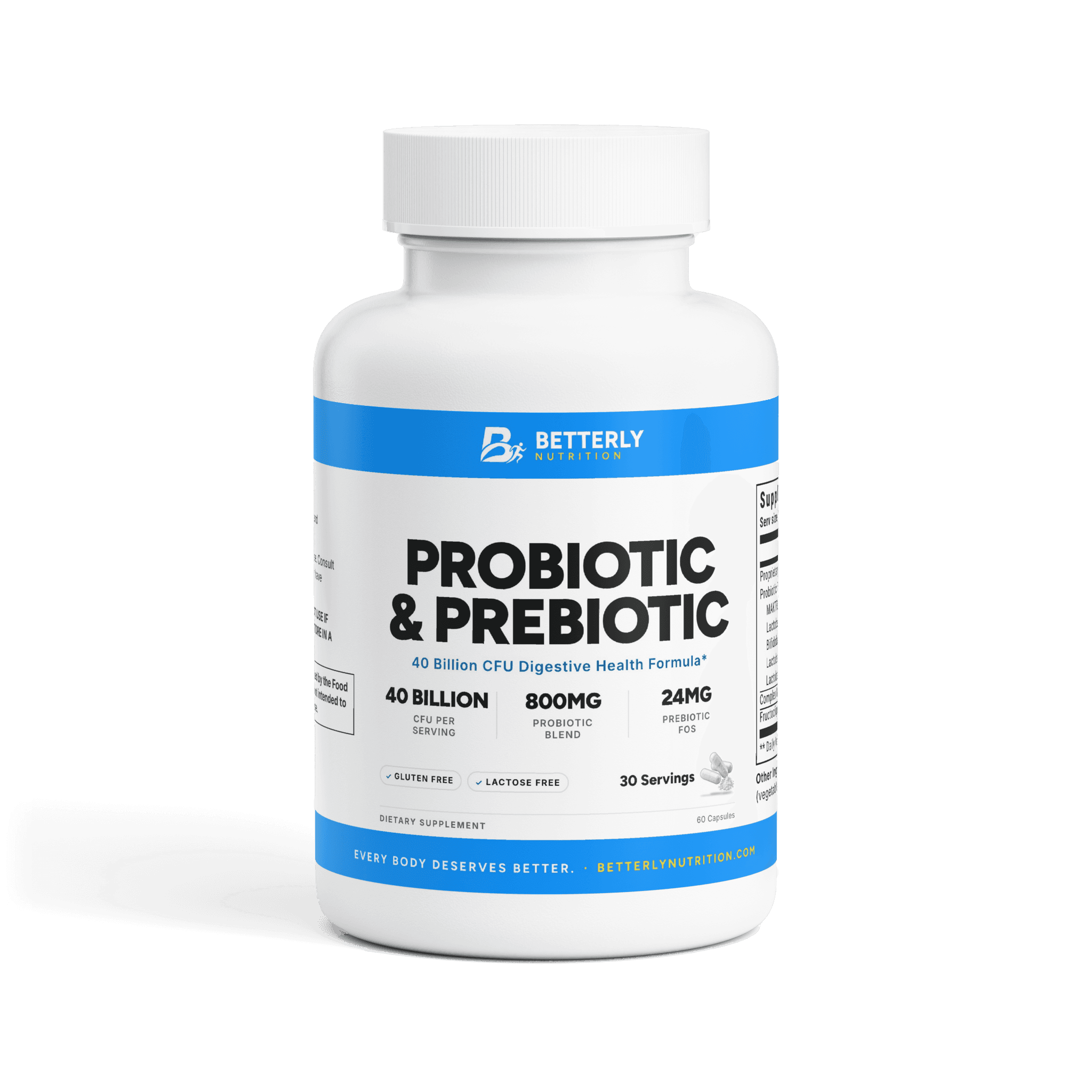
If you'd rather run a separate probiotic alongside plain ACV capsules, that works too — the same with-food logic applies to both, and our guide on how to choose a probiotic covers what to look for on a label.
Building an apple cider vinegar capsule routine that sticks
The difference between people who stay consistent with supplements and people who own a drawer of half-finished bottles is rarely willpower. It's design.
- Anchor it to something you already do. Keep the bottle next to the coffee maker and take your serving while the mug fills. Habit researchers call this stacking; your grandmother called it common sense.
- Keep the bottle visible. A bottle in a cabinet is a bottle forgotten. Counter, desk — wherever the anchor meal happens.
- Add one thing at a time. Start three new supplements in one week and you won't know what's doing what — and you'll probably keep none of them. Our guide to building a simple supplement routine walks through sequencing this well.
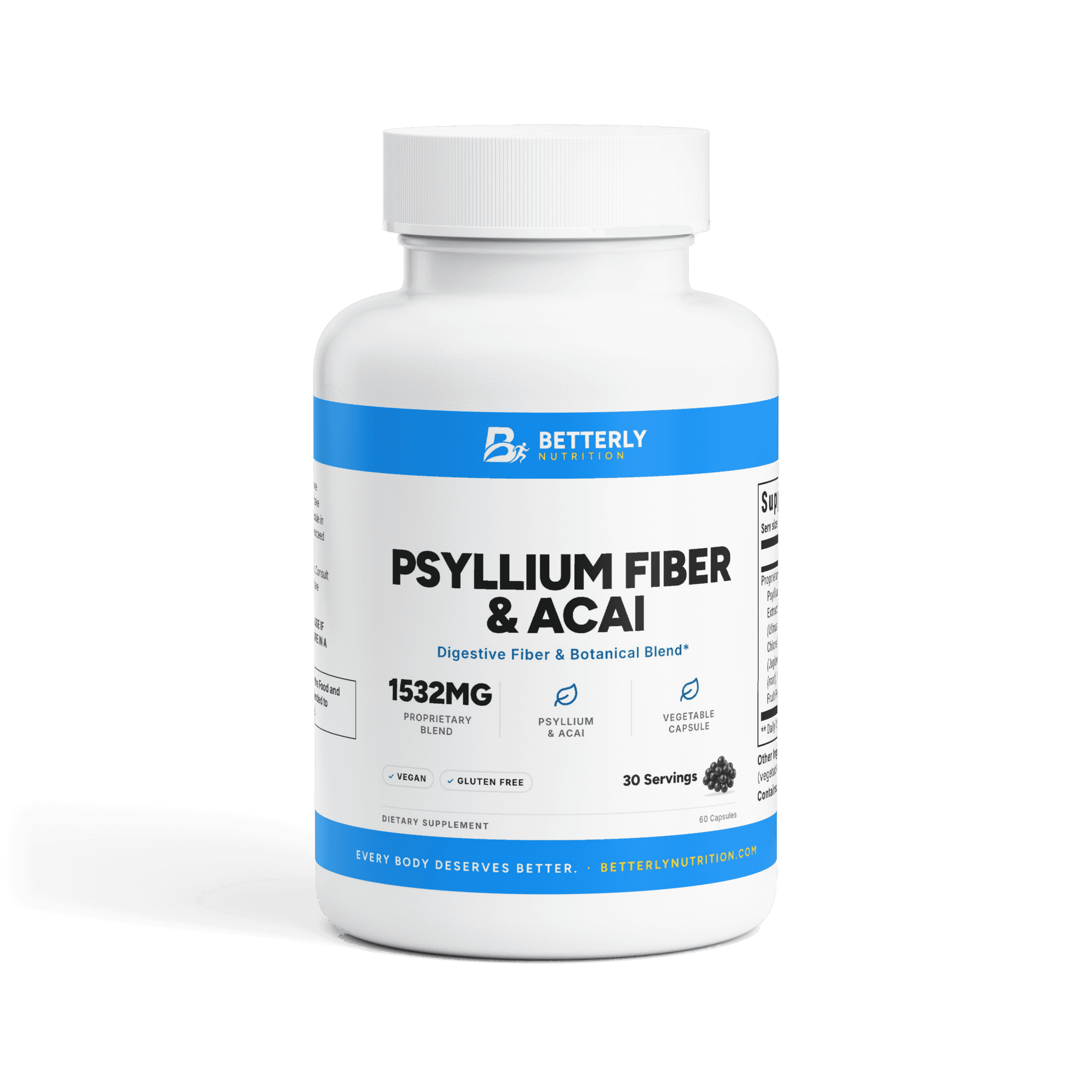
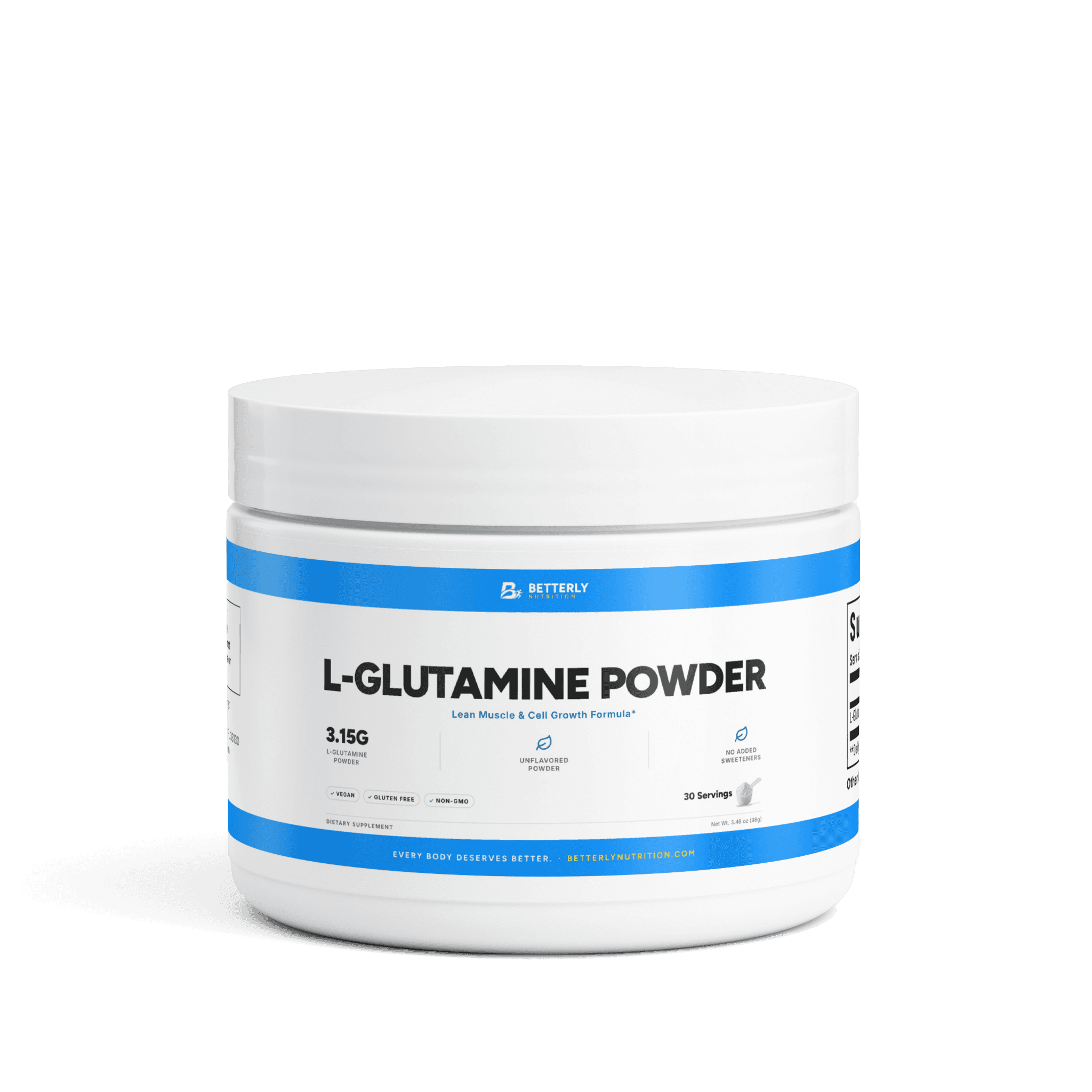
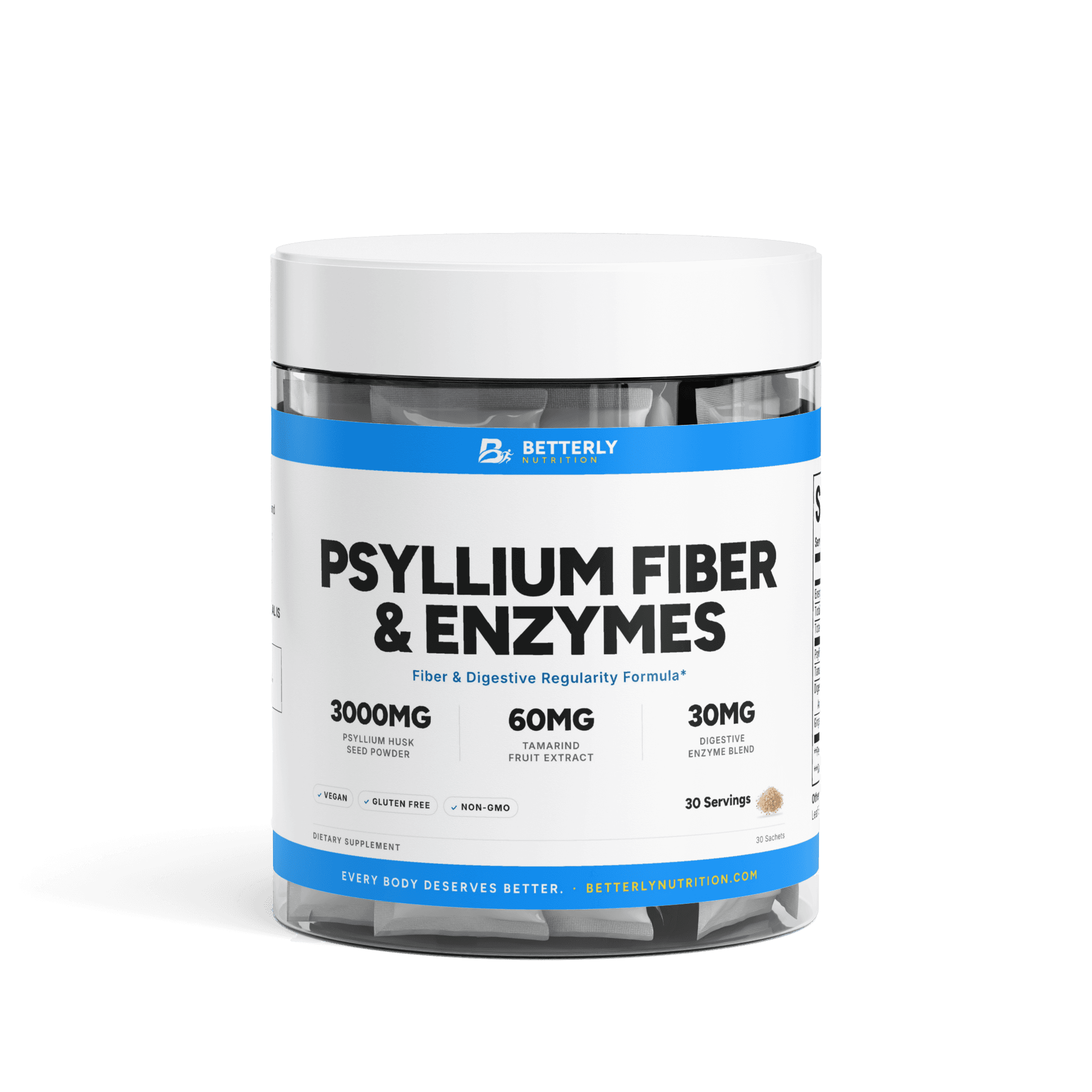
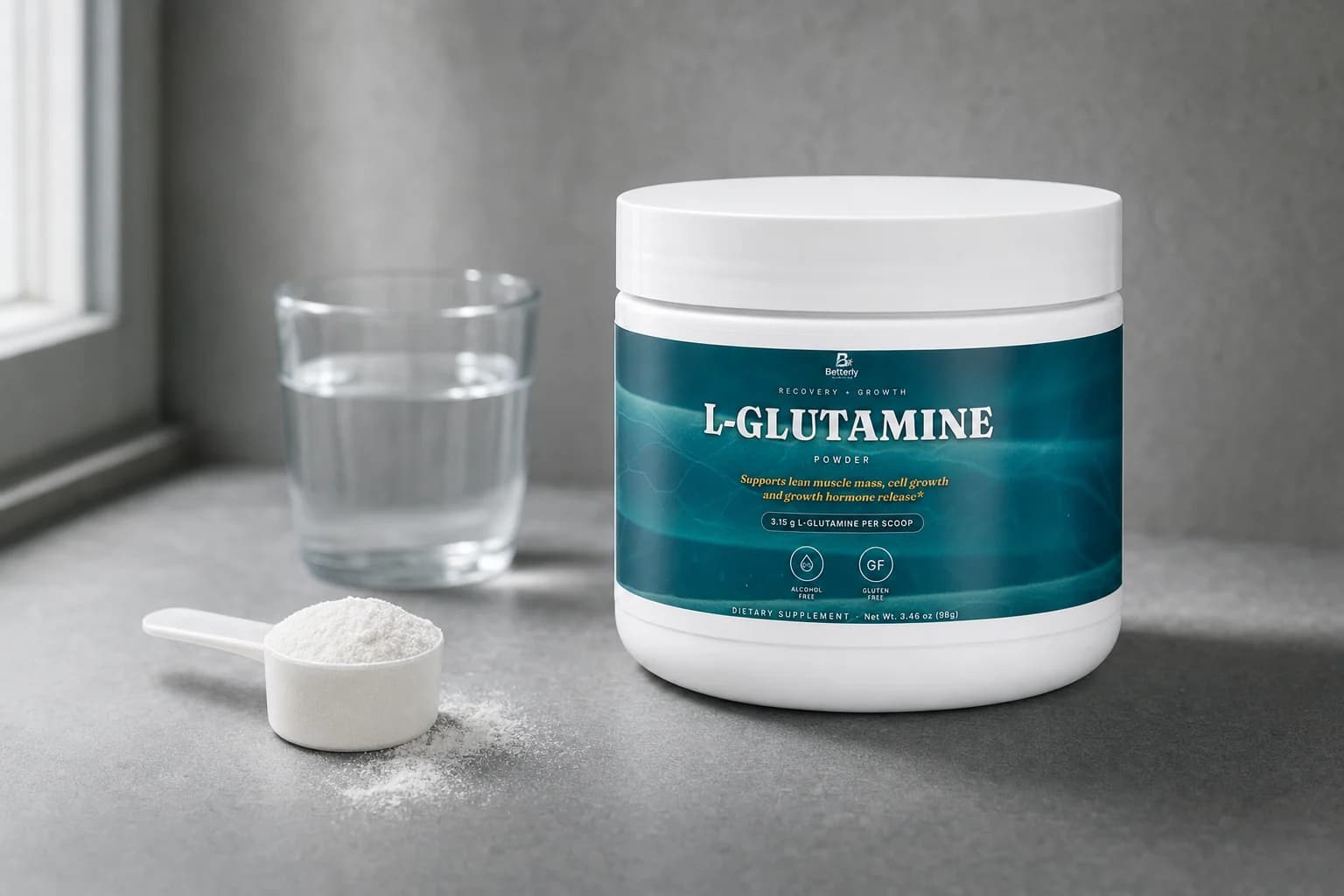
- Round out the gut picture when you're ready. An ACV capsule is one small piece. Daily fiber, mostly from food, does more heavy lifting for regularity than any vinegar product, and our companion guide to choosing a fiber supplement for regularity explains the options. Our Psyllium Fiber & Acai Capsules add a psyllium-and-botanical blend (1,532 mg per 2-capsule serving; contains tree nuts); the label's suggested use is one capsule during the day and one in the evening, and no more than two capsules a day. If you're curious about amino acid support, L-Glutamine Powder is a single-ingredient option: 3.15 g of L-glutamine per 1-scoop (3.3 g) serving — our L-glutamine gut health guide covers it in full. And a scoop of Barley Grass & Spirulina Greens Powder adds a 2,000 mg greens blend and a 1,500 mg reds blend per 1-scoop (4.2 g) serving. It adds to vegetables; it doesn't replace them.
You can browse all of it in one place in our Gut Health collection.
Common mistakes to skip
- Chasing the perfect window. The internet is full of confident, conflicting answers about when to take apple cider vinegar capsules. The differences between them amount to minutes and vibes. The streak is what matters.
- Doubling up to catch up. Missed yesterday? Just take today's. Follow the label serving — with vinegar products, more is not better.
- Going empty-stomach when you know you're sensitive. There's no prize for toughing it out.
- Expecting to feel something. A vinegar capsule isn't caffeine. Most people feel nothing day to day, and that's normal for this category — not a sign it's failing.
- Letting the capsule replace the basics. Fiber, water, plants, movement, sleep. A capsule can support the fundamentals; it can't stand in for them.
How should you judge your routine?
Judge the routine, not miracles. Is it easy to keep? Is it worth its spot on the counter? If it's a chore with no upside, drop it without guilt — the best routine is made of things that earn their place.
One more honest note: if you are pregnant or nursing, under 18, take any prescription medication, or are managing a medical condition, check with a healthcare provider before starting.
FAQ: apple cider vinegar capsules
What is the best time of day to take apple cider vinegar capsules?
With whichever meal you never skip — breakfast for most people. No research crowns morning over evening, so consistency is the real target. Pick one meal and stay with it.
Should I take apple cider vinegar capsules on an empty stomach?
There's no known advantage, and concentrated vinegar powder on an empty stomach makes some people queasy. With food and a glass of water is the comfortable default.
Are apple cider vinegar capsules as effective as the liquid?
Honestly, nobody can claim equivalence — the research was mostly done with liquid, and direct comparisons are scarce, so don't assume a capsule behaves exactly like the liquid. For a daily habit, the format you'll actually stick with matters most, whichever one that is.
Can I take apple cider vinegar and probiotics together?
Yes — they pair naturally. Taking them with a meal is the comfortable default for ACV, and it keeps both on one habit. Combined formulas like our Apple Cider Vinegar & Probiotic Capsules put both in one serving, so one with-food habit covers both.
How many apple cider vinegar capsules should I take a day?
Follow the serving on your product's label — the amount of vinegar powder varies widely between brands, so there's no universal number. Resist the urge to take extra. For our Apple Cider Vinegar & Probiotic Capsules, the label's suggested use is two capsules daily with 6–8 oz (177–237 ml) of water, or as directed by a healthcare professional.
What if I miss a day of apple cider vinegar capsules?
Just take your next serving as usual and don't double up. The label's suggested use for our Apple Cider Vinegar & Probiotic Capsules is two capsules daily with 6–8 oz (177–237 ml) of water, or as directed by a healthcare professional. Then pick the routine back up from there.
Sources
If this left you looking for somewhere to start, read apple cider vinegar capsules with a probiotic — its amounts per serving are listed on the page. For the practical questions this raises, how dosing, sourcing and subscriptions work is answered in one place.