On this page
- Key takeaways
- What are bromelain and papain?
- Bromelain vs papain: how do the two enzymes differ?
- What are bromelain and papain good for?
- Why does one label say 15 mg and the other give no amount?
- Are papaya enzymes the same as digestive enzymes?
- How should you take bromelain and papain?
- What are the side effects of bromelain and papain?
- When don't you need bromelain or papain?
- Who should check with a healthcare provider first?
- FAQ: bromelain and papain
- Sources
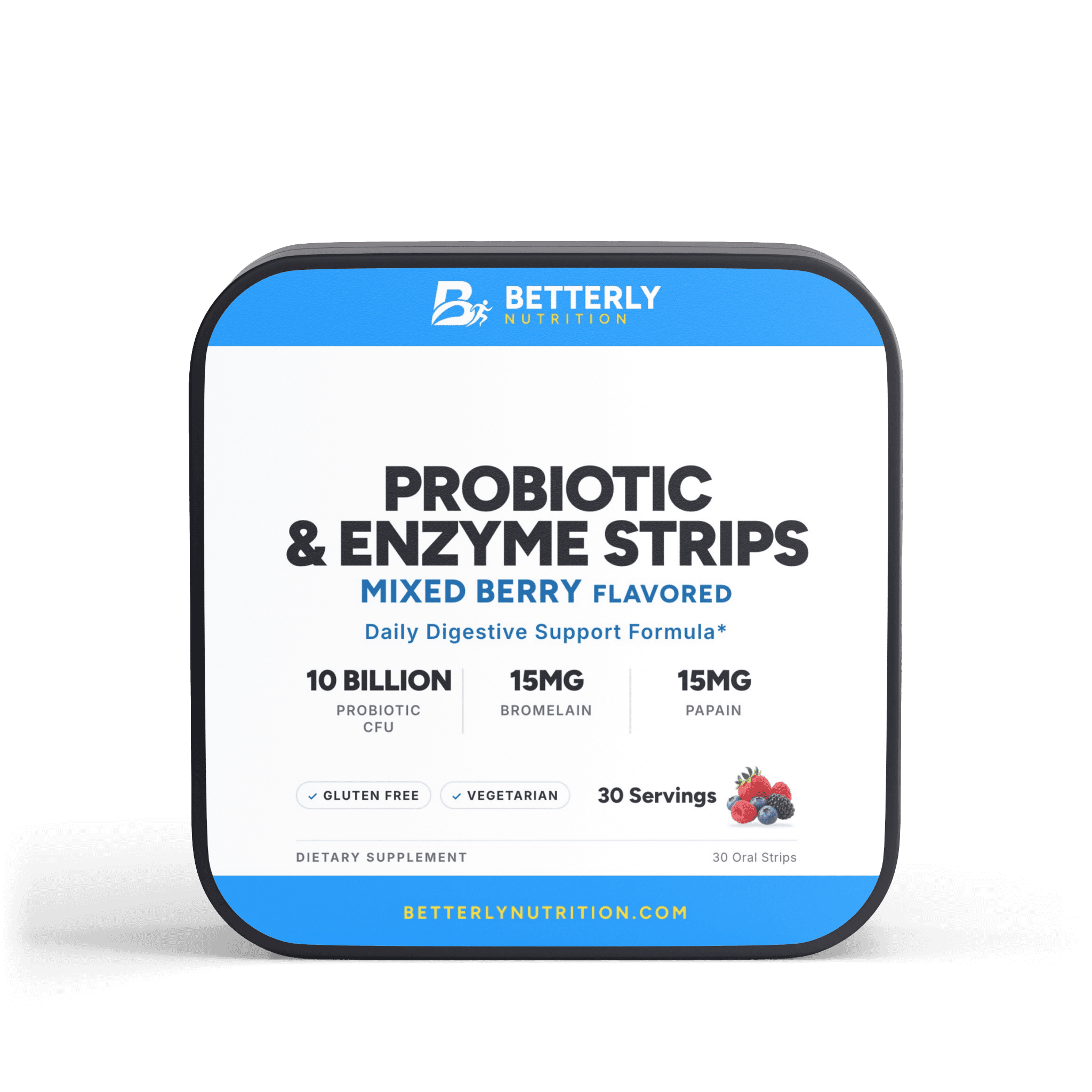
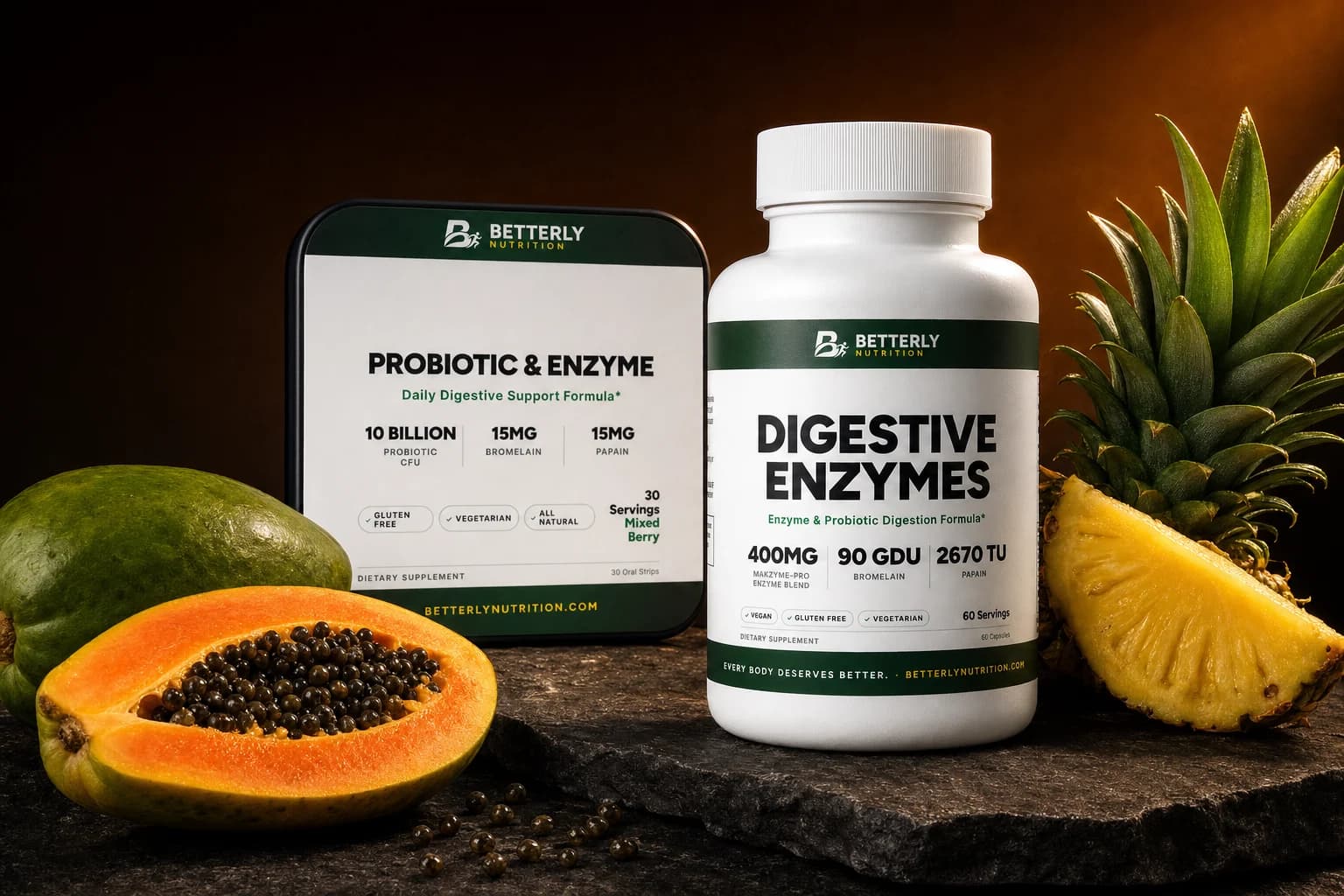
The short answer: Bromelain and papain are protein-splitting enzymes from pineapple and papaya, and digestive formulas include them to help break down the protein in meals. Our Probiotic & Digestive Enzyme Strips list 15 mg of each per 1 Oral Strip (210 mg) serving. Our Digestive Enzyme & Probiotic Capsules list both inside a 400mg enzyme blend per 1 Veggie Capsule serving, with no separate amount for either, so the two labels can't be compared on these enzymes.
Key takeaways
- Bromelain is taken from the pineapple plant and papain from the latex of unripe papaya, and both enzymes break down protein.
- Labels state these enzymes by weight (mg), by activity (GDU for bromelain, TU for papain) or only by name inside a blend: our strip prints milligrams, and our capsule names them in its blend with no figure of their own.
- Pineapple and papaya enzymes don't act on fat, milk sugar or bean carbohydrates, so a protein-only product and a broad digestive blend are different purchases.
- NCCIH lists stomach upset and diarrhea as bromelain's most common side effects, and anyone with a latex allergy should ask about papain before trying it.
Both of those products carry our name, which gives us a reason to talk these enzymes up. The strip is our main example here, and its panel discloses less, giving weights where the capsule gives activity.
What are bromelain and papain?
Bromelain and papain are proteases, meaning enzymes that cut proteins into shorter chains, and each one is taken from a tropical fruit plant.
Bromelain isn't a single molecule. NCCIH's bromelain fact sheet, from the National Center for Complementary and Integrative Health, calls it a group of protein-splitting enzymes. It places them in both the stem and the fruit of the pineapple plant, Ananas comosus.
Papain's origin is more specific. FDA's food-ingredient rule for papain, 21 CFR 184.1585, traces it to Carica papaya. It says the crude latex holding the enzyme "is collected from slashed unripe papaya."
Neither enzyme is new to food. That papain rule lists it as an enzyme, processing aid and texturizer. FDA's matching rule for bromelain, 21 CFR 184.1024, describes its job as breaking down "proteins or polypeptides." A digestive formula hires them for that same job.
On supplement panels, they show up as their own rows, inside blends, or as small extras in other formulas. Our Turmeric Curcumin & Boswellia Capsules list Bromelain (Ananas comosus)(stem) at 8mg per 2-capsule serving, which even names the part of the plant.
Bromelain vs papain: how do the two enzymes differ?
Bromelain does the same basic work on protein as papain, so what separates them is the plant, the unit a label uses and how much federal safety guidance exists.
| Bromelain | Papain | |
|---|---|---|
| Plant | Pineapple (Ananas comosus) | Papaya (Carica papaya) |
| Part used | Stem and fruit | Latex from unripe fruit |
| Our strips, per 1 Oral Strip | 15 mg | 15 mg |
| Our capsules, per 1 Veggie Capsule | In a 400mg blend, no own amount | In a 400mg blend, no own amount |
| NCCIH fact sheet | Yes | None we could find |
| Allergy to think about | Pineapple | Papaya and latex |
The bottom two rows matter most when you're deciding. Bromelain has a federal fact sheet with safety notes. Papain doesn't, so its main safety signal is an FDA note about latex and papaya, covered below.
When a label does print both, GDU for bromelain and TU for papain come from different lab tests, so the two numbers sit on different scales and can't tell you which enzyme works harder. Our capsule prints neither.
What are bromelain and papain good for?
In digestive formulas, bromelain and papain are there to help break down dietary protein, and digestion is the purpose named on both our enzyme labels, the strip and the capsule.
A steak or a bowl of lentils delivers protein as long strands of amino acids, and your digestive system already makes proteases of its own to snip those strands apart. Our enzymes-vs-probiotics guide covers which organs make which enzymes. A bromelain or papain serving adds outside help to that built-in supply.
How much a 15 mg serving, or an unstated share of a 400mg blend, adds to your own supply is something we can't tell you. No federal page we read quantifies it.
NCCIH's page lists other uses bromelain is promoted for, none of them digestion, and notes that few studies have tested it taken by mouth. We leave those uses out.
Why does one label say 15 mg and the other give no amount?
Our Probiotic & Digestive Enzyme Strips list both enzymes by weight, our enzyme capsules name them inside a blend with no amount of their own, and weight alone can't show how much protein either enzyme breaks down.
Enzyme powders vary in strength from one raw material to the next, so two batches weighed out at 15 mg can do different amounts of work. Activity units get around that by reporting a lab result instead. GDU is short for gelatin digesting units, and TU is short for tyrosine units, names that hint at the test behind each number.
To turn the strip's 15 mg into GDU, you'd need the raw bromelain's potency, usually written as GDU per gram. The strip's panel doesn't print it, and the capsule gives its bromelain no figure at all. So we can't tell you which of the two holds more bromelain, and we won't guess.
| On the panel | Probiotic & Digestive Enzyme Strips | Digestive Enzyme & Probiotic Capsules |
|---|---|---|
| Serving size | 1 Oral Strip (210 mg) | 1 Veggie Capsule |
| Bromelain | 15 mg | In a 2500 HUT/400mg blend, no own amount |
| Papain | 15 mg | In the same blend, no own amount |
| Other protein enzyme | Protease, 10 mg | Fungal protease, in the same blend |
| Non-protein enzymes | None | Lipase, lactase, alpha galactosidase, in the same blend |
| Probiotic | Bacillus coagulans, 50 mg (10 Billion CFU) | Three Lactobacillus species, no CFU given |
| Label's daily use | 1 strip | 1 capsule, twice a day |
The table's takeaway: the strip is a protein-only enzyme product with a counted probiotic, and the capsule is a wider enzyme blend whose probiotic isn't counted. If the Bacillus coagulans row is what caught your eye, our plain-terms guide to that probiotic covers the other half of the strip.
At its suggested use, the capsule adds up to 800mg of its blend a day, across two capsules, with no stated share for bromelain or papain. The strip stays at 15 mg of each, once a day. Its three enzyme rows total 40 mg, just under a fifth of the 210 mg strip. Bacillus coagulans adds 50 mg, and the remaining 120 mg is everything on the other-ingredients line, from pullulan and cellulose to mannitol, lecithin, sweeteners and flavor.
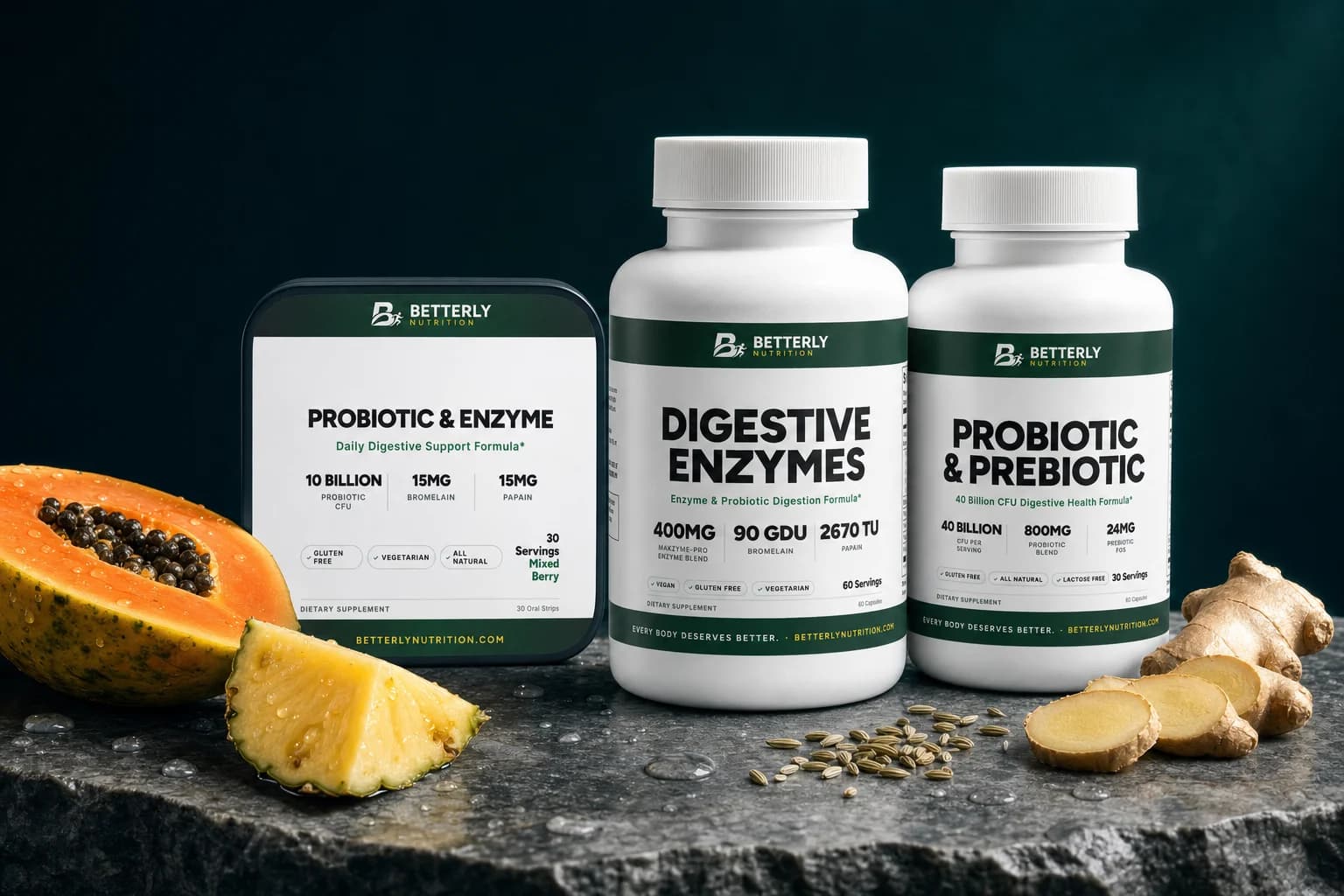
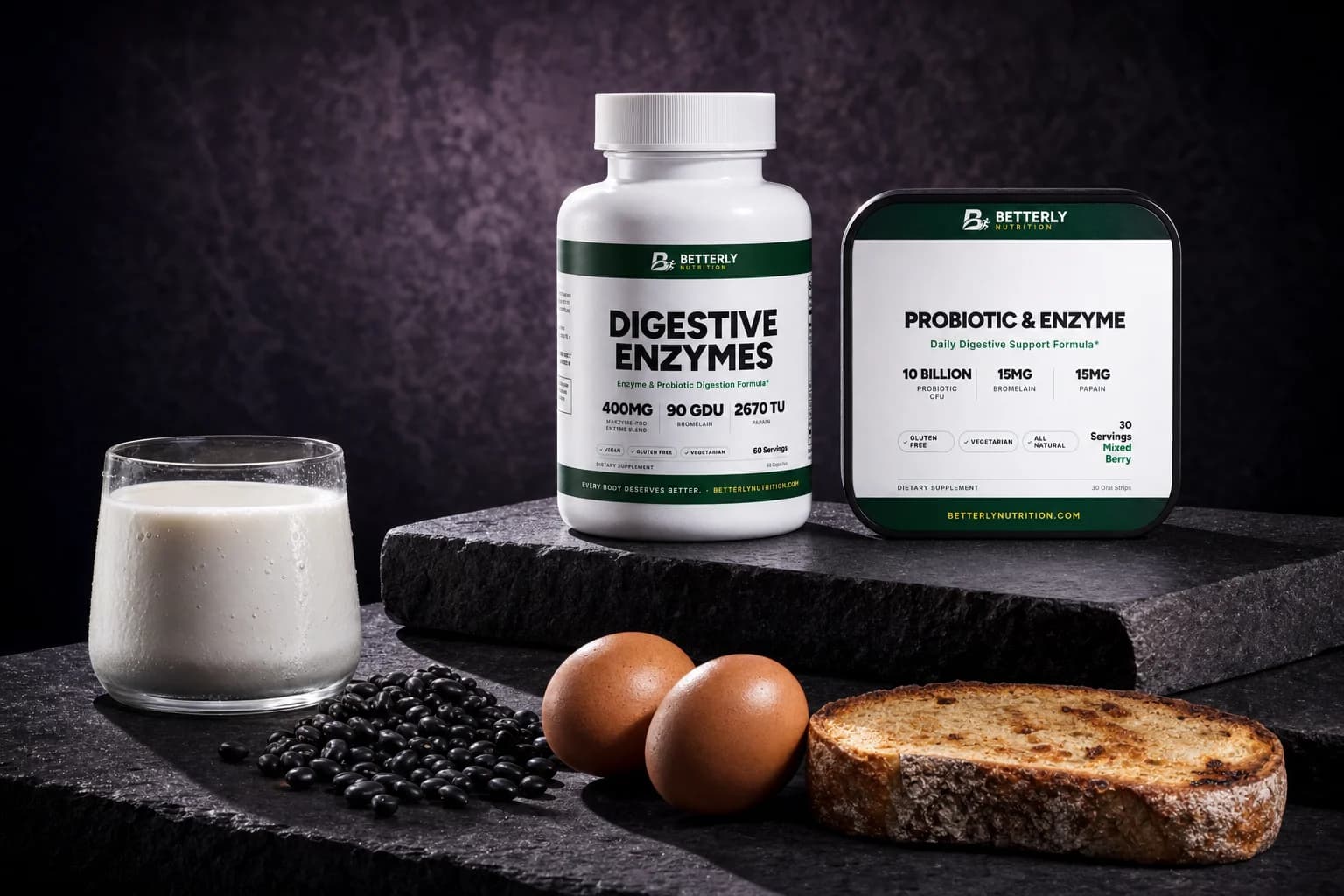
From our shop: Probiotic & Digestive Enzyme Strips — 15 mg of bromelain and 15 mg of papain, listed by weight, beside 10 mg of protease per 1 Oral Strip (210 mg) serving, in a mixed berry strip.
Are papaya enzymes the same as digestive enzymes?
Products sold as papaya enzymes often list papain, sometimes beside papaya fruit powder, while a broad digestive enzyme blend adds enzymes for fats and certain carbohydrates.
That makes "papaya enzyme" the narrower buy. Papain and bromelain work on protein only, so milk sugar, bean carbohydrates and dietary fat each need a different enzyme. Match the product to the meal you have in mind:
- For meals built around meat, eggs or fish, a protease-focused product like the strip is the relevant kind.
- For dairy or beans, look for lactase or alpha galactosidase. The capsules list fungal lactase and alpha galactosidase inside their blend per 1 Veggie Capsule serving, with no separate amounts.
- For rich, fatty meals, lipase is the enzyme to find, and the same capsule's blend lists fungal lipase, again with no amount of its own.
To go food by food, our look at enzymes and occasional bloating lines each enzyme up with what it acts on. A broader guide to choosing a digestive enzyme covers units across every enzyme type.
On a papaya product, check whether the panel says papain or "papaya fruit powder." The second is the dried fruit, and it gives no measured amount of the enzyme.
How should you take bromelain and papain?
Take bromelain and papain as your product's label directs: the Probiotic & Digestive Enzyme Strips say one strip a day, and the enzyme capsules say one capsule twice a day.
The strip's label says only, "Place 1 oral strip on the tongue daily and allow it to dissolve," with no time of day and no tie to eating.
The capsule's suggested use is one capsule twice a day, and its label adds, "For best results take 20-30 min before a meal or as directed by your healthcare professional." Two capsules means two of your meals get one. The label doesn't say which two, so that choice is yours.
Both labels open their caution with the same line: "Do not exceed recommended dose." For the strip, the ceiling is one a day. For the capsules, it's two, however many meals you eat.
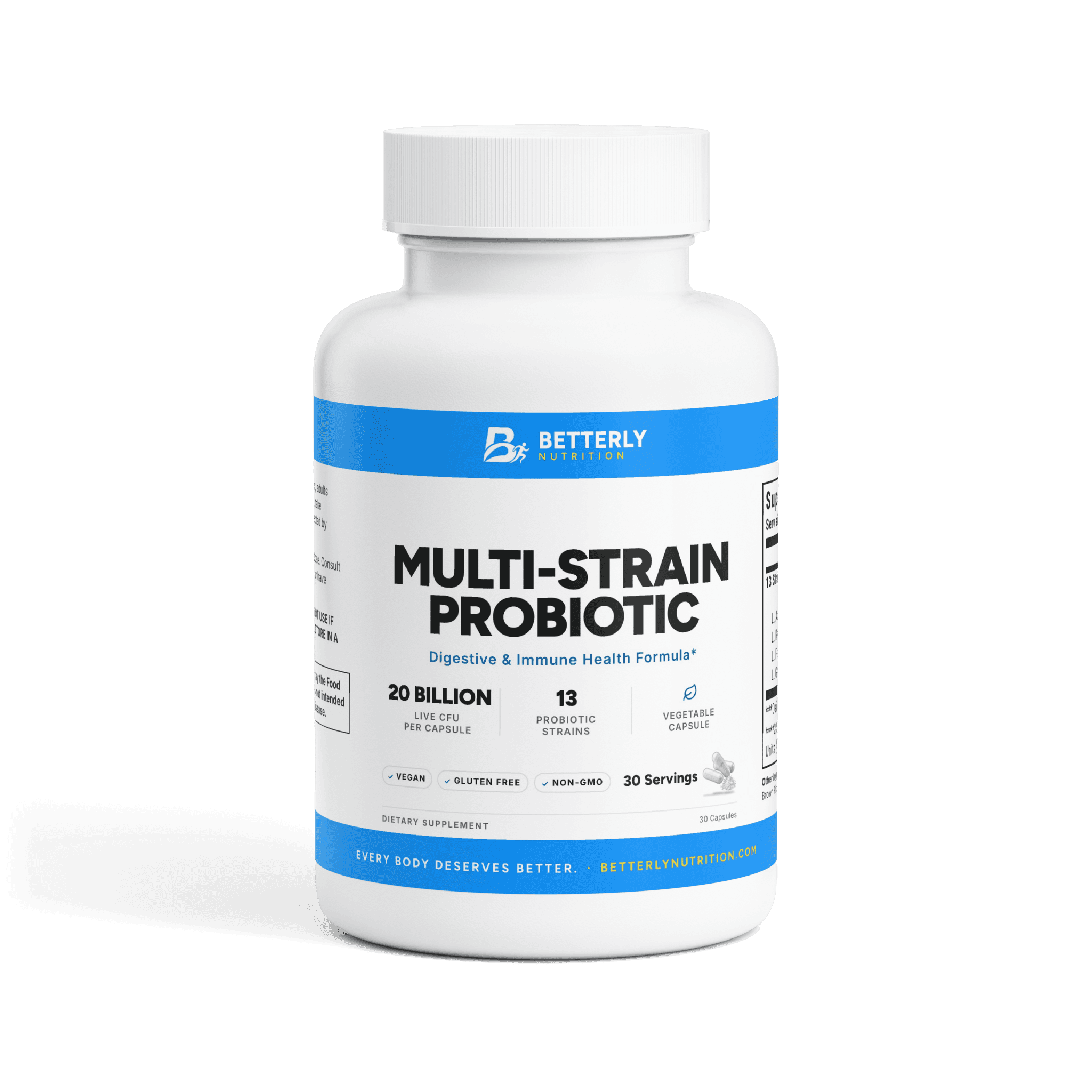
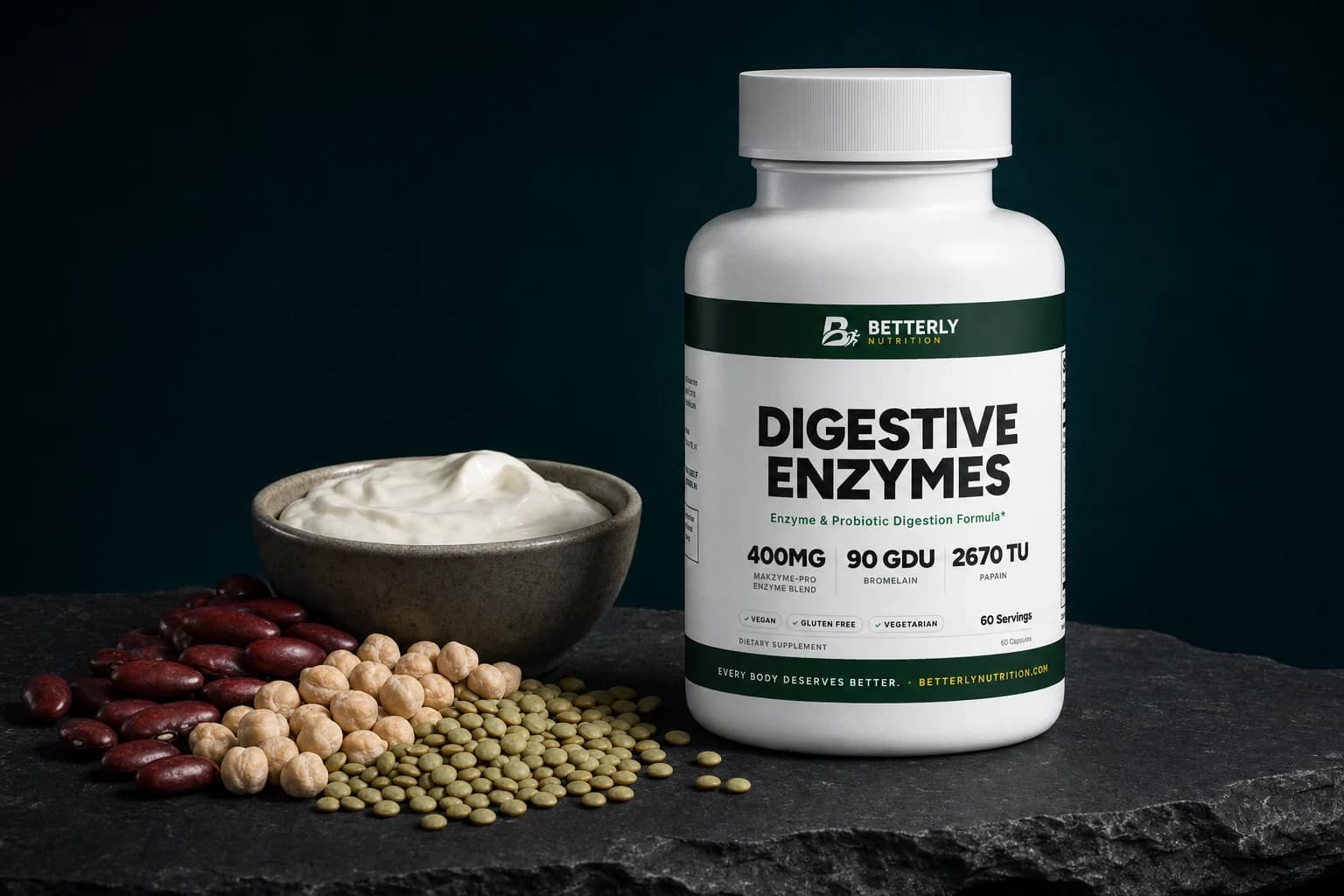
From our shop: Digestive Enzyme & Probiotic Capsules — bromelain and papain inside a 2500 HUT/400mg enzyme blend per 1 Veggie Capsule serving, beside fungal protease, lipase, lactase, alpha galactosidase and three Lactobacillus species, in a vegan capsule.
What are the side effects of bromelain and papain?
An FDA page on topical papain drug products notes that people allergic to latex may also be allergic to papaya, papain's source. Bromelain's most frequently reported side effects, per NCCIH, are stomach upset and diarrhea.
That FDA page covers unapproved papain drug products applied to the skin, not supplements you swallow, and the latex point is a side note to its main concern, serious allergic reactions. Still, papain is made from papaya latex, so mention a latex allergy to a provider before trying it.
Bromelain raises the same question for pineapple: if you're allergic to the fruit, skip it or ask a provider first.
NCCIH adds that bromelain taken by mouth seems to be well tolerated. Even so, a stomach that stays unsettled after you start the strip or capsules deserves a pause and a word with your provider, not a bigger dose.
If sweeteners have ever bothered you, note that the strip's other ingredients include mannitol, monk fruit extract and steviol glycosides.
When don't you need bromelain or papain?
You probably don't need bromelain or papain if protein-rich meals already feel fine, if your question is really about dairy, beans or fat, or if you want only a probiotic.
Neither enzyme is a nutrient you have to hit each day. Both of our panels mark their enzyme rows "Daily Value (DV) not established," and your digestive system makes protein-splitting enzymes whether or not you add any. You can pass on them when:
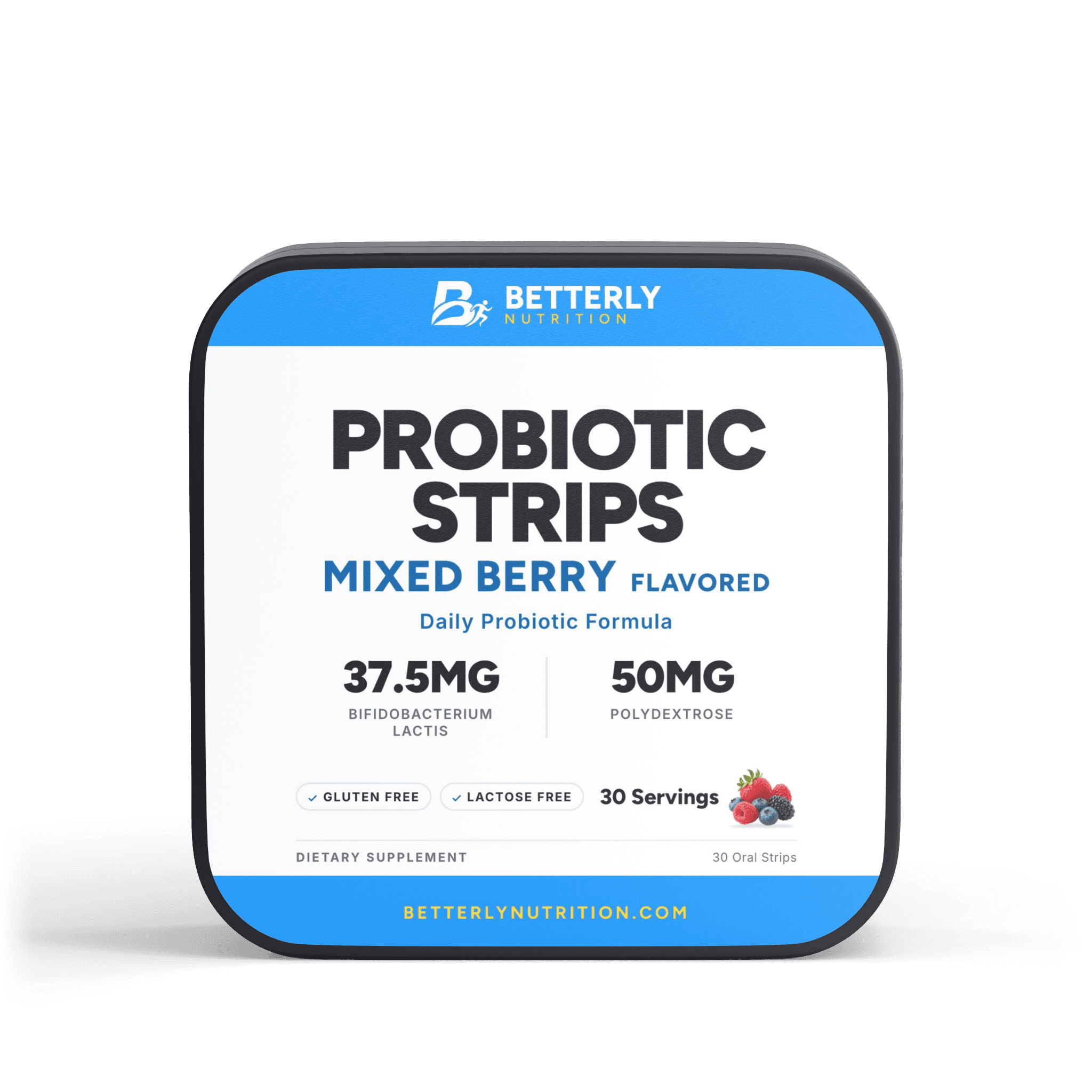
- A plain probiotic is the goal. Our 10 Billion CFU Probiotic Strips list no enzyme rows, only polydextrose at 50 mg and Bifidobacterium lactis at 37.5mg (10 Billion CFU) per 1 Oral Strip (180 mg) serving.
- The meals that bother you are dairy-heavy, bean-heavy or greasy. Protein enzymes don't act on those parts of a meal, so a lactase, alpha galactosidase or lipase row is the one to look for.
- You already take one of our bromelain products. The strip and capsules carry the same two enzymes, and the turmeric capsules add 8mg of bromelain per 2-capsule serving, so ask a provider before combining any of them.
Our gut health shelf carries probiotic-only products and wider enzyme blends if you'd rather compare panels.
Who should check with a healthcare provider first?
Ask a healthcare provider before taking bromelain or papain if you're pregnant or nursing, under 18, on any medicine, managing a health condition, or allergic to latex, pineapple or papaya.
- Pregnant or nursing. Both of our labels say to consult a physician. NCCIH has little safety information on bromelain for pregnancy or breastfeeding.
- Taking any medicine. NCCIH's advice is to talk with your provider before using bromelain if you take any type of medicine, since some herbs and medicines can interact badly. Bring your full list.
- Under 18, or managing a medical condition. Both labels name these groups in their cautions.
- Allergic to latex, pineapple or papaya. The side-effects section above explains why.
- A procedure coming up. Our labels are silent here, so list these enzyme products for your care team and ask whether to keep taking them.
If after-meal discomfort is new for you, happens most days or keeps getting worse, skip the enzyme aisle and book an appointment first.
FAQ: bromelain and papain
Can you take bromelain and papain together?
Yes, bromelain and papain can be taken together, and both of our enzyme products already combine them in one serving. The thing to avoid is layering products. Our strip and capsules each carry both enzymes, so ask a provider before using them on the same day.
Can you take bromelain or papain while pregnant?
There's no clear answer for bromelain or papain during pregnancy, so talk with your provider before starting either one. NCCIH says little is known about whether bromelain is safe to use while pregnant or breastfeeding, and no federal fact sheet on papain turned up in our search. Both of our enzyme labels tell anyone pregnant or nursing to consult a physician.
Is bromelain or papain used as a meat tenderizer?
Yes, bromelain or papain can turn up in meat tenderizers, and FDA's food rules show why: each is listed as a food enzyme that splits proteins. Neither rule mentions meat, and brands differ on which enzyme they use, if any, so the tenderizer's ingredient list is where to check. And a tenderizer isn't a stand-in for a supplement.
Is eating pineapple or papaya the same as taking the enzymes?
No, eating pineapple or papaya doesn't give you a measured enzyme serving. NCCIH says bromelain is found in the pineapple's fruit as well as its stem, but a slice of fruit has no stated enzyme amount. FDA's rule traces papain to the latex of unripe papaya. Enjoy both fruits as food, not as a known dose.
How long does a container of these enzyme products last?
Both of our papain and bromelain products last 30 days at each label's suggested use. The strips come 30 to a container at one a day. The capsules come 60 to a container at one capsule twice a day. Running out sooner means you've gone past the label.
Are bromelain and papain supplements vegan?
Some supplements with bromelain or papain are vegan and some aren't, so read each label's claims. Our Digestive Enzyme & Probiotic Capsules carry a vegan claim, and their other ingredients list hypromellose (vegetable capsule). Our Probiotic & Digestive Enzyme Strips are labeled vegetarian and gluten free, with no vegan claim. On other brands, look at the capsule itself, since some shells are made from gelatin.
Sources
- Bromelain: Usefulness and Safety (NCCIH)
- 21 CFR 184.1585, Papain (eCFR, FDA food-ingredient regulation)
- 21 CFR 184.1024, Bromelain (eCFR, FDA food-ingredient regulation)
- Questions and Answers about FDA's Enforcement Action Regarding Unapproved Topical Drug Products Containing Papain (FDA)
If this left you looking for somewhere to start, read probiotic strips with bromelain and papain — its amounts per serving are listed on the page. For the practical questions this raises, how dosing, sourcing and subscriptions work is answered in one place.